
 Business License

Bone Ash vs Talc as a Parting Agent in Metal Casting
A zinc die caster in the Balkans cut its parting material cost by roughly 60 percent by switching from bone ash to talc, then spent the next three months cleaning zinc buildup off its dies every weekend. The talc released the first few castings cleanly. After that, the powder fused into the die surface under the heat of repeated pours, and the accumulated layer began tearing the skin of the parts. The shop eventually went back to bone ash and recovered its original cycle time within a single shift of the changeover.
The story is common enough that it deserves a closer look. Both bone ash and talc are soft, white, inexpensive powders that foundries dust onto molds as parting agents. The similarities end there. The two materials behave very differently under the sustained heat of non-ferrous casting, and choosing between them requires understanding what each one actually does at the mold face over hundreds of cycles, not just at the first pour.
1. What Each Material Is Chemically
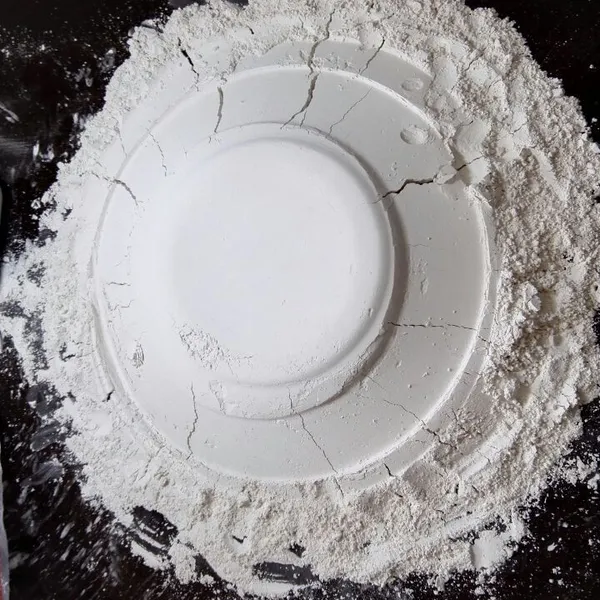
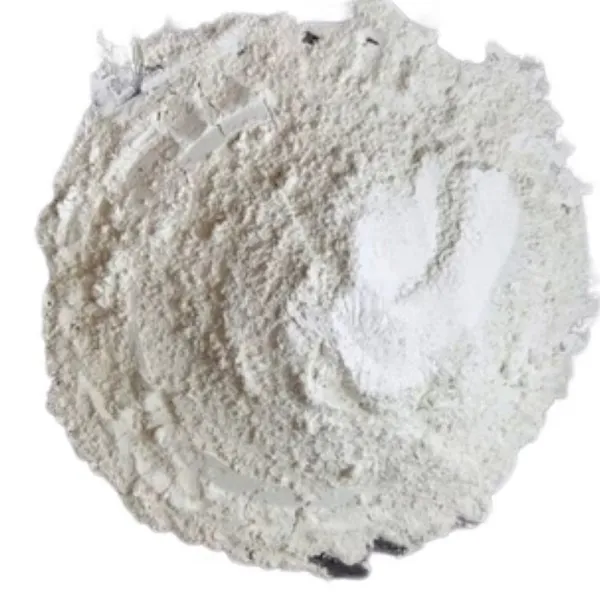
Talc is a hydrated magnesium silicate with the chemical formula Mg3Si4O10(OH)2. It is a naturally occurring mineral that is soft enough to be scratched by a fingernail, which is why it is ground into the fine white powder familiar from industrial and cosmetic use. Its defining chemical feature is the hydroxyl group bound into its crystal structure, roughly 4.8 percent water by weight that is chemically combined rather than simply absorbed.
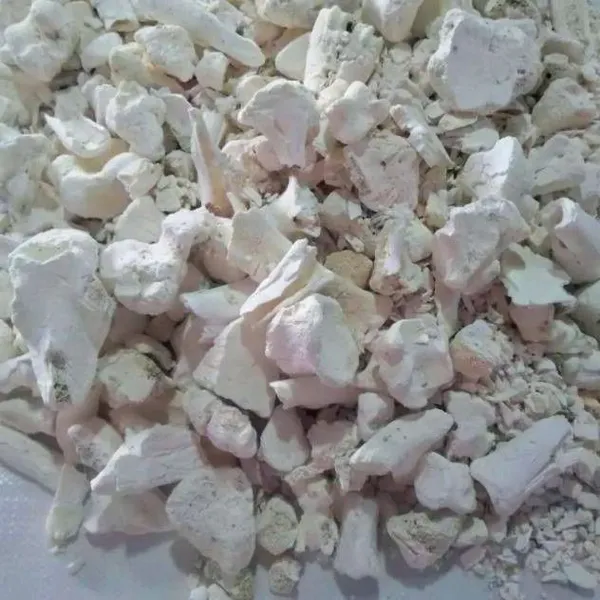
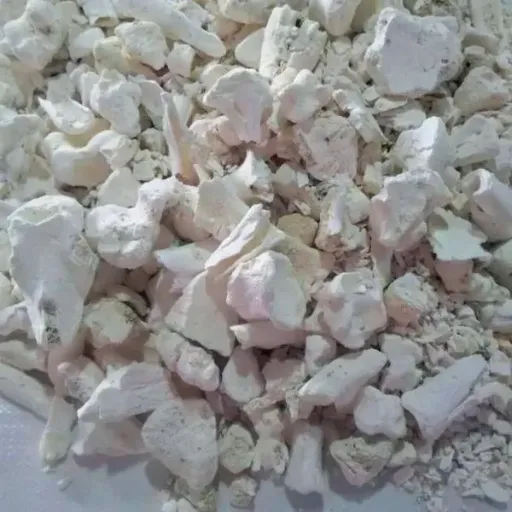
Bone ash is the calcined mineral residue of animal bone, composed primarily of calcium phosphate in the form of hydroxyapatite. The calcination process, conducted at temperatures above roughly 700 degrees Celsius, drives off all organic matter and leaves a sterile, white to off-white powder with no chemically bound water in the crystal structure.
The difference in chemical structure explains most of the behavioral difference between the two powders in foundry use, and it is worth keeping in mind when evaluating either material for a parting application.
2. Thermal Behavior: The Decisive Difference
When talc is heated, it undergoes a dehydration reaction. At roughly 600 to 900 degrees Celsius, the hydroxyl groups in the mineral structure are driven off as water vapor, and the talc transforms into enstatite, a different magnesium silicate phase. This is not a melting event, but it is a structural change that alters the powder's physical behavior on the mold.
The practical consequence is that talc that has gone through its dehydration reaction can harden and partially fuse, especially in the thin layer that sits against a hot mold face for many cycles. Foundries report that talc dressings on permanent molds degrade after repeated pours, forming a crust that must be cleaned off mechanically.
Bone ash, by contrast, contains no chemically bound water and no volatile components. Its decomposition temperature sits well above roughly 1,600 degrees Celsius, far beyond any non-ferrous pouring temperature. The powder remains chemically and physically unchanged on the mold face, which is why a bone ash parting layer behaves the same on the hundredth pour as it did on the first.
3. Release Performance over Repeated Cycles
Parting performance is a function of the material's behavior over many cycles, not a single pour. On a permanent mold running aluminum or zinc, the mold face temperature climbs during production and the parting layer is subjected to thermal cycling that stresses both the mold and the coating.
In shops that have tested both materials side by side, talc typically shows good release behavior for the first handful of pours, then gradually loses effectiveness as the layer consolidates and fuses. Operators compensate by applying more powder more often, which accelerates the buildup problem. Bone ash releases consistently across extended runs, and most foundries that use it report reapplication intervals that remain stable from the start of a shift to the end.
This difference shows up most clearly in the condition of the mold face. A mold dressed with talc over a long run develops a baked-on residue that requires periodic dressing with wire brushes or chemical cleaners. A mold dressed with bone ash stays cleaner because the friable layer shears away with the casting and leaves no bonded residue behind.
The thermal difference also affects the mold over its working life. A mold repeatedly exposed to a fusing parting layer develops a progressively rougher surface as residue accumulates in corners and vents, and that roughness transfers to every casting made afterward. A bone ash-dressed mold presents a stable surface condition across thousands of pours, which keeps casting quality predictable and simplifies process control for the foundry team.
Suppliers that specialize in foundry-grade material, such as Feilong Bone Carbon in Luohe, Henan Province, control calcination and particle size specifically for parting applications. A documented grade removes much of the guesswork from the buyer's selection process and gives the foundry a stable reference when comparing alternatives.
4. Surface Quality and Contamination Risks
For copper and bronze casting, surface cleanliness is a commercial requirement. Castings destined for electrical applications, decorative fittings, or subsequent plating must come off the mold with a skin that is free of embedded contamination.
Talc carries two contamination risks in this context. The dehydrated form can leave a hard residue that is difficult to remove from intricate casting surfaces, and the magnesium silicate chemistry introduces a foreign oxide into the casting environment that some downstream processes react to. Bone ash, being chemically inert with copper and its alloys at pouring temperatures, leaves a residue that brushes off cleanly and does not interfere with the surface chemistry of the part.
The same reasoning applies to aluminum die casting, where cleanliness of the casting surface affects subsequent anodizing and finishing steps. A parting material that leaves organic or mineral buildup can create patchy anodizing results that are expensive to rework.
In bronze work, the difference is visible to the naked eye. Castings released from a bone ash-dressed mold come out with a clean, uniform bronze color, while parts from a talc-dressed mold under the same conditions sometimes show patchy discoloration where the dehydrated residue contacted the metal skin. Foundries supplying polished or plated fittings treat this as a decisive factor, because grinding and re-polishing defects on decorative parts consumes more labor than the material saving could justify.
Suppliers with separate foundry and ceramic lines, such as Luohe Feilong Bone Carbon, can provide material matched to the surface requirements of the specific application. This is a practical advantage for shops that run both copper and aluminum work and want one reliable source for the parting layer.
5. Handling, Dust, and Cost Comparison
Both powders are fine enough to create airborne dust during application, so the handling comparison is mostly about particle characteristics. Talc is naturally platy, meaning its particles are flat and layered, which gives it excellent slip and makes it feel smoother in hand application. Bone ash particles are irregular and angular, which produces a slightly less slippery feel but provides better mechanical interlocking on the mold face.
On cost, talc is generally the cheaper raw material per kilogram because it is a widely mined commodity mineral with simple processing. Bone ash requires a calcination step and more careful quality control, which is reflected in a higher unit price. The relevant comparison, however, is cost per good casting. A foundry that must clean dies every weekend, scrap parts with torn surfaces, or replace molds early because of residue buildup is paying for the talc savings many times over.
The table below compares the two materials across the properties that matter most in parting agent selection.
| Property | Bone Ash | Talc |
|---|---|---|
| Primary chemistry | Calcium phosphate (hydroxyapatite) | Magnesium silicate hydrate |
| Melting / decomposition point | Above ~1,600 °C | Dehydrates at 600–900 °C |
| Thermal stability in non-ferrous casting | Stable at all non-ferrous pour temperatures | Undergoes phase change at copper/bronze temperatures |
| Residue behavior | Friable, brushes off cleanly | Can fuse into hard crust over repeated cycles |
| Chemical reactivity with copper alloys | Inert | Low but introduces silicate chemistry |
| Typical reapplication interval | Stable across long runs | Tends to shorten as buildup occurs |
| Relative material cost | Higher | Lower |
| Typical applications | Copper, bronze, aluminum, zinc permanent and sand molds | Low-temperature, short-run, non-critical applications |
6. Where Talc Is Still a Reasonable Choice
Talc is not without legitimate uses in casting. For low-temperature work on zinc alloys, short production runs, and molds that are cleaned frequently by design, talc can be an acceptable and economical parting agent. Some shops also use talc for pattern release in sand molding, where the temperature exposure is brief and the pattern is re-dressed on every cycle anyway.
It is also worth noting that talc's smoothness can be an advantage in hand application on complex patterns, where a platy powder spreads and adheres to vertical surfaces more readily than an angular one. Foundries that make this work typically run short series, clean their tooling aggressively, and accept a higher inspection workload on the parts.
The decision, in short, comes down to the temperature of the pour, the length of the run, and the surface requirements of the part.
For foundries that decide to stay with bone ash, working directly with a manufacturer that documents lot consistency simplifies the decision. Luohe Feilong Bone Carbon Co., Ltd. has produced industrial bone ash since 2011 and ships foundry-grade material with a certificate of analysis, which gives buyers a concrete basis for comparing its product against local alternatives such as talc.
7. Case Study: Aluminum Shop Reversing a Talc Switch
An aluminum sand caster in North Africa switched its mold dressing from bone ash to talc to capture a material saving, and within three weeks the shop's die maintenance hours doubled. The talc layer on the permanent molds consolidated after roughly fifteen pours, requiring a wire-brush pass every two days instead of the previous weekly schedule, and two small molds developed surface pitting that was traced to the fused residue.
The shop restored bone ash as the standard dressing for its aluminum line and kept talc only for short-run zinc jobs run on the same tooling. Die maintenance returned to its previous level within one month, and scrap from surface defects fell back below 3 percent.
8. Case Study: Bronze Foundry Staying with Bone Ash
A bronze foundry producing marine fittings a while back compared the two powders on its busiest mold family over a two-week trial. Talc produced a marginally lower per-kg material cost, but the shop counted 14 percent more casting defects during the talc week, mostly surface inclusions that required grinding.
The foundry kept bone ash as its standard parting agent and documented the comparison in its internal purchasing standard so that future cost-saving proposals could be evaluated against the measured defect data.
9. Frequently Asked Questions
9.1 Can talc be used for copper casting if applied more frequently?
Applying talc more often does not solve the underlying problem in copper casting because the issue is the material's dehydration reaction at high temperature, not the thickness of the coating. At copper pouring temperatures of roughly 1,000 to 1,200 degrees Celsius, talc converts to enstatite and can fuse onto the mold regardless of how often it is re-applied. Some shops do use talc on copper work in short runs where the mold is cleaned after every few pours, but for sustained production most foundries find bone ash more reliable. The extra labor for frequent cleaning and re-dressing usually cancels out the material cost saving.
9.2 Is talc safe to use around aluminum casting?
Talc is commonly used in aluminum work and is generally safe from a process standpoint at aluminum pouring temperatures of roughly 660 to 760 degrees Celsius, which are below the dehydration range. The practical limitations are residue buildup on long runs and the effect of that buildup on casting surface quality. Aluminum shops that anodize or finish their parts often find that bone ash produces a cleaner skin and fewer finishing rejects. The choice depends on whether the shop prioritizes lowest material cost or lowest total cost per finished casting.
9.3 How can a foundry tell whether its parting material is causing defects?
The clearest signal is a defect pattern that correlates with mold cleaning cycles. If surface inclusions, pitting, or sticking worsen as a mold runs longer between cleanings, the parting material is likely consolidating or reacting. Comparing the same mold with the two candidate materials over a controlled trial, with the same operator, metal temperature, and pour rate, is the most reliable way to isolate the variable.
Recording reapplication frequency, cleaning effort, and defect counts per batch gives a quantitative basis for the decision rather than relying on impressions. Feilong, like other specialized suppliers, can provide lot samples for such a trial so the comparison is run on material of known, documented quality.
9.4 Which material do foundries choose for permanent molds versus sand molds?
For permanent molds, where the mold face is reused and heated repeatedly, foundries most often specify bone ash because of its stable reapplication interval and residue-free behavior. For sand molds, each mold is single-use, so the parting agent only needs to survive one pour, which makes talc more viable in low-temperature work. Copper and bronze sand molds, however, still benefit from bone ash because the pour temperature exceeds talc's dehydration range. The material choice is therefore driven by the combination of mold type and pouring temperature rather than by mold type alone.
Recently Posted
-
Quality Systems at Feilong: ISO-Certified Bone Ash Production from Raw Bone to Finished Powder
September 4, 2026A foundry buyer in Eastern Europe once told a Feilong sales engineer that he had received bone ash from three different Chinese su Read More
 -
Bone Ash in Aluminum Die Casting: Release Agent Selection and Performance
September 4, 2026An aluminum die casting shop in Turkey was told by a chemical supplier that its water-based release agent was fine and the problem Read More
 -
Bone Ash Procurement for Bone China Manufacturers
September 3, 2026A bone china factory in the United Kingdom ordered bone ash from a new source because the price was roughly 18 percent below its e Read More
 -
How Bone Ash Works as a Mold Release Agent in Metal Casting
September 2, 2026A small brass foundry in South Asia ran the same mold for fourteen years without changing its parting material, then switched to a Read More

Contact Us
Recommended Products
-
 Manufacturer Sell Low Price Calcined Bone Ash or PowderUS$ 850MOQ: 5 Tons
 -
Manufacturer Sell Low Price Calcined Bone Ash or PowderUS$ 850MOQ: 5 Tons
-
Manufacturer Sell Low Price Calcined Bone Ash or PowderUS$ 850MOQ: 5 Tons
-
Sell Well Bone Ash for Mold Releasing UseUS$ 880 - 920MOQ: 5 Tons
-
Feilong Direct Sales Die-casting Water-soluble Mold Metal Release AgentUS$ 920MOQ: 5 Tons
-
Natural Animal Bone AshUS$ 880 - 920MOQ: 5 Tons
-
China Manufacturer Supply Eco-Friendly Bone Ash PowderUS$ 890MOQ: 1 Ton
-
Calcined Bone Ash for Bone China With GoodPriceUS$ 880 - 920MOQ: 5 Tons
-
Synthetic Bone Ash for Ceramic With Good PriceUS$ 850MOQ: 5 Tons
-
Calcium and Phosphorus Powder - 325 MeshPowderUS$ 850MOQ: 5 Tons
-
Calcium and Phosphorus Powder - 325 MeshPowderUS$ 850MOQ: 5 Tons
-
Calcium Stearate PVC PE Lubricant Mould-releasing Powder ManufacturerUS$ 850MOQ: 5 Tons
-
Reputed Supplier Selling Bone Ash Powder Which Meet With Environmental Standard As Animal FeedstuffUS$ 850MOQ: 5 Tons
-
Industrial Grade Bone Ash for Bone Ceramics and MetallurgyUS$ 900MOQ: 10 Tons
-
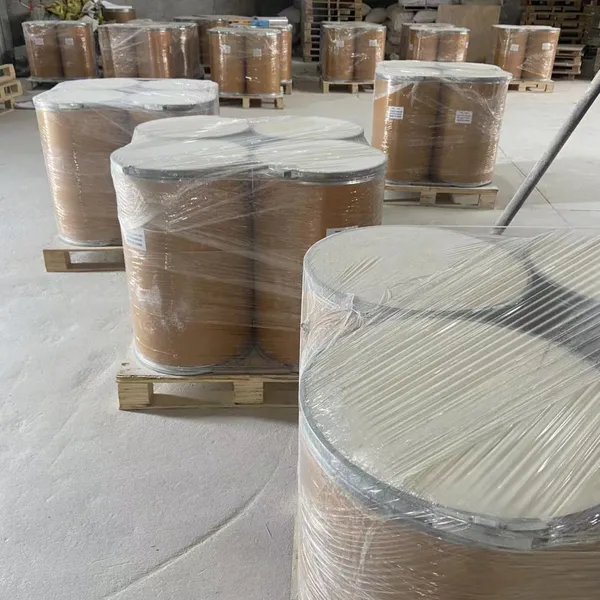
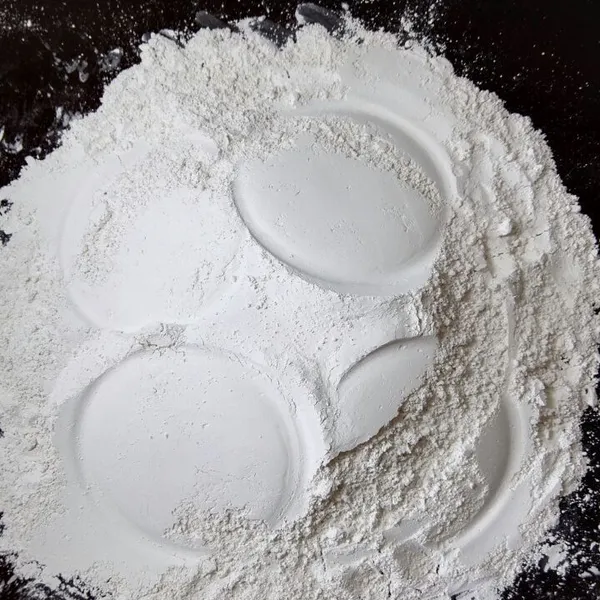
Animal Ashes Used for Bone ChinaUS$ 900MOQ: 5 Tons
-
Calcium and Phosphorus Powder - 325 MeshPowderUS$ 850MOQ: 5 Tons
-
High Quality Bone Ash for Mold Releasing Use/bone Ash PowderUS$ 850 - 880MOQ: 5 Tons
-
Manufacturer Sell Low Price Calcined Bone Ash or PowderUS$ 850MOQ: 5 Tons
-
Calcined Bone Ash for Bone China With GoodPriceUS$ 880MOQ: 5 Tons
-
High Quality Bone Ash for Mold Releasing Use/bone Ash PowderUS$ 880 - 920MOQ: 5 Tons