
 Business License

Bone Ash Procurement for Bone China Manufacturers
A bone china factory in the United Kingdom ordered bone ash from a new source because the price was roughly 18 percent below its existing supplier, and the first production run of dinner plates came out of the kiln with a visible gray cast that no glaze adjustment could mask. The factory burned a full firing schedule worth of ware before the quality team traced the problem to the ash. The supplier's certificate showed acceptable calcium oxide and phosphorus pentoxide levels, but the loss on ignition had not been stated, and the ash carried residual carbon that only revealed itself in the glaze firing.
Procurement of bone ash for bone china is different from buying most ceramic raw materials. The material sits at the center of the body formulation, controlling translucency, whiteness, and fired strength, and its quality is not fully visible in a bag sample. This guide walks through the specifications, testing steps, and supplier questions that prevent the failure described above from happening twice.
1. Why Bone Ash Is the Anchor of the Bone China Body
Bone china derives its defining properties from the bone ash content of its body, which typically makes up 25 to 50 percent of the dry batch weight. During firing at roughly 1,200 to 1,300 degrees Celsius, the calcium phosphate in the ash reacts with feldspar and kaolin to form anorthite and beta-tricalcium phosphate phases. These crystalline phases are what give bone china its characteristic translucency, its bright white color, and its mechanical strength, which is generally higher than other porcelain types of similar wall thickness.
Because the ash contributes the majority of the calcium phosphate in the body, small variations in its chemistry propagate directly into the fired product. A shift in the calcium-to-phosphorus ratio, a change in particle size distribution, or the presence of trace iron will each alter the balance of the firing reactions and show up as a change in translucency, whiteness, or strength that cannot be corrected downstream.
This is the core reason that bone ash procurement belongs to technical purchasing rather than general procurement. The buyer is not acquiring a commodity; the buyer is acquiring a controlled chemistry.
2. The Specifications That Actually Control Fired Quality
Several parameters on a bone ash specification sheet deserve close attention, and they are not all equally important. The most consequential for bone china is the calcium-to-phosphorus ratio, which for bone ash sits near the theoretical value of 2.15:1 expressed as CaO to P2O5. Tight control of this ratio keeps the phase development in the fired body predictable, and a drift of even a few percent can shift translucency.
Loss on ignition is the second critical parameter. For ceramic-grade bone ash, LOI below roughly 1.5 percent indicates complete removal of organic matter. Residual carbon from incomplete calcination causes the gray cast and can also produce pinholes in the glaze surface as the carbon burns off during firing.
Particle size distribution matters for dispersion uniformity through the body. Fine grades around 200 to 400 mesh disperse evenly and produce a homogeneous fired microstructure, while a wide or inconsistent distribution creates streaks and uneven translucency. The table below lists the key parameters and their typical acceptance ranges for bone china production.
| Parameter | Typical Acceptance Range | Effect on Fired Body |
|---|---|---|
| CaO content | 48–54% | Phase development, translucency |
| P2O5 content | 38–42% | Phase development, strength |
| CaO:P2O5 ratio | 2.10–2.20:1 | Consistency of firing reactions |
| Loss on ignition | Below 1.5% | No carbon discoloration, no pinholes |
| Particle size | 200–400 mesh | Uniform dispersion, homogeneous microstructure |
| Fe2O3 (iron oxide) | Below 0.3% | Whiteness control, no yellowing |
| Whiteness of calcined ash | High, consistent | Fired whiteness, glaze acceptance |
3. Translucency and Whiteness: How the Ash Specs Map to the Ware
Translucency is the property that distinguishes bone china from other porcelain, and it is controlled mainly by the quantity and quality of the anorthite phase formed during firing. The anorthite content depends on the availability of calcium from the bone ash and on the firing schedule. Bone ash with consistent chemistry and particle size produces a predictable anorthite yield, which translates into translucency that is uniform from batch to batch of ware.
Whiteness is influenced by the ash's iron and titanium content and by its own fired color. Bone ash produced from well-cleaned, well-calcined raw bone is naturally white, but contamination from the bone collection stage or from processing equipment can raise the iron level. Iron oxides above roughly 0.3 percent begin to tint the fired body toward cream or yellow, which is difficult and costly to compensate with glaze chemistry.
For this reason, procurement specifications for bone china commonly include both a chemical limit on iron and a simple fired-tile test that the buyer performs on each incoming lot, comparing the fired whiteness of the ash against a reference sample.
Manufacturers such as Luohe Feilong Bone Carbon Co., Ltd. in Henan Province produce ceramic-grade ash to these tighter limits, with lot-specific certificates that state the measured value for each parameter rather than a nominal target. This makes the buyer's incoming verification straightforward, because the comparison starts from a documented baseline.
4. Evaluating a Bone Ash Supplier: What to Ask
Supplier evaluation for bone china grade ash should focus on process control rather than on claims. The key questions concern the raw material source, the calcination control, and the testing regime behind the certificate of analysis.
The raw material source matters because bone collection and cleaning determine the starting chemistry. A supplier that works with a consistent, well-sorted bone stream produces more predictable ash than one that buys mixed, variable feedstock. Ask whether the bones are degreased and cleaned before calcination, and whether the supplier tests the raw material before it enters the kiln.
The calcination control question is about temperature uniformity and residence time. Ask how the kiln temperature is monitored, how the supplier verifies complete organic removal, and whether LOI is tested on every lot or on a sampling basis. Consistent answers to these questions separate a manufacturer that understands ceramic-grade requirements from a general producer of industrial ash.
Feilong Bone Carbon operates its ceramic-grade line under the same documented process control as its foundry line, and the incoming bone feedstock is evaluated for cleanliness before calcination. That input control is the kind of discipline that predicts output consistency, and it is worth verifying with any candidate supplier.
5. Incoming Inspection: Testing Every Lot, Not Just the First One
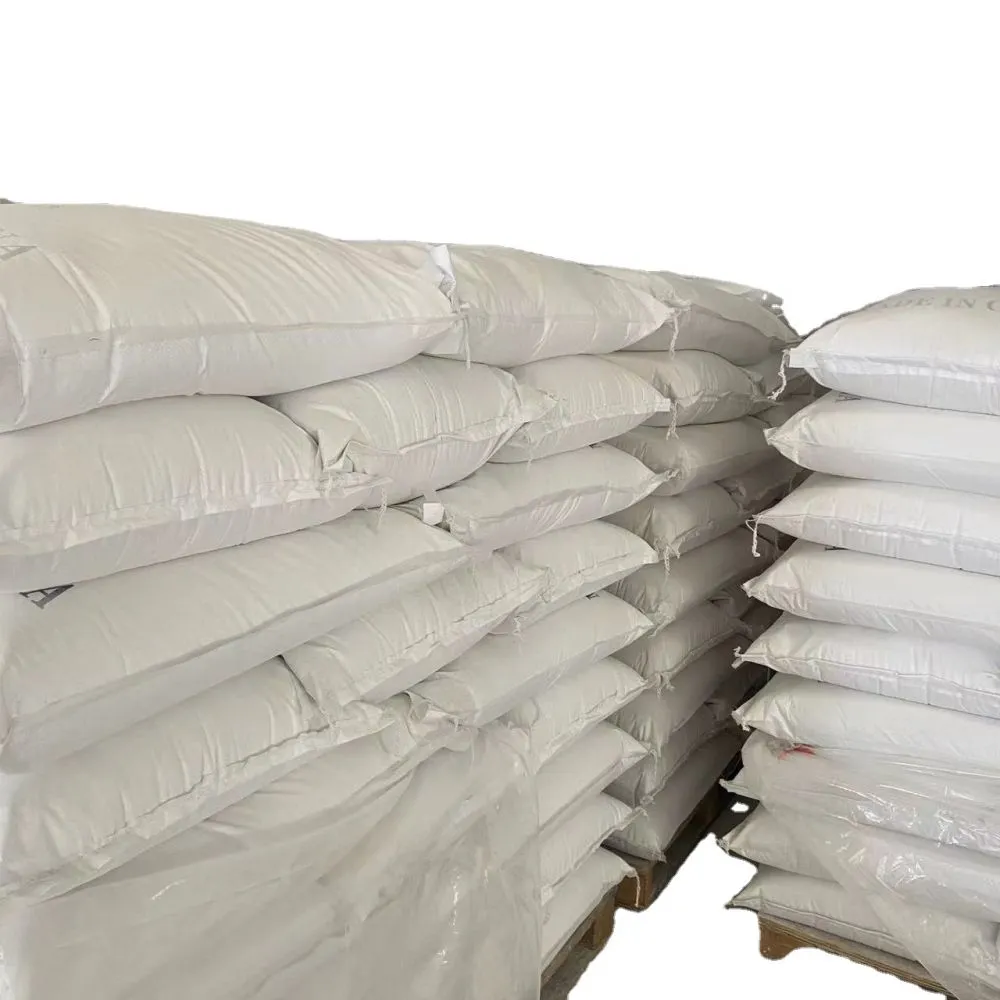
The discipline that prevents the gray-cast failure is incoming lot testing. Even a trusted supplier can drift, and the cost of a bad lot is measured in full kiln loads of rejected ware rather than in the value of the ash itself. A practical incoming inspection program tests a handful of parameters on every lot and a deeper set periodically.
On every lot, the buyer should verify LOI, color, and particle size by sieve analysis. These three checks catch the most common failure modes: incomplete calcination, contamination, and grinding inconsistency. Periodically, typically on a quarterly basis or when a new supplier is qualified, the buyer should run full chemical analysis including calcium, phosphorus, iron, and trace elements, and compare the results against the certificate.
The fired-tile test deserves special mention because it is the only check that measures what actually matters. Pressing a small sample of the body with the incoming ash, firing it under standard conditions, and comparing translucency and whiteness against a reference tile catches interactions that no single chemical number can predict.
Buyers who source from Feilong can align their incoming inspection with the manufacturer's certificate, since the lot-specific values give the factory a documented baseline for each shipment and make the fired-tile comparison meaningful rather than approximate.
6. The Hidden Cost of Quality Variation
The price difference between a well-controlled ceramic-grade bone ash and a loose industrial-grade ash is usually small on a per-kilogram basis, but the cost of variation is large. A single off-spec lot can waste an entire firing, tie up the quality team for days, and force emergency reformulation that disrupts other products.
There is also a subtler cost in formulation stability. A factory that reformulates its body to chase a drifting raw material loses the ability to hold its product constant, and in bone china, where the product is defined by a signature look, that instability is commercially damaging. Buyers who pay a modest premium for tight specifications are buying predictability, and predictability is what protects the brand.
The procurement decision is therefore made on total cost per tonne of finished ware produced within specification, not on the delivered price of the ash. Contracts should build in quality commitments rather than price alone. Common mechanisms include a defined specification range with clear tolerances, a requirement for a certificate of analysis with each shipment, the right to test on arrival, and a claims process that covers the cost of rejected ware when an off-spec lot causes production losses. These provisions cost nothing at signing, but they give the factory recourse when drift occurs, and they signal to the supplier that the buyer treats the material as a technical input rather than a commodity.
7. Case Study: A Supplier Qualification That Prevented a Disaster
A bone china tableware producer in Southeast Asia was qualifying a new bone ash supplier and ran the full incoming inspection including the fired-tile test on the sample lot. The chemical certificate showed acceptable values, but the fired tile displayed a slightly lower translucency than the reference tile, a difference visible to the eye under backlighting.
Investigation traced the cause to a wider particle size distribution than the incumbent material, which dispersed less uniformly through the body. The factory rejected the lot and re-qualified the supplier with a tighter particle size requirement. The same lot, purchased without the fired-tile test, would very likely have produced an entire production week of substandard ware.
8. Case Study: Recovering from a Mixed-Source Ash Lot
A smaller factory a while back accepted a lot of bone ash without a full certificate because the delivery schedule left no time for testing. The ash produced an inconsistent cream tint across three firings, and the factory identified the cause as iron contamination from a mixed bone stream.
The factory switched to a supplier that provided a certificate of analysis with every lot and added a rapid iron spot test to its incoming routine, and the cream tint disappeared from subsequent production.
9. Frequently Asked Questions
9.1 Can bone china manufacturers substitute synthetic tricalcium phosphate for bone ash?
Synthetic tricalcium phosphate can contribute calcium and phosphorus to a ceramic body, but it is not a direct substitute for bone ash in bone china. The natural ash carries a specific particle morphology and minor element profile that influence the firing reactions and the final texture of the ware. Factories that test synthetic material generally find that translucency, whiteness, and the characteristic bone china feel are difficult to reproduce exactly. Some manufacturers use synthetic calcium phosphate in blended bodies for cost reasons, but the product is then technically a calcium phosphate porcelain rather than traditional bone china, and the labeling and marketing implications should be considered.
9.2 How much bone ash is needed for a production trial?
A meaningful production trial requires enough material to run at least one full body mix and a firing cycle, plus retained samples for comparison. As a practical guide, 200 to 500 kilograms is enough for most factories to test dispersion, firing behavior, and fired properties on a small production batch, while keeping samples of the lot for future reference. The trial should be run with the same slip preparation, forming, and firing schedule used in normal production, because the ash interacts with the whole process rather than with the body formula alone.
Feilong, like other ceramic-grade suppliers, can arrange trial quantities with the corresponding certificate so the factory runs the evaluation on documented material rather than on an unverified sample.
9.3 What is the typical shelf life of ceramic-grade bone ash?
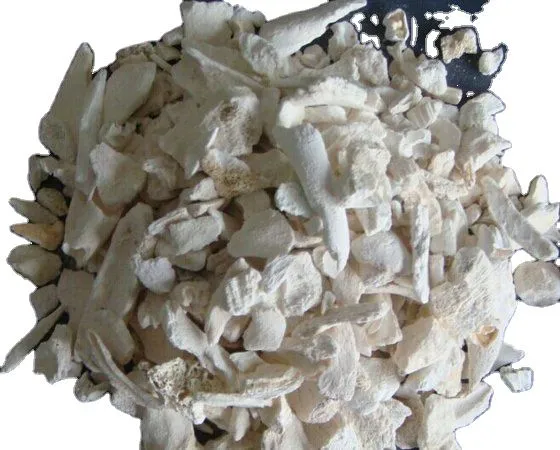
Properly calcined bone ash contains no organic matter, so it does not spoil in the chemical sense, and its shelf life is essentially indefinite when stored correctly. The practical limits come from moisture and contamination.
Ash stored in humid conditions absorbs water, clumps, and may develop surface reaction products that affect dispersion. The recommended practice is to store the ash in sealed bags or silos in a dry area, and to use stock on a first-in, first-out basis. Factories that follow this routine report consistent quality even from ash stored for a year or more.
9.4 Is locally sourced bone ash better than imported ash?
There is no inherent quality difference between local and imported bone ash, because the chemistry is defined by the raw material and the calcination process, not by geography. The real variables are consistency, testing discipline, and logistics reliability.
A local supplier that tests every lot and holds tight specifications can be an excellent choice, and it offers shorter lead times and easier quality audits. An overseas supplier can match that performance with rigorous process control and complete documentation, at the cost of longer shipping times and more complex communication. The decision should be made on specification control and service reliability, not on origin.
Recently Posted
-
Quality Systems at Feilong: ISO-Certified Bone Ash Production from Raw Bone to Finished Powder
September 4, 2026A foundry buyer in Eastern Europe once told a Feilong sales engineer that he had received bone ash from three different Chinese su Read More
 -
Bone Ash in Aluminum Die Casting: Release Agent Selection and Performance
September 4, 2026An aluminum die casting shop in Turkey was told by a chemical supplier that its water-based release agent was fine and the problem Read More
 -
Bone Ash vs Talc as a Parting Agent in Metal Casting
September 3, 2026A zinc die caster in the Balkans cut its parting material cost by roughly 60 percent by switching from bone ash to talc, then spen Read More
 -
How Bone Ash Works as a Mold Release Agent in Metal Casting
September 2, 2026A small brass foundry in South Asia ran the same mold for fourteen years without changing its parting material, then switched to a Read More

Contact Us
Recommended Products
-
 Manufacturer Sell Low Price Calcined Bone Ash or PowderUS$ 850MOQ: 5 Tons
 -
Manufacturer Sell Low Price Calcined Bone Ash or PowderUS$ 850MOQ: 5 Tons
-
Manufacturer Sell Low Price Calcined Bone Ash or PowderUS$ 850MOQ: 5 Tons
-
Sell Well Bone Ash for Mold Releasing UseUS$ 880 - 920MOQ: 5 Tons
-
Feilong Direct Sales Die-casting Water-soluble Mold Metal Release AgentUS$ 920MOQ: 5 Tons
-
Natural Animal Bone AshUS$ 880 - 920MOQ: 5 Tons
-
China Manufacturer Supply Eco-Friendly Bone Ash PowderUS$ 890MOQ: 1 Ton
-
Calcined Bone Ash for Bone China With GoodPriceUS$ 880 - 920MOQ: 5 Tons
-
Synthetic Bone Ash for Ceramic With Good PriceUS$ 850MOQ: 5 Tons
-
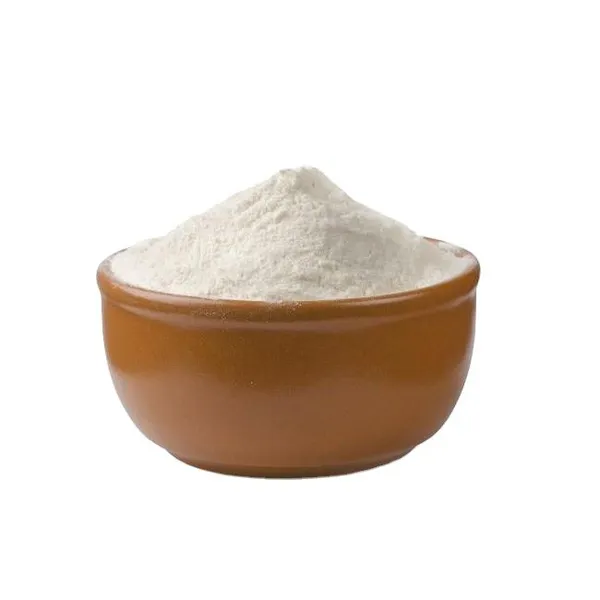
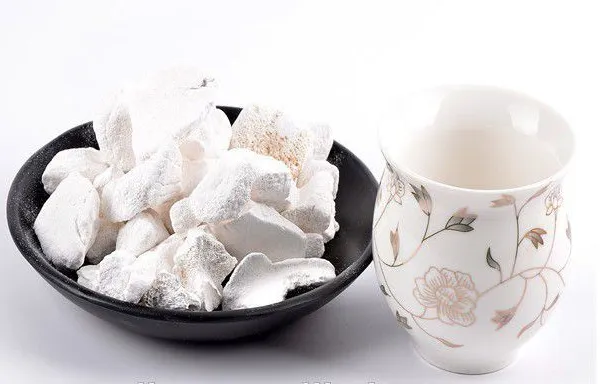
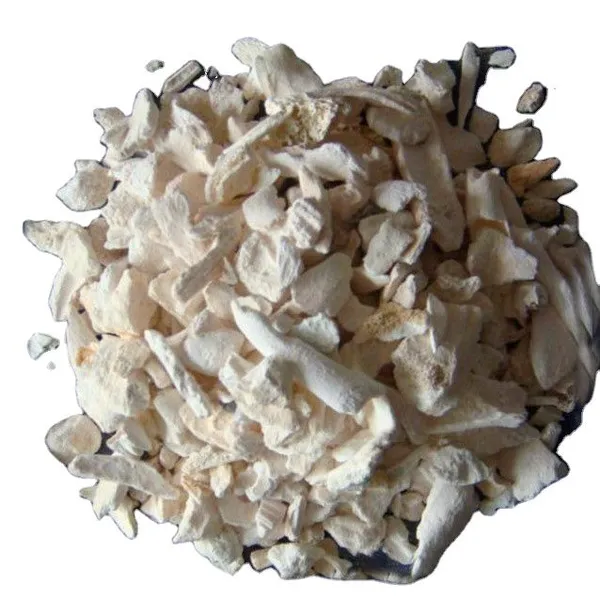
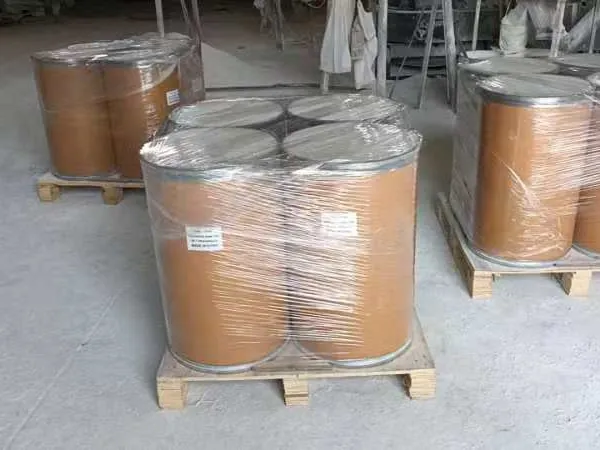
Calcium and Phosphorus Powder - 325 MeshPowderUS$ 850MOQ: 5 Tons
-
Calcium and Phosphorus Powder - 325 MeshPowderUS$ 850MOQ: 5 Tons
-
Calcium Stearate PVC PE Lubricant Mould-releasing Powder ManufacturerUS$ 850MOQ: 5 Tons
-
Reputed Supplier Selling Bone Ash Powder Which Meet With Environmental Standard As Animal FeedstuffUS$ 850MOQ: 5 Tons
-
Industrial Grade Bone Ash for Bone Ceramics and MetallurgyUS$ 900MOQ: 10 Tons
-
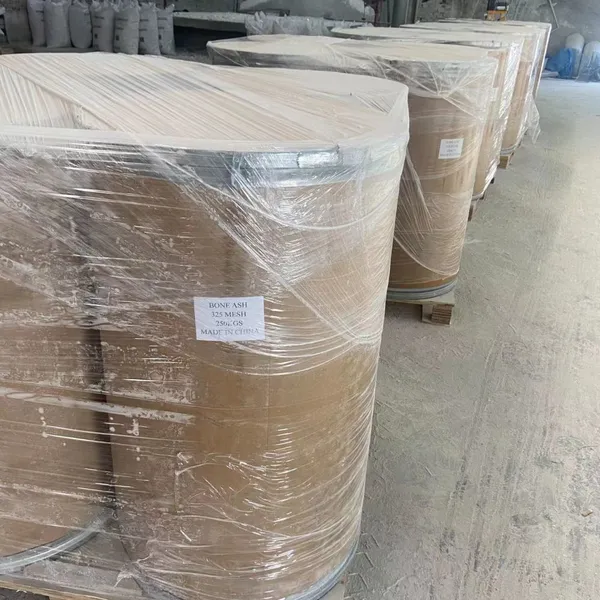
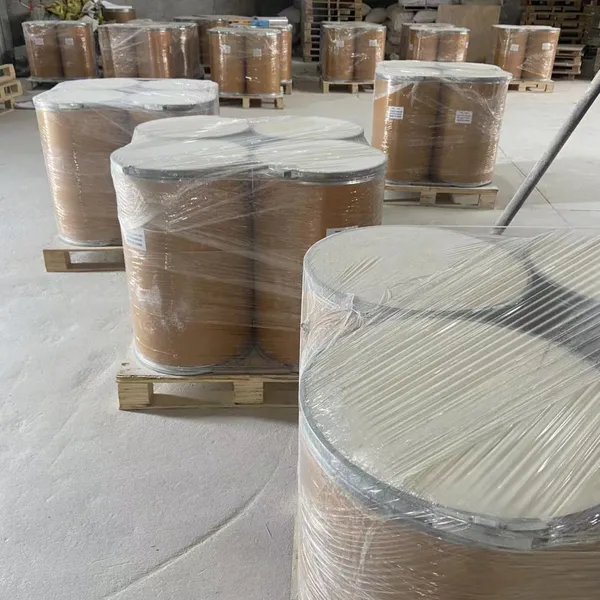
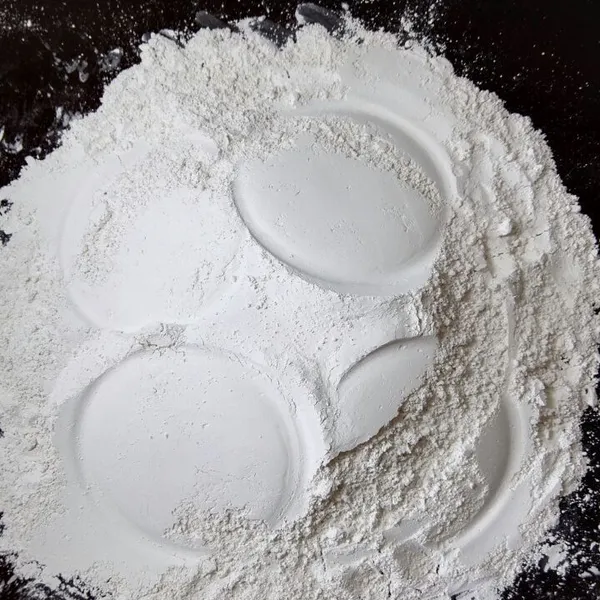
Animal Ashes Used for Bone ChinaUS$ 900MOQ: 5 Tons
-
Calcium and Phosphorus Powder - 325 MeshPowderUS$ 850MOQ: 5 Tons
-
High Quality Bone Ash for Mold Releasing Use/bone Ash PowderUS$ 850 - 880MOQ: 5 Tons
-
Manufacturer Sell Low Price Calcined Bone Ash or PowderUS$ 850MOQ: 5 Tons
-
Calcined Bone Ash for Bone China With GoodPriceUS$ 880MOQ: 5 Tons
-
High Quality Bone Ash for Mold Releasing Use/bone Ash PowderUS$ 880 - 920MOQ: 5 Tons