
 Business License

How Bone Ash Works as a Mold Release Agent in Metal Casting
A small brass foundry in South Asia ran the same mold for fourteen years without changing its parting material, then switched to a cheaper powder and lost an entire production shift to stuck castings within a week. The molds had been dressed with bone ash for over a decade because the material did its job quietly: a thin dusting, a clean pour, a casting that dropped free every time. The replacement powder looked identical in the bag, but it sintered against the hot mold face and bonded with the first few pours.
That foundry learned what experienced casting shops already know. A bone ash mold release agent is not an interchangeable commodity. It works because of a specific combination of physical and chemical properties that very few powders reproduce. Understanding how it functions explains why foundries keep specifying it for copper, aluminum, zinc, and brass work, and why substitute materials fail in ways that are not always visible at first.
1. The Release Mechanism: What Bone Ash Actually Does at the Mold Face
Bone ash functions as a foundry parting agent by creating a thin, stable separation layer between the mold surface and the solidifying metal. When the powder is applied to a warm mold, its fine particles fill the microscopic valleys and pores of the mold face, smoothing the profile that the molten metal will contact. The casting then forms against this powder layer rather than against the bare mold material.
The separation layer works in two ways at the same time. First, it physically blocks metal-to-mold contact, so the solidified part does not key into surface irregularities. Second, it provides a shear plane of low mechanical strength. When the casting is ejected or knocked out, the fracture occurs within the powder layer itself, leaving the metal surface clean and the mold ready for the next application.
This double action is the reason the powder must be friable rather than hard. A parting agent that melts or sinters into a solid film can weld the casting to the mold instead of releasing it.
2. Why Bone Ash Survives Non-Ferrous Pouring Temperatures
Non-ferrous casting exposes the parting layer to temperatures that most organic release compounds cannot tolerate. Aluminum pours at roughly 660 to 760 degrees Celsius, copper and bronze at 1,000 to 1,200 degrees, and zinc at 420 to 500 degrees. At these temperatures, wax-based and oil-based release agents decompose, char, and leave sticky residues that accumulate after a handful of cycles.
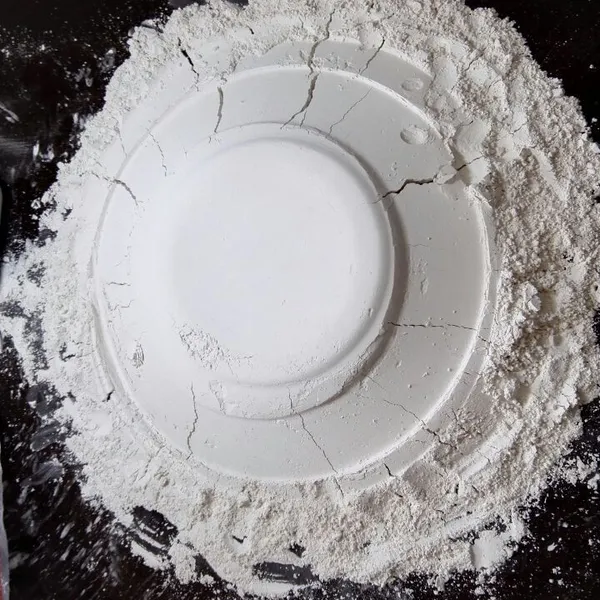
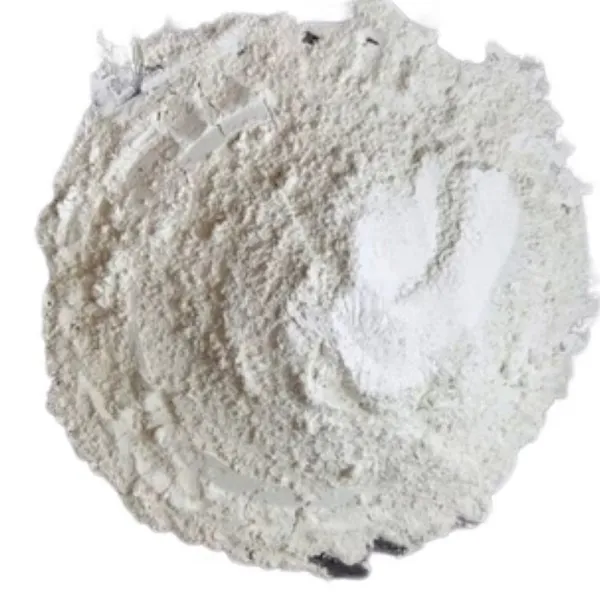
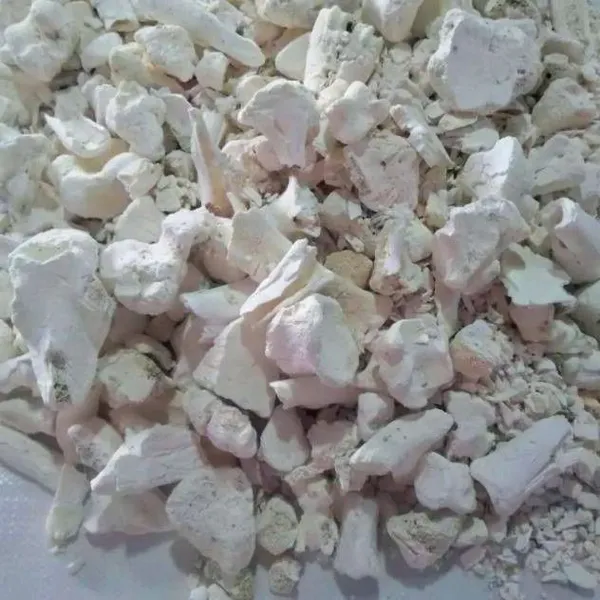
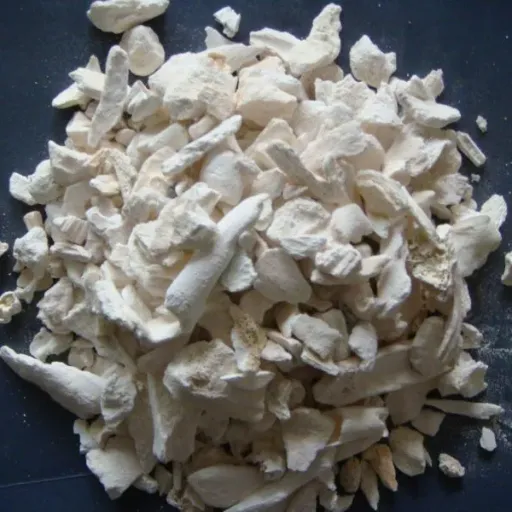
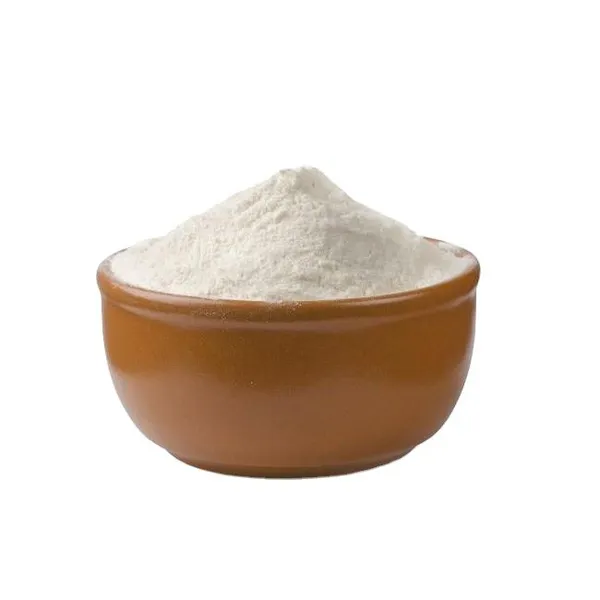
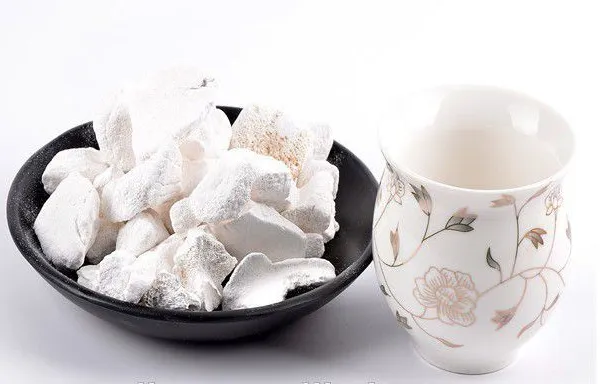
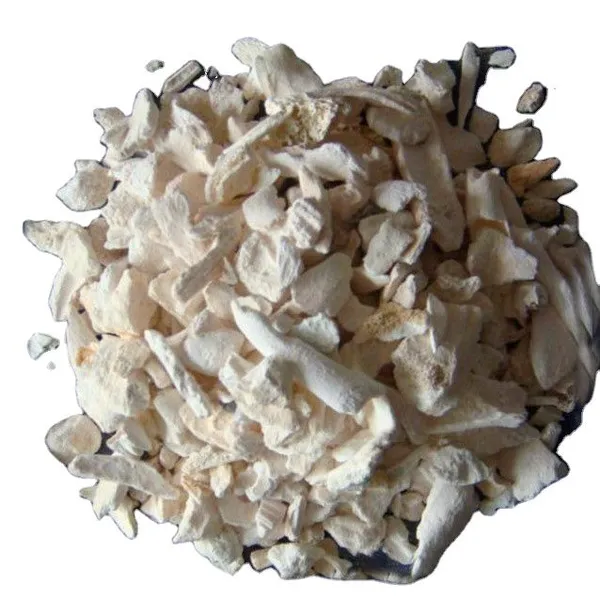
Bone ash is a calcined mineral residue consisting mainly of calcium phosphate in hydroxyapatite form. It does not melt below roughly 1,670 degrees Celsius, well above any non-ferrous pouring temperature, and it contains no organic matter to char or smoke. The powder simply sits on the mold face as a stable refractory layer for the duration of the pour.
The thermal stability also protects the mold itself. Because the bone ash layer absorbs part of the radiant heat and keeps the metal from direct contact with the mold material, it can slightly reduce thermal shock on permanent molds and extend the working life of mold surfaces that would otherwise fatigue from repeated high-temperature contact.
3. Particle Packing and the Physical Barrier
The release performance of bone ash depends heavily on how its particles pack on the mold surface. Calcined bone ash is produced with an irregular, angular particle morphology. When brushed or dusted onto a mold, these particles interlock mechanically, forming a coating that stays in place during mold closing, clamping, and the turbulence of the metal pour.
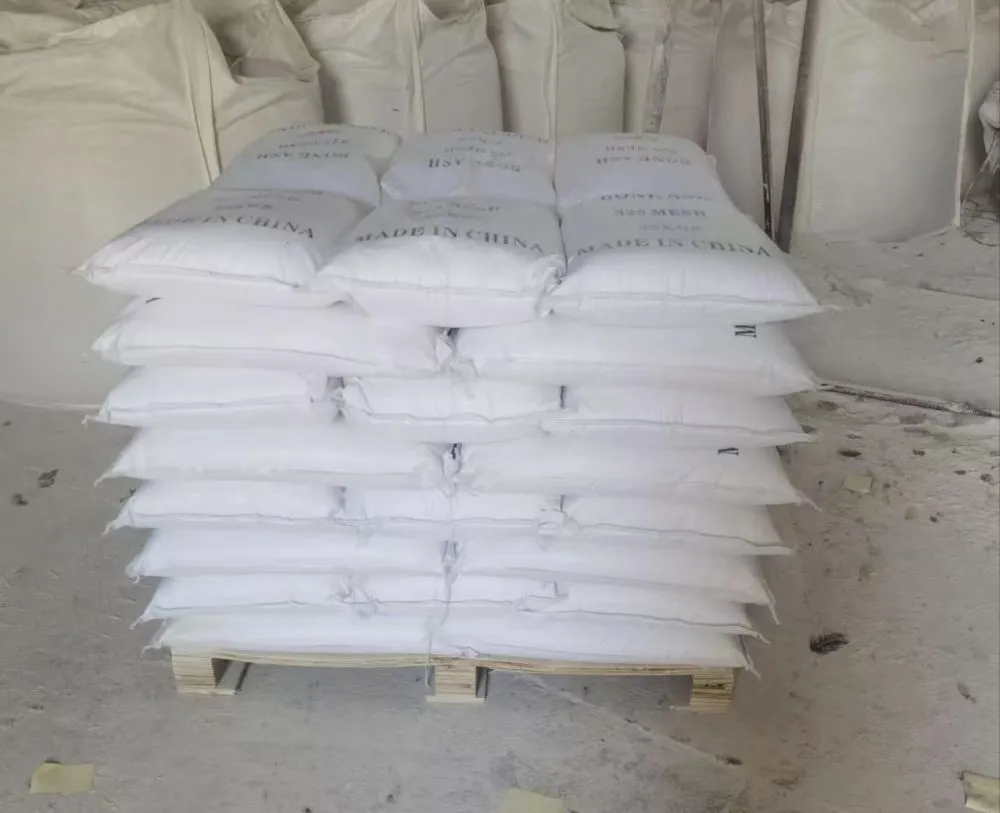
A powder with too many rounded particles tends to roll off vertical mold faces. A powder with excessive fines becomes airborne and coats the foundry rather than the mold. Bone ash in the typical 100 to 325 mesh range, corresponding to particles of roughly 45 to 150 microns, balances adhesion with flowability for most non-ferrous applications.
Particle size distribution also affects coating density. A wider distribution packs more tightly, producing a smoother barrier with fewer gaps for metal to penetrate. Foundries that cast parts with fine surface detail often prefer a slightly wider cut, while shops casting simple geometries may specify a narrower range for more consistent handling.
4. Chemical Inertness: Why Bone Ash Does Not React with Molten Copper or Aluminum
Chemical inertness is the property that separates bone ash from many alternative parting compounds. At non-ferrous pouring temperatures, bone ash does not react with copper, aluminum, zinc, or their common alloys. Calcium phosphate is thermally stable in contact with these metals, so no reaction products form at the interface to contaminate the casting surface or degrade the mold.
This matters most for copper and bronze, where even minor surface contamination affects conductivity, appearance, and subsequent machining. A parting material that reacts with the melt can leave discolored patches or inclusions in the skin of the casting. Foundries using bone ash as the parting agent report clean part surfaces with no evidence of chemical attack on the mold face after hundreds of cycles.
The inertness also simplifies cleanup. Residual bone ash on a casting surface brushes off easily and does not require chemical degreasing before further processing.
5. Release Layer Thickness and Application Density
Layer thickness is a practical variable that foundries control by adjusting how much powder they apply and how they apply it. A coating that is too thin leaves bare patches where metal contacts the mold directly. A coating that is too thick can trap air, reduce dimensional accuracy on close-tolerance parts, and waste material. Experienced operators typically target a uniform dusting that visibly covers the mold face without building visible ridges.
For water-based slurry application, the mixing ratio matters. A common starting point is roughly 10 to 15 percent bone ash by weight in clean water, applied by brush or spray and allowed to dry before the mold is closed. Dry dusting, by contrast, relies on a light, even hand application and works well on molds that are preheated to roughly 60 to 100 degrees Celsius, where the powder adheres without moisture.
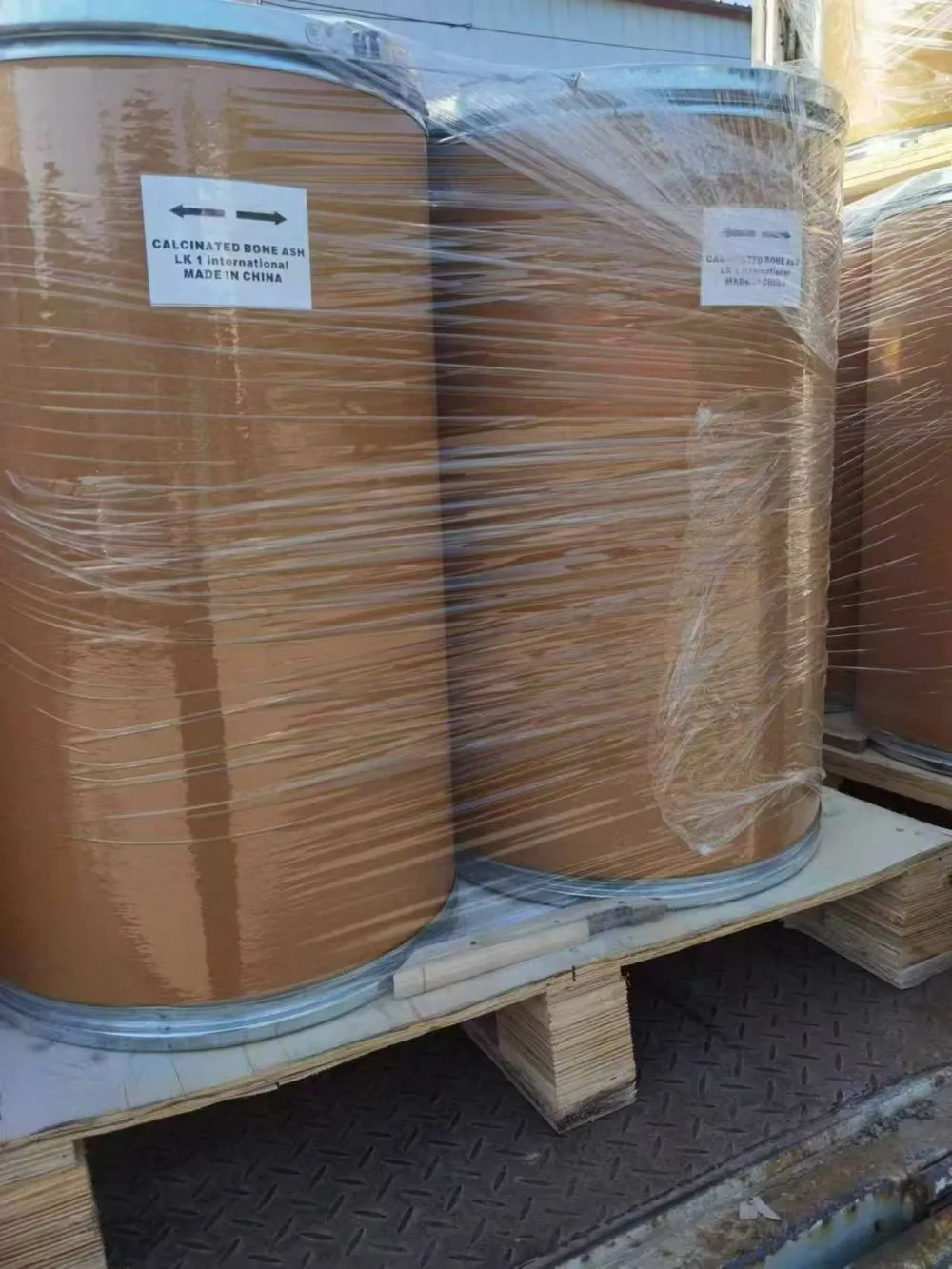
Suppliers such as Feilong Bone Carbon specify their foundry-grade material for both methods, and the certificate that accompanies each lot states the measured particle size range so operators can set their application parameters with confidence. This kind of documentation removes the guesswork from the changeover when a foundry moves from one powder to another.
The table below summarizes the two standard application methods and their typical parameters.
| Parameter | Dry Dusting | Water-Based Slurry |
|---|---|---|
| Typical mixing ratio | Not applicable | 10–15% bone ash by weight |
| Mold temperature at application | 60–100 °C (preheated) | Ambient to 60 °C |
| Drying step | None required | Air dry before mold closing |
| Preferred mesh range | 100–200 mesh | 200–325 mesh for finer suspension |
| Typical applications | Sand molds, simple geometries | Permanent molds, vertical surfaces |
| Reapplication frequency | Every 1–3 pours | Every 3–8 pours depending on wear |
6. How Bone Ash Compares with Other Parting Approaches
Several materials compete with bone ash in the parting agent role, and each has a different trade-off. Graphite powder is highly effective at high temperatures but electrically conductive, which rules it out for electrical-grade copper castings. Talc is inexpensive and smooth but breaks down above roughly 900 degrees Celsius and can fuse into the mold over repeated cycles. Water-based synthetic release agents are convenient in die casting but leave organic residues that burn off and require more frequent mold cleaning.
Bone ash occupies a specific position in this landscape. It offers refractory stability at non-ferrous temperatures, chemical inertness with copper alloys, and a friable residue that does not build up on the mold. These three properties together are rare in a single parting material, which is why foundries that use bone ash tend to stay with it once the application parameters are established.
The selection decision usually comes down to the metal being poured, the mold type, and the surface requirements of the finished casting, rather than the upfront cost per kilogram of the parting agent.
7. Factors That Quietly Degrade Release Performance
Release failures are often traced to the powder itself rather than the mold or the pour. Residual carbon is the most common culprit. Bone ash that has been calcined at too low a temperature retains organic material, visible as a gray tint, and this carbon can volatilize during the pour, creating gas pockets at the mold face or leaving a carbonaceous film that actually increases sticking.
Moisture is a second factor. Hygroscopic bone ash absorbs humidity during storage, and damp powder can clump, apply unevenly, and produce steam during the pour that disturbs the release layer. Consistent bulk density from batch to batch is a third consideration, because operators calibrate their application by volume, and a shipment with different packing behavior changes the effective coating weight without anyone noticing.
Loss on ignition is the single most reliable specification for catching these problems before they reach the production floor. A well-calcined parting grade typically shows LOI below roughly 2 percent.
Luohe Feilong Bone Carbon Co., Ltd. tests loss on ignition as a routine release check on every lot, and buyers who make LOI a contract requirement remove the most common cause of release failure before the material reaches their mold shop.
8. Case Study: Copper Pour with a Misidentified Powder
Not long ago, a copper casting shop in Eastern Europe received a pallet of parting material labeled as bone ash that was actually a blend containing roughly 30 percent limestone dust. The blend had been supplied at a discounted price and passed the shop's basic color check. Over the first two days of production, stuck castings rose from below 2 percent to roughly 11 percent, and the shop burned through three mold sets before an operator inspected the powder under magnification and noticed the crystal structure did not match the bone ash they had used for years.
The shop replaced the material with a verified foundry-grade bone ash from a manufacturer that provided a certificate of analysis with each lot. Sticking dropped back to normal within two shifts, and the shop added a quick microscope check to its incoming inspection routine.
9. Case Study: Dressing Long-Run Brass Molds
A brass fittings producer a while back standardized on dry-dusted bone ash for a family of valve bodies cast several thousand times per year. The shop found that a single dusting held for roughly three pours on a preheated permanent mold before reapplication was needed.
The consistent cycle allowed the shop to schedule mold maintenance precisely, and mold life on the highest-volume tool extended by approximately 40 percent compared with the earlier oil-based dressing.
10. Frequently Asked Questions
10.1 Can bone ash be reused after a pour?
In most foundry settings, bone ash is treated as a consumable rather than a recovered material. After the pour, the release layer is largely disturbed by mold closing, metal flow, and ejection, so recovering it for reapplication is rarely practical.
Some shops brush off loose residue and lightly touch up the mold face before the next cycle, which effectively prolongs the interval between full dressings. For sand casting, the parting layer is simply renewed with each new mold, and the spent material exits with the used sand. The cost of the powder is small relative to the cost of a stuck casting or a damaged mold.
10.2 Does bone ash affect the surface finish of the casting?
Bone ash generally produces a clean surface on non-ferrous castings, and it can improve surface quality by preventing metal from keying into mold defects. Because the powder layer is friable, it does not imprint texture onto the casting surface the way a coarse or gritty parting material might. Surface finish is ultimately governed by the mold surface itself, the metal temperature, and the pouring practice. Bone ash's role is to prevent adhesion and contamination rather than to modify finish, so a casting that drops free of the mold with a thin, even parting layer typically needs no additional surface cleaning before machining.
10.3 Is bone ash suitable for steel or iron casting?
Bone ash can tolerate the temperatures involved, but it is rarely the material of choice for ferrous casting. Steel and iron foundries typically use refractory washes, silica-based dressings, or specialized coatings that withstand higher mechanical and thermal stress, and the parting requirements differ from non-ferrous work. Bone ash is most commonly specified for copper, aluminum, zinc, and their alloys, where its inertness with the melt and its clean residue provide the clearest benefit. A foundry doing mixed production may keep bone ash for its non-ferrous lines and a different dressing for ferrous work.
Feilong supplies both foundry-grade and ceramic-grade ash from the same facility, and its team can explain the differences against a specific application, which shortens the selection process for buyers that run both types of work.
10.4 How do foundries verify that an incoming lot is genuine bone ash?
The practical checks are loss on ignition, color, bulk density, and a certificate of analysis from the supplier. LOI above roughly 2 percent suggests incomplete calcination. A gray or brown tint points to residual carbon.
A laboratory analysis confirms the calcium-to-phosphorus ratio and major oxide content, which are the definitive signatures of true bone ash. Foundries that source from manufacturers such as Luohe Feilong Bone Carbon Co., Ltd. typically request the certificate with each shipment and spot-check LOI and color on arrival, which is enough to catch the substitution problems that most commonly occur in the market.
Recently Posted
-
Bone Ash Procurement for Bone China Manufacturers
September 3, 2026A bone china factory in the United Kingdom ordered bone ash from a new source because the price was roughly 18 percent below its e Read More
 -
Bone Ash vs Talc as a Parting Agent in Metal Casting
September 3, 2026A zinc die caster in the Balkans cut its parting material cost by roughly 60 percent by switching from bone ash to talc, then spen Read More
 -
Luohe Feilong Bone Carbon: Industrial Bone Ash Manufacturer Since 2011
August 17, 2026When a copper foundry in Turkey needs bone ash that releases cleanly from a sand mold at 1,100 degrees Celsius, or a bone china fa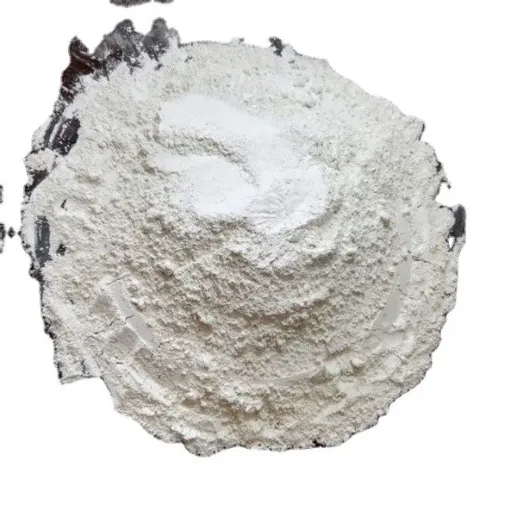 Read More
 -
Bone Ash in Copper Casting Mold Release: Application and Practical Guidance
August 14, 2026A copper sand casting foundry in India was producing electrical switch components that required a clean, smooth surface finish for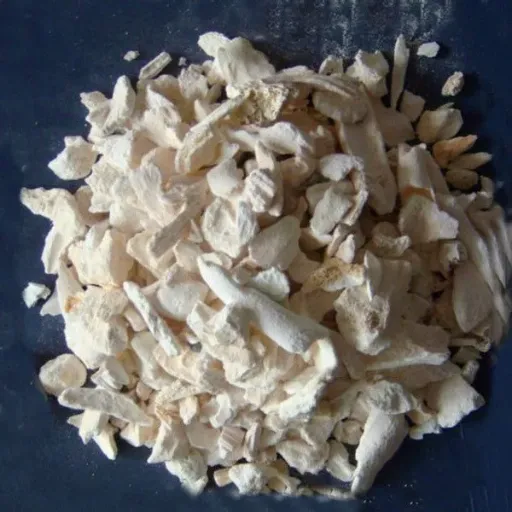 Read More

Contact Us
Recommended Products
-
 Manufacturer Sell Low Price Calcined Bone Ash or PowderUS$ 850MOQ: 5 Tons
 -
Manufacturer Sell Low Price Calcined Bone Ash or PowderUS$ 850MOQ: 5 Tons
-
Manufacturer Sell Low Price Calcined Bone Ash or PowderUS$ 850MOQ: 5 Tons
-
Sell Well Bone Ash for Mold Releasing UseUS$ 880 - 920MOQ: 5 Tons
-
Feilong Direct Sales Die-casting Water-soluble Mold Metal Release AgentUS$ 920MOQ: 5 Tons
-
Natural Animal Bone AshUS$ 880 - 920MOQ: 5 Tons
-
China Manufacturer Supply Eco-Friendly Bone Ash PowderUS$ 890MOQ: 1 Ton
-
Calcined Bone Ash for Bone China With GoodPriceUS$ 880 - 920MOQ: 5 Tons
-
Synthetic Bone Ash for Ceramic With Good PriceUS$ 850MOQ: 5 Tons
-
Calcium and Phosphorus Powder - 325 MeshPowderUS$ 850MOQ: 5 Tons
-
Calcium and Phosphorus Powder - 325 MeshPowderUS$ 850MOQ: 5 Tons
-
Calcium Stearate PVC PE Lubricant Mould-releasing Powder ManufacturerUS$ 850MOQ: 5 Tons
-
Reputed Supplier Selling Bone Ash Powder Which Meet With Environmental Standard As Animal FeedstuffUS$ 850MOQ: 5 Tons
-
Industrial Grade Bone Ash for Bone Ceramics and MetallurgyUS$ 900MOQ: 10 Tons
-
Animal Ashes Used for Bone ChinaUS$ 900MOQ: 5 Tons
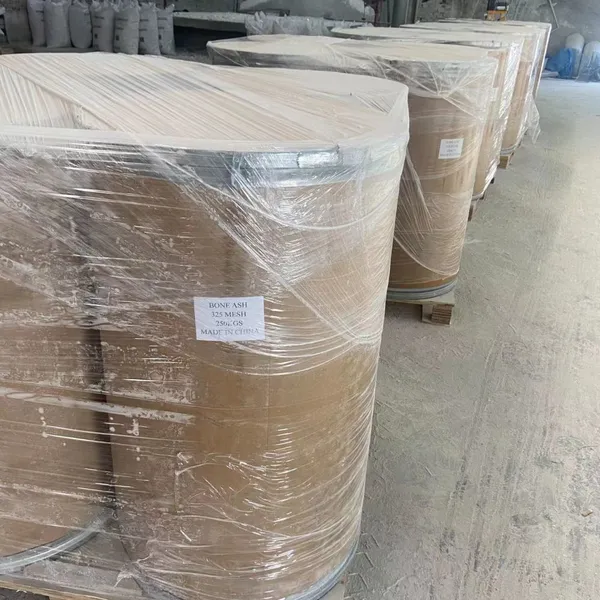
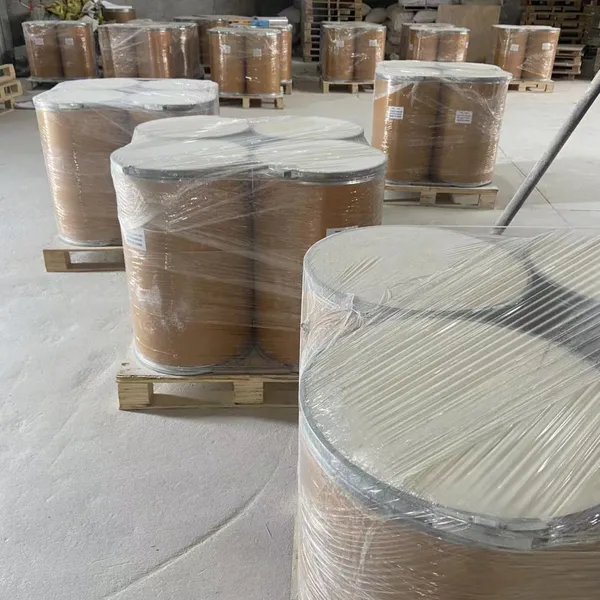
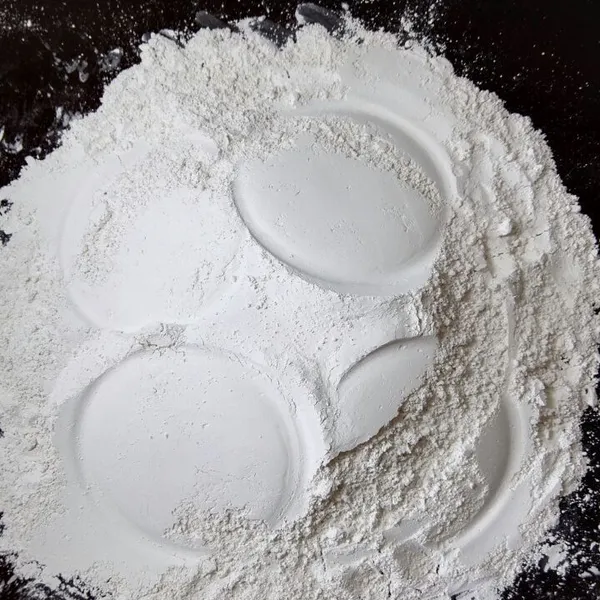
-
Calcium and Phosphorus Powder - 325 MeshPowderUS$ 850MOQ: 5 Tons
-
High Quality Bone Ash for Mold Releasing Use/bone Ash PowderUS$ 850 - 880MOQ: 5 Tons
-
Manufacturer Sell Low Price Calcined Bone Ash or PowderUS$ 850MOQ: 5 Tons
-
Calcined Bone Ash for Bone China With GoodPriceUS$ 880MOQ: 5 Tons
-
High Quality Bone Ash for Mold Releasing Use/bone Ash PowderUS$ 880 - 920MOQ: 5 Tons