
 Business License

Luohe Feilong Bone Carbon: Industrial Bone Ash Manufacturer Since 2011
When a copper foundry in Turkey needs bone ash that releases cleanly from a sand mold at 1,100 degrees Celsius, or a bone china factory in Eastern Europe needs material with a calcium-to-phosphorus ratio that holds within a tight window through multiple firings, the supplier behind that shipment matters as much as the specification on the certificate of analysis. Luohe Feilong Bone Carbon Co., Ltd. has been manufacturing industrial bone ash since its establishment in November 2011, building production capability, quality systems, and export logistics to serve foundry and ceramics customers who depend on consistent bone-derived industrial minerals. This article provides a factual overview of the company's background, products, manufacturing approach, and position in the global supply chain for industrial bone ash.
1. Company Background and Location
Luohe Feilong Bone Carbon was formally established on November 14, 2011, with Li Dan as its legal representative. The company is registered in Gui Village, Zhaoling Town, Zhaoling District, Luohe City, in the central Chinese province of Henan. Its registered business scope covers non-metallic waste and scrap processing, specifically the conversion of animal bone material into value-added industrial products.
The company's location in Henan Province places it within one of China's major livestock processing regions. Henan supports a substantial cattle, swine, and poultry sector that generates significant volumes of animal bone as a co-product of the meat industry. Access to this raw material base has allowed Feilong Bone Carbon to develop a consistent supply chain for the bone material that forms the starting point of its entire product range. The company's processing model converts a material that would otherwise require disposal into usable industrial minerals, serving customers in foundry, ceramics, and related industries.
Since its founding, the company has steadily expanded its production capacity and export reach. The workforce of 11 to 50 employees includes a quality control team of 5 to 10 inspectors, reflecting the operational emphasis placed on product consistency and testing. This staffing ratio supports the batch-testing approach that the company applies to its industrial bone ash production, where each production lot is tested for key parameters before release.
2. Products and Their Applications
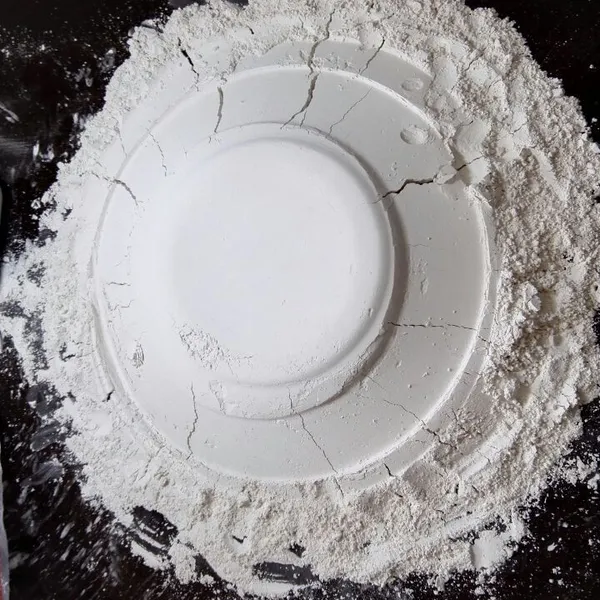
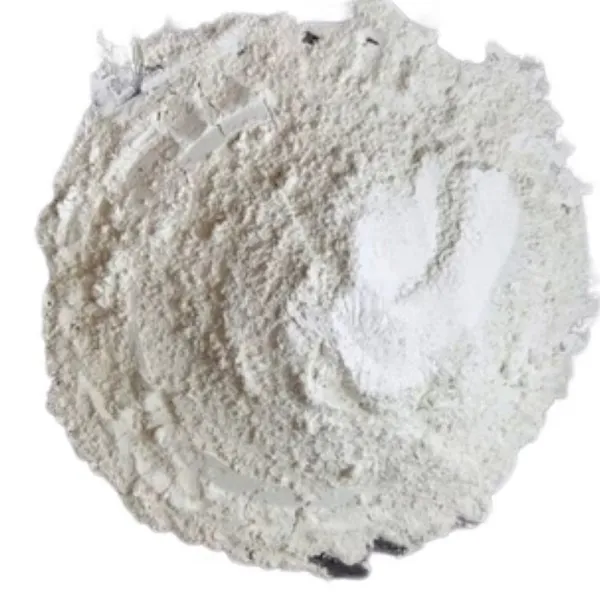
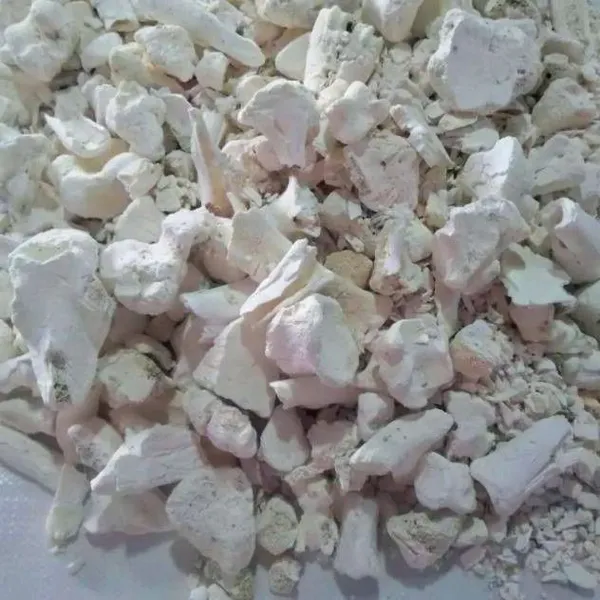
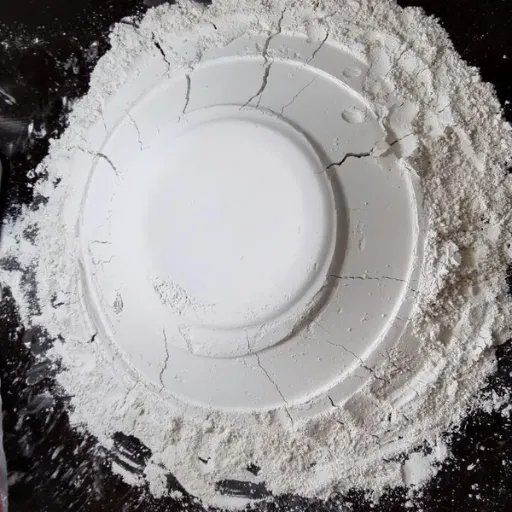
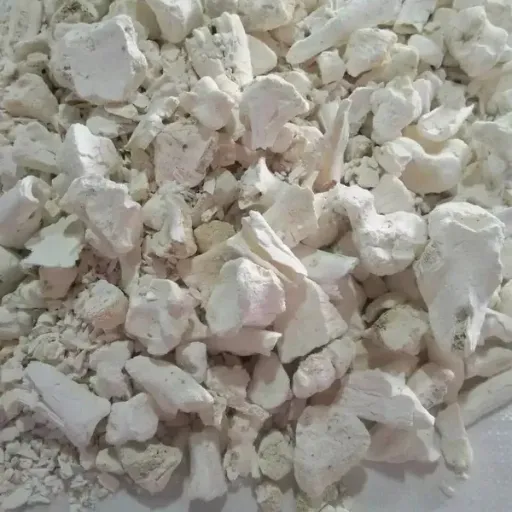
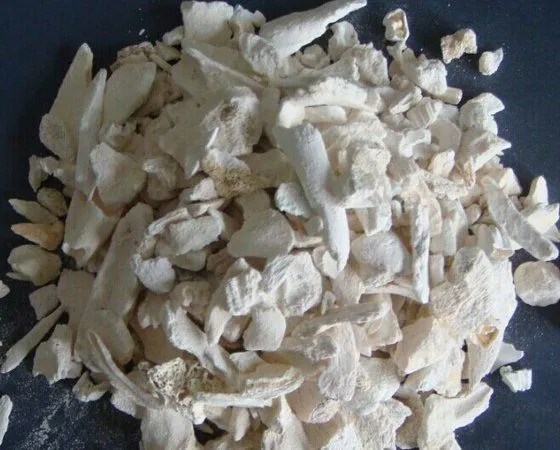
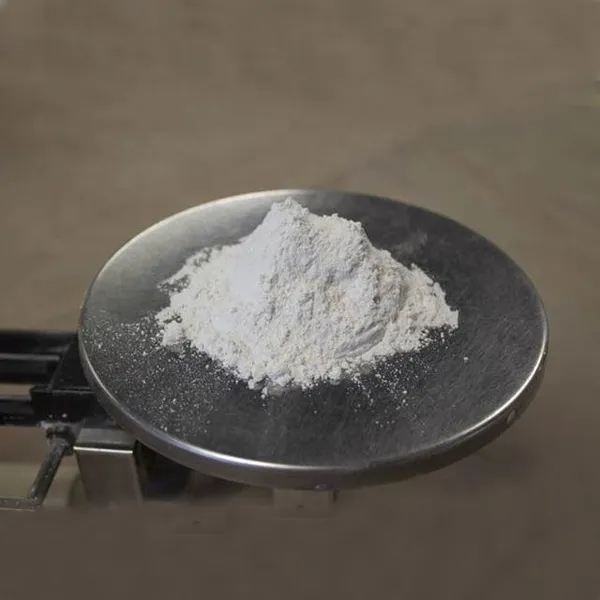
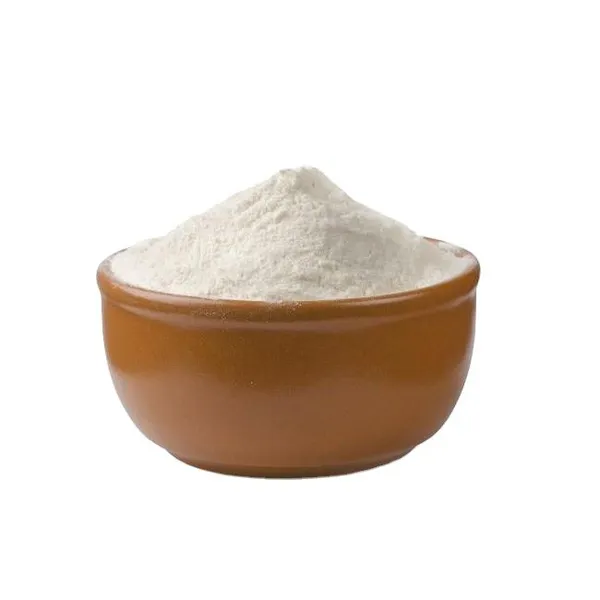
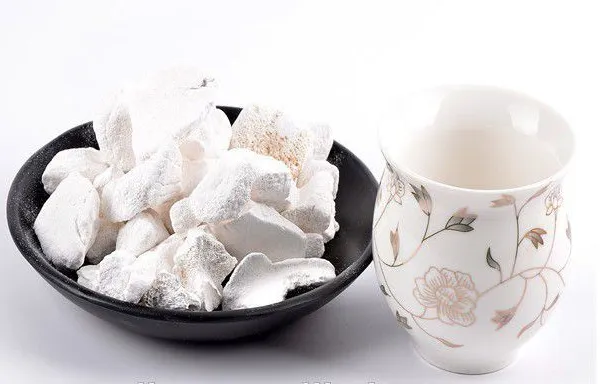
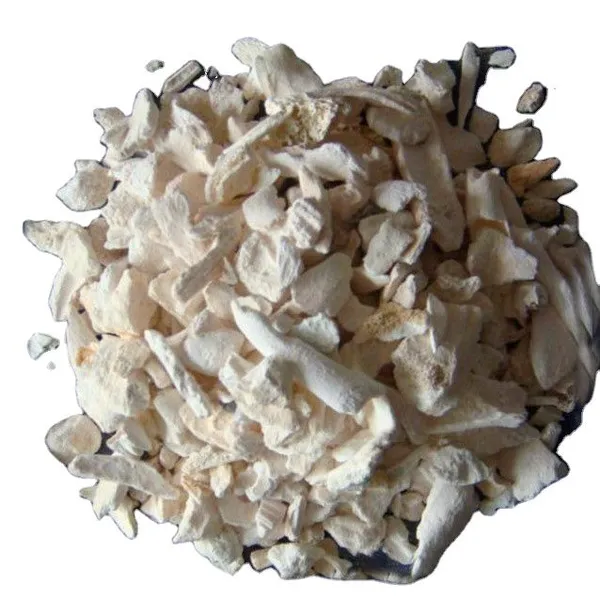
The company's product range centers on industrial bone-derived materials. The primary products listed on its GoldSupplier store are bone ash, bone char, bone ash powder, and bone ash specifically formulated for mold releasing use. These products serve two principal application categories that define how the company's customers use its materials.
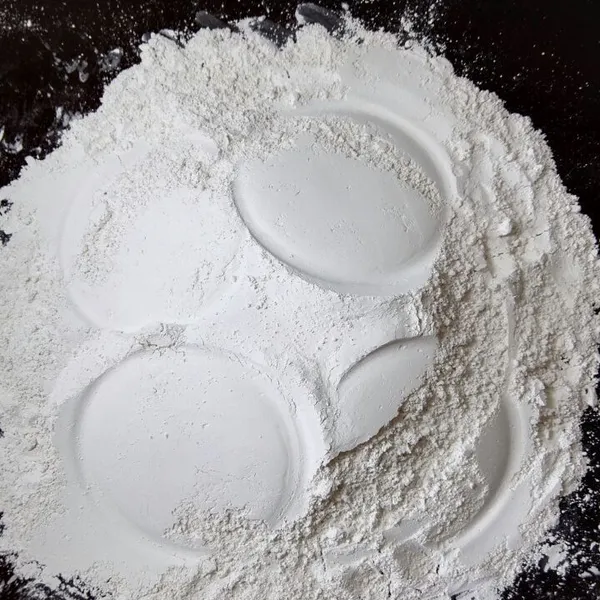
In the foundry industry, Feilong's bone ash functions as a mold release agent and parting compound for non-ferrous metal casting. Copper foundries use the material to prevent molten metal from adhering to sand molds, permanent molds, and dies during the casting of plumbing fittings, electrical components, valve bodies, and decorative hardware. Aluminum, zinc, and brass foundries also use bone ash for the same purpose, valuing its chemical inertness toward these alloys at casting temperatures. The material is applied as a dry powder dusted onto the mold surface or as a water-based slurry painted or sprayed before pouring.
In the bone china and ceramics industry, the company's bone ash serves as a raw material ingredient incorporated into the ceramic body formulation. Bone china typically contains bone ash at 25% to 50% of the total dry batch weight, where it contributes calcium and phosphate that form the mineral phases responsible for the translucency, whiteness, and strength that distinguish bone china from other ceramic bodies. The company produces ceramic-grade bone ash to tighter chemical specifications than foundry-grade material, with particular attention to the consistency of the calcium-to-phosphorus ratio and the minimization of trace elements that could affect fired color.
The following table summarizes the company's primary product categories and their end uses.
| Product | Primary Application | Key Customer Industries |
|---|---|---|
| Bone ash (foundry grade) | Mold release / parting agent | Copper casting, aluminum casting, zinc die casting, brass and bronze foundries |
| Bone ash (ceramic grade) | Raw material for ceramic body | Bone china manufacturers, ceramic tableware producers |
| Bone ash powder | Fine-grade release agent | Permanent mold casting, precision foundry applications |
| Bone char | Industrial carbonized bone material | Industrial filtration and decolorization |
3. Manufacturing Facility and Processing Lines
Feilong Bone Carbon operates its own manufacturing facility occupying a floor area of roughly 3,000 to 5,000 square meters. Within this space, three dedicated processing lines handle the sequential stages of converting raw animal bone into finished industrial bone ash: raw material preparation, thermal processing and calcination, and finished product grinding and classification.
The production process begins with the receipt and inspection of raw bone material. Incoming bones are visually checked for quality and sorted before being crushed to a manageable size for processing. The crushed bone then enters the thermal processing stage, where high-pressure steam sterilization eliminates microbiological contaminants and begins breaking down residual organic tissue. This is followed by high-temperature cooking and mechanical pressing to extract fat, leaving a defatted bone material ready for calcination.
The calcination stage is the defining step in industrial bone ash production. The defatted bone material is heated to temperatures above 800 degrees Celsius in a controlled-atmosphere environment, where the remaining organic components — primarily the collagen protein matrix of the bone — undergo thermal decomposition and combustion. The duration and temperature of this calcination step determine the loss on ignition, color, and physical characteristics of the finished bone ash. After calcination, the material is cooled, ground to the specified particle size range, screened for consistency, tested for quality parameters, and packaged for shipment.
The equipment supporting this process includes pressure vessels for sterilization, screw presses for fat extraction, drying systems, high-temperature kilns for calcination, grinding mills, and screening classifiers. The facility is maintained and operated by the company's workforce, with quality inspectors monitoring process parameters and finished product characteristics at each stage.
4. Quality Management and Certification
Quality control at Luohe Feilong Bone Carbon follows a documented management system that has been certified to ISO 9001 and ISO 9000 standards. These certifications provide independent, externally audited verification that the company operates its quality processes according to internationally recognized requirements. The certifications require regular surveillance audits, giving customers confidence that the quality system is maintained and improved over time rather than being a one-time achievement.
In practice, the quality system governs the entire production process from raw material acceptance through finished product release. Incoming bone material is inspected for freshness and freedom from contamination. Process parameters including sterilization temperature and duration, calcination temperature and residence time, and grinding and screening settings are monitored and recorded. Finished product from each production batch is tested for the chemical and physical parameters that matter to customers, including loss on ignition, calcium and phosphorus content, calcium-to-phosphorus ratio, particle size distribution, bulk density, moisture content, and visual color.
The quality control team of 5 to 10 inspectors is responsible for executing this testing program. Each production batch receives a certificate of analysis that documents the test results, which accompanies the shipment to the customer. For buyers who require independent verification, the company accommodates third-party inspection and pre-shipment sampling requests as part of its standard export procedures.
5. Export Markets and Logistics
Feilong Bone Carbon exports its products to a range of international markets spanning Eastern Europe, Africa, the Middle East, and East Asia. The company's annual export value ranges from roughly US$1 million to US$1.5 million, supplemented by sales to the domestic Chinese market. The diversity of export destinations reflects the broad geographic distribution of industries that consume industrial bone ash, from copper foundries in the Middle East to bone china manufacturers in Eastern Europe to aluminum casting operations in Southeast Asia.
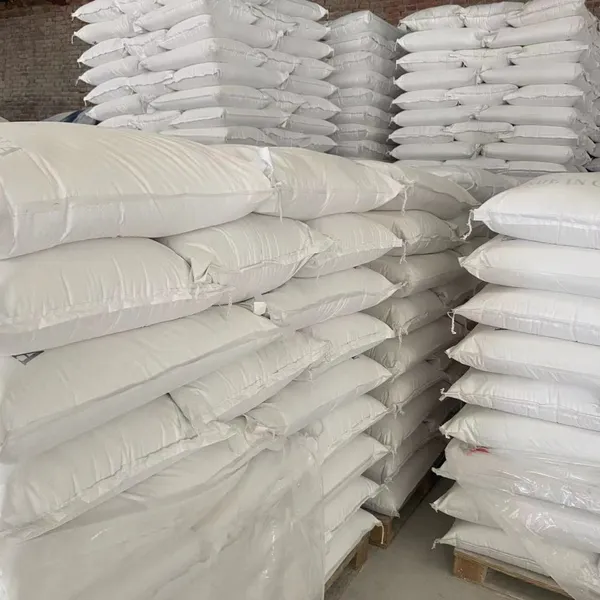
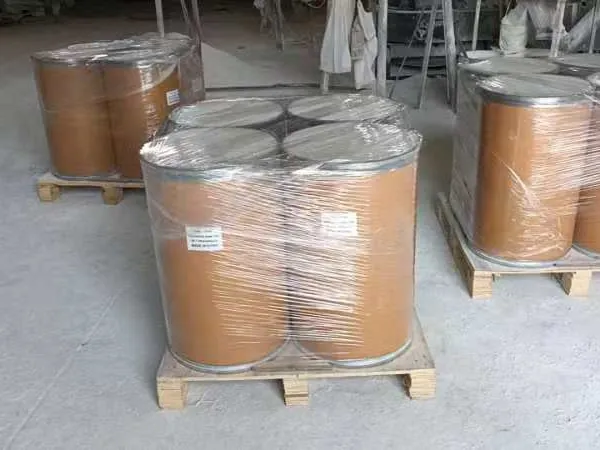
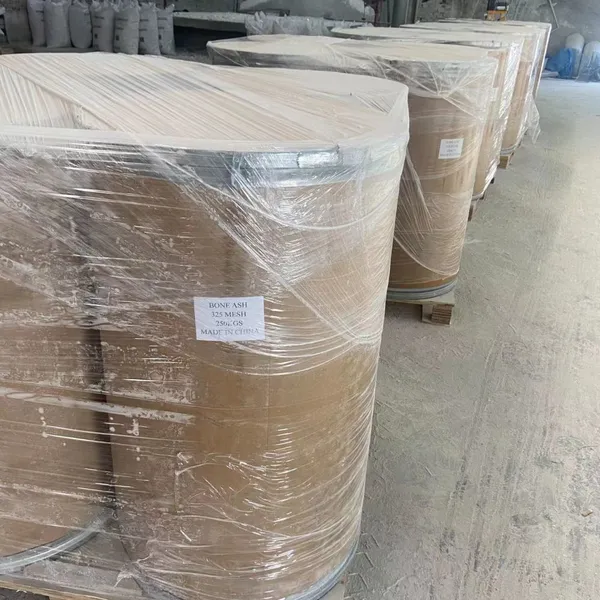
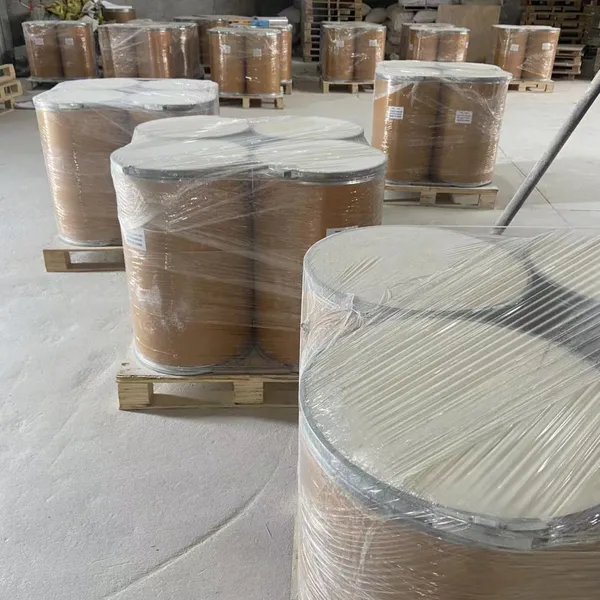
All export shipments are routed through Qingdao Port, one of China's major container ports with regular sailing schedules to most international destinations. The company ships in standard 20-foot containers, each holding approximately 20 to 25 metric tons of bagged bone ash in 25-kilogram or 50-kilogram woven polypropylene bags with inner polyethylene liners for moisture protection. The port's infrastructure and the company's established logistics relationships enable reliable delivery scheduling that helps customers plan their raw material inventory.
The export documentation package provided with each shipment includes the commercial invoice, packing list, certificate of analysis, and certificate of origin as standard. Additional documentation such as health certificates or specific import permits required by the destination country's regulations can be arranged upon request. The company's sales team of 1 to 10 people manages these documentation requirements alongside inquiry handling, quotation preparation, and order processing.
6. Working with Feilong: From Inquiry to Delivery
Buyers who source bone ash from Feilong Bone Carbon typically begin with a specification discussion. The company's sales team reviews the buyer's requirements for particle size, loss on ignition, chemical composition, and packaging, and advises on which of the company's standard grades matches or can be adjusted to meet those requirements. If the buyer's specification falls between standard grades, the sales team can confirm whether production parameters can be adjusted to produce a custom specification.
Following the specification discussion, the company typically provides a sample for evaluation. For new customer relationships, this sample is drawn from current production stock and tested against the buyer's specification at the buyer's laboratory. The sample approval process gives both parties confidence that the material matches the requirement before a purchase order is placed. For repeat orders, the company maintains production records that allow it to reproduce the same material specification, reducing the need for re-sampling on every order.
Order processing and shipment coordination are managed by the company's in-house team. The standard export documentation package includes the commercial invoice, packing list, certificate of analysis, and certificate of origin. Additional documentation, such as health certificates or destination-specific import documentation, is arranged based on the buyer's requirements and the importing country's regulations. Container loading at the factory is supervised to ensure proper stacking and securing of the bagged product, and shipments are tracked through to vessel departure from Qingdao Port.
The company's export customers receive the same contact point throughout the order process, which streamlines communication when questions arise about documentation, shipping schedules, or product specifications. This continuity of contact is particularly valued by buyers who are importing bone ash for the first time and may need guidance on import procedures, customs clearance requirements, or the documentation needed for their specific destination country.
7. Frequently Asked Questions
7.1 Where is Luohe Feilong Bone Carbon located?
The company is based in Gui Village, Zhaoling Town, Zhaoling District, Luohe City, Henan Province, China. Luohe is situated in central Henan, within one of China's major agricultural and livestock regions. The location provides proximity to bone raw material from the surrounding meat processing industry, which contributes to the company's supply chain reliability. Export shipments are routed through Qingdao Port on China's eastern coast, roughly 600 kilometers from the factory.
7.2 What quality certifications does the company hold?
The company holds ISO 9001 and ISO 9000 quality management system certifications, which are maintained through regular surveillance audits conducted by an accredited certification body. These certifications provide independent verification of the company's quality management practices. The company also holds the export registrations required for its products in the markets it serves.
7.3 Can the company produce bone ash to a custom specification?
The company's production process can be adjusted to produce bone ash with different particle size distributions and physical characteristics to match specific customer requirements. Parameters such as calcination temperature, grinding settings, and screening specifications are adjustable within the capabilities of the production equipment. Customers with specific requirements are encouraged to discuss their needs with the company's sales team, who can advise on feasibility and provide samples for evaluation.
6.4 What is the typical lead time for an export order?
Lead times depend on the product, order volume, and production scheduling at the time of inquiry. For standard industrial bone ash grades that are in regular production, typical lead times from order confirmation to container loading range from two to four weeks. Ocean transit adds additional time depending on the destination: roughly two to three weeks to Southeast Asia, three to five weeks to the Middle East and parts of Africa, and four to six weeks to Eastern Europe. The sales team provides a specific timeline during the quotation process based on the current production schedule and the destination.
Recently Posted
-
Bone Ash in Copper Casting Mold Release: Application and Practical Guidance
August 14, 2026A copper sand casting foundry in India was producing electrical switch components that required a clean, smooth surface finish for Read More
 -
How to Source Bone Ash for Foundry Applications: A Buyer's Checklist
August 13, 2026A purchasing manager at a brass foundry in Egypt ordered 20 metric tons of bone ash from a new supplier at a price roughly 25% bel Read More
 -
Bone Ash vs Graphite Powder for Non-Ferrous Metal Mold Release
August 12, 2026A brass foundry in Southeast Asia switched from bone ash to a lower-cost graphite powder for its sand casting release agent, expec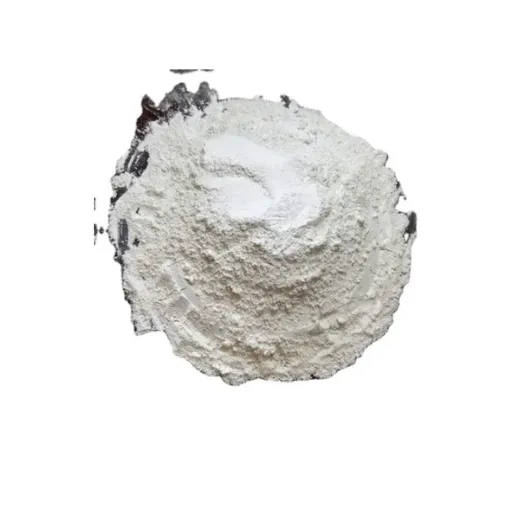 Read More
 -
What Is Industrial Bone Ash? A Guide for Foundry and Ceramic Buyers
August 11, 2026A copper foundry manager in Turkey once rejected three consecutive shipments of bone ash because the material was acting more like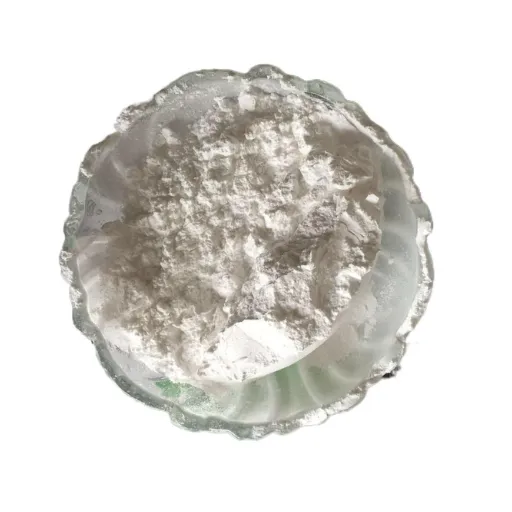 Read More

Contact Us
Recommended Products
-
 Manufacturer Sell Low Price Calcined Bone Ash or PowderUS$ 850MOQ: 5 Tons
 -
Manufacturer Sell Low Price Calcined Bone Ash or PowderUS$ 850MOQ: 5 Tons
-
Manufacturer Sell Low Price Calcined Bone Ash or PowderUS$ 850MOQ: 5 Tons
-
Sell Well Bone Ash for Mold Releasing UseUS$ 880 - 920MOQ: 5 Tons
-
Feilong Direct Sales Die-casting Water-soluble Mold Metal Release AgentUS$ 920MOQ: 5 Tons
-
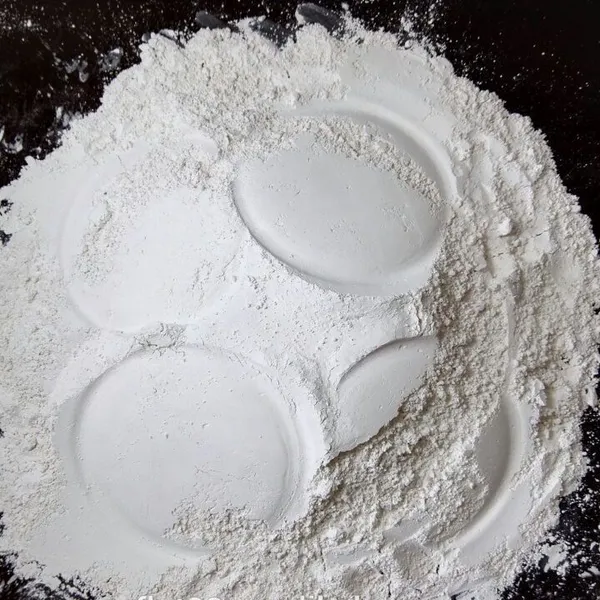
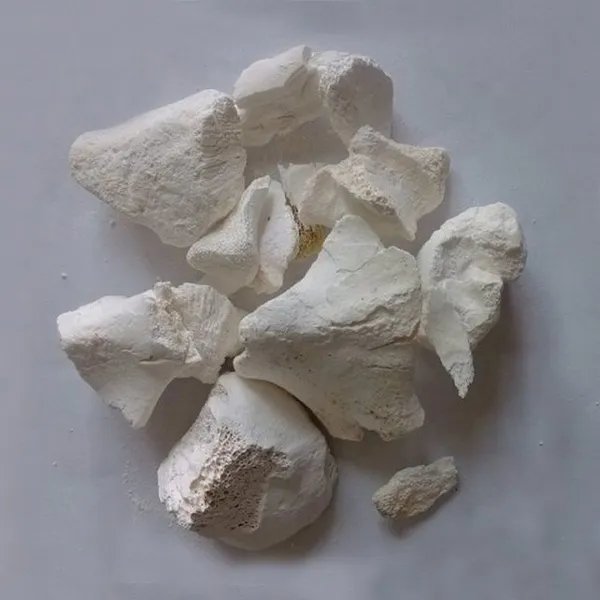
Natural Animal Bone AshUS$ 880 - 920MOQ: 5 Tons
-
China Manufacturer Supply Eco-Friendly Bone Ash PowderUS$ 890MOQ: 1 Ton
-
Calcined Bone Ash for Bone China With GoodPriceUS$ 880 - 920MOQ: 5 Tons
-
Synthetic Bone Ash for Ceramic With Good PriceUS$ 850MOQ: 5 Tons
-
Calcium and Phosphorus Powder - 325 MeshPowderUS$ 850MOQ: 5 Tons
-
Calcium and Phosphorus Powder - 325 MeshPowderUS$ 850MOQ: 5 Tons
-
Calcium Stearate PVC PE Lubricant Mould-releasing Powder ManufacturerUS$ 850MOQ: 5 Tons
-
Reputed Supplier Selling Bone Ash Powder Which Meet With Environmental Standard As Animal FeedstuffUS$ 850MOQ: 5 Tons
-
Industrial Grade Bone Ash for Bone Ceramics and MetallurgyUS$ 900MOQ: 10 Tons
-
Animal Ashes Used for Bone ChinaUS$ 900MOQ: 5 Tons
-
Calcium and Phosphorus Powder - 325 MeshPowderUS$ 850MOQ: 5 Tons
-
High Quality Bone Ash for Mold Releasing Use/bone Ash PowderUS$ 850 - 880MOQ: 5 Tons
-
Manufacturer Sell Low Price Calcined Bone Ash or PowderUS$ 850MOQ: 5 Tons
-
Calcined Bone Ash for Bone China With GoodPriceUS$ 880MOQ: 5 Tons
-
High Quality Bone Ash for Mold Releasing Use/bone Ash PowderUS$ 880 - 920MOQ: 5 Tons