
 Business License

What Is Industrial Bone Ash? A Guide for Foundry and Ceramic Buyers
A copper foundry manager in Turkey once rejected three consecutive shipments of bone ash because the material was acting more like a filler than a release agent. The powder was the right color, roughly the right particle size on paper, and the supplier's certificate showed calcium phosphate at the expected level. What the manager did not know until a laboratory analysis came back was that the bone ash had been calcined at too low a temperature, leaving behind roughly 4% residual carbon that was burning off during mold contact and creating a thin carbonaceous film that actually increased sticking between the copper and the mold surface.
The foundry lost roughly two weeks of production diagnosing the problem. Industrial bone ash is not a single commodity product. It is a material whose performance in a mold release application or a ceramic body depends on how it was produced, how it was processed, and whether the supplier understands what the buyer actually needs it to do.
1. What Industrial Bone Ash Actually Is
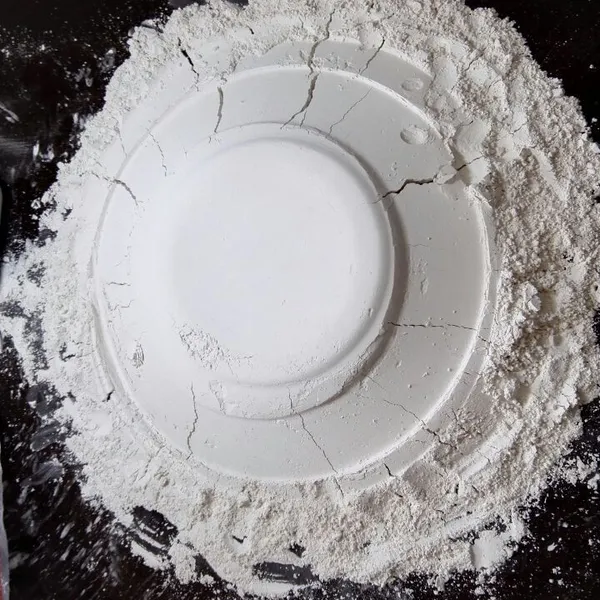
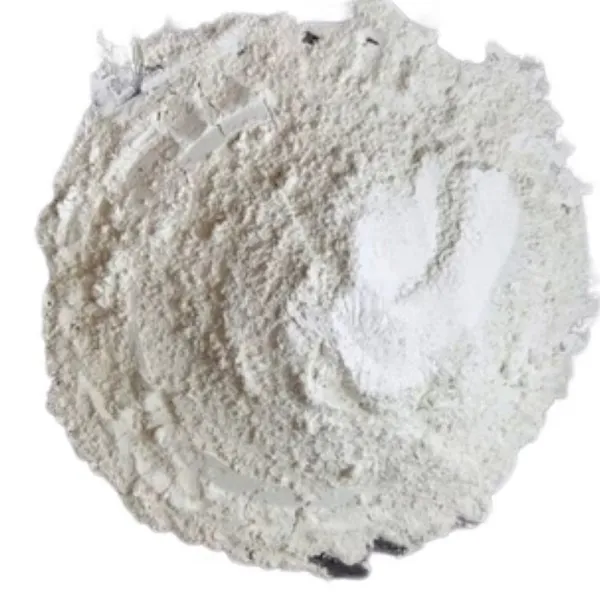
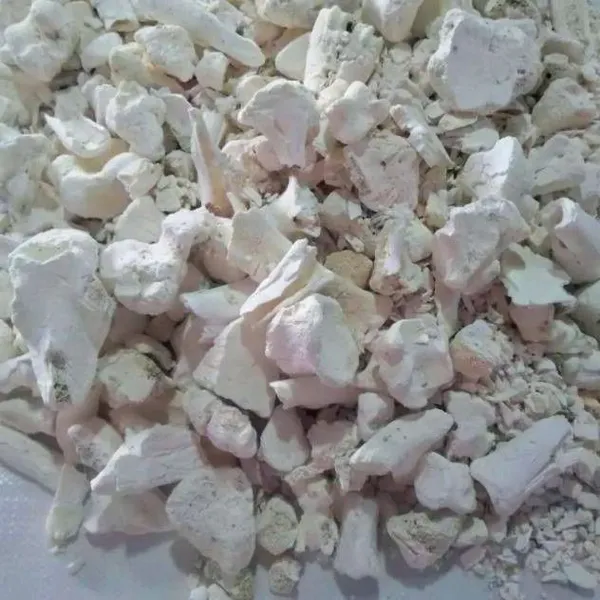
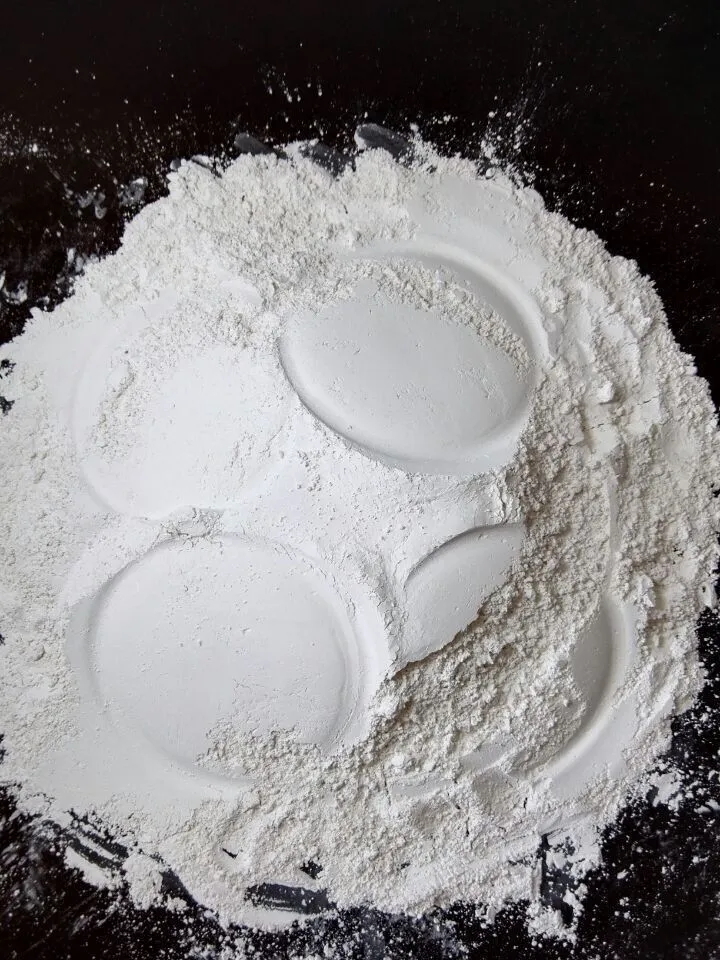
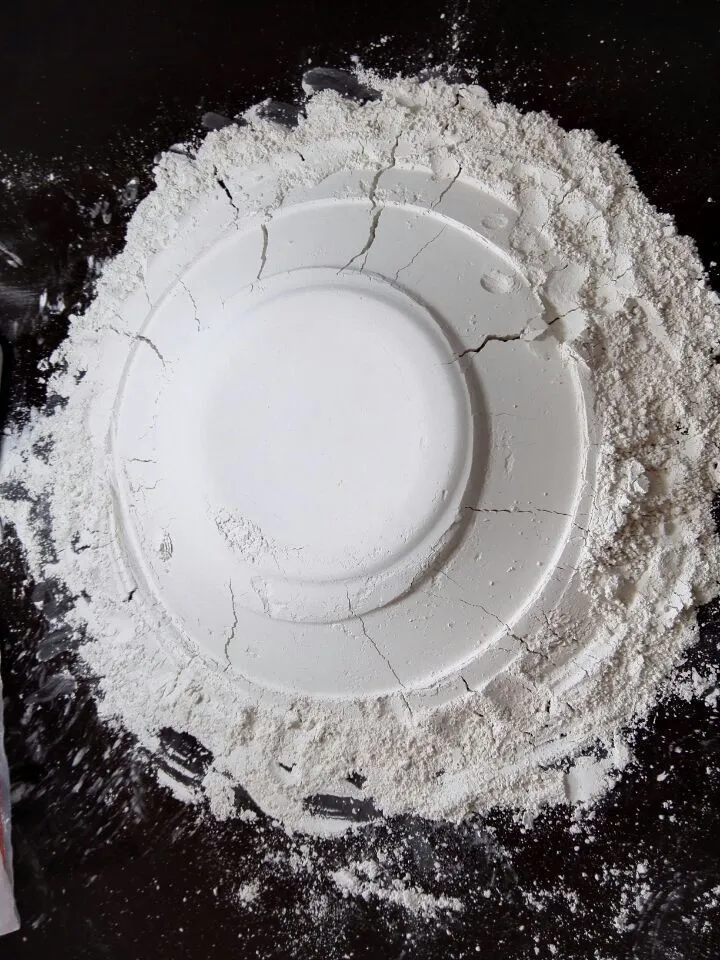
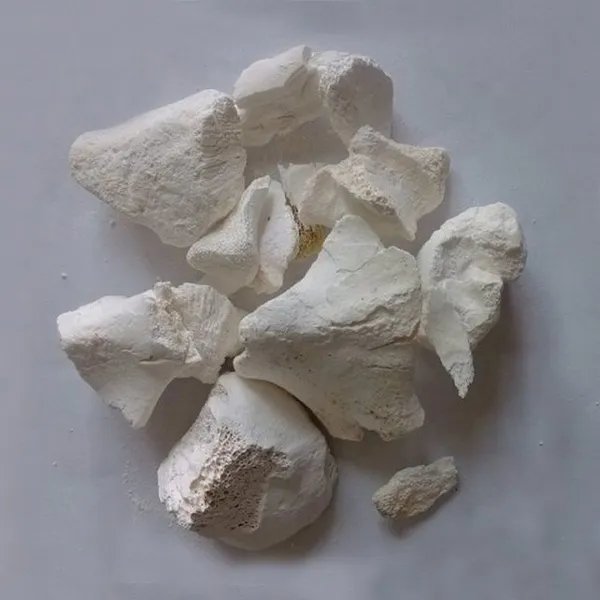
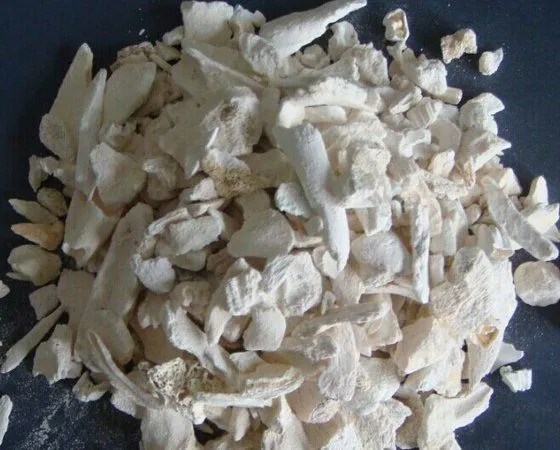
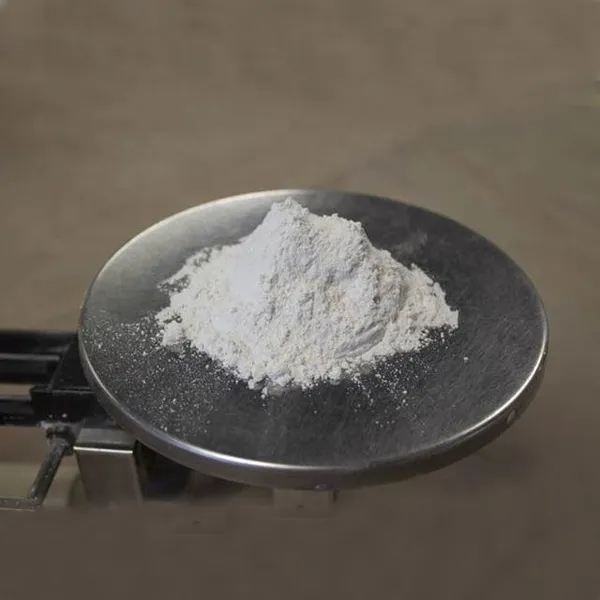
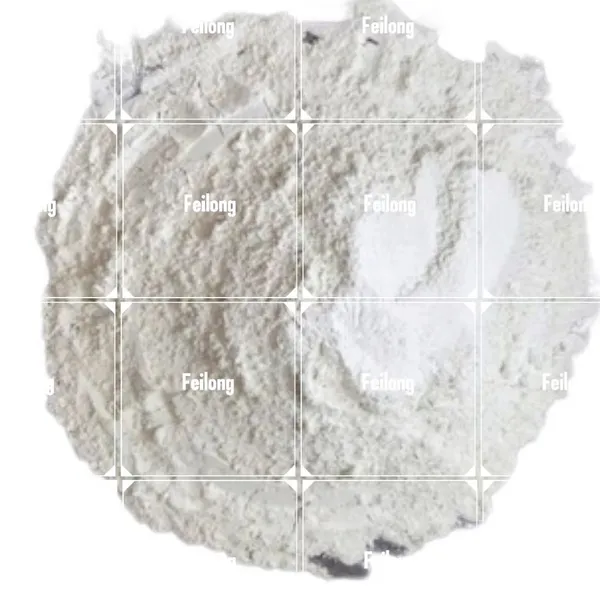
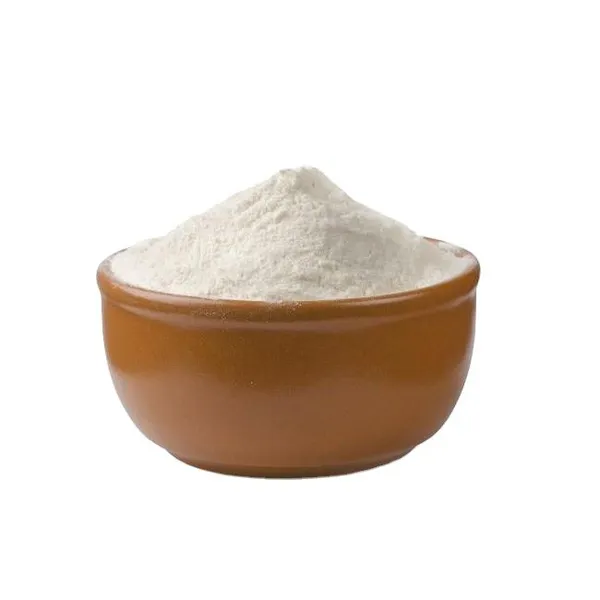
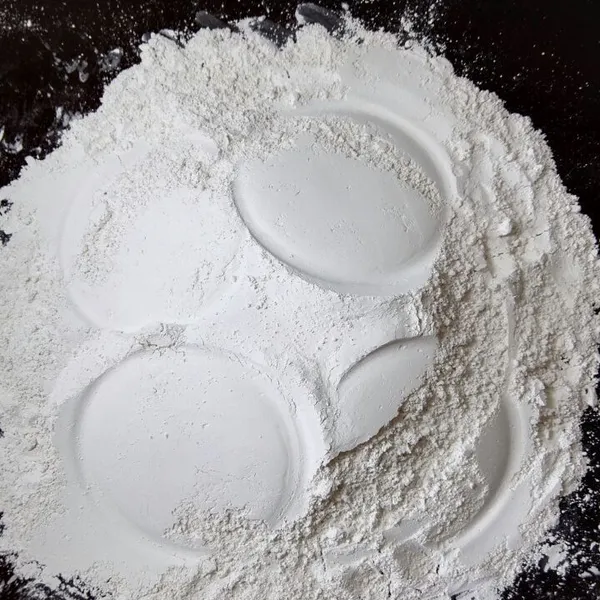
Industrial bone ash is a fine powder produced by calcining animal bones at high temperatures to remove all organic matter, leaving behind a mineral residue composed almost entirely of calcium phosphate in the form of hydroxyapatite. The calcination process, typically conducted at temperatures above 800 degrees Celsius, burns off the collagen, fat, and other organic components of the bone tissue, converting the raw bone into a sterile, white to off-white powder that is chemically stable and physically consistent.
The term industrial distinguishes this material from food-grade or pharmaceutical-grade bone-derived products. Industrial bone ash is manufactured to specifications that prioritize physical performance characteristics such as particle size distribution, flowability, and thermal stability rather than the purity requirements that govern edible or medical applications. This does not mean industrial bone ash is impure. It means the purity parameters are oriented toward the needs of foundries, ceramics factories, and other industrial users rather than toward food safety regulations.
The finished powder consists primarily of tricalcium phosphate and calcium hydroxyapatite, with a typical calcium oxide content of roughly 48% to 54% and phosphorus pentoxide content of roughly 38% to 42%. Minor components include magnesium oxide, sodium oxide, and trace elements that were present in the original bone mineral structure.
2. Two Distinct Markets: Foundry and Bone China
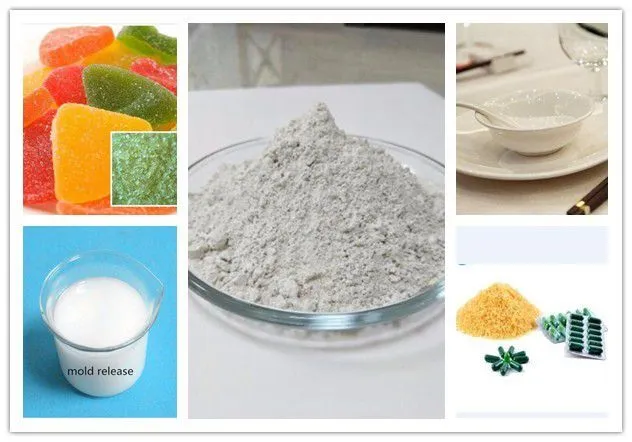
Industrial bone ash serves two major application categories that demand substantially different material properties. Foundries use bone ash as a mold release agent and parting compound in non-ferrous metal casting, particularly for copper, aluminum, zinc, and their alloys. In this application, the bone ash is applied as a dry powder or water-based slurry to the surface of molds and dies before molten metal is poured. The powder creates a physical barrier between the metal and the mold, preventing adhesion and allowing the cast part to separate cleanly after solidification.
Bone china manufacturers use bone ash as a raw material ingredient, incorporating it into the ceramic body at rates typically ranging from 25% to 50% of the total dry batch weight. In this role, the bone ash contributes calcium and phosphate that form anorthite and beta-tricalcium phosphate phases during firing, which are responsible for bone china's characteristic translucency, whiteness, and mechanical strength. The bone ash used in bone china must meet tighter chemical specifications than foundry-grade material because even small variations in calcium-to-phosphorus ratio or impurity levels can affect the fired properties of the ceramic body.
Luohe Feilong Bone Carbon Co., Ltd. produces bone ash for both application categories, with separate processing and quality control protocols for foundry-grade and ceramic-grade material. The company's production line can adjust calcination temperature, grinding parameters, and screening specifications to match the different requirements of each end use.
3. How Bone Ash Functions as a Mold Release Agent
The release mechanism of bone ash in foundry applications relies on several physical and chemical properties working together. The powder is applied to the mold surface as a thin coating that fills microscopic surface irregularities and creates a smooth, non-wetting interface between the mold material and the molten metal. Bone ash is refractory enough to withstand the temperatures of non-ferrous metal casting without melting or decomposing, and its chemical inertness prevents it from reacting with copper, aluminum, or zinc alloys at typical pouring temperatures.
The particle morphology of bone ash also contributes to release performance. Properly calcined bone ash consists of irregular, angular particles that form a mechanically interlocked coating when pressed or brushed onto a mold surface. This interlocking helps the coating remain intact during mold assembly and metal pouring, when turbulence in the molten metal stream could otherwise dislodge a loosely applied parting agent. At the same time, the coating is friable enough to shear cleanly when the casting is ejected, leaving the mold surface ready for the next application cycle without buildup.
The following table summarizes the key property differences between bone ash grades intended for foundry use versus ceramic use.
| Property | Foundry Grade | Ceramic/Bone China Grade |
|---|---|---|
| Primary function | Mold release / parting agent | Raw material ingredient in ceramic body |
| Key performance metric | Release characteristics, thermal stability | Chemical purity, Ca:P ratio, whiteness after firing |
| Typical particle size | Coarser, 100–325 mesh range | Finer, typically 200–400 mesh |
| LOI specification | Below 2% (lower is better) | Below 1.5%, tightly controlled |
| Color tolerance | Off-white to light gray acceptable | White to very light cream; color affects fired whiteness |
4. The Calcination Step: What Makes Bone Ash Industrial-Grade
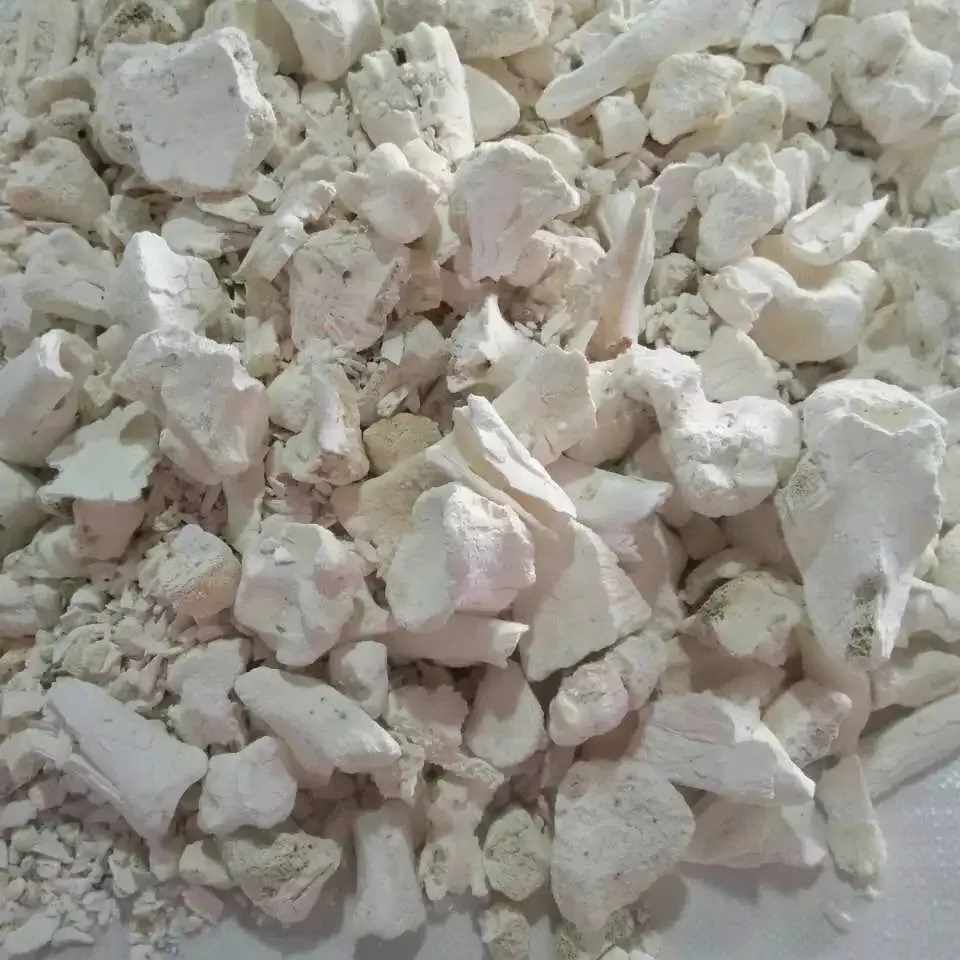
Calcination is the defining process step that transforms raw bone into industrial bone ash. When animal bones are heated above roughly 700 degrees Celsius in the presence of air, the organic components of the bone tissue — primarily collagen protein and residual fats — undergo thermal decomposition and combustion.
The carbon in these organic molecules oxidizes to carbon dioxide and escapes as gas, while the mineral hydroxyapatite framework of the bone remains intact as a solid residue.
The temperature and duration of calcination determine the properties of the final product. Calcination at the lower end of the range, around 700 to 800 degrees Celsius, produces a softer, more porous ash that may retain trace amounts of carbon. This material is sometimes preferred for certain mold release applications where the slightly higher porosity helps the powder adhere to vertical mold surfaces.
Calcination at 900 to 1,000 degrees Celsius produces a denser, harder ash with lower specific surface area and virtually zero residual carbon. This grade is generally preferred for bone china production because residual carbon can cause discoloration and blistering during glaze firing.
Feilong Bone Carbon controls calcination temperature and duration as part of its standard production process, with quality inspectors monitoring the loss on ignition value as a direct indicator of calcination completeness. A low and consistent LOI across production batches is one of the reliability indicators that foundry and ceramics buyers look for when evaluating bone ash suppliers.
5. Particle Size and Its Industrial Significance
Particle size is arguably the most practically important specification for industrial bone ash because it directly affects how the material handles, applies, and performs. Foundry-grade bone ash is typically supplied in the 100 to 325 mesh range, corresponding to particles between roughly 45 and 150 microns. Within this range, the material flows freely when dispensed from a container or applicator, adheres evenly to mold surfaces, and provides sufficient coating thickness to function as an effective release barrier.
Finer grades in the 200 to 400 mesh range are more commonly specified for bone china production because they disperse more uniformly through the ceramic body during mixing and produce a more homogeneous fired microstructure. However, extremely fine bone ash can create dust problems during handling and may require vacuum extraction or enclosed transfer systems in the factory. This is one reason why foundry buyers often prefer a slightly coarser grade: the material is easier to handle in the open environment of a foundry floor without excessive airborne dust.
Particle size distribution also affects the visual appearance of the bone ash coating on a mold. A powder with a wide particle size distribution tends to pack more densely and form a smoother coating than a powder with a narrow distribution. Some foundries prefer a wider distribution for this reason, while others specify a narrow cut to ensure that every particle in the batch contributes to release performance without fine particles that might become airborne or coarse particles that might create uneven coating thickness.
6. Quality Parameters Foundry Buyers Should Check
When evaluating industrial bone ash for foundry use, several quality parameters deserve attention beyond the basic chemical composition. Loss on ignition is perhaps the most important because it directly measures the completeness of calcination. A bone ash with LOI above roughly 2% contains residual organic carbon that can volatilize during mold contact with molten metal, potentially creating gas porosity in the casting surface or leaving carbon deposits on the mold that degrade release performance over repeated cycles.
Bulk density is a practical indicator of how the powder will handle in the foundry. Bone ash with consistent bulk density from batch to batch allows foundry operators to develop standard application procedures without adjusting for each shipment. Material that arrives with significantly different bulk density may require recalibration of application equipment or changes to the mixing ratio if the bone ash is being applied as a water-based slurry.
Color is a quick visual quality check that experienced foundry operators rely on. Properly calcined industrial bone ash should be white to off-white. Gray or brown discoloration indicates incomplete calcination with residual carbon, while a yellowish tint may indicate the presence of iron contamination from the raw material source or from processing equipment. These visual cues are not substitutes for laboratory analysis but they provide an immediate indication of whether the material is worth sending to the lab.
7. Case Study: Copper Foundry Switching Suppliers
A copper casting operation in the Middle East had been using the same bone ash supplier for roughly five years when the supplier changed its calcination process without notifying customers. The new production method used a lower maximum temperature and a shorter residence time in the kiln, which reduced energy costs but left the bone ash with a noticeably gray color and an LOI that had drifted from 1.2% to roughly 2.8%. The foundry began experiencing increased sticking on copper sand castings, with rejection rates climbing from roughly 2% to nearly 7% over a four-week period. The problem was traced to the bone ash through a comparison of retained samples from previous shipments against the current material.
The foundry switched suppliers and implemented a policy of testing LOI, color, and bulk density on every incoming shipment before releasing bone ash to the production floor. The rejection rate returned to its previous level within two weeks of the supplier change.
8. Case Study: Bone China Factory Formulation Adjustment
A bone china manufacturer in Eastern Europe received a shipment of bone ash with a calcium-to-phosphorus ratio that had drifted from the typical 2.15:1 to roughly 2.35:1, just within the supplier's declared specification range but different enough to affect the fired translucency of the ware. The factory's quality manager noticed during a routine fired sample check that the translucency was visibly lower than the control sample. Laboratory analysis traced the issue to the bone ash, and the factory adjusted its body formulation by reducing the bone ash content by roughly 2 percentage points and compensating with additional feldspar to maintain the flux balance.
The adjustment restored the translucency to within specification, but the reformulation work cost the factory roughly three days of production scheduling. The experience led the factory to tighten its incoming bone ash specification to require a calcium-to-phosphorus ratio of 2.10:1 to 2.20:1, narrower than the supplier's standard offering.
9. Frequently Asked Questions
9.1 Is all bone ash the same regardless of the animal source?
The mineral composition of bone ash is broadly similar across different animal species because all vertebrate bone is built from the same hydroxyapatite mineral structure. However, there are practical differences. Cattle bones tend to produce a more consistent ash with fewer trace element variations because cattle are typically raised on more uniform diets than mixed-source bone collections. Bone ash from mixed species sources can show slightly more batch-to-batch variability in minor element composition, though this rarely affects performance in foundry applications where the primary concern is release behavior rather than chemical precision.
9.2 Can foundry-grade bone ash be used for bone china production?
In principle, yes, but with significant risk. Foundry-grade bone ash is typically calcined to a slightly lower standard of organic removal, and its particle size distribution is optimized for release coating application rather than uniform dispersion through a ceramic body. Using foundry-grade material in bone china may result in fired discoloration from residual carbon, uneven translucency from inconsistent dispersion, or minor surface defects from coarser particles. Bone china manufacturers should source material specifically produced and tested for ceramic applications.
9.3 How should industrial bone ash be stored?
Bone ash is hygroscopic and will absorb moisture from humid air, which can cause clumping and make the powder difficult to apply evenly. It should be stored in a dry, covered area, ideally in sealed bags or containers until use. If the material has been exposed to moisture and shows signs of clumping, it should be dried and re-screened before use. Under proper storage conditions, properly calcined bone ash has an essentially indefinite shelf life because it contains no organic material that can degrade over time.
9.4 What is the typical packaging for industrial bone ash exports?
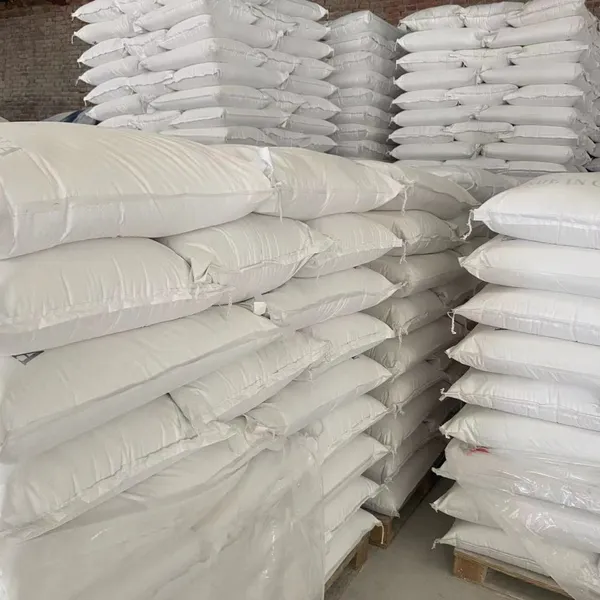
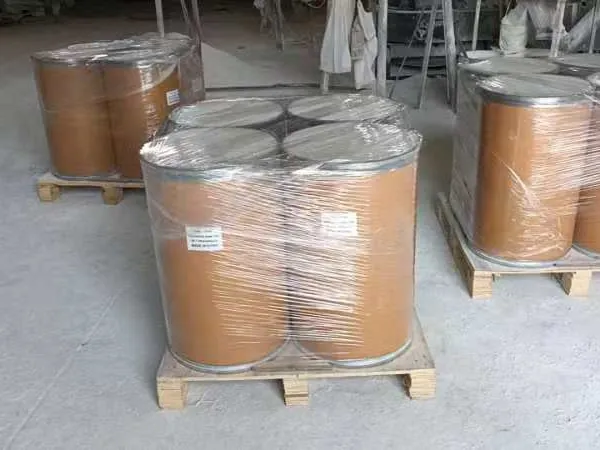
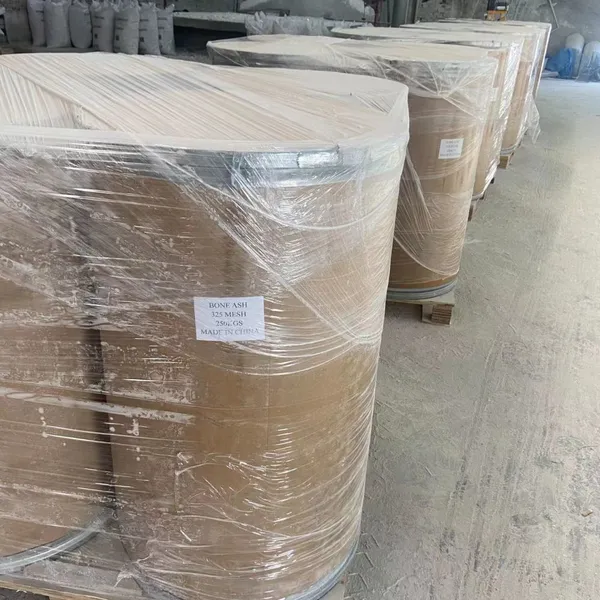
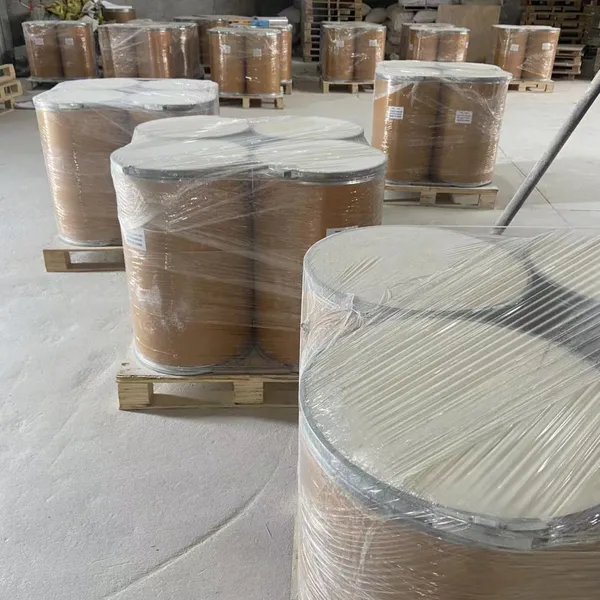
Export shipments of industrial bone ash are typically packaged in 25-kilogram or 50-kilogram woven polypropylene bags, often with an inner polyethylene liner for moisture protection. Containerized shipments through major ports handle 20 to 25 metric tons per 20-foot container. Buyers who require bulk bag handling can request one-metric-ton flexible intermediate bulk containers, though this option requires appropriate receiving and handling equipment at the destination.
Recently Posted
-
Luohe Feilong Bone Carbon: Industrial Bone Ash Manufacturer Since 2011
August 17, 2026When a copper foundry in Turkey needs bone ash that releases cleanly from a sand mold at 1,100 degrees Celsius, or a bone china fa Read More
 -
Bone Ash in Copper Casting Mold Release: Application and Practical Guidance
August 14, 2026A copper sand casting foundry in India was producing electrical switch components that required a clean, smooth surface finish for Read More
 -
How to Source Bone Ash for Foundry Applications: A Buyer's Checklist
August 13, 2026A purchasing manager at a brass foundry in Egypt ordered 20 metric tons of bone ash from a new supplier at a price roughly 25% bel Read More
 -
Bone Ash vs Graphite Powder for Non-Ferrous Metal Mold Release
August 12, 2026A brass foundry in Southeast Asia switched from bone ash to a lower-cost graphite powder for its sand casting release agent, expec Read More

Contact Us
Recommended Products
-
 Manufacturer Sell Low Price Calcined Bone Ash or PowderUS$ 850MOQ: 5 Tons
 -
Manufacturer Sell Low Price Calcined Bone Ash or PowderUS$ 850MOQ: 5 Tons
-
Manufacturer Sell Low Price Calcined Bone Ash or PowderUS$ 850MOQ: 5 Tons
-
Sell Well Bone Ash for Mold Releasing UseUS$ 880 - 920MOQ: 5 Tons
-
Feilong Direct Sales Die-casting Water-soluble Mold Metal Release AgentUS$ 920MOQ: 5 Tons
-
Natural Animal Bone AshUS$ 880 - 920MOQ: 5 Tons
-
China Manufacturer Supply Eco-Friendly Bone Ash PowderUS$ 890MOQ: 1 Ton
-
Calcined Bone Ash for Bone China With GoodPriceUS$ 880 - 920MOQ: 5 Tons
-
Synthetic Bone Ash for Ceramic With Good PriceUS$ 850MOQ: 5 Tons
-
Calcium and Phosphorus Powder - 325 MeshPowderUS$ 850MOQ: 5 Tons
-
Calcium and Phosphorus Powder - 325 MeshPowderUS$ 850MOQ: 5 Tons
-
Calcium Stearate PVC PE Lubricant Mould-releasing Powder ManufacturerUS$ 850MOQ: 5 Tons
-
Reputed Supplier Selling Bone Ash Powder Which Meet With Environmental Standard As Animal FeedstuffUS$ 850MOQ: 5 Tons
-
Industrial Grade Bone Ash for Bone Ceramics and MetallurgyUS$ 900MOQ: 10 Tons
-
Animal Ashes Used for Bone ChinaUS$ 900MOQ: 5 Tons
-
Calcium and Phosphorus Powder - 325 MeshPowderUS$ 850MOQ: 5 Tons
-
High Quality Bone Ash for Mold Releasing Use/bone Ash PowderUS$ 850 - 880MOQ: 5 Tons
-
Manufacturer Sell Low Price Calcined Bone Ash or PowderUS$ 850MOQ: 5 Tons
-
Calcined Bone Ash for Bone China With GoodPriceUS$ 880MOQ: 5 Tons
-
High Quality Bone Ash for Mold Releasing Use/bone Ash PowderUS$ 880 - 920MOQ: 5 Tons