
 Business License

High Purity Bone Ash: Specifications, Benefits, and Ceramic Applications
A procurement manager at a bone china factory in Germany once rejected three container loads of bone ash because the iron content crept above 0.1%. That tiny impurity was enough to cast a gray tint across an entire production run of premium tableware. The incident cost the supplier the contract and forced the buyer to restart material qualification from scratch.
Stories like this explain why high purity bone ash is not a marketing label. For ceramic manufacturers, bone ash purity is a technical requirement that directly affects product appearance, strength, and batch consistency. Small differences in calcium, phosphorus, iron, and trace contaminants separate ceramic grade bone ash suitable for fine bone china from lower grades that belong in industrial filler applications.
Therefore, in this guide, you will learn exactly what high purity bone ash means, which specifications matter most for ceramic production, how calcination affects purity, and what to look for when evaluating suppliers. Whether you source ceramic-grade bone ash for bone china or specialized industrial formulations, these criteria will help you make a confident procurement decision.
What Is High Purity Bone Ash?
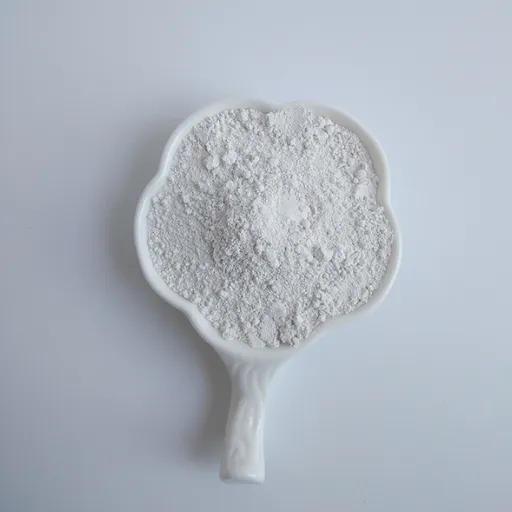
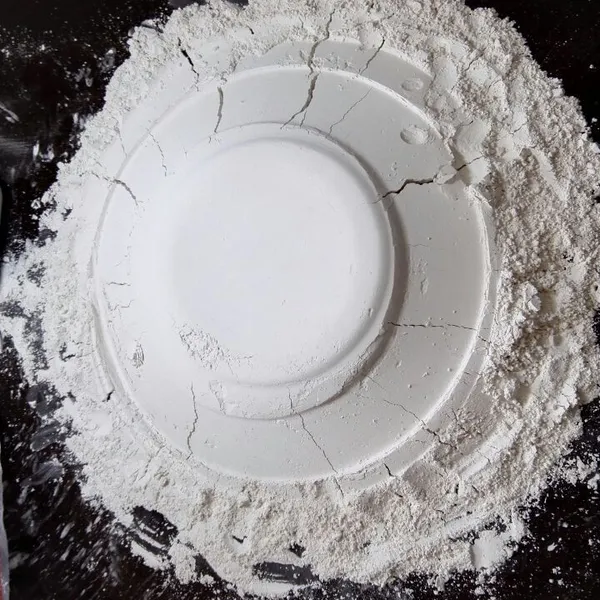
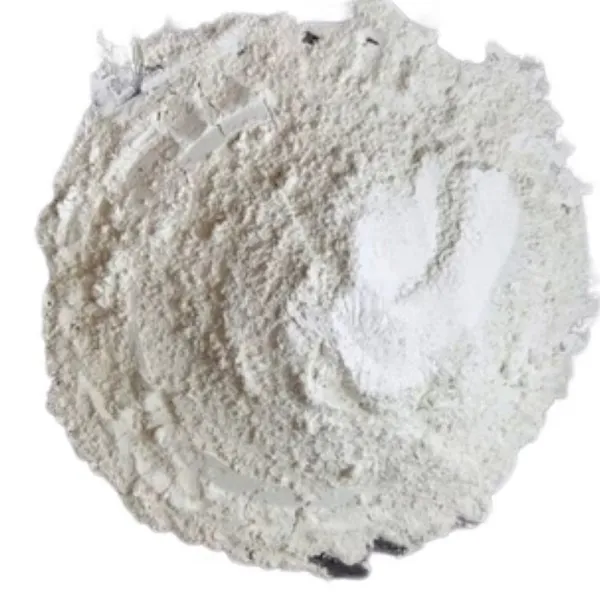
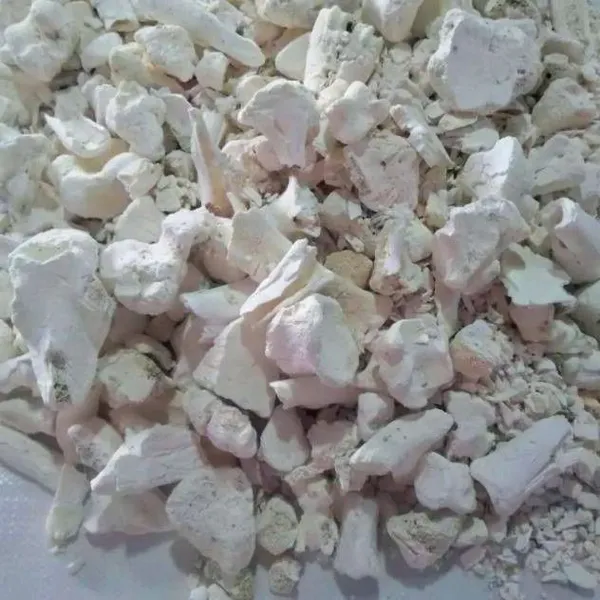
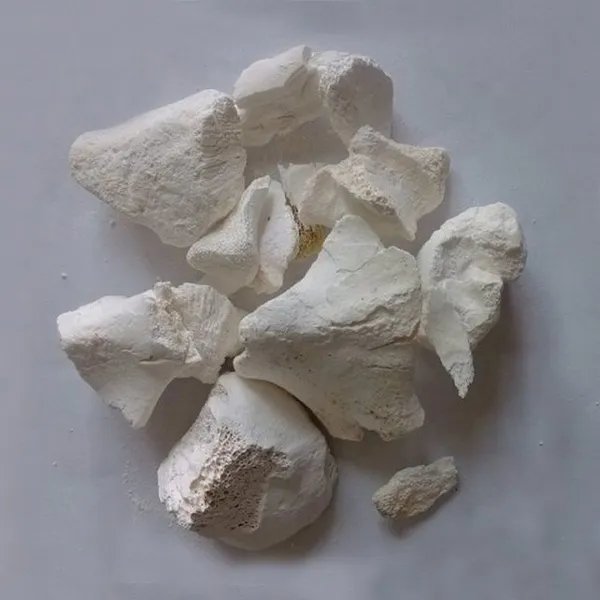
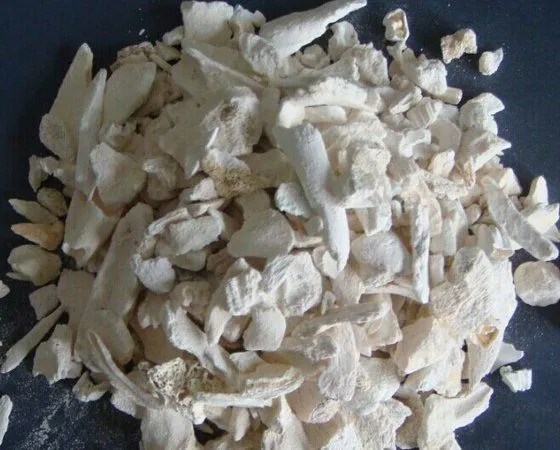
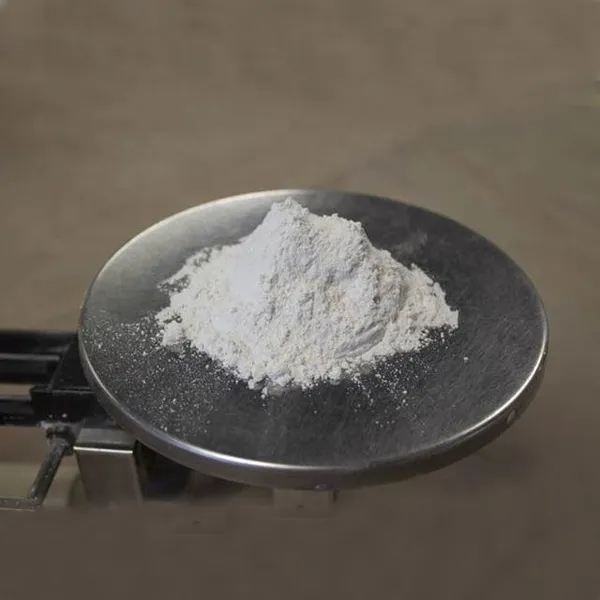
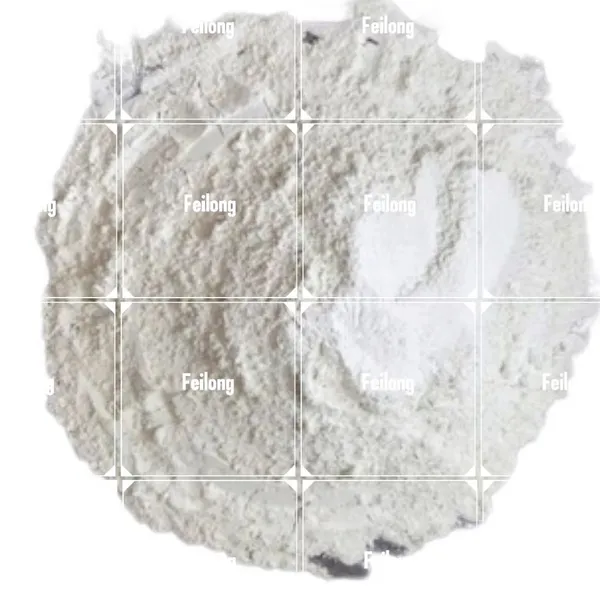
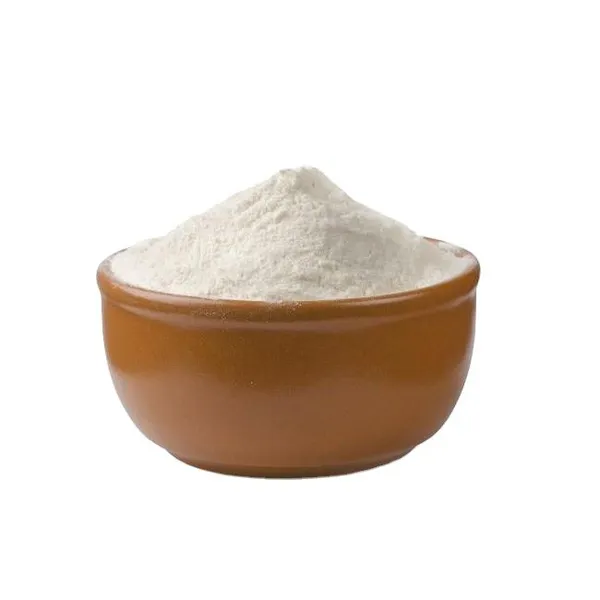
High purity bone ash is calcined animal bone material refined to contain minimal organic residue, low iron, and consistent calcium-to-phosphorus ratios. According to Wikipedia's overview of bone ash, it is produced by heating defatted animal bones at high temperatures until organic compounds break down completely. At Feilong, we use temperatures around 1300°C. The result is a white crystalline powder composed mainly of calcium phosphate and calcium carbonate.
Standard bone ash used in less demanding applications may tolerate higher iron levels, variable particle size, or residual organic matter. High purity bone ash, by contrast, must meet tighter chemical and physical specifications because even minor deviations affect sensitive manufacturing processes.
The defining characteristics include:
Calcium (Ca) content: ≥35.0%
Phosphorus (P) content: ≥16.0%
Iron (Fe) content: typically ≤0.05% for ceramic grades
Burning loss: ≤1.0%, indicating minimal organic residue
pH range: 9.0–11.5
Color: white to off-white crystalline powder
These numbers are not arbitrary. Calcium and phosphorus form the mineral matrix that gives bone china its translucency and strength. Iron, even at low levels, causes discoloration. Burning loss measures completeness of calcination. A low value means the material is stable and predictable in the ceramic body.
Why Bone Ash Purity Matters in Ceramic Manufacturing
Bone china manufacturers typically add 40% to 50% bone ash to the ceramic body. At that volume, every impurity in the raw material is amplified in the final product. A slight iron increase can shift white ware toward gray or yellow. Inconsistent calcium content changes thermal behavior during firing. Residual organic matter can cause bubbles, pinholes, or surface defects.
For example, consider the experience of a ceramic factory in South Korea that switched from a general-grade supplier to a high purity bone ash source. Within three production cycles, their defect rate from discoloration and inclusions dropped by nearly half. As a result, firing schedules became more predictable because the new material had lower burning loss and more stable chemistry. The buyer later explained that the higher material cost was offset by reduced rework and fewer customer returns.
Purity also affects processing behavior. High purity bone ash with consistent particle size disperses more evenly in water-based slips. It reacts predictably with feldspar, kaolin, and other body components during firing. For manufacturers running continuous kiln operations, that predictability translates into stable output and less batch-to-batch adjustment.
The commercial impact extends beyond production. Buyers of premium bone china, hotelware, and decorative ceramics expect uniform whiteness and translucency. Publications such as Ceramic Industry Magazine regularly cover how raw material consistency affects quality in ceramic manufacturing. A single off-color batch can damage relationships with distributors and end customers. That is why ceramic-grade material is specified so tightly, and why procurement teams treat bone ash purity as a quality control point rather than a negotiable feature.
Key Specifications That Define High Purity Bone Ash
Understanding a Certificate of Analysis (COA) is essential when sourcing high purity bone ash. The following bone ash specifications tell you whether the material meets ceramic-grade standards or falls into a lower industrial category.
Calcium and Phosphorus Content
Calcium and phosphorus are the two primary indicators of bone ash quality. Together they typically make up more than 50% of the material by weight. Calcium content of Ca ≥35.0% and phosphorus content of P ≥16.0% indicate complete calcination and a clean mineral composition.
The calcium-to-phosphorus ratio also matters. In well-calcined bone ash, this ratio falls within a predictable range. Significant deviation suggests incomplete processing, contamination, or mixed raw materials. Always request the full composition breakdown, not just a summary statement of purity.
Iron Content
For ceramic applications, iron is the most critical contaminant. Fe ≤0.05% is the standard threshold for high purity bone ash used in white ceramics. Higher iron content causes discoloration, reduces whiteness, and can create visible specks in thin-walled bone china.
Some metallurgical or industrial applications tolerate higher iron levels. However, if your end product is white or translucent ceramicware, insist on the lower iron grade and verify it on the COA.
Burning Loss
Burning loss measures the percentage of material lost when the sample is reheated to a high temperature. A value of ≤1.0% indicates that most organic material was removed during the original calcination. Higher burning loss means residual carbon or organic compounds remain in the product.
Residual organics can cause problems during ceramic firing, including off-gassing, discoloration, and inconsistent shrinkage. High purity bone ash should always show low burning loss.
pH Value
The pH of bone ash typically ranges from 9.0 to 11.5, reflecting its alkaline mineral composition. Extreme pH values can indicate contamination or incomplete conversion during calcination. pH also affects how the material interacts with water, deflocculants, and other components in ceramic slip preparation.
Particle Size and Mesh
High purity bone ash is commonly supplied as 325 mesh or 400 mesh powder. Mesh size affects how the material behaves in ceramic formulation:
325 mesh: approximately 44 micrometers; standard grade for most bone china production
400 mesh: approximately 37 micrometers; finer grade for high-translucency or thin-walled ware
Finer powders offer smoother body formulation but may increase water demand during slip preparation. The right choice depends on your product design, firing schedule, and formulation. You can learn more in our guide on selecting bone ash mesh size.
How High-Temperature Calcination Achieves Purity
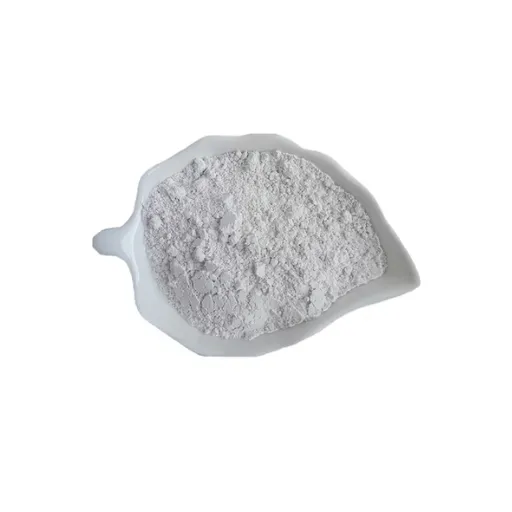
Purity begins with process control. High purity bone ash is not achieved by simply grinding bone material finer. It requires careful raw material selection, defatting, and controlled high-temperature calcination.
Step 1: Raw Material Selection
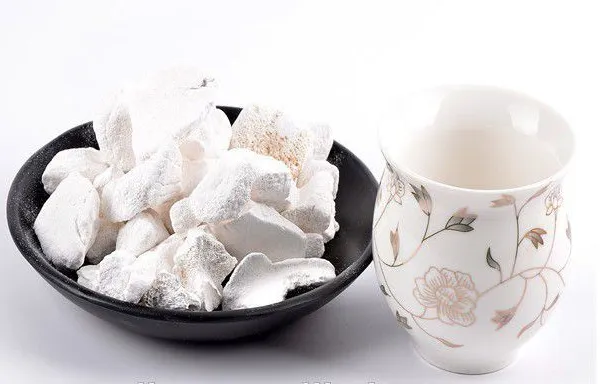
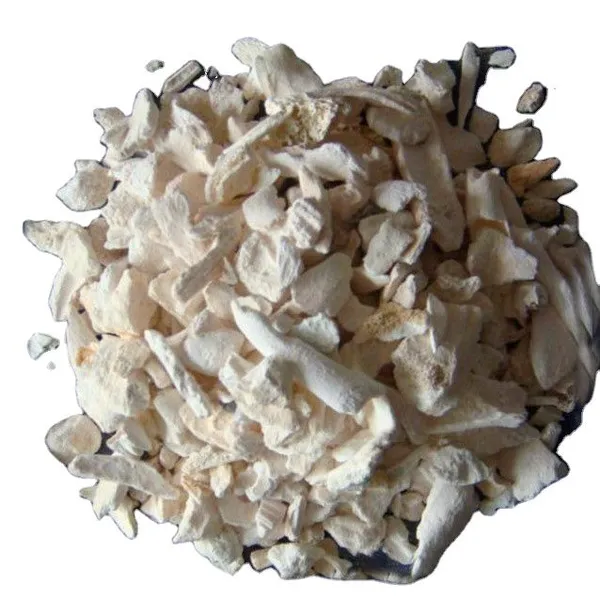
Quality starts with defatted bovine bone blocks. Reputable manufacturers source bones from regulated suppliers and apply incoming material checks. The raw material must be low in foreign matter and free from heavy contamination.
Step 2: Defatting
Residual fat interferes with calcination and can leave carbonized residues in the final product. Mechanical and thermal defatting reduce fat content before calcination begins. This step is essential for producing the white, low-residue powder that ceramic manufacturers require.
Step 3: Calcination at 1300°C
The prepared bone material is heated in controlled furnaces at approximately 1300°C. At this temperature, organic compounds decompose completely and the inorganic mineral structure stabilizes into calcium phosphate and calcium carbonate forms. Temperature control is critical. Insufficient heat leaves organic residue. Excessive heat can alter crystal structure and reactivity.
Feilong uses this 1300°C calcination process to produce bone ash with the consistent chemistry and low burning loss that ceramic buyers depend on. With over 30 years of company history and 20 years of specialized bone product manufacturing, our vertically integrated production, from raw material intake through grinding and packaging, helps maintain batch-to-batch consistency.
Step 4: Grinding and Sizing
After calcination, the material is cooled and ground to the required mesh size. Particle size distribution is tested because it affects slip viscosity, packing density, and fired properties. High purity bone ash should have a narrow, controlled particle size distribution suitable for the intended application.
Step 5: Quality Control and Certification
Every batch should be tested for chemical composition, particle size, burning loss, and pH. The results are documented in a Certificate of Analysis (COA) that accompanies samples and shipments. Reputable suppliers keep retained samples for traceability and can provide historical batch data on request.
Applications: Where High Purity Bone Ash Delivers Value
High purity bone ash is most closely associated with bone china, but its value extends into other applications where chemical consistency and low contamination are important.
Bone China and Fine Porcelain
The primary use of high purity bone ash is in bone china production. Bone ash gives the ceramic body its characteristic translucency, whiteness, and mechanical strength. Manufacturers typically use 40% to 50% bone ash in the body formulation. Any discoloration or impurity becomes visible in the thin, translucent finished ware.
For this reason, bone ash for bone china must meet the strictest purity standards. Iron content, burning loss, and color are non-negotiable specifications.
Premium Tableware and Hotelware
Restaurants, hotels, and retailers demand consistent whiteness across large orders. High purity bone ash helps manufacturers meet those expectations by reducing the risk of batch-to-batch color variation and visible defects.
Decorative and Art Ceramics
Thin-walled decorative pieces and art ceramics benefit from the translucency and strength that high-quality bone ash provides. In these applications, appearance is everything, so low-iron, high-purity material is essential.
Specialized Industrial Uses
Some metallurgical and refractory applications require higher purity grades when the bone ash contacts sensitive surfaces or when thermal stability is critical. While standard metallurgical grades tolerate slightly broader specifications, precision casting and specialty applications may demand the same purity as ceramic grades.
How to Evaluate and Source High Purity Bone Ash
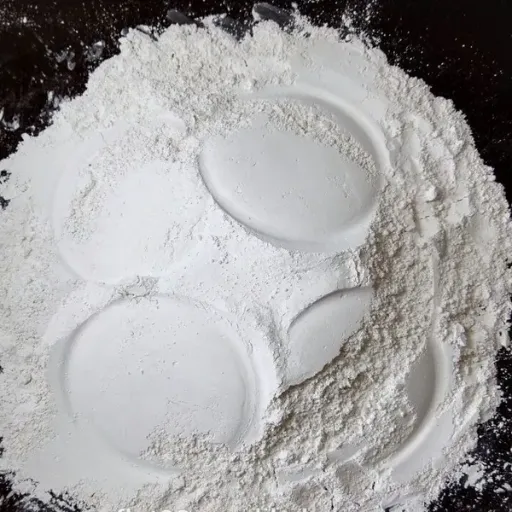
Choosing a supplier for high purity bone ash requires more than comparing prices. Therefore, procurement managers should evaluate production control, documentation, and application expertise before placing an order.
Request a Detailed COA
A Certificate of Analysis should include:
Calcium and phosphorus percentages
Iron content
Burning loss
pH value
Mesh size or particle size distribution
Color and physical appearance
Compare the COA against your internal specifications and relevant industry standards from organizations such as ASTM International. Do not accept summary statements like "high purity" without supporting numbers.
Verify Production Control
Suppliers who own their calcination facility have more control over consistency than trading companies that source from multiple workshops. Ask whether the supplier operates its own factory, controls calcination temperature, and performs batch testing before release.
A buyer at a trading company in the United States described how they switched to a manufacturer with owned production after repeated quality issues with a broker-sourced material. The new supplier provided retained samples from each batch, full COAs, and consistent chemistry that matched the original qualification sample. That change eliminated the variability that had been causing customer complaints.
Test Samples in Your Formulation
Even a perfect COA does not guarantee that a material will work in your specific formulation. Request a sample quantity, typically starting from 1 kg, and run test batches in your own slip preparation and firing schedule. Evaluate whiteness, translucency, shrinkage, and surface finish before committing to a bulk order.
Check Export and Logistics Capability
If you are sourcing internationally, confirm that the supplier understands export documentation, packaging requirements, and shipping protocols for animal-derived industrial materials. Experience with your target region reduces customs delays and compliance risks.
Ask About Technical Support
The best suppliers act as technical partners, not just material vendors. They should help you choose between 325 mesh and 400 mesh, interpret COA data, and troubleshoot formulation issues. If a supplier cannot explain how calcination temperature affects your application, that is a warning sign.
Ready to evaluate high purity bone ash for your ceramic production? Request a sample with full COA and test Feilong bone ash in your own formulation.
High Purity Bone Ash vs. Lower Grades: A Quick Comparison
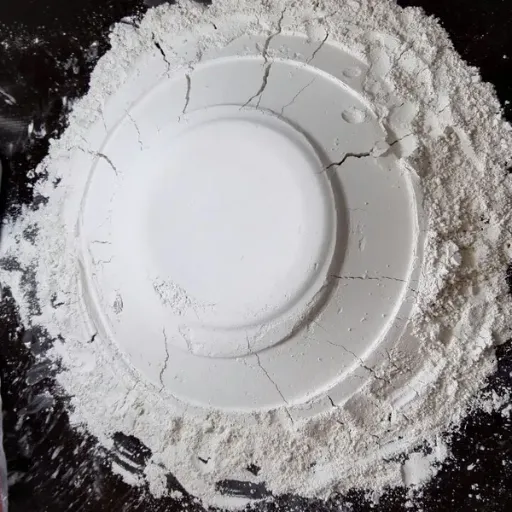
Not all bone ash is produced to the same standard. The table below summarizes the differences between high purity ceramic-grade bone ash and general industrial grades.
| Specification | High Purity Ceramic Grade | General Industrial Grade |
|---|---|---|
| Calcium (Ca) | ≥35.0% | ≥34.0% or variable |
| Phosphorus (P) | ≥16.0% | ≥15.0% or variable |
| Iron (Fe) | ≤0.05% | Up to 0.10% or higher |
| Burning loss | ≤1.0% | May exceed 2.0% |
| Color | White crystalline powder | Off-white to gray |
| Primary use | Bone china, fine ceramics | Industrial filler, lower-grade applications |
This comparison explains why price alone is a poor selection criterion. Lower-grade material may cost less per metric ton but can increase defect rates, rework, and customer returns in demanding ceramic applications.
Conclusion
High purity bone ash is essential for manufacturers producing bone china, fine porcelain, and premium ceramicware. The difference between acceptable and exceptional material comes down to measurable specifications: calcium and phosphorus content, iron levels, burning loss, pH, and particle size.
Key takeaways from this guide:
High purity bone ash must meet strict chemical and physical specifications to perform in ceramic applications.
Iron content is the most critical contaminant for white and translucent ceramics.
Low burning loss indicates complete calcination and predictable firing behavior.
1300°C calcination and controlled process conditions are necessary to achieve consistent purity.
Always test samples in your own formulation before placing bulk orders.
When evaluating suppliers, look beyond the price per metric ton. Request full COAs, confirm production control, and choose a partner who understands ceramic-grade requirements. The right material reduces defects, stabilizes production, and protects your reputation with end customers.
At Luohe Feilong Bone Carbon Co., Ltd., we produce high purity bone ash from defatted bovine bone blocks using controlled 1300°C calcination. Our calcined bone ash delivers the Ca ≥35%, P ≥16%, and low iron content that bone china manufacturers require, supported by full COAs and sample quantities from 1 kg.
Need a reliable source of high purity bone ash? Request a sample with COA, get a bulk FOB quote, or contact our technical team to discuss your ceramic formulation requirements.
Recently Posted
-
Luohe Feilong Bone Carbon: Industrial Bone Ash Manufacturer Since 2011
August 17, 2026When a copper foundry in Turkey needs bone ash that releases cleanly from a sand mold at 1,100 degrees Celsius, or a bone china fa Read More
 -
Bone Ash in Copper Casting Mold Release: Application and Practical Guidance
August 14, 2026A copper sand casting foundry in India was producing electrical switch components that required a clean, smooth surface finish for Read More
 -
How to Source Bone Ash for Foundry Applications: A Buyer's Checklist
August 13, 2026A purchasing manager at a brass foundry in Egypt ordered 20 metric tons of bone ash from a new supplier at a price roughly 25% bel Read More
 -
Bone Ash vs Graphite Powder for Non-Ferrous Metal Mold Release
August 12, 2026A brass foundry in Southeast Asia switched from bone ash to a lower-cost graphite powder for its sand casting release agent, expec Read More

Contact Us
Recommended Products
-
 Manufacturer Sell Low Price Calcined Bone Ash or PowderUS$ 850MOQ: 5 Tons
 -
Manufacturer Sell Low Price Calcined Bone Ash or PowderUS$ 850MOQ: 5 Tons
-
Manufacturer Sell Low Price Calcined Bone Ash or PowderUS$ 850MOQ: 5 Tons
-
Sell Well Bone Ash for Mold Releasing UseUS$ 880 - 920MOQ: 5 Tons
-
Feilong Direct Sales Die-casting Water-soluble Mold Metal Release AgentUS$ 920MOQ: 5 Tons
-
Natural Animal Bone AshUS$ 880 - 920MOQ: 5 Tons
-
China Manufacturer Supply Eco-Friendly Bone Ash PowderUS$ 890MOQ: 1 Ton
-
Calcined Bone Ash for Bone China With GoodPriceUS$ 880 - 920MOQ: 5 Tons
-
Synthetic Bone Ash for Ceramic With Good PriceUS$ 850MOQ: 5 Tons
-
Calcium and Phosphorus Powder - 325 MeshPowderUS$ 850MOQ: 5 Tons
-
Calcium and Phosphorus Powder - 325 MeshPowderUS$ 850MOQ: 5 Tons
-
Calcium Stearate PVC PE Lubricant Mould-releasing Powder ManufacturerUS$ 850MOQ: 5 Tons
-
Reputed Supplier Selling Bone Ash Powder Which Meet With Environmental Standard As Animal FeedstuffUS$ 850MOQ: 5 Tons
-
Industrial Grade Bone Ash for Bone Ceramics and MetallurgyUS$ 900MOQ: 10 Tons
-
Animal Ashes Used for Bone ChinaUS$ 900MOQ: 5 Tons
-
Calcium and Phosphorus Powder - 325 MeshPowderUS$ 850MOQ: 5 Tons
-
High Quality Bone Ash for Mold Releasing Use/bone Ash PowderUS$ 850 - 880MOQ: 5 Tons
-
Manufacturer Sell Low Price Calcined Bone Ash or PowderUS$ 850MOQ: 5 Tons
-
Calcined Bone Ash for Bone China With GoodPriceUS$ 880MOQ: 5 Tons
-
High Quality Bone Ash for Mold Releasing Use/bone Ash PowderUS$ 880 - 920MOQ: 5 Tons