
 Business License

Bone Ash for Ceramic Production: Specifications, Benefits, and Sourcing
Maria Chen, a procurement manager at a mid-sized bone china factory in Vietnam, still remembers the shipment that nearly shut down her production line. The bone ash her team had ordered looked white enough in the sample bag. But once it entered the slip preparation tank, the batch produced gray streaks in the fired ware. The calcium content was lower than promised, and the iron level was three times the specification. Three weeks of sorting, re-testing, and negotiating with the supplier cost her factory more than the material itself.
Her story is not unusual. Bone ash for ceramic production is one of the most technically demanding raw materials a ceramic manufacturer can source. A small variation in calcium, phosphorus, iron, or particle size can affect translucency, strength, and final whiteness.
This guide explains what procurement managers and ceramic engineers need to know about bone ash for ceramics. You will learn the chemical specifications that matter, how mesh size affects your body formulation, what the production process reveals about quality, and how to evaluate suppliers before you commit to a bulk order.
What Is Bone Ash and Why Does It Matter in Ceramics?
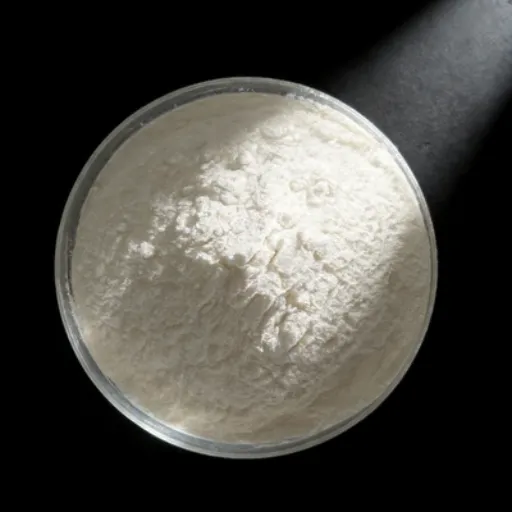
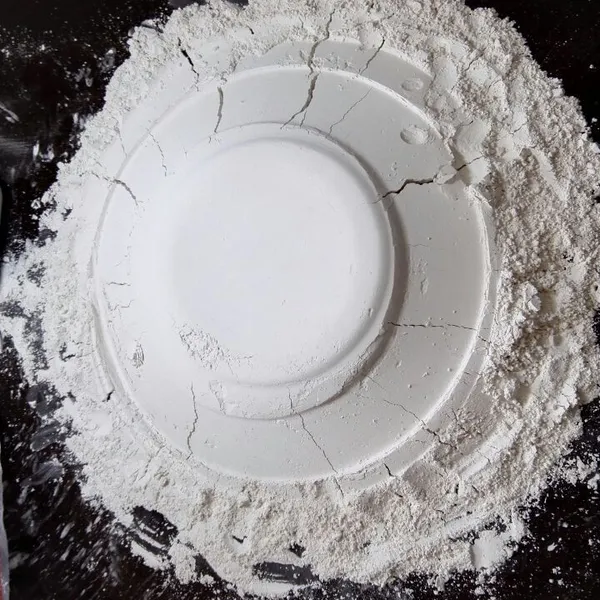
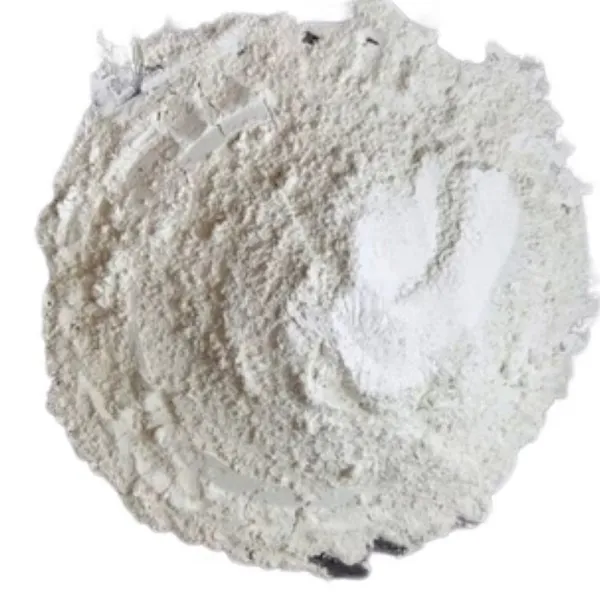
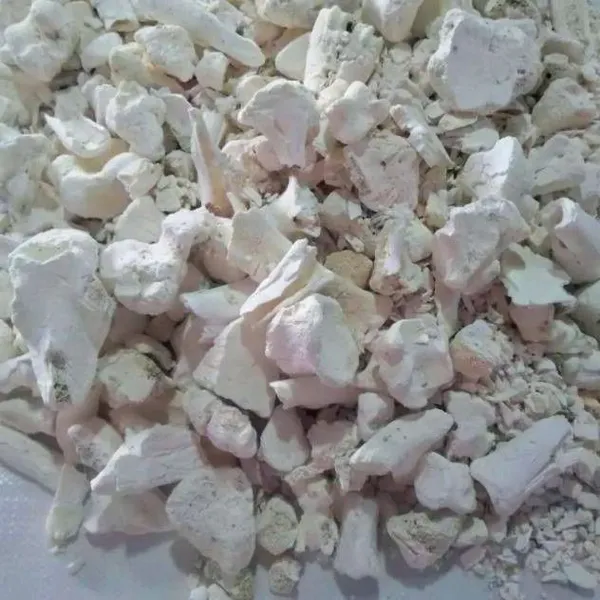
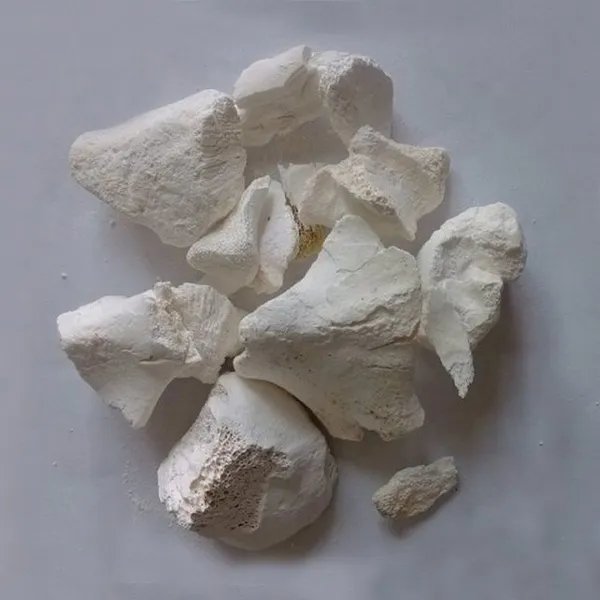
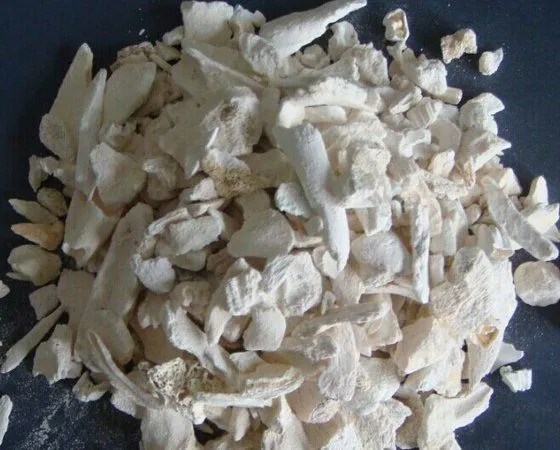
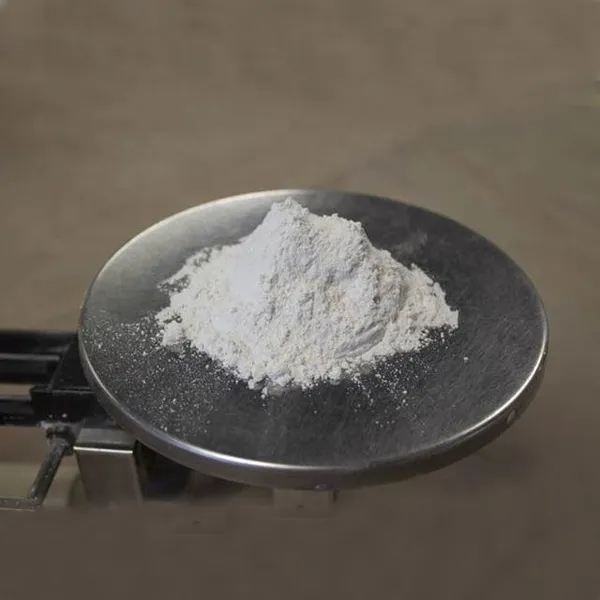
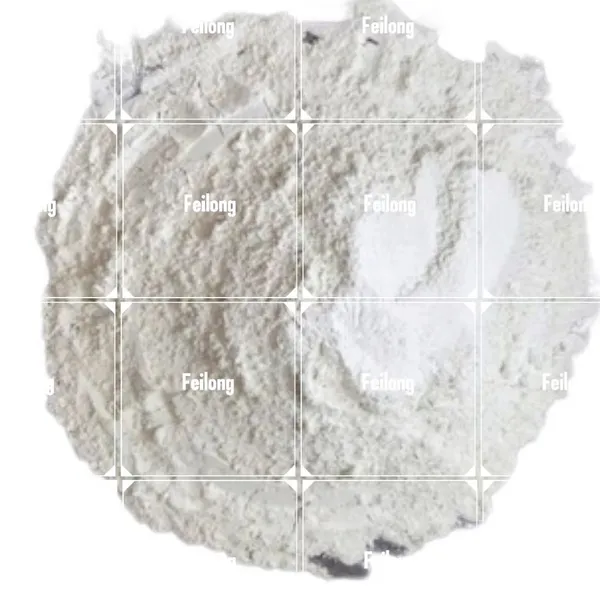
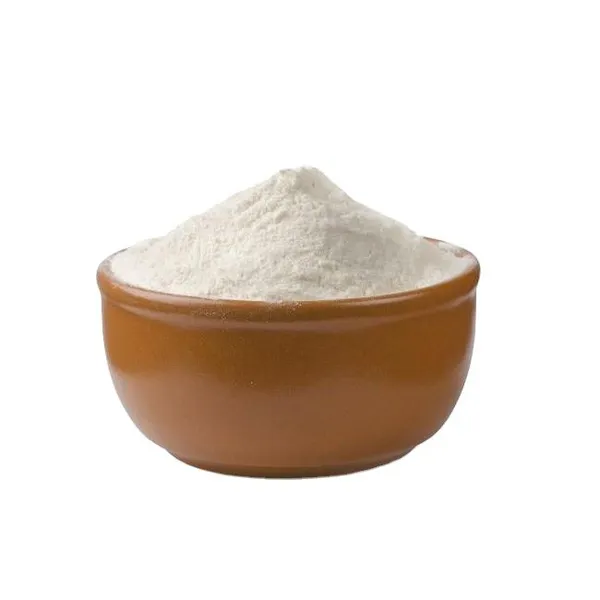
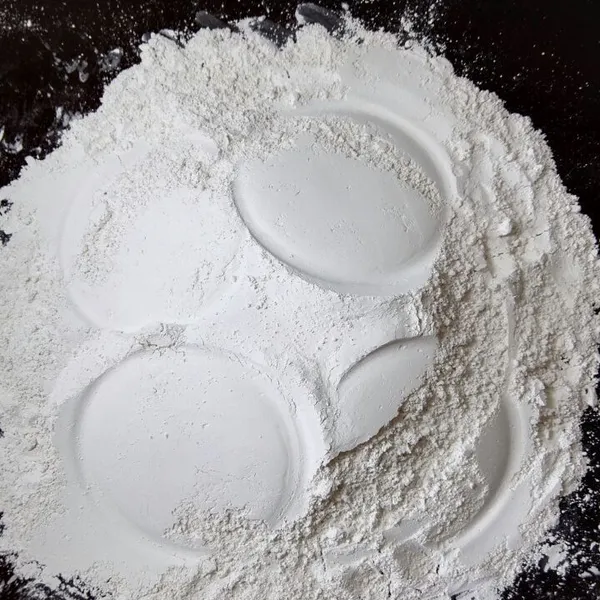
Bone ash is a white, calcined powder produced by heating defatted animal bones, typically bovine, to high temperatures. The calcination process removes organic material and leaves a mineral matrix composed mainly of calcium phosphate and calcium carbonate.
For ceramic manufacturers, bone ash is not a generic filler. It is the functional core of bone china and a key raw material in fine porcelain and specialized ceramic bodies. It provides three properties that are difficult to replicate with synthetic alternatives:
Translucency: Bone ash gives bone china its characteristic light-transmitting quality
Strength: The calcium phosphate structure increases fired body strength
Whiteness: High-purity bone ash contributes to the bright white color prized in fine ceramics
Most bone china contains between 40% and 50% bone ash in the body formulation. That means the quality of the bone ash directly determines the quality of the final product. A low-grade or inconsistent supply does not just create cosmetic problems. It changes firing behavior, body plasticity, and yield rates.
Technical Note: Bone ash for ceramic production should not be confused with bone meal. Bone meal is processed at lower temperatures and retains organic matter, making it suitable for feed or agricultural use. Ceramic-grade bone ash is fully calcined and chemically stable.
How Bone Ash Improves Ceramic Production
Understanding how bone ash functions in a ceramic body helps buyers justify the specification requirements they set when using bone ash for ceramic production. The benefits go beyond appearance.
Translucency in Bone China
The calcium phosphate in bone ash forms structures that scatter light differently than feldspathic or kaolin-based bodies. When formulated at 40-50% content and fired correctly, bone china becomes translucent in thin sections. This property is one of the main reasons consumers and collectors value bone china tableware.
Mechanical Strength
Bone ash contributes to a stronger vitrified body. Bone china is known for being thin, light, and surprisingly durable. The bone ash content supports this combination by promoting a fine, glassy matrix during firing.
Fired Whiteness
High-purity bone ash is white or off-white. Low iron content is essential because even small amounts of iron can create yellow, gray, or brown discoloration after firing. This is why ceramic buyers often specify maximum iron levels and request whiteness measurements on the Certificate of Analysis.
Thermal Stability During Firing
Bone ash helps control the thermal expansion and maturation behavior of the ceramic body. Consistent chemical composition from batch to batch means the kiln schedule stays predictable. Inconsistent bone ash forces factories to adjust firing curves, increasing waste and energy costs.
A ceramic technical director we spoke with in southern China described the problem plainly: "When the bone ash changes, everything changes. The slip, the drying, the firing, the glaze fit. We would rather pay slightly more for consistent material than save money on a supplier who sends us surprises."
Key Specifications for Bone Ash Used in Ceramic Production
Specifications are not just numbers on a datasheet. They define whether the material will work in your process. When evaluating bone ash for ceramics, focus on these indicators first. Reputable suppliers document values according to ceramic industry standards and provide a Certificate of Analysis for every batch.
Calcium (Ca) Content
Typical requirement: Ca ≥35.0%
Why it matters: Calcium is the dominant mineral in bone ash. It directly affects the formation of calcium phosphate structures that give bone china its properties
Risk of low Ca: Poor translucency, weaker body, inconsistent firing
Phosphorus (P) Content
Typical requirement: P ≥16.0%
Why it matters: Phosphorus, combined with calcium, forms the tricalcium phosphate phase critical to bone ash performance
Risk of low P: Reduced strength and altered vitrification
Iron (Fe) Content
Typical maximum: Fe ≤0.05%
Why it matters: Iron is the primary cause of discoloration in fired bone china
Risk of high Fe: Yellow, gray, or brown spots; reduced whiteness
pH Level
Typical range: 9.0-11.5
Why it matters: pH affects slip rheology and interaction with other body ingredients
Burning Loss
Typical maximum: ≤1.0%
Why it matters: Low burning loss indicates complete calcination and minimal residual organic material
Particle Size and Mesh
Common grades: 325 mesh and 400 mesh
Why it matters: Particle size affects slip viscosity, packing density, surface finish, and reaction with other body components
A reliable supplier provides a Certificate of Analysis, or COA, documenting each of these values for every batch. If a supplier cannot produce a consistent COA, that is a signal to look elsewhere.
Want to see Feilong's full bone ash specifications for ceramic use? Download our ceramic-grade bone ash specification sheet or request a sample with COA for your lab testing.
Selecting the Right Bone Ash Grade for Your Ceramic Line
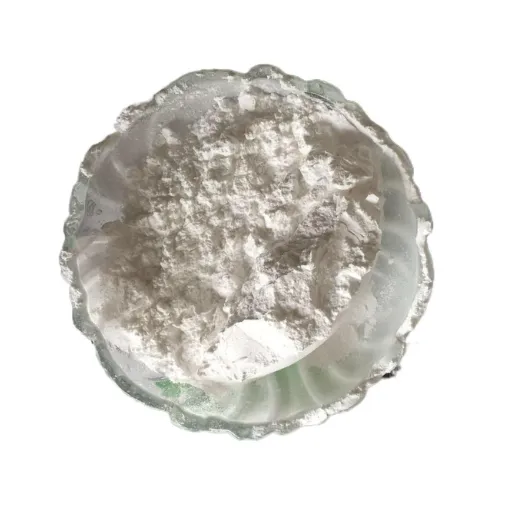
Not all ceramic applications require the same bone ash grade. Mesh size is one of the most important selection criteria after chemical composition.
325 Mesh Bone Ash
325 mesh bone ash passes through a sieve with 325 openings per linear inch. The particle size is approximately 44 micrometers. This grade is the standard choice for most bone china production.
Use 325 mesh when:
You produce standard bone china with 40-50% bone ash content
Your formulation requires reliable slip flow and dispersion
You want a balance between fineness and cost
Your equipment handles standard fine powders without excessive milling
400 Mesh Bone Ash
400 mesh bone ash is finer, with particles around 37 micrometers. It is selected for high-grade, specialized, or thin-walled ceramic products.
Use 400 mesh when:
You produce ultra-fine bone china with high translucency requirements
Your ware has thin walls or delicate forms
You need improved surface finish on fired pieces
Your formulation is sensitive to particle size variation
How Mesh Size Affects Production
Finer powders have more surface area per unit weight. This can increase water demand during slip preparation and change deflocculant requirements. Switching from 325 mesh to 400 mesh without testing can cause viscosity problems, longer drying times, or unexpected firing shrinkage.
The best approach is to test both grades in your actual formulation. Run lab batches, evaluate slip behavior, and conduct test firings before changing your standard raw material.
Mini-Story: A porcelain manufacturer in Thailand switched from 325 mesh to 400 mesh bone ash powder hoping to improve translucency in a new tableware line. The translucency did improve, but the slip became too viscous for their existing spray dryer. After three weeks of adjustments, they returned to 325 mesh for that line and reserved 400 mesh for a smaller high-art ware collection. The lesson: mesh size must match your process, not just your product goals.
You can explore the differences between our grades on the bone ash powder product page.
The Bone Ash Production Process: From Raw Bone to Ceramic Grade
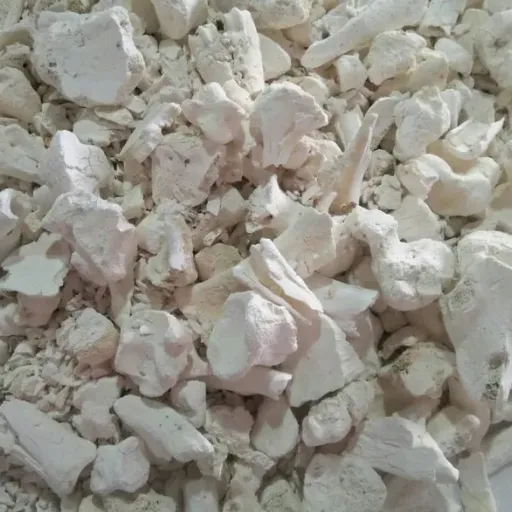
The quality of bone ash used in ceramic production is determined long before it reaches your factory. Understanding the production process helps buyers evaluate whether a supplier can deliver consistent material.
Step 1: Raw Material Selection
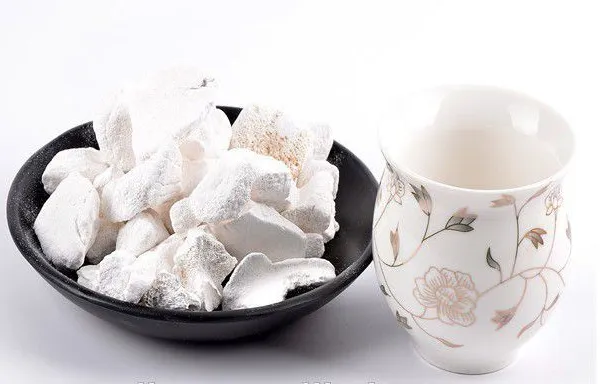
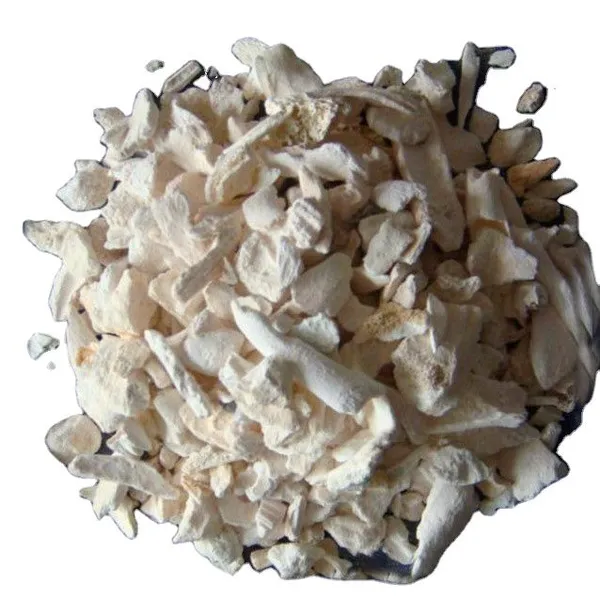
Quality starts with defatted bovine bone blocks. Defatting is essential because residual fats can discolor the final product and interfere with calcination. Reputable manufacturers source from regulated suppliers and inspect incoming material.
Step 2: Defatting and Preparation
The bone material undergoes mechanical and thermal defatting to reduce fat content. This step ensures the calcination produces a clean, white ash rather than a discolored or contaminated product.
Step 3: High-Temperature Calcination
The prepared bone is heated in controlled furnaces at approximately 1300°C. At this temperature, organic compounds decompose completely, and the inorganic material forms the calcium phosphate and calcium carbonate structures characteristic of bone ash.
Calcination temperature is one of the most critical control points. Insufficient temperature leaves organic residues, which increases burning loss and can cause defects. Excessive temperature can alter the crystalline structure and reactivity.
Step 4: Grinding and Sizing
After calcination, the material is cooled and ground to the required particle size. The final product is classified as 325 mesh, 400 mesh, or another specified grade based on sieving and particle size analysis.
Step 5: Quality Control and Packaging
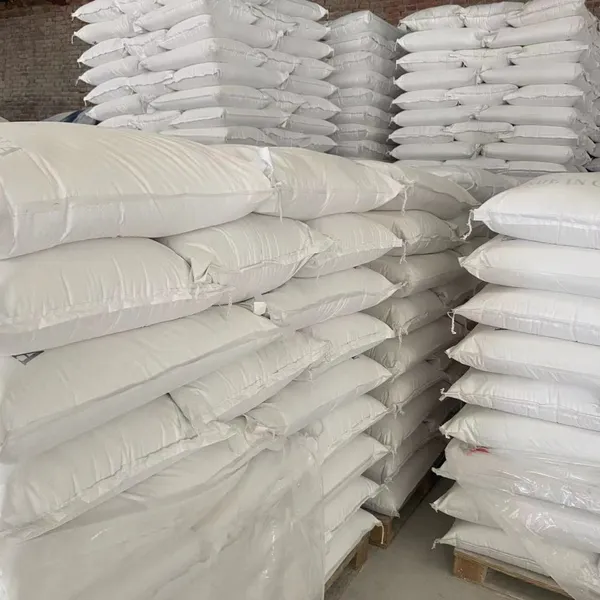
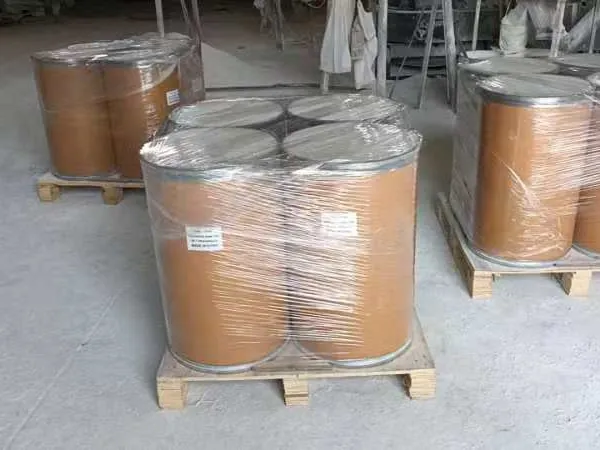
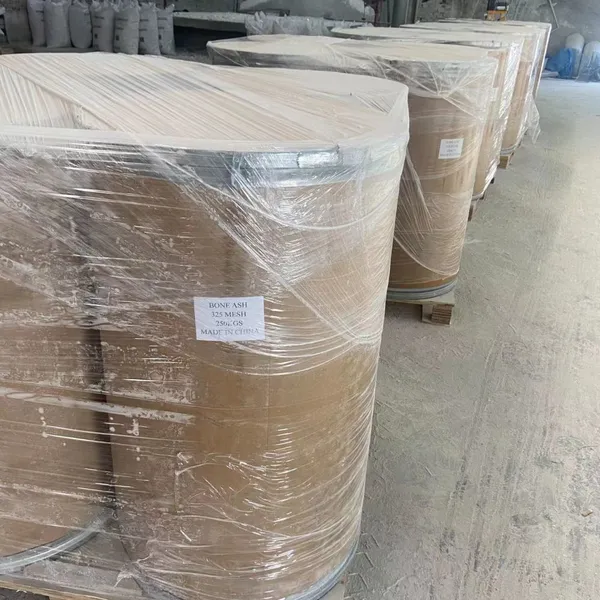
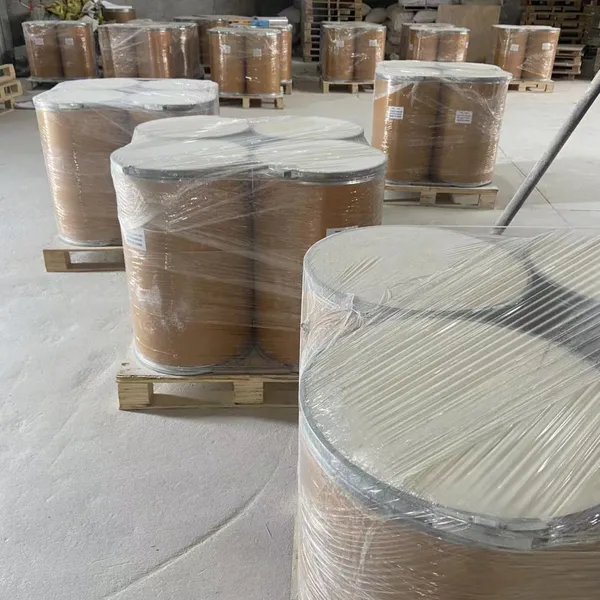
Every batch is tested for chemical composition, particle size distribution, and physical properties. Results are documented on a COA. The material is then packaged in moisture-resistant containers suitable for domestic or export shipment.
Manufacturers who own their production facility control each of these steps. Trading companies that source from multiple workshops often cannot guarantee the same consistency. For more details, see our overview of the bone ash production process.
Common Sourcing Mistakes in Bone Ash Procurement
Even experienced buyers can make costly mistakes when sourcing bone ash for ceramic production. Here are the most common ones and how to avoid them.
Buying on Price Alone
The lowest price per metric ton is rarely the lowest total cost. Inconsistent quality causes production delays, higher scrap rates, and customer complaints. Evaluate the total cost of ownership, not just the invoice price.
Skipping Sample Testing
Always request a sample with COA before placing a bulk order. Test the material in your actual formulation and firing schedule. A sample that looks good in a bag may behave differently in your process.
Ignoring Batch-to-Batch Consistency
Ask suppliers for COAs from multiple recent batches. One good batch does not prove consistent production. Look for stable calcium, phosphorus, iron, and burning loss values over time.
Overlooking Export and Logistics Capability
International buyers need more than good product. They need reliable packaging, documentation, customs support, and on-time delivery. A supplier with established export experience reduces the risk of shipping delays and customs complications. For more on supply chain practices in the ceramic industry, see leading publications that track raw material sourcing trends.
Not Verifying Production Ownership
Ask whether the supplier owns its factory or sources from third parties. Factory-direct manufacturers typically offer better batch consistency and technical support than trading companies.
Why Source Bone Ash for Ceramic Production from an Experienced Manufacturer
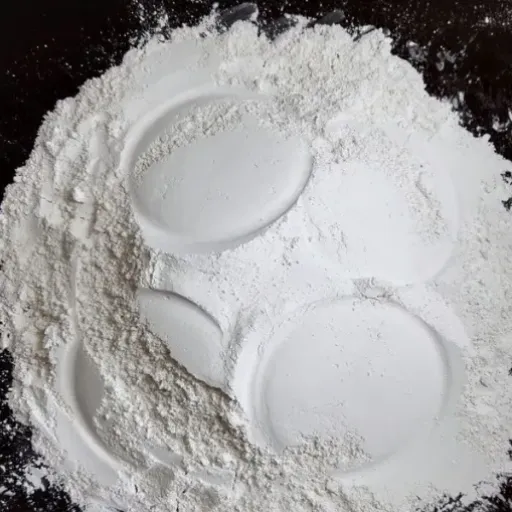
Bone ash is not a commodity that can be sourced casually. The technical requirements of ceramic production demand a supplier who understands calcination chemistry, particle size control, and export logistics.
Luohe Feilong Bone Carbon Co., Ltd. has manufactured bone-derived raw materials for over 20 years. The company operates from its own factory in Luohe, Henan Province, with vertically integrated production from raw material intake through calcination, grinding, and packaging.
Our ceramic-grade bone ash is produced from defatted bovine bone blocks calcined at 1300°C. Standard specifications include:
Calcium (Ca): ≥35.0%
Phosphorus (P): ≥16.0%
Iron (Fe): ≤0.05%
Burning loss: ≤1.0%
pH: 9.0-11.5
Available in 325 mesh and 400 mesh
We supply bone ash for bone china production, fine porcelain, and specialized ceramic applications. Export experience includes shipments to Germany, South Korea, the United States, and other markets. Standard MOQ is 1 metric ton, and sample quantities start from 1 kg for qualification testing.
Mini-Story: A bone china manufacturer in eastern Europe had been sourcing bone ash through a trading company for years. After two consecutive shipments with variable iron content caused rejected finished goods, they switched to a factory-direct supplier. The new supplier provided COAs for every batch, allowed a factory audit, and held iron content consistently below 0.05%. Rejection rates dropped by more than half within six months. For high-volume ceramic production, that kind of consistency is worth more than a small price difference.
To learn more about how we support ceramic manufacturers, visit our ceramic manufacturing solutions page or ceramic-grade bone ash product page.
Conclusion
Bone ash for ceramic production is a specialized raw material where technical specifications directly affect product quality. Calcium, phosphorus, iron, pH, burning loss, and mesh size all play roles in how the material performs in your body formulation.
The key takeaways for ceramic buyers are:
Specify Ca ≥35%, P ≥16%, and Fe ≤0.05% for ceramic-grade bone ash
Choose 325 mesh for standard bone china and 400 mesh for high-translucency or thin-walled ware
Always test samples in your actual process before committing to bulk orders
Review COAs from multiple batches to confirm consistency
Work with manufacturers who control their own production and have export experience
The right bone ash supplier does more than deliver material. They protect your production schedule, reduce scrap, and help you produce ceramic ware that meets your customers' expectations.
At Feilong, we supply calcined bone ash for ceramic production with full documentation and factory-direct consistency. Whether you need 325 mesh, 400 mesh, or technical guidance on formulation, our team can help.
Ready to evaluate bone ash for your ceramic production line? Request a sample with full COA or contact our technical team to discuss your specifications and monthly volume requirements.
Recently Posted
-
How Bone Ash Works as a Mold Release Agent in Metal Casting
September 2, 2026A small brass foundry in South Asia ran the same mold for fourteen years without changing its parting material, then switched to a Read More
 -
Luohe Feilong Bone Carbon: Industrial Bone Ash Manufacturer Since 2011
August 17, 2026When a copper foundry in Turkey needs bone ash that releases cleanly from a sand mold at 1,100 degrees Celsius, or a bone china fa Read More
 -
Bone Ash in Copper Casting Mold Release: Application and Practical Guidance
August 14, 2026A copper sand casting foundry in India was producing electrical switch components that required a clean, smooth surface finish for Read More
 -
How to Source Bone Ash for Foundry Applications: A Buyer's Checklist
August 13, 2026A purchasing manager at a brass foundry in Egypt ordered 20 metric tons of bone ash from a new supplier at a price roughly 25% bel Read More

Contact Us
Recommended Products
-
 Manufacturer Sell Low Price Calcined Bone Ash or PowderUS$ 850MOQ: 5 Tons
 -
Manufacturer Sell Low Price Calcined Bone Ash or PowderUS$ 850MOQ: 5 Tons
-
Manufacturer Sell Low Price Calcined Bone Ash or PowderUS$ 850MOQ: 5 Tons
-
Sell Well Bone Ash for Mold Releasing UseUS$ 880 - 920MOQ: 5 Tons
-
Feilong Direct Sales Die-casting Water-soluble Mold Metal Release AgentUS$ 920MOQ: 5 Tons
-
Natural Animal Bone AshUS$ 880 - 920MOQ: 5 Tons
-
China Manufacturer Supply Eco-Friendly Bone Ash PowderUS$ 890MOQ: 1 Ton
-
Calcined Bone Ash for Bone China With GoodPriceUS$ 880 - 920MOQ: 5 Tons
-
Synthetic Bone Ash for Ceramic With Good PriceUS$ 850MOQ: 5 Tons
-
Calcium and Phosphorus Powder - 325 MeshPowderUS$ 850MOQ: 5 Tons
-
Calcium and Phosphorus Powder - 325 MeshPowderUS$ 850MOQ: 5 Tons
-
Calcium Stearate PVC PE Lubricant Mould-releasing Powder ManufacturerUS$ 850MOQ: 5 Tons
-
Reputed Supplier Selling Bone Ash Powder Which Meet With Environmental Standard As Animal FeedstuffUS$ 850MOQ: 5 Tons
-
Industrial Grade Bone Ash for Bone Ceramics and MetallurgyUS$ 900MOQ: 10 Tons
-
Animal Ashes Used for Bone ChinaUS$ 900MOQ: 5 Tons
-
Calcium and Phosphorus Powder - 325 MeshPowderUS$ 850MOQ: 5 Tons
-
High Quality Bone Ash for Mold Releasing Use/bone Ash PowderUS$ 850 - 880MOQ: 5 Tons
-
Manufacturer Sell Low Price Calcined Bone Ash or PowderUS$ 850MOQ: 5 Tons
-
Calcined Bone Ash for Bone China With GoodPriceUS$ 880MOQ: 5 Tons
-
High Quality Bone Ash for Mold Releasing Use/bone Ash PowderUS$ 880 - 920MOQ: 5 Tons