
 Business License

Bone Ash Wholesale 2026: Volume Pricing and Sourcing Guide
In March 2026, a ceramics buyer in Poland placed what she thought was a straightforward order: 25 metric tons of 325 mesh bone ash for bone china production. The supplier accepted the purchase order, issued an invoice at $780 per ton, and then asked for a 50% deposit. Three weeks later, the buyer learned the "supplier" was a trading company with no owned factory. Production delays, inconsistent COAs, and a final batch with iron content above 0.08% turned the order into a six-month quality dispute.
Stories like this are why understanding bone ash wholesale matters. Wholesale pricing is not just about a lower per-ton rate. It is about who controls production, how volume affects cost, what documentation protects you, and whether the supplier can actually deliver what they quote.
In this guide, we explain how bone ash wholesale works in 2026, what volume tiers look like, how to evaluate suppliers, and how to avoid the most common mistakes buyers make when scaling up orders. Whether you are moving from sample quantities to your first bulk order or renegotiating an annual contract, this article gives you a practical sourcing framework.
Planning your first bulk order? Request Feilong's bone ash wholesale pricing and COA for your volume and destination. We supply directly from our owned factory with flexible MOQs starting at 1 metric ton.
What Bone Ash Wholesale Actually Means
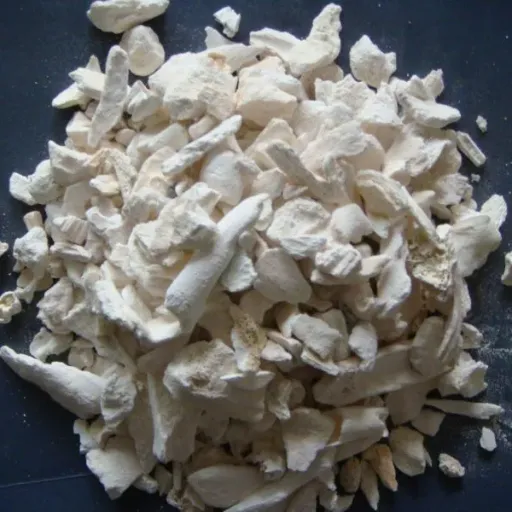
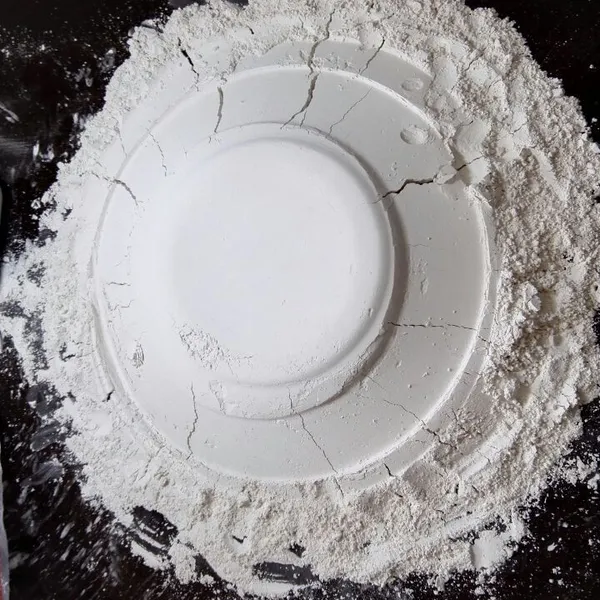
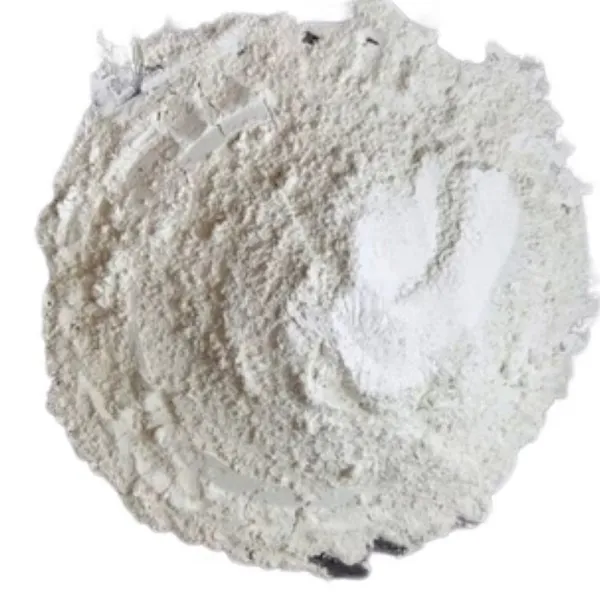
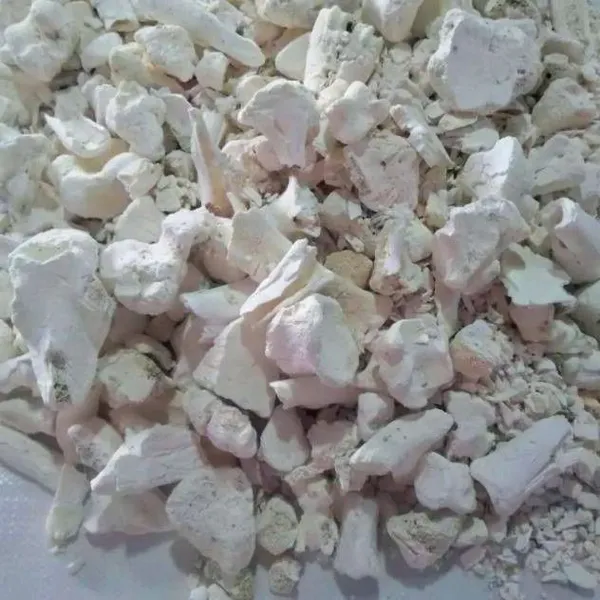
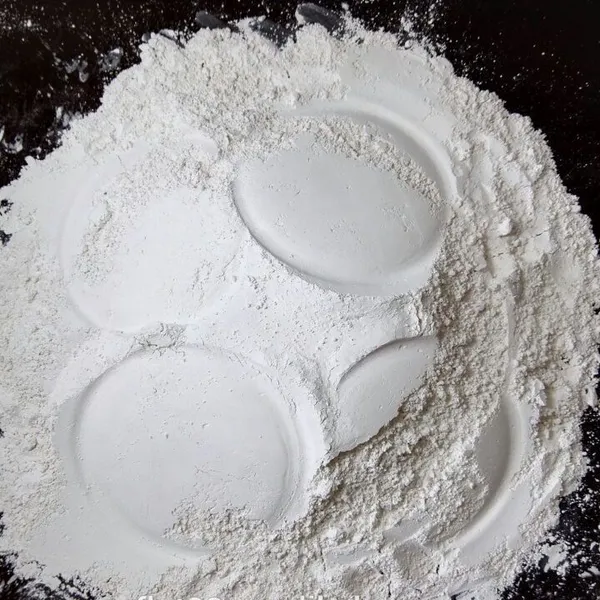
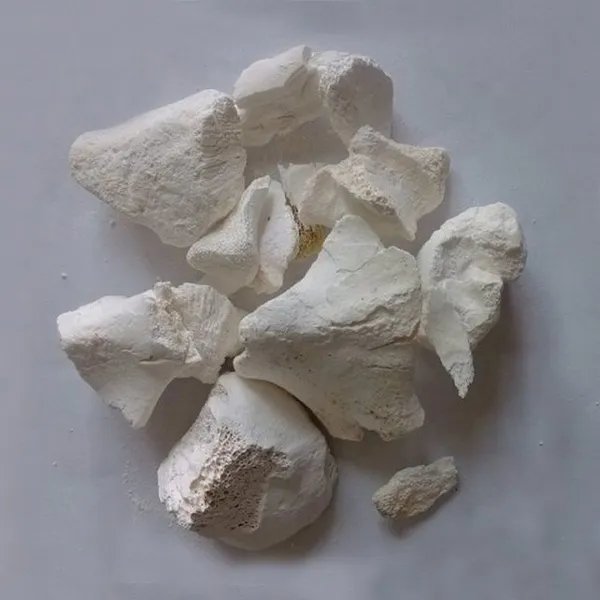
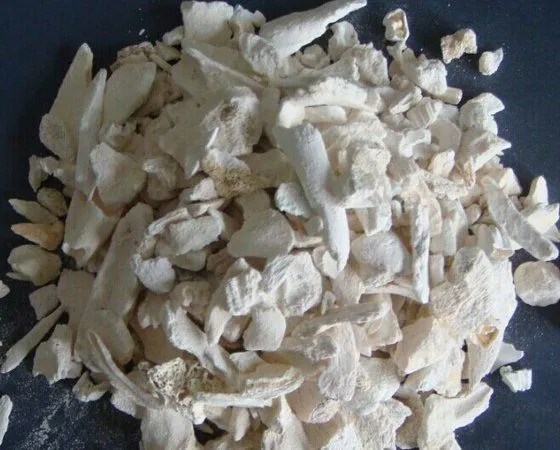
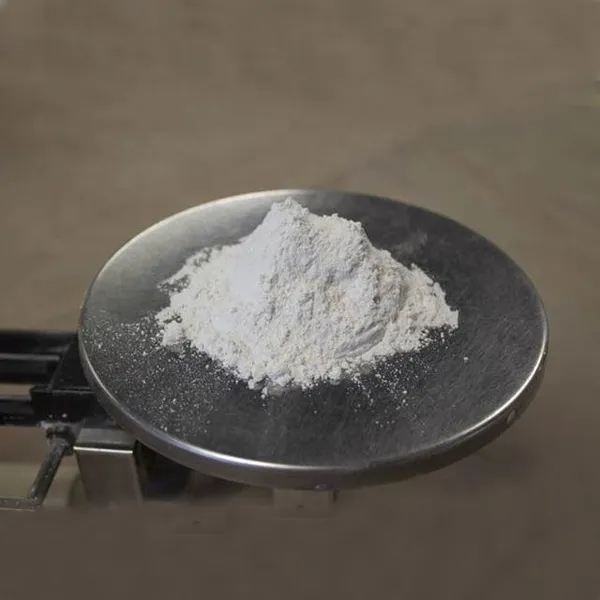
Bone ash wholesale refers to the purchase of bone ash in bulk quantities, typically starting at 1 metric ton and scaling to full container loads of 20 metric tons or more. Wholesale buyers are usually ceramic manufacturers, metallurgical operations, trading companies, or distributors who need consistent material supply rather than small laboratory or trial quantities. Before negotiating volume, it helps to understand exactly what bone ash is and how it is produced at high temperature.
Wholesale transactions differ from retail or sample purchases in several important ways:
Volume-based pricing: Per-ton cost decreases as order size increases
Direct factory relationship: Wholesale buyers often negotiate directly with manufacturers rather than through intermediaries
Customized terms: Payment terms, packaging, delivery schedules, and specifications can be negotiated
Documentation requirements: COA, MSDS, export permits, and phytosanitary certificates become critical
Longer lead times: Large orders require production scheduling, not just picking from existing inventory
A common misconception is that any supplier offering a low price per ton qualifies as a wholesale source. In practice, true bone ash wholesale value comes from production control, batch consistency, and reliable logistics for calcined bone ash powder, not just headline pricing.
Mini-Story: The Order That Looked Like a Bargain
A trading company in Egypt sourced 10 metric tons of bone ash from a supplier advertising $650 per ton on a B2B platform. The price was $130 below the market range they had seen elsewhere.
The material arrived in poorly sealed bags, showed visible discoloration, and tested at only 31% calcium. The buyer had to reject the shipment, pay demurrage at the port, and source replacement material at the original market rate. The "savings" cost more than the difference in price.
Typical Bone Ash Wholesale Volume Tiers
Bone ash wholesale pricing follows predictable volume bands. Understanding these tiers helps buyers plan procurement and negotiate from a position of knowledge, especially as global commodity markets shift from quarter to quarter.
| Volume Tier | Quantity | Typical Use Case | Price Characteristic |
|---|---|---|---|
| Sample | 1 kg – 25 kg | Lab testing, qualification | Highest per-kilogram cost |
| Trial order | 1 – 5 metric tons | First production run | Standard FOB rate |
| Medium bulk | 10 – 20 metric tons | Monthly production supply | 3–7% below standard |
| Full container | 20 – 26 metric tons | High-volume manufacturer | Lowest per-ton rate |
| Annual contract | 100+ metric tons/year | Continuous production | Negotiated quarterly rate |
For standard ceramic-grade bone ash powder, factory-direct FOB pricing from China typically falls between US720and720and890 per metric ton depending on mesh size, purity, and packaging. Orders at the full container level usually land at the lower end of that range or below.
The bone ash MOQ from established manufacturers is typically 1 metric ton per grade. Some trading companies advertise lower MOQs, but they often add margin on top of factory pricing and may not control quality.
How Volume Affects Bone Ash Price Per Ton
Volume discounts exist because larger orders reduce per-unit production and handling costs for the manufacturer. The savings come from several sources:
Production efficiency: A 20-ton production run uses the same furnace setup and labor as a 2-ton run
Testing efficiency: One COA process covers the full batch rather than multiple small batches
Packaging efficiency: Bulk bags and container loading reduce per-ton packaging cost
Logistics efficiency: A full container has lower per-ton freight and handling cost than loose shipments
A buyer ordering 1 metric ton might pay a **bone ash price per ton** of $850. The same buyer ordering 20 metric tons could see pricing closer to $740 per ton. That $110 difference reflects real economies of scale in bone ash wholesale, not a reduction in quality.
When negotiating, ask suppliers for a tiered price schedule across 1 ton, 5 tons, 10 tons, 20 tons, and annual commitments. This reveals their volume curve and helps you model total annual spend accurately for 325 mesh and 400 mesh bone ash powder.
Types of Bone Ash Wholesale Suppliers
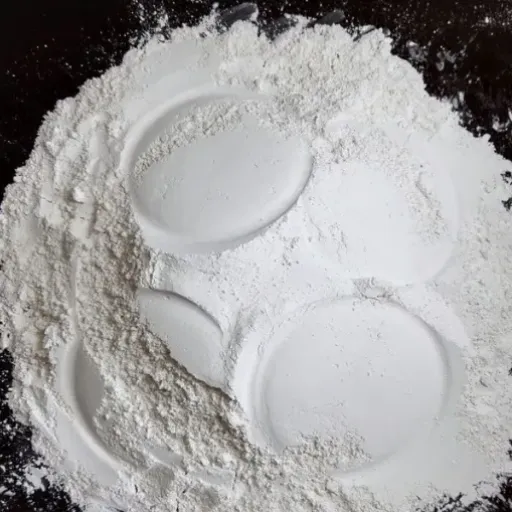
Not all wholesale suppliers are structured the same way. The supplier type often determines pricing, consistency, and risk level.
Factory-Direct Manufacturers
Factory-direct manufacturers own their calcination, grinding, and packaging facilities. They control raw material sourcing, production parameters, and quality testing. Benefits include:
Lower base pricing because there is no intermediary margin
Better batch consistency through owned quality control
Technical support from staff who understand the production process
Flexibility on packaging, labeling, and specifications
Trading Companies
Trading companies source material from multiple factories or workshops and resell it. They may offer lower bone ash MOQs and faster quoting, but they also introduce risks:
Less control over production consistency
Potential for mixed or rebagged material
Limited technical knowledge about calcination and specifications
Higher total cost once margins are included
Distributors
Distributors maintain regional inventory and sell smaller quantities locally. They are convenient for urgent small orders but rarely competitive for bulk bone ash wholesale volumes.
For buyers planning regular bulk orders, factory-direct sourcing from a bone ash manufacturer china usually delivers the best combination of price, consistency, and supply security. China remains the largest source of global bone ash trade volume, which helps explain why factory-direct pricing there is typically the most competitive.
Qualifying a Bulk Bone Ash Supplier
Before committing to a wholesale order, evaluate the supplier across five dimensions.
1. Production Ownership
Ask directly whether the supplier owns the calcination facility. Request factory photos, production capacity figures, and quality control documentation. A legitimate manufacturer should be transparent about their facility and willing to explain our bone ash production process from raw material selection through calcination.
2. Quality Documentation
Every batch should come with a Certificate of Analysis showing:
Calcium (Ca) content
Phosphorus (P) content
Iron (Fe) content
pH value
Burning loss
Mesh size or particle size distribution
Compare recent COAs across multiple batches to check consistency.
3. Specification Match
Confirm the supplier can produce the exact grade you need. Ceramic-grade bone ash for bone china has different requirements from metallurgical-grade mold-releasing bone ash. Do not assume all bone ash is interchangeable.
4. Export Experience
Ask for references in your region, examples of export documentation they provide, and whether they have shipped to your country before. Experienced exporters understand customs, phytosanitary requirements, and Incoterms.
5. Sample Policy
A reliable supplier should provide sample quantities starting from 1 kg with full COA for qualification testing. Be cautious of suppliers who refuse samples or demand large deposits before testing.
Need help qualifying a supplier? Request a Feilong sample with COA and ask for our supplier evaluation checklist, or contact our sales team to review your requirements.
Negotiating Bone Ash Wholesale Terms
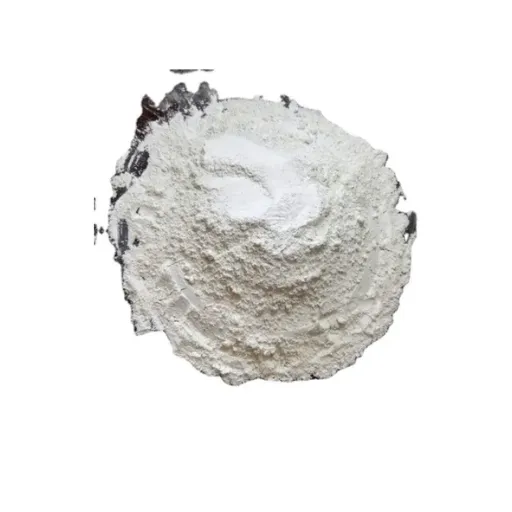
Negotiation works best when you come prepared. Here are practical tactics for wholesale buyers.
Ask for Tiered Pricing
Request a written price schedule across multiple volume levels. This prevents suppliers from quoting arbitrary numbers and gives you leverage for future orders.
Clarify Incoterms Early
Always confirm whether the quoted price is EXW, FOB, CIF, or DDP. The bone ash FOB price is the most common starting point for export orders, but total landed cost depends on freight, insurance, duties, and inland transport.
Negotiate Payment Terms
Standard terms for new relationships range from 30% deposit with balance before shipment to letter of credit at sight. Established relationships may qualify for open account terms after a successful trial order.
Lock in Specifications
Put the exact chemical composition, mesh size, packaging, and COA requirements in writing. Do not rely on verbal assurances for bulk orders.
Plan for Lead Times
A typical wholesale order requires 2–4 weeks for production plus shipping time. Annual contracts can secure production slots and reduce lead time variability.
Logistics and Documentation for Bone Ash Wholesale Orders
Bone ash wholesale orders involve more than production. Buyers need to plan for logistics from the factory floor to the destination warehouse.
Packaging Options
Common packaging for bulk bone ash includes:
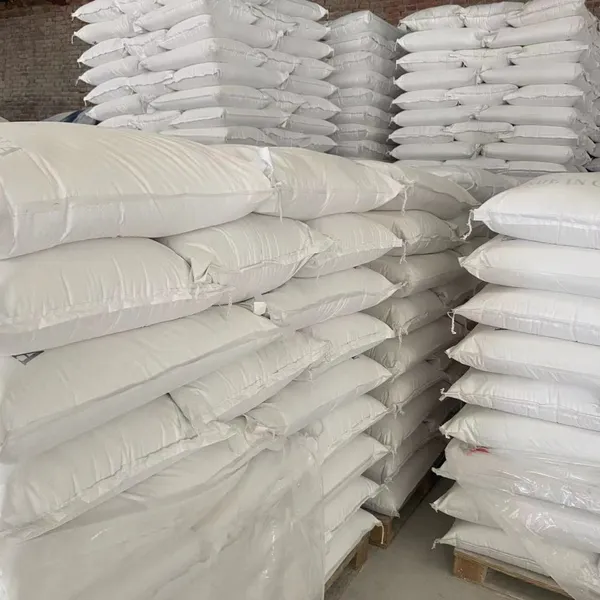
25 kg or 50 kg woven polypropylene bags
500 kg or 1,000 kg bulk bags (FIBC)
Custom labeling for distributors or end users
Moisture-resistant packaging is essential for sea freight, especially on long routes.
Export Documentation
Standard documents for bone ash export include:
Commercial invoice and packing list
Certificate of Analysis
Material Safety Data Sheet (MSDS)
Bill of lading or airway bill
Phytosanitary certificate or health certificate where required
Certificate of origin
Buyers should confirm the full bone ash export documentation list before confirming any order.
Shipping Modes
For orders under 1 metric ton, air freight may be practical. For bone ash wholesale volumes, sea freight in 20-foot containers is the standard and most economical option.
Common Mistakes in Bone Ash Wholesale Buying
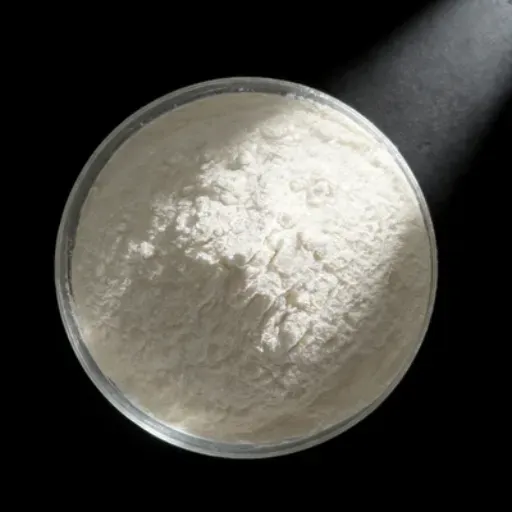
Even experienced procurement teams make mistakes when sourcing bone ash in bulk. Avoid these pitfalls.
Choosing on Price Alone
The lowest quoted price often signals lower calcination temperature, inconsistent particle size, or rebagged material. Total cost of ownership matters more than unit price.
Skipping Sample Testing
Always test material in your actual production process before placing a bulk order. Lab analysis alone does not predict how the material will behave in your formulation.
Ignoring Documentation
Incomplete export documents can delay shipments, trigger customs inspections, or result in rejection at the destination port. Confirm documentation requirements for your country before ordering.
Underestimating Lead Time
Wholesale orders require production scheduling. Last-minute orders often result in rush fees or substitutions from suppliers who do not have inventory ready.
Working with Unverified Suppliers
A professional website and fast email response do not prove manufacturing capability. Verify production ownership, request references, and check recent COAs before committing.
Mini-Story: The Documentation Delay
A ceramics factory in Mexico ordered 15 metric tons of bone ash CIF Veracruz. The supplier shipped on time, but the phytosanitary certificate listed the wrong product code. Customs held the shipment for 12 days while the documents were corrected.
The delay interrupted production and cost the buyer warehouse storage fees. Now the buyer requires document pre-approval before any shipment leaves the supplier's port.
When Bone Ash Wholesale Makes Sense
Bone ash wholesale purchasing is the right choice when:
Your monthly consumption is stable or growing
You can commit to at least 1 metric ton per order
You have storage capacity for bulk packaging
You want to reduce per-unit raw material cost
You are ready to establish a direct supplier relationship
If your usage is sporadic or below 500 kg per order, wholesale may not be cost-effective once storage, freight, and handling are included.
Key Takeaways for Wholesale Buyers
Bone ash wholesale typically starts at 1 metric ton MOQ and scales to full container loads
Factory-direct manufacturers usually offer better pricing and consistency than trading companies
Standard ceramic-grade FOB pricing ranges from 720to720to890 per metric ton
Volume discounts of 3–7% or more are common at 10+ metric tons
Documentation, packaging, and Incoterms heavily influence total landed cost
Always test samples and verify production ownership before committing to bulk
These key takeaways summarize what experienced bone ash wholesale buyers prioritize before placing their first order.
Conclusion
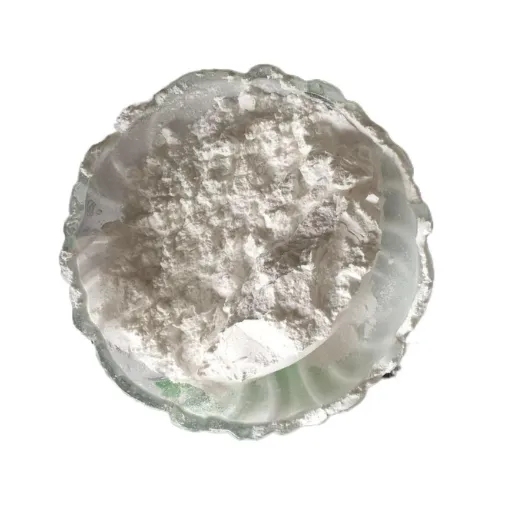
Bone ash wholesale is the most cost-effective way to secure consistent raw material for ceramic, metallurgical, and industrial operations. But the real value is not just the lower price per ton. It is the relationship with a supplier who controls production, documents every batch, and understands your application requirements.
In 2026, buyers who approach wholesale sourcing with clear specifications, documented quality requirements, and realistic logistics planning will outperform those who chase the lowest quoted price.
At Luohe Feilong Bone Carbon Co., Ltd., we manufacture bone ash directly from defatted bovine bone calcined at 1300°C. As a leading bone ash manufacturer china, we supply 325 mesh and 400 mesh grades in bulk quantities starting at 1 metric ton, with sample quantities from 1 kg and full COA documentation for every batch.
Ready to discuss your wholesale needs? Request Feilong bone ash wholesale pricing and a free COA sample or contact our sales team to review volume, packaging, and delivery options. We have supplied bone ash wholesale to buyers across Europe, Asia, and the Americas for more than two decades.
Frequently Asked Questions
What is the minimum order for bone ash wholesale?
Most established bone ash manufacturers set a 1 metric ton MOQ for standard grades. Some suppliers offer lower minimums, but they are often trading companies that add margin to factory pricing.
How much does bone ash wholesale cost per ton?
Factory-direct FOB pricing for standard ceramic-grade bone ash typically ranges from 720to720to890 per metric ton. Finer mesh sizes, tighter specifications, and special packaging push prices higher.
What is included in the bone ash FOB price?
FOB, or Free On Board, means the supplier delivers the goods to the export port and loads them onto the vessel. The buyer pays ocean freight, insurance, destination port charges, customs duties, and inland transport.
How do I qualify a bulk bone ash supplier?
Verify production ownership, review recent COAs, confirm export experience, test samples in your process, and check references in your region. Factory-direct manufacturers with owned calcination facilities generally offer the most consistent quality.
Can I get samples before placing a wholesale order?
Yes. Reliable suppliers provide sample quantities starting from 1 kg with full COA for qualification testing. Always test material in your actual production process before scaling to bulk.
Why buy from a bone ash manufacturer in China?
China is the world's largest producer of industrial bone ash. A bone ash manufacturer in China typically offers competitive FOB pricing, integrated raw material supply, and established export infrastructure. Buyers should still verify production ownership and quality control before ordering.
How long does a wholesale bone ash order take?
Production typically takes 2–4 weeks after order confirmation, plus shipping time. Annual contracts can secure production slots and reduce lead time variability for repeat buyers.
Recently Posted
-
Luohe Feilong Bone Carbon: Industrial Bone Ash Manufacturer Since 2011
August 17, 2026When a copper foundry in Turkey needs bone ash that releases cleanly from a sand mold at 1,100 degrees Celsius, or a bone china fa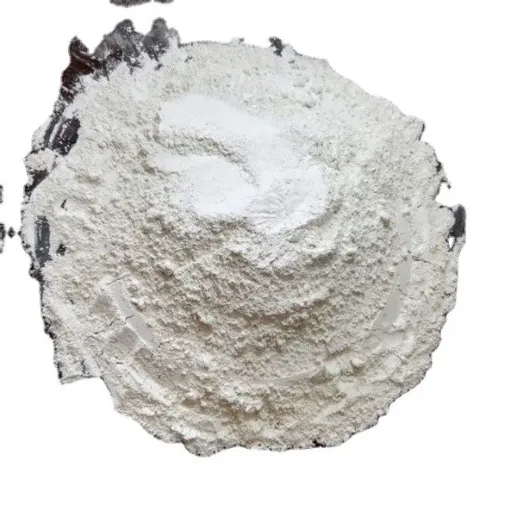 Read More
 -
Bone Ash in Copper Casting Mold Release: Application and Practical Guidance
August 14, 2026A copper sand casting foundry in India was producing electrical switch components that required a clean, smooth surface finish for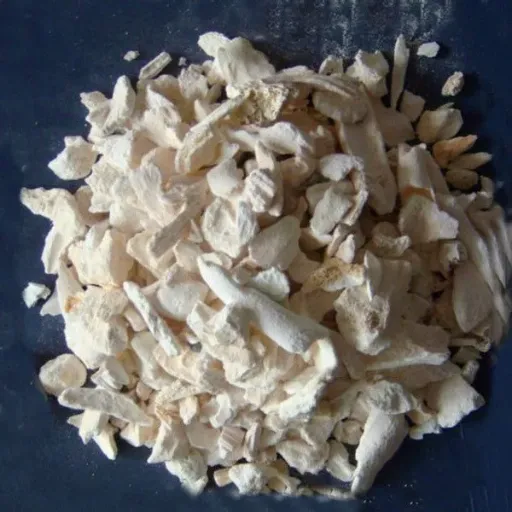 Read More
 -
How to Source Bone Ash for Foundry Applications: A Buyer's Checklist
August 13, 2026A purchasing manager at a brass foundry in Egypt ordered 20 metric tons of bone ash from a new supplier at a price roughly 25% bel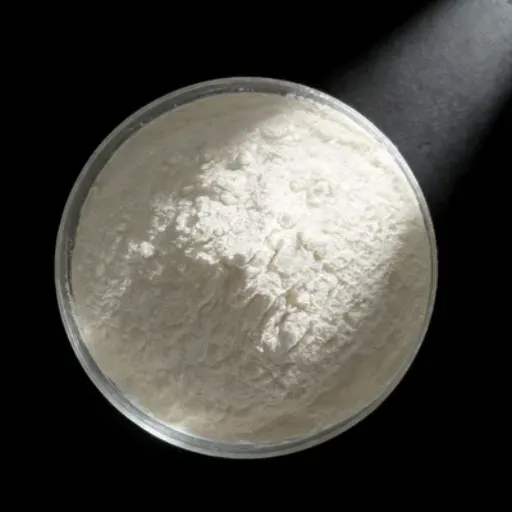 Read More
 -
Bone Ash vs Graphite Powder for Non-Ferrous Metal Mold Release
August 12, 2026A brass foundry in Southeast Asia switched from bone ash to a lower-cost graphite powder for its sand casting release agent, expec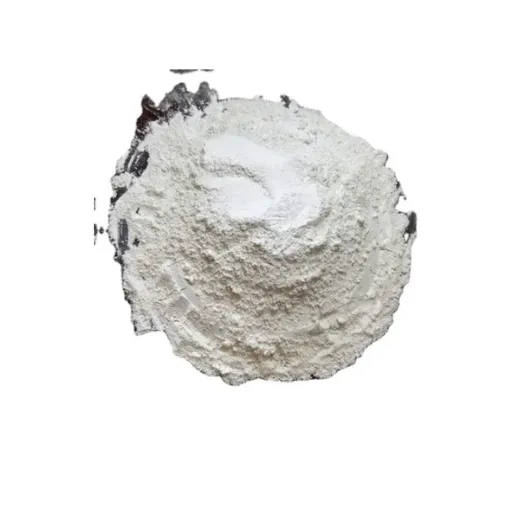 Read More

Contact Us
Recommended Products
-
 Manufacturer Sell Low Price Calcined Bone Ash or PowderUS$ 850MOQ: 5 Tons
 -
Manufacturer Sell Low Price Calcined Bone Ash or PowderUS$ 850MOQ: 5 Tons
-
Manufacturer Sell Low Price Calcined Bone Ash or PowderUS$ 850MOQ: 5 Tons
-
Sell Well Bone Ash for Mold Releasing UseUS$ 880 - 920MOQ: 5 Tons
-
Feilong Direct Sales Die-casting Water-soluble Mold Metal Release AgentUS$ 920MOQ: 5 Tons
-
Natural Animal Bone AshUS$ 880 - 920MOQ: 5 Tons
-
China Manufacturer Supply Eco-Friendly Bone Ash PowderUS$ 890MOQ: 1 Ton
-
Calcined Bone Ash for Bone China With GoodPriceUS$ 880 - 920MOQ: 5 Tons
-
Synthetic Bone Ash for Ceramic With Good PriceUS$ 850MOQ: 5 Tons
-
Calcium and Phosphorus Powder - 325 MeshPowderUS$ 850MOQ: 5 Tons
-
Calcium and Phosphorus Powder - 325 MeshPowderUS$ 850MOQ: 5 Tons
-
Calcium Stearate PVC PE Lubricant Mould-releasing Powder ManufacturerUS$ 850MOQ: 5 Tons
-
Reputed Supplier Selling Bone Ash Powder Which Meet With Environmental Standard As Animal FeedstuffUS$ 850MOQ: 5 Tons
-
Industrial Grade Bone Ash for Bone Ceramics and MetallurgyUS$ 900MOQ: 10 Tons
-
Animal Ashes Used for Bone ChinaUS$ 900MOQ: 5 Tons
-
Calcium and Phosphorus Powder - 325 MeshPowderUS$ 850MOQ: 5 Tons
-
High Quality Bone Ash for Mold Releasing Use/bone Ash PowderUS$ 850 - 880MOQ: 5 Tons
-
Manufacturer Sell Low Price Calcined Bone Ash or PowderUS$ 850MOQ: 5 Tons
-
Calcined Bone Ash for Bone China With GoodPriceUS$ 880MOQ: 5 Tons
-
High Quality Bone Ash for Mold Releasing Use/bone Ash PowderUS$ 880 - 920MOQ: 5 Tons