
 Business License

How to Source Bone Ash for Foundry Applications: A Buyer's Checklist
A purchasing manager at a brass foundry in Egypt ordered 20 metric tons of bone ash from a new supplier at a price roughly 25% below his existing contract. The specification sheet listed the loss on ignition at 1.5%, the calcium phosphate content at 92%, and the particle size at 200 mesh. When the shipment arrived, the laboratory analysis told a different story: LOI was actually 3.8%, which meant roughly 2% residual carbon was still in the material, and the particle size was bimodal with roughly 15% of the material passing 400 mesh and creating excessive dust during application. The foundry had already consumed roughly four tons of the material before the lab results came back, and the carbon residue had contaminated roughly 200 castings that required surface grinding to salvage.
The cost of the defective castings and the rework exceeded the supposed savings from the lower purchase price by a factor of roughly three. Sourcing bone ash for foundry use is not like buying a commodity chemical where the specification sheet tells the full story. What follows is a practical checklist for buyers who need bone ash that performs on the foundry floor, not just on paper.
1. Define Your Specification Before Contacting Suppliers
The first step in sourcing bone ash is defining what the foundry actually needs. This starts with the alloy families being cast because copper, aluminum, and zinc impose different requirements on the release agent. It also depends on the casting process because sand casting, permanent mold casting, and die casting use bone ash differently. A foundry that casts copper alloys by sand casting and aluminum by permanent mold may need two different bone ash specifications rather than one compromise grade that performs adequately in neither process.
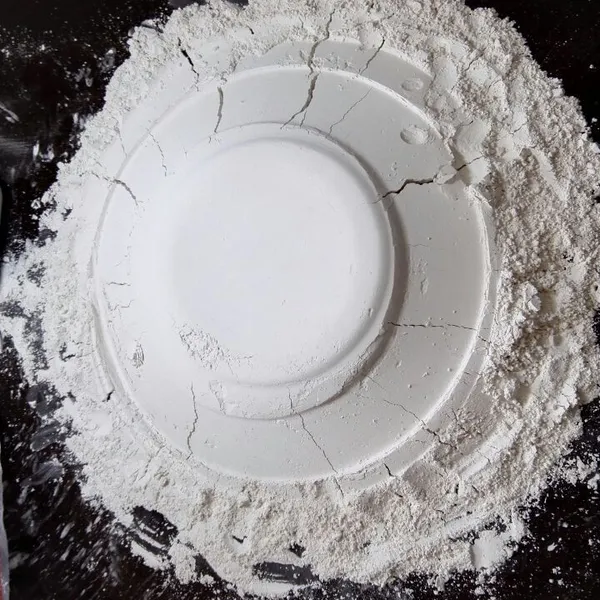
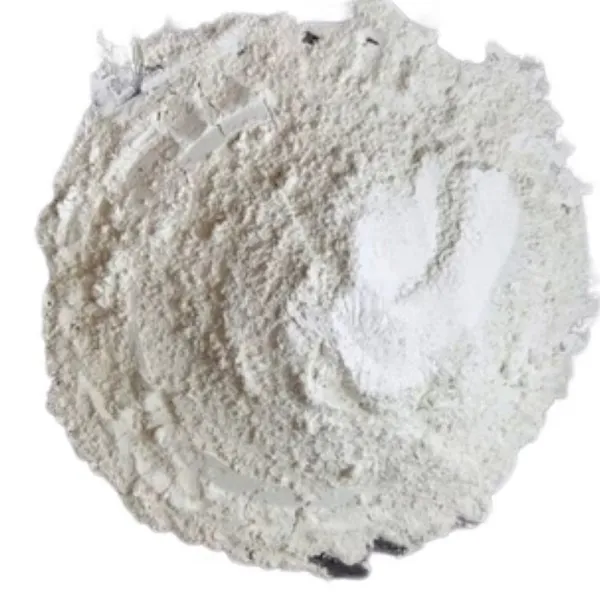
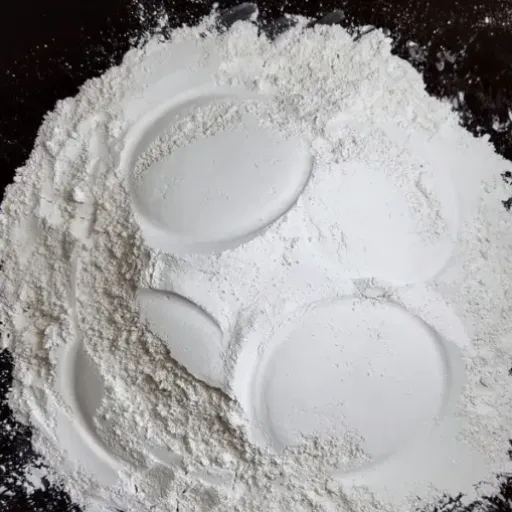
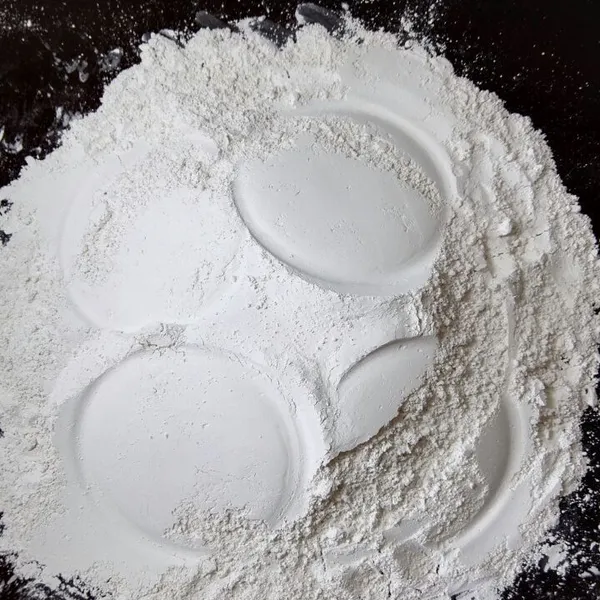
Key specification parameters to define include the loss on ignition target and maximum, the particle size range, the bulk density range, and the color expectation. The chemical composition, specifically the calcium-to-phosphorus ratio and the total calcium phosphate content, should also be specified, though for foundry applications the physical characteristics matter more for day-to-day performance than the chemical numbers. A calcium-to-phosphorus ratio between 2.0:1 and 2.2:1 is typical for industrial bone ash, and the total calcium phosphate content should be above roughly 90% for the material to perform consistently.
The following table provides a reference specification range for foundry-grade bone ash that can serve as a starting point for buyer discussions with potential suppliers.
| Parameter | Target | Maximum / Minimum |
|---|---|---|
| Loss on Ignition (LOI) | Below 1.0% | Maximum 2.0% |
| Calcium Phosphate (Ca₃(PO₄)₂) | Above 92% | Minimum 90% |
| Ca:P Ratio | 2.0:1 – 2.2:1 | Within 1.9:1 – 2.3:1 |
| Particle Size (mesh) | 90% passing 200 mesh | 90% passing 100 mesh |
| Bulk Density (g/cm³) | 0.8 – 1.1 | Within ±15% of agreed value |
| Moisture | Below 1.0% | Maximum 2.0% |
| Color | White to off-white | No gray or brown discoloration |
2. Evaluate Supplier Production Capability
Not every bone ash manufacturer produces material suitable for foundry use. Some suppliers focus on the bone china and ceramics market, where the specifications emphasize chemical purity and whiteness over the physical handling characteristics that matter to foundry operators. A supplier whose primary market is ceramics may not understand why a foundry buyer cares about bulk density or why the maximum allowable LOI is tighter for copper casting than for bone china production.
When evaluating a potential supplier, ask about their calcination process specifically. The calcination temperature, residence time, and kiln type all affect the properties of the finished bone ash. A supplier who can describe their calcination parameters and explain how they control the process is more likely to deliver consistent material than one who treats calcination as a black-box step. The ability to adjust calcination for different customer requirements is also a positive indicator because it suggests the supplier understands the relationship between processing and performance.
Production line separation is another factor to investigate. If the supplier runs bone meal, dicalcium phosphate, or other rendered products on the same equipment as bone ash, there is a risk of cross-contamination that could introduce organic material into the bone ash. Luohe Feilong Bone Carbon Co., Ltd. operates dedicated processing lines for industrial bone ash production, with the calcination and grinding stages separated from other product streams to maintain product integrity.
3. Request and Verify Pre-Shipment Samples
A pre-shipment sample is the most cost-effective quality assurance tool available to bone ash buyers. For the cost of a courier shipment and a laboratory analysis, the buyer can verify that the material about to be shipped meets the specification before the container leaves the port. This is particularly important for foundry buyers because the physical properties that matter most, such as particle size distribution and LOI, cannot be assessed by looking at a photograph or reading a certificate of analysis.
The sample should be drawn from the actual production lot that will fill the purchase order, not from a demonstration batch. Ask the supplier to confirm in writing that the sample is representative of the shipment. For orders above roughly $15,000, consider engaging a third-party inspection service to witness the sampling and confirm that the material being loaded matches the sample that was tested.
When the sample arrives, test it against your specification. The minimum tests for foundry-grade bone ash should include LOI, particle size distribution, bulk density, and visual color assessment. If the foundry has the capability, a simple application test on a scrap mold can provide a practical confirmation of flowability and coverage that laboratory tests cannot fully capture. If the sample fails any parameter, do not accept the supplier's offer to ship the material at a discount.
Off-spec bone ash costs far more in casting defects than it saves in purchase price, as the Egyptian foundry in the opening story learned at considerable expense.
4. Understand Pricing and Delivery Terms
Bone ash pricing for foundry applications is typically quoted on a per-metric-ton basis, either FOB at the port of origin or CIF to the destination port. FOB Qingdao is a common basis for bone ash exported from China, with the buyer arranging ocean freight and insurance separately. CIF pricing includes freight and insurance in the quoted price and can simplify the transaction for buyers who prefer not to manage shipping logistics.
Beyond the base price per ton, confirm what is included in the quoted price. Packaging in 25-kilogram or 50-kilogram woven polypropylene bags is usually included, but check whether an inner polyethylene liner is standard or requires a separate specification. Inland transportation from the factory to the port is typically included in FOB pricing, but verify this with the supplier because some quotes exclude inland freight and the cost can add roughly $20 to $40 per ton depending on the distance.
Feilong Bone Carbon supplies bone ash to foundry customers on both FOB and CIF terms, with shipments routed through Qingdao Port. The company provides documentation packages that include the commercial invoice, packing list, certificate of analysis, and certificate of origin as standard, with additional documentation available upon request for buyers whose import regulations require veterinary or health certificates.
5. Plan Logistics and Incoming Inspection
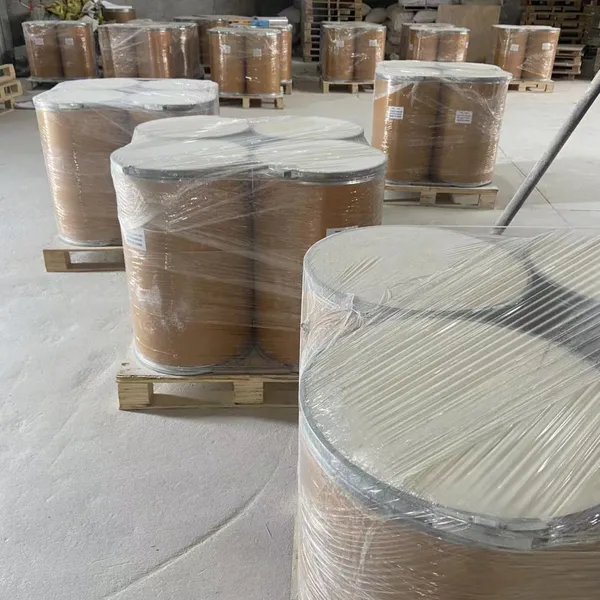
Bone ash is typically shipped in 20-foot containers holding 20 to 25 metric tons of bagged product. The bags should be stacked to minimize shifting during transit, and the container should be clean and dry before loading. Some buyers request that a desiccant be placed in each container to absorb moisture during ocean transit, particularly for shipments traveling through tropical climates where container sweating can wet the outer bags.
At the receiving end, plan for incoming inspection before the material is released to the foundry floor. The inspection protocol should include a visual check of bag condition, a random sampling of at least three bags per container for laboratory testing, and a comparison of the lot analysis against the pre-shipment sample results. If the incoming lot analysis differs significantly from the pre-shipment sample, hold the material and contact the supplier before releasing any bags to production.
Storage at the foundry should be in a dry, covered area away from sources of moisture and contamination. Bone ash is hygroscopic and will absorb moisture from the air, which can cause clumping that makes uniform application difficult. Keep the material in sealed bags until it is needed, and transfer opened bags to sealable containers if the entire bag will not be consumed within a few days.
6. Build a Long-Term Supplier Relationship
The most reliable bone ash supply comes from a supplier relationship that extends beyond individual purchase orders. Foundries that invest time in communicating their specific requirements, providing feedback on material performance, and establishing a regular ordering pattern tend to receive more consistent material than those who buy on the spot market from whichever supplier offers the lowest price on a given day.
Regular communication about quality performance is particularly valuable. If a foundry's quality control data shows that LOI has been trending upward over several shipments even though all values remain within specification, sharing that trend with the supplier gives them the opportunity to investigate and correct the calcination process before the parameter drifts out of specification. This type of collaborative quality management benefits both parties and is one of the practical advantages of maintaining a stable supplier base. The company values long-term relationships with foundry customers and welcomes feedback on material performance as part of its commitment to consistent product quality.
7. Case Study: Systematic Supplier Qualification
A copper foundry group with operations in two countries consolidated its bone ash purchasing from four spot-market suppliers to a single qualified supplier after conducting a structured evaluation process. The evaluation included a review of production capability, testing of pre-shipment samples from three consecutive production lots, and a trial shipment of one container that was tracked through the foundry's entire production process. Over the following twelve months, the foundry's bone ash-related casting defects decreased by roughly 60%, from an average of 3.2% to 1.3% of production. The consolidation also reduced procurement administrative time by roughly 30%, as the purchasing team was no longer negotiating individual shipments with multiple suppliers.
8. Case Study: The Cost of a False Economy
A zinc die casting operation sourced a lower-cost bone ash that met the specification on paper but had been calcined at a temperature roughly 100 degrees Celsius lower than standard. The incomplete calcination was not detected by the routine LOI test because the residual organic matter was bound within the bone mineral structure and did not volatilize at the standard test temperature. The problem became apparent only when the material was used in production, where the higher temperature of the zinc melt caused the residual organic material to decompose, leaving a thin carbonaceous film on the die surface that degraded release performance after roughly 15 to 20 cycles. The foundry's die cleaning interval was cut from 50 cycles to fewer than 20 cycles, and the productivity loss from increased downtime far exceeded the savings from the lower material price.
9. Frequently Asked Questions
9.1 What is the typical lead time for a bone ash order from China?
Lead times vary with the supplier's production schedule and the destination. For stock products, order-to-shipment lead times of two to four weeks are typical. Ocean transit adds additional time depending on the destination: roughly two to three weeks to Southeast Asia, three to five weeks to the Middle East, and five to eight weeks to Africa and Eastern Europe. Foundries should plan for a total order-to-delivery cycle of six to twelve weeks and maintain safety stock to cover this lead time.
9.2 How do I compare bone ash prices from different suppliers?
Compare prices on a delivered basis that includes all costs: base material price, packaging, inland freight, ocean freight, insurance, import duties, and any destination handling charges. A supplier quoting FOB $250 per ton may actually be more expensive than one quoting FOB $270 per ton if the lower-priced supplier does not include packaging or if their location adds significant inland freight cost. Create a delivered cost model for each supplier to make accurate comparisons.
9.3 What is the minimum order quantity for bone ash?
Most bone ash exporters structure their business around full container loads of 20 to 25 metric tons. Smaller quantities may be available through consolidation with other products or through regional distributors, but the per-ton cost will be higher to cover the additional handling. Foundries consuming less than roughly five tons per month may find it more economical to purchase from a local distributor than to import directly.
9.4 What certifications should I look for in a bone ash supplier?
ISO 9001 certification provides independent verification that the supplier operates a documented quality management system with regular external audits. This is the minimum certification that a serious bone ash buyer should expect. For foundries supplying automotive or aerospace customers, additional certifications such as IATF 16949 may be relevant, though they are less common in the bone ash industry specifically. The supplier should also hold any export registrations required by the feed or industrial product safety authorities of the destination country if these apply to bone-derived industrial minerals.
Recently Posted
-
Luohe Feilong Bone Carbon: Industrial Bone Ash Manufacturer Since 2011
August 17, 2026When a copper foundry in Turkey needs bone ash that releases cleanly from a sand mold at 1,100 degrees Celsius, or a bone china fa Read More
 -
Bone Ash in Copper Casting Mold Release: Application and Practical Guidance
August 14, 2026A copper sand casting foundry in India was producing electrical switch components that required a clean, smooth surface finish for Read More
 -
Bone Ash vs Graphite Powder for Non-Ferrous Metal Mold Release
August 12, 2026A brass foundry in Southeast Asia switched from bone ash to a lower-cost graphite powder for its sand casting release agent, expec Read More
 -
What Is Industrial Bone Ash? A Guide for Foundry and Ceramic Buyers
August 11, 2026A copper foundry manager in Turkey once rejected three consecutive shipments of bone ash because the material was acting more like Read More

Contact Us
Recommended Products
-
 Manufacturer Sell Low Price Calcined Bone Ash or PowderUS$ 850MOQ: 5 Tons
 -
Manufacturer Sell Low Price Calcined Bone Ash or PowderUS$ 850MOQ: 5 Tons
-
Manufacturer Sell Low Price Calcined Bone Ash or PowderUS$ 850MOQ: 5 Tons
-
Sell Well Bone Ash for Mold Releasing UseUS$ 880 - 920MOQ: 5 Tons
-
Feilong Direct Sales Die-casting Water-soluble Mold Metal Release AgentUS$ 920MOQ: 5 Tons
-
Natural Animal Bone AshUS$ 880 - 920MOQ: 5 Tons
-
China Manufacturer Supply Eco-Friendly Bone Ash PowderUS$ 890MOQ: 1 Ton
-
Calcined Bone Ash for Bone China With GoodPriceUS$ 880 - 920MOQ: 5 Tons
-
Synthetic Bone Ash for Ceramic With Good PriceUS$ 850MOQ: 5 Tons
-
Calcium and Phosphorus Powder - 325 MeshPowderUS$ 850MOQ: 5 Tons
-
Calcium and Phosphorus Powder - 325 MeshPowderUS$ 850MOQ: 5 Tons
-
Calcium Stearate PVC PE Lubricant Mould-releasing Powder ManufacturerUS$ 850MOQ: 5 Tons
-
Reputed Supplier Selling Bone Ash Powder Which Meet With Environmental Standard As Animal FeedstuffUS$ 850MOQ: 5 Tons
-
Industrial Grade Bone Ash for Bone Ceramics and MetallurgyUS$ 900MOQ: 10 Tons
-
Animal Ashes Used for Bone ChinaUS$ 900MOQ: 5 Tons
-
Calcium and Phosphorus Powder - 325 MeshPowderUS$ 850MOQ: 5 Tons
-
High Quality Bone Ash for Mold Releasing Use/bone Ash PowderUS$ 850 - 880MOQ: 5 Tons
-
Manufacturer Sell Low Price Calcined Bone Ash or PowderUS$ 850MOQ: 5 Tons
-
Calcined Bone Ash for Bone China With GoodPriceUS$ 880MOQ: 5 Tons
-
High Quality Bone Ash for Mold Releasing Use/bone Ash PowderUS$ 880 - 920MOQ: 5 Tons