
 Business License

Bone Ash vs Graphite Powder for Non-Ferrous Metal Mold Release
A brass foundry in Southeast Asia switched from bone ash to a lower-cost graphite powder for its sand casting release agent, expecting the two materials to perform interchangeably. The graphite was roughly 30% cheaper per kilogram, and the purchasing manager had seen it used in iron foundries without issue. Within the first week of the switch, the casting rejection rate for surface finish defects climbed from roughly 1.5% to nearly 6%.
The problem was that graphite, while effective as a release agent for ferrous metals, was reacting with the zinc content of the brass at pouring temperature, forming a thin zinc-carbon layer at the casting surface that appeared as a dull, rough patch after machining. The foundry switched back to bone ash and the defect rate returned to normal. The episode illustrates why mold release material selection for non-ferrous metals requires understanding how each candidate material interacts with the specific alloy, not just whether it provides a barrier between metal and mold.
1. How Each Material Provides Release
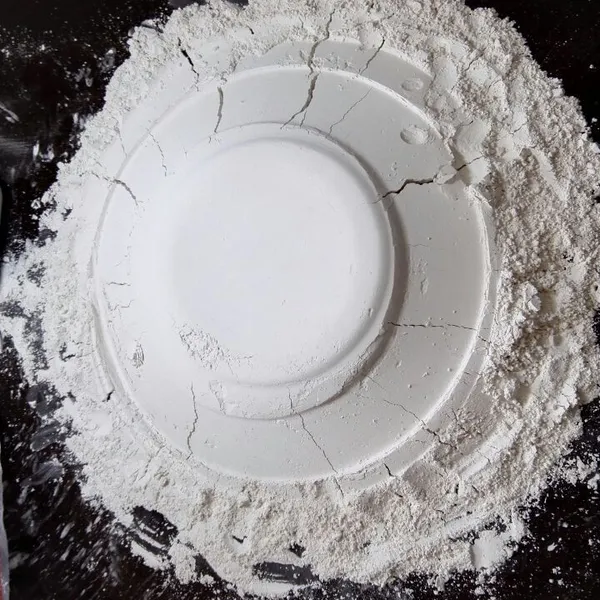
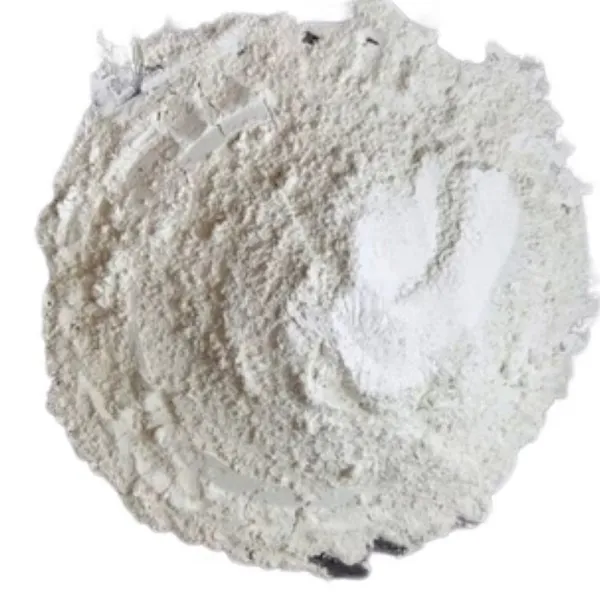
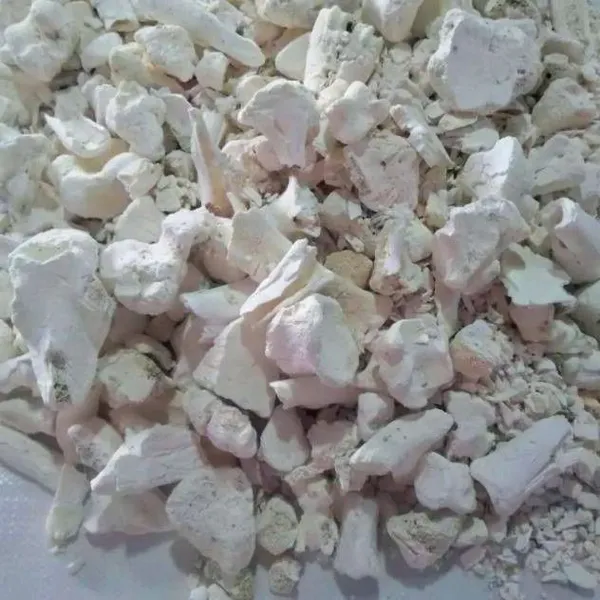
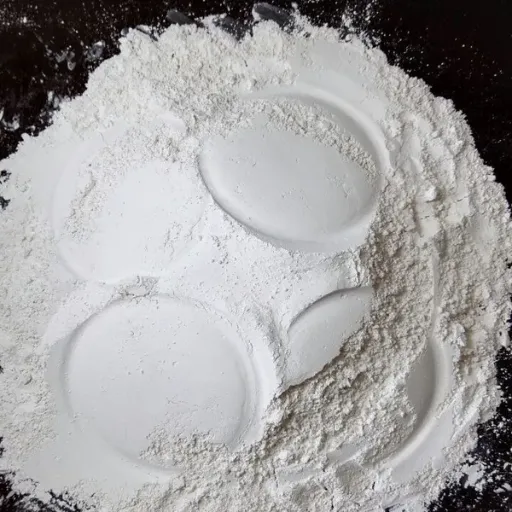
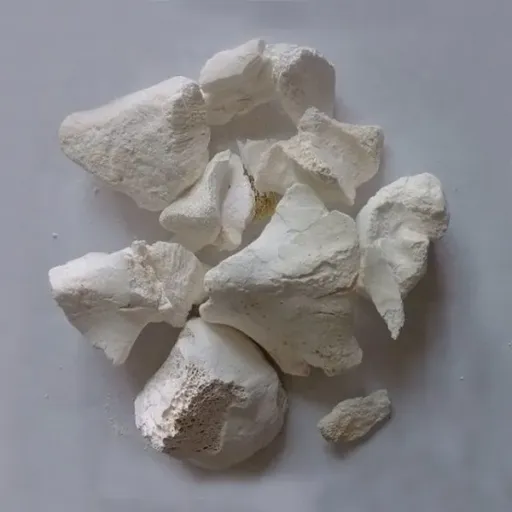
Bone ash functions as a physical barrier release agent. When applied to a mold surface, the fine particles fill surface porosity and create a continuous, non-wetting layer between the mold material and the molten metal. The calcium phosphate in bone ash is chemically stable at non-ferrous metal pouring temperatures and does not react with copper, aluminum, or zinc alloys under normal casting conditions. The release action is purely mechanical: the coating prevents metal-to-mold contact, and the friable nature of the bone ash layer allows it to shear cleanly when the casting is removed.
Graphite powder functions through a combination of physical barrier and chemical lubrication mechanisms. Graphite has a layered crystal structure in which the bonds between layers are weak, allowing the layers to slide past each other under shear. This property, combined with graphite's high thermal stability, makes it an effective release agent for ferrous metals, particularly in iron and steel casting where pouring temperatures can exceed 1,400 degrees Celsius. However, graphite can participate in chemical reactions with certain non-ferrous metals at elevated temperatures, which limits its applicability in copper alloy and aluminum casting.
2. Thermal Stability Comparison
Both bone ash and graphite are thermally stable materials that can withstand the temperatures encountered in non-ferrous metal casting without melting or decomposing. The practical difference lies not in whether the material survives the temperature, but in how it behaves at that temperature.
Bone ash is chemically inert at temperatures up to roughly 1,200 degrees Celsius, which exceeds the pouring temperature of all common non-ferrous casting alloys. Copper alloys are typically poured at 1,050 to 1,150 degrees Celsius, aluminum alloys at 680 to 750 degrees, and zinc alloys at 400 to 450 degrees. At all of these temperatures, bone ash remains in its original chemical form as calcium phosphate, neither decomposing nor reacting with the metal.
Graphite is stable to much higher temperatures than bone ash — it sublimes at roughly 3,600 degrees Celsius under inert conditions. However, graphite oxidizes in air at temperatures above roughly 450 degrees Celsius, which is lower than the pouring temperature of copper and brass alloys. When graphite oxidizes on a hot mold surface, it converts to carbon dioxide gas and leaves behind no solid residue, which means the release coating literally disappears during the pour. This limits graphite's usefulness as a standalone release agent for higher-temperature non-ferrous alloys unless the mold is operated under a protective atmosphere.
The following table compares key thermal and chemical properties relevant to non-ferrous mold release.
| Property | Bone Ash | Graphite Powder |
|---|---|---|
| Chemical composition | Calcium phosphate (hydroxyapatite) | Elemental carbon |
| Thermal stability in air | Stable to ~1,200°C | Oxidizes above ~450°C |
| Reactivity with Cu alloys | Inert | May form surface carbide at high temp |
| Reactivity with Al alloys | Inert | Can form aluminum carbide at melt temperature |
| Coating adhesion mechanism | Mechanical interlock of angular particles | Platelet stacking and van der Waals forces |
| Color | White to off-white | Dark gray to black |
3. Application and Handling Differences
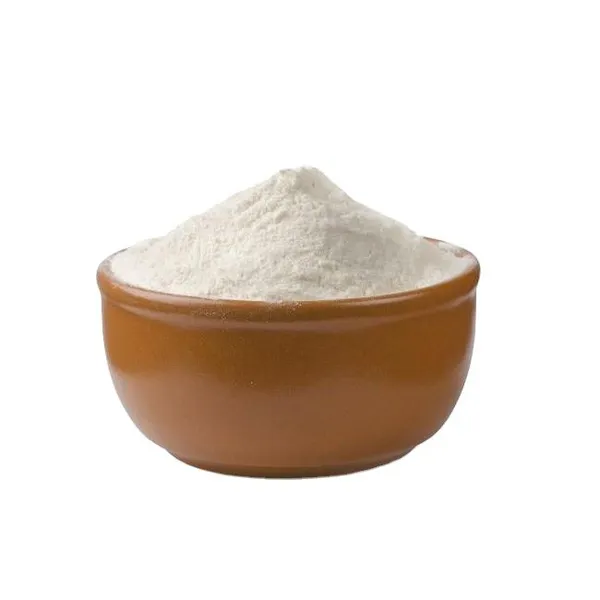
The practical differences between bone ash and graphite on the foundry floor extend beyond chemistry into application technique, cleanup, and workplace environment. Bone ash is typically applied as a dry powder using a dusting bag, a bellows applicator, or a brush. It can also be mixed with water to form a slurry that is painted or sprayed onto mold surfaces and allowed to dry before pouring. The white color of bone ash makes it easy for the operator to see whether the coating is uniform across the mold surface.
Graphite is almost always applied as a dry powder or as a suspension in a volatile carrier solvent. The dark color makes it harder to visually assess coating uniformity, and the powder is finer and more prone to becoming airborne than typical foundry-grade bone ash. Graphite dust in the foundry environment creates a persistent black residue on equipment, floors, and operator clothing that can be difficult to clean and may contribute to respiratory irritation if dust extraction is inadequate.
Cleanup after casting is another practical consideration. Bone ash residue on cast parts is typically light-colored and can be removed by wire brushing or light blasting. Graphite residue can become embedded in the casting surface, particularly on aluminum alloys, and may require more aggressive cleaning to remove before subsequent surface finishing operations such as anodizing or painting.
4. Cost and Availability
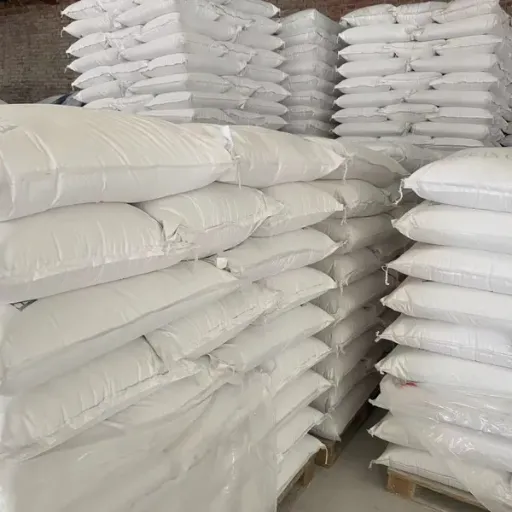
On a per-kilogram basis, graphite powder is often cheaper than bone ash, particularly in markets where graphite is mined domestically. However, the per-kilogram cost comparison can be misleading because the two materials have different application densities and coverage rates. Graphite's finer particle size means that a given weight of graphite covers a larger surface area than the same weight of bone ash, which can offset the higher cost per kilogram of bone ash when comparing material cost per mold cycle.
Availability patterns also differ. Graphite is a mined mineral with a global supply chain centered on a small number of producing countries, which makes its price sensitive to mining output, export restrictions, and shipping disruptions. Bone ash is a processed animal by-product whose supply is linked to the livestock processing industry, which operates in virtually every country with a significant meat production sector. This distributed supply base makes bone ash prices less volatile than graphite in many markets.
Luohe Feilong Bone Carbon Co., Ltd. supplies industrial bone ash to foundry customers who value the material's chemical inertness with copper and aluminum alloys. The company's location in Henan Province, within proximity to a substantial livestock processing industry, helps maintain a consistent raw material supply that supports reliable production scheduling and delivery commitments.
5. Alloy Compatibility: The Deciding Factor
For copper and copper alloy casting, bone ash is generally the preferred release agent because it is chemically inert toward copper at pouring temperatures. Graphite can dissolve small amounts of carbon into molten copper, which may slightly alter the alloy composition at the casting surface. While this effect is usually minor and may not affect the functional properties of the part, it can be a concern for applications where surface chemistry is critical, such as electrical connectors or plumbing fittings that will be brazed or soldered.
For aluminum casting, the choice is more nuanced. Bone ash is fully compatible with aluminum at pouring temperatures and provides reliable release without surface contamination. Graphite can react with molten aluminum to form aluminum carbide at the interface, creating a dull gray surface layer that may require machining to remove. However, graphite is so widely used in aluminum die casting that many foundries have developed practices to manage this issue, including the use of graphite in combination with other release agents or the application of a protective mold wash over the graphite coating.
For zinc die casting, both materials perform adequately from a chemical compatibility standpoint, and the choice often comes down to cost, availability, and operator preference. Feilong Bone Carbon supplies bone ash that is used across all three alloy families, with customers selecting the appropriate grade based on their specific alloy and mold configuration.
6. Case Study: Copper Plumbing Fitting Foundry
A foundry in Turkey producing copper plumbing fittings by sand casting had been using a graphite-based parting agent for years. The foundry's primary customer, a plumbing systems manufacturer, began requiring a surface carbon content specification of less than 0.05% on the as-cast fitting surface because residual carbon was interfering with the brazing process during assembly. The foundry tested bone ash as a replacement parting agent and found that it eliminated the surface carbon issue entirely while providing release performance that matched or slightly improved upon the graphite coating. The transition required retraining operators on application technique and adjusting the coating thickness, but within roughly four weeks the foundry had fully converted its copper casting line to bone ash parting agent.
The surface carbon specification was met on every subsequent production lot. The bone ash coating proved more forgiving of minor variations in application technique because its angular particles mechanically interlock on the mold surface, maintaining coverage even when the operator's application is not perfectly uniform. This practical robustness reduced the frequency of coating-related defects compared to the graphite process it replaced.
7. Case Study: Aluminum Sand Casting Operation
An aluminum sand casting job shop compared bone ash and graphite on a production run of pump housings. The graphite-coated molds produced castings with acceptable release but required roughly 20% more cleanup time because graphite residue on the casting surface had to be removed before shot blasting. The bone ash-coated molds released cleanly and produced castings that required less post-casting cleaning, offsetting the slightly higher material cost of the bone ash.
8. Frequently Asked Questions
8.1 Can bone ash and graphite be used together in the same application?
Yes, some foundries blend bone ash and graphite to combine the chemical inertness of bone ash with the lubricity of graphite. The blend ratio depends on the alloy, the mold material, and the casting geometry. A typical starting point might be 70% bone ash to 30% graphite by weight for copper alloy sand casting, with adjustments based on trial results. The blend should be prepared as a homogeneous mixture before application to ensure consistent release performance across the mold surface.
8.2 Does bone ash leave residue on cast parts?
Bone ash applied as a parting agent leaves a light, powdery residue on the casting surface that is easily removed by wire brushing, light blasting, or washing. The residue is not chemically bonded to the metal and does not affect subsequent machining, welding, or surface finishing operations. This is a practical advantage over some other release agents that can leave stubborn residues requiring chemical cleaning.
8.3 Is bone ash suitable for permanent mold casting?
Bone ash is commonly used in permanent mold casting of non-ferrous metals, particularly for copper alloys. It is applied as a thin coating to the mold cavity before each pour, either as a dry powder or as a water-based slurry. In permanent mold applications, the coating must be thin enough not to affect dimensional accuracy but thick enough to provide reliable release. Operators typically develop a feel for the correct application thickness through experience with the specific mold geometry and alloy.
8.4 What particle size of bone ash is recommended for foundry use?
Foundry-grade bone ash is typically supplied in the 100 to 325 mesh range, which provides a balance of flowability, coverage, and release performance. Finer grades, below 325 mesh, can be used for applications requiring a thinner coating, such as die casting of small, intricate parts. Coarser grades above 100 mesh may be preferred for large sand castings where a thicker parting layer is desired. The choice of particle size should be validated through casting trials with the specific mold configuration and alloy.
Recently Posted
-
Luohe Feilong Bone Carbon: Industrial Bone Ash Manufacturer Since 2011
August 17, 2026When a copper foundry in Turkey needs bone ash that releases cleanly from a sand mold at 1,100 degrees Celsius, or a bone china fa Read More
 -
Bone Ash in Copper Casting Mold Release: Application and Practical Guidance
August 14, 2026A copper sand casting foundry in India was producing electrical switch components that required a clean, smooth surface finish for Read More
 -
How to Source Bone Ash for Foundry Applications: A Buyer's Checklist
August 13, 2026A purchasing manager at a brass foundry in Egypt ordered 20 metric tons of bone ash from a new supplier at a price roughly 25% bel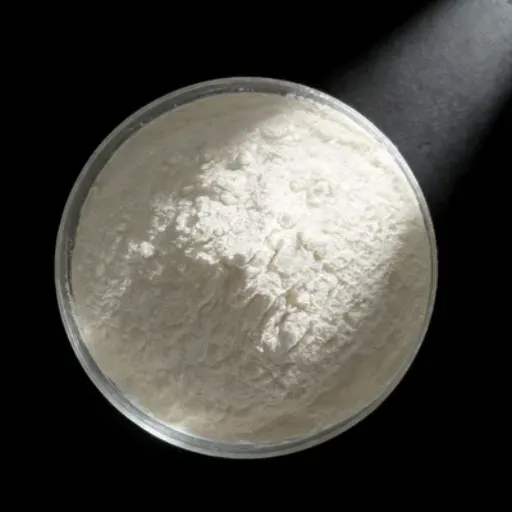 Read More
 -
What Is Industrial Bone Ash? A Guide for Foundry and Ceramic Buyers
August 11, 2026A copper foundry manager in Turkey once rejected three consecutive shipments of bone ash because the material was acting more like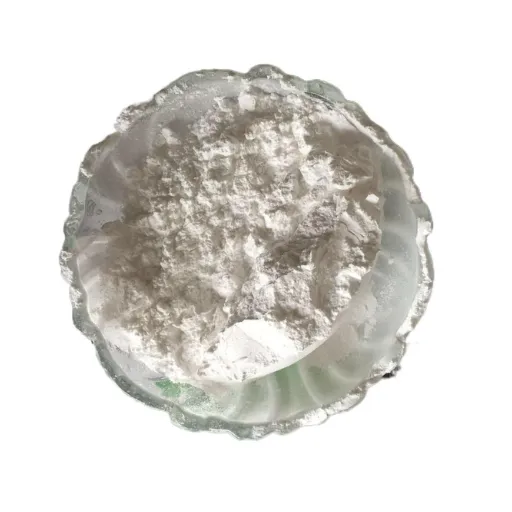 Read More

Contact Us
Recommended Products
-
 Manufacturer Sell Low Price Calcined Bone Ash or PowderUS$ 850MOQ: 5 Tons
 -
Manufacturer Sell Low Price Calcined Bone Ash or PowderUS$ 850MOQ: 5 Tons
-
Manufacturer Sell Low Price Calcined Bone Ash or PowderUS$ 850MOQ: 5 Tons
-
Sell Well Bone Ash for Mold Releasing UseUS$ 880 - 920MOQ: 5 Tons
-
Feilong Direct Sales Die-casting Water-soluble Mold Metal Release AgentUS$ 920MOQ: 5 Tons
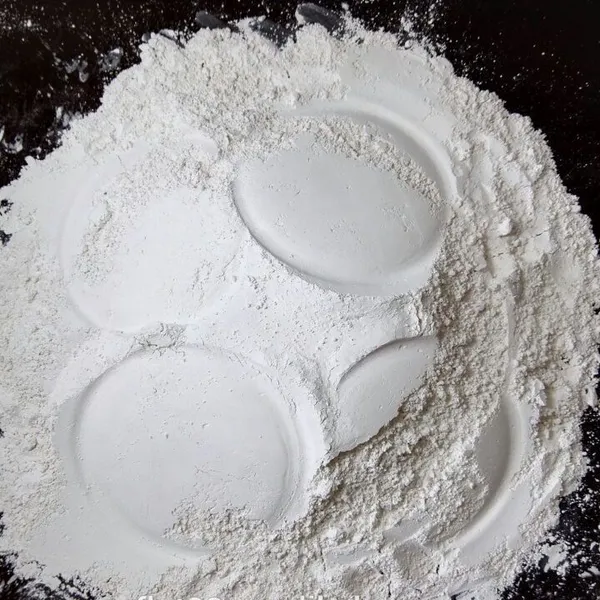
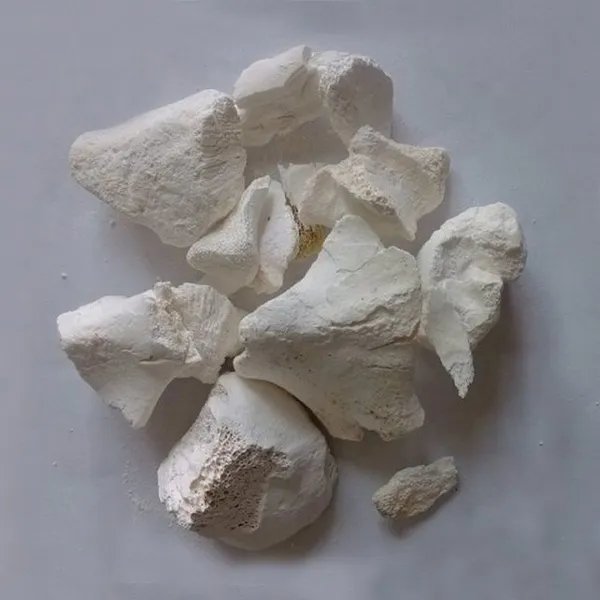
-
Natural Animal Bone AshUS$ 880 - 920MOQ: 5 Tons
-
China Manufacturer Supply Eco-Friendly Bone Ash PowderUS$ 890MOQ: 1 Ton
-
Calcined Bone Ash for Bone China With GoodPriceUS$ 880 - 920MOQ: 5 Tons
-
Synthetic Bone Ash for Ceramic With Good PriceUS$ 850MOQ: 5 Tons
-
Calcium and Phosphorus Powder - 325 MeshPowderUS$ 850MOQ: 5 Tons
-
Calcium and Phosphorus Powder - 325 MeshPowderUS$ 850MOQ: 5 Tons
-
Calcium Stearate PVC PE Lubricant Mould-releasing Powder ManufacturerUS$ 850MOQ: 5 Tons
-
Reputed Supplier Selling Bone Ash Powder Which Meet With Environmental Standard As Animal FeedstuffUS$ 850MOQ: 5 Tons
-
Industrial Grade Bone Ash for Bone Ceramics and MetallurgyUS$ 900MOQ: 10 Tons
-
Animal Ashes Used for Bone ChinaUS$ 900MOQ: 5 Tons
-
Calcium and Phosphorus Powder - 325 MeshPowderUS$ 850MOQ: 5 Tons
-
High Quality Bone Ash for Mold Releasing Use/bone Ash PowderUS$ 850 - 880MOQ: 5 Tons
-
Manufacturer Sell Low Price Calcined Bone Ash or PowderUS$ 850MOQ: 5 Tons
-
Calcined Bone Ash for Bone China With GoodPriceUS$ 880MOQ: 5 Tons
-
High Quality Bone Ash for Mold Releasing Use/bone Ash PowderUS$ 880 - 920MOQ: 5 Tons