
 Business License

Bone Ash Price Per Ton 2026: A Procurement Manager's Guide
Maria Chen, a procurement manager at a mid-sized ceramics factory in Vietnam, received three quotes for 20 metric tons of ceramic-grade bone ash. The first supplier quoted $680 per ton. The second asked $850. The third came in at $1,020. Same product name. Same mesh size. Wildly different numbers.
If you have ever sourced industrial raw materials across borders, you know this story. The bone ash price per ton is not a single number. It is a range shaped by purity, particle size, order volume, packaging, freight terms, and how much control the supplier has over production.
In this guide, we break down what drives bone ash pricing in 2026, what buyers should expect when comparing quotes, and how to avoid hidden costs that turn a low FOB price into an expensive mistake.
Whether you are placing your first trial order or renegotiating an annual contract, this article gives you a practical framework for evaluating any bone ash price per ton.
Want a benchmark quote before you read on? Request Feilong's latest FOB pricing and COA for your volume and destination. We have supplied bone ash to buyers in Europe, Asia, and North America for over 20 years.
Why Bone Ash Price Per Ton Varies So Widely
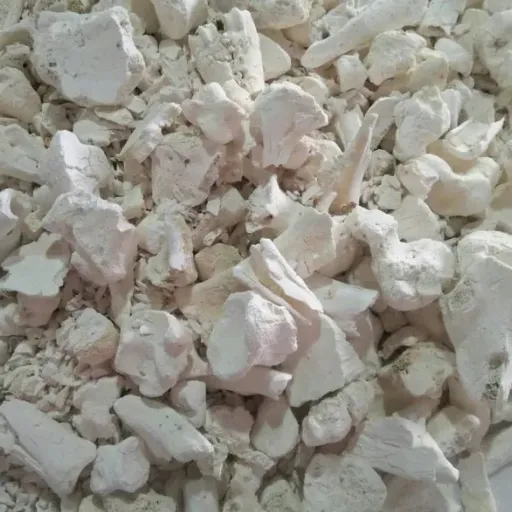
Bone ash is a specialty industrial material, not a standardized commodity. Unlike bulk chemicals traded on open exchanges, bone ash is typically sold through direct manufacturer contracts or wholesale trading channels. This means published prices can differ by 30% or more for material that carries the same label.
Several factors explain the spread. Understanding how bone ash is produced helps buyers see why some of these cost drivers are non-negotiable for quality:
Raw material sourcing: Defatted bovine bone quality and availability affect base cost
Calcination temperature and time: Higher temperature processes cost more but yield cleaner, more consistent ash
Particle size: Finer grades such as 400 mesh require additional grinding and classification
Purity specifications: Tighter limits on iron, calcium, phosphorus, and burning loss increase processing cost
Packaging: Bulk bags, moisture-resistant containers, and custom labeling add cost per ton
Certification and testing: COA, MSDS, and third-party testing require documentation labor
Supplier type: Factory-direct manufacturers usually price lower than trading companies
A procurement team that only compares headline prices misses most of what determines real cost.
Mini-Story: The Quote That Looked Too Good
Last year, a trading company in India contacted us for a quote on 325 mesh bone ash for bone china production. Their current supplier offered $640 per ton FOB Qingdao.
After testing, they discovered the material had iron content above 0.08% and inconsistent particle size. Their finished bone china showed yellow spotting and breakage rates rose by 12%. The "cheap" ash cost them more in rework and lost orders than the higher-priced alternative they eventually switched to.
Typical Bone Ash Price Per Ton in 2026
Based on current commodity market conditions and export pricing from Chinese manufacturers, ceramic-grade bone ash powder typically falls in the range of US720to720to890 per metric ton FOB for standard mesh sizes such as 325 mesh and 400 mesh.
| Specification Range | Typical FOB Price per Metric Ton |
|---|---|
| Standard 325 mesh, general ceramic grade | 720–720–780 |
| High-purity 325 mesh, low iron | 760–760–820 |
| 400 mesh fine powder | 790–790–860 |
| Custom specification or special packaging | 820–820–890+ |
Prices below $700 per ton should prompt extra due diligence. In many cases, unusually low prices signal one of the following issues:
Lower calcination temperature or incomplete defatting
Higher iron content or inconsistent chemistry
Blended or secondary-grade material
Re-bagged product from an unknown source
Hidden fees added after the initial quote
For buyers evaluating bone ash price per ton, the quoted number is only the starting point. The real comparison must include quality documentation, supply reliability, and total landed cost.
Bone Ash Wholesale: How Volume Affects Price Per Ton
Bone ash wholesale pricing follows a clear volume curve. Buyers seeking bone ash wholesale arrangements should request tiered pricing schedules. Manufacturers prefer larger production runs because they reduce per-unit handling, testing, and packaging overhead.
Typical volume tiers from factory-direct suppliers include:
Sample orders: 1 kg to 25 kg, priced at a premium per kilogram
Trial orders: 1 metric ton to 5 metric tons, standard FOB pricing
Medium bulk orders: 10 metric tons to 20 metric tons, 3–7% discount from standard
Full container loads: 20 metric tons to 26 metric tons, strongest per-ton pricing
Annual contracts: Negotiated quarterly or semi-annual pricing based on volume commitments
The bone ash MOQ from most established manufacturers starts at 1 metric ton for standard grades. Some suppliers offer lower MOQs, but they may be trading companies that add a margin on top of factory pricing.
When to Negotiate Volume Pricing
You are in a stronger position to request volume discounts when you can commit to:
A full 20-foot container load or more per shipment
Regular quarterly shipments over 12 months
Multiple grades from the same supplier to consolidate production
Standard packaging without custom labeling or bags
If your monthly consumption is stable, consider asking for an annual contract. Many bone ash manufacturers in China will lock in pricing for 6 to 12 months in exchange for predictable volume.
Regional Differences in Bone Ash Price Per Ton
Export region affects the bone ash price per ton in ways that do not appear in the unit price alone.
China Export Pricing
China remains the largest producer and exporter of industrial bone ash, accounting for the majority of global bone ash trade volume. When sourcing from a bone ash manufacturer in China, buyers gain access to integrated supply chains and competitive FOB pricing. Factory-direct pricing from Henan, Hebei, and Shandong provinces tends to be the most competitive because of integrated raw material supply and established calcination infrastructure. FOB terms from Chinese ports such as Qingdao, Tianjin, and Shanghai are standard.
Southeast Asia and India
Buyers in Southeast Asia and India often see slightly higher per-ton prices because of shorter supply chains and smaller order quantities. Local trading companies may add 10–20% margin over factory pricing. Direct import from a Chinese manufacturer can reduce this spread.
Europe and North America
Regulatory compliance, customs documentation, and longer shipping distances push total landed cost higher. Some buyers in these regions pay 950to950to1,200 per metric ton after freight, duties, and inland transport.
However, purchasing directly from a certified bone ash exporter can still be more economical than buying through regional distributors.
Freight and Incoterms Matter
Always clarify the Incoterm before comparing quotes:
EXW: Buyer arranges all transport from the factory
FOB: Supplier delivers to port; buyer handles ocean freight and insurance
CIF: Supplier includes freight and insurance to destination port
DDP: Supplier handles all costs including duties and delivery
A quote that looks cheaper under EXW may become more expensive once you add inland transport, export handling, and documentation fees.
Hidden Costs That Change the Bone Ash FOB Price
The bone ash FOB price is only one line item. Experienced procurement teams build a total landed cost model before making a decision. Reliable quality documentation reduces the risk of hidden rejection and return costs.
Common hidden or overlooked costs include:
Quality testing: Independent lab analysis, sample testing, and batch verification
Customs clearance: Import duties, broker fees, and inspection charges
Inland freight: Port-to-warehouse transport in the destination country
Storage and handling: Warehouse fees, bagging loss, and moisture protection
Currency fluctuation: USD/CNY exchange rate movement during contract period
Payment terms: Letters of credit, wire transfer fees, and advance payment risk
Rejections and returns: Cost of non-conforming material and replacement delays
A supplier quoting $750 per ton with reliable quality and clean documentation may be cheaper overall than a supplier quoting $700 per ton with inconsistent batches and delayed COAs.
Mini-Story: The Freight Surprise
A ceramics buyer in Turkey accepted a CIF quote for bone ash at $820 per ton. The price included freight to Mersin.
What the quote did not include was a $1,400 customs inspection fee triggered by incomplete phytosanitary documentation. The inspection delay also pushed back production by 10 days. The buyer now requires all suppliers to confirm full documentation list before confirming any order, regardless of Incoterm.
Evaluating a Bulk Bone Ash Supplier Beyond Price
Selecting a bulk bone ash supplier on price alone is risky. The lowest quote rarely delivers the lowest total cost.
Use this evaluation checklist when comparing suppliers:
Production ownership: Does the supplier own the calcination facility, or do they trade material from multiple sources?
Quality documentation: Can they provide a Certificate of Analysis for each batch showing calcium, phosphorus, iron, pH, and burning loss?
Specification consistency: Do recent COAs show stable numbers across batches?
Application experience: Do they understand the difference between ceramic-grade and metallurgical-grade requirements?
Export track record: Have they shipped to your region before? Can they provide references?
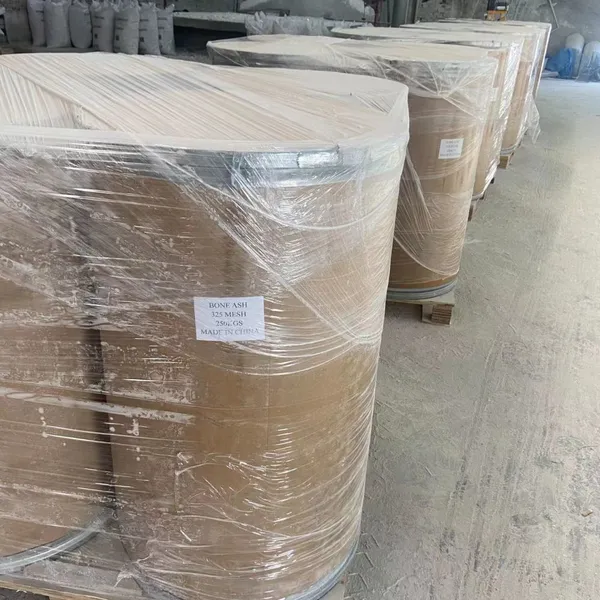
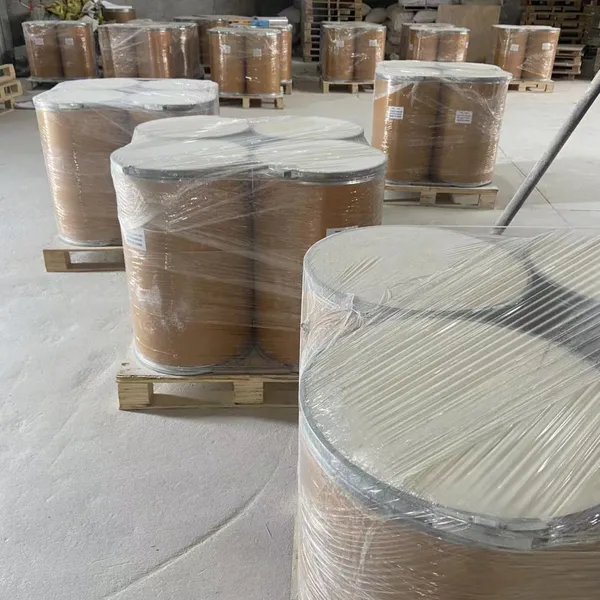
Packaging standards: Are bags moisture-resistant and properly labeled for sea freight?
Response and support: Do they reply promptly to technical questions and sample requests?
A reliable supplier should also offer sample quantities starting from 1 kg so you can test material in your actual production process before committing to bulk.
Ready to evaluate a supplier? Download our bone ash procurement checklist or request a Feilong sample with full COA.
How to Negotiate Bone Ash Price Per Ton
Negotiation works best when you come prepared with information. Here are practical tactics procurement managers can use.
Ask for Tiered Pricing Up Front
Request a full price schedule across 1 ton, 5 tons, 10 tons, 20 tons, and annual volumes. This reveals the supplier's volume curve and helps you model total spend.
Bundle Multiple Products
If you also use bone carbon, bone granules, or related products, ask for combined pricing. Suppliers often reduce margin when one production run serves multiple SKUs.
Lock in Exchange Rates
For multi-month contracts, ask whether pricing can be fixed in USD or tied to a specific exchange rate band. This protects both parties from sharp currency swings.
Clarify Payment Terms
Standard terms range from 30% deposit with balance before shipment to letter of credit at sight. Better payment terms may justify a slightly higher unit price if they improve your cash flow.
Request Value-Added Services
Instead of focusing only on price, negotiate for included services such as:
Free pre-shipment sample testing
Third-party inspection at loading
Custom packaging or palletization
Quarterly quality review calls
Dedicated account or technical support
These services often deliver more value than a small per-ton discount.
When to Choose the Higher-Priced Option
Sometimes the higher bone ash price per ton is the better business decision. Consider paying more when:
Your application requires tight iron control for whiteness
You cannot afford batch-to-batch variation in ceramic body formulation
Your customers require traceability or regulatory documentation for natural versus synthetic alternatives
You need reliable delivery schedules to match production plans
The lower-priced supplier cannot provide consistent COAs or references
In bone china production, material inconsistency can create visible defects that are only detected after firing. The cost of rework, scrap, and customer complaints usually exceeds any savings from cheaper raw material.
Key Pricing Takeaways for 2026
Standard ceramic-grade bone ash ranges from 720to720to890 per metric ton FOB depending on purity and mesh size
Volume discounts typically begin at 10 metric tons and improve significantly at full container load
The bone ash MOQ from manufacturers is usually 1 metric ton
Incoterms, freight, duties, and documentation heavily influence total landed cost
Evaluating a bulk bone ash supplier on total cost of ownership leads to better procurement outcomes
Factory-direct suppliers generally offer better consistency and pricing than trading companies
Conclusion
The bone ash price per ton you see in a quote is only the beginning. Real procurement value comes from understanding what drives that number, what is included, and what risks hide behind an unusually low offer.
In 2026, well-qualified buyers should expect FOB pricing in the 720–720–890 per metric ton range for standard ceramic grades, with meaningful discounts available at higher volumes. The best deals come from suppliers who control their own production, document every batch, and understand your application requirements.
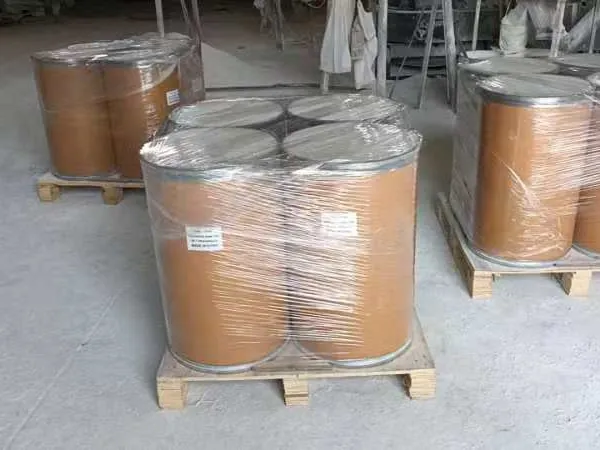
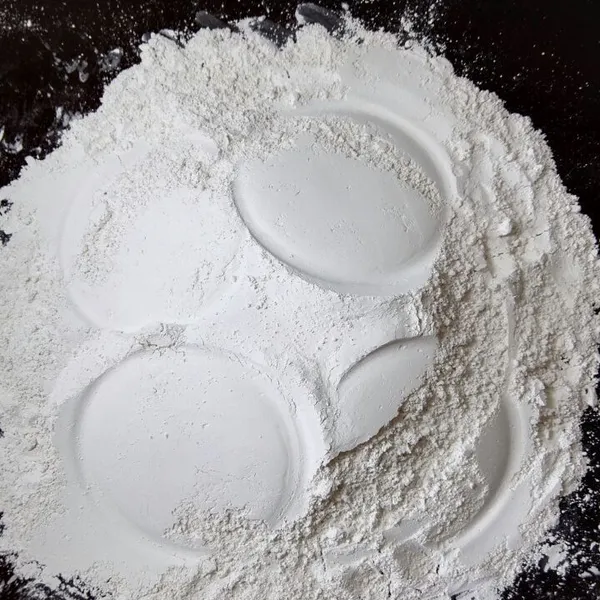
At Luohe Feilong Bone Carbon Co., Ltd., we manufacture bone ash directly from defatted bovine bone calcined at 1300°C. We supply 325 mesh and 400 mesh grades with full COA, sample quantities from 1 kg, and flexible bulk pricing starting at 1 metric ton.
Need a firm quote for your next order? Request Feilong bone ash pricing and a free COA sample or contact our sales team to discuss volume, packaging, and delivery terms. We have exported bone ash and bone carbon to ceramics manufacturers, foundries, and water treatment plants across Europe, Asia, and the Americas for more than two decades.
Frequently Asked Questions
What is the average bone ash price per ton in 2026?
For standard ceramic-grade bone ash powder, factory-direct FOB pricing from China typically ranges from US720to720to890 per metric ton. Finer grades, tighter specifications, and special packaging push prices toward the upper end of the range.
What is the typical bone ash MOQ?
Most established bone ash manufacturers set a minimum order quantity of 1 metric ton for standard grades. Sample quantities from 1 kg to 25 kg are usually available for qualification testing before bulk purchase.
Does mesh size affect bone ash price per ton?
Yes. Finer mesh sizes such as 400 mesh require additional grinding and classification, which increases production cost. Expect 400 mesh bone ash to price 30–30–80 per ton higher than 325 mesh at equivalent purity.
What does FOB price include?
FOB, or Free On Board, means the supplier delivers the goods to the export port and loads them onto the vessel. The buyer pays ocean freight, insurance, destination port charges, customs duties, and inland transport. Always confirm what the bone ash FOB price includes before comparing quotes.
Why do bone ash prices vary between suppliers?
Prices vary because of differences in raw material quality, calcination process, particle size, purity controls, packaging, supplier type, and Incoterms. Trading companies also add margin, while factory-direct suppliers can offer lower base pricing.
Should I always choose the lowest bone ash price per ton?
No. The lowest quoted price can hide quality inconsistencies, incomplete documentation, or extra fees. Evaluate total landed cost, supplier reliability, batch consistency, and application suitability before deciding.
Why buy from a bone ash manufacturer in China?
China is the world's largest producer of industrial bone ash. A bone ash manufacturer in China typically offers competitive FOB pricing, integrated raw material supply, and established export infrastructure. Factory-direct sourcing reduces middleman margin, though buyers should verify production ownership, quality control, and documentation capabilities before placing bulk orders.
Recently Posted
-
Luohe Feilong Bone Carbon: Industrial Bone Ash Manufacturer Since 2011
August 17, 2026When a copper foundry in Turkey needs bone ash that releases cleanly from a sand mold at 1,100 degrees Celsius, or a bone china fa Read More
 -
Bone Ash in Copper Casting Mold Release: Application and Practical Guidance
August 14, 2026A copper sand casting foundry in India was producing electrical switch components that required a clean, smooth surface finish for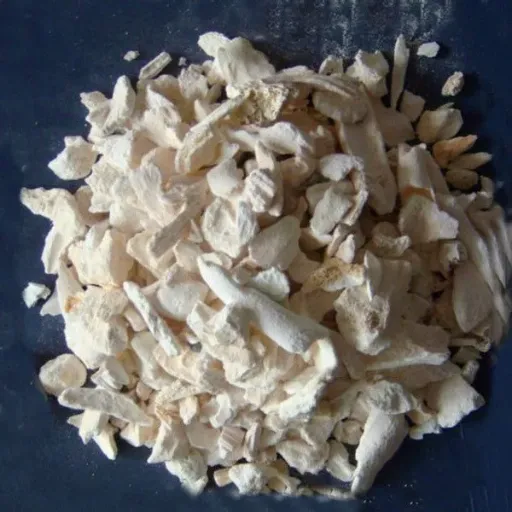 Read More
 -
How to Source Bone Ash for Foundry Applications: A Buyer's Checklist
August 13, 2026A purchasing manager at a brass foundry in Egypt ordered 20 metric tons of bone ash from a new supplier at a price roughly 25% bel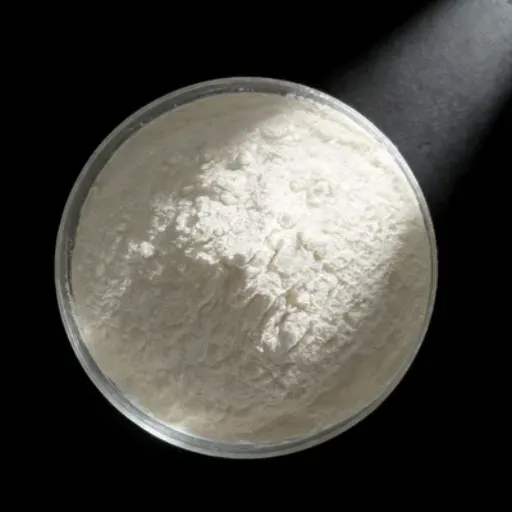 Read More
 -
Bone Ash vs Graphite Powder for Non-Ferrous Metal Mold Release
August 12, 2026A brass foundry in Southeast Asia switched from bone ash to a lower-cost graphite powder for its sand casting release agent, expec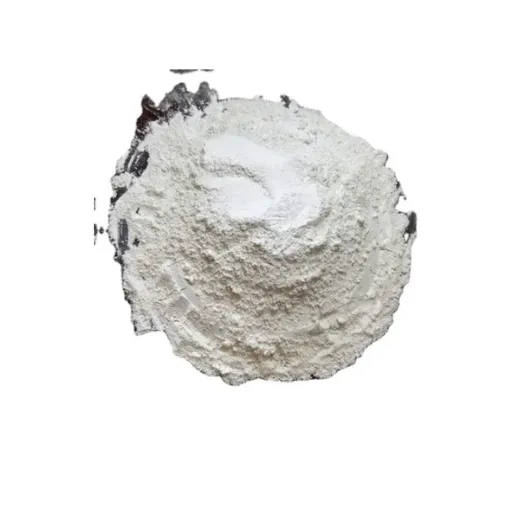 Read More

Contact Us
Recommended Products
-
 Manufacturer Sell Low Price Calcined Bone Ash or PowderUS$ 850MOQ: 5 Tons
 -
Manufacturer Sell Low Price Calcined Bone Ash or PowderUS$ 850MOQ: 5 Tons
-
Manufacturer Sell Low Price Calcined Bone Ash or PowderUS$ 850MOQ: 5 Tons
-
Sell Well Bone Ash for Mold Releasing UseUS$ 880 - 920MOQ: 5 Tons
-
Feilong Direct Sales Die-casting Water-soluble Mold Metal Release AgentUS$ 920MOQ: 5 Tons
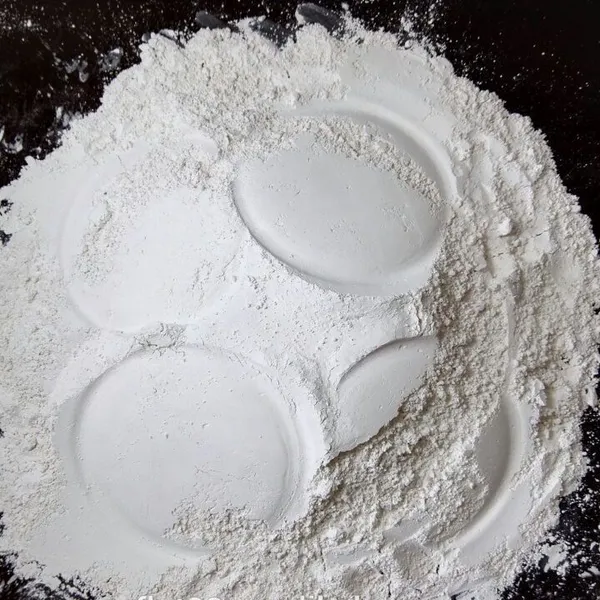
-
Natural Animal Bone AshUS$ 880 - 920MOQ: 5 Tons
-
China Manufacturer Supply Eco-Friendly Bone Ash PowderUS$ 890MOQ: 1 Ton
-
Calcined Bone Ash for Bone China With GoodPriceUS$ 880 - 920MOQ: 5 Tons
-
Synthetic Bone Ash for Ceramic With Good PriceUS$ 850MOQ: 5 Tons
-
Calcium and Phosphorus Powder - 325 MeshPowderUS$ 850MOQ: 5 Tons
-
Calcium and Phosphorus Powder - 325 MeshPowderUS$ 850MOQ: 5 Tons
-
Calcium Stearate PVC PE Lubricant Mould-releasing Powder ManufacturerUS$ 850MOQ: 5 Tons
-
Reputed Supplier Selling Bone Ash Powder Which Meet With Environmental Standard As Animal FeedstuffUS$ 850MOQ: 5 Tons
-
Industrial Grade Bone Ash for Bone Ceramics and MetallurgyUS$ 900MOQ: 10 Tons
-
Animal Ashes Used for Bone ChinaUS$ 900MOQ: 5 Tons
-
Calcium and Phosphorus Powder - 325 MeshPowderUS$ 850MOQ: 5 Tons
-
High Quality Bone Ash for Mold Releasing Use/bone Ash PowderUS$ 850 - 880MOQ: 5 Tons
-
Manufacturer Sell Low Price Calcined Bone Ash or PowderUS$ 850MOQ: 5 Tons
-
Calcined Bone Ash for Bone China With GoodPriceUS$ 880MOQ: 5 Tons
-
High Quality Bone Ash for Mold Releasing Use/bone Ash PowderUS$ 880 - 920MOQ: 5 Tons