
 Business License

Bone Ash Chemical Composition: The Specifications Every Buyer Needs to Understand
A quality manager at a porcelain factory in Vietnam once rejected three consecutive shipments of bone ash. Each Certificate of Analysis looked acceptable at first glance, but the calcium content ranged from 33.8% to 37.2%, and iron fluctuated above the tolerable threshold. The result was discoloration, unpredictable shrinkage, and a 14% increase in rejected bone china ware.
That factory learned the hard way that bone ash chemical composition is not a detail you delegate to a junior buyer. The calcium, phosphorus, iron, and burning loss values on a COA directly affect your production outcomes. When you understand what each number means, you can qualify suppliers faster, avoid batch-to-batch problems, and choose the right grade for your application.
This guide explains bone ash chemical composition in practical terms. You will learn the typical bone ash specifications for ceramic-grade material, how mineral structure affects performance, how to read a Certificate of Analysis (COA), and what testing methods suppliers use. We will also show how Feilong controls bone ash chemical composition through calcination and batch testing.
What Is Bone Ash?
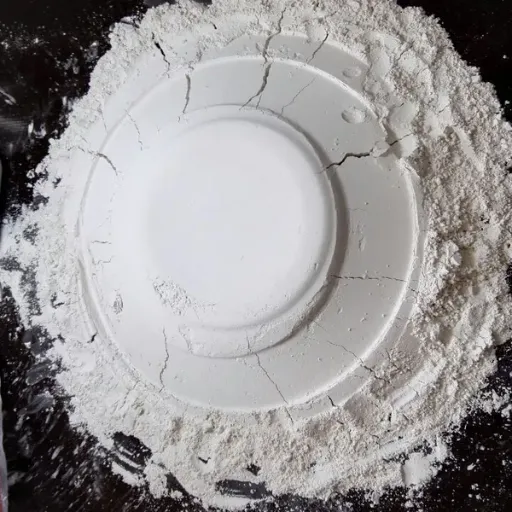
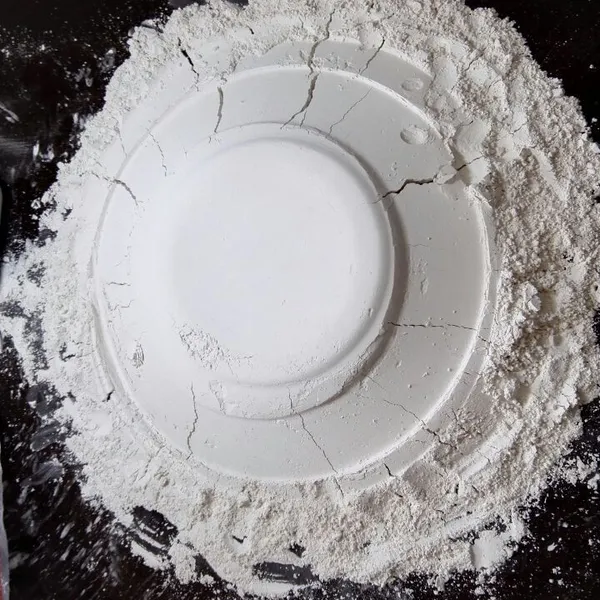
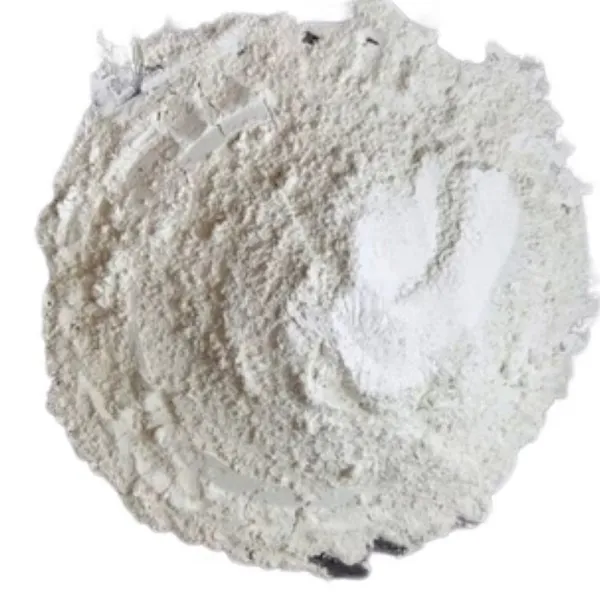
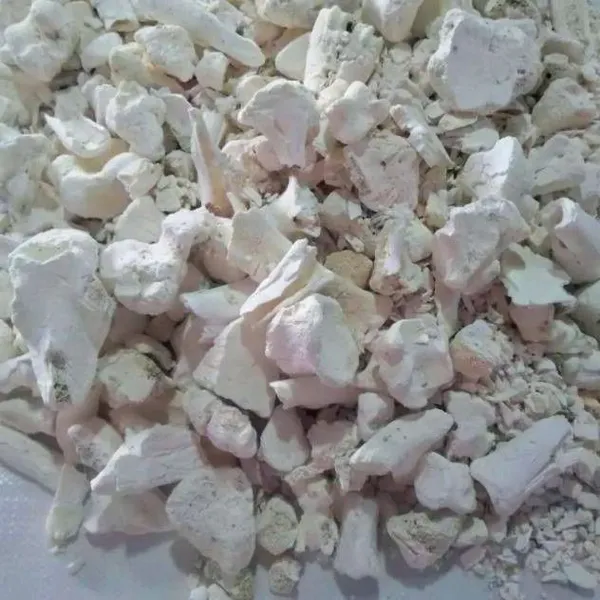
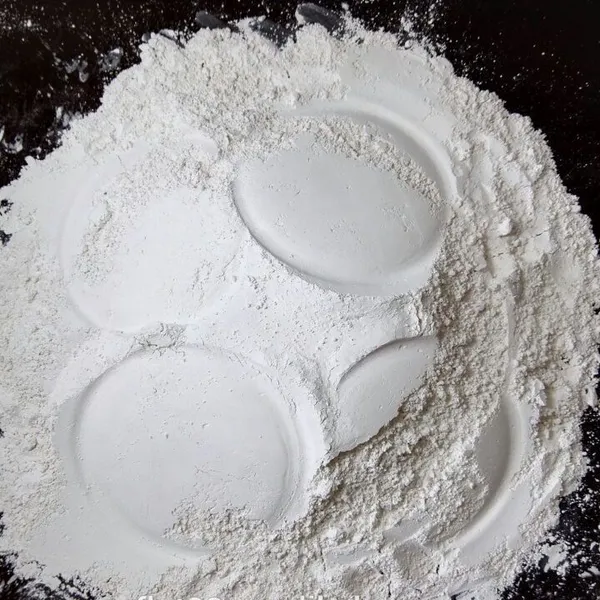
Bone ash is a white, crystalline powder produced by calcining defatted animal bones at high temperatures, typically around 1300°C. The process removes organic material and leaves a mineral residue composed primarily of calcium phosphate and calcium carbonate.
For a broader overview of the material, see our guide on what is bone ash. This article focuses specifically on the chemistry behind the product and why it matters for buyers.
Want to see how controlled calcination affects final composition? Learn more about Feilong's 1300°C production process and how temperature control drives chemical consistency.
What Affects Bone Ash Chemical Composition?
Bone ash chemical composition is determined by raw material selection and production control. Several variables influence the final values on a COA.
Raw Material Quality
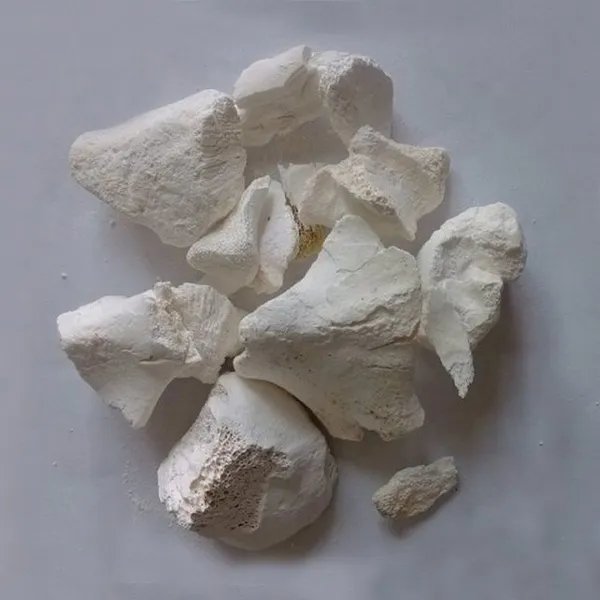
The starting bone material affects the final product. Reputable manufacturers use defatted bovine bone blocks with consistent origin and processing. Residual fat, gelatin, or foreign material can alter calcium content, burning loss, and color.
Calcination Temperature
Calcination at approximately 1300°C removes organic matter and stabilizes the calcium phosphate structure. Insufficient temperature leaves organic residues and increases burning loss. Excessive temperature can alter reactivity and crystalline structure. Temperature control is therefore one of the most important factors in achieving consistent bone ash chemical composition.
Grinding and Sizing
After calcination, grinding affects particle size distribution but does not change chemical composition. However, inconsistent grinding can cause segregation in storage or shipment, leading to apparent batch variation when samples are taken.
Contamination Control
Cross-contamination from other materials, equipment, or packaging can introduce iron, silica, or other trace elements. Dedicated production lines and clean handling procedures help maintain the purity required for ceramic-grade bone ash.
The value of bone ash lies in its mineral content. Understanding bone ash chemical composition starts with these key components buyers should evaluate.
Calcium (Ca)
Calcium is the dominant element in bone ash, typically present at ≥35.0%. It exists mainly as calcium phosphate and calcium carbonate. For ceramic applications, calcium content affects:
Translucency in bone china
Fired body strength
Thermal expansion behavior
Calcium levels below 35% may indicate incomplete calcination or contamination. Levels that vary between batches force manufacturers to adjust body formulations constantly.
Phosphorus (P)
Phosphorus in bone ash is chemically bound as phosphate, typically at ≥16.0%. The calcium-to-phosphorus ratio is one of the most stable indicators of proper calcination. Consistent phosphorus content means the raw bone was processed uniformly and the calcination temperature was controlled.
Iron (Fe)
Iron is the element ceramic buyers watch most carefully. Even trace amounts above acceptable levels cause yellowing or graying in white bone china. Typical ceramic-grade bone ash controls iron at ≥0.05%.
A technical buyer at a tableware manufacturer in Turkey switched suppliers after discovering that apparently white bone ash contained iron at 0.08%. The resulting gray cast in the fired ware forced the factory to reprocess an entire kiln. After qualifying a supplier with documented iron control below 0.05%, rejected color defects dropped by 18%.
Burning Loss
Burning loss measures the organic and volatile material remaining in the product. For calcined bone ash used in ceramics, burning loss should be ≤1.0%. Higher values indicate incomplete calcination, which can cause problems during firing.
pH
Bone ash is alkaline, with a typical pH range of 9.0–11.5. This alkalinity reflects the calcium phosphate and carbonate content. pH outside this range may indicate contamination or improper processing.
Bone Ash Chemical Formula and Mineral Structure
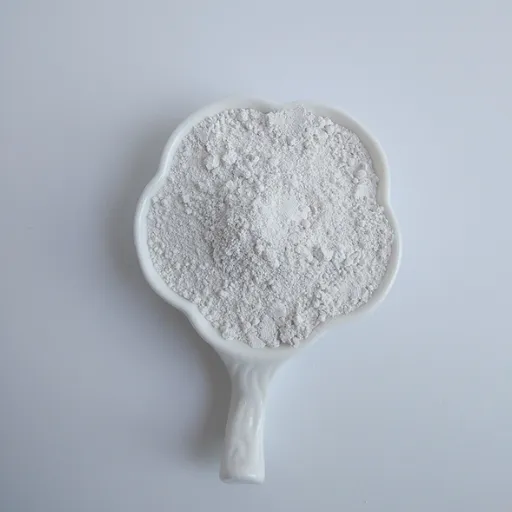
Bone ash does not have a single simple chemical formula because it is a natural-derived material, not a pure synthetic compound. Its composition is dominated by calcium phosphate phases, particularly hydroxyapatite, along with calcium carbonate.
Hydroxyapatite and Calcium Phosphate
The primary mineral phase in well-calcined bone ash is calcium phosphate, often in a form related to hydroxyapatite. This calcium phosphate bone ash structure is what distinguishes ceramic-grade material from lower-temperature bone products. The idealized formula for hydroxyapatite is:
Ca10(PO4)6(OH)2
In real bone ash, the structure is less perfect due to partial carbonate substitution and processing conditions. The calcium phosphate structure is what gives bone china its unique translucency and strength.
Calcium Carbonate Content
Bone ash also contains calcium carbonate (CaCO3), which contributes to the alkaline nature and affects firing behavior. The balance between calcium phosphate and calcium carbonate depends on calcination conditions.
Why Mineral Structure Matters
The chemical composition of bone ash affects how it behaves in ceramic bodies:
Calcium phosphate content influences translucency and strength
Calcium carbonate content affects firing range and body reactivity
Trace elements such as iron and magnesium affect color
This is why buyers should not accept a supplier's average bone ash chemical composition. You need batch-specific values that reflect actual production conditions.
Bone Ash Chemical Composition vs. Bone Meal
Buyers sometimes confuse bone ash with bone meal. Both come from animal bone, but their chemical compositions differ significantly because of processing temperature.
Bone Ash
Bone ash is calcined at high temperature, typically around 1300°C. The organic material is removed, leaving primarily calcium phosphate and calcium carbonate. Burning loss is low, usually ≤1.0%, and the material is white and crystalline.
Bone Meal
Bone meal is produced at lower temperatures and retains organic matter, including collagen and residual protein. It has higher burning loss and different reactivity. Bone meal is used in agriculture and some feed applications, but it is generally not suitable for fine ceramics.
Why the Difference Matters
If a ceramic buyer receives bone meal labeled as bone ash, the higher organic content will cause firing defects, discoloration, and inconsistent body behavior. Always verify that the supplier's bone ash chemical composition matches the low burning loss and high calcium phosphate content expected of calcined material. For more on selecting the right ceramic grade, see our bone ash for ceramics product details.
How Bone Ash Chemical Composition Varies by Application
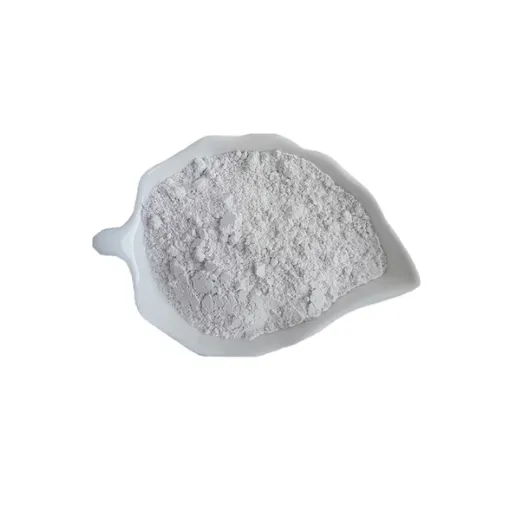
Not every application requires the same bone ash chemical composition. Understanding these differences helps you source the right grade and avoid paying for specifications you do not need.
Ceramic-Grade Bone Ash
For bone china and fine porcelain, the priority is:
High calcium content (≥35%)
Low iron content (controlled below 0.05%)
Low burning loss (≤1.0%)
Fine particle size (325 mesh or 400 mesh)
Bone china typically contains 40-50% bone ash in the body formulation, according to traditional bone china formulations. At this concentration, small chemical variations are amplified in the final product. For additional technical context on ceramic materials and particle behavior, see Ceramic Arts Network.
Ceramic buyers should also consider how bone ash chemical composition interacts with other body ingredients. Feldspar, kaolin, and silica respond differently to calcium and phosphorus levels. A shift in bone ash composition can change maturation temperature, body plasticity, and final translucency.
Metallurgical-Grade Bone Ash
For mold-releasing applications, chemical purity is still important, but the emphasis shifts slightly. Thermal stability and non-wetting behavior depend on the mineral structure. Consistent calcium and phosphorus levels ensure predictable performance across batches.
Feed-Grade Bone Products
Calcined bone ash itself is not typically used in animal feed because high-temperature calcination reduces digestibility. Feed applications use bone granules, bone powder, and calcium hydrogen phosphate, which retain bioavailable calcium and phosphorus. These products have different composition targets than ceramic bone ash.
How to Read a Bone Ash Certificate of Analysis
A COA is your most important sourcing document. Learn to read it critically.
What to Look For
Every bone ash COA should include:
Calcium (Ca) content
Phosphorus (P) content
Iron (Fe) content
Burning loss
pH value
Particle size or mesh grade
Batch or lot number
Test method references
Date of analysis
Red Flags
Watch for these warning signs:
Values reported only as ranges, not actual batch results
Wide variation in calcium or phosphorus across recent batches
Missing test method references
No batch or lot number for traceability
pH outside the 9.0–11.5 range
A procurement manager in Poland once accepted a COA that listed calcium as "35% minimum" without an actual value. After the first production batch failed, the supplier admitted the real value was 33.2%. Since then, her team requires actual test values on every COA, not just specification ranges.
Comparing COAs Across Batches
Request COAs from at least three recent batches before qualifying a supplier. Consistent values indicate controlled production. Wide variation suggests the supplier sources material from multiple workshops or lacks process control.
Testing Methods for Bone Ash Chemical Composition
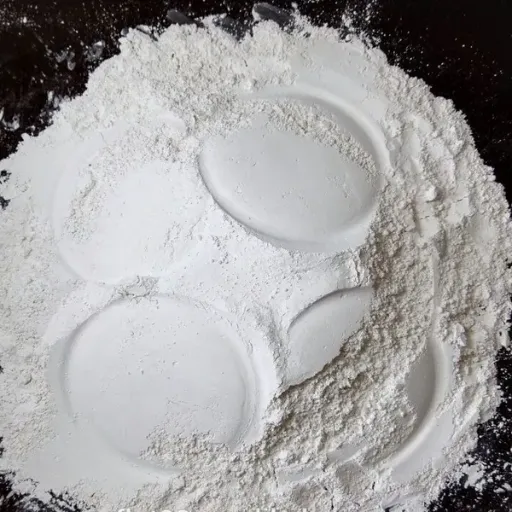
Reliable suppliers use standardized analytical methods to verify bone ash chemical composition. Understanding these methods helps you evaluate COA accuracy and compare suppliers objectively.
Common Analytical Techniques
X-ray fluorescence (XRF) for calcium, phosphorus, and trace element quantification
Inductively coupled plasma (ICP) analysis for precise elemental determination
Loss on ignition for burning loss measurement
pH meter in aqueous suspension for pH determination
Sieve analysis for particle size distribution
Why Test Method Matters
Different methods can produce slightly different results. A professional supplier states the test method on the COA so buyers can compare results consistently. If your incoming quality control uses a different method, discuss the correlation with your supplier.
Frequency of Testing
The best suppliers do not test only the final product. They test incoming raw bone, monitor calcination conditions, and verify finished batches. This layered approach to bone ash analysis catches variation before it reaches the buyer. When evaluating a supplier, ask how often they perform bone ash analysis and whether they retain samples from each batch for future comparison.
Interpreting Results for Your Process
Knowing the numbers is only the first step. You also need to know which values matter most for your application. For bone china, calcium, phosphorus, and iron are usually the critical values. For metallurgical mold release, consistency may matter more than meeting an exact calcium percentage. A good supplier helps you interpret bone ash chemical composition in the context of your process.
Feilong Bone Ash Chemical Composition Standards
Luohe Feilong Bone Carbon Co., Ltd. manufactures bone ash from defatted bovine bone blocks calcined at 1300°C. Our standard chemical composition targets for ceramic-grade bone ash are:
Calcium (Ca): ≥35.0%
Phosphorus (P): ≥16.0%
Iron (Fe): ≥0.05%
Burning loss: ≤1.0%
pH: 9.0–11.5
Every batch is tested before release, and a full COA accompanies every sample and shipment. Our documented bone ash chemical composition gives buyers confidence that each delivery will match their formulation requirements. We also offer 325 mesh and 400 mesh bone ash powder for applications where particle size is critical.
Our quality control process includes incoming material checks, calcination monitoring, and final batch verification. This controlled approach is how we maintain consistent bone ash chemical composition across domestic and export shipments.
Need a COA for your qualification process? Request a sample with full analysis and review our actual batch data before placing a bulk order.
How Bone Ash Composition Affects Your Production
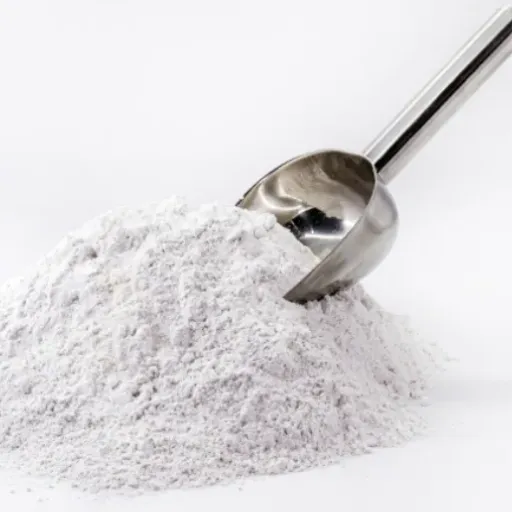
Understanding bone ash chemical composition helps you make better sourcing decisions. Here is how the numbers connect to real outcomes.
Calcium and Phosphorus Consistency
Stable Ca and P levels mean stable ceramic bodies. When these values shift, your slip viscosity, casting rate, fired color, and shrinkage can all change. The cost of adjusting production often exceeds any savings from a cheaper supplier.
Iron Control
Low iron is non-negotiable for white and translucent ware. Even if other values look good, high iron can ruin the visual quality of bone china.
Burning Loss
High burning loss means residual organic material. During firing, this material burns out and can cause porosity, discoloration, or surface defects. For high-grade ceramics, burning loss should be minimal.
Conclusion
Bone ash chemical composition is the foundation of every successful application. Calcium, phosphorus, iron, burning loss, and pH are not abstract numbers. They determine how the material performs in your ceramic body, metallurgical process, or other application.
Key takeaways:
Bone ash chemical composition determines performance in ceramics, metallurgy, and other applications
Calcium (Ca ≥35%) and phosphorus (P ≥16%) are the primary quality indicators
Iron must be controlled for white ceramic applications
Burning loss should be ≤1.0% for calcined ceramic-grade bone ash
Always request actual values, not just specification ranges, on a COA
Compare COAs across multiple batches before qualifying a supplier
The right supplier treats bone ash chemical composition as a controlled output, not a variable. They document every batch, explain their test methods, and help you interpret the results for your process. When you partner with a manufacturer who controls bone ash chemical composition from raw material through final testing, you reduce production risk and improve batch-to-batch consistency.
Want to evaluate Feilong bone ash for your application? Contact our technical team to request a sample with full COA, discuss your specification requirements, or get a bulk FOB quote.
Recently Posted
-
How Bone Ash Works as a Mold Release Agent in Metal Casting
September 2, 2026A small brass foundry in South Asia ran the same mold for fourteen years without changing its parting material, then switched to a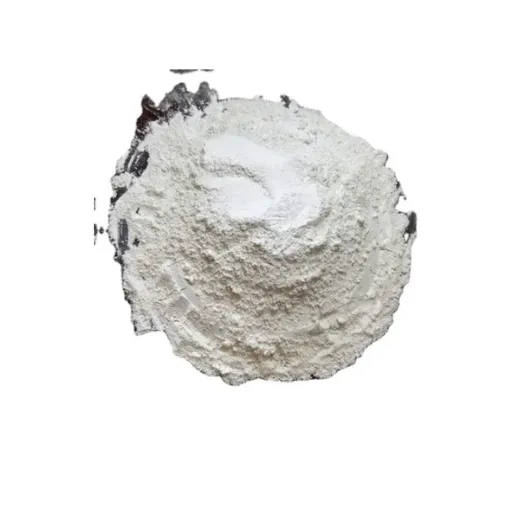 Read More
 -
Luohe Feilong Bone Carbon: Industrial Bone Ash Manufacturer Since 2011
August 17, 2026When a copper foundry in Turkey needs bone ash that releases cleanly from a sand mold at 1,100 degrees Celsius, or a bone china fa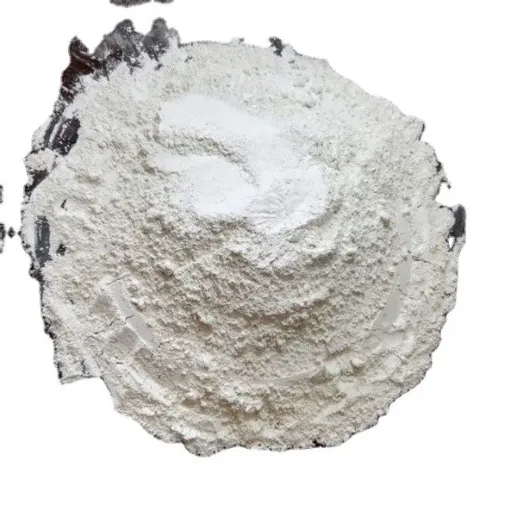 Read More
 -
Bone Ash in Copper Casting Mold Release: Application and Practical Guidance
August 14, 2026A copper sand casting foundry in India was producing electrical switch components that required a clean, smooth surface finish for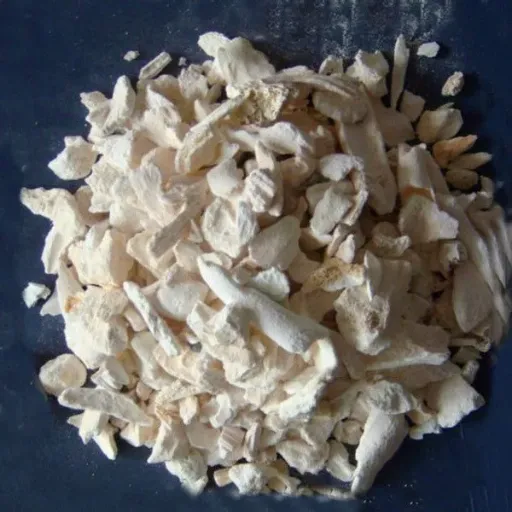 Read More
 -
How to Source Bone Ash for Foundry Applications: A Buyer's Checklist
August 13, 2026A purchasing manager at a brass foundry in Egypt ordered 20 metric tons of bone ash from a new supplier at a price roughly 25% bel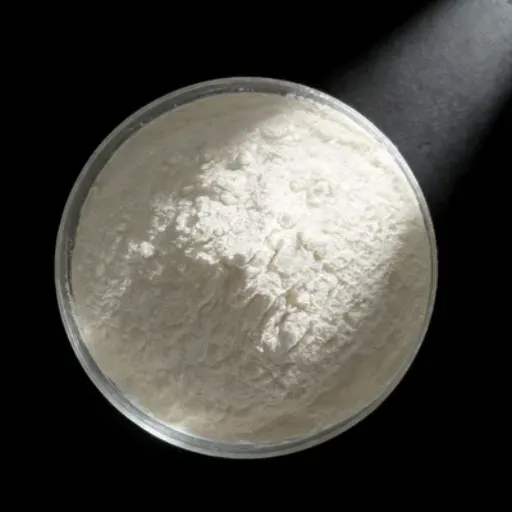 Read More

Contact Us
Recommended Products
-
 Manufacturer Sell Low Price Calcined Bone Ash or PowderUS$ 850MOQ: 5 Tons
 -
Manufacturer Sell Low Price Calcined Bone Ash or PowderUS$ 850MOQ: 5 Tons
-
Manufacturer Sell Low Price Calcined Bone Ash or PowderUS$ 850MOQ: 5 Tons
-
Sell Well Bone Ash for Mold Releasing UseUS$ 880 - 920MOQ: 5 Tons
-
Feilong Direct Sales Die-casting Water-soluble Mold Metal Release AgentUS$ 920MOQ: 5 Tons
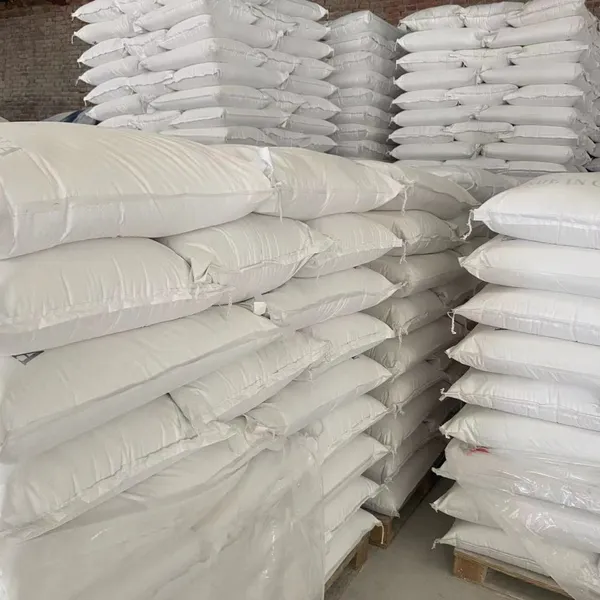
-
Natural Animal Bone AshUS$ 880 - 920MOQ: 5 Tons
-
China Manufacturer Supply Eco-Friendly Bone Ash PowderUS$ 890MOQ: 1 Ton
-
Calcined Bone Ash for Bone China With GoodPriceUS$ 880 - 920MOQ: 5 Tons
-
Synthetic Bone Ash for Ceramic With Good PriceUS$ 850MOQ: 5 Tons
-
Calcium and Phosphorus Powder - 325 MeshPowderUS$ 850MOQ: 5 Tons
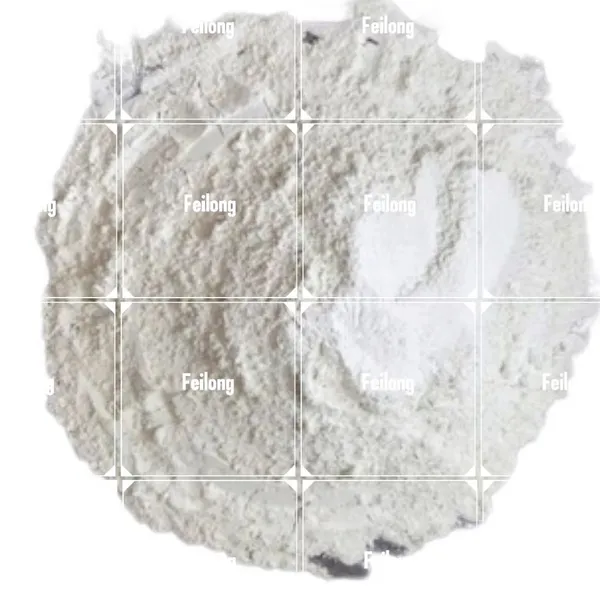
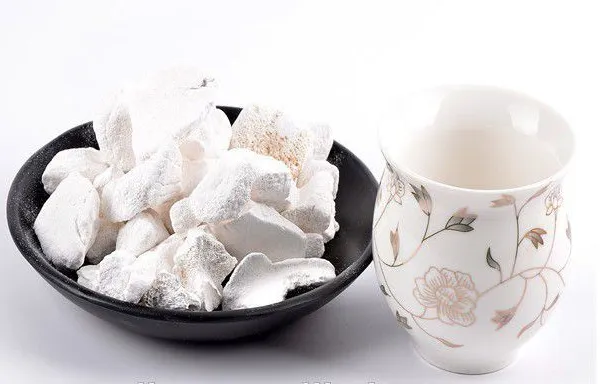
-
Calcium and Phosphorus Powder - 325 MeshPowderUS$ 850MOQ: 5 Tons
-
Calcium Stearate PVC PE Lubricant Mould-releasing Powder ManufacturerUS$ 850MOQ: 5 Tons
-
Reputed Supplier Selling Bone Ash Powder Which Meet With Environmental Standard As Animal FeedstuffUS$ 850MOQ: 5 Tons
-
Industrial Grade Bone Ash for Bone Ceramics and MetallurgyUS$ 900MOQ: 10 Tons
-
Animal Ashes Used for Bone ChinaUS$ 900MOQ: 5 Tons
-
Calcium and Phosphorus Powder - 325 MeshPowderUS$ 850MOQ: 5 Tons
-
High Quality Bone Ash for Mold Releasing Use/bone Ash PowderUS$ 850 - 880MOQ: 5 Tons
-
Manufacturer Sell Low Price Calcined Bone Ash or PowderUS$ 850MOQ: 5 Tons
-
Calcined Bone Ash for Bone China With GoodPriceUS$ 880MOQ: 5 Tons
-
High Quality Bone Ash for Mold Releasing Use/bone Ash PowderUS$ 880 - 920MOQ: 5 Tons