
 Business License

What Is Bone Ash Used For? 6 Industrial Applications Buyers Should Know
A procurement manager in Germany once placed a large order for "bone ash" only to discover after delivery that the material was ground bone meal, not calcined bone ash. The burning loss was too high, the calcium content was inconsistent, and an entire batch of ceramic body formulation had to be discarded.
That single sourcing mistake cost the company more than the material itself. It happened because the buyer did not fully understand what bone ash is used for, or how different applications demand different grades. Bone ash is not one universal product. The material used in fine bone china is chemically and physically different from the material used in metallurgical mold release or water treatment.
This guide answers the question "what is bone ash used for" with specific industrial applications, technical requirements for each use, and guidance on selecting the right grade. You will learn how calcined bone ash supports ceramics, metallurgy, water treatment, animal feed, and other specialized processes. We will also explain how Luohe Feilong Bone Carbon Co., Ltd. supplies the right bone ash grade for each application.
When buyers ask what is bone ash used for, they usually discover that the answer changes based on industry, product grade, and chemical composition. The same material has different bone ash uses depending on whether it is calcined for ceramics, processed for mold release, or carbonized for water treatment.
What Is Bone Ash?
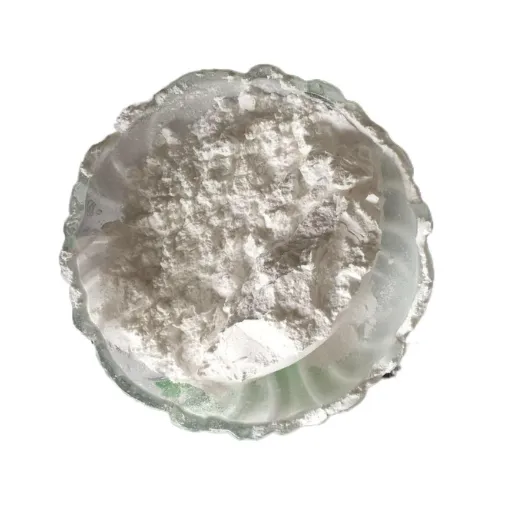
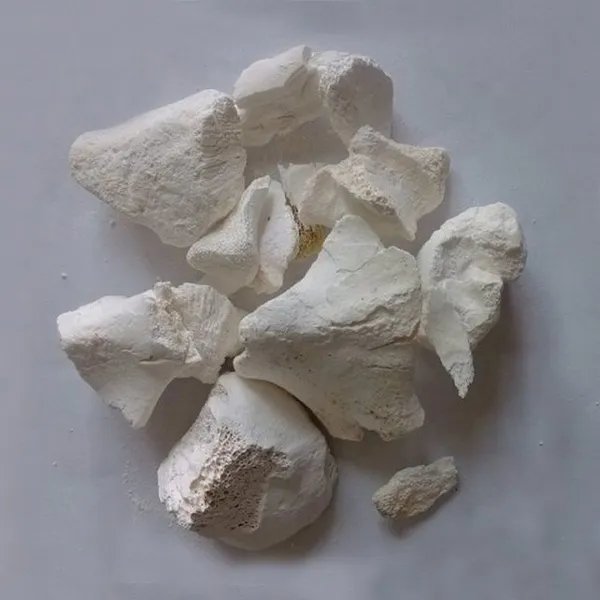
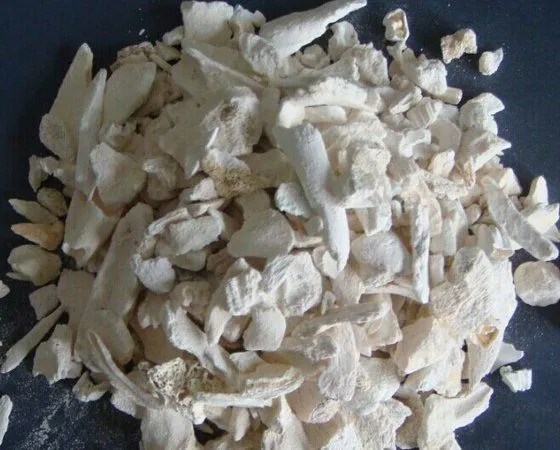
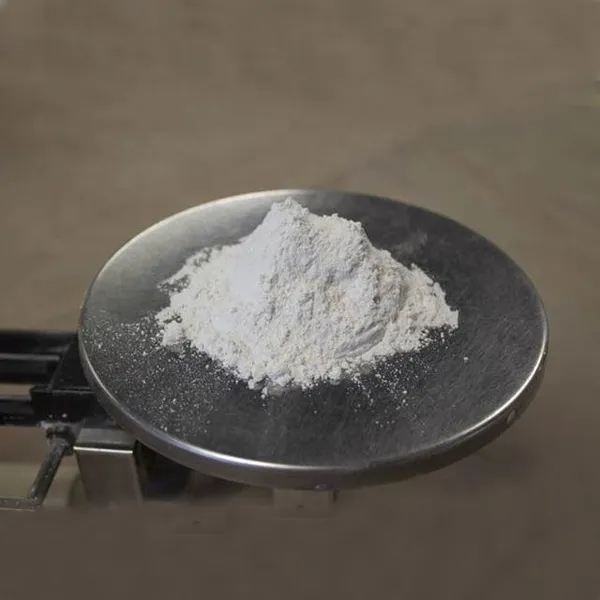
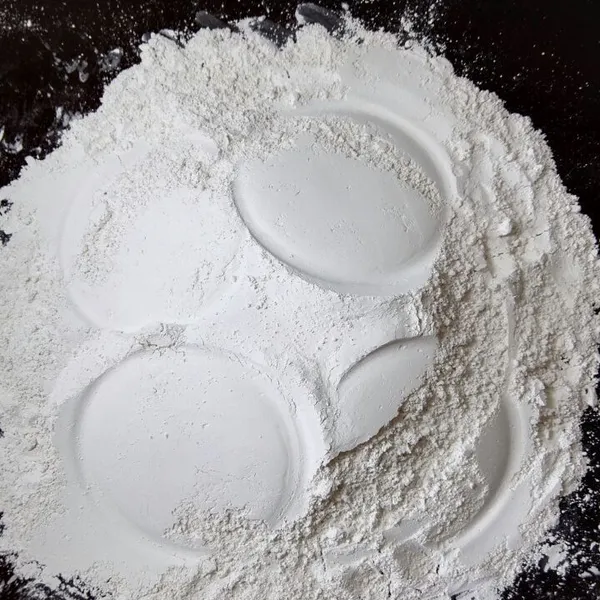
Before exploring applications, it helps to define the material itself. Bone ash is a white, crystalline powder produced by calcining defatted animal bones at high temperatures, typically around 1300°C. The calcination process removes organic matter and leaves a mineral composition rich in calcium phosphate and calcium carbonate.
If you want a deeper technical explanation of composition and production, see our guide on what is bone ash. For sourcing purposes, the key point is this: what is bone ash used for depends on chemistry, particle size, and production control.
Quality bone ash typically contains:
Calcium (Ca): ≥35.0%
Phosphorus (P): ≥16.0%
Iron (Fe): controlled at low levels, typically ≥0.05%
Burning loss: ≤1.0%
pH: 9.0–11.5
These values matter because each application stresses different properties. Ceramic manufacturers need low iron and fine particle size. Metallurgical buyers need thermal stability and non-wetting behavior. Feed producers need digestible calcium and phosphorus. Water treatment applications rely on the porous structure of bone carbon, a related but distinct material. Once you understand what bone ash is used for, these specification differences become easier to interpret.
Want to understand the production process behind these specifications? Learn more about Feilong's 1300°C calcination process and how controlled heating creates consistent industrial-grade bone ash.
Bone Ash in Ceramics and Bone China Production
The most well-known answer to "what is bone ash used for" is bone china manufacturing. Bone ash gives bone china its characteristic translucency, strength, and whiteness. When people first ask what is bone ash used for, this ceramic application is usually the reason. Traditional bone china formulations typically use 40-50% bone ash in the ceramic body.
To understand what is bone ash used for in ceramics, it helps to look at how the material behaves in the firing process.
Why Bone Ash Matters in Ceramics
Bone ash contributes three critical properties to fine ceramics:
Translucency: The calcium phosphate structure allows light to pass through thin-walled ware
Strength: Bone ash increases the mechanical strength of fired ceramic bodies
Whiteness: Properly calcined bone ash produces a bright white color when fired
Ceramic-grade bone ash must meet strict quality standards. Iron content must be low because even small amounts cause yellowing or graying. Particle size must be controlled, usually at 325 mesh or 400 mesh, to ensure proper slip viscosity and fired density. Learn more about particle size selection in our guide on 325 mesh and 400 mesh bone ash powder. For additional context on how particle size affects ceramic outcomes, see Ceramic Arts Network.
Ceramic Applications Beyond Bone China
While bone china is the most famous use, bone ash also appears in:
Fine porcelain production
High-grade tableware
Artistic ceramics requiring translucency
Specialized refractory formulations
A ceramic technical buyer in Stoke-on-Trent spent months qualifying bone ash sources for a new bone china line. One supplier's material looked white and fine but caused unpredictable shrinkage during firing. The COA showed calcium content varying between 33% and 37% across batches. After switching to a vertically integrated manufacturer with controlled calcination, batch variation dropped and rejected ware decreased by 12%. The right grade of bone ash for ceramics does not just meet a spec sheet. It performs consistently in production.
Bone Ash in Metallurgy and Mold Releasing
Another major industrial answer to "what is bone ash used for" is mold releasing in metallurgy and metal casting. In foundry operations, bone ash prevents molten metal from adhering to mold surfaces. For those asking what is bone ash used for outside of ceramics, metallurgy is often the second most important answer.
How Bone Ash Works as a Mold Release Agent
What is bone ash used for in foundry work? Bone ash has natural non-wetting properties against many metals. When applied to mold surfaces, it creates a thin barrier that:
Reduces metal adhesion to molds
Improves surface finish on cast parts
Provides mild thermal insulation
Extends mold life by reducing thermal shock and sticking
Mold-releasing bone ash is used in die casting, investment casting, permanent mold casting, and forging operations. The grade required for metallurgy may differ from ceramic-grade bone ash in particle size and chemical tolerance, but the core material remains calcined bone ash.
Foundry Applications
Foundries use bone ash for:
Aluminum die casting
Copper alloy casting
Precision investment casting
Forging dies and tooling
A foundry operations manager in South Korea noticed recurring surface defects on aluminum castings. The team traced the issue to an inconsistent mold release coating blended from multiple sources. After standardizing on a single-source mold-releasing bone ash, mold release performance stabilized and rework dropped. The change confirmed that bone ash applications in metallurgy depend as much on supply consistency as on chemistry.
Bone Ash in Water Treatment: Bone Carbon and Bone Char
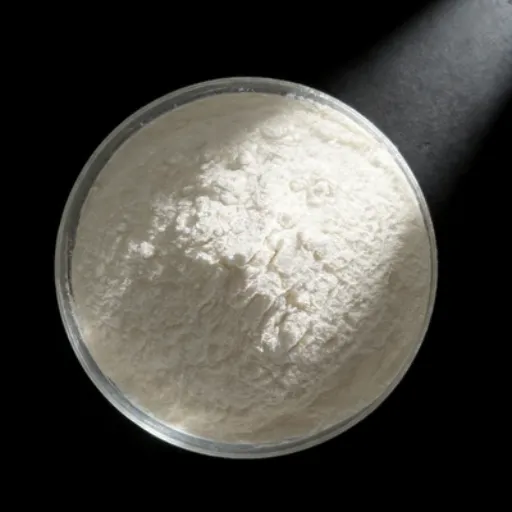
When buyers ask "what is bone ash used for," water treatment is sometimes overlooked. The reason is that water treatment typically uses bone carbon, also called bone char, rather than white calcined bone ash. Both materials come from defatted bovine bone, but bone carbon is produced under controlled carbonization conditions that preserve a porous carbon structure. So when the question is what is bone ash used for in water treatment, the practical answer usually points to bone carbon.
How Bone Carbon Works
Bone carbon removes contaminants through two mechanisms:
Adsorption: The porous carbon structure captures organic compounds, colorants, and some dissolved substances
Ion exchange: The calcium phosphate content interacts with fluoride and certain metal ions
Water Treatment Applications
What is bone ash used for in water treatment? Bone carbon is used in:
Municipal and industrial decolorization
Sugar refining and syrup purification
Fluoride reduction in specific regions
Specialty filtration systems
Natural organic matter removal
For a detailed look at this application, see our article on bone carbon for water treatment. While bone carbon is technically different from bone ash, it belongs to the same family of bone-derived industrial materials and is produced by manufacturers with similar raw material control.
Bone Ash in Animal Feed and Nutrition
Bone-derived materials also serve the animal feed industry, though the grade used in feed differs from calcined ceramic bone ash. When considering what is bone ash used for in agriculture and nutrition, the focus shifts from high-temperature calcined powder to bone-derived minerals that animals can digest. Feed applications use bone granules, bone powder, calcium hydrogen phosphate, and related materials that provide digestible calcium and phosphorus.
Feed-Grade Bone Products
What is bone ash used for in animal nutrition? Common bone-derived feed materials include:
Bone granules: Sized calcium and phosphorus source for feed formulations
Bone powder: Finely ground bone material for mineral supplementation
Calcium hydrogen phosphate: A feed-grade mineral supplement produced from bone sources
Defatted non-degelatinized bone granules: A specialized feed ingredient with controlled protein content
These products support livestock nutrition by supplying essential minerals. Unlike ceramic bone ash, feed-grade materials are not calcined at 1300°C. They retain nutritional properties that make the calcium and phosphorus bioavailable to animals.
A feed formulator in Southeast Asia switched from a synthetic calcium phosphate to a bone-derived feed-grade bone granule product. The change reduced formula cost while maintaining phosphorus digestibility. The key was sourcing from a manufacturer who could document composition and supply consistent batch quality, because feed formulations are sensitive to mineral variation.
Other Bone Ash Applications and Emerging Uses
Beyond the four major categories above, bone ash has several specialized applications. These smaller markets also help answer what is bone ash used for in technical and research settings.
Laboratory and Analytical Uses
Bone ash has historically been used in laboratory settings as a source of calcium phosphate. Some analytical procedures and reference materials use calcined bone material because of its stable mineral composition.
Specialized Refractories
In certain refractory applications, bone ash contributes to thermal properties and chemical stability. These uses are more niche but demonstrate the material's versatility.
Traditional and Artisan Uses
Bone ash has been used in specialized glazes, pottery traditions, and artisan ceramic work. While these are smaller markets than industrial bone china production, they show how long the material has been valued for its unique fired properties.
Emerging Applications
Research continues into bone-derived materials for applications such as:
Biomedical calcium phosphate sources
Advanced ceramic composites
Environmental remediation
These applications are not yet mainstream industrial markets, but they reflect the ongoing relevance of bone ash as a raw material.
How to Choose the Right Bone Ash Grade for Your Application
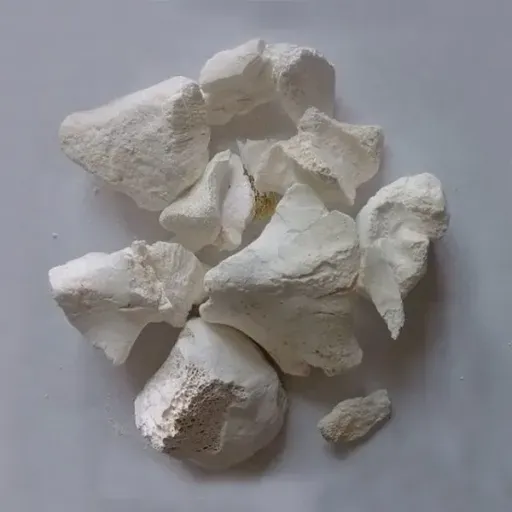
Understanding what bone ash is used for is only the first step. Once you know what is bone ash used for in your industry, selecting the right grade requires matching specifications to your process.
Key Selection Factors
What is bone ash used for determines which specifications matter most. Use this framework when sourcing bone ash:
Application: Ceramic, metallurgical, feed, or water treatment
Chemical composition: Ca, P, Fe, and burning loss requirements
Particle size: 325 mesh, 400 mesh, or granular form
Purity and contamination limits: Critical for ceramics and feed
Certification and documentation: COA, export paperwork, regulatory compliance
Questions to Ask Your Supplier
Do you manufacture bone ash in your own facility?
What calcination temperature do you use?
Can you provide a COA for each batch?
What mesh sizes or grades are available?
Do you have experience exporting to our market?
Feilong supplies bone ash for ceramics, mold-releasing bone ash, bone carbon for water treatment, and feed-grade bone products. Each product line is manufactured with application-specific quality control.
Not sure which grade fits your process? Request a sample with full COA and test the material in your actual formulation before committing to bulk volume.
Feilong Bone Ash Applications and Product Range
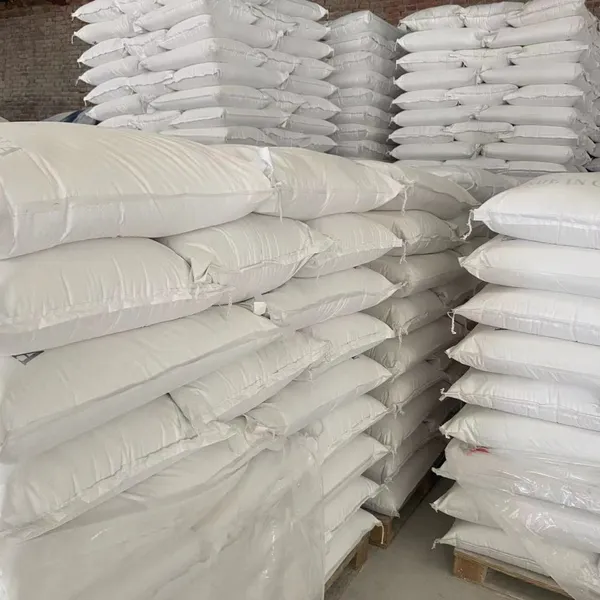
Luohe Feilong Bone Carbon Co., Ltd. has manufactured bone-derived raw materials for over 20 years. Our vertically integrated factory controls production from defatted bovine bone blocks through calcination, grinding, and packaging. This means we can answer what is bone ash used for across multiple industries with the right product for each application.
Products by Application
Feilong's product range directly answers what is bone ash used for across industries:
Ceramics: Bone ash powder in 325 mesh and 400 mesh for bone china and fine porcelain
Metallurgy: Mold-releasing bone ash for foundry and casting operations
Water treatment: Bone carbon / bone char for decolorization and filtration
Animal feed: Bone granules, bone powder, calcium hydrogen phosphate, and feed-grade oil
Quality Standards Across Applications
Our calcined bone ash products are produced at 1300°C with controlled chemical composition. Every batch is tested and documented. Whether you need ceramic-grade bone ash or a metallurgical grade, we provide the COA and technical support your procurement team needs.
Conclusion
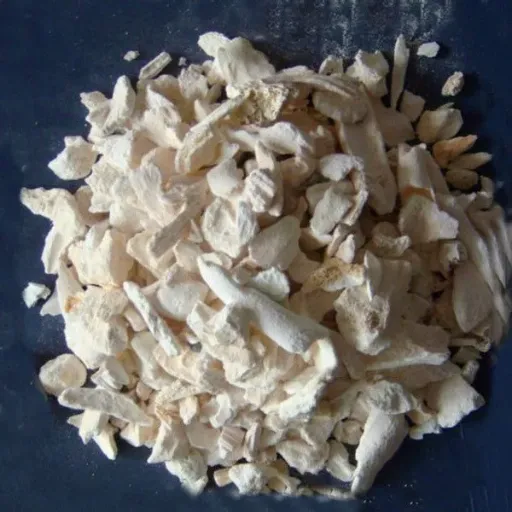
What is bone ash used for? The answer spans ceramics, metallurgy, water treatment, animal feed, and several specialized industrial applications. Each use case demands specific chemical composition, particle size, and production control. Buyers who understand what is bone ash used for are better positioned to source the right grade and avoid costly formulation mistakes.
Key takeaways:
Bone china production is the largest and best-known use for calcined bone ash
Metallurgical mold release depends on bone ash's non-wetting and thermal properties
Water treatment uses bone carbon, a related porous material derived from bone
Animal feed relies on bone granules and calcium phosphates, not high-temperature calcined ash
Grade selection should match your application, process, and quality requirements
The right bone ash supplier does more than deliver white powder. They understand the difference between ceramic-grade, metallurgical-grade, and feed-grade materials, and they can document consistency from batch to batch. This matters because what is bone ash used for determines how the material must perform in your specific process.
Looking for bone ash for your specific application? Contact our technical team to discuss your requirements, request a sample with COA, or get a bulk FOB quote for your next order.
Recently Posted
-
High Purity Bone Ash: Specifications, Benefits, and Ceramic Applications
July 1, 2026A procurement manager at a bone china factory in Germany once rejected three container loads of bone ash because the iron content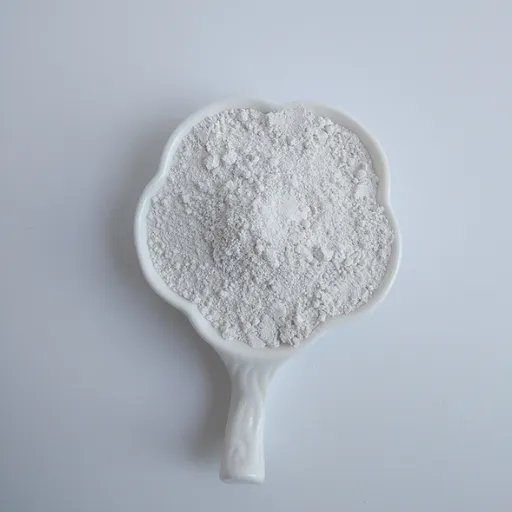 Read More
 -
Bone Ash for Ceramic Production: Specifications, Benefits, and Sourcing
July 1, 2026Maria Chen, a procurement manager at a mid-sized bone china factory in Vietnam, still remembers the shipment that nearly shut down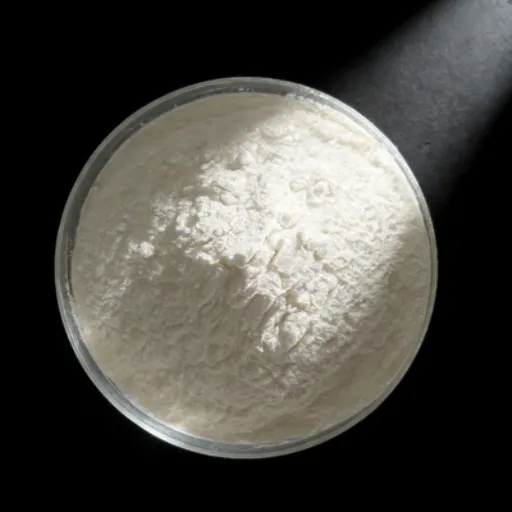 Read More
 -
Bone Ash Wholesale 2026: Volume Pricing and Sourcing Guide
July 1, 2026In March 2026, a ceramics buyer in Poland placed what she thought was a straightforward order: 25 metric tons of 325 mesh bone ash Read More
 -
Bone Ash Price Per Ton 2026: A Procurement Manager's Guide
July 1, 2026Maria Chen, a procurement manager at a mid-sized ceramics factory in Vietnam, received three quotes for 20 metric tons of ceramic- Read More

Contact Us
Recommended Products
-
 Manufacturer Sell Low Price Calcined Bone Ash or PowderUS$ 850MOQ: 5 Tons
 -
Manufacturer Sell Low Price Calcined Bone Ash or PowderUS$ 850MOQ: 5 Tons
-
Manufacturer Sell Low Price Calcined Bone Ash or PowderUS$ 850MOQ: 5 Tons
-
Sell Well Bone Ash for Mold Releasing UseUS$ 880 - 920MOQ: 5 Tons
-
Feilong Direct Sales Die-casting Water-soluble Mold Metal Release AgentUS$ 920MOQ: 5 Tons
-
Natural Animal Bone AshUS$ 880 - 920MOQ: 5 Tons
-
China Manufacturer Supply Eco-Friendly Bone Ash PowderUS$ 890MOQ: 1 Ton
-
Calcined Bone Ash for Bone China With GoodPriceUS$ 880 - 920MOQ: 5 Tons
-
Synthetic Bone Ash for Ceramic With Good PriceUS$ 850MOQ: 5 Tons
-
Calcium and Phosphorus Powder - 325 MeshPowderUS$ 850MOQ: 5 Tons
-
Calcium and Phosphorus Powder - 325 MeshPowderUS$ 850MOQ: 5 Tons
-
Calcium Stearate PVC PE Lubricant Mould-releasing Powder ManufacturerUS$ 850MOQ: 5 Tons
-
Reputed Supplier Selling Bone Ash Powder Which Meet With Environmental Standard As Animal FeedstuffUS$ 850MOQ: 5 Tons
-
Industrial Grade Bone Ash for Bone Ceramics and MetallurgyUS$ 900MOQ: 10 Tons
-
Animal Ashes Used for Bone ChinaUS$ 900MOQ: 5 Tons
-
Calcium and Phosphorus Powder - 325 MeshPowderUS$ 850MOQ: 5 Tons
-
High Quality Bone Ash for Mold Releasing Use/bone Ash PowderUS$ 850 - 880MOQ: 5 Tons
-
Manufacturer Sell Low Price Calcined Bone Ash or PowderUS$ 850MOQ: 5 Tons
-
Calcined Bone Ash for Bone China With GoodPriceUS$ 880MOQ: 5 Tons
-
High Quality Bone Ash for Mold Releasing Use/bone Ash PowderUS$ 880 - 920MOQ: 5 Tons