
 Business License

Ceramic Bone Ash Supplier: How to Source High-Purity Material for Bone China Production
A single batch of off-spec bone ash can ruin an entire kiln of bone china. Yet many ceramic manufacturers still choose their ceramic bone ash supplier based on price alone, only to discover months later that inconsistent calcium and phosphorus levels are causing cracks, discoloration, and rejected ware.
If you source raw materials for ceramic production, you already know that bone ash is not a commodity. The right supplier controls calcination temperature, particle size, and chemical composition in ways that directly affect your finished product. This guide explains what to look for in a ceramic bone ash supplier, which specifications matter most for bone ash used in ceramics, and how to avoid the sourcing mistakes that cost factories time and money.
You will learn how to evaluate bone ash quality, the difference between trading companies and a dedicated bone ash manufacturer, and the questions every procurement manager should ask before placing an order. We will also show how Feilong's factory-direct production supports manufacturers who need reliable bone ash for ceramics.
What to Look for in a Ceramic Bone Ash Supplier
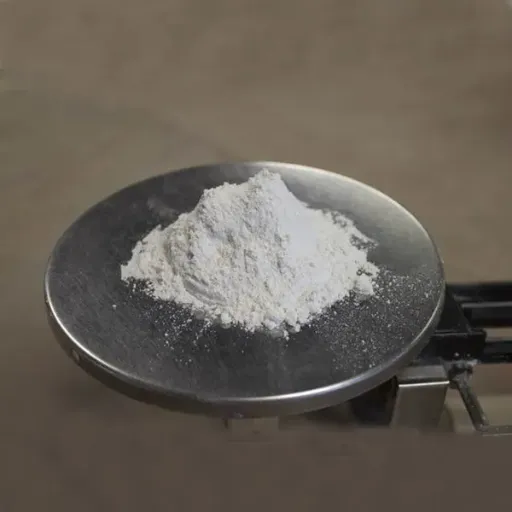
Bone china production depends on bone ash more than almost any other raw material. As one of the essential bone china raw materials, manufacturers typically use 40-50% bone ash in the ceramic body, according to traditional bone china formulations, which means its quality directly affects translucency, strength, whiteness, and firing behavior.
A reliable ceramic bone ash supplier must deliver more than just a white powder. You need a partner who understands ceramic manufacturing requirements and can document every batch. When evaluating a ceramic bone ash supplier, focus on these capabilities:
Consistent chemical composition across every batch
Particle size control for your specific formulation
Production traceability from raw material to finished product
Export documentation and stable logistics for international orders
Technical support when formulation issues arise
Price matters, but it is not the top priority for most serious ceramic producers. Batch-to-batch inconsistency costs far more than a slightly higher per-ton price. When bone ash calcium content shifts by even a small margin, your entire body formulation may need adjustment, wasting material and production time. The best ceramic bone ash supplier balances competitive pricing with documented quality control.
Want to see what ceramic-grade bone ash looks like at the specification level? Explore our ceramic-grade bone ash product details, including standard chemical composition and mesh options.
Key Quality Indicators for Ceramic-Grade Bone Ash
Before you compare suppliers, understand the specifications that separate industrial-grade bone ash from material suitable for fine ceramics. A knowledgeable ceramic bone ash supplier will explain these indicators and show you batch test data for each one.
Chemical Composition
Calcined bone ash is primarily calcium phosphate and calcium carbonate. For ceramic use, the most critical values are:
Calcium (Ca): ≥35.0%
Phosphorus (P): ≥16.0%
Iron (Fe): controlled at low levels, typically ≥0.05%
Burning loss: ≤1.0%
pH: 9.0–11.5
These values define high-quality calcined bone ash for ceramic applications. If you are new to this material, our guide on what is bone ash explains the production process in detail. Iron content deserves special attention. Even trace amounts above acceptable levels can cause yellowing or graying in white bone china. A qualified ceramic bone ash supplier tests every batch and provides a Certificate of Analysis (COA) documenting these values. Ask any prospective supplier for historical COAs before you place your first order.
Particle Size and Mesh
Most ceramic formulations use calcined bone ash in 325 mesh or 400 mesh fineness. Mesh size affects slip viscosity, body plasticity, and fired density. Your ceramic bone ash supplier should offer both grades and help you select the right one for your product line.
325 mesh bone ash: Standard fineness for most bone china and fine porcelain
400 mesh bone ash: Finer powder for high-grade, thin-walled, or highly translucent ware
The mesh size you choose should match your forming process and final product requirements. If your supplier cannot consistently deliver the specified particle size, your production line will suffer from variable slip behavior and firing results. Reputable suppliers grind and size every batch to specification rather than blending material from unknown sources. For more on how particle size affects ceramic outcomes, see Ceramic Arts Network.
Physical Properties
Beyond chemistry, ceramic buyers should evaluate physical properties that affect handling, storage, and processing:
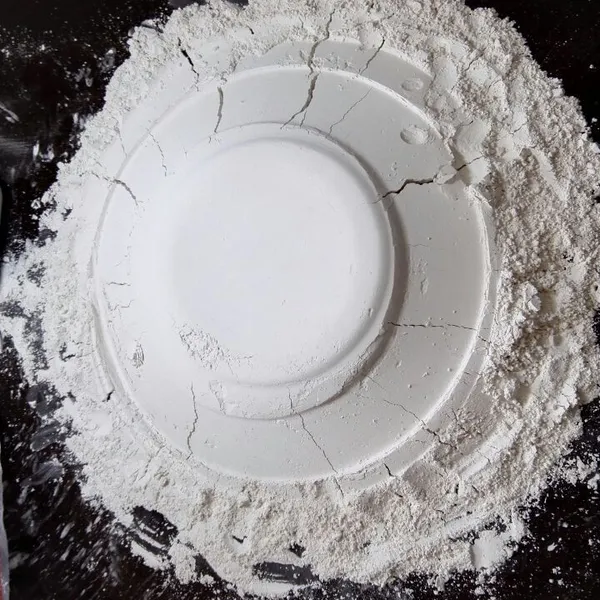
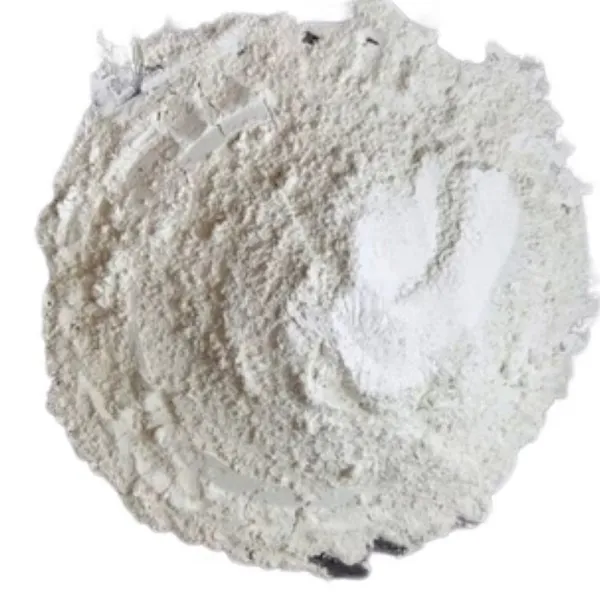
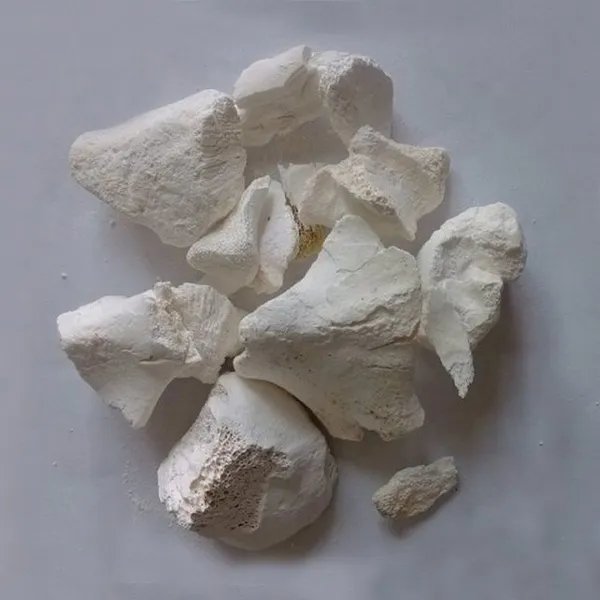
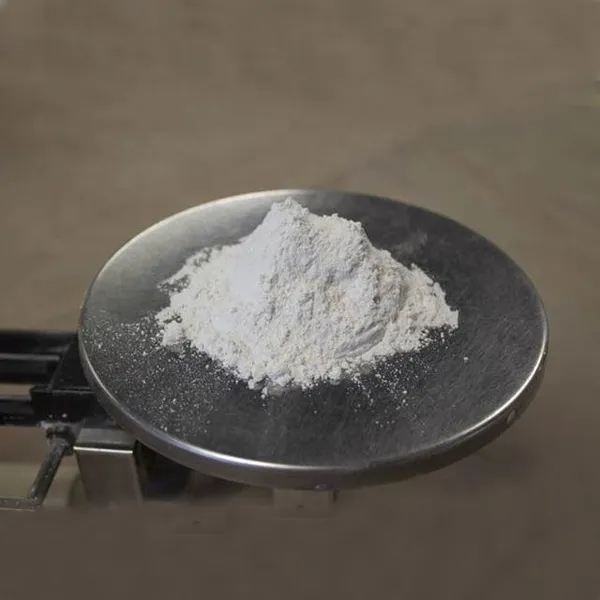
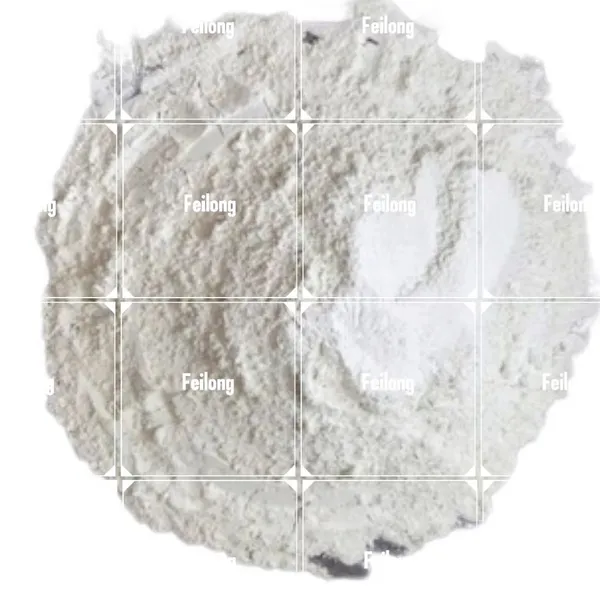
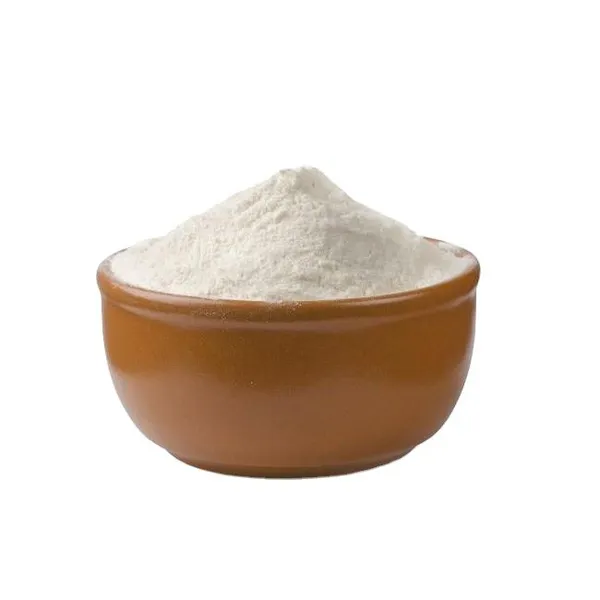
Color: White crystalline powder indicates proper calcination
Moisture content: Must be low enough for stable storage and handling
Bulk density: Affects batch weighing accuracy and mixing uniformity
Purity: Free from foreign particles and contamination
A supplier who cannot explain these properties or provide supporting test data is unlikely to meet the demands of professional ceramic manufacturing. The best ceramic bone ash supplier treats these ceramic-grade bone ash specifications as standard documentation, not optional extras.
Manufacturer vs. Trading Company: Why the Difference Matters
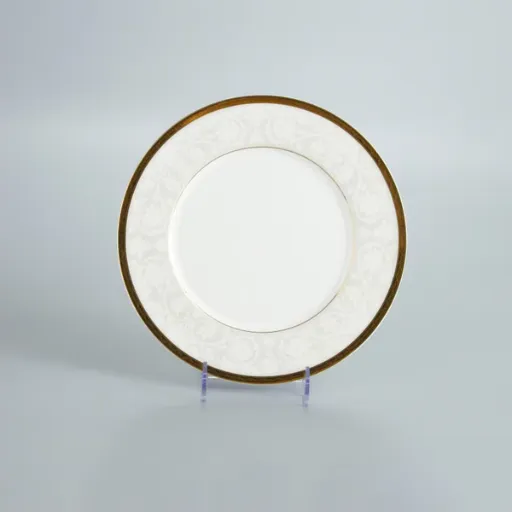
When searching for bone ash for ceramics, you will encounter two types of companies: manufacturers who own production facilities and trading companies who buy and resell material.
The difference is not just academic. It affects quality consistency, technical support, pricing transparency, and supply reliability. Understanding this distinction helps you choose a ceramic bone ash supplier who can meet your long-term production needs.
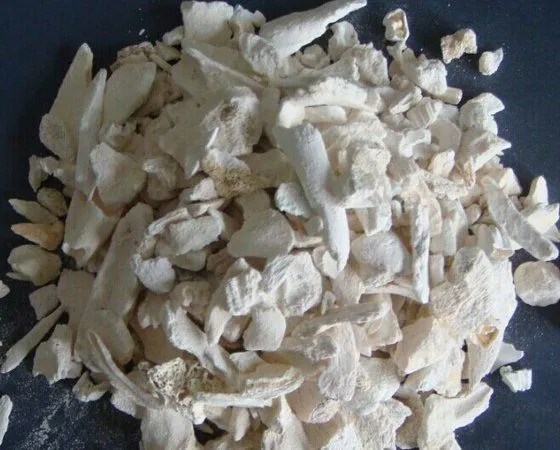
Manufacturers control the entire production chain. A true bone ash manufacturer selects raw bovine bone, manages defatting, operates calcination furnaces, controls grinding and sizing, and tests every batch. Trading companies, by contrast, source material from multiple workshops and blend or repackage it. This creates several risks:
Variable raw material sources between batches
No direct control over calcination temperature or time
Limited technical knowledge when problems arise
Less predictable supply during peak demand periods
Maria, a procurement manager at a porcelain factory in southern China, learned this lesson the hard way. Her company switched to a low-cost trading company for bone ash to reduce material costs by 8%. Within three months, the factory saw increased breakage rates during firing and a measurable drop in translucency. After investigation, the COAs showed calcium content ranging from 33% to 38% across four consecutive batches. The savings from the cheaper supplier were erased by a 15% increase in rejected product. A vertically integrated ceramic bone ash supplier would have controlled the calcination process and prevented that variation.
How to Evaluate a Ceramic Bone Ash Supplier
Selecting the right supplier requires more than reviewing a price list. Use this framework to compare ceramic bone ash supplier candidates objectively and reduce sourcing risk.
Request a Certificate of Analysis
Every serious supplier should provide a COA with each sample and shipment. Review the COA for:
Actual test values, not just specification ranges
Batch or lot numbers for traceability
Test method references
Date of analysis
Compare COAs across multiple batches if possible. Wide variation in calcium, phosphorus, or iron content is a red flag. A trustworthy ceramic bone ash supplier keeps consistent records and shares them without hesitation.
Test Samples in Your Own Formulation
Never commit to a bulk order without running qualification samples. Test the bone ash in your actual body recipe, slip preparation process, and firing schedule. Measure the results against your current material or your internal quality standards. Any ceramic bone ash supplier worth considering will encourage this step.
Pay attention to:
Slip viscosity and casting rate
Fired color and translucency
Strength and thermal shock resistance
Dimensional stability
A good ceramic bone ash supplier will provide sample quantities starting from 1 kg and support your qualification process with technical guidance.
Verify Production Control
Ask potential suppliers specific questions about their manufacturing process. The answers reveal whether you are dealing with a true ceramic bone ash manufacturer or a middleman:
Do you own your calcination facility?
What temperature do you use for calcination?
How do you control particle size after calcination?
What quality tests do you run on each batch?
Can you provide production records or audit access?
Suppliers who hesitate to answer these questions may not have the production control they claim.
Check Export and Logistics Capability
If you are sourcing internationally, confirm that the supplier understands export requirements for animal-derived industrial materials. This includes packaging standards, customs documentation, and shipping schedules.
Feilong exports bone ash directly to buyers in Germany, South Korea, the United States, and other markets. Our production process page explains how we control calcination at 1300°C from raw material through final packaging.
Ready to test bone ash in your ceramic formulation? Request a sample with full COA and evaluate our 325 mesh or 400 mesh grades in your own process.
Common Sourcing Mistakes When Choosing a Ceramic Bone Ash Supplier
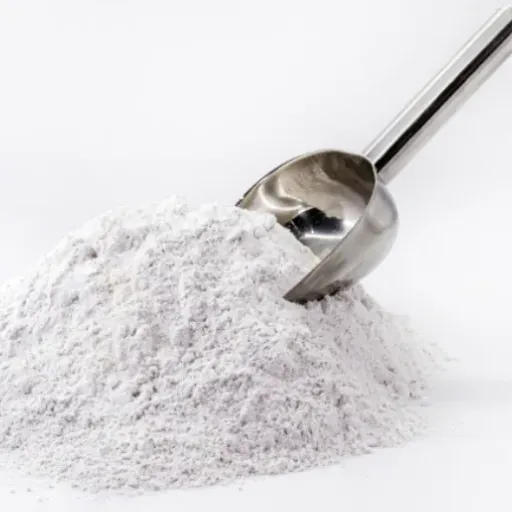
Even experienced procurement managers make mistakes when sourcing bone ash. Avoid these common pitfalls.
Choosing Solely on Price
The lowest price often hides inconsistent quality, insufficient testing, or unreliable supply. Calculate total cost including rejected ware, reformulation time, and production delays. A slightly higher price from a controlled ceramic bone ash supplier usually costs less over a full production year.
Ignoring Mesh Size Requirements
Ordering 325 mesh when your process needs 400 mesh, or vice versa, leads to formulation problems. Match the specification to your application and confirm the grade on every order.
Skipping Sample Qualification
A low sample cost is nothing compared to the cost of discovering quality problems after a full container arrives. Always test before committing to volume.
Overlooking Export Documentation
Animal-derived materials face specific import regulations in many countries. Confirm that your ceramic bone ash supplier can provide the necessary certificates and customs support.
Failing to Ask About Supply Capacity
A supplier may produce excellent samples but lack the monthly capacity to support your production. Ask about regular output, peak season availability, and lead times.
What to Expect from a Reliable Ceramic Bone Ash Supplier
A dependable ceramic bone ash supplier acts as a manufacturing partner, not just a vendor. Here is what professional ceramic buyers should expect.
Consistent Batch Quality
Every shipment should match the agreed specification. Variation should be minimal and documented. This stability lets you run continuous production without constant formulation adjustments.
Technical Responsiveness
When you have a question about calcium content, firing behavior, or mesh selection, your supplier should provide a knowledgeable answer. Technical support is especially valuable during new product development or process changes.
Transparent Documentation
COAs, material safety data, and export paperwork should arrive on time and without errors. Delays in documentation can delay shipments and disrupt production schedules.
Flexible Order Quantities
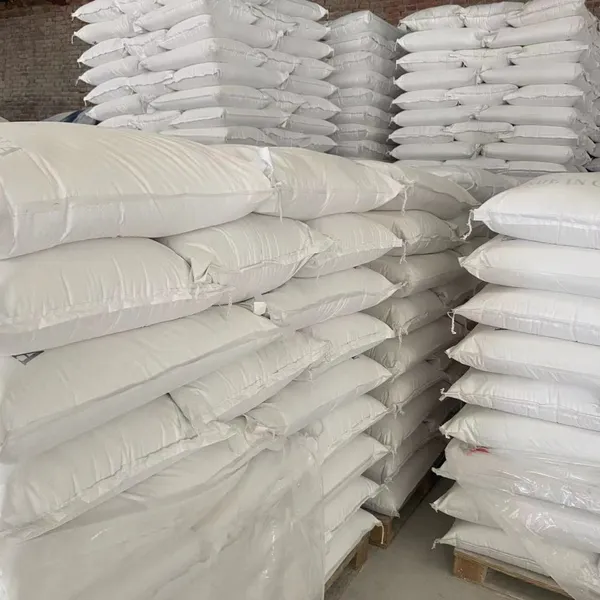
Look for suppliers who offer sample quantities for testing and reasonable minimum order quantities for bulk procurement. Feilong provides samples from 1 kg and standard bulk orders starting from 1 metric ton.
David, a technical buyer at a bone china manufacturer in Europe, spent six months qualifying new bone ash sources. One supplier sent beautiful white powder but could not explain why the iron content fluctuated. Another offered attractive pricing but refused to provide production facility details. The supplier he finally selected answered every technical question, shared consistent COAs across five sample batches, and invited him to review the production process. That transparency became the deciding factor.
Feilong: A Ceramic Bone Ash Supplier with Factory-Direct Production
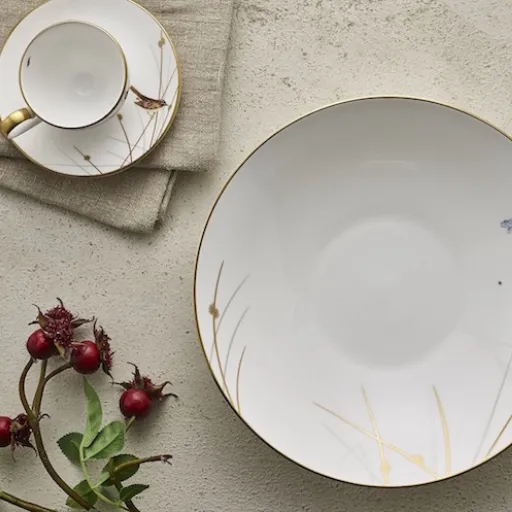
Luohe Feilong Bone Carbon Co., Ltd. has manufactured bone-derived raw materials for over 20 years. As a ceramic bone ash supplier with owned production facilities, we control every step of bone ash production, from defatted bovine bone blocks through 1300°C calcination to final grinding and packaging.
For ceramic manufacturers, we supply bone ash for ceramics and related bone china raw materials:
Bone ash with Ca ≥35.0%, P ≥16.0%, and low iron content
325 mesh bone ash powder for standard bone china production
400 mesh bone ash powder for high-grade and thin-walled ceramics
Full COA with every sample and shipment
Export documentation and logistics support
Our 325 mesh and 400 mesh bone ash powder options let you select the exact particle size your formulation requires.
Conclusion
Choosing the right ceramic bone ash supplier is one of the most important sourcing decisions a bone china manufacturer can make. The supplier you select directly affects your product quality, production consistency, and bottom line.
Focus on suppliers who can demonstrate production control, provide verified specifications, and support your technical needs. Request samples, compare COAs across batches, and test materials in your own process before committing to volume.
Key takeaways:
Bone ash quality depends on consistent chemical composition, particle size, and physical properties.
Manufacturers with owned factories typically offer better batch consistency than trading companies.
Always request a COA and run sample qualification before placing bulk orders.
Export capability and documentation matter for international buyers.
Price should be evaluated against total cost, including quality risk and supply reliability.
Looking for a ceramic bone ash supplier with factory-direct production and 20 years of manufacturing experience? Contact our technical team to discuss your specifications, request a sample with COA, or get a bulk FOB quote for your next order.
Recently Posted
-
Luohe Feilong Bone Carbon: Industrial Bone Ash Manufacturer Since 2011
August 17, 2026When a copper foundry in Turkey needs bone ash that releases cleanly from a sand mold at 1,100 degrees Celsius, or a bone china fa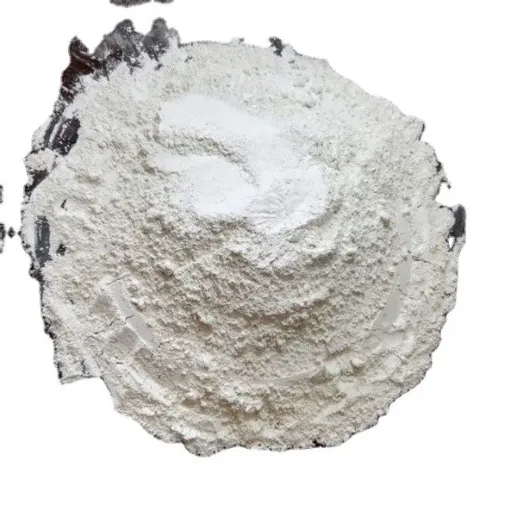 Read More
 -
Bone Ash in Copper Casting Mold Release: Application and Practical Guidance
August 14, 2026A copper sand casting foundry in India was producing electrical switch components that required a clean, smooth surface finish for Read More
 -
How to Source Bone Ash for Foundry Applications: A Buyer's Checklist
August 13, 2026A purchasing manager at a brass foundry in Egypt ordered 20 metric tons of bone ash from a new supplier at a price roughly 25% bel Read More
 -
Bone Ash vs Graphite Powder for Non-Ferrous Metal Mold Release
August 12, 2026A brass foundry in Southeast Asia switched from bone ash to a lower-cost graphite powder for its sand casting release agent, expec Read More

Contact Us
Recommended Products
-
 Manufacturer Sell Low Price Calcined Bone Ash or PowderUS$ 850MOQ: 5 Tons
 -
Manufacturer Sell Low Price Calcined Bone Ash or PowderUS$ 850MOQ: 5 Tons
-
Manufacturer Sell Low Price Calcined Bone Ash or PowderUS$ 850MOQ: 5 Tons
-
Sell Well Bone Ash for Mold Releasing UseUS$ 880 - 920MOQ: 5 Tons
-
Feilong Direct Sales Die-casting Water-soluble Mold Metal Release AgentUS$ 920MOQ: 5 Tons
-
Natural Animal Bone AshUS$ 880 - 920MOQ: 5 Tons
-
China Manufacturer Supply Eco-Friendly Bone Ash PowderUS$ 890MOQ: 1 Ton
-
Calcined Bone Ash for Bone China With GoodPriceUS$ 880 - 920MOQ: 5 Tons
-
Synthetic Bone Ash for Ceramic With Good PriceUS$ 850MOQ: 5 Tons
-
Calcium and Phosphorus Powder - 325 MeshPowderUS$ 850MOQ: 5 Tons
-
Calcium and Phosphorus Powder - 325 MeshPowderUS$ 850MOQ: 5 Tons
-
Calcium Stearate PVC PE Lubricant Mould-releasing Powder ManufacturerUS$ 850MOQ: 5 Tons
-
Reputed Supplier Selling Bone Ash Powder Which Meet With Environmental Standard As Animal FeedstuffUS$ 850MOQ: 5 Tons
-
Industrial Grade Bone Ash for Bone Ceramics and MetallurgyUS$ 900MOQ: 10 Tons
-
Animal Ashes Used for Bone ChinaUS$ 900MOQ: 5 Tons
-
Calcium and Phosphorus Powder - 325 MeshPowderUS$ 850MOQ: 5 Tons
-
High Quality Bone Ash for Mold Releasing Use/bone Ash PowderUS$ 850 - 880MOQ: 5 Tons
-
Manufacturer Sell Low Price Calcined Bone Ash or PowderUS$ 850MOQ: 5 Tons
-
Calcined Bone Ash for Bone China With GoodPriceUS$ 880MOQ: 5 Tons
-
High Quality Bone Ash for Mold Releasing Use/bone Ash PowderUS$ 880 - 920MOQ: 5 Tons