
 Business License

Bone Ash Manufacturer: How to Choose the Right Partner
Maria Chen, a procurement manager at a mid-sized bone china factory in Vietnam, thought she had found a bargain. Her new bone ash supplier offered prices 12% below the market rate and promised monthly deliveries of 20 metric tons. Within three months, her production team noticed discoloration in fired ware, inconsistent translucency, and batch-to-batch variations in calcium content. The "supplier" turned out to be a trading company sourcing from three different small workshops. Maria learned the hard way that not every bone ash manufacturer delivers what they promise.
You have probably faced a similar dilemma. Sourcing bone ash for ceramic, metallurgical, or industrial use requires more than comparing price lists. The right bone ash manufacturer becomes a long-term production partner whose consistency directly affects your product quality, your line efficiency, and your margins. This guide explains how to evaluate bone ash manufacturers, what separates factory-direct producers from trading companies, and what capabilities you should demand before signing a supply agreement.
Want to skip the evaluation checklist and speak with a manufacturer directly? Request a sample and full COA from Feilong to test our bone ash against your specifications.
What Does a Bone Ash Manufacturer Actually Do?
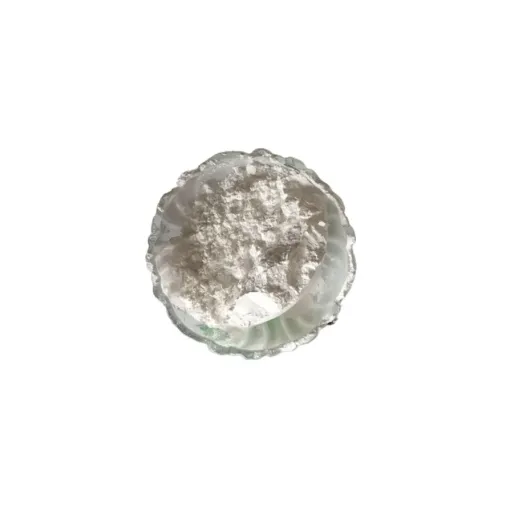
A bone ash manufacturer transforms defatted animal bones into calcined bone ash through controlled high-temperature processing. The process sounds simple, but quality depends on precision at every stage.
The production workflow typically includes:
Raw material selection: Defatted bovine bone blocks sourced from regulated suppliers
Preparation and sizing: Mechanical cleaning and controlled defatting
High-temperature calcination: Heating at approximately 1300°C to remove organic material
Grinding and classification: Producing 325 mesh or 400 mesh powder as required
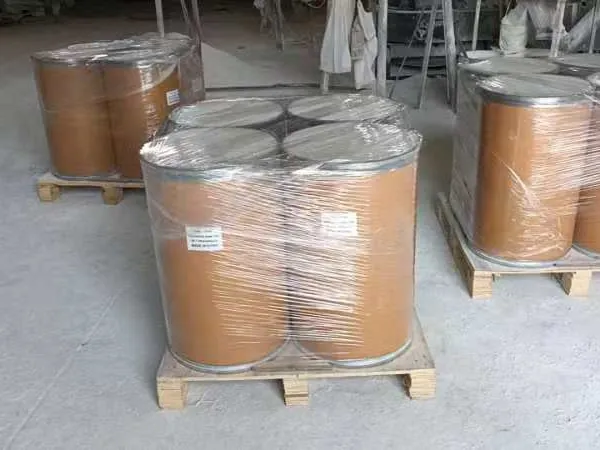
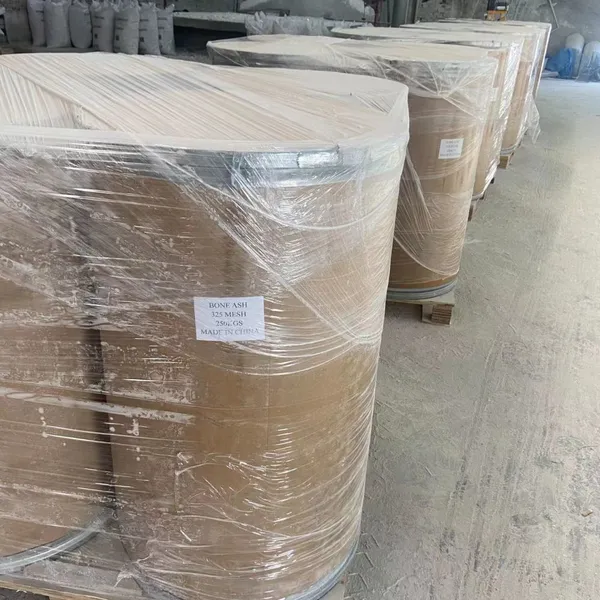
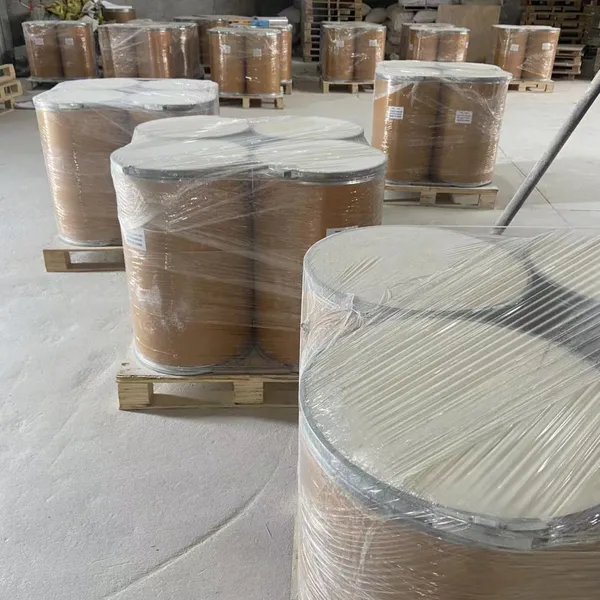
Quality testing and packaging: Chemical analysis, COA generation, and export-ready packaging
Each step introduces variables that affect the final product. For example, calcination temperature determines whether the bone ash achieves the white crystalline structure needed for bone china. Insufficient temperature leaves organic residues that cause discoloration. Excessive temperature can alter reactivity and particle behavior in ceramic bodies.
A true manufacturer controls these variables internally. They own the kilns, operate the grinding equipment, and employ technicians who understand calcination chemistry. If you want to understand how this process translates into product quality, read our complete guide to what bone ash is before evaluating suppliers.
Why Manufacturer Selection Matters for Your Production Line
The consequences of choosing the wrong bone ash manufacturer extend far beyond the purchase price. Inconsistent bone ash creates production problems that ripple through your entire operation.
Consider David Okonkwo, a foundry supervisor in Nigeria who switched to a low-cost bone ash supplier for mold releasing. The first two shipments performed adequately. The third shipment contained coarser particles and higher iron content.
Castings began sticking to molds, surface finish degraded, and his team spent an extra 4 hours per shift on mold cleaning. After testing samples from a factory-direct bone ash manufacturer, David restored his previous quality levels and reduced mold maintenance by 60%.
This story illustrates why procurement teams must look past unit price. A reliable bone ash manufacturer delivers:
Consistent chemical composition across every batch
Stable particle size distribution for predictable formulation
Documented quality control with Certificates of Analysis
Reliable production capacity that matches your volume needs
Technical support when specifications need adjustment
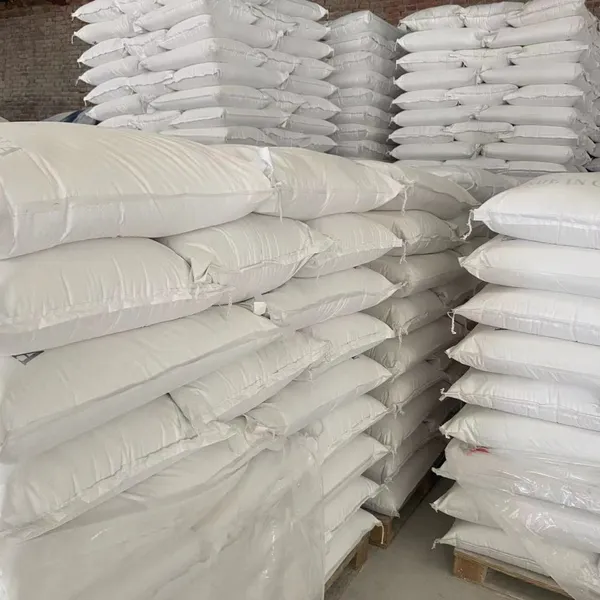
Export-ready packaging and documentation for international shipments
When you evaluate a bone ash supplier, you are really evaluating their ability to protect your production schedule and product quality.
Key Criteria for Evaluating a Bone Ash Manufacturer
Before requesting quotes, establish a clear evaluation framework. The following criteria separate qualified bone ash manufacturers from trading companies and unreliable producers.
Production Ownership and Vertical Integration
Ask directly: "Do you own the factory?" Manufacturers who control their own production facilities can guarantee process consistency. Trading companies and brokers source from multiple workshops, which creates quality variation between batches. Visit the facility if possible, or request video documentation of the production line.
Chemical Composition Standards
Ceramic-grade bone ash must meet strict chemical specifications. Demand documentation showing:
Calcium (Ca): ≥35.0%
Phosphorus (P): ≥16.0%
Iron (Fe): ≤0.05%
Burning loss: ≤1.0%
pH: 9.0-11.5
Any bone ash manufacturer unwilling to provide a Certificate of Analysis (COA) for sample and bulk shipments should be disqualified immediately. Learn more about these requirements in our bone ash specifications guide.
Mesh Size and Grinding Capability
For ceramic applications, particle size affects slip viscosity, body plasticity, and fired translucency. Confirm that the manufacturer can supply your required mesh size, typically 325 mesh or 400 mesh bone ash powder. Ask for particle size distribution data, not just a nominal mesh claim.
Production Capacity and Lead Times
Verify that the manufacturer can supply your monthly volume without disruption. Ask about:
Monthly production capacity in metric tons
Typical lead time from order to shipment
Inventory buffer for recurring orders
Peak season capacity constraints
Export Experience and Documentation
International buyers need more than product quality. A qualified bone ash manufacturer should provide export documentation, customs support, and experience shipping to your region. Feilong, for example, has exported to Germany, South Korea, the USA, and other markets for over two decades.
Factory-Direct vs. Trading Company: Understanding the Difference
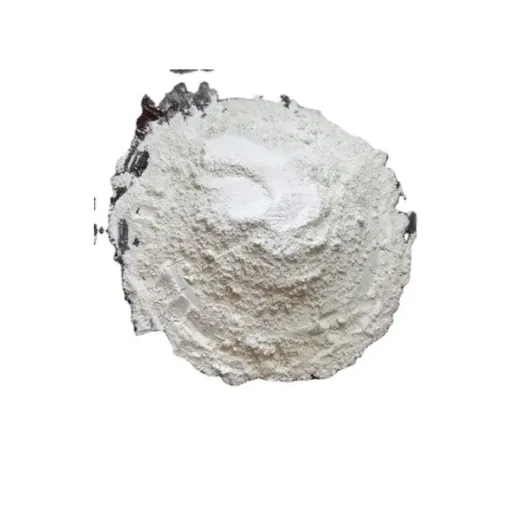
One of the most important decisions in sourcing bone ash is whether to buy factory-direct or through a trading company. Each model has implications for quality, price, and communication.
Factory-Direct Bone Ash Manufacturers
Factory-direct manufacturers own and operate their production facilities. They control raw material sourcing, calcination parameters, grinding processes, and quality testing.
Advantages:
Consistent batch-to-batch quality
Direct technical communication with production engineers
Competitive pricing without intermediary markups
Faster problem resolution when issues arise
Better documentation and traceability
Considerations:
May require larger minimum order quantities
Communication may require patience across time zones
Due diligence on factory credentials is essential
Trading Companies and Brokers
Trading companies do not manufacture bone ash themselves. They source from one or more factories and resell to international buyers.
Advantages:
Often smaller minimum order quantities
Fluent English sales teams
May consolidate multiple products in one shipment
Risks:
Quality can vary between batches if they switch suppliers
Less technical knowledge about calcination and applications
Higher prices to cover their margin
Limited control over production scheduling
For buyers who prioritize consistency and technical support, factory-direct bone ash manufacturers usually offer better long-term value. If you are evaluating options, our about Feilong page explains how our vertically integrated factory supports stable supply.
Ready to compare factory-direct pricing for your application? Request a bulk FOB quote and we will provide detailed specifications and delivery terms.
What to Expect from a Reliable Bone Ash Manufacturer
When you partner with an established bone ash manufacturer, the relationship should include more than product delivery. You should expect a structured approach to quality, communication, and continuous supply.
Sample Qualification Process
A professional manufacturer provides sample quantities starting from 1 kg for testing. The sample should arrive with a complete COA showing the exact chemical composition and physical properties. You should test the sample in your actual production process before committing to bulk orders.
Transparent Specifications
The manufacturer should share detailed product specifications including:
Chemical composition ranges
Particle size distribution
Packaging options
Storage recommendations
Shelf life and handling precautions
Responsive Technical Support
When your formulation needs adjustment, your bone ash manufacturer should provide guidance. Whether you need 325 mesh instead of 400 mesh, modified packaging, or advice on slip preparation, technical support separates partners from vendors.
Consistent Documentation
Every shipment should include:
Certificate of Analysis (COA)
Packing list
Commercial invoice
Export documentation as required
Material Safety Data Sheet (MSDS) when applicable
If a bone ash supplier cannot provide these documents consistently, they may not have the quality systems you need.
Feilong Bone Ash Manufacturing Capabilities
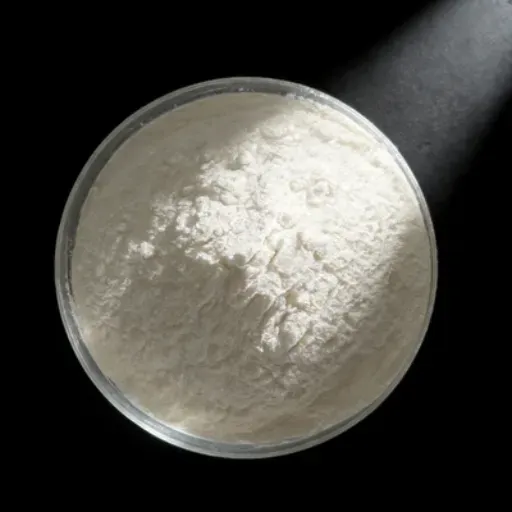
Luohe Feilong Bone Carbon Co., Ltd. has manufactured bone-derived products since 1992. Over more than 30 years of operation, we have built a vertically integrated production facility specializing in bone ash, bone carbon, and feed-grade bone products.
Our bone ash production starts with defatted bovine bone blocks. We calcine these materials at 1300°C in controlled kilns, then grind and classify the product to customer specifications. Every batch undergoes chemical analysis before release.
Standard Feilong bone ash specifications include:
Calcium (Ca): ≥35.0%
Phosphorus (P): ≥16.0%
Iron (Fe): ≤0.05%
Burning loss: ≤1.0%
pH: 9.0-11.5
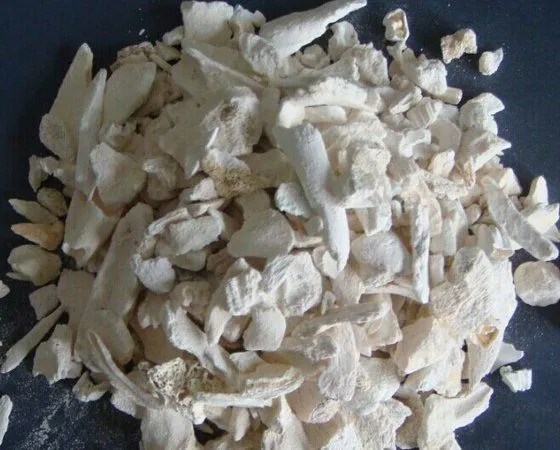
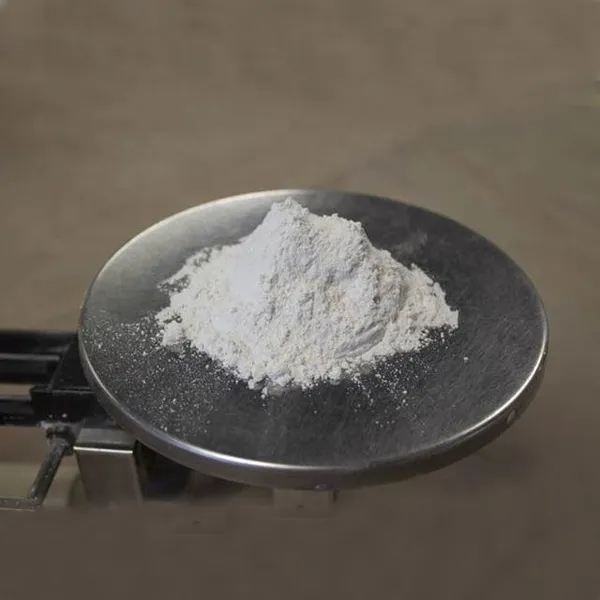
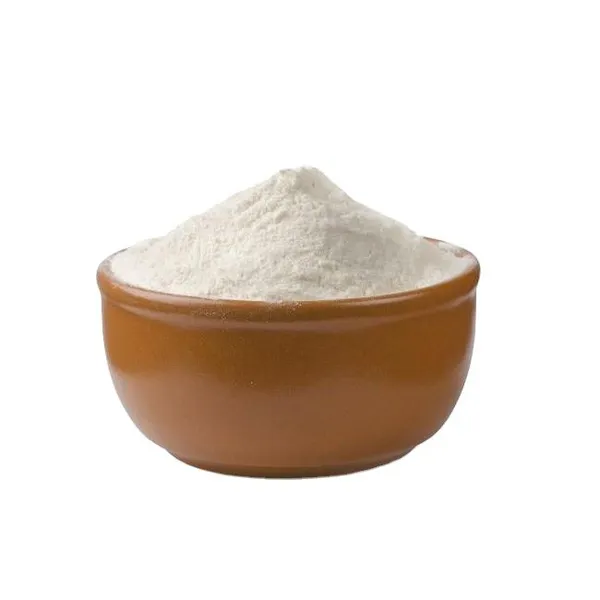
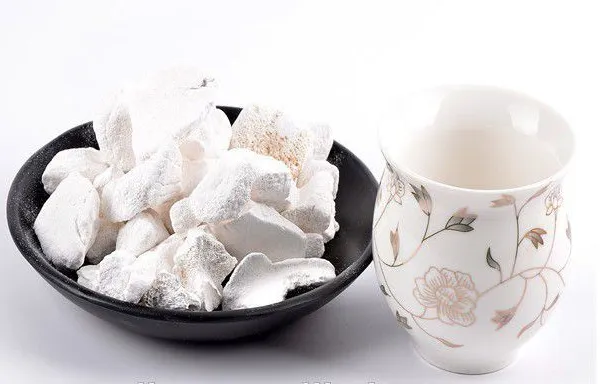
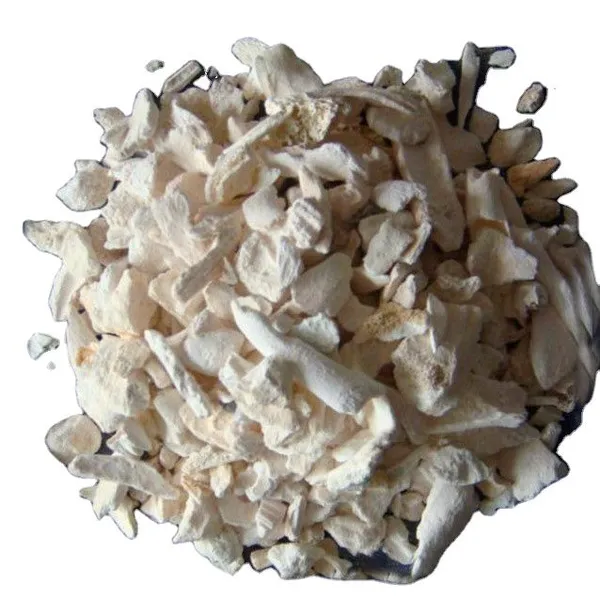
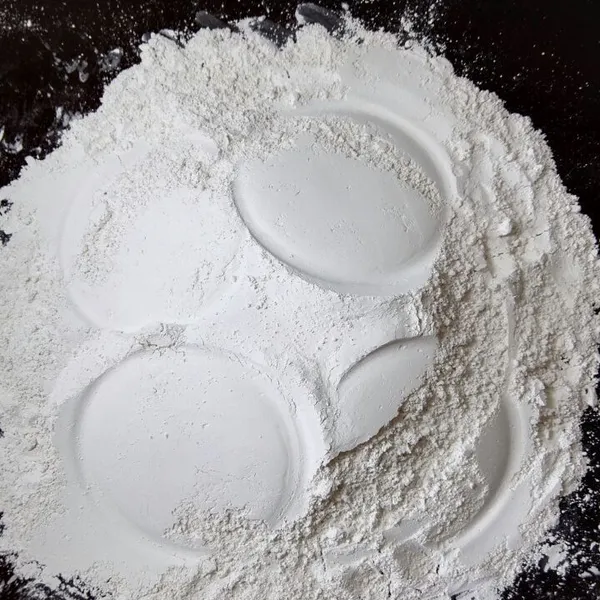
Appearance: White crystal or powder
We supply ceramic-grade bone ash for bone china production, fine bone ash powder in 325 mesh and 400 mesh, and mold-releasing bone ash for metallurgical applications.
Liu Wei, a feed ingredient buyer based in South Korea, visited our facility in 2019 before placing his first order. He wanted to confirm that our defatted bone granules and calcium hydrogen phosphate met his formulation standards. After reviewing our quality control process and testing samples in his facility, he established a quarterly supply contract that has continued for five years. Stories like Liu's explain why factory visits and sample testing matter more than promises.
How to Start Sourcing from a Bone Ash Manufacturer
Once you have identified potential bone ash manufacturers, follow a structured sourcing process to minimize risk and ensure the partnership meets your needs.
Step 1: Define Your Technical Requirements
Document the specifications your application requires. Include chemical composition, mesh size, packaging, monthly volume, and any special handling needs. If you are unsure about mesh size selection, review our guide to bone ash powder specifications before contacting suppliers.
Step 2: Request Samples and COAs
Contact 2-3 manufacturers and request 1-5 kg samples with full COAs. Test the samples in your production environment under real conditions. Do not rely solely on paper specifications.
Step 3: Evaluate Production Capabilities
Ask about factory ownership, calcination temperature, grinding equipment, and monthly capacity. Request photos, videos, or a virtual factory tour. Manufacturers with nothing to hide will accommodate reasonable verification requests.
Step 4: Compare Total Cost, Not Just Price
Calculate the total cost including product price, shipping, customs, testing, and potential downtime from quality failures. A slightly higher unit price from a reliable bone ash manufacturer often costs less over a year than repeated production disruptions.
Step 5: Negotiate Terms and Monitor Performance
Start with a small trial order if possible. Establish clear quality standards, delivery schedules, and documentation requirements. Monitor the first three shipments closely before expanding volume.
Need help defining your bone ash requirements? Contact our technical team for guidance on mesh size, chemical composition, and application suitability.
Conclusion: Choose a Bone Ash Manufacturer Who Protects Your Production
Selecting the right bone ash manufacturer is one of the most important sourcing decisions for ceramic, metallurgical, and industrial buyers. Price matters, but consistency, technical capability, and supply reliability matter more over time.
The best bone ash manufacturers own their production, document their quality, provide responsive technical support, and deliver stable product batch after batch. They understand that your production line depends on raw materials that perform predictably every time.
When you evaluate your next bone ash supplier, use the criteria in this guide. Verify factory ownership. Test samples with COA. Compare total cost. And never let a low unit price override quality assurance.
At Luohe Feilong Bone Carbon Co., Ltd., we have built our reputation over three decades by manufacturing consistent, specification-compliant bone ash for customers around the world. Our 1300°C calcination process, vertically integrated factory, and export experience give buyers the confidence they need for long-term sourcing.
Ready to evaluate Feilong as your bone ash manufacturer? Request a free sample with full COA, get a bulk FOB quote, or speak with our technical team about your specific application requirements. We look forward to supporting your production with quality you can trust.
Recently Posted
-
How Bone Ash Works as a Mold Release Agent in Metal Casting
September 2, 2026A small brass foundry in South Asia ran the same mold for fourteen years without changing its parting material, then switched to a Read More
 -
Luohe Feilong Bone Carbon: Industrial Bone Ash Manufacturer Since 2011
August 17, 2026When a copper foundry in Turkey needs bone ash that releases cleanly from a sand mold at 1,100 degrees Celsius, or a bone china fa Read More
 -
Bone Ash in Copper Casting Mold Release: Application and Practical Guidance
August 14, 2026A copper sand casting foundry in India was producing electrical switch components that required a clean, smooth surface finish for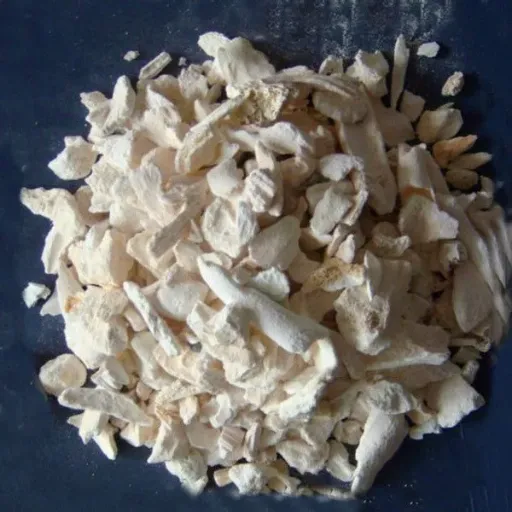 Read More
 -
How to Source Bone Ash for Foundry Applications: A Buyer's Checklist
August 13, 2026A purchasing manager at a brass foundry in Egypt ordered 20 metric tons of bone ash from a new supplier at a price roughly 25% bel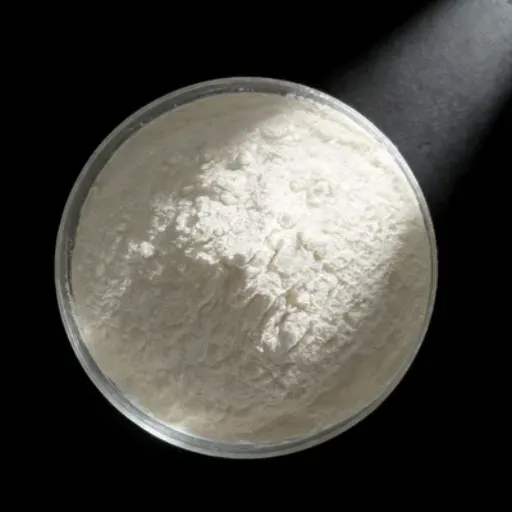 Read More

Contact Us
Recommended Products
-
 Manufacturer Sell Low Price Calcined Bone Ash or PowderUS$ 850MOQ: 5 Tons
 -
Manufacturer Sell Low Price Calcined Bone Ash or PowderUS$ 850MOQ: 5 Tons
-
Manufacturer Sell Low Price Calcined Bone Ash or PowderUS$ 850MOQ: 5 Tons
-
Sell Well Bone Ash for Mold Releasing UseUS$ 880 - 920MOQ: 5 Tons
-
Feilong Direct Sales Die-casting Water-soluble Mold Metal Release AgentUS$ 920MOQ: 5 Tons
-
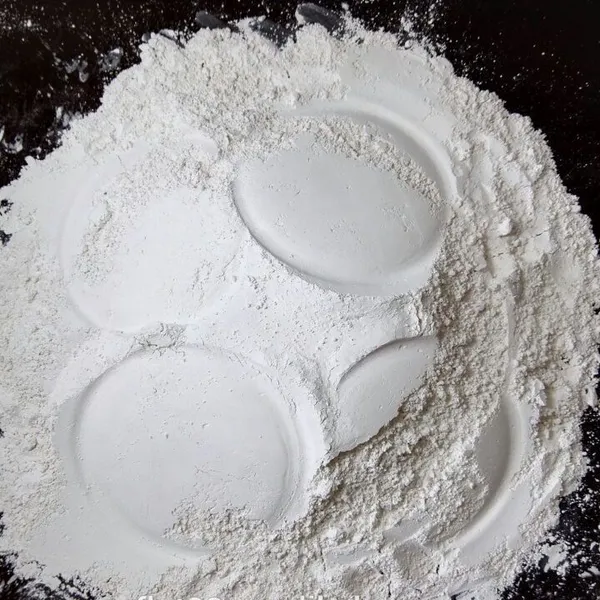
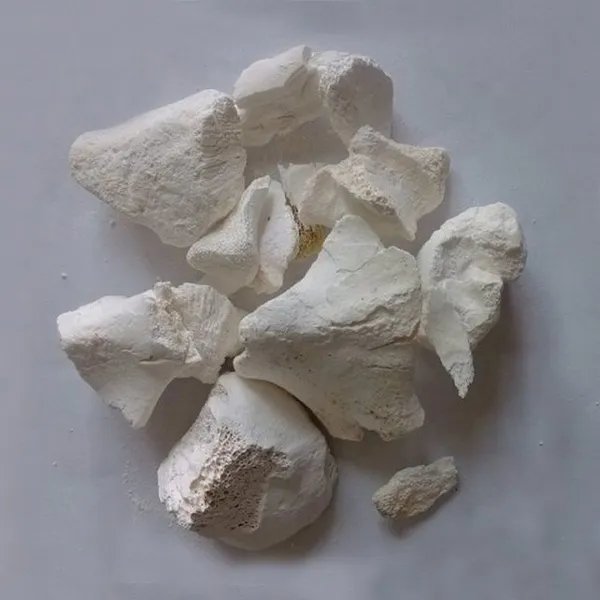
Natural Animal Bone AshUS$ 880 - 920MOQ: 5 Tons
-
China Manufacturer Supply Eco-Friendly Bone Ash PowderUS$ 890MOQ: 1 Ton
-
Calcined Bone Ash for Bone China With GoodPriceUS$ 880 - 920MOQ: 5 Tons
-
Synthetic Bone Ash for Ceramic With Good PriceUS$ 850MOQ: 5 Tons
-
Calcium and Phosphorus Powder - 325 MeshPowderUS$ 850MOQ: 5 Tons
-
Calcium and Phosphorus Powder - 325 MeshPowderUS$ 850MOQ: 5 Tons
-
Calcium Stearate PVC PE Lubricant Mould-releasing Powder ManufacturerUS$ 850MOQ: 5 Tons
-
Reputed Supplier Selling Bone Ash Powder Which Meet With Environmental Standard As Animal FeedstuffUS$ 850MOQ: 5 Tons
-
Industrial Grade Bone Ash for Bone Ceramics and MetallurgyUS$ 900MOQ: 10 Tons
-
Animal Ashes Used for Bone ChinaUS$ 900MOQ: 5 Tons
-
Calcium and Phosphorus Powder - 325 MeshPowderUS$ 850MOQ: 5 Tons
-
High Quality Bone Ash for Mold Releasing Use/bone Ash PowderUS$ 850 - 880MOQ: 5 Tons
-
Manufacturer Sell Low Price Calcined Bone Ash or PowderUS$ 850MOQ: 5 Tons
-
Calcined Bone Ash for Bone China With GoodPriceUS$ 880MOQ: 5 Tons
-
High Quality Bone Ash for Mold Releasing Use/bone Ash PowderUS$ 880 - 920MOQ: 5 Tons