
 Business License

Bone Ash Specifications: A Technical Guide for Ceramic and Industrial Buyers
A buyer in South Korea once sent back three containers because the COA showed calcium at 33.8%, not the 35% their bone china recipe required. The shipment looked identical to the previous one. It passed visual inspection.
But the chemistry was wrong, and wrong chemistry costs more than a refund. It costs lost production time.
If you buy bone ash for ceramics, metallurgy, or feed applications, specifications are the language of your contract. They tell you whether the material will perform in your process or create problems three months later. A data sheet with vague ranges is not enough. You need precise bone ash specifications, verified batch by batch.
In this guide, we break down the chemical composition, physical properties, and quality documentation that define calcined bone ash. You will learn how to read a COA, how specifications change by application, and what to demand from your supplier before you sign a purchase order.
What Are Bone Ash Specifications?
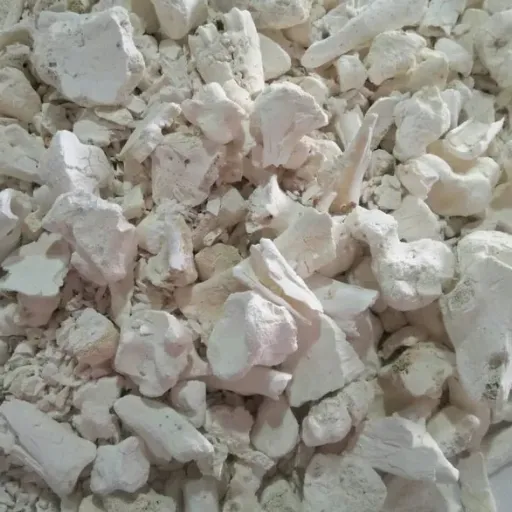
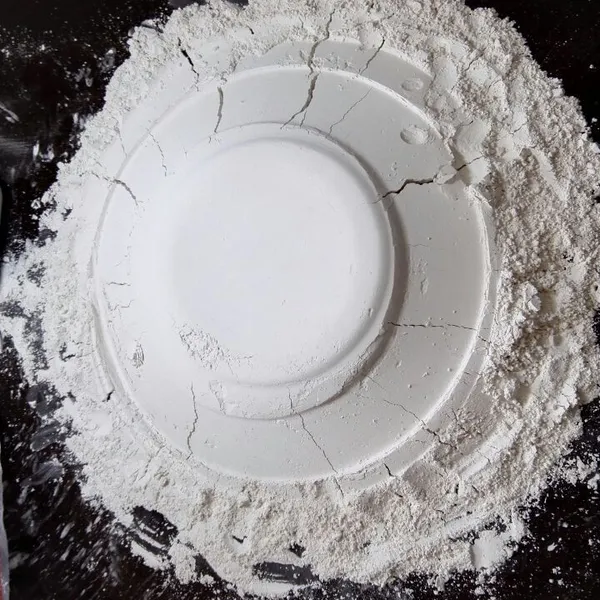
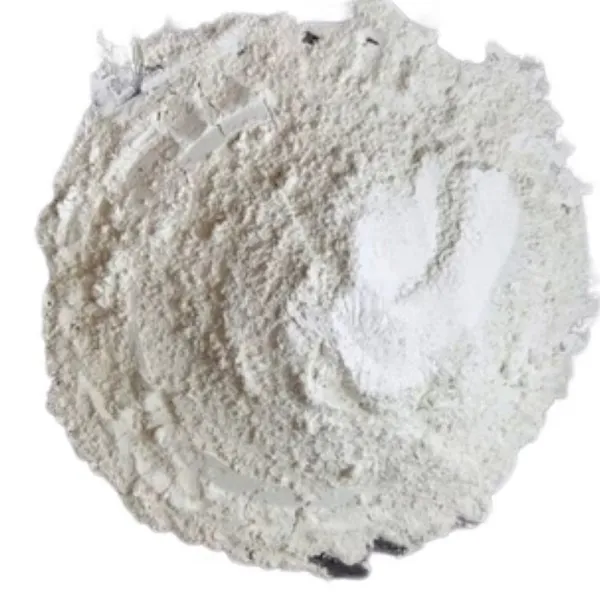
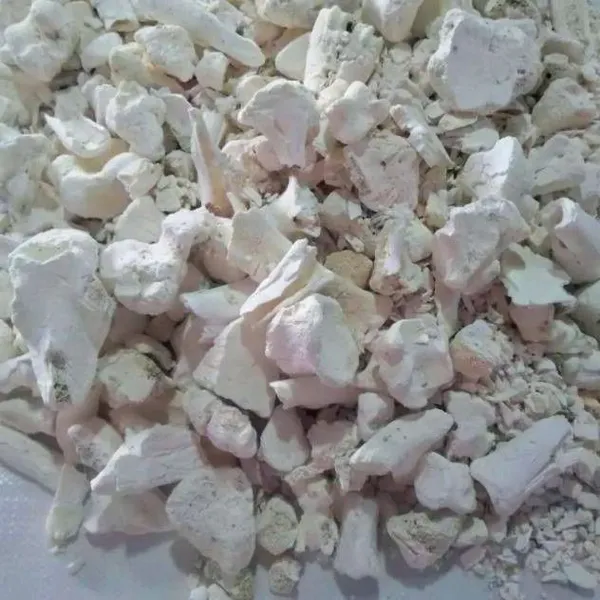
Bone ash specifications are the measurable properties that define the quality and suitability of calcined bone material for industrial use. They include chemical composition, physical characteristics, and quality control documentation.
For procurement managers, specifications serve three purposes:
Quality control: They define what acceptable material looks like.
Process matching: They ensure the material works in your formulation.
Supplier accountability: They give you grounds to reject non-conforming shipments.
Without clear bone ash specifications, every order becomes a gamble. With clear specifications, you can compare suppliers objectively and protect your production line from variation.
If you are new to bone ash, start with our overview of what is bone ash before reading this guide.
Bone Ash Chemical Composition
The chemical composition of bone ash is the first specification buyers check. It determines how the material behaves in ceramic bodies, metallurgical processes, and other applications.
Calcium (Ca) Content
Calcium is the dominant element in bone ash. Ceramic-grade bone ash should contain Ca ≥35.0%.
Calcium contributes to the body strength and translucency of bone china. Lower calcium content can weaken the ceramic body and reduce the characteristic glassy phase that gives fine porcelain its quality.
Phosphorus (P) Content
Phosphorus should be present at P ≥16.0% in high-quality bone ash. Phosphorus works with calcium to form calcium phosphate structures. These structures influence maturation, whiteness, and fired density.
Iron (Fe) Content
Iron is a contaminant in ceramic-grade bone ash. The specification is typically Fe ≥0.05%. Even small amounts of iron can cause yellow, gray, or brown discoloration in white bone china.
For metallurgical or industrial applications, iron tolerance may be slightly higher. Always confirm the grade that matches your end use.
pH Level
Bone ash is alkaline, with a typical pH range of 9.0–11.5. pH affects how bone ash interacts with other materials in slip preparation and body formulation.
Burning Loss
Burning loss measures residual organic matter and volatile components. Ceramic-grade bone ash should show burning loss ≤1.0%.
Higher burning loss indicates incomplete calcination. Residual organics can cause defects like pinholing, bloating, or weak spots in fired ware.
Technical Note: A COA that reports burning loss above 1.0% should trigger a rejection or re-calcination request for ceramic-grade material.
Physical Property Specifications
Chemistry is only part of the picture. Physical properties determine how bone ash handles in your process.
Mesh Size and Particle Size
Common grades include:
325 mesh: Approximately 44 micrometers, standard for most bone china
400 mesh: Approximately 37 micrometers, used for high-grade and thin-walled ware
Particle size distribution also matters. A narrow distribution produces more consistent behavior in slips and bodies.
Color and Appearance
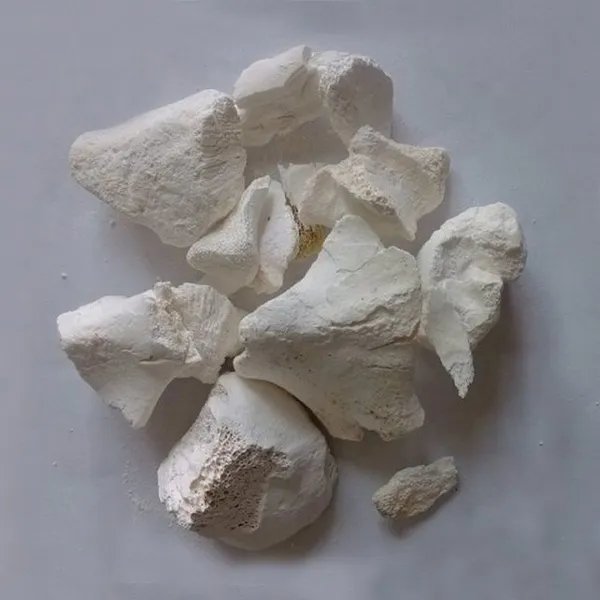
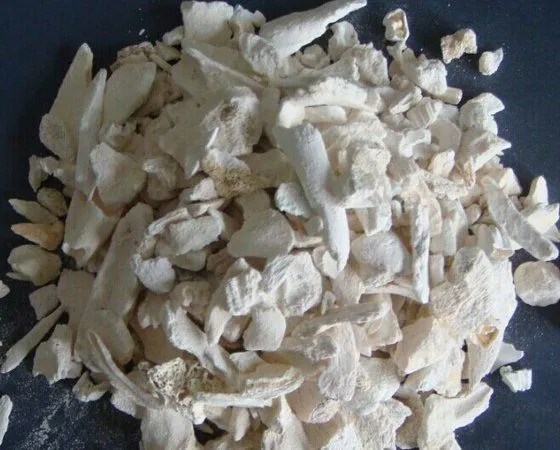
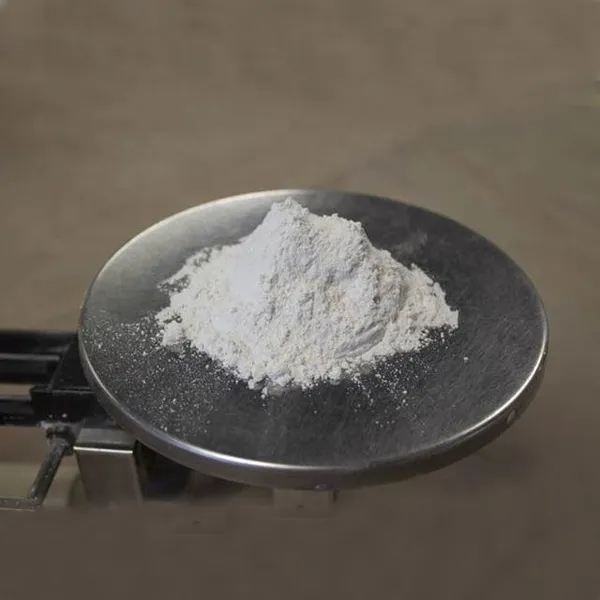
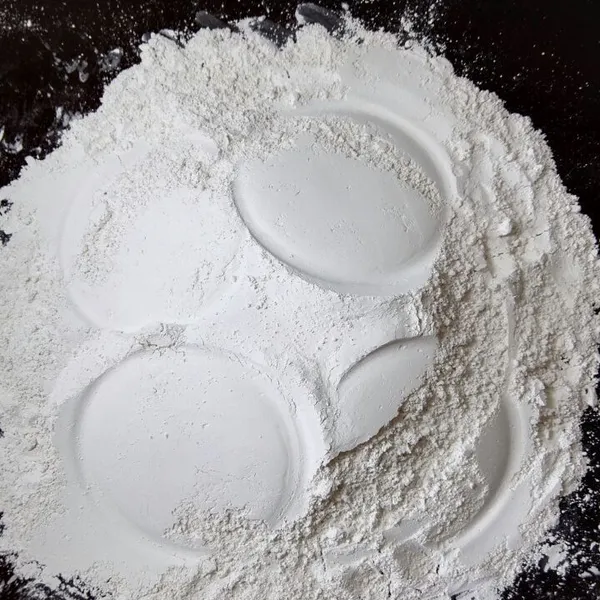
Ceramic-grade bone ash should be a white crystalline powder. Off-white, gray, or yellow tints may indicate incomplete defatting, contamination, or improper calcination.
Moisture Content
Low moisture content is essential for storage and handling. High moisture can cause clumping, affect weighing accuracy, and promote microbial growth in feed-grade materials.
Bulk Density
Bulk density affects packaging, shipping calculations, and dosing in automated systems. Suppliers should report this value on request.
For a deeper look at mesh size selection, read our guide on bone ash powder specifications and mesh sizes.
The Certificate of Analysis (COA)
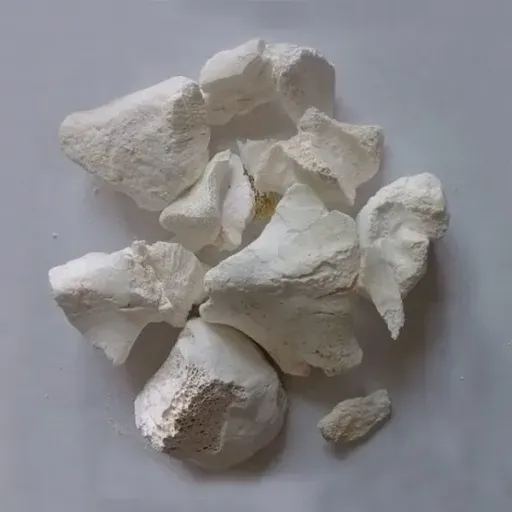
The COA is the most important document in any bone ash transaction. It is the supplier's formal statement of what is in the batch you are buying.
What a Bone Ash COA Should Include
A complete COA should report:
Calcium (Ca) content
Phosphorus (P) content
Iron (Fe) content
pH value
Burning loss
Mesh size or particle size distribution
Moisture content
Batch number and date of manufacture
Testing method references
Why Batch-Specific COAs Matter
Averaged or typical values are not a COA. They are marketing estimates. A real COA is tied to a specific batch and reflects actual test results.
When Chen Wei, a quality manager at a ceramics plant in Zhejiang, audited a new supplier, he asked for ten consecutive batch COAs. Three suppliers sent only generic spec sheets. One sent COAs that showed a 2% swing in calcium content across batches. Feilong provided stable results with variation well below 0.5%. That consistency convinced him to switch.
Six months after the switch, his customer complaints about color variation dropped by half.
Need a sample COA to benchmark your supplier? Request a Feilong sample with full Certificate of Analysis.
How Bone Ash Specifications Vary by Application
Not every application needs the same grade of bone ash. Specifications should match the end use.
Ceramic and Bone China Applications
Ceramic-grade bone ash requires the tightest specifications:
Ca ≥35.0%
P ≥16.0%
Fe ≥0.05%
Burning loss ≤1.0%
Fine mesh size (325 or 400)
White color
Bone china manufacturers typically use 40-50% bone ash in the body. Any variation in composition directly affects translucency, strength, and color.
Metallurgical and Mold Release Applications
For mold release, the focus shifts to particle size, flow characteristics, and thermal stability. Iron content tolerance may be higher than ceramic grade, but consistency remains important.
Key metallurgical specifications include:
Appropriate mesh size for application method
Low residual organics
Stable thermal behavior
Good flow and adhesion properties
Feed and Agricultural Applications
Feed-grade bone materials have different specifications than calcined ceramic bone ash. Products like bone granules, bone powder, and calcium hydrogen phosphate are evaluated on:
Calcium and phosphorus availability
Protein and fat content
Microbiological standards
Regulatory compliance for animal feed
Calcined bone ash is generally not used in feed. For feed applications, use dedicated feed-grade bone products.
Water Treatment and Filtration
Bone carbon, the carbonized form of bone material, has its own specification set. Buyers evaluate surface area, particle size, ash content, and adsorption capacity.
How to Verify Bone Ash Specifications from Suppliers
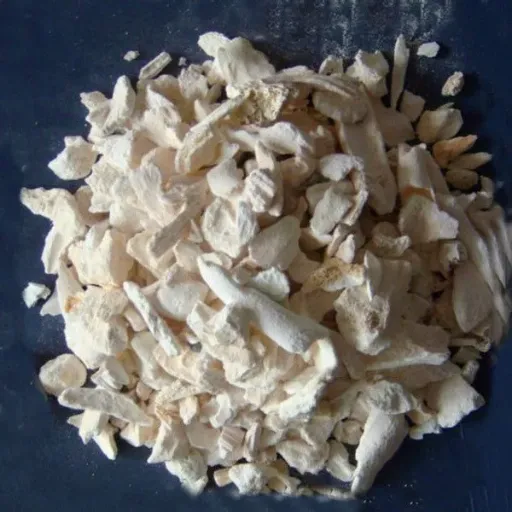
Before placing an order, verify that the supplier can meet and document your required specifications.
Request a Sample with COA
Always test before committing to bulk. A 1 kg sample is usually enough for laboratory evaluation. Compare the sample COA against your internal specification limits.
Ask About Testing Methods
Find out how the supplier tests each property. Reputable manufacturers use standardized methods and calibrated equipment. Ask for method references if they are not listed on the COA.
Review Multiple Batch Records
One good batch does not prove consistency. Request COAs from at least three to five recent batches. Look for variation in calcium, phosphorus, iron, and burning loss.
Confirm Production Control
Ask whether the supplier owns the production facility. Trading companies may not control calcination temperature, raw material sourcing, or grinding parameters. Vertical integration usually means tighter specification control.
You can learn more about Feilong's controlled production on our production process and quality control pages.
Common Specification Ranges for Calcined Bone Ash
The table below summarizes typical bone ash specifications for ceramic-grade material.
| Property | Typical Specification | Why It Matters |
|---|---|---|
| Calcium (Ca) | ≥35.0% | Body strength and translucency |
| Phosphorus (P) | ≥16.0% | Glass-phase development |
| Iron (Fe) | ≥0.05% | Color purity in white ware |
| pH | 9.0–11.5 | Slip and body chemistry |
| Burning loss | ≤1.0% | Complete calcination |
| Mesh size | 325 or 400 | Particle size for formulation |
| Color | White | Visual quality standard |
| Moisture | Low | Storage and handling |
Use this table as a baseline when comparing supplier quotes. Any significant deviation should be explained in writing.
Feilong Bone Ash Specifications
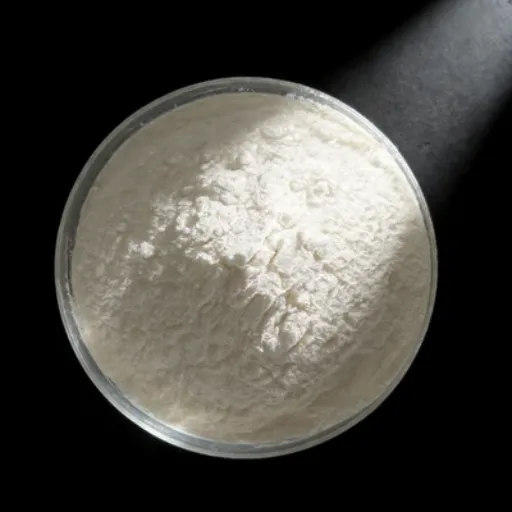
Luohe Feilong Bone Carbon Co., Ltd. manufactures calcined bone ash to consistent specifications for ceramic, metallurgical, and industrial buyers.
Our standard ceramic-grade bone ash meets:
Calcium (Ca): ≥35.0%
Phosphorus (P): ≥16.0%
Iron (Fe): ≥0.05%
pH: 9.0–11.5
Burning loss: ≤1.0%
Mesh size: 325 mesh or 400 mesh
Color: White
Every batch is produced in our owned factory under controlled 1300°C calcination. We test chemical composition and physical properties before release. A batch-specific COA accompanies every sample and shipment.
Our minimum order quantity is 1 metric ton. Sample quantities start from 1 kg for qualification testing.
Explore our ceramic-grade bone ash and bone ash powder product pages for full details.
Conclusion
Bone ash specifications are not optional details. They are the foundation of a reliable supply relationship. Calcium, phosphorus, iron, pH, burning loss, and mesh size define whether the material will perform in your process or create costly problems downstream.
When evaluating suppliers, demand batch-specific COAs and review recent batch records. Do not accept averaged values or generic data sheets. Test samples in your own formulation before committing to bulk volumes.
Here are the key takeaways:
Bone ash specifications include chemical composition, physical properties, and quality documentation.
Ceramic-grade bone ash typically requires Ca ≥35%, P ≥16%, Fe ≥0.05%, and burning loss ≤1.0%.
The COA is the only document that proves a batch meets your specifications.
Specifications vary by application: ceramics, metallurgy, feed, and water treatment each have different priorities.
Vertical integration and batch testing are the best indicators of specification consistency.
At Feilong, we have produced bone ash and related bone products for over 20 years. Our factory-direct process, 1300°C calcination, and batch-specific testing give buyers the documented consistency they need for continuous production.
Need bone ash specifications you can trust? Request a sample with full COA or contact our technical team to discuss your exact requirements.
Recently Posted
-
Luohe Feilong Bone Carbon: Industrial Bone Ash Manufacturer Since 2011
August 17, 2026When a copper foundry in Turkey needs bone ash that releases cleanly from a sand mold at 1,100 degrees Celsius, or a bone china fa Read More
 -
Bone Ash in Copper Casting Mold Release: Application and Practical Guidance
August 14, 2026A copper sand casting foundry in India was producing electrical switch components that required a clean, smooth surface finish for Read More
 -
How to Source Bone Ash for Foundry Applications: A Buyer's Checklist
August 13, 2026A purchasing manager at a brass foundry in Egypt ordered 20 metric tons of bone ash from a new supplier at a price roughly 25% bel Read More
 -
Bone Ash vs Graphite Powder for Non-Ferrous Metal Mold Release
August 12, 2026A brass foundry in Southeast Asia switched from bone ash to a lower-cost graphite powder for its sand casting release agent, expec Read More

Contact Us
Recommended Products
-
 Manufacturer Sell Low Price Calcined Bone Ash or PowderUS$ 850MOQ: 5 Tons
 -
Manufacturer Sell Low Price Calcined Bone Ash or PowderUS$ 850MOQ: 5 Tons
-
Manufacturer Sell Low Price Calcined Bone Ash or PowderUS$ 850MOQ: 5 Tons
-
Sell Well Bone Ash for Mold Releasing UseUS$ 880 - 920MOQ: 5 Tons
-
Feilong Direct Sales Die-casting Water-soluble Mold Metal Release AgentUS$ 920MOQ: 5 Tons
-
Natural Animal Bone AshUS$ 880 - 920MOQ: 5 Tons
-
China Manufacturer Supply Eco-Friendly Bone Ash PowderUS$ 890MOQ: 1 Ton
-
Calcined Bone Ash for Bone China With GoodPriceUS$ 880 - 920MOQ: 5 Tons
-
Synthetic Bone Ash for Ceramic With Good PriceUS$ 850MOQ: 5 Tons
-
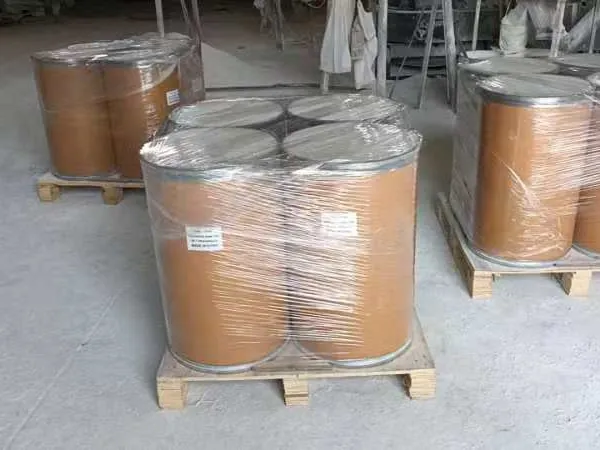
Calcium and Phosphorus Powder - 325 MeshPowderUS$ 850MOQ: 5 Tons
-
Calcium and Phosphorus Powder - 325 MeshPowderUS$ 850MOQ: 5 Tons
-
Calcium Stearate PVC PE Lubricant Mould-releasing Powder ManufacturerUS$ 850MOQ: 5 Tons
-
Reputed Supplier Selling Bone Ash Powder Which Meet With Environmental Standard As Animal FeedstuffUS$ 850MOQ: 5 Tons
-
Industrial Grade Bone Ash for Bone Ceramics and MetallurgyUS$ 900MOQ: 10 Tons
-
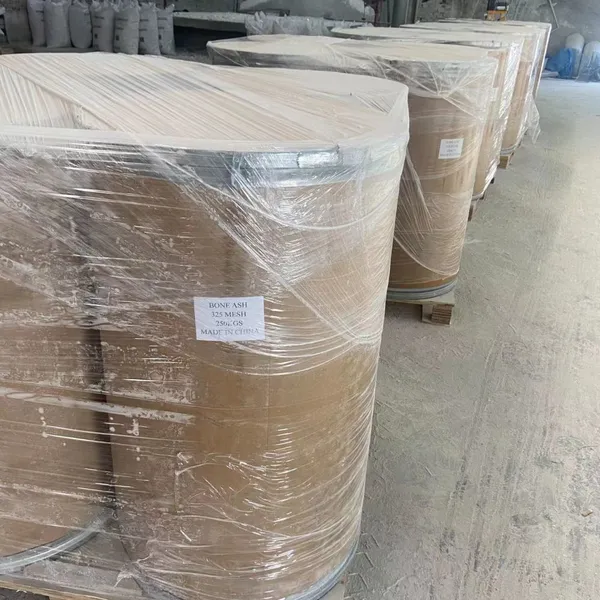
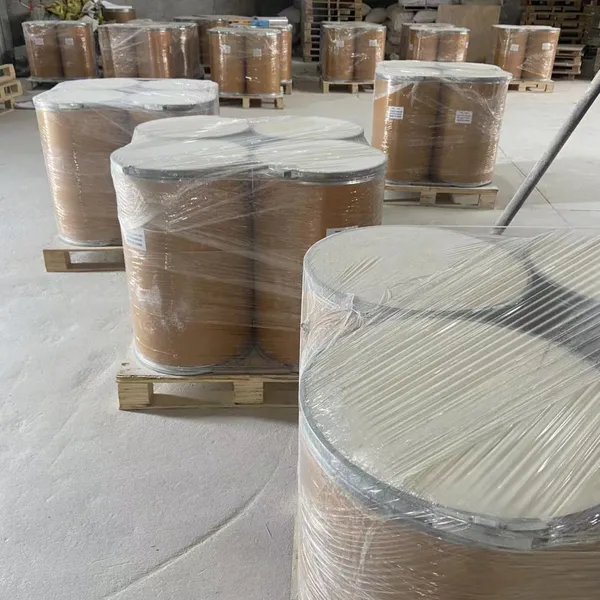
Animal Ashes Used for Bone ChinaUS$ 900MOQ: 5 Tons
-
Calcium and Phosphorus Powder - 325 MeshPowderUS$ 850MOQ: 5 Tons
-
High Quality Bone Ash for Mold Releasing Use/bone Ash PowderUS$ 850 - 880MOQ: 5 Tons
-
Manufacturer Sell Low Price Calcined Bone Ash or PowderUS$ 850MOQ: 5 Tons
-
Calcined Bone Ash for Bone China With GoodPriceUS$ 880MOQ: 5 Tons
-
High Quality Bone Ash for Mold Releasing Use/bone Ash PowderUS$ 880 - 920MOQ: 5 Tons