
 Business License

Bone Ash Powder: Specifications, Mesh Sizes, and Sourcing Guide for Ceramic Buyers
A ceramic buyer in Germany recently rejected an entire 20-metric-ton shipment because the burning loss in the bone ash powder had crept from 0.8% to 1.6%. The difference was invisible to the eye, but it was obvious in the kiln. Ware cracked, translucency dropped, and a production schedule worth six figures unraveled in one firing cycle.
If you source bone ash powder for ceramics, metallurgy, or industrial applications, you already know that specifications matter more than promises. A Certificate of Analysis (COA) is not a marketing document. It is the difference between a stable production line and an emergency call to your supplier at 2:00 a.m.
In this guide, you will learn exactly what bone ash powder is, which specifications to verify, how 325 mesh and 400 mesh grades differ, and how to evaluate a manufacturer before you place a bulk order. You will also see how Feilong produces calcined bone ash powder and why our factory-direct process matters for batch-to-batch consistency.
What Is Bone Ash Powder?
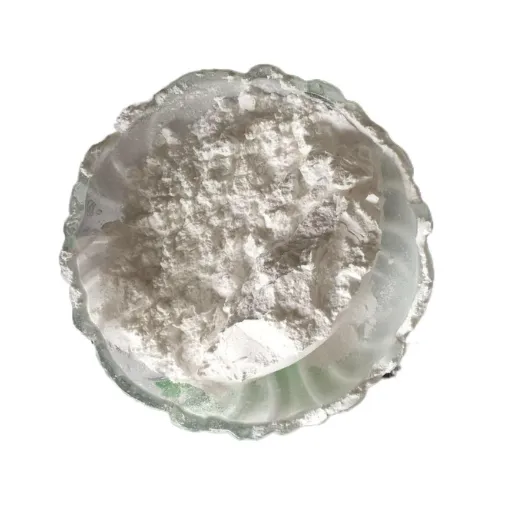
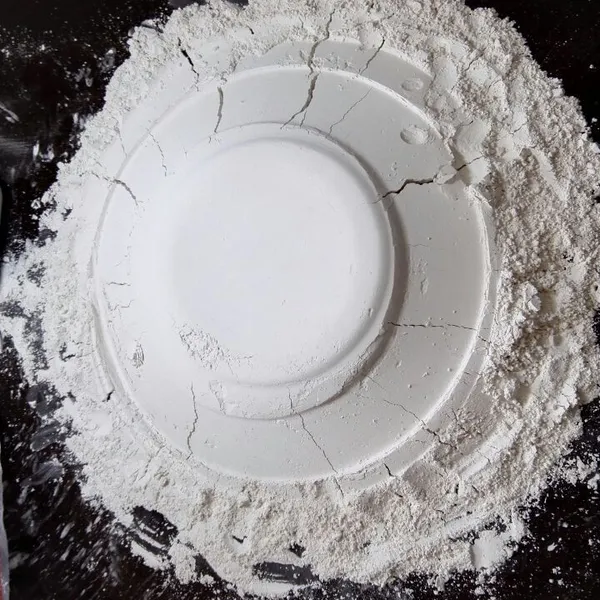
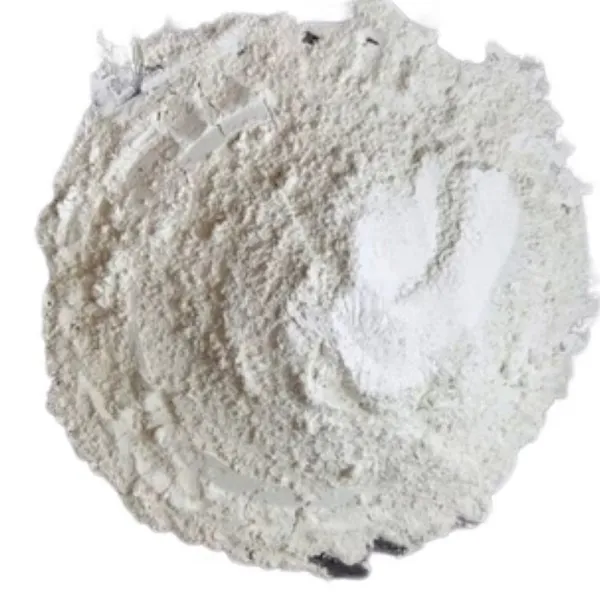
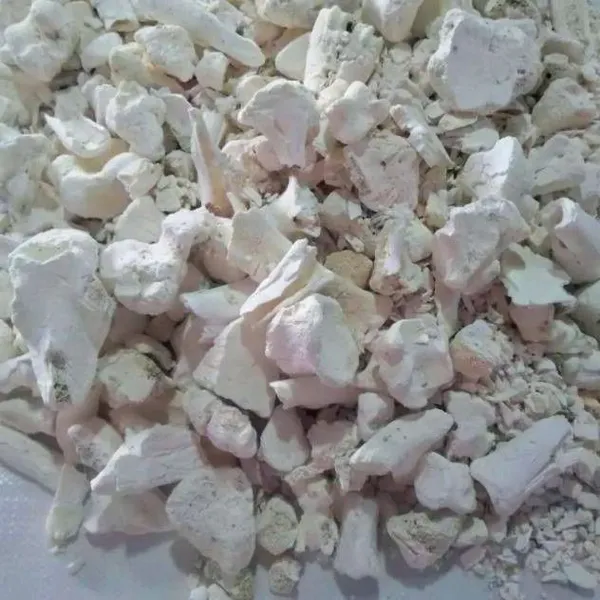
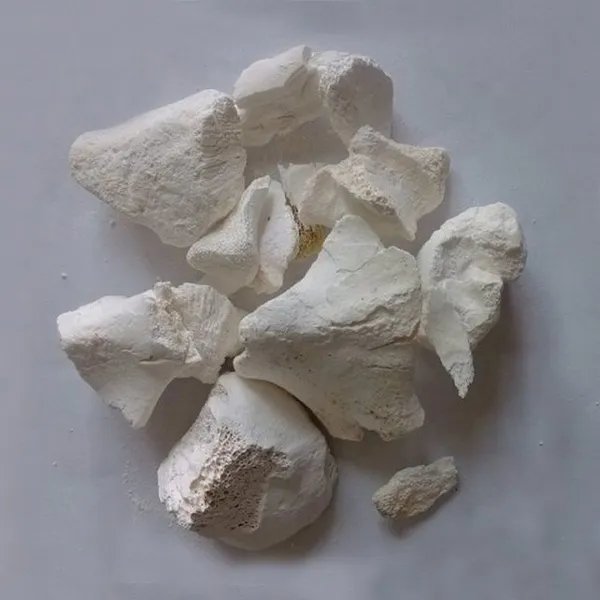
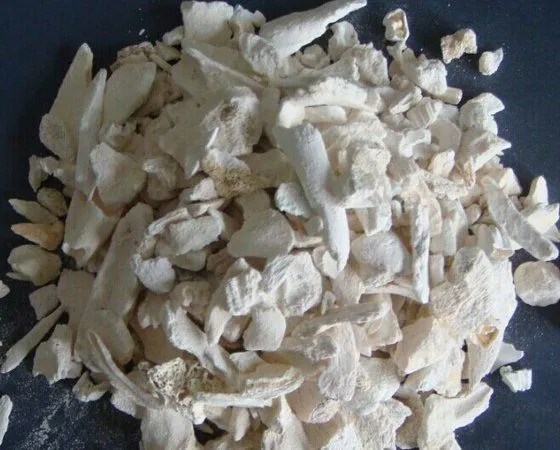
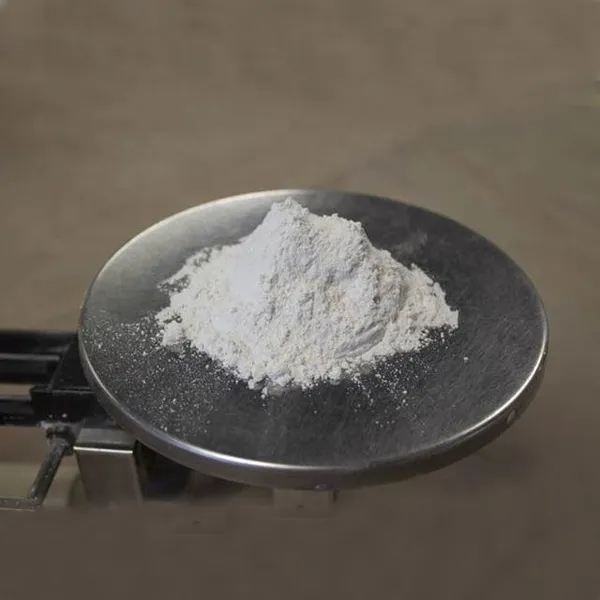
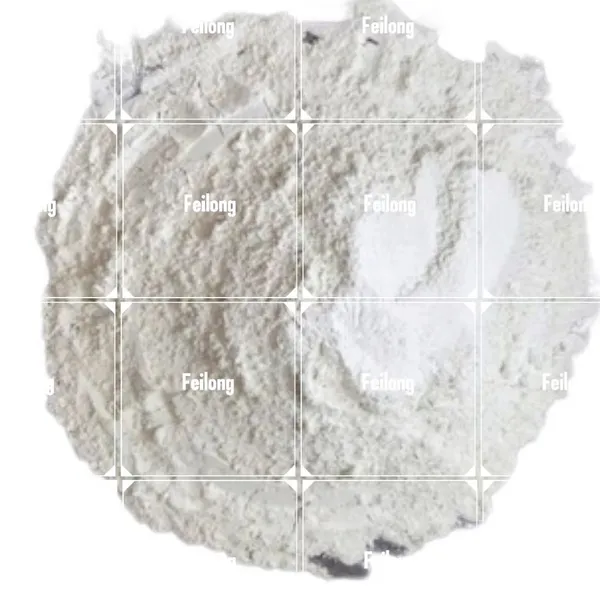
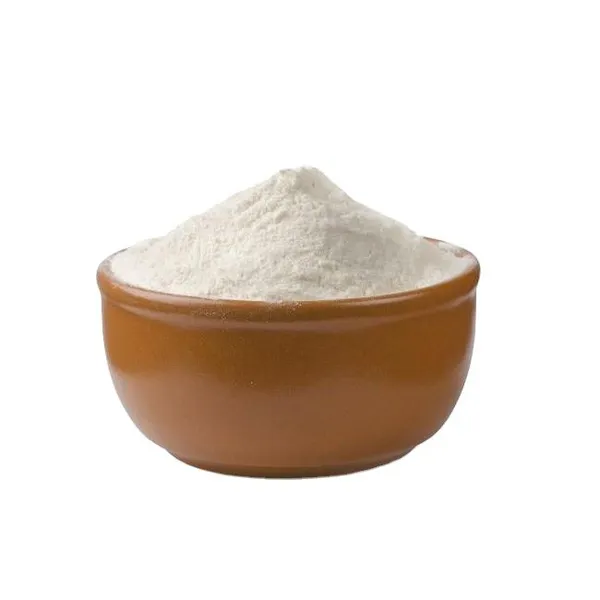
Bone ash powder is the fine, calcined form of defatted animal bone, most commonly bovine bone, heated to high temperatures in a controlled environment. The calcination process removes organic material and leaves a white or off-white mineral powder composed primarily of calcium phosphate and calcium carbonate.
The standard chemical profile of ceramic-grade bone ash powder includes:
Calcium (Ca): ≥35.0%
Phosphorus (P): ≥16.0%
Iron (Fe): ≥0.05%
pH: 9.0–11.5
Burning loss: ≤1.0%
Color: White crystalline powder
These numbers are not arbitrary. Calcium and phosphorus content determine how the powder behaves in a ceramic body. Iron must stay low because even small amounts can cause gray or yellow discoloration in fine bone china. Burning loss measures residual organic matter, and anything above 1.0% can cause pinholing, bloating, or weakness in fired ware.
For procurement managers, bone ash powder is distinct from bone meal and from synthetic calcium phosphate. Bone meal is processed at lower temperatures and retains organic material, making it unsuitable for high-grade ceramics. Synthetic alternatives may match the chemistry on paper, but they often lack the crystalline structure and workability that ceramic formulators expect from natural bone ash.
Want to understand the fundamentals first? Read our complete explainer on what is bone ash before you evaluate suppliers.
Bone Ash Powder Specifications Buyers Should Verify
Before you request a bulk quote, ask for the full specification sheet and a recent COA. A reputable bone ash powder manufacturer will provide this without hesitation. The specifications you receive should match your application requirements exactly.
Chemical Composition
The calcium-to-phosphorus ratio is the foundation of bone ash quality. Ceramic buyers should look for:
Ca ≥35.0% for body strength and maturation
P ≥16.0% for consistent glass-phase development
Fe ≥0.05% to avoid color contamination
If the supplier cannot report these values with batch-specific test data, treat that as a red flag. Averaged or "typical" values are not the same as a guaranteed composition.
Physical Properties
Physical specifications affect how bone ash powder handles in your process:
Mesh size: 325 mesh or 400 mesh for most ceramic applications
Particle size distribution: Narrow distribution improves consistency
Moisture content: Should be low to prevent clumping and storage issues
Bulk density: Relevant for packaging, shipping, and dosing calculations
Quality Documentation
Every shipment should include:
Certificate of Analysis for the specific batch
Material Safety Data Sheet (MSDS) or Safety Data Sheet (SDS)
Packaging and storage recommendations
Export documentation if applicable
When Li Wei, a procurement manager at a porcelain manufacturer in Guangdong, switched suppliers last year, he asked each candidate for five consecutive batch COAs. Two suppliers refused. One sent only a generic data sheet.
Feilong provided batch-specific records going back twelve months. That transparency was the deciding factor. Six months later, his line rejection rate had dropped by 40%.
If you need a starting point for your specification review, download our bone ash specifications or request a sample COA.
325 Mesh vs 400 Mesh Bone Ash Powder
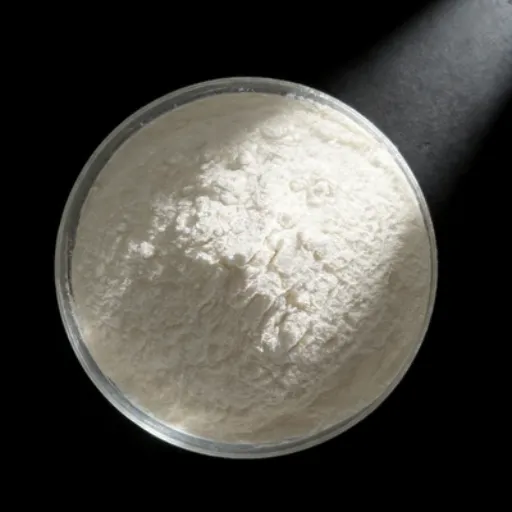
Mesh size is one of the most important decisions when sourcing bone ash powder for ceramics. The number refers to the number of openings per linear inch in a standard sieve. A higher mesh number means a finer powder.
325 mesh bone ash powder: Particles pass through a sieve with 325 openings per inch, approximately 44 micrometers.
400 mesh bone ash powder: Particles pass through a sieve with 400 openings per inch, approximately 37 micrometers.
The difference of roughly 7 micrometers may seem minor, but it changes how the powder behaves in slip preparation, body formulation, and firing.
When to Choose 325 Mesh Bone Ash Powder
325 mesh is the workhorse grade for most bone china and fine porcelain production. Choose it when:
You produce standard bone china with 40-50% bone ash content
Your formulation uses other fine materials that blend well at this particle size
You need reliable flow characteristics in slip preparation
Cost is a consideration, because 325 mesh is typically more economical than 400 mesh
325 mesh bone ash powder disperses readily in water-based slips. It does not usually require extended milling time, which makes it the safe choice for manufacturers running traditional recipes on established equipment.
When to Choose 400 Mesh Bone Ash Powder
400 mesh bone ash powder is preferred for specialized, high-grade applications. Choose it when:
You produce ultra-fine bone china with exceptional translucency
Your formulation requires minimal particle size variation
You need improved surface finish on fired ware
You work with thin-walled or delicate ceramic forms
The finer particle size can improve packing density in the ceramic body. This may increase strength and reduce porosity. However, the larger surface area per unit weight can raise water demand during slip preparation. Manufacturers switching to 400 mesh should test slip viscosity and adjust water content or deflocculant levels before committing to full production.
For a deeper comparison, read our guide on how to select bone ash mesh size.
How Bone Ash Powder Is Produced
Understanding the production process helps buyers evaluate whether a supplier actually controls quality or simply resells material from multiple sources. The process matters because every step affects the final powder.
Step 1: Raw Material Selection
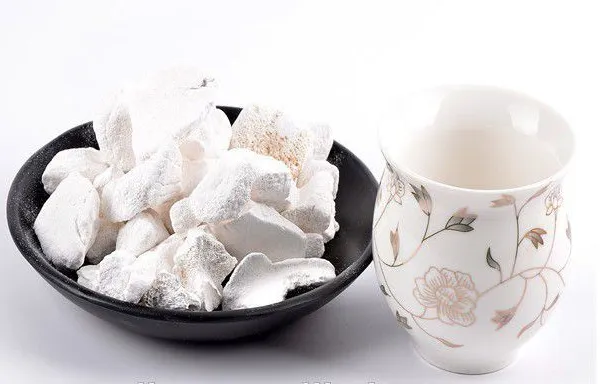
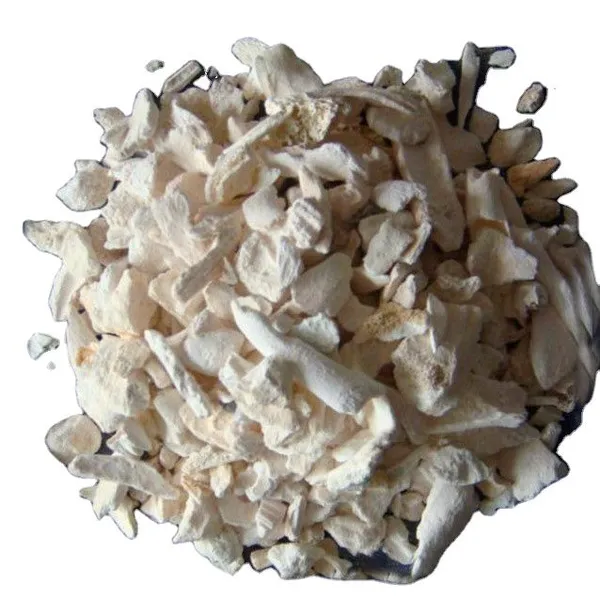
Production begins with defatted bovine bone blocks. Defatting is essential because residual fats can carbonize during calcination and cause discoloration or contamination. Reputable manufacturers document the source of their raw material and apply incoming material checks.
Step 2: Defatting and Preparation
Raw bones undergo mechanical and thermal defatting to reduce fat content. This step ensures that the subsequent calcination produces a clean, white product rather than a gray or yellow ash.
Step 3: High-Temperature Calcination
The prepared bone is heated in controlled furnaces at approximately 1300°C. At this temperature, organic compounds decompose completely. The remaining inorganic material forms calcium phosphate and calcium carbonate structures characteristic of bone ash powder.
Calcination temperature is a critical control point. Insufficient heat leaves organic residues, which raises burning loss. Excessive heat can alter crystalline structure and reactivity. Feilong uses controlled 1300°C calcination to balance purity and workability.
Step 4: Grinding and Sizing
After calcination, the material is cooled and ground to the required particle size. The grinding process determines whether the final product becomes 325 mesh bone ash powder or 400 mesh bone ash powder. Air classification or sieving ensures that the particle size distribution meets specification.
Step 5: Quality Control and Packaging
Every batch is tested for chemical composition, particle size, and physical properties. A COA documents the results. The powder is then packaged in moisture-resistant containers for domestic shipment or export.
You can learn more about our controlled process on our production process page.
Applications of Bone Ash Powder
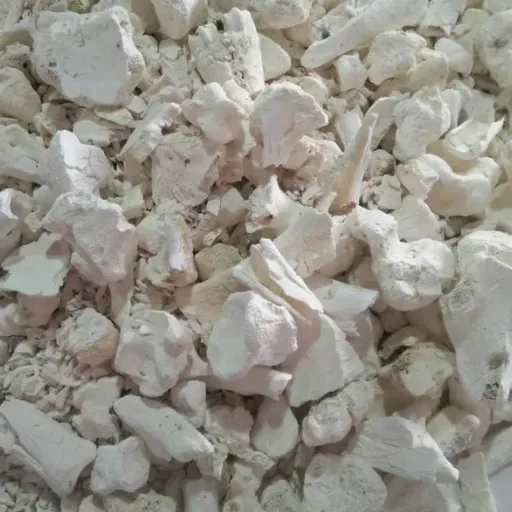
Bone ash powder is not limited to one industry. Its unique combination of calcium, phosphorus, and fine particle structure makes it valuable across several applications.
Bone China and Fine Porcelain
The most well-known use of bone ash powder is in bone china. Manufacturers typically add 40-50% bone ash to the ceramic body. The material contributes translucency, strength, and whiteness that distinguish bone china from other porcelain types.
Key requirements for ceramic-grade bone ash powder include high calcium content, low iron content, fine mesh size, and consistent batch-to-batch composition. Any variation can affect the final product's appearance and mechanical properties.
Metallurgical Mold Release
In foundry and metallurgical operations, bone ash powder serves as a mold release agent. Its non-wetting properties and thermal stability help prevent metal adhesion to molds. It also provides mild thermal insulation, protecting mold surfaces during casting.
Applications include die casting, investment casting, permanent mold casting, and forging operations. For these uses, the powder does not need the same ultra-low iron content as ceramic-grade material, but particle size and flow characteristics still matter.
Specialty Industrial Uses
Beyond ceramics and metallurgy, bone ash powder appears in:
Abrasive polishing compounds
Specialty coatings and fillers
Laboratory and research applications
Restoration and conservation materials
Each application has its own specification priorities, so buyers should communicate their end use clearly when requesting a quote.
Sourcing Bone Ash Powder from a Reliable Manufacturer
The supplier you choose affects every kilogram that reaches your production line. Here are the factors that separate a reliable manufacturer from a risky middleman.
Vertical Integration
Does the supplier own its factory, or does it source from multiple workshops? Vertically integrated manufacturers control raw material intake, calcination, grinding, testing, and packaging. That control translates to consistent quality. Trading companies may offer lower prices, but they rarely control the process that determines batch consistency.
Specification Consistency
Ask for COAs from multiple batches. Look for stable values in Ca, P, Fe, burning loss, and mesh size. Wide variation between batches is a warning sign. A reliable supplier will have narrow control limits and will explain them.
Application Expertise
Your supplier should understand the difference between ceramic-grade and metallurgical-grade bone ash powder. They should be able to recommend the right mesh size, discuss formulation interactions, and explain how calcination temperature affects reactivity. If they cannot answer technical questions, they are unlikely to solve problems when they arise.
Export Capability
International buyers need more than a good product. They need proper packaging, documentation, customs support, and reliable logistics. Feilong has exported bone ash powder and related products to Germany, South Korea, the United States, and other markets. We understand the requirements for shipping animal-derived industrial materials across borders.
Sample Availability
Never commit to a full container without testing first. Request a sample quantity — typically starting from 1 kg — with a full COA. Run the sample through your formulation and firing schedule. The results in your own process are more valuable than any supplier's guarantee.
When Ana Martinez, a buyer for a ceramics distributor in Spain, evaluated bone ash powder suppliers, she tested samples from three manufacturers. One sample caused slip viscosity problems. Another had visible contamination.
The Feilong sample matched her specification exactly and fired consistently across three test batches. She placed her first 10-ton order two weeks later.
Ready to test Feilong bone ash powder in your process? Request a sample with full COA and evaluate it against your specifications.
Feilong Bone Ash Powder Specifications
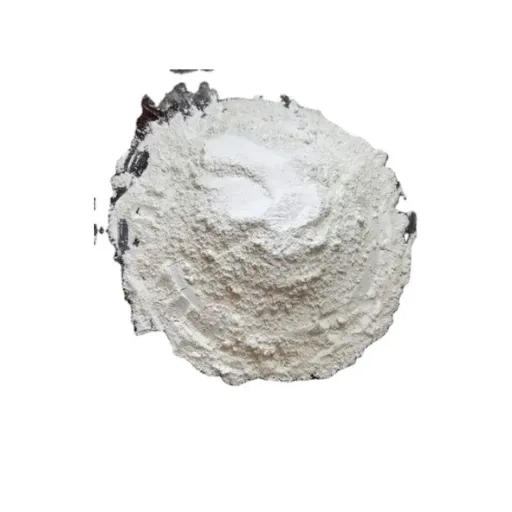
Luohe Feilong Bone Carbon Co., Ltd. produces bone ash powder from defatted bovine bone blocks calcined at 1300°C. Our factory-direct production covers both standard ceramic grades and application-specific requirements.
Standard specifications for Feilong bone ash powder:
Calcium (Ca): ≥35.0%
Phosphorus (P): ≥16.0%
Iron (Fe): ≥0.05%
Burning loss: ≤1.0%
pH: 9.0–11.5
Mesh sizes: 325 mesh and 400 mesh
Color: White
MOQ: 1 metric ton
Sample quantity: Starting from 1 kg
We supply ceramic manufacturers, metallurgical operations, and industrial buyers with consistent monthly capacity. Our 20 years of specialized bone product manufacturing means we understand the specifications your process depends on.
Explore our ceramic-grade bone ash and bone ash powder product page for detailed application guidance.
Conclusion
Bone ash powder is a specialized raw material, and its value depends entirely on whether the specifications match your process. Calcium, phosphorus, iron, burning loss, and mesh size are not abstract numbers. They are the variables that determine whether your next production run succeeds or fails.
When sourcing bone ash powder, prioritize manufacturers who can prove consistency through batch-specific documentation. Ask the right questions about calcination temperature, particle size control, and export experience. Test samples before you commit to bulk volumes.
Here are the key takeaways:
Bone ash powder is calcined defatted bovine bone used primarily in ceramics, metallurgy, and specialty industrial applications.
Verify Ca ≥35%, P ≥16%, Fe ≥0.05%, and burning loss ≤1.0% on every batch COA.
325 mesh bone ash powder suits most bone china production, while 400 mesh serves high-grade, fine-porcelain applications.
Vertical integration and batch-to-batch consistency matter more than the lowest quoted price.
Always request a sample with COA before placing a bulk order.
At Feilong, we have manufactured bone ash powder and related bone products for over 20 years. Our 1300°C calcination process, 325 mesh and 400 mesh grinding capabilities, and factory-direct supply chain give buyers the consistency they need for continuous production.
Need a reliable source of bone ash powder for your operation? Request a free sample with full COA or contact our technical team to discuss your exact specifications and monthly volume requirements.
Recently Posted
-
Luohe Feilong Bone Carbon: Industrial Bone Ash Manufacturer Since 2011
August 17, 2026When a copper foundry in Turkey needs bone ash that releases cleanly from a sand mold at 1,100 degrees Celsius, or a bone china fa Read More
 -
Bone Ash in Copper Casting Mold Release: Application and Practical Guidance
August 14, 2026A copper sand casting foundry in India was producing electrical switch components that required a clean, smooth surface finish for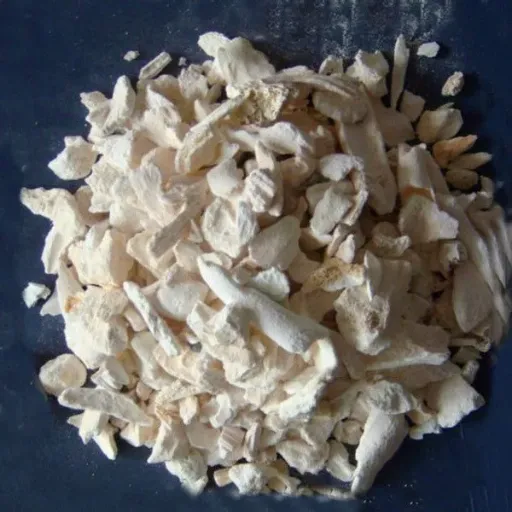 Read More
 -
How to Source Bone Ash for Foundry Applications: A Buyer's Checklist
August 13, 2026A purchasing manager at a brass foundry in Egypt ordered 20 metric tons of bone ash from a new supplier at a price roughly 25% bel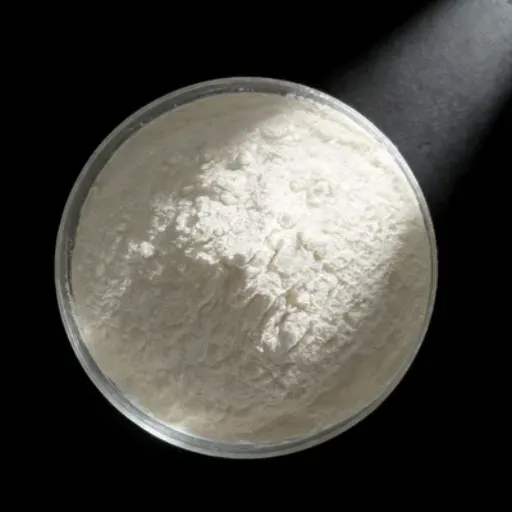 Read More
 -
Bone Ash vs Graphite Powder for Non-Ferrous Metal Mold Release
August 12, 2026A brass foundry in Southeast Asia switched from bone ash to a lower-cost graphite powder for its sand casting release agent, expec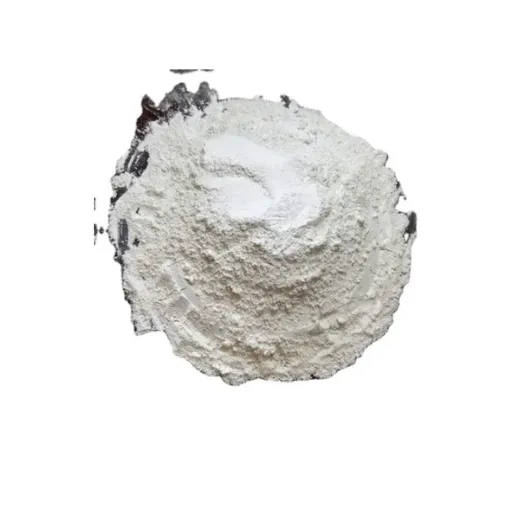 Read More

Contact Us
Recommended Products
-
 Manufacturer Sell Low Price Calcined Bone Ash or PowderUS$ 850MOQ: 5 Tons
 -
Manufacturer Sell Low Price Calcined Bone Ash or PowderUS$ 850MOQ: 5 Tons
-
Manufacturer Sell Low Price Calcined Bone Ash or PowderUS$ 850MOQ: 5 Tons
-
Sell Well Bone Ash for Mold Releasing UseUS$ 880 - 920MOQ: 5 Tons
-
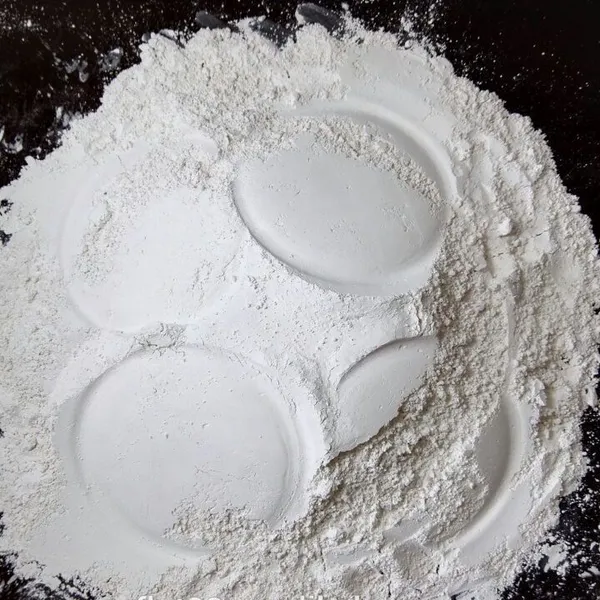
Feilong Direct Sales Die-casting Water-soluble Mold Metal Release AgentUS$ 920MOQ: 5 Tons
-
Natural Animal Bone AshUS$ 880 - 920MOQ: 5 Tons
-
China Manufacturer Supply Eco-Friendly Bone Ash PowderUS$ 890MOQ: 1 Ton
-
Calcined Bone Ash for Bone China With GoodPriceUS$ 880 - 920MOQ: 5 Tons
-
Synthetic Bone Ash for Ceramic With Good PriceUS$ 850MOQ: 5 Tons
-
Calcium and Phosphorus Powder - 325 MeshPowderUS$ 850MOQ: 5 Tons
-
Calcium and Phosphorus Powder - 325 MeshPowderUS$ 850MOQ: 5 Tons
-
Calcium Stearate PVC PE Lubricant Mould-releasing Powder ManufacturerUS$ 850MOQ: 5 Tons
-
Reputed Supplier Selling Bone Ash Powder Which Meet With Environmental Standard As Animal FeedstuffUS$ 850MOQ: 5 Tons
-
Industrial Grade Bone Ash for Bone Ceramics and MetallurgyUS$ 900MOQ: 10 Tons
-
Animal Ashes Used for Bone ChinaUS$ 900MOQ: 5 Tons
-
Calcium and Phosphorus Powder - 325 MeshPowderUS$ 850MOQ: 5 Tons
-
High Quality Bone Ash for Mold Releasing Use/bone Ash PowderUS$ 850 - 880MOQ: 5 Tons
-
Manufacturer Sell Low Price Calcined Bone Ash or PowderUS$ 850MOQ: 5 Tons
-
Calcined Bone Ash for Bone China With GoodPriceUS$ 880MOQ: 5 Tons
-
High Quality Bone Ash for Mold Releasing Use/bone Ash PowderUS$ 880 - 920MOQ: 5 Tons