
 Business License

Calcined Bone Ash: Specifications, Production, and Industrial Applications
A ceramic buyer in Vietnam once rejected an entire container of bone ash because the material had not been fully calcined. The supplier had promised ceramic-grade quality, but the burning loss tested at 4.2%, well above the 1.0% limit. During firing, residual organic matter burned out and left pinholes across the bone china surfaces. The shipment cost the buyer three weeks of production and a damaged customer relationship.
That difference between partially processed bone material and properly calcined bone ash is what this guide addresses. If you source bone ash for ceramics, metallurgy, or industrial applications, you need to know what calcination means, why temperature matters, and how to verify that your supplier is delivering fully calcined material.
In this article, we explain what calcined bone ash is, how it is produced, the specifications that matter, and where it is used across industries. You will also learn how to evaluate suppliers and what questions to ask before placing a bulk order.
Need calcined bone ash with documented COA? Request a free sample with full COA and test Feilong bone ash in your own process.
What Is Calcined Bone Ash?
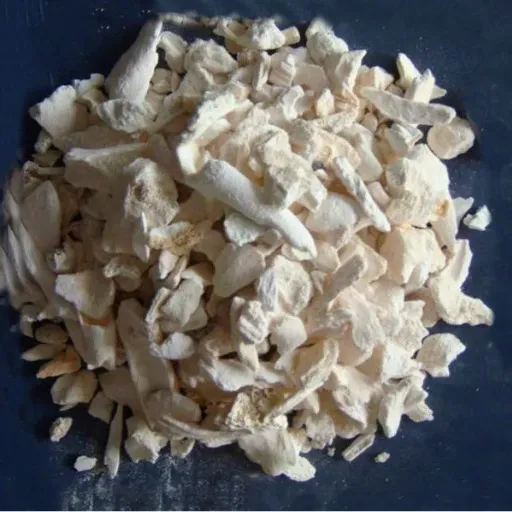
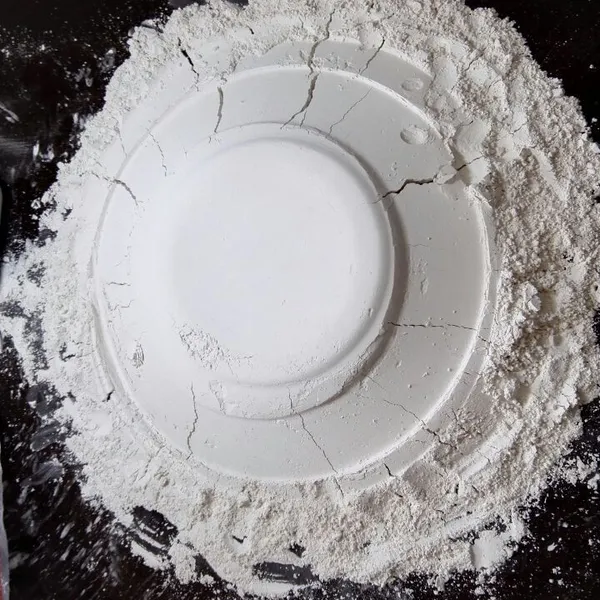
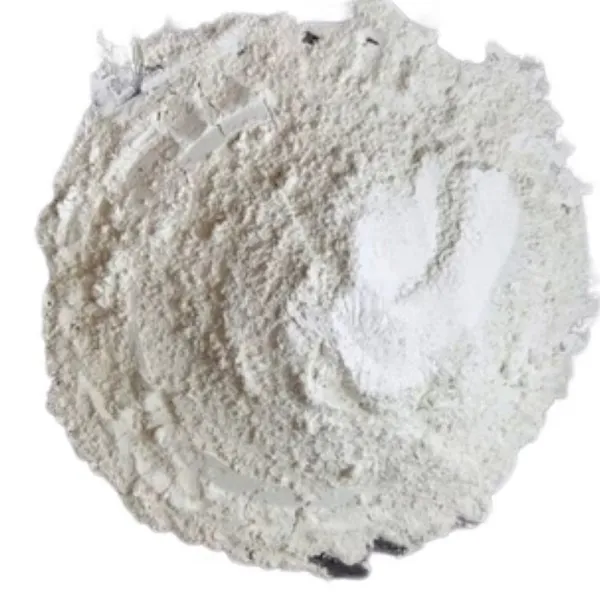
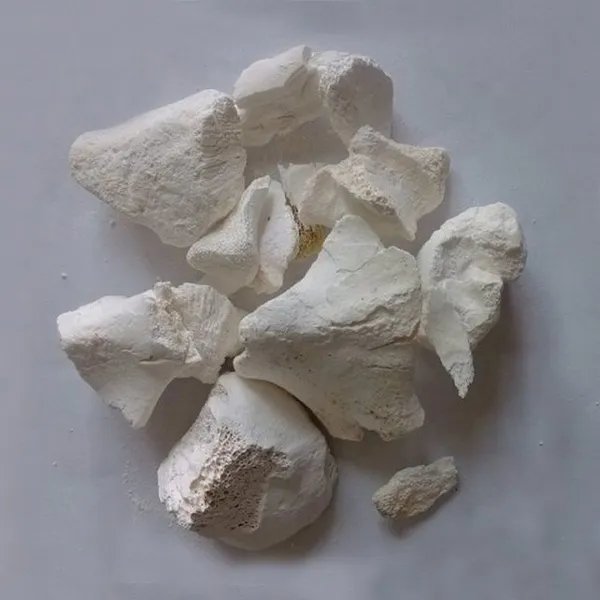
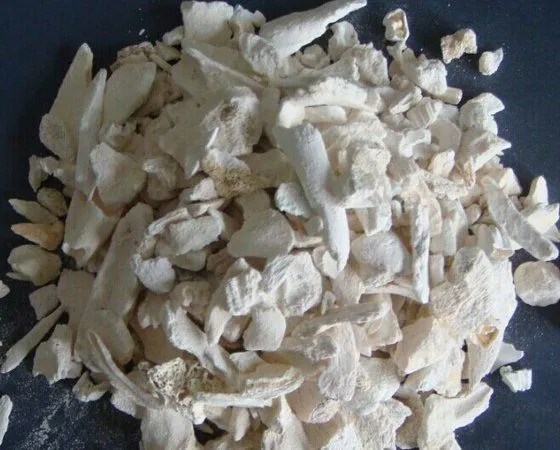
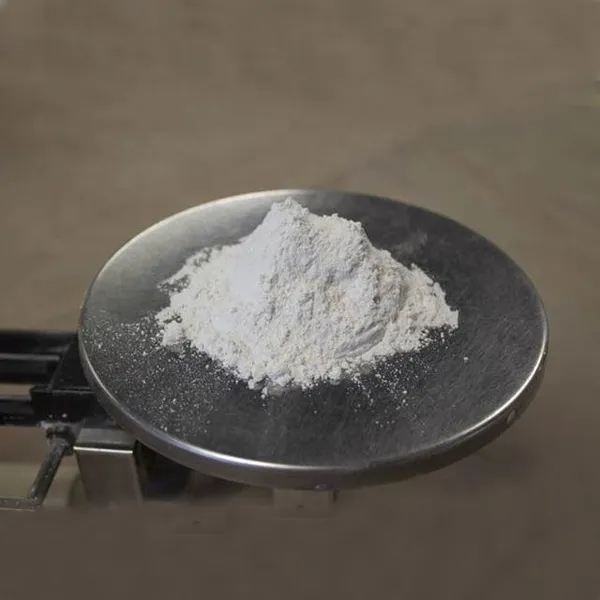
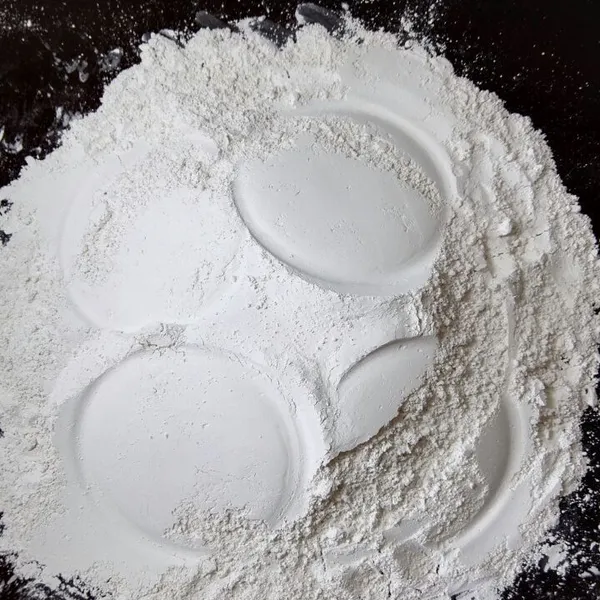
Calcined bone ash is the white, mineral-rich material produced by heating defatted animal bones to high temperatures in a controlled environment. The calcination process removes organic compounds and leaves behind a stable powder composed mainly of calcium phosphate and calcium carbonate. Learn more about the general composition of bone ash or read our overview of what bone ash is and how it differs from related bone products.
The term matters because not all bone ash is fully calcined. Lower-temperature processing leaves behind organic residues, moisture, and volatile compounds. These residues affect color, purity, and performance in sensitive applications like bone china production.
Fully calcined bone ash differs from bone meal in important ways. Bone meal is typically produced at lower temperatures and retains proteins and organic matter, making it suitable for feed or agricultural use. Calcined bone ash, by contrast, is processed at temperatures around 1200-1300°C. The result is a white crystalline powder with low burning loss and stable chemical composition.
The primary applications for calcined bone ash include:
Bone china and fine ceramic production
Mold-releasing agents in metallurgy and foundry work
Specialty industrial and laboratory uses
Certain filtration and chemical processes
Because calcined bone ash is derived from a natural raw material, its quality depends heavily on the source of the bone, the defatting process, the calcination temperature, and the grinding and sieving procedures that follow.
How Calcined Bone Ash Is Produced
Understanding the production process helps buyers evaluate whether a supplier can deliver consistent, high-quality material. Each step affects the final chemical composition, particle size, and suitability for industrial use.
Step 1: Raw Material Selection
Production begins with defatted bovine bone blocks. The quality of the raw bone affects the final product. Reputable manufacturers inspect incoming material for fat content, odor, color, and foreign matter. Bones with high residual fat or contamination will not produce the white, low-impurity ash that ceramic and metallurgical applications require.
Step 2: Defatting and Preparation
Before calcination, the bone material undergoes defatting to reduce organic residues. Residual fat discolors the final product and can interfere with the calcination reaction. Mechanical and thermal defatting methods reduce fat content to acceptable levels. This step is essential for producing white ash rather than gray or brown material.
Step 3: High-Temperature Calcination
The prepared bone is heated in controlled furnaces at approximately 1200-1300°C. At these temperatures, organic compounds decompose completely. The remaining inorganic material forms calcium phosphate and calcium carbonate structures that give calcined bone ash its characteristic properties.
Calcination temperature is one of the most critical quality control points. Insufficient temperature leaves organic residues, resulting in higher burning loss and potential defects. Excessive temperature can alter the crystalline structure and reactivity of the ash.
Step 4: Grinding and Sizing
After calcination, the material is cooled and ground to the required particle size. Common specifications include 325 mesh and 400 mesh bone ash powder. Separate grinding lines prevent cross-contamination between grades. Sieving ensures that the particle size distribution meets the required standards.
Step 5: Quality Control and Packaging
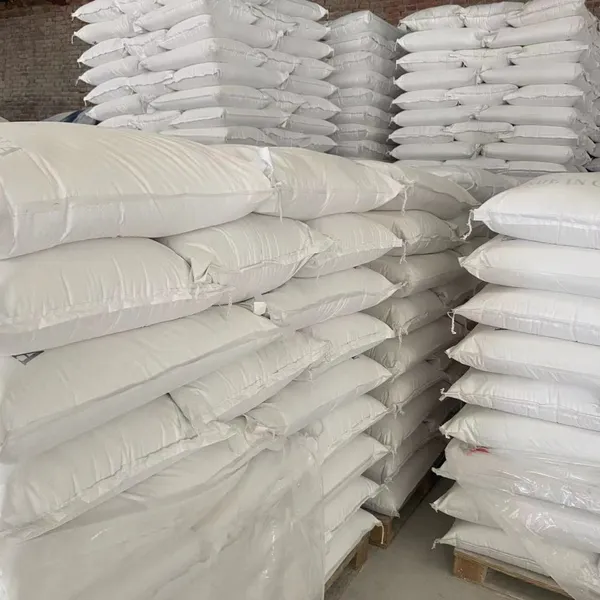
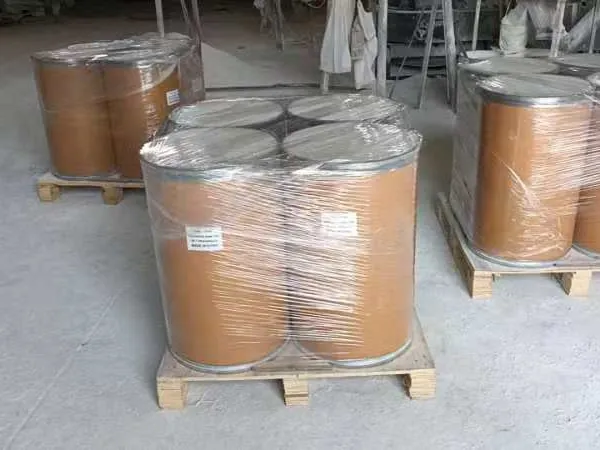
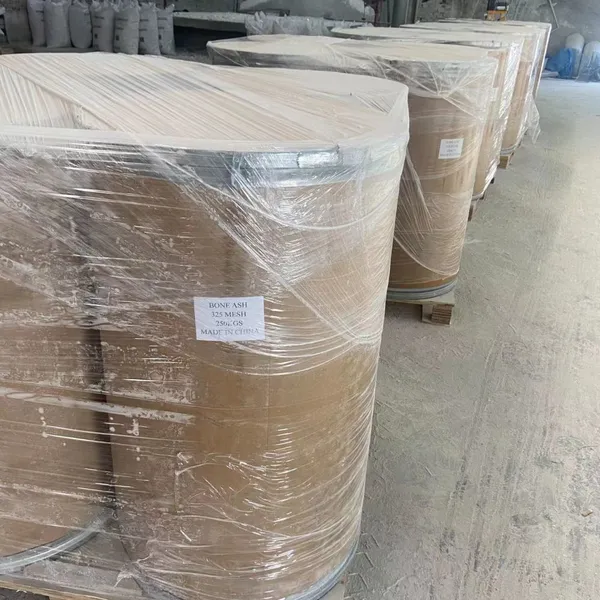
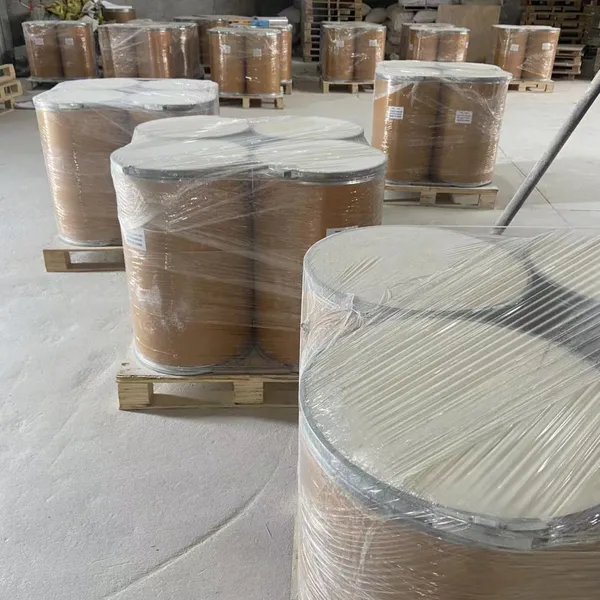
Every batch is tested for chemical composition, particle size, burning loss, pH, and color. A Certificate of Analysis documents the results. The material is then packaged in moisture-resistant containers to preserve quality during storage and transport.
Chemical Specifications and Physical Properties
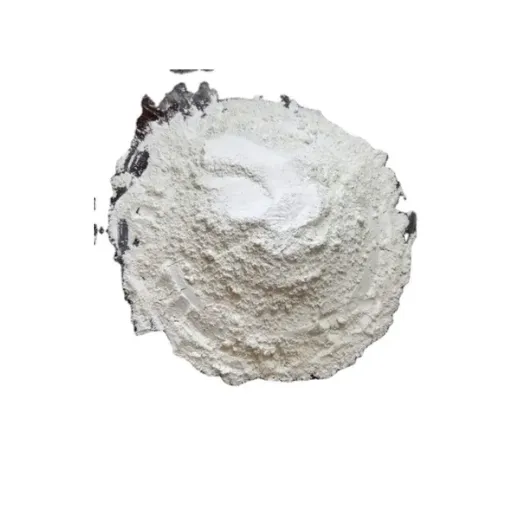
The value of calcined bone ash lies in its precise chemical composition. Buyers should request a COA showing the following specifications before approving any batch.
| Specification | Target Value | Why It Matters |
|---|---|---|
| Calcium (Ca) | ≥35.0% | Main mineral component; affects ceramic body maturity and strength |
| Phosphorus (P) | ≥16.0% | Indicates calcium phosphate content; contributes to hardness and stability |
| Iron (Fe) | ≤0.05% | Prevents discoloration in white ceramics and gray spotting |
| Burning loss | ≤1.0% | Shows complete calcination; high values cause defects |
| pH | 9.0-11.5 | Affects slip stability and chemical behavior |
| Color | White crystals or powder | Visual indicator of purity and calcination completeness |
| Mesh size | 325 or 400 | Determines particle fineness for specific applications |
Industry associations such as the British Ceramic Confederation emphasize that consistent raw material quality is essential for ceramic manufacturers supplying premium markets. These specifications are the baseline for ceramic-grade calcined bone ash. Metallurgical grades may have slightly different requirements depending on the application. Always match the specification to your process rather than accepting a generic product.
When Chen Wei, a quality manager at a Guangdong ceramic factory, switched suppliers in 2023, he made burning loss the first item on his incoming inspection checklist. His previous supplier had delivered material with burning loss fluctuating between 1.5% and 3.0%. The inconsistency caused unpredictable shrinkage and pinholing in thin-walled bone china. After requiring every shipment to show burning loss ≤1.0%, his defect rate dropped by nearly half.
Industrial Applications of Calcined Bone Ash
Calcined bone ash serves multiple industries because of its unique combination of calcium phosphate content, fine particle size, and thermal stability.
Bone China and Fine Ceramics
The largest industrial use of calcined bone ash is in bone china production. Manufacturers typically use 40-50% bone ash in the ceramic body. High-quality ceramic bone ash contributes translucency, strength, and the warm white color that distinguishes bone china from other porcelains.
For ceramic use, the material must meet strict purity standards. Iron content above 0.05% causes discoloration. High burning loss causes pinholes and blisters. Inconsistent particle size affects slip rheology and fired density.
Mold Releasing and Metallurgy
In foundry and metallurgical operations, calcined bone ash serves as a mold release agent. Its non-wetting properties help prevent metal from sticking to mold surfaces. It also provides mild thermal insulation, which protects molds during repeated casting cycles.
Applications include die casting, investment casting, permanent mold casting, and forging operations. Metallurgical buyers typically prioritize thermal stability and particle size over the extreme whiteness required by ceramic manufacturers.
Other Industrial Uses
Calcined bone ash also appears in specialized applications such as laboratory reagents, polishing compounds, and certain filtration processes. In each case, the buyer should specify the required chemical purity, particle size, and physical form.
Why Calcination Temperature Matters
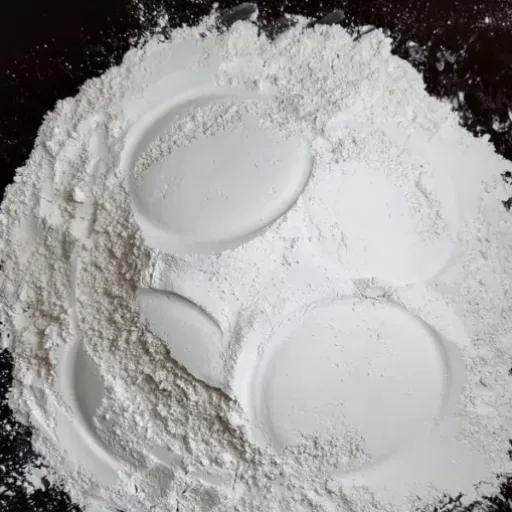
Calcination temperature determines whether bone ash becomes a stable industrial raw material or a source of production problems. The difference between 900°C and 1300°C calcination is significant.
At lower temperatures, organic matter does not fully decompose. The resulting material retains carbon, proteins, and volatile compounds. This leads to higher burning loss, darker color, and inconsistent behavior during firing or casting.
At 1300°C, organic compounds break down completely. The remaining calcium phosphate and calcium carbonate structures are stable and predictable. For ceramic manufacturers, this means consistent maturation temperature, reliable translucency, and fewer defects. Technical ceramics references such as Digitalfire provide detailed guidance on how firing temperature and body formulation interact.
The Ca/P ratio also stabilizes more reliably at proper calcination temperatures. Buyers should ask suppliers for the calcination temperature and verify it through burning loss and color tests.
Unsure whether your current bone ash is fully calcined? Contact our technical team to review your COA and compare specifications.
Selecting Calcined Bone Ash for Your Application
Choosing the right calcined bone ash requires matching specifications to your process. Use these questions to evaluate suppliers and products.
1. What Is Your End Application?
Ceramic applications require high purity, low iron, and controlled particle size. Metallurgical applications may prioritize thermal stability and cost. Feed or agricultural applications are generally not suitable for calcined bone ash; bone meal or bone granules are the appropriate products for those markets.
2. What Chemical Specifications Do You Need?
Request a COA and verify calcium, phosphorus, iron, burning loss, and pH. For bone china, specify Ca ≥35.0%, P ≥16.0%, Fe ≤0.05%, and burning loss ≤1.0%.
3. What Particle Size Do You Need?
Standard ceramic production often uses 325 mesh bone ash. Ultra-thin or high-translucency ware may require 400 mesh. Our guide on how to select bone ash mesh size explains when each grade makes sense. Ask for particle-size distribution data, not just a nominal mesh label.
4. Can the Supplier Provide Consistent Quality?
Review COAs from multiple consecutive batches. A single good COA does not prove consistency. Look for tight ranges in calcium, phosphorus, and iron content across five to ten batches.
5. Does the Supplier Control Production?
Vertically integrated manufacturers control every step from raw material selection through calcination and grinding. This control is essential for batch-to-batch consistency.
Maria Gonzalez, a procurement manager for a Mexican ceramics distributor, learned this lesson in 2022. A trading company offered calcined bone ash at a price 8% below market. The first shipment looked acceptable, but the second shipment had visible gray particles and tested at 0.08% iron. The material ruined a production run of premium tableware. She returned to a vertically integrated manufacturer with documented process control, and her quality complaints disappeared.
How Feilong Produces Calcined Bone Ash
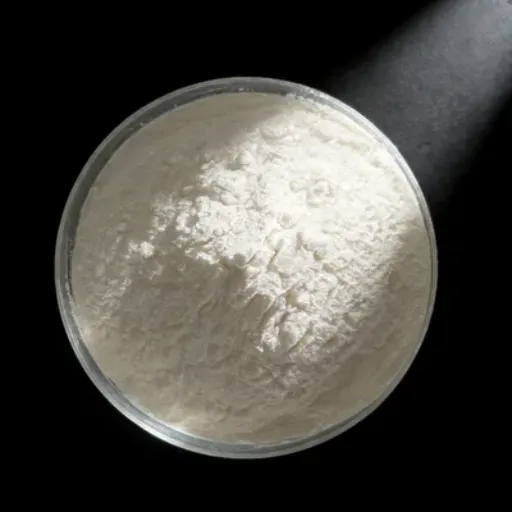
Feilong, a specialized bone ash manufacturer, produces calcined bone ash at our facility in Luohe, Henan Province. Our vertically integrated process gives us control over the variables that determine quality.
Controlled Raw Material Sourcing
We start with defatted bovine bone blocks from regulated suppliers. Incoming material is inspected for fat content, odor, and contamination before entering production.
1300°C Calcination
The prepared bone is calcined in controlled furnaces at approximately 1300°C. This temperature ensures complete decomposition of organic matter and produces the white crystalline ash required for high-grade ceramics.
Precision Grinding and Sizing
After calcination, the material is ground to 325 mesh or 400 mesh specifications. Separate grinding and sieving lines prevent cross-contamination between grades.
Batch Testing and Documentation
Every batch is tested for calcium, phosphorus, iron, burning loss, pH, and color. A Certificate of Analysis documents the results. Learn more about our bone ash production process and how it supports consistent output.
Conclusion
Calcined bone ash is not a generic commodity. The calcination temperature, chemical composition, and particle size determine whether it performs reliably in your process. For bone china manufacturers, fully calcined material with low iron and low burning loss is essential. For metallurgical buyers, thermal stability and consistent particle size matter most.
Key takeaways:
Calcined bone ash is produced by heating defatted bovine bone to 1200-1300°C
Look for Ca ≥35.0%, P ≥16.0%, Fe ≤0.05%, and burning loss ≤1.0% for ceramic applications
Verify calcination temperature and review multiple batch COAs before committing to a supplier
Match mesh size to your product requirements — 325 mesh for standard production, 400 mesh for ultra-thin ware
Work with a vertically integrated manufacturer that controls production from raw material through testing
At Luohe Feilong Bone Carbon Co., Ltd., we have supplied bone ash for ceramics, bone ash for bone china, and industrial applications for over 20 years. Our 1300°C calcination process, documented quality control, and 325 mesh and 400 mesh grades give manufacturers the consistency they need.
Ready to source calcined bone ash for your production line? Request a free sample with full COA or get a bulk FOB quote for your next order.
Recently Posted
-
How Bone Ash Works as a Mold Release Agent in Metal Casting
September 2, 2026A small brass foundry in South Asia ran the same mold for fourteen years without changing its parting material, then switched to a Read More
 -
Luohe Feilong Bone Carbon: Industrial Bone Ash Manufacturer Since 2011
August 17, 2026When a copper foundry in Turkey needs bone ash that releases cleanly from a sand mold at 1,100 degrees Celsius, or a bone china fa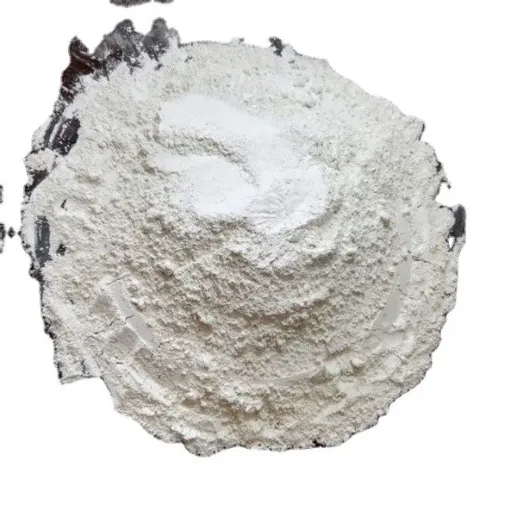 Read More
 -
Bone Ash in Copper Casting Mold Release: Application and Practical Guidance
August 14, 2026A copper sand casting foundry in India was producing electrical switch components that required a clean, smooth surface finish for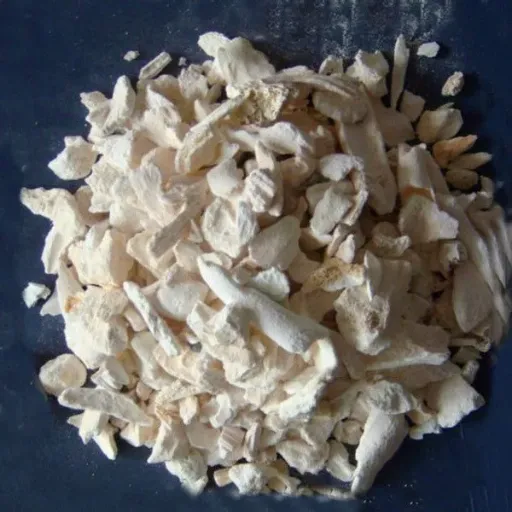 Read More
 -
How to Source Bone Ash for Foundry Applications: A Buyer's Checklist
August 13, 2026A purchasing manager at a brass foundry in Egypt ordered 20 metric tons of bone ash from a new supplier at a price roughly 25% bel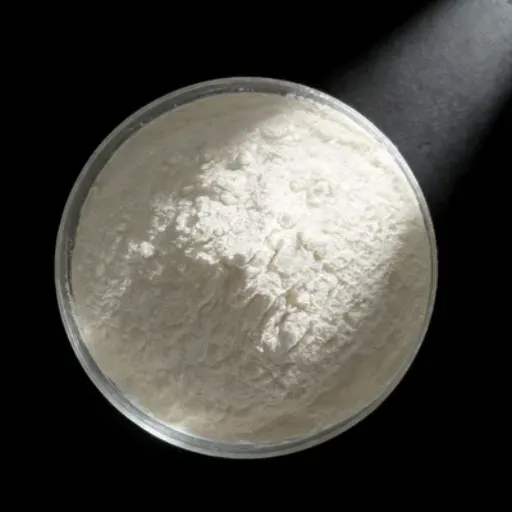 Read More

Contact Us
Recommended Products
-
 Manufacturer Sell Low Price Calcined Bone Ash or PowderUS$ 850MOQ: 5 Tons
 -
Manufacturer Sell Low Price Calcined Bone Ash or PowderUS$ 850MOQ: 5 Tons
-
Manufacturer Sell Low Price Calcined Bone Ash or PowderUS$ 850MOQ: 5 Tons
-
Sell Well Bone Ash for Mold Releasing UseUS$ 880 - 920MOQ: 5 Tons
-
Feilong Direct Sales Die-casting Water-soluble Mold Metal Release AgentUS$ 920MOQ: 5 Tons
-
Natural Animal Bone AshUS$ 880 - 920MOQ: 5 Tons
-
China Manufacturer Supply Eco-Friendly Bone Ash PowderUS$ 890MOQ: 1 Ton
-
Calcined Bone Ash for Bone China With GoodPriceUS$ 880 - 920MOQ: 5 Tons
-
Synthetic Bone Ash for Ceramic With Good PriceUS$ 850MOQ: 5 Tons
-
Calcium and Phosphorus Powder - 325 MeshPowderUS$ 850MOQ: 5 Tons
-
Calcium and Phosphorus Powder - 325 MeshPowderUS$ 850MOQ: 5 Tons
-
Calcium Stearate PVC PE Lubricant Mould-releasing Powder ManufacturerUS$ 850MOQ: 5 Tons
-
Reputed Supplier Selling Bone Ash Powder Which Meet With Environmental Standard As Animal FeedstuffUS$ 850MOQ: 5 Tons
-
Industrial Grade Bone Ash for Bone Ceramics and MetallurgyUS$ 900MOQ: 10 Tons
-
Animal Ashes Used for Bone ChinaUS$ 900MOQ: 5 Tons
-
Calcium and Phosphorus Powder - 325 MeshPowderUS$ 850MOQ: 5 Tons
-
High Quality Bone Ash for Mold Releasing Use/bone Ash PowderUS$ 850 - 880MOQ: 5 Tons
-
Manufacturer Sell Low Price Calcined Bone Ash or PowderUS$ 850MOQ: 5 Tons
-
Calcined Bone Ash for Bone China With GoodPriceUS$ 880MOQ: 5 Tons
-
High Quality Bone Ash for Mold Releasing Use/bone Ash PowderUS$ 880 - 920MOQ: 5 Tons