
 Business License

Bone Ash Calcium Phosphate: What Industrial Buyers Need to Know About the Chemistry
In 2022, a ceramic raw materials lab in Foshan received a shipment of what the certificate labeled as "ceramic-grade calcium phosphate." The buyer assumed it would perform identically to the bone ash they had used for years. After three production runs, their bone china had lost its signature translucency. The problem was not the calcium or phosphorus content, which matched the spec sheet. The problem was the crystal structure. Bone ash is a natural calcium phosphate, and that natural origin changes everything about how it behaves in a ceramic body.
If you source bone-derived materials for industrial use, understanding bone ash calcium phosphate chemistry is not academic. It directly affects batch consistency, end-product quality, and whether your formulation performs as expected. This guide explains the mineralogy, composition, and practical implications of bone ash as a natural calcium phosphate source.
Whether you are qualifying a new supplier or troubleshooting a formulation issue, the details below will help you evaluate bone ash calcium phosphate with confidence. If you need test material for your own lab, request a sample with full COA from Feilong.
What Is Bone Ash Calcium Phosphate?
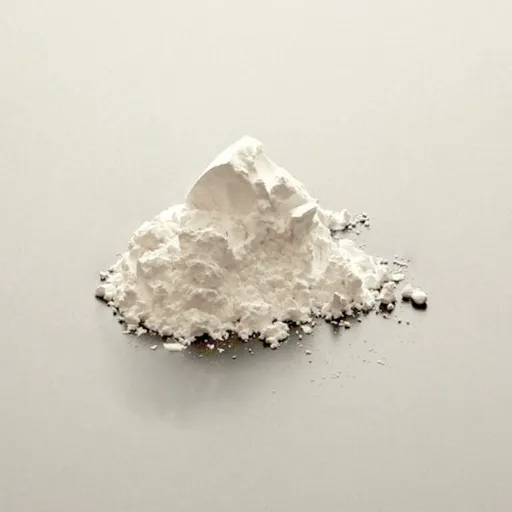
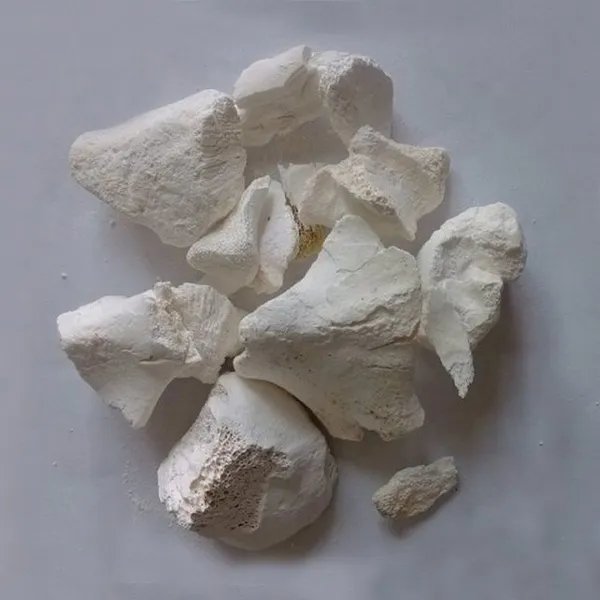
Bone ash is a natural calcium phosphate produced by calcining defatted animal bones, typically bovine, at temperatures around 1300 degrees Celsius. Before calcination, the mineral phase of bone is composed primarily of hydroxyapatite (Ca10(PO4)6(OH)2), a crystalline calcium phosphate that gives bone its hardness and structure.
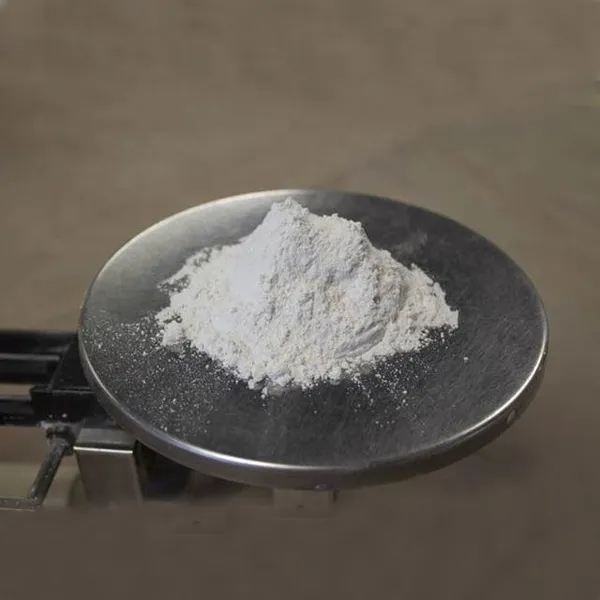
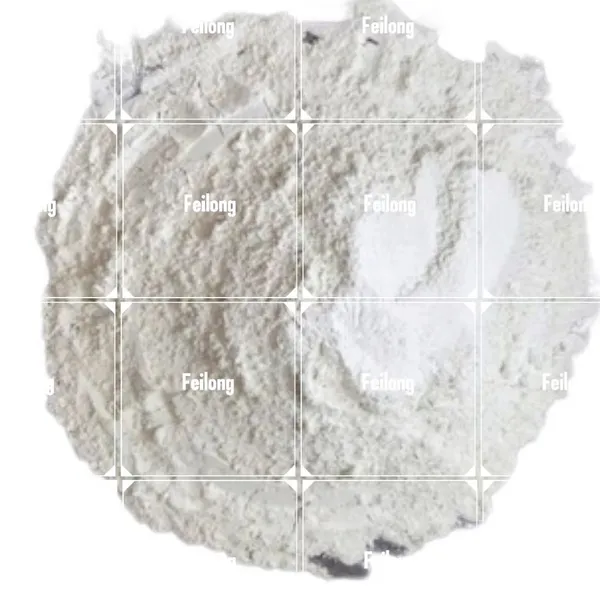
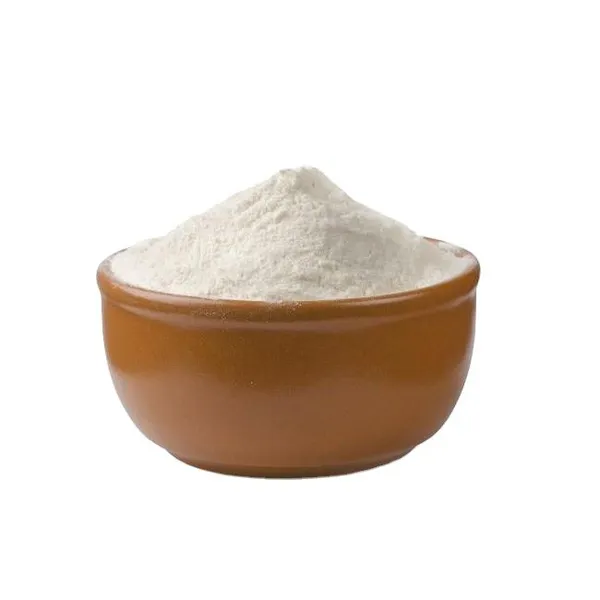
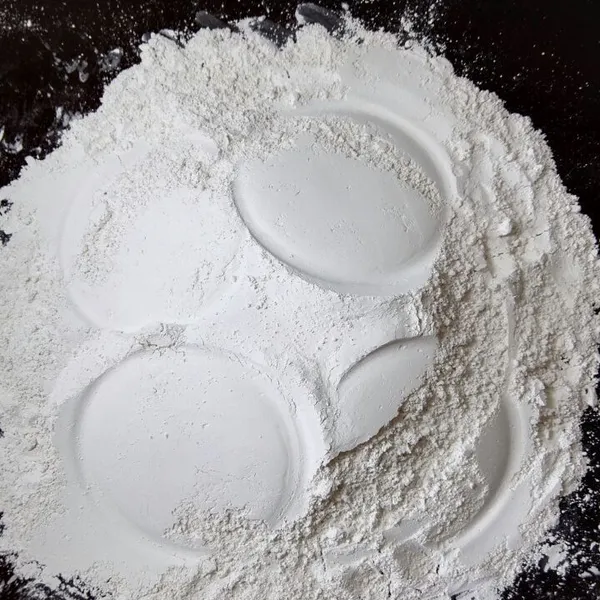
During high-temperature calcination, hydroxyapatite undergoes thermal decomposition. The hydroxyl groups are driven off, and the material converts into a form dominated by tricalcium phosphate (Ca3(PO4)2), along with residual calcium carbonate and trace minerals. The result is a white, crystalline powder with a characteristic chemical fingerprint that no synthetic process fully replicates.
For a broader introduction to bone-derived materials, read our guide on what is bone ash.
A typical bone ash calcium phosphate composition includes:
Calcium (Ca): 35% or higher
Phosphorus (P): 16% or higher
Ca:P ratio: Approximately 2.16:1
Iron (Fe): 0.05% or less
Burning loss: 1.0% or less
pH: 9.0 to 11.5
Residual carbonate: Present in small amounts
Trace minerals: Magnesium, sodium, and potassium in low concentrations
The Ca:P ratio of approximately 2.16:1 is one of the most important identifiers of genuine bone ash. Synthetic tricalcium phosphate typically has a Ca:P ratio closer to 1.94:1, while dicalcium phosphate sits at approximately 1.29:1. This ratio difference is not just a number on a spec sheet. It changes how the material interacts with fluxes, silica, and alumina in ceramic formulations.
From Hydroxyapatite to Tricalcium Phosphate: The Calcination Process
Understanding bone ash calcium phosphate requires understanding what happens during calcination. Raw bovine bone mineral is approximately 70% hydroxyapatite by weight, with the remainder being organic collagen and small amounts of other minerals.
When bone is heated to 1300 degrees Celsius in a controlled kiln environment, several transformations occur in sequence:
Stage 1: Organic Matter Removal (200-600 degrees Celsius)
Collagen and other organic compounds break down and volatilize. By 600 degrees Celsius, essentially all organic material has been removed, leaving the inorganic mineral scaffold.
Stage 2: Dehydroxylation (700-1000 degrees Celsius)
The hydroxyapatite crystal lattice begins to lose hydroxyl groups. This dehydroxylation converts hydroxyapatite toward oxyapatite and begins the transition toward tricalcium phosphate structures.
Stage 3: Crystal Restructuring (1000-1300 degrees Celsius)
At the highest temperatures, the crystal structure reorganizes into stable calcium phosphate phases. The final product is a mixture dominated by tricalcium phosphate, with residual calcium carbonate and the trace mineral profile characteristic of the original bone source.
The 1300-degree calcination temperature is critical. Lower temperatures leave residual organic matter and incomplete crystal conversion. Higher temperatures can cause sintering or unwanted phase changes that affect reactivity. Quality manufacturers like Feilong control this temperature precisely across every batch.
Learn more about our controlled calcination process on the production process page.
Why Natural Calcium Phosphate Structure Matters
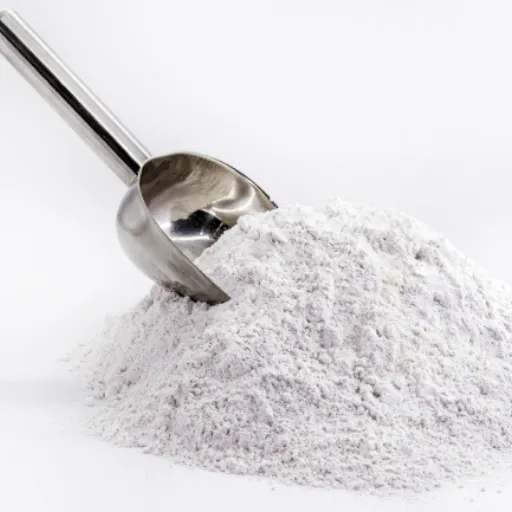
Bone ash calcium phosphate is not chemically identical to synthetic tricalcium phosphate, even when both have similar Ca and P percentages. The differences lie in crystal morphology, trace mineral content, and particle characteristics.
Crystal Morphology
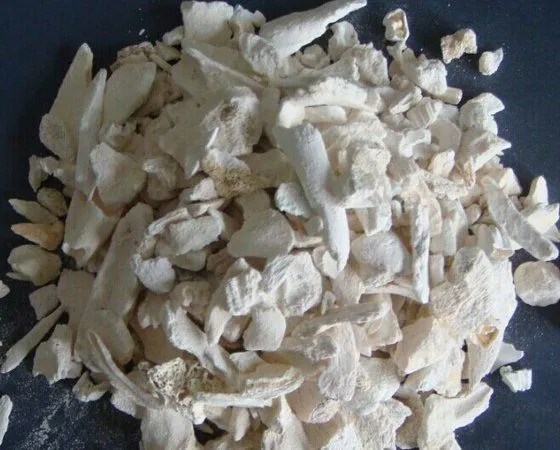
Bone ash retains some of the structural features of the original hydroxyapatite crystals. These are typically needle-like or plate-like crystals that provide specific mechanical and chemical properties. Synthetic TCP, by contrast, is usually produced as equant or rounded particles through chemical precipitation. The difference in crystal shape affects packing density, surface area, and reactivity in ceramic bodies.
Trace Mineral Complexity
Natural bone ash contains low levels of magnesium, sodium, potassium, and carbonate. In ceramic applications, these trace elements act as flux modifiers, subtly altering how the bone ash interacts with feldspar and kaolin during firing. In mold release applications, the residual carbonate content contributes to thermal decomposition that helps prevent metal adhesion.
Synthetic calcium phosphate lacks this trace mineral complexity. For some applications, purity is an advantage. For ceramics and metallurgy, the natural mineral profile is often essential to performance.
Particle Porosity
The natural porosity structure of calcined bone ash particles provides mechanical interlocking in some applications and influences how the material behaves as a mold release agent. Synthetic products, with their more uniform particle morphology, do not replicate this characteristic.
Applications Where Bone Ash Calcium Phosphate Excels
Bone China and Fine Ceramics
The most demanding application for bone ash calcium phosphate is bone china production. Manufacturers typically use 40-50% bone ash in the ceramic body. The natural Ca:P ratio of approximately 2.16:1 aligns with the flux system needed to achieve the characteristic translucency, strength, and warm ivory color of genuine bone china.
The trace minerals in natural bone ash also contribute to the subtle color differences that distinguish high-quality bone china from porcelain made with synthetic alternatives. If your product line depends on bone china's aesthetic properties, natural bone ash calcium phosphate is not optional. It is the material that defines the product category.
For formulation guidance, see our ceramic-grade bone ash specifications.
Metallurgical Mold Release
In foundry and die-casting applications, bone ash calcium phosphate serves as a non-wetting, thermally stable mold release agent. Its natural particle morphology creates an effective physical barrier between molten metal and mold surfaces. The residual carbonate content thermally decomposes at metal-pouring temperatures, generating a thin gas layer that further reduces adhesion.
Synthetic calcium phosphate does not provide this combination of physical barrier and thermal gas evolution. For aluminum, zinc, and other non-ferrous casting operations, natural bone ash remains the preferred release material.
See Mold-Releasing Bone Ash for technical specifications.
Animal Feed and Nutrition
While calcined bone ash is not typically used directly in animal feed, bone-derived calcium phosphate products are important nutritional sources. Feed-grade bone granules, bone powder, and calcium hydrogen phosphate provide bioavailable calcium and phosphorus with the natural mineral profile that supports animal health.
The Ca:P ratio in bone-derived feed materials is generally favorable for livestock nutrition, and the trace mineral content provides nutritional benefits beyond pure Ca and P supplementation.
Explore Feilong's feed-grade bone products for animal nutrition applications.
How to Evaluate Bone Ash Calcium Phosphate Quality
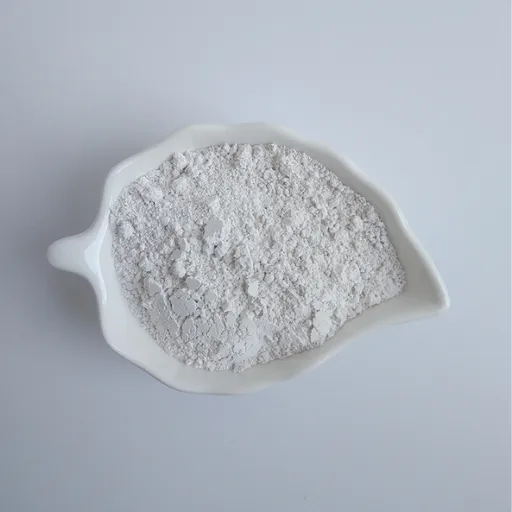
When sourcing bone ash calcium phosphate, buyers should look beyond total calcium and phosphorus percentages. The following indicators reveal whether a product is genuine, properly calcined, and suitable for your application.
Chemical Composition
Ca ≥35.0% and P ≥16.0%: These are the baseline indicators of properly calcined bone ash
Ca:P ratio ~2.16:1: Ratios significantly below 2.0 may indicate blending with synthetic dicalcium phosphate or incomplete calcination
Fe ≤0.05%: Low iron is essential for ceramic applications where discoloration must be avoided
Burning loss ≤1.0%: Indicates complete organic matter removal
Physical Properties
Color: White to off-white. Gray or yellow tints suggest incomplete defatting or calcination problems
Mesh size: 325 mesh or 400 mesh for ceramic applications; coarser grades may be acceptable for metallurgical use
Particle morphology: Under microscopy, genuine bone ash shows irregular, crystalline particles rather than rounded precipitated grains
Bone ash composition stability: Consistent Ca:P ratio across batches indicates genuine, unblended product
Documentation
Certificate of Analysis (COA): Every batch should include a COA showing actual test results, not just target ranges
Batch consistency: Request COAs from multiple batches to verify supplier consistency
Process transparency: Quality suppliers can describe their calcination temperature, raw material source, and quality control steps
Our quality control page details how Feilong maintains batch-to-batch consistency.
Common Misconceptions About Bone Ash Calcium Phosphate
Misconception 1: "All calcium phosphate is the same"
This is the most expensive misunderstanding in the industry. Synthetic TCP, DCP, and natural bone ash are all calcium phosphates, but their crystal structures, trace mineral profiles, and particle morphologies differ significantly. These differences directly affect performance in ceramics, metallurgy, and feed applications.
Misconception 2: "Higher calcium content is always better"
Synthetic TCP can achieve calcium contents of 38% or higher, exceeding bone ash's typical 35%. However, the Ca:P ratio matters more than absolute calcium percentage for many applications. Bone ash's ~2.16:1 ratio is optimized for ceramic flux behavior, while TCP's ~1.94:1 ratio behaves differently in formulation.
Misconception 3: "Bone ash is just burned bone meal"
Bone meal is produced at lower temperatures and retains organic matter, making it suitable for agricultural or feed use. Bone ash is fully calcined at 1300 degrees Celsius, converting the mineral phase to stable calcium phosphate structures suitable for high-temperature industrial applications. The two products are not interchangeable.
For a detailed buyer's comparison of both materials, see our bone ash vs calcium phosphate guide. For a deeper comparison of bone-derived products, read our bone ash vs. bone meal comparison.
Sourcing Bone Ash Calcium Phosphate: What to Ask Your Supplier
When evaluating bone ash calcium phosphate suppliers, ask these questions:
What is your calcination temperature and how is it controlled?
Look for 1300 degrees Celsius with documented temperature control systems. Inconsistent temperatures produce variable product.What is the typical Ca:P ratio across batches?
Genuine bone ash should show ratios between 2.1 and 2.2 consistently. Wide variation suggests poor process control or material blending.Can you provide COAs from the last three batches?
Batch-to-batch consistency is essential for industrial buyers. Three consecutive COAs reveal whether the supplier actually controls their process.Do you operate your own factory or source from multiple producers?
Factory-direct suppliers with vertical integration offer better consistency and accountability than trading companies.What mesh sizes do you offer, and can you provide samples?
Sample testing in your own formulation is the only way to confirm suitability. Reputable suppliers offer samples starting from 1 kg.
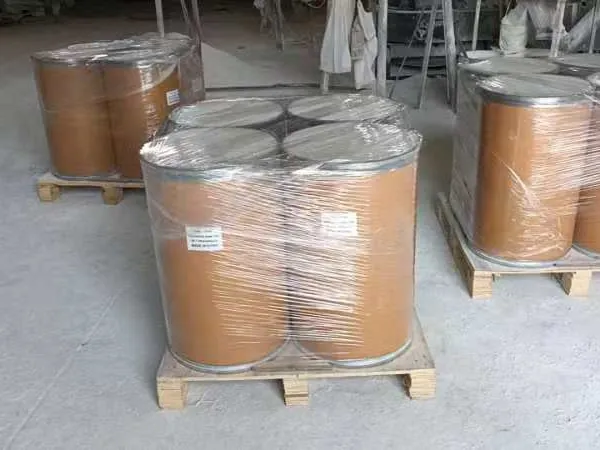
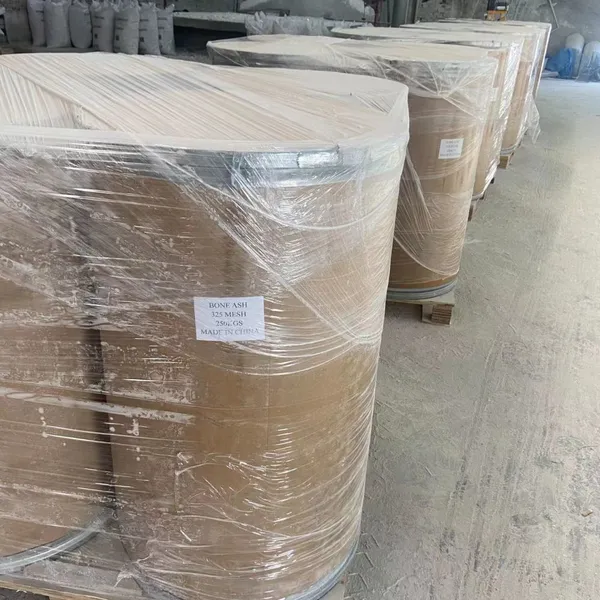
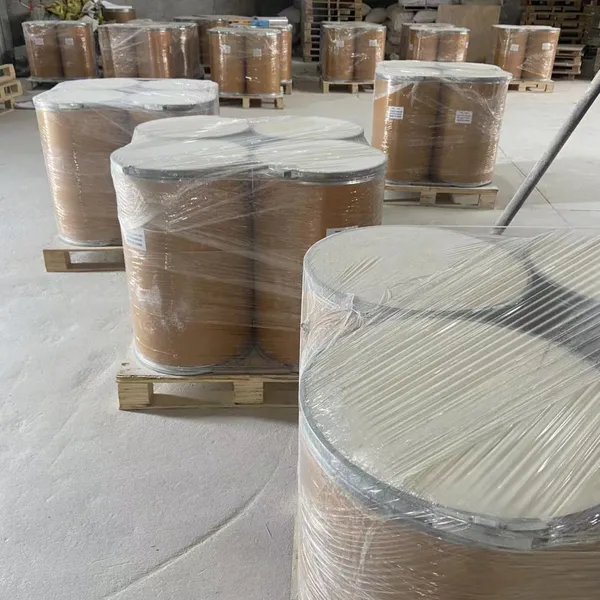
Feilong offers bone ash calcium phosphate in 325 mesh and 400 mesh grades, with standard specifications of Ca ≥35%, P ≥16%, and Fe ≤0.05%. Our FOB pricing ranges from US$720 to US$890 per metric ton depending on grade and volume, with a standard MOQ of 1 metric ton.
Request a sample with COA to evaluate bone ash calcium phosphate in your own process.
Key Takeaways
Calcined bone ash is a natural calcium phosphate derived from hydroxyapatite through high-temperature calcination at 1300 degrees Celsius
The characteristic Ca:P ratio of approximately 2.16:1 distinguishes genuine bone ash from synthetic calcium phosphates
Natural crystal morphology, trace minerals, and residual carbonate give bone ash properties that synthetic alternatives cannot replicate
For bone china production and metallurgical mold release, natural bone ash calcium phosphate is typically the superior choice
Buyers should evaluate suppliers on calcination process control, batch consistency documentation, and sample availability
Chemical composition alone does not determine suitability; the physical structure and mineral profile matter equally
Luohe Feilong Bone Carbon Co., Ltd. has manufactured bone ash calcium phosphate since 1992. Our vertically integrated factory controls every step from defatted bovine bone raw material through 1300-degree calcination to final grinding and packaging. We supply ceramic-grade bone ash, mold-releasing bone ash, and bone-derived feed materials to buyers across Southeast Asia, Europe, the Middle East, and North America.
Ready to test bone ash calcium phosphate in your formulation? Request a sample with COA or contact our technical team to discuss your specifications.
Recently Posted
-
Luohe Feilong Bone Carbon: Industrial Bone Ash Manufacturer Since 2011
August 17, 2026When a copper foundry in Turkey needs bone ash that releases cleanly from a sand mold at 1,100 degrees Celsius, or a bone china fa Read More
 -
Bone Ash in Copper Casting Mold Release: Application and Practical Guidance
August 14, 2026A copper sand casting foundry in India was producing electrical switch components that required a clean, smooth surface finish for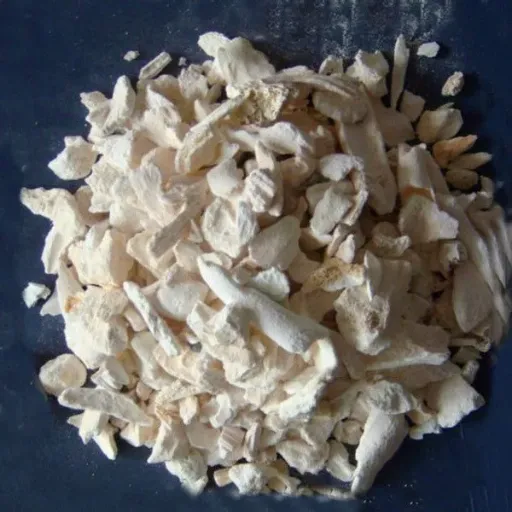 Read More
 -
How to Source Bone Ash for Foundry Applications: A Buyer's Checklist
August 13, 2026A purchasing manager at a brass foundry in Egypt ordered 20 metric tons of bone ash from a new supplier at a price roughly 25% bel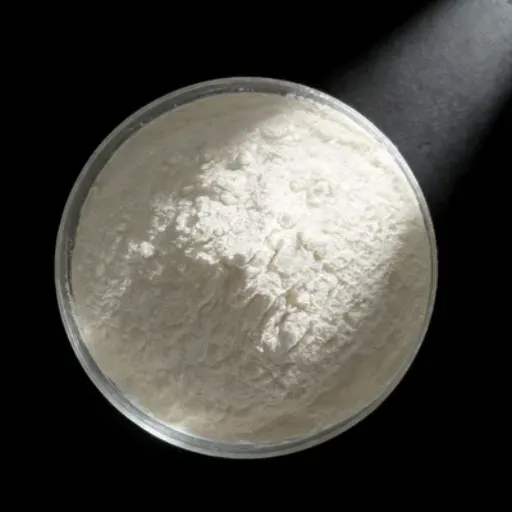 Read More
 -
Bone Ash vs Graphite Powder for Non-Ferrous Metal Mold Release
August 12, 2026A brass foundry in Southeast Asia switched from bone ash to a lower-cost graphite powder for its sand casting release agent, expec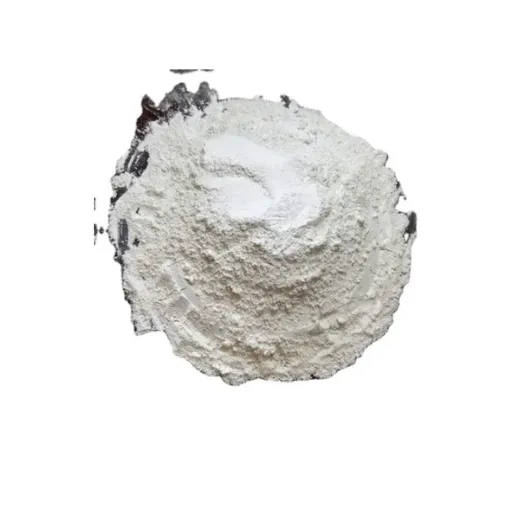 Read More

Contact Us
Recommended Products
-
 Manufacturer Sell Low Price Calcined Bone Ash or PowderUS$ 850MOQ: 5 Tons
 -
Manufacturer Sell Low Price Calcined Bone Ash or PowderUS$ 850MOQ: 5 Tons
-
Manufacturer Sell Low Price Calcined Bone Ash or PowderUS$ 850MOQ: 5 Tons
-
Sell Well Bone Ash for Mold Releasing UseUS$ 880 - 920MOQ: 5 Tons
-
Feilong Direct Sales Die-casting Water-soluble Mold Metal Release AgentUS$ 920MOQ: 5 Tons
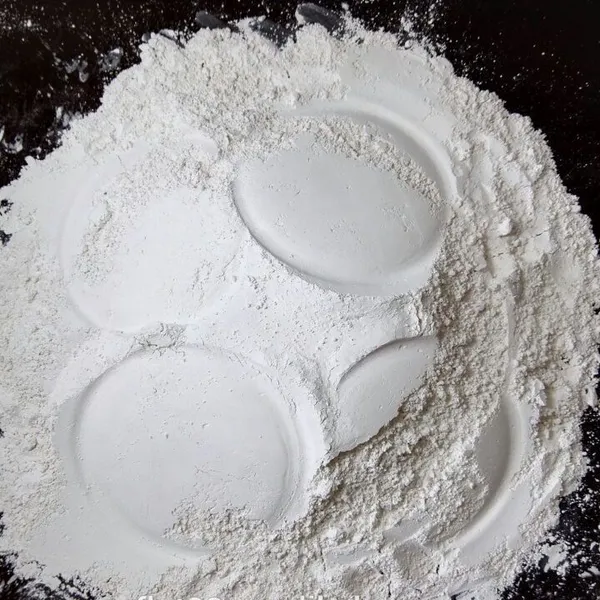
-
Natural Animal Bone AshUS$ 880 - 920MOQ: 5 Tons
-
China Manufacturer Supply Eco-Friendly Bone Ash PowderUS$ 890MOQ: 1 Ton
-
Calcined Bone Ash for Bone China With GoodPriceUS$ 880 - 920MOQ: 5 Tons
-
Synthetic Bone Ash for Ceramic With Good PriceUS$ 850MOQ: 5 Tons
-
Calcium and Phosphorus Powder - 325 MeshPowderUS$ 850MOQ: 5 Tons
-
Calcium and Phosphorus Powder - 325 MeshPowderUS$ 850MOQ: 5 Tons
-
Calcium Stearate PVC PE Lubricant Mould-releasing Powder ManufacturerUS$ 850MOQ: 5 Tons
-
Reputed Supplier Selling Bone Ash Powder Which Meet With Environmental Standard As Animal FeedstuffUS$ 850MOQ: 5 Tons
-
Industrial Grade Bone Ash for Bone Ceramics and MetallurgyUS$ 900MOQ: 10 Tons
-
Animal Ashes Used for Bone ChinaUS$ 900MOQ: 5 Tons
-
Calcium and Phosphorus Powder - 325 MeshPowderUS$ 850MOQ: 5 Tons
-
High Quality Bone Ash for Mold Releasing Use/bone Ash PowderUS$ 850 - 880MOQ: 5 Tons
-
Manufacturer Sell Low Price Calcined Bone Ash or PowderUS$ 850MOQ: 5 Tons
-
Calcined Bone Ash for Bone China With GoodPriceUS$ 880MOQ: 5 Tons
-
High Quality Bone Ash for Mold Releasing Use/bone Ash PowderUS$ 880 - 920MOQ: 5 Tons