
 Business License

Bone Ash vs. Calcium Phosphate: Which Material Fits Your Application?
A ceramics factory in Jingdezhen switched from synthetic calcium phosphate to natural bone ash in 2023. Within three months, their bone china translucency improved noticeably, and their production reject rate dropped by 15%. The procurement manager later said the decision came down to one factor: understanding how these two materials actually differ in practice, not just on paper.
If you source raw materials for ceramics, metallurgy, feed production, or water treatment, you have likely encountered both bone ash and synthetic calcium phosphate. They share a chemical family, but their origins, processing behavior, and end-use performance set them apart in ways that directly affect your bottom line.
When evaluating bone ash vs calcium phosphate for your production line, the differences go beyond chemistry. This guide breaks down the distinctions clearly. You will learn how each material is produced, where their compositions diverge, and which one delivers better results for your specific industry. If you are evaluating suppliers or testing formulations, requesting samples side by side is the fastest way to confirm the right choice.
What Is Bone Ash?
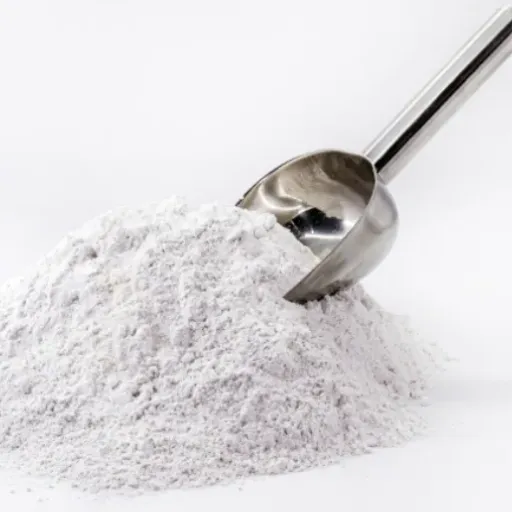
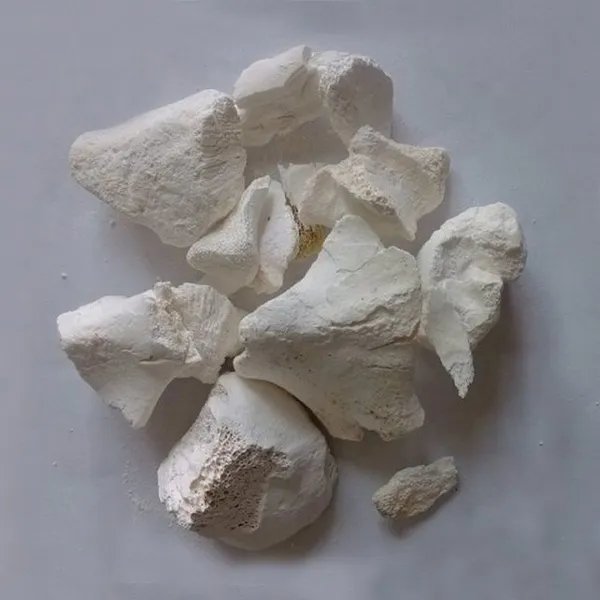
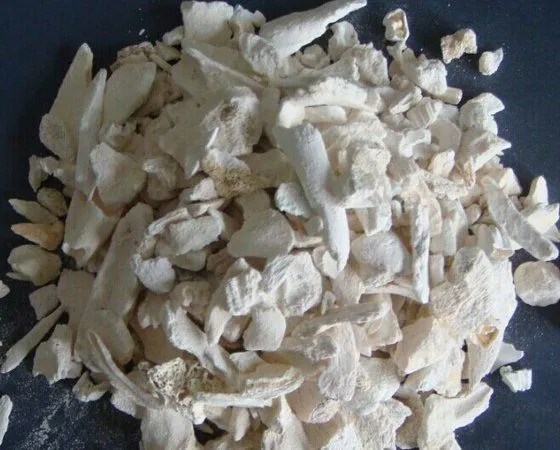
Bone ash is a natural calcium phosphate derived from animal bones. Manufacturers produce it by calcining cleaned, defatted bones at temperatures up to 1300 degrees Celsius. This high-temperature process burns off organic matter, leaving behind a mineral-rich powder composed primarily of tricalcium phosphate (Ca3(PO4)2).
A typical bone ash composition includes:
Calcium (Ca): 35% or higher
Phosphorus (P): 16% or higher
Ca:P ratio: Approximately 2.16:1
Iron (Fe): 0.05% or less
Burning loss: 1.0% or less
pH: 9.0 to 11.5
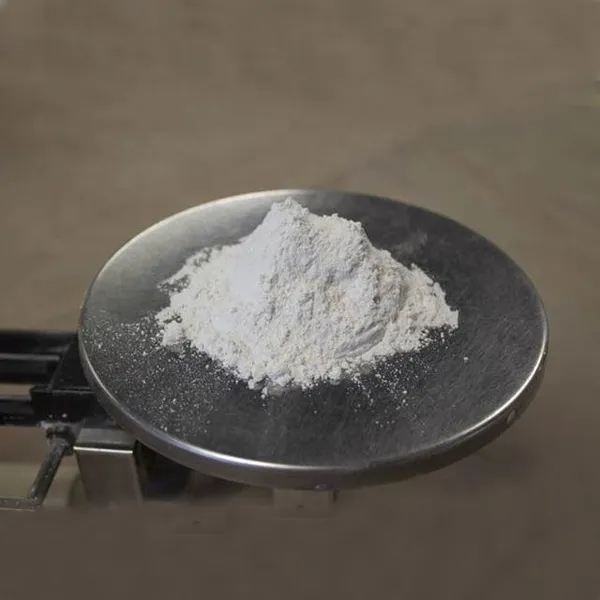
The result is a fine, white powder available in mesh sizes such as 325 and 400. Because bone ash comes from a natural source, it retains trace minerals that synthetic alternatives lack, including small amounts of magnesium, sodium, and carbonate.
For a deeper look at natural bone ash properties, see What Is Bone Ash?. To understand how bone ash differs from bone meal, see our bone ash vs. bone meal comparison.
What Is Calcium Phosphate?
Calcium phosphate is a broad family of chemical compounds containing calcium and phosphate ions. The term covers both natural and synthetic forms. In industrial contexts, "calcium phosphate" usually refers to synthetic products manufactured through chemical processes.
Common synthetic calcium phosphates include:
Dicalcium phosphate (DCP, CaHPO4): Ca ~29.4%, P ~22.8%, Ca:P ratio ~1.29:1
Tricalcium phosphate (TCP, Ca3(PO4)2): Ca ~38.8%, P ~20.0%, Ca:P ratio ~1.94:1
Monocalcium phosphate (MCP, Ca(H2PO4)2): Ca ~15.9%, P ~24.6%, Ca:P ratio ~0.65:1
Manufacturers produce these compounds by reacting calcium sources (limestone, calcium hydroxide) with phosphoric acid derived from phosphate rock. The process allows precise control over composition, particle size, and purity.
Synthetic calcium phosphate is widely used in food fortification, pharmaceutical tablets, animal feed additives, and dental ceramics. Its consistent batch-to-batch composition makes it a standard choice in regulated industries.
Learn more about Feilong's calcium hydrogen phosphate for feed applications on our calcium hydrogen phosphate product page.
Bone Ash vs. Calcium Phosphate: Side-by-Side Comparison
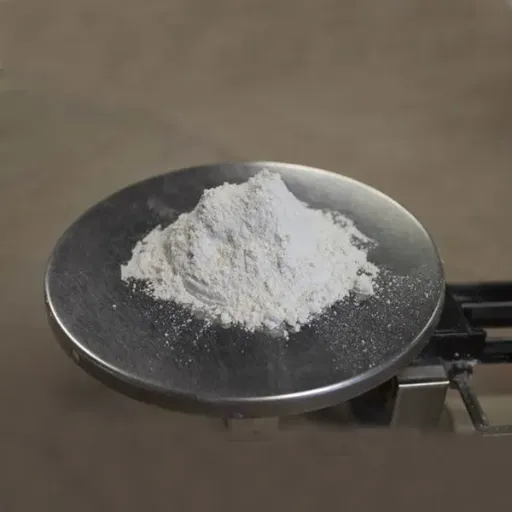
The table below summarizes the key differences between natural bone ash and synthetic calcium phosphate:
| Feature | Bone Ash (Natural) | Synthetic Calcium Phosphate |
|---|---|---|
| Source | Animal bones (bovine preferred) | Chemical synthesis from phosphate rock + acid |
| Primary compound | Tricalcium phosphate (Ca3(PO4)2) | Varies: DCP, TCP, or MCP |
| Ca content | 35%+ | 15.9%–38.8% (depends on type) |
| P content | 16%+ | 20.0%–24.6% (depends on type) |
| Ca:P ratio | ~2.16:1 | 0.65:1 to 1.94:1 |
| Trace minerals | Mg, Na, carbonate present | Minimal unless intentionally added |
| Particle control | Depends on grinding/calcination | Highly precise |
| Batch consistency | Good with quality control | Very high |
| Color | White to off-white | Bright white |
| Cost (FOB) | US$720–890/MT | US$500–1,200/MT (varies by type and grade) |
| MOQ | 1 MT (samples from 1 kg) | Varies by supplier |
| Best for | Ceramics, mold release, traditional formulations | Feed, pharma, food, dental |
This comparison shows that neither material is universally superior. The right choice depends on your application, regulatory requirements, and performance priorities.
How Production Methods Affect Performance
The manufacturing process shapes each material's behavior in your production line.
Bone Ash Production
Bone ash production starts with sourcing clean animal bones, typically bovine. The bones are defatted, often degelatinized, then loaded into kilns. Calcination at 1300 degrees Celsius drives off all organic material and converts the bone mineral into a stable crystalline form.
The bone ash composition resulting from high-temperature calcination is remarkably stable. This process produces a material with:
High thermal stability: Withstands extreme temperatures without decomposition
Natural porosity structure: Useful in mold release and filtration
Residual carbonate content: Affects flux behavior in ceramic formulations
Irregular particle morphology: Provides mechanical interlocking in some applications
Quality-focused manufacturers like Feilong control every step, from raw material selection through final grinding and packaging. Our production process page details how we maintain batch consistency across large orders.
Synthetic Calcium Phosphate Production
Synthetic production uses wet chemical processes. Phosphate rock reacts with sulfuric acid to produce phosphoric acid, which then reacts with calcium sources. The precipitated product is filtered, dried, and milled to specification.
This process yields:
Precise stoichiometry: Exact Ca:P ratios for specific compounds
Consistent particle size distribution: Controlled through milling and classification
High chemical purity: Minimal trace contaminants
Bright white color: Preferred in food and pharmaceutical applications
The trade-off is that synthetic products lack the trace mineral complexity of bone ash. For some applications, this is an advantage. For others, it changes how the material behaves in formulations.
Application-Specific Guidance
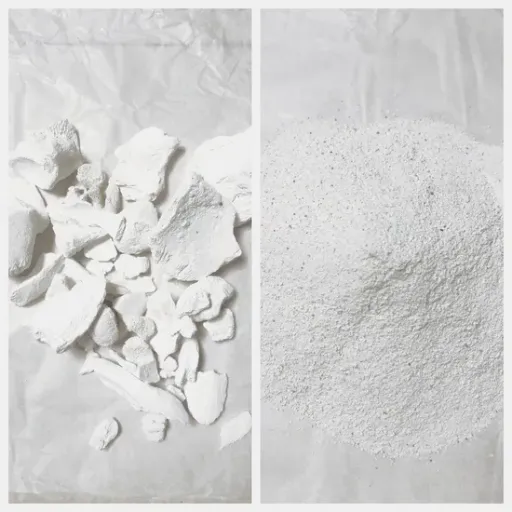
Bone ash applications span ceramics, metallurgy, feed production, and water treatment. The following sections break down which material performs best in each industry.
Ceramics and Bone China
For bone china production, natural bone ash is the traditional and often preferred choice. As a natural calcium phosphate, bone ash brings trace mineral complexity that synthetic TCP cannot replicate. The Ca:P ratio of approximately 2.16:1 aligns with the flux and translucency requirements of high-quality bone china bodies. The trace minerals contribute to the warm, ivory-white tone that distinguishes bone china from other porcelain types.
Synthetic TCP can substitute in some ceramic formulations, but manufacturers report differences in fired color, translucency, and glaze fit. If your production relies on bone china's characteristic properties, natural bone ash from a reliable supplier is the safer bet.
A bone china producer in Dejiang tested both materials over a six-month period. Their technical team found that synthetic TCP required reformulation of their glaze chemistry, while natural bone ash dropped into their existing process with no adjustments. The cost of reformulation outweighed the per-ton price difference.
For deeper formulation guidance, read our bone ash for bone china technical guide. Explore Feilong's ceramic-grade bone ash for bone china and porcelain applications.
Metallurgical Mold Release
In foundry and die-casting operations, bone ash serves as a non-wetting, thermally stable mold release agent. Its natural particle structure creates an effective barrier between molten metal and the mold surface. The residual carbonate content can also contribute to gas evolution that helps prevent metal adhesion.
Synthetic calcium phosphate is not commonly used for mold release. Its uniform particle morphology and lack of carbonate content make it less effective in this application. If you need mold-releasing material, bone ash is the clear choice.
A die-casting facility in Guangdong switched from a synthetic release agent to bone ash for aluminum casting in 2024. Their maintenance team reported that mold cleaning intervals extended by 30%, reducing downtime and replacement costs.
For a detailed look at foundry and casting uses, see our bone ash in metallurgical mold release applications guide. See Mold-Releasing Bone Ash for technical specifications and application data.
Animal Feed
For animal nutrition, the choice is less straightforward. Both bone ash and synthetic calcium phosphate provide calcium and phosphorus, but the bioavailability differs.
Both feed-grade bone products and synthetic alternatives serve as calcium and phosphorus sources. Bone granules and bone powder offer a natural mineral source with a Ca:P ratio that suits many livestock formulations. The trace minerals in bone-derived products can complement other feed ingredients.
Synthetic DCP and MCP, however, dominate the feed additive market for several reasons:
Higher phosphorus content per unit weight: DCP delivers 22.8% P versus bone ash's 16%
Regulatory acceptance: Widely approved globally as feed additives
Consistent composition: Easier for feed mills to formulate precisely
Lower shipping cost per unit of nutrient: Higher nutrient density reduces freight
If you are formulating feed and need a natural calcium source, Feilong's feed-grade bone granules and calcium hydrogen phosphate offer both options. Our team can help you determine which product fits your formulation and regulatory environment.
Water Treatment and Filtration
Bone carbon (bone char) is a distinct product derived from bone, used for water filtration and decolorization. Its porous structure and surface chemistry make it effective at adsorbing fluoride, heavy metals, and color compounds from water.
Synthetic calcium phosphate has limited use in water treatment. It does not provide the adsorption capacity or pore structure needed for filtration applications. If your application involves water purification, bone carbon is the appropriate material.
Read more on our bone carbon product page or explore Bone Carbon for Water Treatment.
Cost and Sourcing Considerations
In the bone ash vs calcium phosphate cost comparison, per-ton price alone is misleading. Buyers need to look beyond the unit cost to understand total value.
Factors Beyond Per-Ton Price
Nutrient density: Synthetic DCP delivers more phosphorus per kilogram, so the cost per unit of P may be lower even if the per-ton price is higher
Formulation changes: Switching materials may require reformulation, testing, and validation, all of which carry costs
Regulatory compliance: Some markets require specific certifications for feed-grade or food-grade materials
Supply chain reliability: Natural bone ash depends on livestock industry supply; synthetic depends on phosphate rock mining and acid production
Shipping and handling: Bone ash is generally non-hazardous and ships without special handling requirements
Feilong's Pricing and Terms
When evaluating a bone ash manufacturer, look beyond price to production capacity, quality control, and export experience. Feilong offers bone ash FOB at US$720 to US$890 per metric ton, depending on grade, mesh size, and order volume. Our standard MOQ is 1 metric ton, and we provide 1 kg samples with a certificate of analysis for evaluation. Choosing a reliable bone ash supplier with consistent batch quality can reduce long-term sourcing risk.
For buyers comparing materials, we recommend ordering samples of both bone ash and the synthetic alternative you are considering. Testing side by side in your own production environment gives you data that no specification sheet can replace.
Request a sample or contact our team to discuss your specific requirements.
How to Choose: A Decision Framework
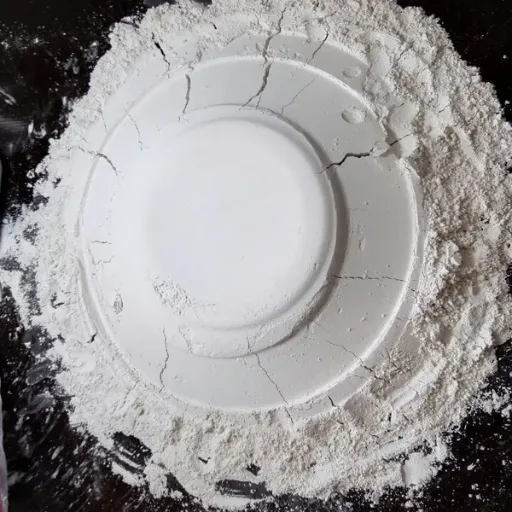
Use this framework to guide your material selection. The bone ash vs calcium phosphate decision ultimately depends on three factors: your application, your regulatory environment, and your cost structure.
Choose bone ash when:
You produce bone china or high-end porcelain
You need a mold release agent for metallurgical applications
Your formulation benefits from natural trace minerals
You are replacing a traditional bone-based formulation
Thermal stability and natural particle structure are important
Choose synthetic calcium phosphate when:
You need precise, consistent Ca:P ratios for regulated applications
You are formulating animal feed and need high phosphorus density
Your application requires pharmaceutical or food-grade purity
Bright white color is a strict requirement
You need a specific compound (DCP, MCP) with known stoichiometry
Consider both when:
You operate across multiple product lines (ceramics and feed, for example)
You want to test performance differences in your specific process
You are evaluating supply chain diversification
For a detailed comparison of natural versus synthetic options, visit our Bone Ash vs. Synthetic Calcium Phosphate comparison page.
Key Takeaways
Bone ash is a natural tricalcium phosphate with a Ca:P ratio of approximately 2.16:1, while synthetic calcium phosphate comes in multiple forms with varying ratios
For ceramics and mold release, bone ash generally outperforms synthetic alternatives due to its natural composition and particle characteristics
For feed, pharmaceutical, and food applications, synthetic calcium phosphate offers higher nutrient density and tighter compositional control
Per-ton price comparisons are misleading without accounting for nutrient density, formulation compatibility, and total sourcing costs
Understanding bone ash vs calcium phosphate comes down to application fit, not just per-ton pricing
Side-by-side sample testing in your own production environment is the most reliable way to make the right choice
Luohe Feilong Bone Carbon Co., Ltd. has manufactured bone products since 1992. We supply ceramic-grade bone ash, mold-releasing bone ash, feed-grade bone products, and bone carbon to buyers across Southeast Asia, Europe, the Middle East, and beyond. Every shipment includes a certificate of analysis, and our technical team is available to help you evaluate whether natural bone ash fits your process.
Ready to compare? Request a sample with COA and see the difference in your own facility.
Recently Posted
-
Luohe Feilong Bone Carbon: Industrial Bone Ash Manufacturer Since 2011
August 17, 2026When a copper foundry in Turkey needs bone ash that releases cleanly from a sand mold at 1,100 degrees Celsius, or a bone china fa Read More
 -
Bone Ash in Copper Casting Mold Release: Application and Practical Guidance
August 14, 2026A copper sand casting foundry in India was producing electrical switch components that required a clean, smooth surface finish for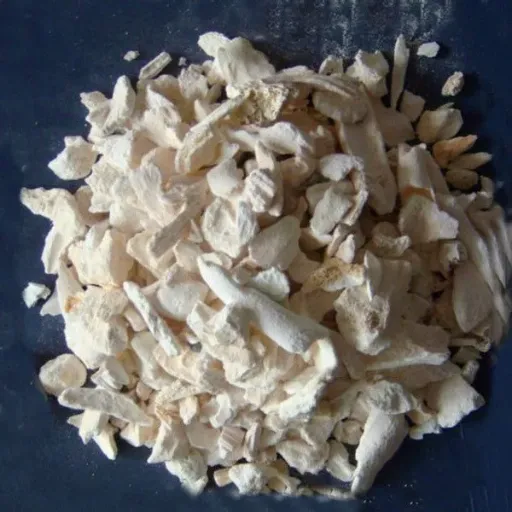 Read More
 -
How to Source Bone Ash for Foundry Applications: A Buyer's Checklist
August 13, 2026A purchasing manager at a brass foundry in Egypt ordered 20 metric tons of bone ash from a new supplier at a price roughly 25% bel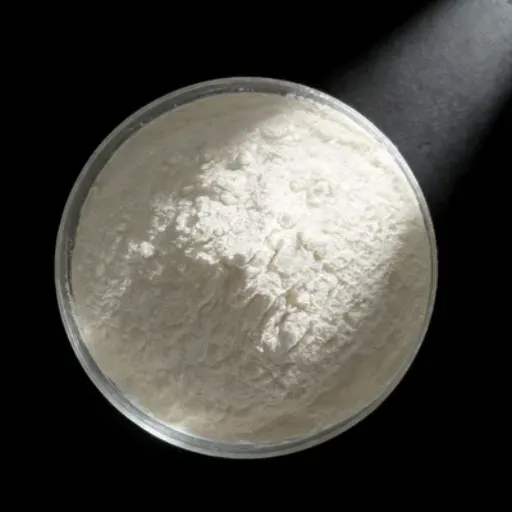 Read More
 -
Bone Ash vs Graphite Powder for Non-Ferrous Metal Mold Release
August 12, 2026A brass foundry in Southeast Asia switched from bone ash to a lower-cost graphite powder for its sand casting release agent, expec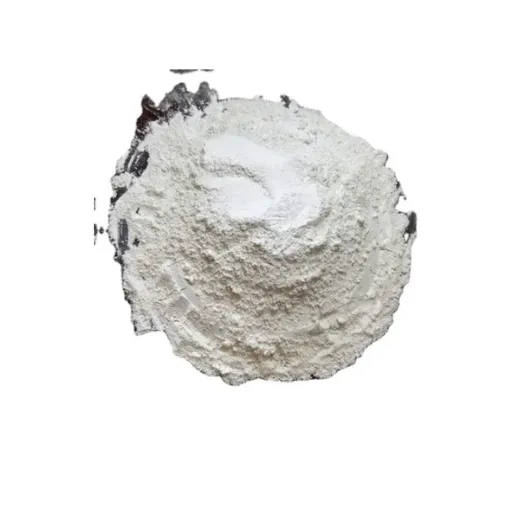 Read More

Contact Us
Recommended Products
-
 Manufacturer Sell Low Price Calcined Bone Ash or PowderUS$ 850MOQ: 5 Tons
 -
Manufacturer Sell Low Price Calcined Bone Ash or PowderUS$ 850MOQ: 5 Tons
-
Manufacturer Sell Low Price Calcined Bone Ash or PowderUS$ 850MOQ: 5 Tons
-
Sell Well Bone Ash for Mold Releasing UseUS$ 880 - 920MOQ: 5 Tons
-
Feilong Direct Sales Die-casting Water-soluble Mold Metal Release AgentUS$ 920MOQ: 5 Tons
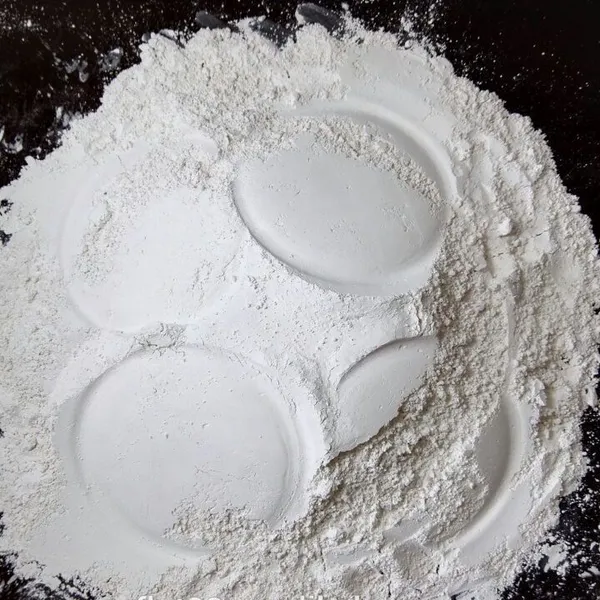
-
Natural Animal Bone AshUS$ 880 - 920MOQ: 5 Tons
-
China Manufacturer Supply Eco-Friendly Bone Ash PowderUS$ 890MOQ: 1 Ton
-
Calcined Bone Ash for Bone China With GoodPriceUS$ 880 - 920MOQ: 5 Tons
-
Synthetic Bone Ash for Ceramic With Good PriceUS$ 850MOQ: 5 Tons
-
Calcium and Phosphorus Powder - 325 MeshPowderUS$ 850MOQ: 5 Tons
-
Calcium and Phosphorus Powder - 325 MeshPowderUS$ 850MOQ: 5 Tons
-
Calcium Stearate PVC PE Lubricant Mould-releasing Powder ManufacturerUS$ 850MOQ: 5 Tons
-
Reputed Supplier Selling Bone Ash Powder Which Meet With Environmental Standard As Animal FeedstuffUS$ 850MOQ: 5 Tons
-
Industrial Grade Bone Ash for Bone Ceramics and MetallurgyUS$ 900MOQ: 10 Tons
-
Animal Ashes Used for Bone ChinaUS$ 900MOQ: 5 Tons
-
Calcium and Phosphorus Powder - 325 MeshPowderUS$ 850MOQ: 5 Tons
-
High Quality Bone Ash for Mold Releasing Use/bone Ash PowderUS$ 850 - 880MOQ: 5 Tons
-
Manufacturer Sell Low Price Calcined Bone Ash or PowderUS$ 850MOQ: 5 Tons
-
Calcined Bone Ash for Bone China With GoodPriceUS$ 880MOQ: 5 Tons
-
High Quality Bone Ash for Mold Releasing Use/bone Ash PowderUS$ 880 - 920MOQ: 5 Tons