
 Business License

The Fire Assay Process: A Complete Guide for Precious Metal Labs
In March 2024, a gold assay laboratory in Western Australia noticed their recovery rates had drifted by 0.3%. For most industries, three-tenths of a percent is negligible. For a refinery processing 50 kilograms of gold concentrate daily, that discrepancy represented over $400,000 in annual losses. After three weeks of troubleshooting their fluxes, temperatures, and balances, the lab manager finally traced the problem to their cupels. The bone ash supplier had switched raw material sources without notice. The new batch had different porosity, altering lead absorption rates and throwing off every assay result.
The fire assay process is the gold standard for precious metal analysis. It has remained fundamentally unchanged for over 2,000 years because no alternative method matches its accuracy, reliability, and universal acceptance. Whether you are analyzing gold ore, silver concentrate, or platinum group metals, fire assay delivers results that banks, exchanges, and regulators trust.
What many assay professionals overlook is that the accuracy of their results depends heavily on one raw material: bone ash. The cupel, a small porous cup made primarily of bone ash, is the unsung hero of the fire assay process. High-quality assay cupels are essential for consistent results. This guide explains how the gold assay process works, why bone ash quality matters at every step, and what to look for when sourcing bone ash for your laboratory.
If you are evaluating bone ash for cupel production or looking to improve assay consistency, request a sample with full COA to test Feilong's material in your own process.
What Is the Fire Assay Process?
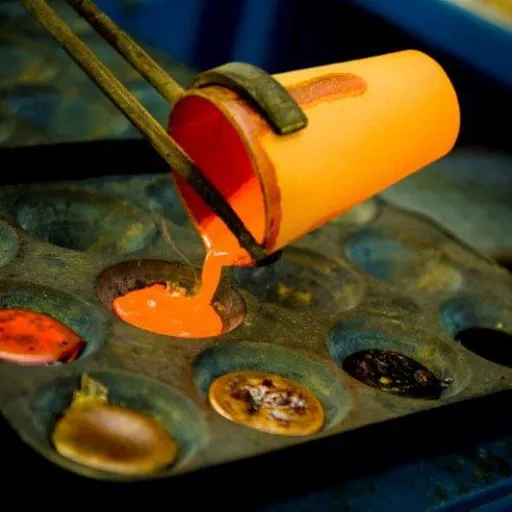
The fire assay process is a metallurgical analysis method used to determine the precious metal content of ores, concentrates, alloys, and other materials. It is the internationally recognized standard for gold and silver analysis, with protocols defined by ISO, ASTM, and national mining standards worldwide.
The process involves three main stages:
Fusion: The sample is mixed with fluxes and a lead-based collector, then heated in a furnace until it melts. Precious metals dissolve into the lead, while base metals and gangue form a glassy slag.
Cupellation: The lead button is placed in a porous bone ash cupel and heated in a cupellation furnace. The lead oxidizes and is absorbed by the cupel, leaving a bead of gold, silver, and other precious metals.
Parting: The bead is weighed, then treated with acid to dissolve silver, leaving pure gold. The weight difference gives the gold and silver content.
Accuracy in the fire assay process depends on complete collection of precious metals during fusion and complete absorption of lead oxide during cupellation. Both stages rely on precise chemistry and high-quality consumables. The cupel, made from bone ash, is the critical interface between the lead button and the final precious metal bead.
The Role of Bone Ash in Fire Assay
Bone ash is the primary raw material for manufacturing cupels used in the fire assay process. A cupel is a small, shallow cup, typically 25 to 40 millimeters in diameter, formed from compressed bone ash and a small amount of binder. During cupellation, the cupel must absorb molten lead oxide while resisting thermal shock and maintaining structural integrity at temperatures around 900 to 1000 degrees Celsius.
Why Bone Ash Specifically?
Bone ash has a unique combination of properties that make it ideal for cupel production:
High porosity: The natural pore structure of calcined bone ash absorbs molten lead oxide efficiently. A cupel must absorb its own weight in lead oxide without cracking or slagging.
Thermal stability: Bone ash withstands repeated thermal cycling at cupellation temperatures without degradation.
Chemical inertness: Bone ash does not react with precious metals, ensuring that gold, silver, and platinum group metals remain in the bead rather than being lost to the cupel matrix.
Controlled absorption rate: The porosity of bone ash determines how quickly lead oxide is absorbed. Too fast, and the cupel cracks. Too slow, and lead loss occurs before absorption is complete.
Low iron content: Iron in the cupel material can react with lead oxide or contaminate the precious metal bead. High-quality bone ash for cupels must have very low iron content.
Bone Ash Specifications for Fire Assay Cupels
Not all bone ash is suitable for cupel production. Assay laboratories require specific chemical and physical properties:
Calcium (Ca): 35% or higher
Phosphorus (P): 16% or higher
Ca:P ratio: Approximately 2.16:1
Iron (Fe): 0.05% or less (critical for preventing bead contamination)
Burning loss: 1.0% or less
pH: 9.0 to 11.5
Color: White to off-white (indicates complete defatting and calcination)
Particle size: Typically 325 mesh or finer for uniform cupel pressing
The iron specification is particularly critical. Even trace amounts of iron in the cupel material can react with lead oxide to form iron-lead compounds that affect bead composition and weighing accuracy. Laboratory-grade bone ash for cupels must be sourced from suppliers with documented low-iron production.
The Fire Assay Process Step by Step
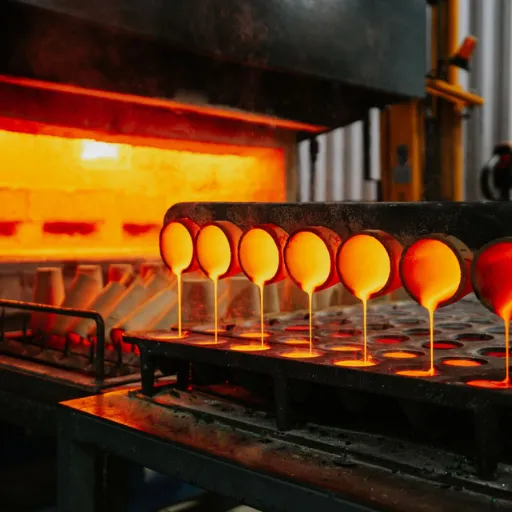
Step 1: Sample Preparation and Weighing
The assay begins with a precisely weighed sample, typically 15 to 50 grams depending on expected metal content and protocol requirements. The sample is ground to uniform fineness to ensure representative analysis.
Step 2: Fusion in the Assay Furnace
The sample is mixed with fluxes and placed in a fire clay crucible. In the lead fire assay method, lead acts as the collector for precious metals. Common flux components include:
Litharge (PbO): Acts as the lead collector that dissolves precious metals
Soda ash (Na2CO3): Forms a fluid slag with silica
Borax (Na2B4O7): Improves slag fluidity and helps dissolve metal oxides
Silica (SiO2): Combines with base metal oxides to form slag
Flour or other reducing agent: Reduces litharge to metallic lead
The crucible is heated in a fusion furnace at approximately 1100 degrees Celsius for 45 to 60 minutes. At this temperature, the lead melts and collects precious metals, while base metals and gangue minerals form a glassy slag that separates from the lead button.
Step 3: Separation and Cleaning
After fusion, the crucible is removed and cooled. The lead button, now containing dissolved gold, silver, and other precious metals, is separated from the slag. The button is hammered into a cube shape to prepare for cupellation.
Step 4: Cupellation in the Bone Ash Cupel
The lead button is placed in a pre-heated bone ash cupel and heated in a cupellation furnace at 900 to 1000 degrees Celsius. As the lead melts, it oxidizes to lead oxide (PbO) on the surface. The molten lead oxide is absorbed by the porous bone ash cupel. The precious metals, which do not oxidize at these temperatures, remain as a molten bead on the cupel surface.
The cupellation process requires 15 to 30 minutes depending on button size and furnace conditions. The operator watches for visual cues: the lead button first dulls as oxide forms, then brightens as the precious metal bead emerges. When the bead stops moving and the cupel surface shows a characteristic crystalline appearance, cupellation is complete.
This is where bone ash quality becomes critical. A cupel with insufficient porosity will not absorb lead oxide fast enough, causing lead to overflow or bead contamination. A cupel with uneven porosity absorbs lead oxide irregularly, causing the bead to shift position or the cupel to crack. Only consistent, high-quality bone ash produces cupels that perform reliably assay after assay.
Step 5: Bead Recovery and Weighing
After cooling, the precious metal bead is removed from the cupel, cleaned of any adhering cupel material, and weighed. The bead weight gives the total precious metal content (gold plus silver) in the original sample.
Step 6: Parting and Final Analysis
For gold-only analysis, the bead is treated with hot nitric acid, which dissolves silver but not gold. The remaining gold is washed, dried, and weighed to determine gold content. Silver content is calculated by difference.
For complete analysis of multiple precious metals, additional instrumental methods such as atomic absorption spectroscopy or inductively coupled plasma analysis may be applied to the bead or parting solutions.
Why Bone Ash Quality Directly Affects Assay Accuracy
The accuracy of fire assay results depends on complete recovery of precious metals and accurate weighing of the final bead. Bone ash cupels influence both factors.
Porosity and Lead Absorption
The porosity of bone ash determines how effectively a cupel absorbs lead oxide. Laboratory testing shows that bone ash with consistent particle size distribution and proper calcination produces cupels with uniform pore structures. This uniformity ensures that lead oxide is absorbed at a controlled rate across the entire cupel surface.
A cupel manufacturer in Johannesburg tested three bone ash sources for cupel production. One source, calcined at 1200 degrees Celsius, produced cupels with variable porosity that caused 2% of assays to fail quality control due to cracked cupels. A second source, calcined at 1300 degrees Celsius with consistent raw material, produced cupels with uniform absorption rates and zero cupel-related failures over 10,000 assays.
The difference was the calcination temperature and raw material control. Higher calcination temperatures produce more stable, uniform bone ash structures that press into consistent cupels.
Low Iron Content for Bead Purity
Iron contamination in bone ash is a subtle but serious problem. When iron is present in the cupel material, it can react with lead oxide during cupellation or alloy with the precious metal bead. This produces a bead that weighs more than the true precious metal content, causing falsely high assay results.
A refinery in Nevada discovered that their assay results were consistently 0.05% higher than reference samples. After six months of investigating fluxes, balances, and procedures, they traced the issue to a new bone ash batch with iron content of 0.08%, above their 0.05% specification. Switching back to a controlled low-iron source eliminated the bias.
For assay laboratories, the iron specification in bone ash should be treated as a critical parameter, not a general quality indicator.
Thermal Shock Resistance
Cupels are pre-heated before receiving the lead button, but they still experience significant thermal stress. Bone ash with residual organic matter or incomplete calcination can spall or crack when heated. This causes lead loss and assay failure.
Properly calcined bone ash at 1300 degrees Celsius has burned off all organic material and converted the mineral structure to stable calcium phosphate. This material withstands the rapid heating of cupellation without thermal degradation.
Our production process page details how Feilong controls calcination temperature for maximum thermal stability.
Selecting Bone Ash for Fire Assay Cupels
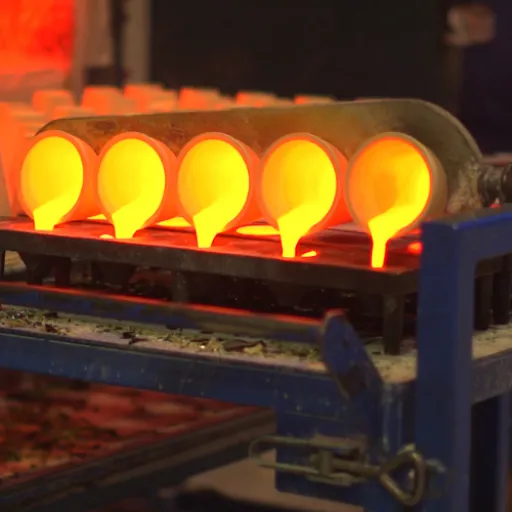
When sourcing bone ash for cupel production, assay laboratories and cupel manufacturers should evaluate suppliers on criteria that directly affect assay performance. For a detailed buyer's guide, see our guide to selecting the right bone ash grade.
Chemical Composition
Ca ≥35.0% and P ≥16.0%: These indicate properly calcined bone ash with the correct mineral composition
Fe ≤0.05%: Essential for preventing bead contamination. Some laboratories specify Fe ≤0.03% for ultra-high-precision work
Burning loss ≤1.0%: Indicates complete organic matter removal. Residual organics cause porosity variations and thermal instability
Consistent Ca:P ratio: Ratios between 2.1 and 2.2 indicate genuine bone ash without blending or adulteration
Physical Properties
Color: White to off-white. Gray or yellow tints suggest incomplete defatting, which affects porosity
Particle size: 325 mesh or finer for uniform pressing. Coarse particles create uneven density in pressed cupels
Bulk density: Consistent from batch to batch. Density variations indicate particle size inconsistency
Moisture content: Bone ash should be dry. Moisture causes pressing problems and variable porosity
Documentation and Consistency
Certificate of Analysis: Every batch must include actual test results for all critical parameters
Batch-to-batch consistency: Request COAs from multiple batches before committing to a supplier
Process transparency: Quality suppliers document calcination temperature, raw material source, and quality control procedures
Sample availability: Reputable suppliers offer samples with COA for qualification testing
Learn more about evaluating bone ash quality on our quality control page.
Fire Assay Bone Ash vs. General Ceramic Bone Ash
Bone ash used for cupels has different requirements from bone ash used for ceramics or mold release. While the base material is the same, the critical specifications differ.
| Specification | Fire Assay Cupel Grade | Ceramic Grade | Mold Release Grade |
|---|---|---|---|
| Ca content | ≥35% | ≥35% | ≥35% |
| P content | ≥16% | ≥16% | ≥16% |
| Fe content | ≤0.05% (critical) | ≤0.05% | ≤0.05% |
| Burning loss | ≤1.0% | ≤1.0% | ≤1.0% |
| pH | 9.0-11.5 | 9.0-11.5 | 9.0-11.5 |
| Particle size | 325 mesh or finer | 325 or 400 mesh | 325 mesh typical |
| Critical property | Uniform porosity, low iron | Translucency in bone china | Non-wetting, thermal stability |
| Color | White (porosity indicator) | White to ivory | White to off-white |
For cupel manufacturers, the particle size specification is particularly important. Finer particles produce more uniform pressing and more consistent porosity in the finished cupel. Some cupel manufacturers specify 400 mesh bone ash for high-precision applications.
Explore Feilong's bone ash powder specifications for assay and ceramic applications.
Common Challenges in Fire Assay and How Bone Ash Quality Solves Them
Challenge 1: Cupel Cracking During Cupellation
Cupel cracking usually indicates bone ash with inconsistent porosity or residual organic matter. When a cupel cracks, lead oxide escapes, and the assay fails completely. The solution is bone ash with uniform particle size and complete calcination at controlled temperature.
Challenge 2: Slagging or Glazing on the Cupel Surface
When lead oxide does not absorb properly into the cupel, it can form a glassy slag layer on the surface. This traps precious metals in the slag and causes low recovery. Slagging usually indicates insufficient cupel porosity, caused by bone ash that is too coarse or improperly calcined.
Challenge 3: Bead Contamination and High Assay Bias
A bead that appears dark or discolored after cupellation may contain iron or other contaminants from the cupel material. This causes weighing errors and inaccurate results. The solution is bone ash with documented low iron content and consistent chemical composition.
Challenge 4: Variable Recovery Rates Between Batches
When recovery rates vary between assay batches despite consistent procedures, the cause is often variable cupel performance. Cupel performance depends on bone ash batch consistency. Suppliers with poor process control produce bone ash with varying porosity and absorption characteristics.
For a broader understanding of how bone ash properties affect different applications, see our what is bone ash guide.
The Future of Fire Assay and Bone Ash Consumables
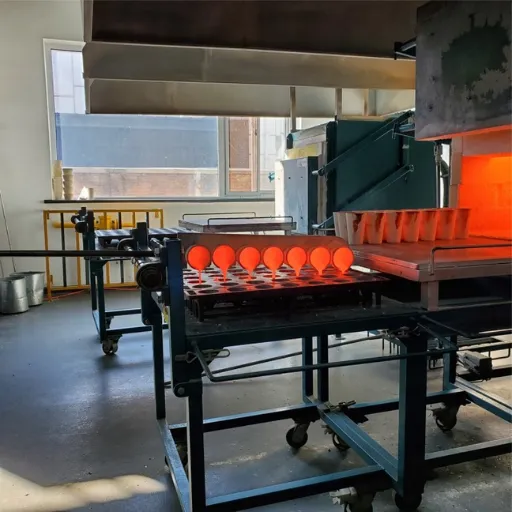
Despite advances in instrumental analysis, the fire assay process remains the reference method for precious metal determination. X-ray fluorescence, atomic absorption, and inductively coupled plasma methods are faster, but they require calibration against fire assay results for legal and commercial purposes.
This means demand for high-quality bone ash cupels will continue. As assay laboratories automate and scale their operations, the demand for consistent, reliable consumables increases. A laboratory running 500 assays per day cannot tolerate variable cupel performance. They need bone ash that produces the same cupel quality from batch to batch, month after month.
Sustainability is also becoming a consideration. Bone ash is a natural, renewable material derived from animal by-products. Unlike synthetic alternatives that require energy-intensive chemical processes, bone ash production uses a natural raw material and converts it to a stable mineral product through controlled calcination. For laboratories with sustainability mandates, natural bone ash cupels align with environmental goals.
Sourcing Fire Assay Bone Ash: What to Ask Your Supplier
When sourcing material for bone ash assay applications, ask your supplier these questions:
What is your typical iron content, and how do you control it?
Look for documented Fe ≤0.05% with test methods specified. Iron control starts with raw material selection.What calcination temperature do you use, and how is it monitored?
1300 degrees Celsius is the industry standard for producing stable, low-organic bone ash suitable for cupels.Can you provide COAs from five consecutive batches?
This reveals actual batch-to-batch consistency. Any supplier can produce one good batch. Consistent suppliers produce good batches every time.Do you have experience supplying assay laboratories?
Suppliers who understand fire assay requirements are more likely to maintain the specifications that matter.What particle sizes do you offer, and can you provide samples?
For cupel production, test pressing and firing behavior with actual samples before placing bulk orders.
Feilong supplies bone ash with standard specifications of Ca ≥35%, P ≥16%, Fe ≤0.05%, and burning loss ≤1.0%. Our bone ash is calcined at 1300 degrees Celsius from defatted bovine bone, producing a white, consistent material suitable for precision cupel manufacturing. We offer 325 mesh and 400 mesh grades, with FOB pricing from US$720 to US$890 per metric ton depending on grade and volume. Standard MOQ is 1 metric ton, with 1 kg samples available for qualification testing.
Request a bone ash sample for cupel testing to evaluate Feilong material in your process.
Key Takeaways
The fire assay process remains the global standard for precious metal analysis because of its accuracy and reliability
Bone ash cupels are the critical consumable in the cupellation stage, where lead oxide is absorbed and precious metals are isolated
Bone ash quality directly affects assay accuracy through porosity, iron content, and thermal stability
Fire assay grade bone ash requires Fe ≤0.05%, consistent porosity, and complete calcination at 1300 degrees Celsius
Batch-to-batch consistency in bone ash is essential for laboratories that cannot tolerate variable cupel performance
Cupel cracking, slagging, bead contamination, and variable recovery are usually traceable to bone ash quality issues
When sourcing bone ash for assay applications, evaluate suppliers on iron control, calcination process, batch consistency, and assay laboratory experience
Luohe Feilong Bone Carbon Co., Ltd. has manufactured bone ash for industrial and laboratory applications since 1992. Our 1300-degree calcination process, defatted bovine bone raw material, and batch-to-batch quality control produce bone ash that meets the specifications assay laboratories require. We supply 325 mesh and 400 mesh bone ash to cupel manufacturers and assay laboratories across Southeast Asia, Europe, and beyond.
Ready to test Feilong bone ash in your cupel production? Request a sample with COA or contact our technical team to discuss your fire assay requirements.
Recently Posted
-
What Is a Cupel? Composition, Manufacturing, and Uses in Precious Metal Assay
June 8, 2026In 1872, a California assayer named Jacob could determine the gold content of an ore sample to within one-tenth of an ounce using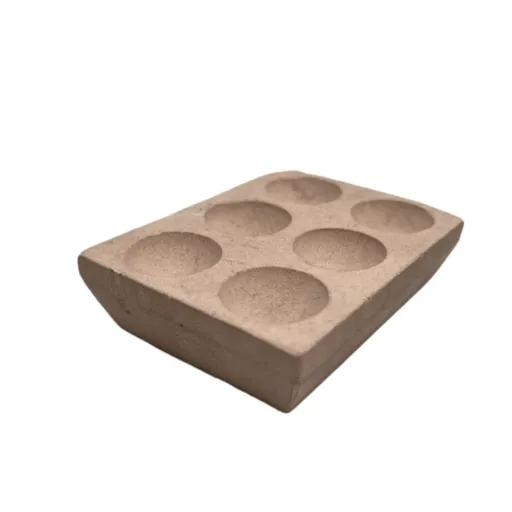 Read More
 -
Fire Assay Cupel: Material Selection and Performance in Precious Metal Analysis
June 8, 2026In 2023, a Canadian gold refinery traced a three-month pattern of inconsistent assay results to a single variable: the cupels. The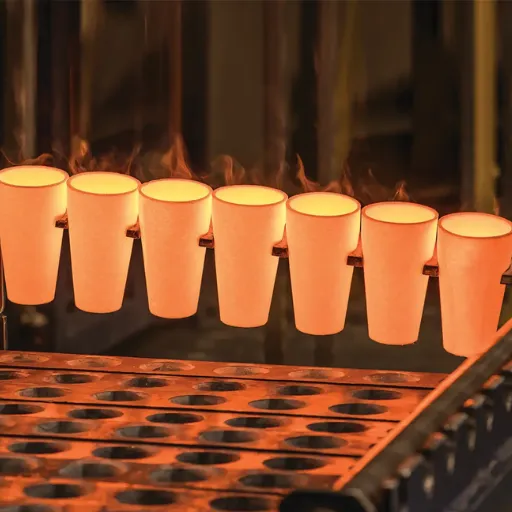 Read More
 -
Bone Ash Calcium Phosphate: What Industrial Buyers Need to Know About the Chemistry
June 8, 2026In 2022, a ceramic raw materials lab in Foshan received a shipment of what the certificate labeled as "ceramic-grade calcium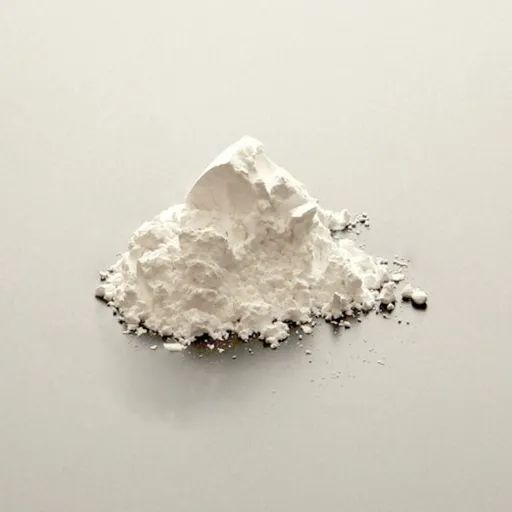 Read More
 -
Bone Ash vs. Calcium Phosphate: Which Material Fits Your Application?
June 8, 2026A ceramics factory in Jingdezhen switched from synthetic calcium phosphate to natural bone ash in 2023. Within three months, their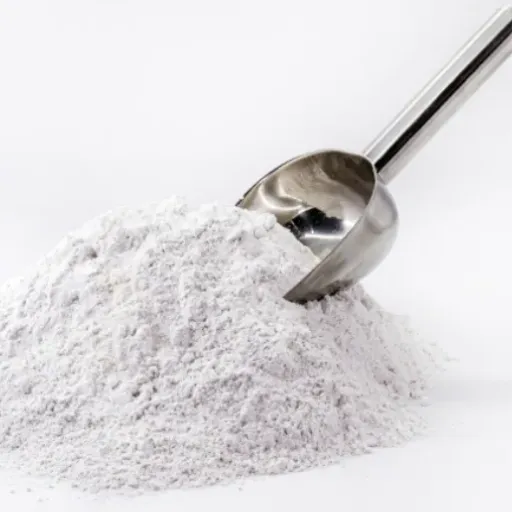 Read More

Contact Us
Recommended Products
-
 Manufacturer Sell Low Price Calcined Bone Ash or PowderUS$ 850MOQ: 5 Tons
 -
Manufacturer Sell Low Price Calcined Bone Ash or PowderUS$ 850MOQ: 5 Tons
-
Manufacturer Sell Low Price Calcined Bone Ash or PowderUS$ 850MOQ: 5 Tons
-
Sell Well Bone Ash for Mold Releasing UseUS$ 820MOQ: 5 Tons
-
Feilong Direct Sales Die-casting Water-soluble Mold Metal Release AgentUS$ 820MOQ: 5 Tons
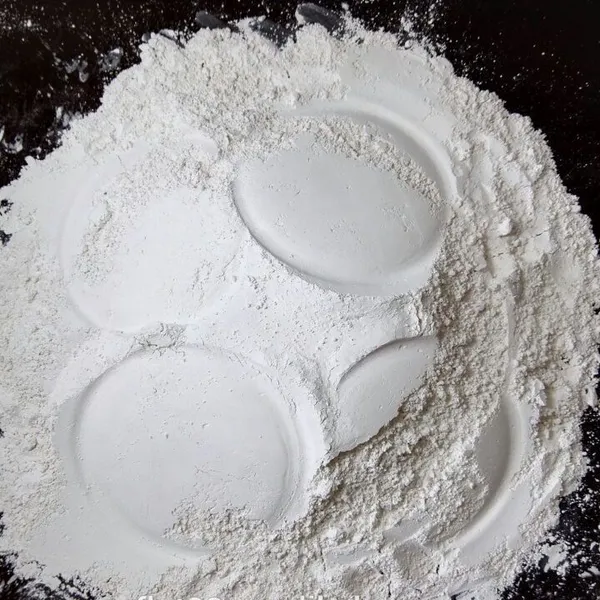
-
Natural Animal Bone AshUS$ 820MOQ: 5 Tons
-
China Manufacturer Supply Eco-Friendly Bone Ash PowderUS$ 890MOQ: 1 Ton
-
Calcined Bone Ash for Bone China With GoodPriceUS$ 820MOQ: 5 Tons
-
Synthetic Bone Ash for Ceramic With Good PriceUS$ 850MOQ: 5 Tons
-
Calcium and Phosphorus Powder - 325 MeshPowderUS$ 850MOQ: 5 Tons
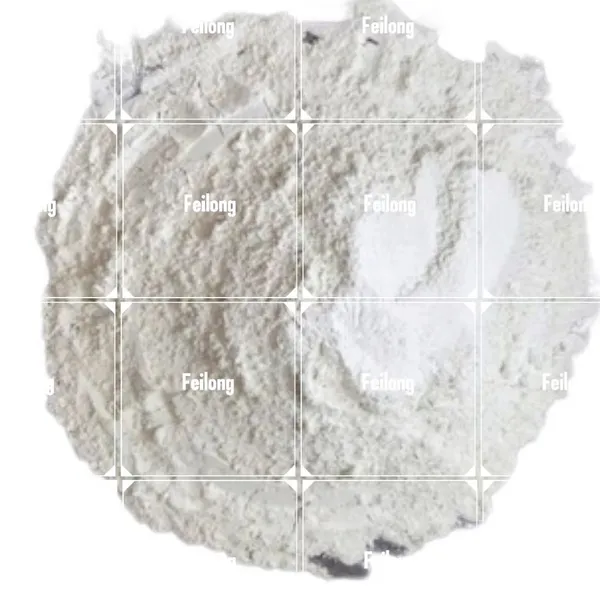
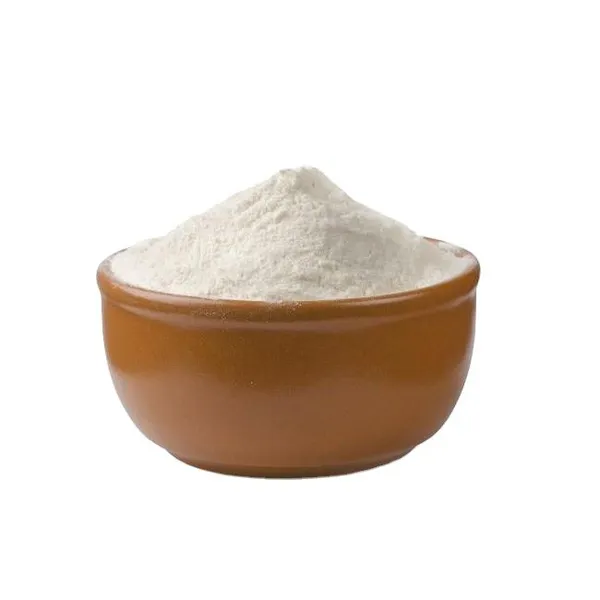
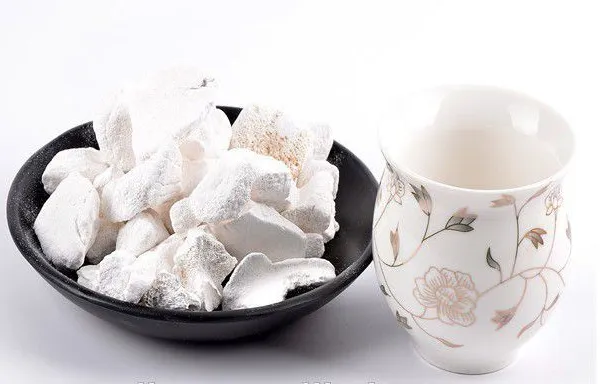
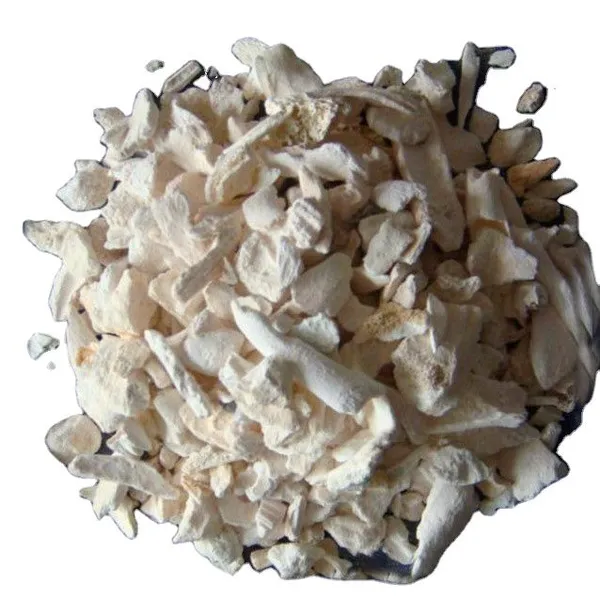
-
Calcium and Phosphorus Powder - 325 MeshPowderUS$ 850MOQ: 5 Tons
-
Calcium Stearate PVC PE Lubricant Mould-releasing Powder ManufacturerUS$ 850MOQ: 5 Tons
-
Reputed Supplier Selling Bone Ash Powder Which Meet With Environmental Standard As Animal FeedstuffUS$ 850MOQ: 5 Tons
-
Industrial Grade Bone Ash for Bone Ceramics and MetallurgyUS$ 900MOQ: 5 Tons
-
Animal Ashes Used for Bone ChinaUS$ 900MOQ: 5 Tons
-
Calcium and Phosphorus Powder - 325 MeshPowderUS$ 850MOQ: 5 Tons
-
High Quality Bone Ash for Mold Releasing Use/bone Ash PowderUS$ 820MOQ: 5 Tons
-
Manufacturer Sell Low Price Calcined Bone Ash or PowderUS$ 850MOQ: 5 Tons
-
Calcined Bone Ash for Bone China With GoodPriceUS$ 820MOQ: 5 Tons
-
High Quality Bone Ash for Mold Releasing Use/bone Ash PowderUS$ 820MOQ: 5 Tons