
 Business License

Fire Assay Cupel: Material Selection and Performance in Precious Metal Analysis
In 2023, a Canadian gold refinery traced a three-month pattern of inconsistent assay results to a single variable: the cupels. The bone ash cupels they had sourced from a new supplier absorbed lead oxide unevenly, producing erratic gold recovery readings that cost the laboratory its scheduled ISO certification audit. The problem was not their flux formula, their furnace temperature, or their operator technique. It was the cupel itself.
If you manage a metallurgical laboratory or procure materials for precious metal refining, you already understand that assay accuracy depends on controlling every variable in the cupellation process. Yet the fire assay cupel itself -- the vessel that absorbs base metal oxides and leaves pure precious metal behind -- is often treated as a commodity rather than a critical process component.
This article explains what makes a high-performance fire assay cupel, why bone ash remains the material of choice, and how to evaluate suppliers who manufacture these essential tools. Whether you operate a mining assay laboratory, a precious metals refinery, or a metallurgical testing facility, the information here will help you source cupels that support consistent, defensible results.
What Is a Fire Assay Cupel and How Does Cupellation Work?
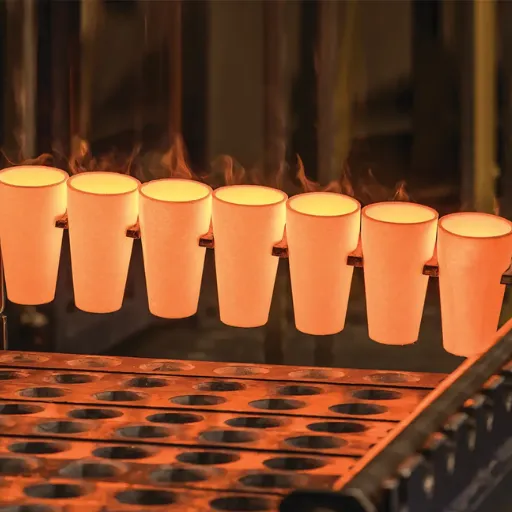
A fire assay cupel is a small, porous vessel made primarily from bone ash or magnesia, designed to absorb lead oxide and other base metal oxides during the cupellation process. Cupellation is the classical analytical method for separating precious metals -- primarily gold and silver -- from base metals in an ore or alloy sample.
The process works through controlled high-temperature oxidation. The analyst places a lead button containing the sample into the cupel and heats it in a furnace at approximately 950°C to 1100°C. As the lead oxidizes, the resulting lead oxide (litharge) is absorbed into the porous cupel material. The precious metals, which resist oxidation at these temperatures, remain as a small bead on the surface.
The cupel must perform two functions simultaneously. First, it must absorb molten lead oxide rapidly enough to expose fresh lead surfaces to the air. Second, it must retain structural integrity throughout the heating cycle without cracking, spalling, or releasing contaminants that could affect the final bead weight.
When Maria Santos took over as laboratory supervisor at a Mexican silver mining operation in early 2024, she inherited a cupel inventory from three different suppliers. Her team noticed that beads from certain cupel batches consistently ran 0.3% to 0.5% below expected weights. After isolating variables across fifty controlled assays, Maria identified that the underperforming cupels had lower porosity and higher iron content than specification.
Switching to a single, qualified bone ash cupel supplier eliminated the discrepancy within two weeks. The experience taught her team that not all cupels perform identically, even when they look the same.
Why Bone Ash Is the Preferred Material for High-Performance Cupels
Bone ash has been the standard material for fire assay cupels for over a century, and for good reason. The calcined structure of bone ash provides the ideal combination of porosity, thermal stability, and chemical inertness required for precise cupellation.
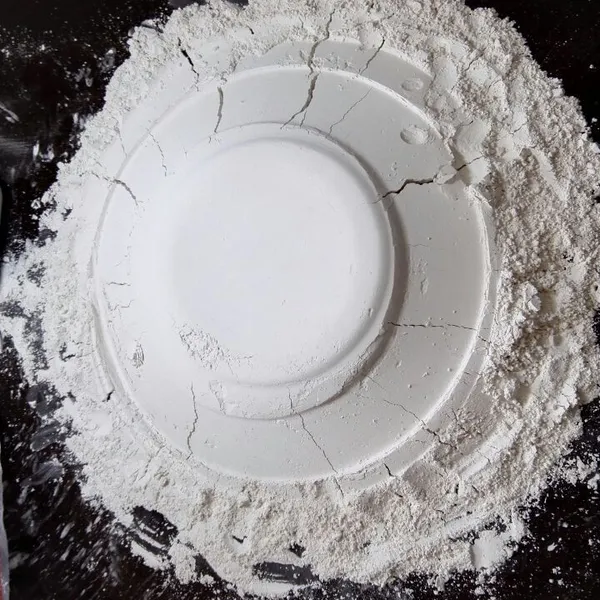
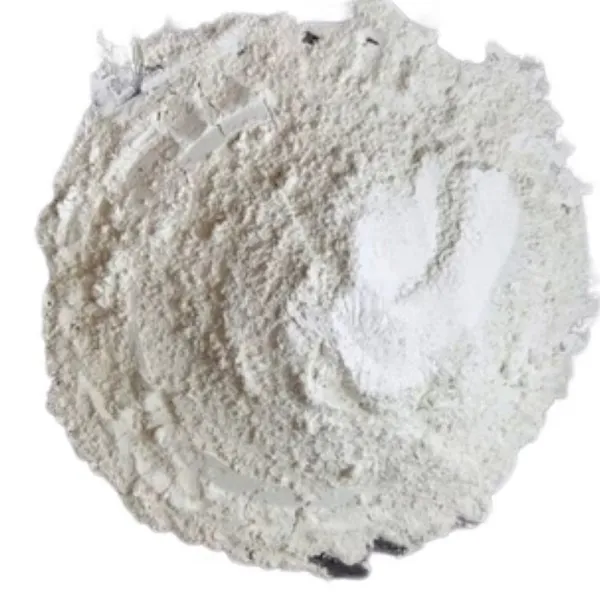
The primary advantage of bone ash lies in its chemical composition. Quality bone ash contains calcium phosphate (Ca3(PO4)2) and calcium carbonate (CaCO3) in a porous crystalline matrix. When calcined at temperatures around 1200°C to 1300°C, this material develops a fine, interconnected pore structure that absorbs molten lead oxide efficiently while remaining dimensionally stable. The calcium phosphate content gives bone ash its characteristic white color and provides the chemical affinity for lead oxide absorption that synthetic materials struggle to replicate.
Compared to magnesia-based cupels, bone ash cupels offer superior absorption capacity and a more predictable thermal profile. Magnesia cupels are harder and more durable, which makes them suitable for certain high-lead applications, but they typically absorb lead oxide more slowly and can retain base metal oxides that interfere with bead purity. For standard gold and silver fire assay work, bone ash remains the industry reference material.
The quality of the bone ash directly determines cupel performance. Bone ash used for cupel manufacturing should meet strict chemical specifications:
Calcium (Ca): ≥35.0%
Phosphorus (P): ≥16.0%
Iron (Fe): ≤0.05% (low iron prevents discoloration and contamination)
Burning loss: ≤1.0%
pH: 9.0–11.5
Iron content deserves particular attention. Excess iron in bone ash can cause the cupel to develop dark spots or glassy surfaces during cupellation, both of which indicate inconsistent absorption behavior. Laboratories running high-precision assays should specify low-iron bone ash for their cupel supply.
Need consistent bone ash for cupel manufacturing or laboratory supply? Explore our ceramic-grade bone ash specifications to see how Feilong controls calcium, phosphorus, and iron content through 1300°C calcination.
Key Specifications That Determine Cupel Performance
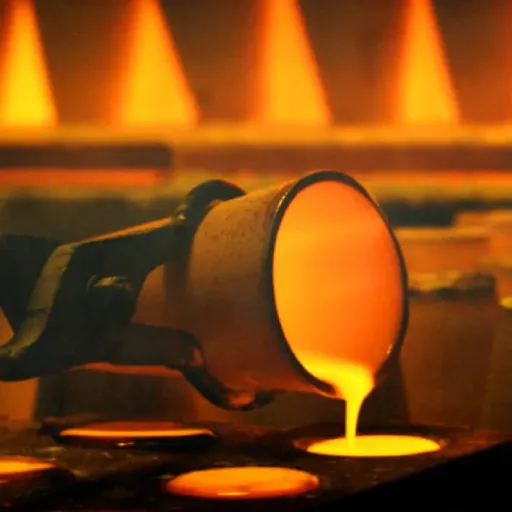
Not every bone ash cupel performs to laboratory standards. Several physical and chemical characteristics determine whether a cupel will deliver consistent results across hundreds or thousands of assays.
Porosity and Absorption Rate
Porosity is arguably the most critical physical property. A well-manufactured bone ash cupel should have uniform pore distribution throughout its wall structure. This allows molten lead oxide to wick evenly into the material rather than pooling on the surface or penetrating in channels. Non-uniform porosity creates weak spots where the cupel may crack during heating or fail to absorb lead oxide completely.
Laboratories typically evaluate porosity indirectly through absorption rate testing. A standard test involves measuring the weight gain of a cupel after exposure to molten lead oxide under controlled conditions. Variations greater than 5% between cupels from the same batch indicate manufacturing inconsistency.
Wall Thickness and Dimensional Tolerance
Cupel wall thickness affects both absorption capacity and mechanical strength. Thicker walls absorb more lead oxide but take longer to saturate, which can extend cupellation time. Thinner walls heat more quickly but may fail in high-lead assays. Standard cupels for gold assay typically have wall thicknesses between 3 mm and 5 mm, though specialized applications may require custom dimensions.
Dimensional tolerance matters for automated cupellation systems. Cupels that vary in height or diameter can cause positioning errors in robotic loading systems, leading to furnace temperature variations and inconsistent results.
Thermal Shock Resistance
The cupel must withstand rapid temperature changes when loaded into a hot furnace. Bone ash cupels with inadequate thermal shock resistance develop hairline cracks that compromise absorption uniformity. Quality cupels use bone ash that has been properly calcined and screened to eliminate oversized particles that create stress concentrators in the fired body.
Chemical Purity
Beyond the calcium and phosphorus content of the bone ash itself, the finished cupel must be free from contaminants that could react with precious metals or alter bead composition. Sulfur, carbon residues, and heavy metal impurities are particularly problematic. Reputable cupel manufacturers analyze both raw bone ash and finished cupels to verify chemical purity.
The Cupel Manufacturing Process: From Bone Ash to Finished Product
Understanding how bone ash cupels are manufactured helps buyers evaluate supplier quality and identify potential failure points before they reach the laboratory.
Raw Material Selection and Preparation
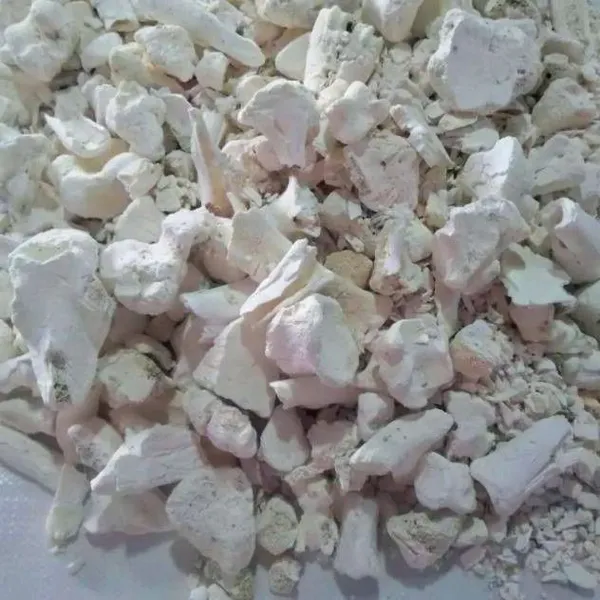
Manufacturing begins with defatted bovine bone blocks that are calcined at high temperature -- typically 1200°C to 1300°C -- to produce bone ash. The defatting step is essential because residual organic matter burns out unevenly during calcination, leaving carbonaceous residues that weaken the final cupel structure and introduce sulfur contamination.
After calcination, the bone ash is ground and sized. For cupel production, particle size distribution is controlled more coarsely than for ceramic-grade bone ash powder, but fineness still matters. Oversized particles create porosity defects. Excessively fine powder requires more binder and can produce cupels that are too dense for efficient lead oxide absorption.
Mixing and Forming
The bone ash is mixed with a small percentage of binder -- typically organic -- and water to form a moldable paste. Traditional manufacturers press this paste into cupel molds under hydraulic pressure. The pressing operation must be uniform; uneven pressure distribution creates density gradients that lead to differential thermal expansion and cracking during firing.
Some manufacturers use slip-casting or isostatic pressing for specialized cupel shapes or higher-density requirements. Each forming method produces different pore structures, and experienced buyers often specify the forming method based on their assay protocol requirements.
Firing and Sintering
Formed cupels are dried and then fired in controlled-atmosphere kilns. The firing temperature -- usually between 1000°C and 1200°C -- is lower than the bone ash calcination temperature but high enough to develop ceramic bonding between particles. The sintering process must be carefully controlled: underfired cupels are weak and absorb lead oxide too rapidly; overfired cupels become vitrified, lose porosity, and fail to absorb adequately.
Quality Control
Before release, cupel batches should undergo dimensional inspection, visual examination for cracks or surface defects, and sample cupellation testing. Leading manufacturers provide Certificates of Analysis documenting the bone ash source, calcination parameters, and batch test results.
When Viktor Kozlov expanded his Eastern European metallurgical testing business in 2022, he visited three potential cupel suppliers in person. Two operated small workshops with minimal quality documentation. The third showed him calcination logs, particle size distribution charts, and cupellation test data for every batch produced over the previous two years.
Viktor chose the third supplier despite a 12% price premium. His laboratory has not had a cupel-related assay discrepancy in over eighteen months. "The documentation told me they understood that a cupel is not just a ceramic cup," he explained. "It is a precision tool."
Applications of Fire Assay Cupels Across Industries
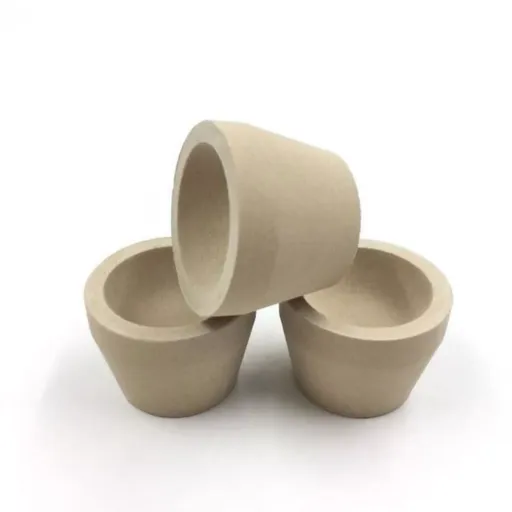
Fire assay cupels serve critical roles across several industries where precious metal quantification determines commercial value, regulatory compliance, or process control.
Precious Metals Refining
Gold and silver refineries rely on fire assay as the reference method for determining metal content in incoming materials. Cupels used in refinery laboratories must handle a wide range of sample compositions, from high-grade bullion to complex electronic scrap. Refinery buyers typically demand larger cupels with higher absorption capacity to accommodate the lead buttons generated from diverse feedstocks.
Mining and Exploration Assay Laboratories
Mining operations use fire assay to determine ore grade and guide extraction economics. Exploration laboratories process hundreds or thousands of samples monthly, which places a premium on cupel consistency and supply reliability. A single failed cupel batch in a high-throughput laboratory can delay resource estimates and disrupt drilling programs.
Metallurgical Testing and Research
Universities, research institutions, and commercial testing laboratories use cupels for method development, referee analysis, and materials characterization. These users often require cupels in non-standard sizes or with custom porosity profiles for specialized research applications.
Jewelry and Alloy Manufacturing
Jewelry manufacturers and alloy producers use fire assay to verify alloy composition and ensure compliance with fineness standards. The international standard ISO 11426 specifies cupellation as the reference method for determining gold in gold jewellery alloys, underscoring the cupel's role in certified quality control.
How to Evaluate and Select a Fire Assay Cupel Supplier
Selecting a cupel supplier requires the same diligence you apply to any critical process material. The following criteria help procurement managers and laboratory directors identify suppliers capable of delivering consistent, specification-compliant cupels.
Verify Production Control
Ask whether the supplier manufactures cupels in their own facility or sources bone ash and finished cupels from third parties. Vertically integrated manufacturers who control calcination, grinding, forming, and firing have greater ability to maintain batch-to-batch consistency. Request documentation of their calcination temperature, bone ash source, and quality control protocols.
Request Technical Specifications
A reputable cupel supplier should provide:
Chemical composition of the bone ash used (Ca%, P%, Fe%, burning loss)
Physical dimensions and dimensional tolerance
Porosity or absorption rate data
Firing temperature and sintering parameters
Recommended applications and assay protocols
Suppliers who cannot provide this information may not have adequate process control to guarantee consistency.
Test Before Committing
Always request sample cupels for evaluation in your actual assay protocol before placing bulk orders. Run controlled assays comparing candidate cupels against your current supply, measuring bead recovery rates, cupellation times, and visual cupel performance. Document the results and share them with the supplier. A technically competent manufacturer will understand your data and adjust their process if needed.
Assess Supply Reliability
Laboratories cannot afford cupel stockouts. Evaluate suppliers on production capacity, inventory levels, and lead times. If you are sourcing internationally, confirm export documentation capabilities, packaging standards for moisture protection, and shipping reliability.
Consider Total Cost, Not Unit Price
The cheapest cupel is not the most economical if it causes failed assays, re-runs, or certification issues. Calculate total cost including assay rework, laboratory downtime, and potential contractual penalties from inaccurate results. In most high-precision laboratories, a 10% to 15% price premium for verified consistent quality pays for itself rapidly.
When Aisha Patel sourced cupels for her Dubai-based precious metals testing laboratory in 2024, she initially selected the lowest-priced supplier from a B2B platform. Within one month, her team documented a 2.1% variance in gold recovery rates between cupel batches -- enough to trigger client complaints and re-testing costs that exceeded her annual cupel budget.
She switched to a manufacturer with documented calcination control and batch testing. Her unit cost increased by $0.08 per cupel. Her re-testing costs dropped to zero. "The math is simple," she noted. "One failed client assay costs more than a year's supply of quality cupels."
Conclusion
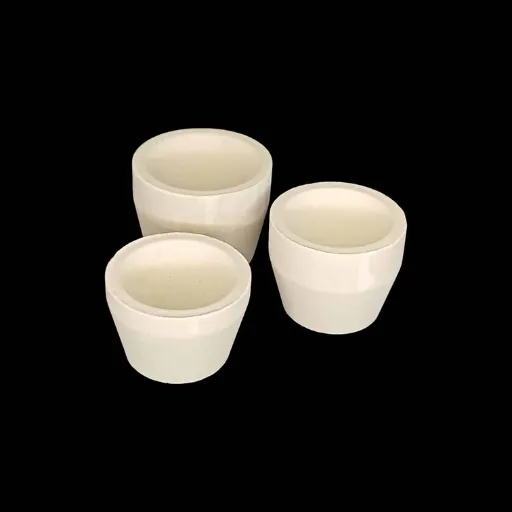
The fire assay cupel is a precision tool, not a disposable commodity. Its bone ash composition, porosity, dimensional consistency, and thermal stability directly determine the accuracy and reliability of precious metal analysis. Laboratories that treat cupel selection as a strategic procurement decision -- evaluating suppliers on technical capability, documentation, and batch consistency rather than price alone -- achieve more defensible results and fewer process disruptions.
Key takeaways for buyers and laboratory managers:
Bone ash remains the preferred cupel material due to its optimal absorption properties and thermal behavior
Chemical composition matters: specify Ca ≥35%, P ≥16%, and low iron content for critical assays
Porosity uniformity and dimensional tolerance are as important as chemical specs
Supplier production control and documentation predict long-term consistency
Sample testing in your actual protocol is essential before bulk commitment
At Luohe Feilong Bone Carbon Co., Ltd., we have manufactured calcined bone ash for over 20 years, supplying material to ceramic, metallurgical, and industrial applications. Our 1300°C calcination process, strict chemical composition control, and batch-to-batch consistency support manufacturers who demand reliable raw materials for precision products like fire assay cupels.
Need bone ash with guaranteed specifications for cupel manufacturing or laboratory supply? Contact our technical team to discuss your calcium, phosphorus, and purity requirements, or request a sample with Certificate of Analysis for qualification testing in your process.
Recently Posted
-
Luohe Feilong Bone Carbon: Industrial Bone Ash Manufacturer Since 2011
August 17, 2026When a copper foundry in Turkey needs bone ash that releases cleanly from a sand mold at 1,100 degrees Celsius, or a bone china fa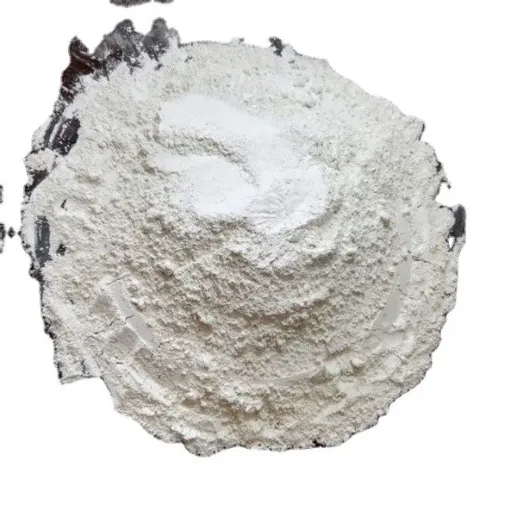 Read More
 -
Bone Ash in Copper Casting Mold Release: Application and Practical Guidance
August 14, 2026A copper sand casting foundry in India was producing electrical switch components that required a clean, smooth surface finish for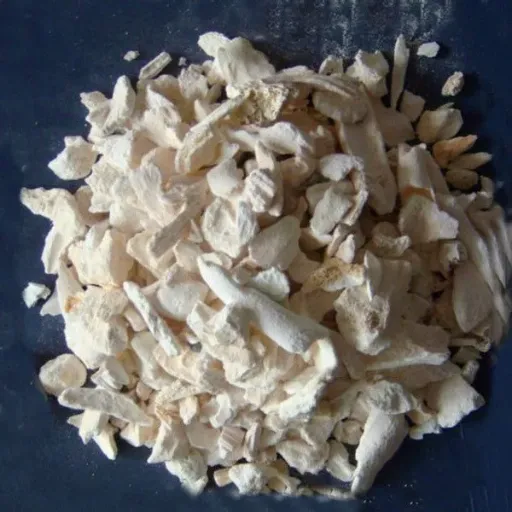 Read More
 -
How to Source Bone Ash for Foundry Applications: A Buyer's Checklist
August 13, 2026A purchasing manager at a brass foundry in Egypt ordered 20 metric tons of bone ash from a new supplier at a price roughly 25% bel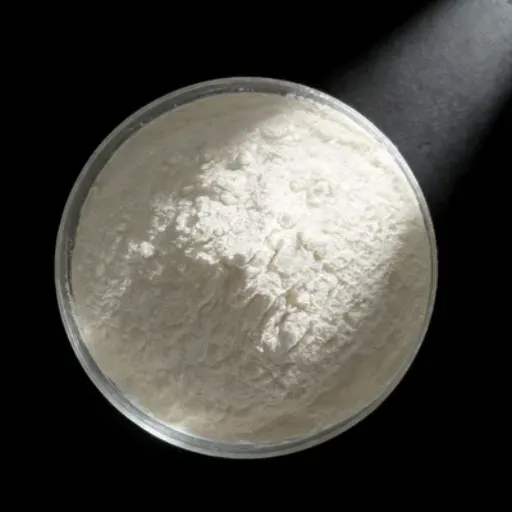 Read More
 -
Bone Ash vs Graphite Powder for Non-Ferrous Metal Mold Release
August 12, 2026A brass foundry in Southeast Asia switched from bone ash to a lower-cost graphite powder for its sand casting release agent, expec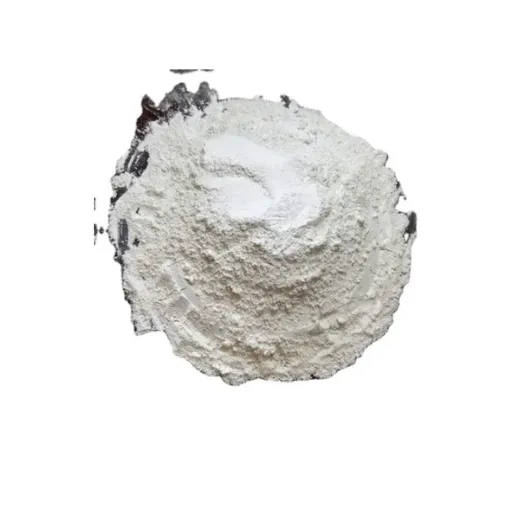 Read More

Contact Us
Recommended Products
-
 Manufacturer Sell Low Price Calcined Bone Ash or PowderUS$ 850MOQ: 5 Tons
 -
Manufacturer Sell Low Price Calcined Bone Ash or PowderUS$ 850MOQ: 5 Tons
-
Manufacturer Sell Low Price Calcined Bone Ash or PowderUS$ 850MOQ: 5 Tons
-
Sell Well Bone Ash for Mold Releasing UseUS$ 880 - 920MOQ: 5 Tons
-
Feilong Direct Sales Die-casting Water-soluble Mold Metal Release AgentUS$ 920MOQ: 5 Tons
-
Natural Animal Bone AshUS$ 880 - 920MOQ: 5 Tons
-
China Manufacturer Supply Eco-Friendly Bone Ash PowderUS$ 890MOQ: 1 Ton
-
Calcined Bone Ash for Bone China With GoodPriceUS$ 880 - 920MOQ: 5 Tons
-
Synthetic Bone Ash for Ceramic With Good PriceUS$ 850MOQ: 5 Tons
-
Calcium and Phosphorus Powder - 325 MeshPowderUS$ 850MOQ: 5 Tons
-
Calcium and Phosphorus Powder - 325 MeshPowderUS$ 850MOQ: 5 Tons
-
Calcium Stearate PVC PE Lubricant Mould-releasing Powder ManufacturerUS$ 850MOQ: 5 Tons
-
Reputed Supplier Selling Bone Ash Powder Which Meet With Environmental Standard As Animal FeedstuffUS$ 850MOQ: 5 Tons
-
Industrial Grade Bone Ash for Bone Ceramics and MetallurgyUS$ 900MOQ: 10 Tons
-
Animal Ashes Used for Bone ChinaUS$ 900MOQ: 5 Tons
-
Calcium and Phosphorus Powder - 325 MeshPowderUS$ 850MOQ: 5 Tons
-
High Quality Bone Ash for Mold Releasing Use/bone Ash PowderUS$ 850 - 880MOQ: 5 Tons
-
Manufacturer Sell Low Price Calcined Bone Ash or PowderUS$ 850MOQ: 5 Tons
-
Calcined Bone Ash for Bone China With GoodPriceUS$ 880MOQ: 5 Tons
-
High Quality Bone Ash for Mold Releasing Use/bone Ash PowderUS$ 880 - 920MOQ: 5 Tons