
 Business License

What Is a Cupel? Composition, Manufacturing, and Uses in Precious Metal Assay
In 1872, a California assayer named Jacob could determine the gold content of an ore sample to within one-tenth of an ounce using nothing more than a small porous cup, a furnace, and a lump of lead. The vessel he used -- the cupel -- remains the reference method for precious metal analysis more than 150 years later. Despite advances in instrumental analysis, fire assay cupellation continues to be the standard against which all other gold and silver testing methods are judged.
If you work in metallurgical testing, precious metals refining, or mining assay, you already rely on cupels whether you think about them daily or not. Yet many laboratory professionals understand the cupellation process without fully appreciating what the cupel itself contributes to accuracy.
This article answers the fundamental question: what is a cupel? We explain what cupels are made of, how cupellation works, why material quality matters, and what to look for when sourcing these essential assay tools. Whether you are training new laboratory staff, evaluating suppliers, or simply want to understand the science behind your assay results, this guide gives you the technical foundation you need.
What Is a Cupel?
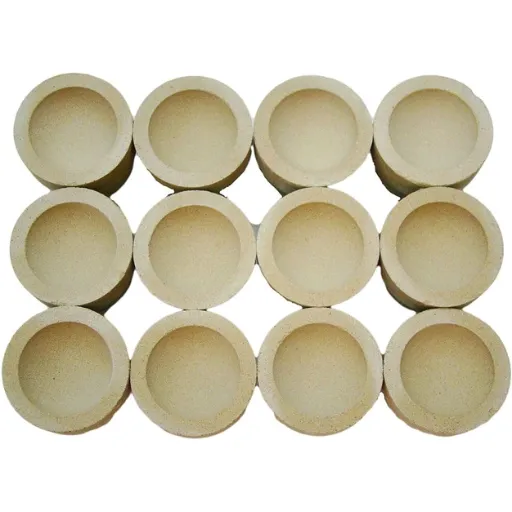
A cupel is a small, porous vessel used in fire assay to absorb lead oxide and other base metal oxides during the cupellation process. Cupels are typically shaped like shallow cups or truncated cones, with a flat base and slightly flared walls. Their defining characteristic is a highly porous structure that wicks molten lead oxide away from the sample while leaving precious metals behind.
The cupellation process separates gold and silver from base metals through controlled high-temperature oxidation. An analyst places a lead button containing the sample into the cupel and heats it in a furnace at approximately 950°C to 1100°C. As the lead oxidizes, the resulting lead oxide -- called litharge -- is absorbed into the porous cupel material. Gold and silver resist oxidation at these temperatures, so they remain as a small metallic bead on the cupel surface.
The cupel must perform two functions simultaneously. First, it must absorb molten lead oxide rapidly enough to keep exposing fresh lead to the air. Second, it must maintain structural integrity throughout the heating cycle without cracking, spalling, or releasing contaminants. A cupel that fails at either function produces inaccurate assay results.
What Are Cupels Made Of?
Cupels are manufactured from materials that combine high porosity with thermal stability. The two most common materials are bone ash and magnesia, though other formulations exist for specialized applications.
Bone Ash Cupels
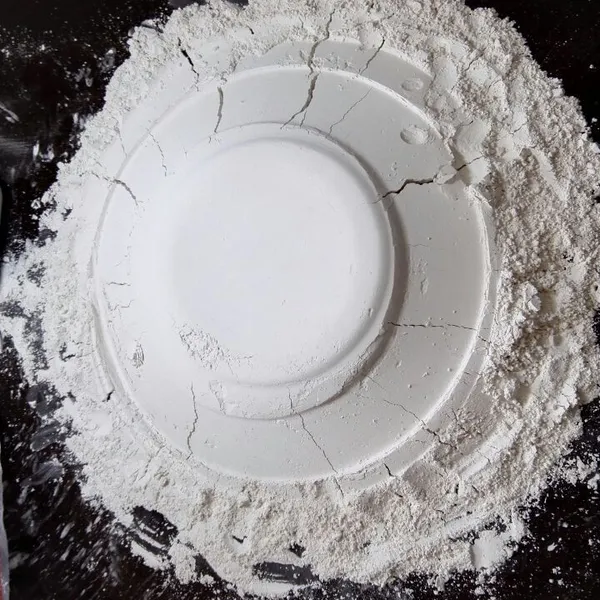
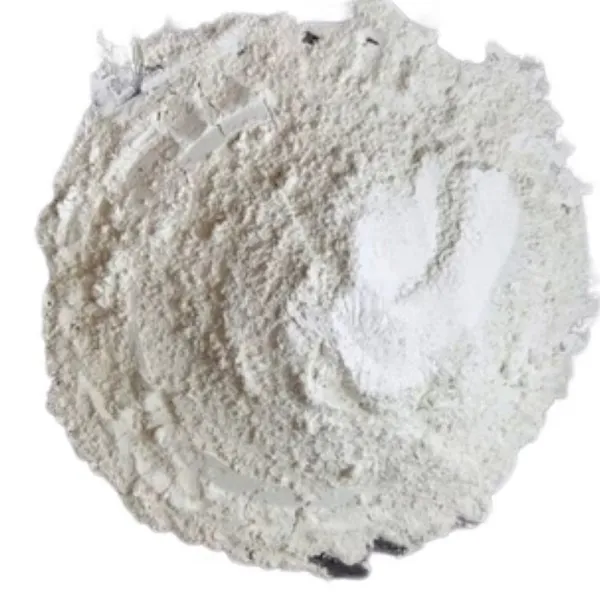
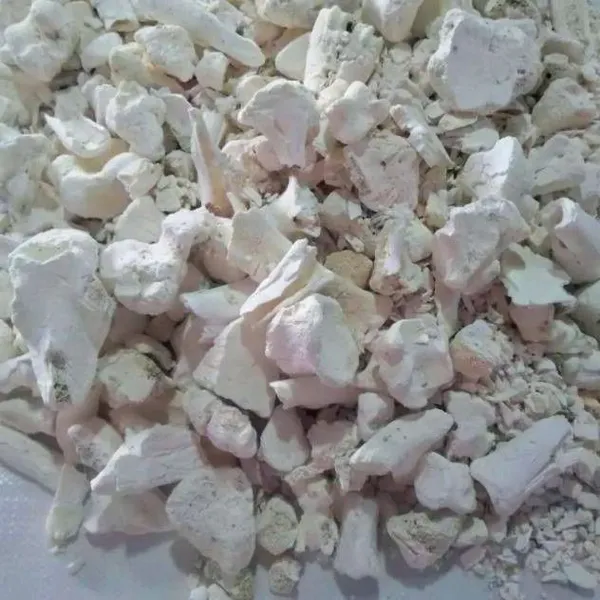
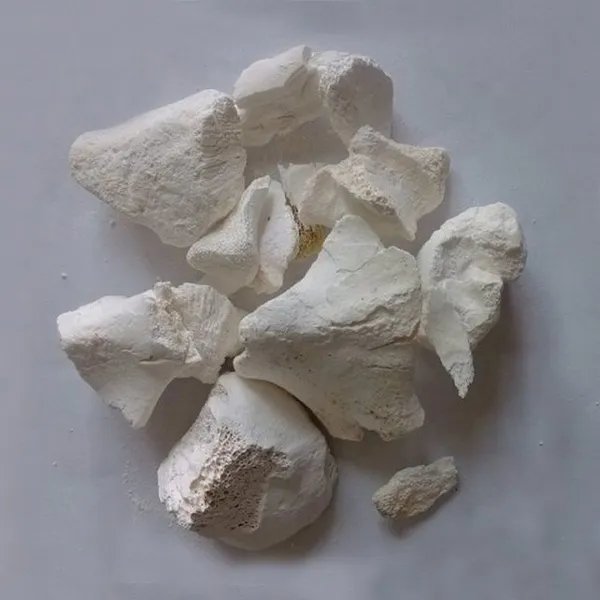
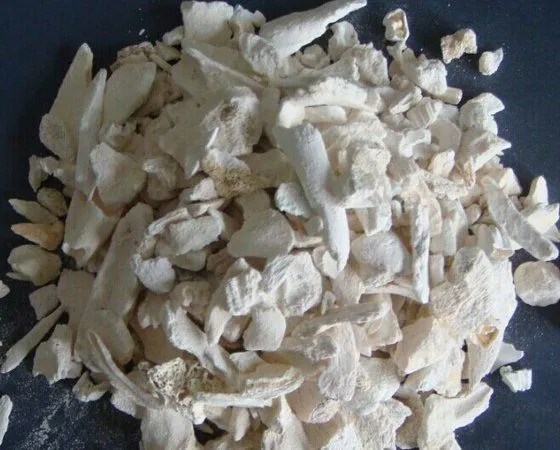
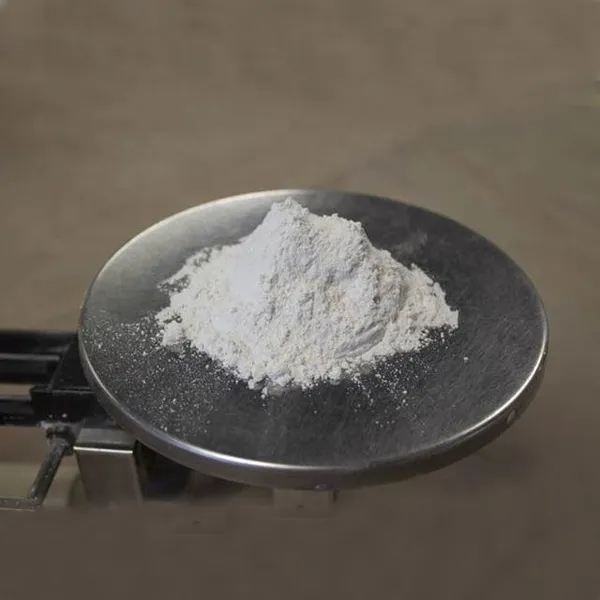
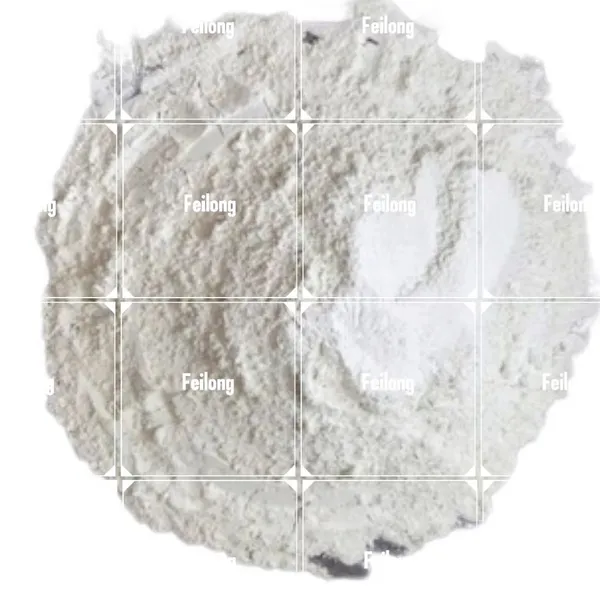
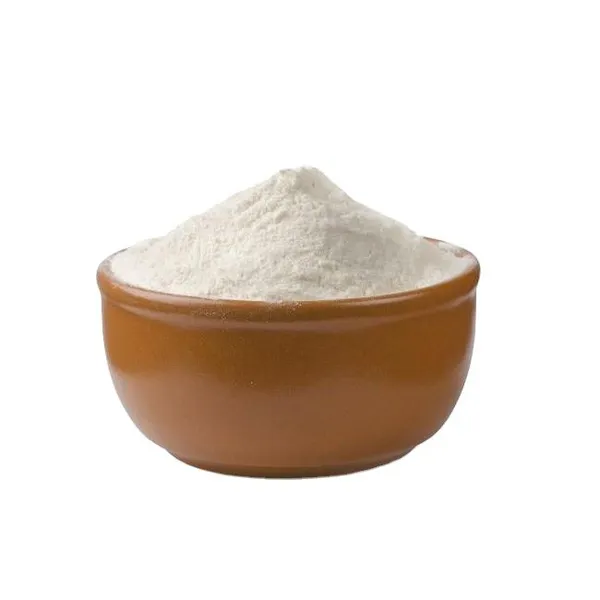
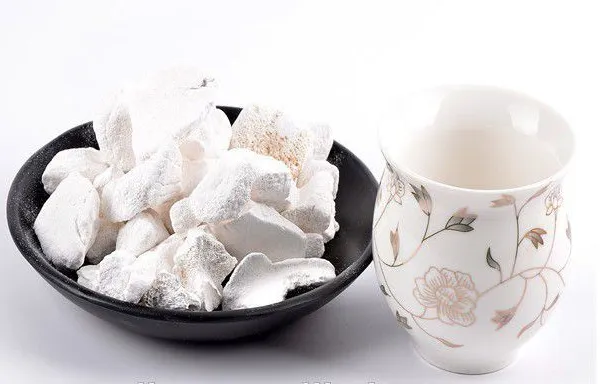
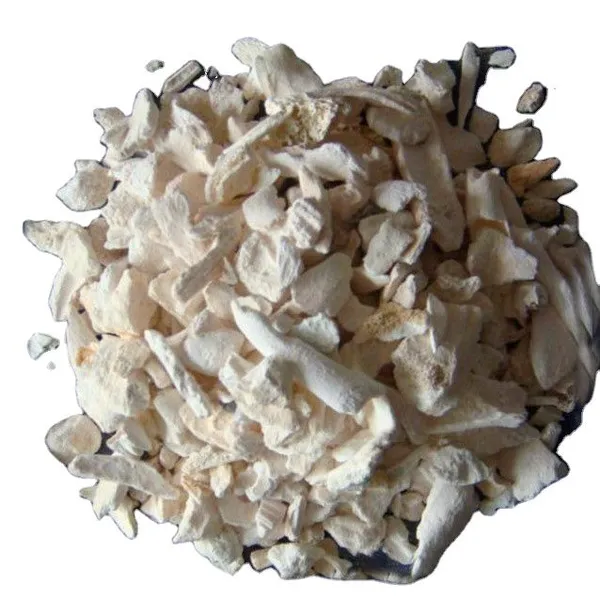
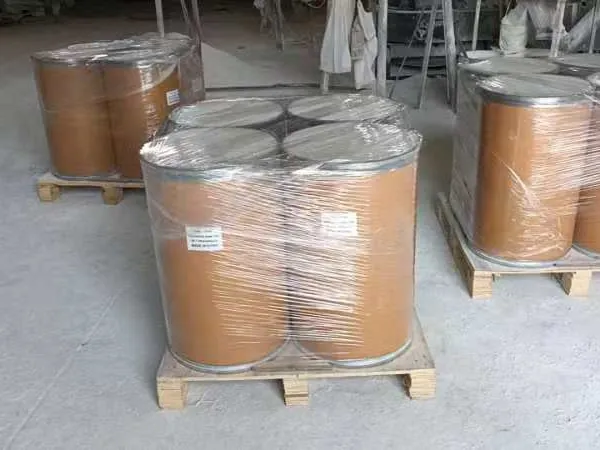
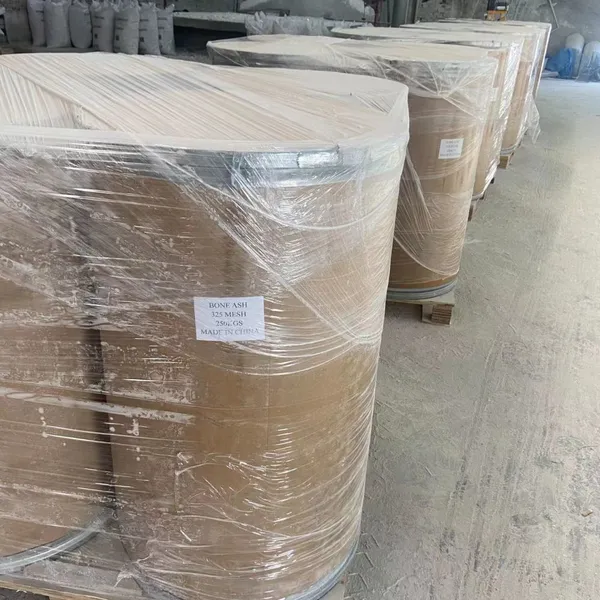
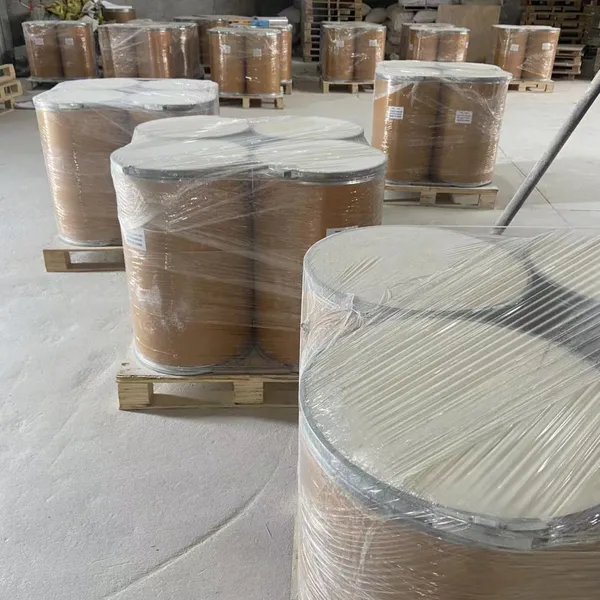
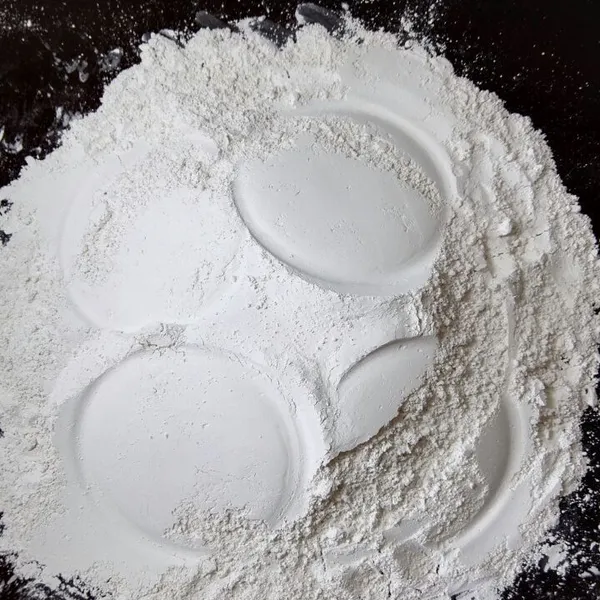
Bone ash is the traditional and most widely used material for cupel manufacturing. It is produced by calcining defatted bovine bone blocks at high temperatures -- typically 1200°C to 1300°C. The resulting white, crystalline powder consists primarily of calcium phosphate and calcium carbonate in a porous matrix.
The advantages of bone ash for cupels include:
High absorption capacity: The interconnected pore structure efficiently wicks molten lead oxide into the cupel walls
Thermal stability: Bone ash retains its structure at cupellation temperatures without vitrifying
Chemical affinity: The calcium phosphate content has a natural affinity for lead oxide absorption
Predictable performance: Well-manufactured bone ash cupels provide consistent results batch after batch
Quality bone ash for cupel production should meet strict specifications: Calcium (Ca) ≥35.0%, Phosphorus (P) ≥16.0%, Iron (Fe) ≤0.05%, burning loss ≤1.0%, and pH 9.0–11.5. Low iron content is particularly important because excess iron can cause glassy surface formation during cupellation, leading to uneven absorption.
Magnesia Cupels
Magnesia-based cupels are harder and more durable than bone ash cupels. They are preferred for certain high-lead applications where mechanical strength matters more than absorption speed. However, magnesia typically absorbs lead oxide more slowly than bone ash and can retain base metal oxides that interfere with bead purity.
Other Materials
Some specialized cupels use mixtures of bone ash and magnesia, or incorporate other refractory materials to achieve specific absorption rates or thermal profiles. These blended formulations are typically developed for particular assay protocols or automated cupellation systems.
Need bone ash with guaranteed purity for cupel manufacturing? Explore how Feilong controls calcium, phosphorus, and iron content through 1300°C calcination.
How Does the Cupellation Process Work?
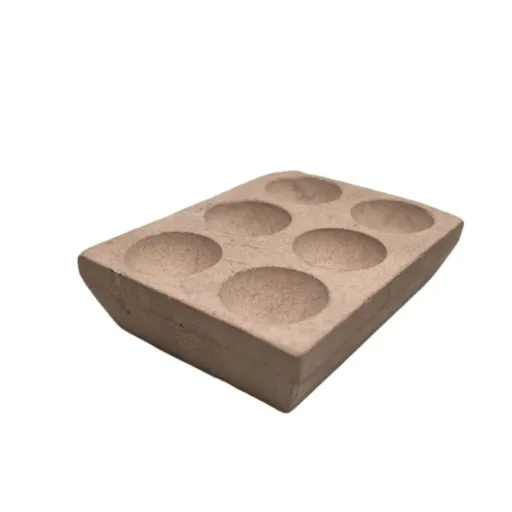
Understanding what a cupel is requires understanding what it does during cupellation. The process follows a precise sequence that has remained fundamentally unchanged for centuries.
Step 1: Sample Preparation
The analyst first prepares a lead button containing the ore or alloy sample. This is typically done through fusion with fluxes in a crucible. The lead collects precious metals from the sample during this fusion stage.
Step 2: Placement in the Cupel
The lead button is placed in the center of a clean, dry cupel. The cupel sits on a grate or shelf inside the cupellation furnace. Proper positioning ensures even heating and allows air to circulate around the cupel.
Step 3: Heating and Oxidation
The furnace is heated to between 950°C and 1100°C. As the lead melts, it spreads across the cupel base. Simultaneously, oxygen from the air begins oxidizing the lead surface. The resulting lead oxide is molten at these temperatures.
Step 4: Absorption
The porous cupel material absorbs the molten lead oxide through capillary action. This absorption continuously removes the oxide layer, exposing fresh lead metal to the air. The process continues until virtually all lead has been oxidized and absorbed.
Step 5: Precious Metal Recovery
Gold and silver do not oxidize under these conditions. They remain as a small metallic bead on the cupel surface. After cooling, the bead is removed, weighed, and analyzed to determine precious metal content.
Temperature control throughout cupellation is critical. If the furnace runs too cool, lead oxidation slows and the assay takes longer. If it runs too hot, the cupel itself may vitrify, sealing its pores and halting absorption before all lead is removed.
When Dr. Elena Varga took over quality control at a Romanian precious metals refinery in 2023, she noticed that bead weights from the afternoon shift consistently ran 0.4% lower than morning results. After ruling out operator technique and furnace calibration, she traced the issue to cupel storage conditions.
The afternoon shift was pulling cupels from a new delivery that had absorbed atmospheric moisture during shipping. The damp cupels cracked microscopically during heating, reducing absorption efficiency. Switching to moisture-resistant packaging and pre-heating cupels eliminated the discrepancy entirely. Her experience illustrates that even the finest cupel material can fail if handling and storage are neglected.
Types of Cupels and Their Applications
Cupels come in various sizes, shapes, and material formulations to suit different assay requirements.
By Size
Standard cupel diameters range from 1 inch to 2.5 inches, with heights proportional to diameter. Larger cupels accommodate bigger lead buttons and higher base metal content. Smaller cupels are used for high-precision work with small samples.
By Wall Thickness
Wall thickness affects both absorption capacity and mechanical strength. Standard cupels for gold assay typically have walls between 3 mm and 5 mm thick. Thicker walls absorb more lead oxide but take longer to saturate. Thinner walls heat faster but may fail in high-lead assays.
By Application
Precious Metals Refining: Gold and silver refineries use standard bone ash cupels for routine assay work. Refineries processing electronic scrap or complex alloys may prefer larger cupels with higher absorption capacity.
Mining Assay Laboratories: High-throughput mining labs use cupels in large batches. Consistency between cupels is essential because laboratories run hundreds or thousands of assays monthly.
Jewelry and Alloy Manufacturing: Jewelry producers use cupels to verify alloy fineness. The international standard ISO 11426 specifies cupellation as the reference method for determining gold in gold jewellery alloys.
Metallurgical Research: Research laboratories may use custom cupels with specific porosity profiles or non-standard dimensions for method development work.
Why Cupel Quality Matters for Assay Accuracy
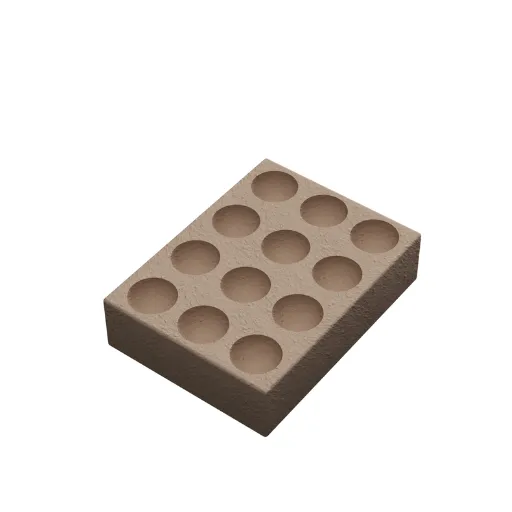
The cupel is not merely a disposable container. Its material properties directly affect assay precision and reliability.
Porosity and Absorption Rate
A cupel with uniform porosity distributes lead oxide absorption evenly across its wall structure. Non-uniform porosity creates weak spots where the cupel may crack or fail to absorb completely. Laboratories typically evaluate porosity indirectly through absorption rate testing, measuring weight gain after controlled lead oxide exposure.
Chemical Purity
Contaminants in cupel material can react with precious metals or alter bead composition. Sulfur, carbon residues, and heavy metal impurities are particularly problematic. Reputable manufacturers analyze both raw materials and finished cupels to verify chemical purity.
Dimensional Tolerance
Cupels that vary in height or diameter can cause positioning errors in automated loading systems. Even in manual operations, dimensional variation affects heating uniformity and absorption behavior.
Thermal Shock Resistance
The cupel must withstand rapid temperature changes when loaded into a hot furnace. Cupels with poor thermal shock resistance develop hairline cracks that compromise absorption uniformity without visible failure.
James Okonkwo manages an assay laboratory at a Nigerian gold mining operation that processes over 2,000 samples monthly. In 2024, he switched cupel suppliers after documenting a persistent 1.2% variance in gold recovery rates between batches. The problem cupels had higher iron content and lower porosity than specification.
"We calculated that the inconsistent cupels were costing us approximately $18,000 per month in re-assays and client disputes," James explained. "The new supplier cost 15% more per cupel, but the savings in re-work paid for the difference in under three weeks."
How to Select and Source Reliable Cupels
Selecting a cupel supplier requires evaluating technical capability, quality documentation, and supply reliability.
Verify Material Specifications
Request documentation of the raw material composition. For bone ash cupels, this should include calcium, phosphorus, iron, and burning loss percentages. Suppliers who cannot provide this data may not have adequate process control.
Request Quality Documentation
Leading cupel manufacturers provide Certificates of Analysis for each batch. This documentation should include:
Chemical composition of the base material
Physical dimensions and tolerance
Absorption rate or porosity data
Recommended applications and assay protocols
Test Before Committing
Always run controlled assays comparing candidate cupels against your current supply before placing bulk orders. Measure bead recovery rates, cupellation times, and visual performance. Document the results and share them with the supplier.
Assess Production Control
Ask whether the supplier manufactures cupels in their own facility or sources materials from third parties. Vertically integrated manufacturers who control calcination, forming, and firing have greater ability to maintain batch-to-batch consistency.
Consider Total Cost
The cheapest cupel is rarely the most economical. Calculate total cost including assay rework, laboratory downtime, and potential penalties from inaccurate results. In high-precision laboratories, a modest price premium for verified quality typically pays for itself rapidly.
At Luohe Feilong Bone Carbon Co., Ltd., we have manufactured calcined bone ash for over 20 years. Our 1300°C calcination process produces bone ash with the calcium, phosphorus, and purity levels that cupel manufacturers and assay laboratories require. We supply bone ash to ceramic, metallurgical, and industrial applications with consistent batch-to-batch documentation.
Conclusion
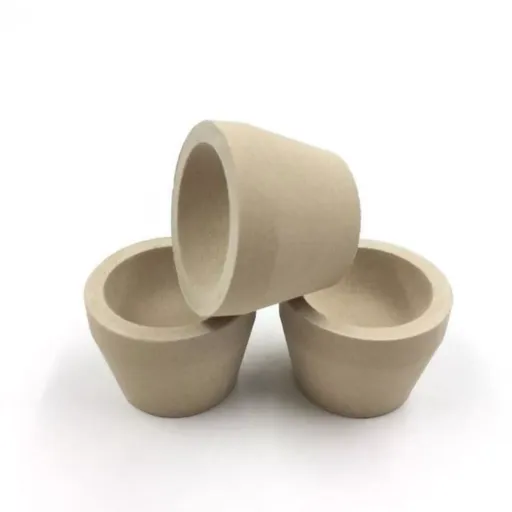
So what is a cupel? It is a precision-engineered porous vessel that makes accurate precious metal analysis possible. Made primarily from bone ash or magnesia, the cupel absorbs lead oxide during cupellation while preserving the gold and silver bead that tells you the true value of your sample.
Key points to remember:
A cupel is a porous vessel designed to absorb lead oxide during fire assay cupellation
Bone ash is the preferred material due to its optimal absorption capacity and thermal stability
The cupellation process relies on controlled oxidation at 950°C to 1100°C
Cupel quality -- porosity, purity, and dimensional consistency -- directly affects assay accuracy
Selecting a reliable supplier requires evaluating specifications, documentation, and batch consistency
For laboratories and refineries, the cupel is not a commodity to be sourced on price alone. It is a critical process component that determines the accuracy of your most important measurements. Understanding what a cupel is, how it works, and what makes one cupel better than another empowers you to make informed sourcing decisions that protect the integrity of your assay program.
Recently Posted
-
Luohe Feilong Bone Carbon: Industrial Bone Ash Manufacturer Since 2011
August 17, 2026When a copper foundry in Turkey needs bone ash that releases cleanly from a sand mold at 1,100 degrees Celsius, or a bone china fa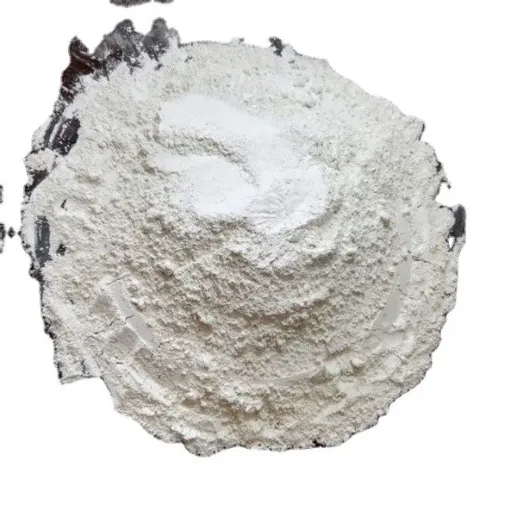 Read More
 -
Bone Ash in Copper Casting Mold Release: Application and Practical Guidance
August 14, 2026A copper sand casting foundry in India was producing electrical switch components that required a clean, smooth surface finish for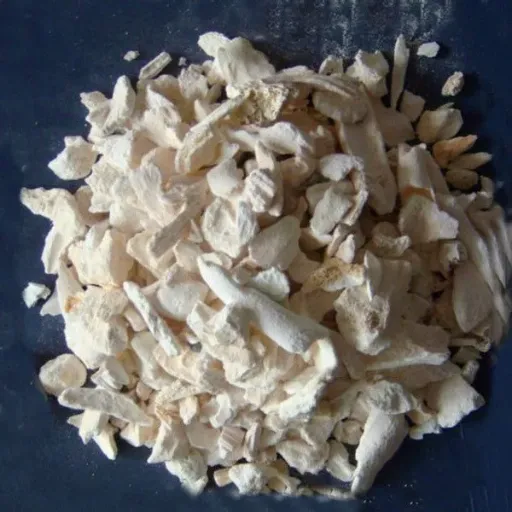 Read More
 -
How to Source Bone Ash for Foundry Applications: A Buyer's Checklist
August 13, 2026A purchasing manager at a brass foundry in Egypt ordered 20 metric tons of bone ash from a new supplier at a price roughly 25% bel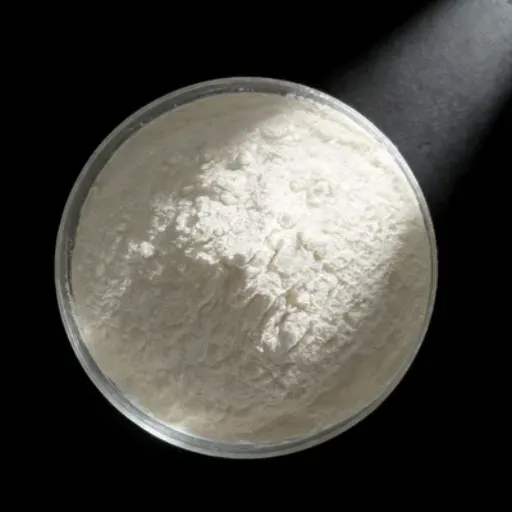 Read More
 -
Bone Ash vs Graphite Powder for Non-Ferrous Metal Mold Release
August 12, 2026A brass foundry in Southeast Asia switched from bone ash to a lower-cost graphite powder for its sand casting release agent, expec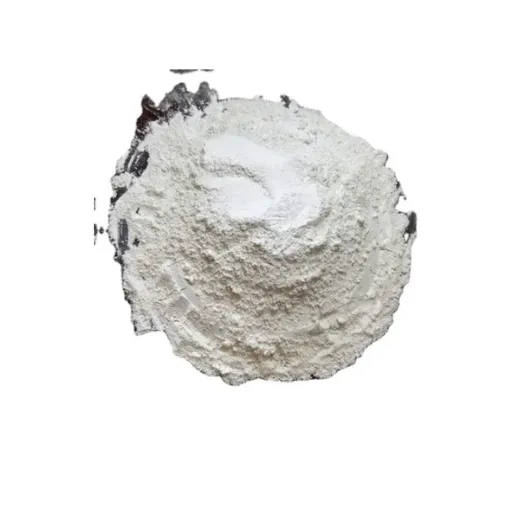 Read More

Contact Us
Recommended Products
-
 Manufacturer Sell Low Price Calcined Bone Ash or PowderUS$ 850MOQ: 5 Tons
 -
Manufacturer Sell Low Price Calcined Bone Ash or PowderUS$ 850MOQ: 5 Tons
-
Manufacturer Sell Low Price Calcined Bone Ash or PowderUS$ 850MOQ: 5 Tons
-
Sell Well Bone Ash for Mold Releasing UseUS$ 880 - 920MOQ: 5 Tons
-
Feilong Direct Sales Die-casting Water-soluble Mold Metal Release AgentUS$ 920MOQ: 5 Tons
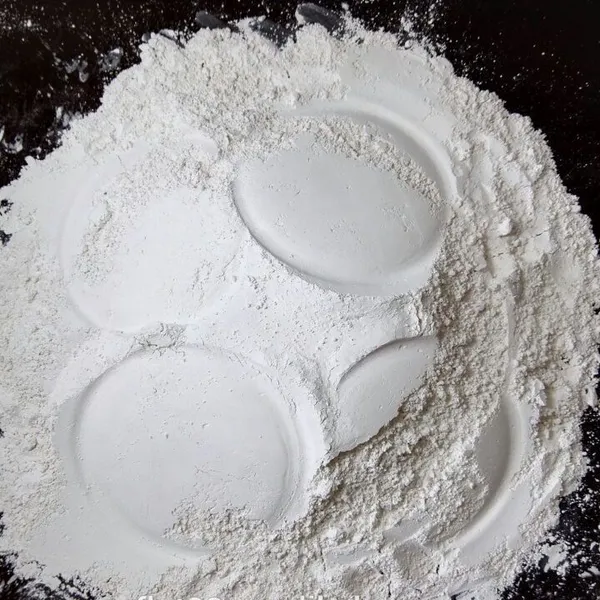
-
Natural Animal Bone AshUS$ 880 - 920MOQ: 5 Tons
-
China Manufacturer Supply Eco-Friendly Bone Ash PowderUS$ 890MOQ: 1 Ton
-
Calcined Bone Ash for Bone China With GoodPriceUS$ 880 - 920MOQ: 5 Tons
-
Synthetic Bone Ash for Ceramic With Good PriceUS$ 850MOQ: 5 Tons
-
Calcium and Phosphorus Powder - 325 MeshPowderUS$ 850MOQ: 5 Tons
-
Calcium and Phosphorus Powder - 325 MeshPowderUS$ 850MOQ: 5 Tons
-
Calcium Stearate PVC PE Lubricant Mould-releasing Powder ManufacturerUS$ 850MOQ: 5 Tons
-
Reputed Supplier Selling Bone Ash Powder Which Meet With Environmental Standard As Animal FeedstuffUS$ 850MOQ: 5 Tons
-
Industrial Grade Bone Ash for Bone Ceramics and MetallurgyUS$ 900MOQ: 10 Tons
-
Animal Ashes Used for Bone ChinaUS$ 900MOQ: 5 Tons
-
Calcium and Phosphorus Powder - 325 MeshPowderUS$ 850MOQ: 5 Tons
-
High Quality Bone Ash for Mold Releasing Use/bone Ash PowderUS$ 850 - 880MOQ: 5 Tons
-
Manufacturer Sell Low Price Calcined Bone Ash or PowderUS$ 850MOQ: 5 Tons
-
Calcined Bone Ash for Bone China With GoodPriceUS$ 880MOQ: 5 Tons
-
High Quality Bone Ash for Mold Releasing Use/bone Ash PowderUS$ 880 - 920MOQ: 5 Tons