
 Business License

Bone Ash vs. Bone Meal: What Buyers Need to Know
A feed producer in Vietnam once ordered "bone ash" for his animal nutrition formula. What arrived was a white, fully calcined powder with 35% calcium and almost zero organic matter. His livestock rejected it. The supplier had shipped exactly what was specified, ceramic-grade bone ash, but the producer needed bone meal. That one-word confusion cost him a full container of unusable raw material and three weeks of production downtime.
In the bone ash vs bone meal debate, the confusion starts with a shared origin. Both come from animal bones. But they are fundamentally different products with different production processes, chemical compositions, and industrial applications. Confusing the two leads to wasted orders, failed formulations, and frustrated procurement teams.
If you source bone-derived materials for ceramic, feed, metallurgical, or agricultural production, understanding the difference between bone ash and bone meal is essential. This guide breaks down what each product is, how they differ, and which one your operation actually needs. For a side-by-side overview, see our bone ash vs bone meal comparison.
Not sure which product fits your process? Request samples of both bone ash and bone meal from Feilong, or contact our technical team to discuss your specifications.
What Is Bone Ash?
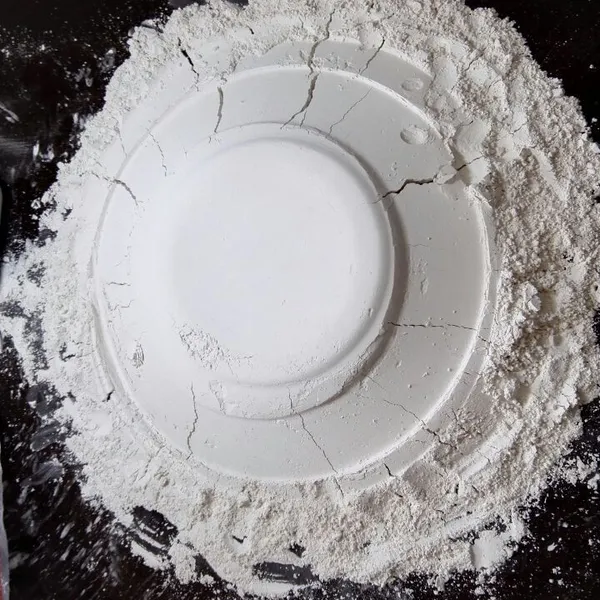
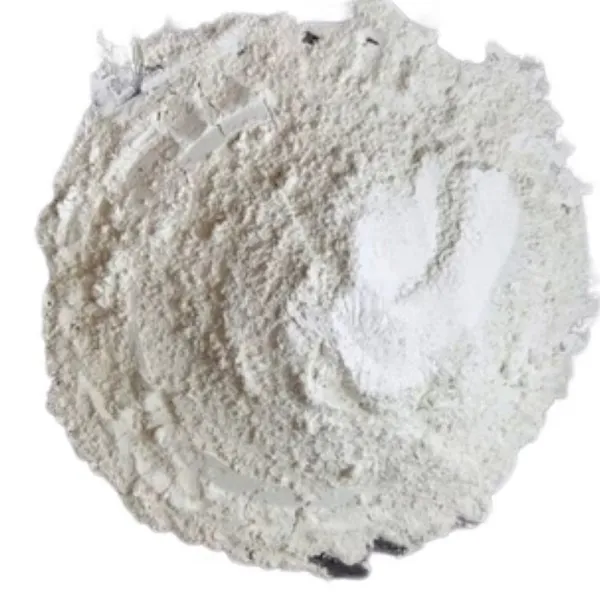
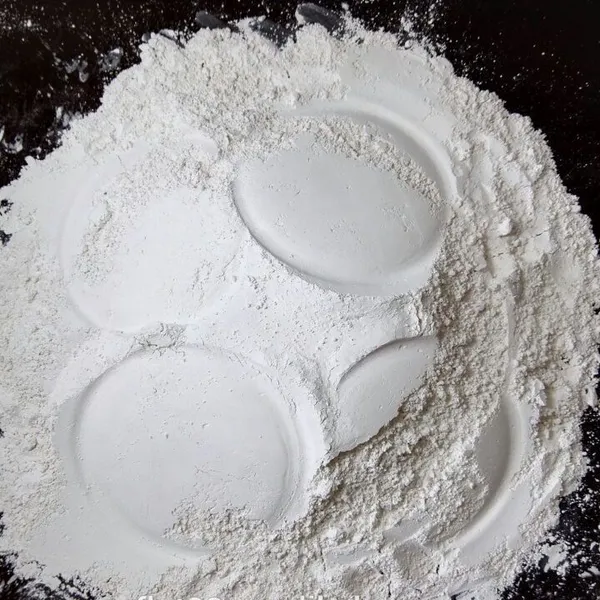
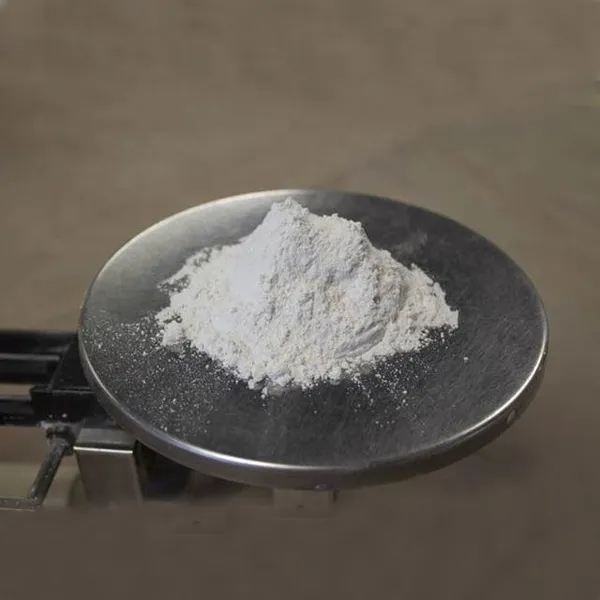
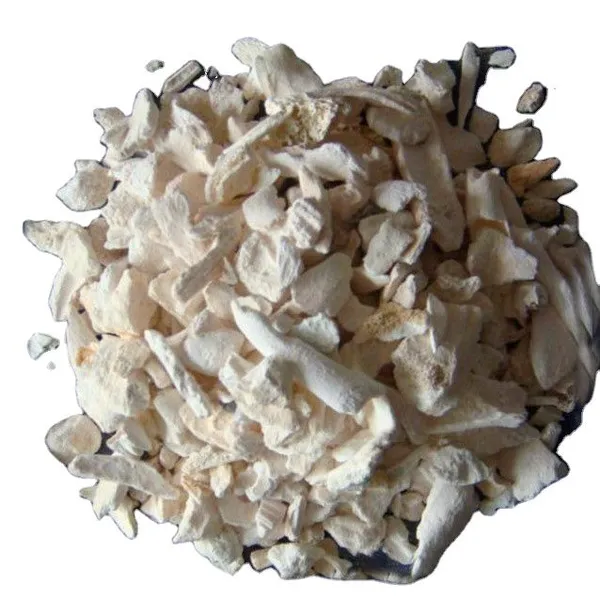
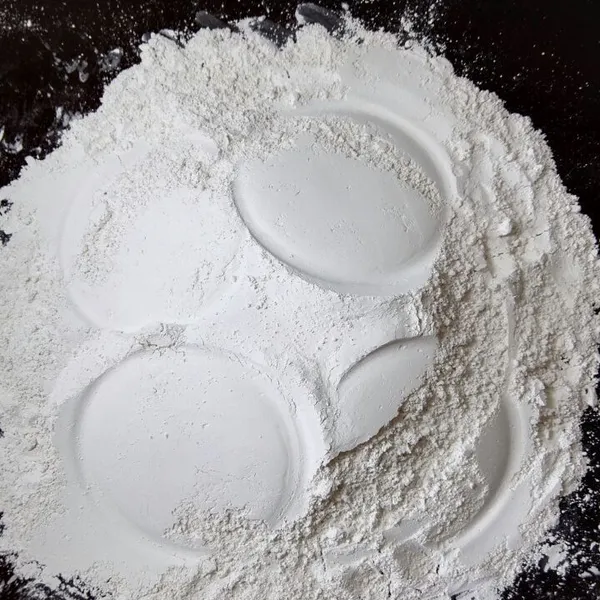
Bone ash is a white, crystalline mineral powder produced by calcining defatted animal bones at high temperatures, typically between 1200°C and 1300°C. At these temperatures, all organic matter decomposes completely. What remains is a pure inorganic composition dominated by tricalcium phosphate and calcium carbonate, with a crystalline structure similar to hydroxyapatite.
The standard chemical composition for industrial-grade bone ash:
Calcium (Ca): ≥35.0%
Phosphorus (P): ≥16.0%
Iron (Fe): ≤0.05%
Burning loss: ≤1.0%
pH: 9.0–11.5
Bone ash is not a feed ingredient. It is an industrial raw material used primarily in ceramic manufacturing (particularly bone china), metallurgical mold releasing, and cupellation for precious metal assaying. Its high calcium phosphate content, controlled particle size, and thermal stability make it suitable for applications that demand precision and purity.
The production process for bone ash involves several controlled steps: raw material selection, defatting, high-temperature calcination, grinding to specified mesh sizes (325 or 400 mesh), and batch testing with a Certificate of Analysis (COA). Learn more about bone ash production.
What Is Bone Meal?
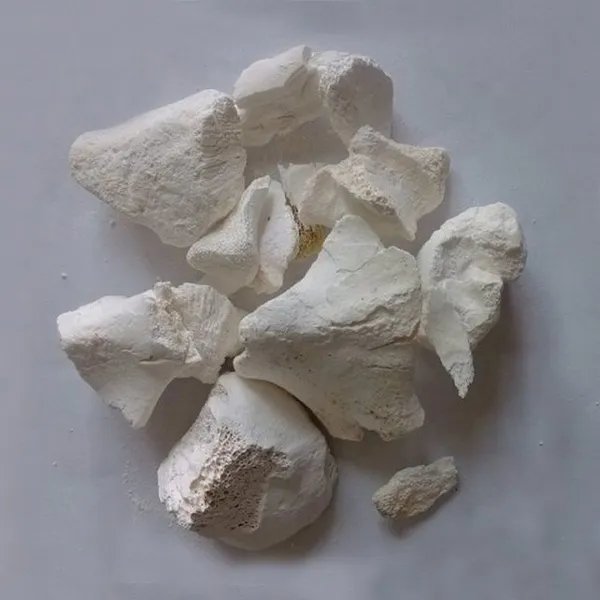
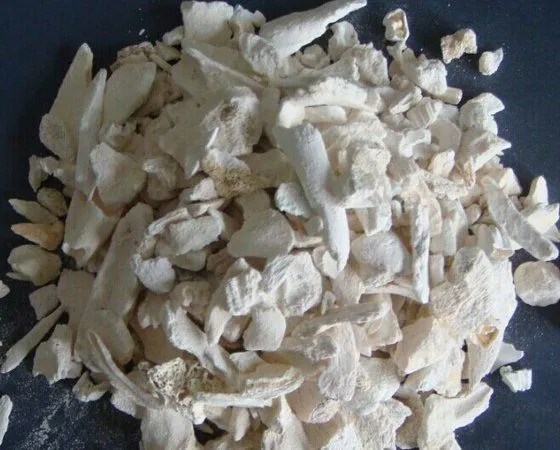
Bone meal is a coarser, less processed product made from animal bones that have been dried, ground, and sometimes partially defatted, but not calcined at high temperatures. Production temperatures are much lower than bone ash, typically under 200°C for drying, which means bone meal retains significant organic matter including proteins, fats, and collagen residues.
The chemical composition of bone meal varies more widely than bone ash:
Calcium (Ca): 20–30% (typical)
Phosphorus (P): 10–15% (typical)
Organic matter: Significant (proteins, fats, collagen)
Moisture: Variable depending on processing
Bone meal is used primarily as a calcium and phosphorus supplement in animal feed formulations and as a slow-release fertilizer in agriculture. The retained organic matter is not a defect in these applications; it is part of the product's value. Livestock can digest and absorb the minerals more readily when they are bound to organic structures.
Production is simpler than bone ash: raw bones are cleaned, dried, ground to a meal or powder, and sometimes partially defatted. Quality control exists but is less rigorous than industrial bone ash production. Batch-to-batch variation in composition is common because the raw bone source and processing conditions vary more.
Bone Ash vs. Bone Meal: Key Differences
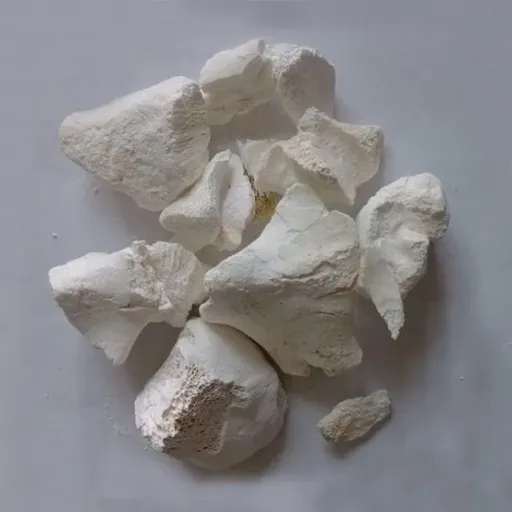
The confusion between these two products stems from their shared raw material. Both come from animal bones. But the production process, end composition, and intended use separate them completely.
| Property | Bone Ash | Bone Meal |
|---|---|---|
| Production temperature | 1200–1300°C | Under 200°C |
| Organic matter | None (fully calcined) | Significant (proteins, fats) |
| Calcium content | ≥35.0% | 20–30% (typical) |
| Phosphorus content | ≥16.0% | 10–15% (typical) |
| Appearance | White crystalline powder | Tan to brown granular powder |
| Particle size | Controlled (325/400 mesh) | Variable, coarser |
| Primary use | Industrial (ceramics, metallurgy) | Feed, agriculture |
| Quality control | COA, batch testing | Less standardized |
| Price per ton | Higher (US$720–890 FOB) | Lower |
| Defatting | Fully defatted before calcination | May be partially defatted |
The most important distinction is temperature. High-temperature calcination transforms bone from an organic-mineral composite into a pure mineral powder. Low-temperature processing preserves the organic matrix. These two paths produce materials that behave completely differently in any application.
When to Use Bone Ash
Bone ash is the correct product when your application requires:
Ceramic and Bone China Manufacturing
Bone ash is the standard raw material for bone china production. Manufacturers incorporate 40–50% bone ash into the ceramic body to achieve the translucency, whiteness, and strength that define genuine bone china. No other material provides all three properties simultaneously.
Ceramic-grade bone ash specifications are exacting: low iron content (Fe ≤0.05%) to prevent discoloration, fine particle size for even distribution in slip, and consistent batch-to-batch composition. Bone meal cannot substitute here. Its organic content would cause gas evolution during firing, creating defects in finished porcelain and bone china ware. Explore ceramic-grade bone ash specifications.
Metallurgical Mold Releasing
In foundry and casting operations, mold releasing bone ash serves as a release agent. Its non-wetting properties prevent molten metal from adhering to mold surfaces, and its thermal stability protects molds during repeated thermal cycling. Bone meal's organic content makes it unsuitable for high-temperature metallurgical applications.
Cupellation and Precious Metal Assaying
Bone ash is formed into cupels for fire assay and precious metal refining (Wikipedia). The cupels absorb lead oxide and base metal oxides while leaving precious metals behind. This requires the pure calcium phosphate structure that only high-temperature calcination produces.
When to Use Bone Meal
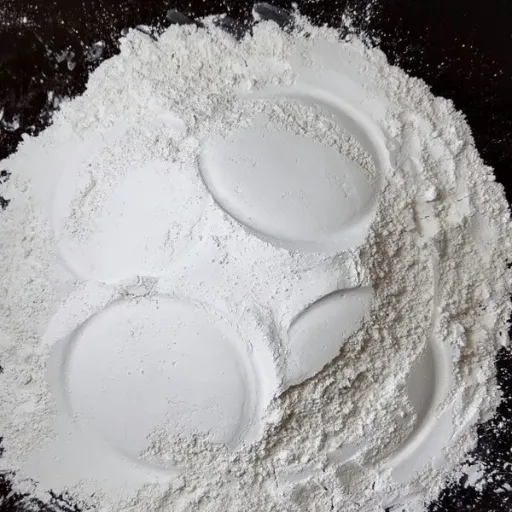
Bone meal is the correct product when your application requires:
Animal Feed Supplementation
Bone meal provides calcium and phosphorus in a form that livestock can digest and absorb. The retained organic matter, including proteins and collagen, adds nutritional value beyond the mineral content. As a phosphorus source, feed grade bone meal is a cost-effective mineral supplement in poultry, swine, and cattle rations.
For feed-grade applications, Feilong produces a range of bone-derived feed products, including bone granules, bone powder, and calcium hydrogen phosphate, each formulated for specific nutritional requirements.
Agricultural Fertilizer
Bone meal is a slow-release phosphorus fertilizer used in organic and conventional agriculture. The phosphorus becomes available to plants gradually as the organic matrix breaks down in soil. This slow-release characteristic is valuable for crops that need sustained phosphorus supply over a growing season.
Lower-Temperature Industrial Processes
Some industrial applications that do not require the purity or thermal stability of bone ash can use bone meal or intermediate products. These include certain filler applications, low-temperature processing, and formulations where the organic content is not problematic.
How to Choose the Right Product for Your Operation
Selecting between bone ash and bone meal comes down to three questions:
1. What Is Your End Application?
If you are manufacturing bone china, casting metals, or assaying precious metals, you need bone ash. If you are formulating animal feed or blending fertilizer, you need bone meal or feed-grade bone products. There is no overlap. The products are not interchangeable.
2. What Temperature Does Your Process Reach?
If your process involves firing above 1000°C, bone ash is the only option. Bone meal's organic content would decompose, creating gas, discoloration, and defects. If your process stays below 200°C, bone meal's organic content is acceptable and may even be beneficial.
3. What Purity and Consistency Do You Require?
Industrial applications like ceramics and metallurgy demand precise chemical composition, controlled particle size, and batch-to-batch consistency documented by COA. Bone ash meets these standards. Feed and agricultural applications tolerate wider composition ranges and can use the less precisely controlled bone meal.
When Li Wei, a procurement manager at a ceramic factory in Guangdong, received a shipment labeled as "bone powder" from a new supplier in 2023, the material looked plausible. It was white-ish and granular. But when his team added it to the ceramic slip, the organic content caused bubbling during bisque firing. The entire batch was scrapped. He now specifies "calcined bone ash, Ca ≥35%, 325 mesh, with COA" on every purchase order. Specificity eliminates ambiguity.
Common Sourcing Mistakes
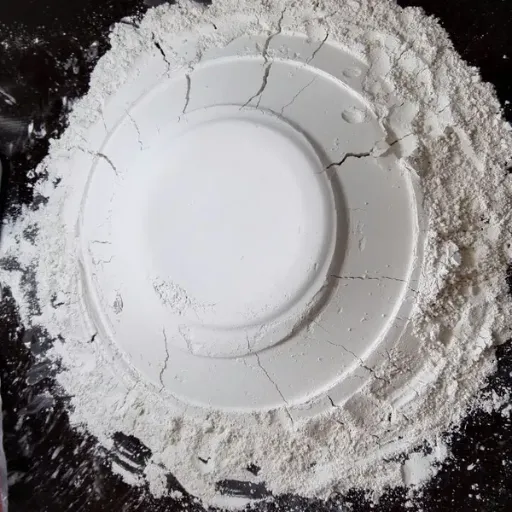
Understanding these recurring errors helps buyers set appropriate specifications and avoid costly failures.
Mistake 1: Using the Terms Interchangeably
"Bone ash," "bone meal," "bone powder," and "bone dust" are sometimes used loosely in trade, especially in regions where English is not the primary language. A supplier in one market may call their product "bone powder" when it is actually bone meal, or vice versa. Always verify the production process and chemical composition, not just the product name.
Mistake 2: Ordering by Price Instead of Specification
Bone meal is cheaper than bone ash. A buyer focused on cost reduction might switch from bone ash to bone meal without testing the substitution. For feed applications, this might work. For ceramics or metallurgy, it will fail. The price difference reflects a real difference in production cost and material properties.
Mistake 3: Skipping the COA
Some buyers accept shipments without reviewing the Certificate of Analysis. For bone ash, the COA confirms calcium content, phosphorus content, iron levels, burning loss, and particle size. For bone meal, the COA should confirm calcium, phosphorus, moisture, and protein content. Without these documents, you are trusting a label, not a specification. See our quality control process for details on how batch testing works.
Mistake 4: Ignoring Defatting Quality
Both bone ash and bone meal benefit from proper defatting. Residual fats in under-defatted bone create problems in both products: higher burning loss and discoloration in bone ash, rancidity and shorter shelf life in bone meal. Ask suppliers about their defatting process and verify fat content on incoming material.
When Sarah Kim, a quality manager at a feed mill in South Korea, noticed her bone meal shipments developing an off-odor after two months in storage, she traced the problem to inadequate defatting. The residual fats had oxidized during storage. She switched to a supplier with a controlled defatting process and specified a maximum fat content in her purchase agreement. The odor problem disappeared.
Feilong Bone Products: Ash and Meal
Luohe Feilong Bone Carbon Co., Ltd. manufactures both bone ash and feed-grade bone products from defatted bovine bone in our vertically integrated production facility in Luohe, Henan Province.
For industrial buyers (ceramics, metallurgy, cupellation):
Calcined bone ash at 1300°C
Ca ≥35.0%, P ≥16.0%, Fe ≤0.05%
325 mesh and 400 mesh available
Full COA with every shipment
Learn about our production process
For feed producers (animal nutrition, mineral supplementation):
Feed-grade bone granules and bone powder
Calcium hydrogen phosphate
Defatted non-degelatinized bone granules
View feed-grade bone products
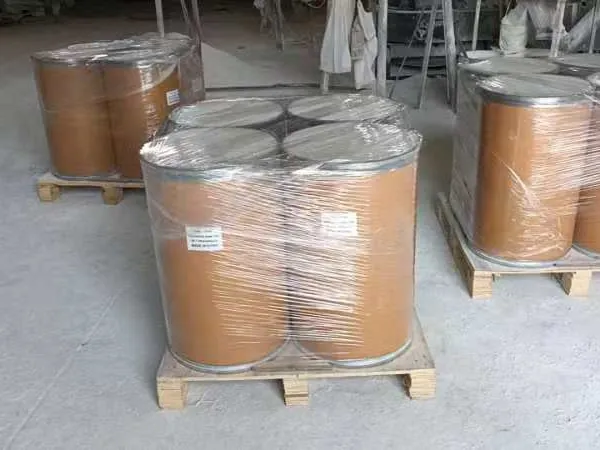
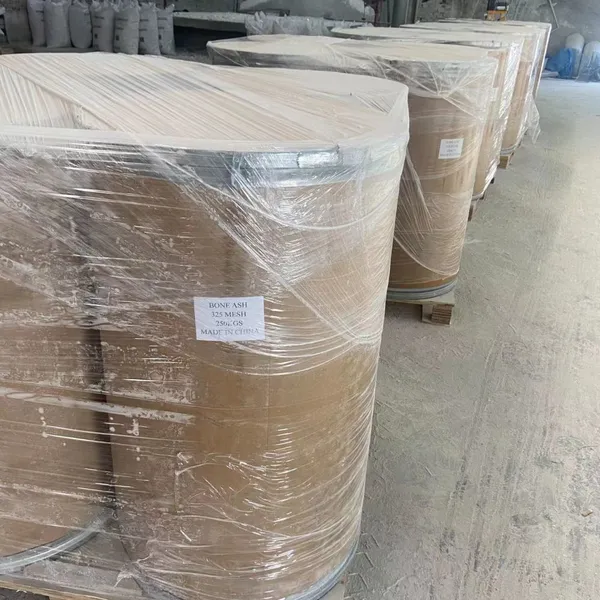
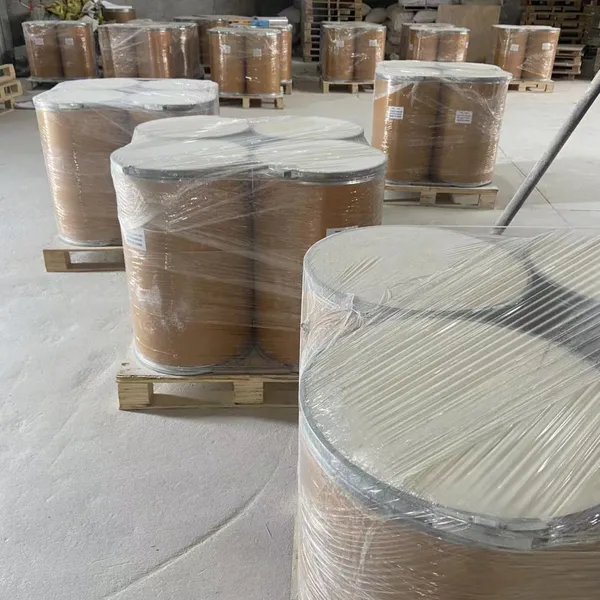
We export to ceramic, metallurgical, and feed buyers in Germany, South Korea, the United States, and other markets. Factory-direct pricing and a 1 metric ton MOQ make Feilong accessible to both large-scale manufacturers and smaller operations. Every shipment includes documented quality data and export-compliant packaging.
Conclusion
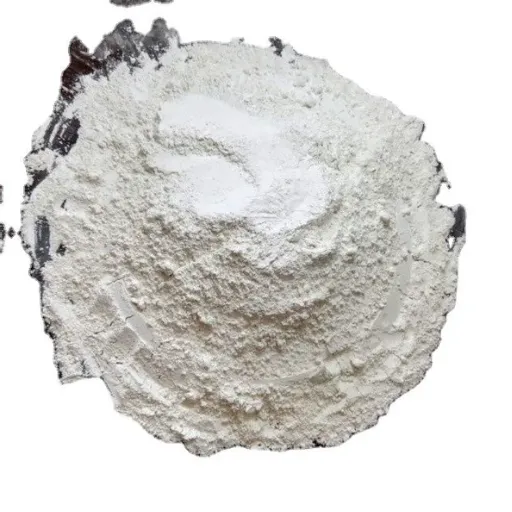
The bone ash vs bone meal question comes down to this: same raw material, but different products for different purposes. Bone ash is a high-temperature industrial mineral used in ceramics, metallurgy, and precious metal assaying. Bone meal is a lower-temperature product used in animal feed and agriculture. Substituting one for the other leads to production failures, wasted materials, and frustrated teams.
Key takeaways for procurement managers:
Bone ash is calcined at 1200–1300°C; bone meal is processed at under 200°C
Bone ash has Ca ≥35% and no organic matter; bone meal has Ca 20–30% with retained organics
Bone ash is for industrial applications; bone meal is for feed and agriculture
Always verify the production process and chemical composition, not just the product name
Request a COA with every shipment to confirm you are receiving the correct product
Need help selecting the right bone-derived product? Request a quote or speak with our team to discuss your specifications, order samples, or arrange a supply agreement.
Recently Posted
-
Luohe Feilong Bone Carbon: Industrial Bone Ash Manufacturer Since 2011
August 17, 2026When a copper foundry in Turkey needs bone ash that releases cleanly from a sand mold at 1,100 degrees Celsius, or a bone china fa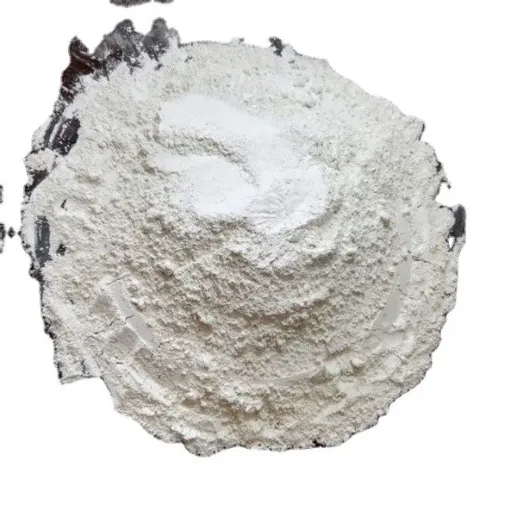 Read More
 -
Bone Ash in Copper Casting Mold Release: Application and Practical Guidance
August 14, 2026A copper sand casting foundry in India was producing electrical switch components that required a clean, smooth surface finish for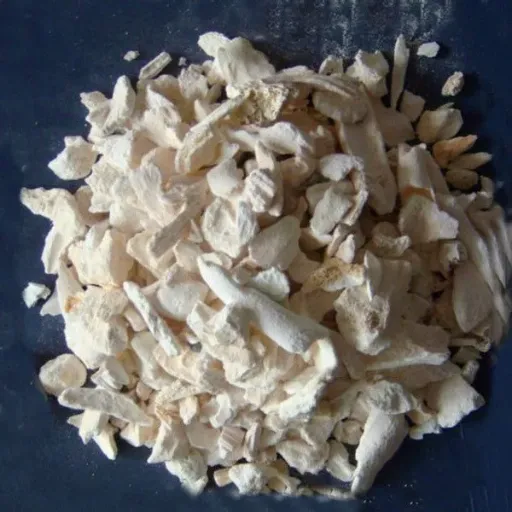 Read More
 -
How to Source Bone Ash for Foundry Applications: A Buyer's Checklist
August 13, 2026A purchasing manager at a brass foundry in Egypt ordered 20 metric tons of bone ash from a new supplier at a price roughly 25% bel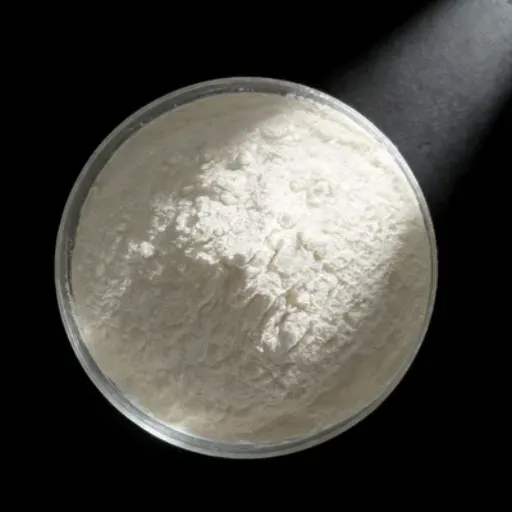 Read More
 -
Bone Ash vs Graphite Powder for Non-Ferrous Metal Mold Release
August 12, 2026A brass foundry in Southeast Asia switched from bone ash to a lower-cost graphite powder for its sand casting release agent, expec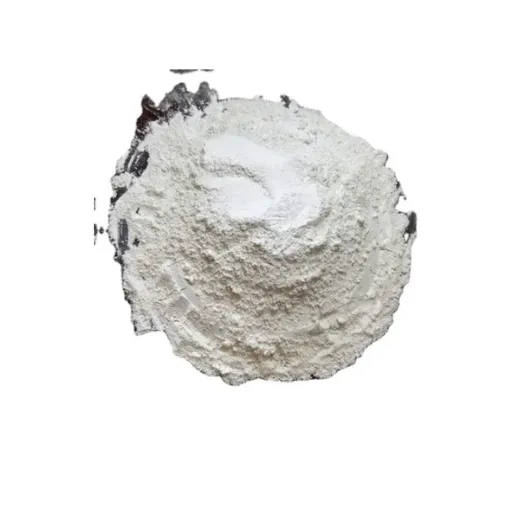 Read More

Contact Us
Recommended Products
-
 Manufacturer Sell Low Price Calcined Bone Ash or PowderUS$ 850MOQ: 5 Tons
 -
Manufacturer Sell Low Price Calcined Bone Ash or PowderUS$ 850MOQ: 5 Tons
-
Manufacturer Sell Low Price Calcined Bone Ash or PowderUS$ 850MOQ: 5 Tons
-
Sell Well Bone Ash for Mold Releasing UseUS$ 880 - 920MOQ: 5 Tons
-
Feilong Direct Sales Die-casting Water-soluble Mold Metal Release AgentUS$ 920MOQ: 5 Tons
-
Natural Animal Bone AshUS$ 880 - 920MOQ: 5 Tons
-
China Manufacturer Supply Eco-Friendly Bone Ash PowderUS$ 890MOQ: 1 Ton
-
Calcined Bone Ash for Bone China With GoodPriceUS$ 880 - 920MOQ: 5 Tons
-
Synthetic Bone Ash for Ceramic With Good PriceUS$ 850MOQ: 5 Tons
-
Calcium and Phosphorus Powder - 325 MeshPowderUS$ 850MOQ: 5 Tons
-
Calcium and Phosphorus Powder - 325 MeshPowderUS$ 850MOQ: 5 Tons
-
Calcium Stearate PVC PE Lubricant Mould-releasing Powder ManufacturerUS$ 850MOQ: 5 Tons
-
Reputed Supplier Selling Bone Ash Powder Which Meet With Environmental Standard As Animal FeedstuffUS$ 850MOQ: 5 Tons
-
Industrial Grade Bone Ash for Bone Ceramics and MetallurgyUS$ 900MOQ: 10 Tons
-
Animal Ashes Used for Bone ChinaUS$ 900MOQ: 5 Tons
-
Calcium and Phosphorus Powder - 325 MeshPowderUS$ 850MOQ: 5 Tons
-
High Quality Bone Ash for Mold Releasing Use/bone Ash PowderUS$ 850 - 880MOQ: 5 Tons
-
Manufacturer Sell Low Price Calcined Bone Ash or PowderUS$ 850MOQ: 5 Tons
-
Calcined Bone Ash for Bone China With GoodPriceUS$ 880MOQ: 5 Tons
-
High Quality Bone Ash for Mold Releasing Use/bone Ash PowderUS$ 880 - 920MOQ: 5 Tons