
 Business License

Natural Bone Ash: What It Is, How It Is Made, and Why It Matters
A ceramic manufacturer in Jingdezhen once told me he could tell whether bone ash was natural or synthetic by pressing a pellet between his fingers. Natural bone ash crumbles differently. It has a texture that decades of handling taught his fingertips to recognize. That kind of material knowledge is disappearing as synthetic alternatives flood the market.
If you source raw materials for ceramic, metallurgical, or industrial production, understanding this material gives you a procurement advantage. You can evaluate suppliers more critically, specify materials more precisely, and avoid costly production failures caused by substituting the wrong grade.
This guide covers the composition, production process, industrial applications, and sourcing considerations for natural bone ash. It also explains where synthetic alternatives fall short and why many manufacturers still insist on the real thing.
Need natural bone ash for your production line? Request a sample with full COA from Feilong or contact our technical team to discuss your specifications.
What Is Natural Bone Ash?
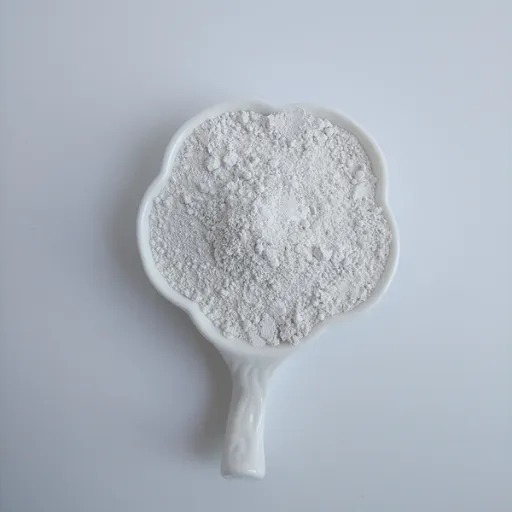
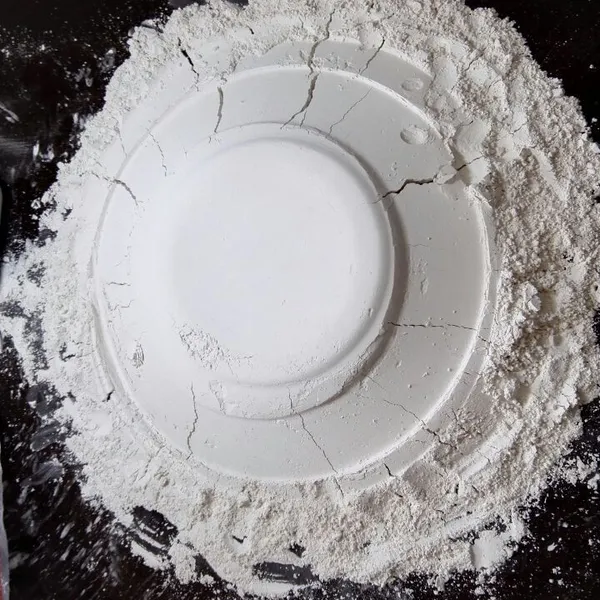
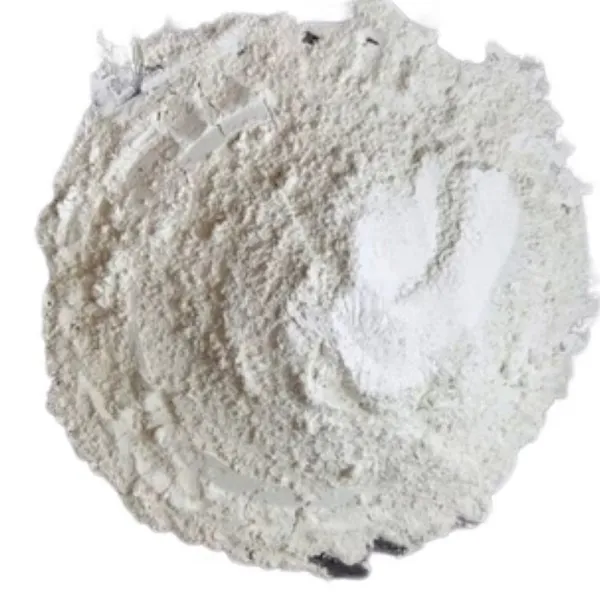
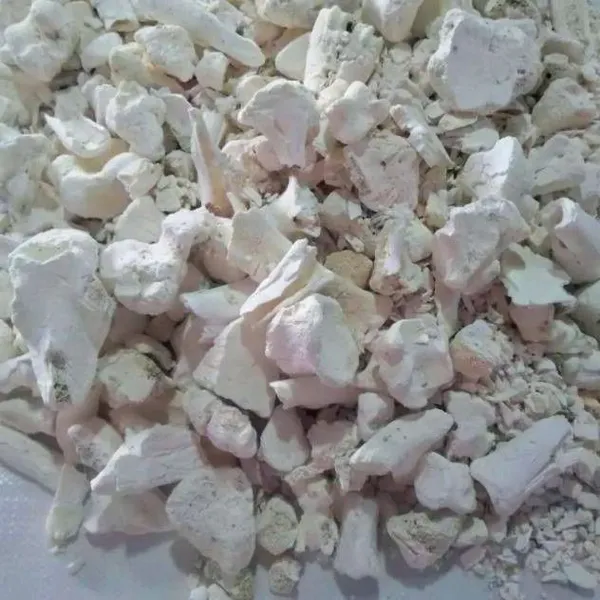
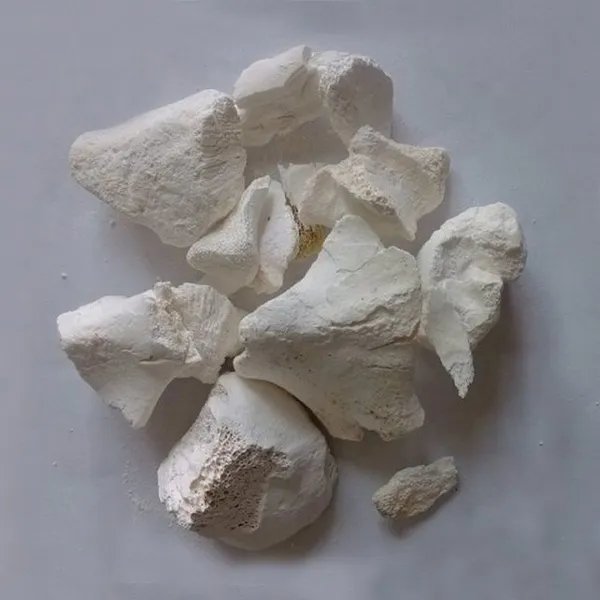
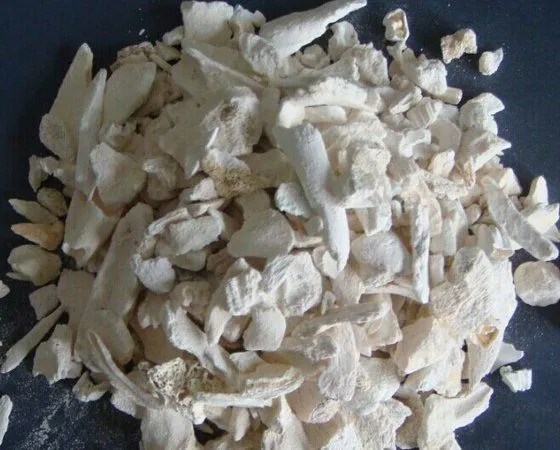
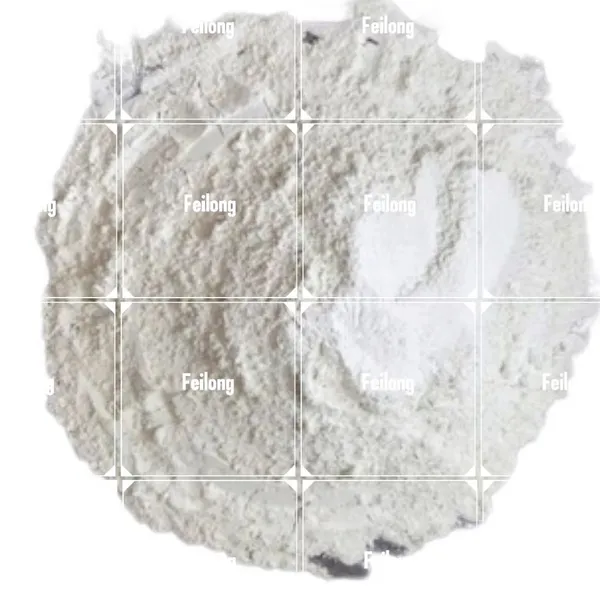
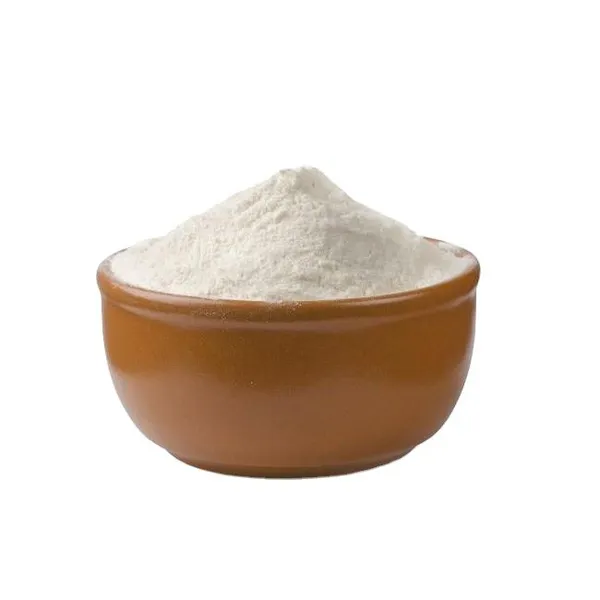
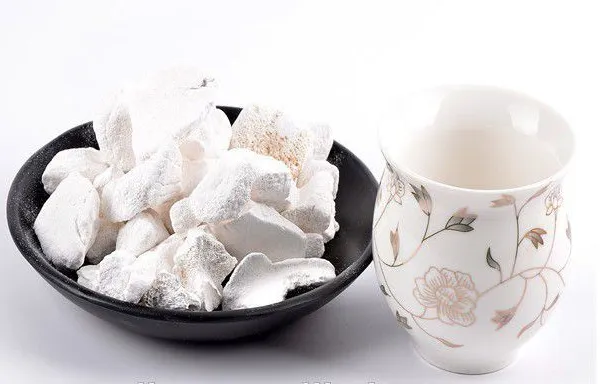
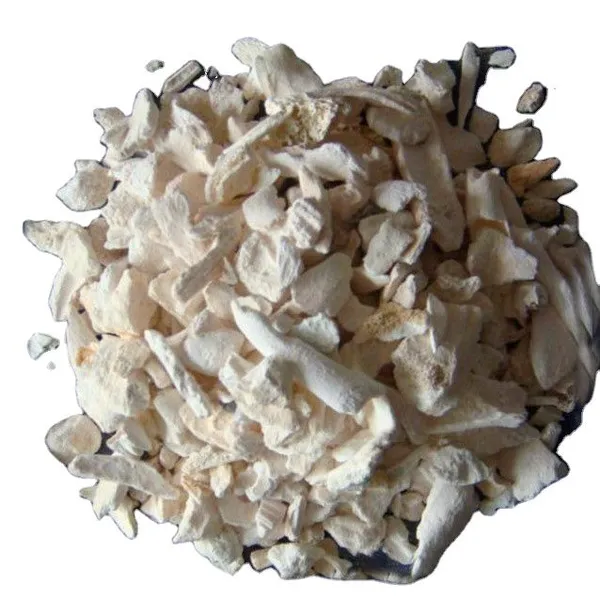
Natural bone ash is a mineral powder produced by calcining defatted animal bones, typically bovine, at high temperatures between 1200°C and 1300°C. The process removes all organic material and leaves behind a crystalline composition dominated by calcium phosphate and calcium carbonate.
This is not a chemically synthesized product. It is derived directly from biological bone structure, which gives it a unique combination of mineral phases, trace elements, and physical characteristics that synthetic calcium phosphate does not replicate exactly.
The term "natural" distinguishes this material from synthetic tricalcium phosphate or hydroxyapatite produced through chemical precipitation. Both contain calcium and phosphorus. Their crystalline structures, trace element profiles, and behavior in high-temperature applications differ in ways that matter for industrial buyers.
Chemical Composition of Natural Bone Ash
The standard chemical composition for industrial-grade natural bone ash:
Calcium (Ca): ≥35.0%
Phosphorus (P): ≥16.0%
Iron (Fe): ≤0.05%
Burning loss: ≤1.0%
pH: 9.0–11.5
These numbers look similar to synthetic calcium phosphate on a specification sheet. The difference lies in what the numbers do not show: the crystal habit, the trace mineral content inherited from biological bone, and the way the material sinters and reacts during firing.
When David Okonkwo, a ceramic engineer at a bone china factory in Nigeria, switched to a cheaper synthetic calcium phosphate in 2021, the chemical analysis looked comparable. Ca 35.4%, P 16.2%, both within specification. But during firing, the synthetic material behaved differently. The glass phase formed at a slightly higher temperature, and the fired body had a cooler, bluer white instead of the warm ivory tone his customers expected. He reverted to calcined bone ash from a natural source within three months.
How Natural Bone Ash Is Produced
The production of natural bone ash follows a multi-step process that starts with raw animal bone and ends with a precisely controlled mineral powder. Understanding this process helps buyers evaluate supplier quality and identify potential inconsistencies.
Step 1: Raw Material Selection and Defatting
Production begins with defatted bovine bone blocks. The defatting step is critical. Residual fats in under-defatted bone create problems during calcination: discoloration, higher burning loss, and inconsistent chemical composition.
Reputable manufacturers source bones from regulated suppliers and apply mechanical and thermal defatting to reduce fat content to acceptable levels before calcination. This is one of the key process control points that separates quality natural bone ash from inconsistent material.
Step 2: High-Temperature Calcination
The defatted bones are heated in controlled furnaces at approximately 1300°C. At this temperature:
All organic compounds decompose fully
The calcium phosphate achieves the crystalline structure needed for industrial applications
The material reaches the white color required for ceramic use
Iron-bearing impurities oxidize to their stable forms
Calcination temperature is the single most important variable in production. Too low, and residual organics remain, increasing burning loss. Too high, and the crystalline structure changes, affecting reactivity in ceramic bodies.
Step 3: Grinding and Classification
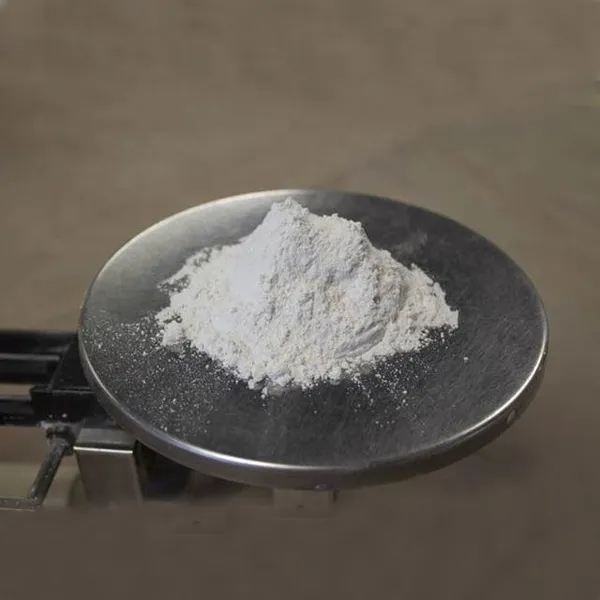
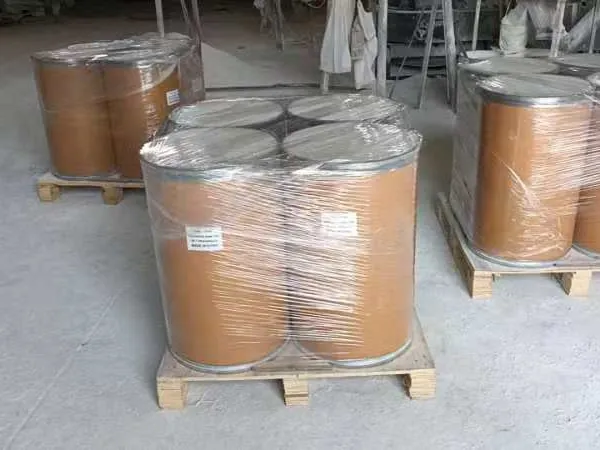
After calcination, the material is cooled and ground to the required particle size. Common specifications include 325 mesh (approximately 44 micrometers) and 400 mesh (approximately 37 micrometers). Proper classification ensures consistent particle size distribution, which affects slip preparation, firing behavior, and final product quality.
Step 4: Quality Control and Packaging
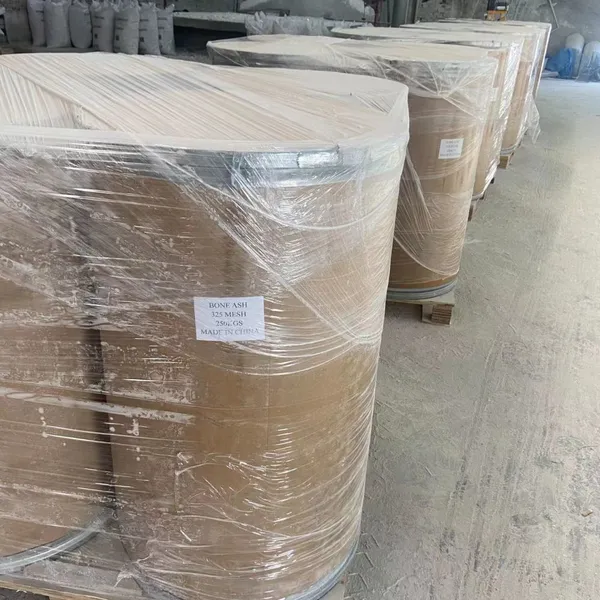
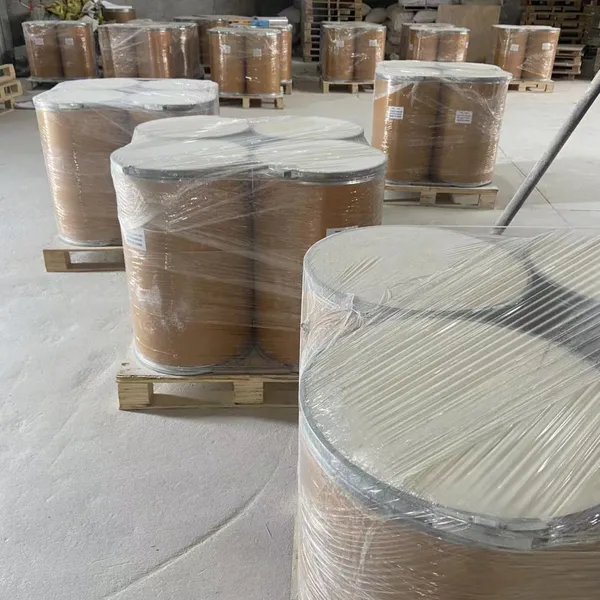
Every batch is tested for chemical composition, particle size distribution, and physical properties. A Certificate of Analysis (COA) documents the results. See our quality control process for details on testing protocols. Material is then packaged in moisture-resistant containers for domestic or export shipment.
At Luohe Feilong Bone Carbon Co., Ltd., this entire process takes place in our own vertically integrated production facility. We control every step from raw material intake through calcination, grinding, and final packaging. Learn more about our production process.
Natural Bone Ash vs. Synthetic Calcium Phosphate
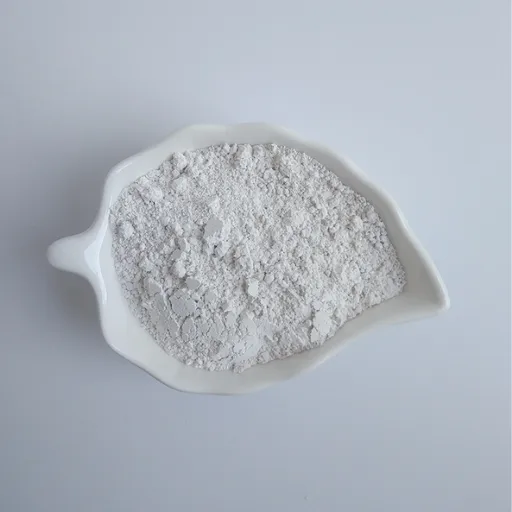
The most common question procurement managers ask is whether synthetic alternatives can replace this material. The answer depends on the application, and the differences are more significant than specification sheets suggest.
| Property | Natural Bone Ash | Synthetic Calcium Phosphate |
|---|---|---|
| Source | Biological (bovine bone) | Chemical precipitation |
| Ca content | ≥35.0% | 34.0–38.0% |
| P content | ≥16.0% | 16.0–18.0% |
| Trace minerals | Mg, Na, carbonate groups | Minimal or none |
| Crystal structure | Carbonated apatite | Stoichiometric TCP/HA |
| Fired color | Warm ivory-white | Cooler blue-white |
| Sintering behavior | Lower glass-phase temp | Higher glass-phase temp |
| Batch consistency | Depends on supplier | High (controlled process) |
| Typical use | Bone china, cupellation | Pharma, research, some ceramics |
Composition Differences
Both natural bone ash and synthetic calcium phosphate contain calcium and phosphorus as their primary components. However, natural bone ash retains trace minerals from the original biological bone structure, including magnesium, sodium, and carbonate groups. These trace elements influence how the material behaves during high-temperature processing.
Synthetic tricalcium phosphate (Wikipedia) is chemically pure. It lacks the trace mineral profile of the natural material. For some applications, this purity is an advantage. For others, particularly ceramics, the trace elements contribute to the desired fired properties.
Crystalline Structure
This material derived from biological bone has a crystalline structure shaped by millions of years of biological mineralization. The calcium phosphate exists primarily as a carbonated apatite structure, similar to hydroxyapatite but with carbonate substitutions that affect solubility and reactivity (Wikipedia, "Bone Mineral").
Synthetic calcium phosphate is precipitated or sintered under controlled industrial conditions. Its crystal habit, particle morphology, and surface characteristics differ from the natural material. These differences affect sintering behavior, glass-phase formation, and interaction with other body components in ceramic formulations.
Performance in Bone China
For bone china production, this material remains the standard. The warm ivory-white tone, the specific translucency, and the firing behavior that define genuine bone china depend on its unique characteristics. Synthetic calcium phosphate can produce a white, translucent ceramic body. It does not replicate the exact optical and physical properties that bone china manufacturers and their customers expect.
Our guide to bone ash in bone china production provides detailed specifications for ceramic-grade material.
Performance in Other Applications
For metallurgical mold releasing, the non-wetting properties and thermal stability of the natural material are well established. Synthetic alternatives may perform similarly in some casting applications, but switching requires thorough production testing. Our bone ash vs. synthetic comparison provides detailed test data.
For water treatment and filtration, the relevant product is bone carbon rather than bone ash. See our guide to bone carbon for water treatment for specifications on that product line.
Industrial Applications of Natural Bone Ash
Natural bone ash serves several distinct industrial sectors, each with its own specification requirements and quality expectations.
Ceramics and Bone China
The largest application is in ceramic manufacturing, particularly bone china. Manufacturers incorporate 40-50% ceramic-grade bone ash into the body to achieve translucency, whiteness, and strength. No other raw material provides all three properties simultaneously.
Ceramic-grade requirements are the most demanding:
Low iron content (Fe ≤0.05%) to prevent discoloration
Fine particle size (325 mesh or 400 mesh) for even distribution in slip
Consistent batch-to-batch composition
Low burning loss (≤1.0%) to prevent defects in fired ware
Metallurgical Mold Releasing
In foundry and metallurgical operations, mold releasing bone ash serves as a release agent. Its non-wetting properties prevent molten metal from adhering to mold surfaces, while its thermal stability protects molds during repeated thermal cycling.
Applications include die casting, investment casting, permanent mold casting, and certain forging operations. Metallurgical applications may tolerate slightly higher iron content than ceramic uses, since color is not a factor.
Cupellation and Precious Metal Assaying
Bone ash is formed into cupels for fire assay and precious metal refining (Wikipedia, "Cupellation"). The cupels absorb lead oxide and base metal oxides while leaving precious metals behind. This process, called cupellation, requires material with high calcium phosphate content, controlled porosity, and thermal shock resistance.
Feed and Agriculture
Fully calcined material is generally too refined for direct feed use. However, less-processed bone-derived materials from earlier stages of production, bone granules, bone powder, and calcium hydrogen phosphate, serve as a phosphorus source and calcium supplement in animal nutrition. Feilong produces a full range of feed-grade bone products for this market.
How to Select a Natural Bone Ash Supplier
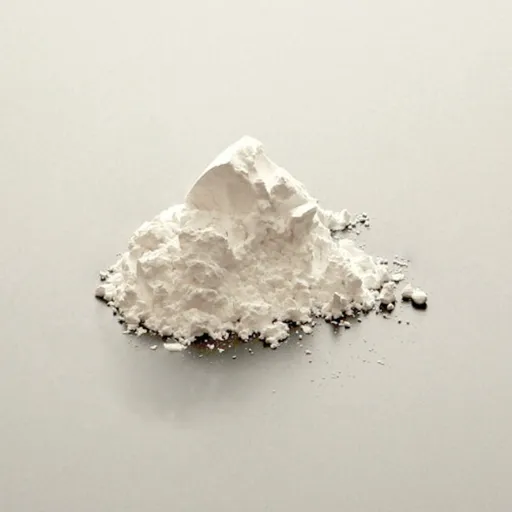
Selecting a supplier requires evaluating both the material and the manufacturer. Here is a practical framework for procurement decisions.
Questions to Ask Every Supplier
Do you own your calcination and grinding facilities, or do you source from multiple producers?
What is your standard calcination temperature and how do you control it?
Can you provide particle size distribution data (D10, D50, and D90) with each shipment?
What is your typical batch-to-batch variation for Ca, P, and Fe?
Can you provide references from ceramic or industrial manufacturers?
What is your minimum order quantity (MOQ) and sample availability?
Why Vertical Integration Matters
Suppliers who own their production facilities control the full process from raw material through finished product. This eliminates the variability introduced when trading companies source from multiple workshops with different process controls and raw material sources.
For this material, where the defatting process, calcination temperature, and grinding classification all affect final product quality, production control is not a luxury. It is a requirement for consistency.
When Yuki Tanaka, a procurement manager at a Japanese porcelain company, evaluated three suppliers in 2022, two were trading companies offering lower prices. The third was a bone ash manufacturer with its own factory. She tested all three. The trading company samples showed wider batch-to-batch variation in particle size distribution. She chose the manufacturer and has not experienced a quality rejection since.
Sample Evaluation Protocol
Before committing to a new supplier:
Request samples of 1-2 kg with full COA including chemical composition, particle size distribution, and burning loss
Run the sample through your standard process and note any deviations from your current material
Fire test pieces (for ceramics) or conduct release trials (for metallurgy) at your normal schedule
Compare results against your current supplier using the same evaluation criteria
Document everything for future reference and quality trending
Ready to evaluate Feilong natural bone ash? Request a sample batch with full COA and test it in your process before committing to bulk supply.
Common Quality Issues with Natural Bone Ash
Understanding recurring quality problems helps buyers set appropriate specifications and evaluation criteria.
Inconsistent Particle Size Distribution
Two shipments can have identical Ca, P, and Fe values but very different particle size distributions. The wider the distribution, the less predictable the behavior in slip preparation and firing. Request D10, D50, and D90 data, not just a mesh size label.
Batch-to-Batch Composition Drift
Material sourced from trading companies or aggregators often shows composition drift between batches. This happens because the material may come from different production workshops. For applications where formulation consistency is critical, specify acceptable ranges in your purchase agreement and verify with incoming inspection.
Under-Calcined Material
Some suppliers calcine at lower temperatures to reduce costs. Under-calcined material has higher burning loss, which causes gas evolution during firing and defects in finished products. Always verify burning loss on incoming material.
Contamination
This fine powder absorbs contaminants from handling equipment, packaging, and storage. Look for suppliers who use dedicated production lines for ceramic-grade material and package in clean, moisture-resistant containers.
Feilong Natural Bone Ash Specifications
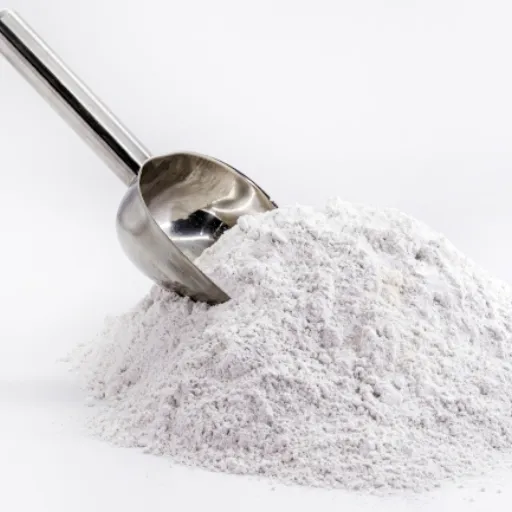
Luohe Feilong Bone Carbon Co., Ltd. has manufactured natural bone ash from defatted bovine bone for over 20 years. Our production facility in Luohe, Henan Province applies 1300°C controlled calcination to every batch.
Standard specifications:
Calcium (Ca): ≥35.0%
Phosphorus (P): ≥16.0%
Iron (Fe): ≤0.05%
Burning loss: ≤1.0%
pH: 9.0–11.5
Mesh sizes: 325 mesh and 400 mesh
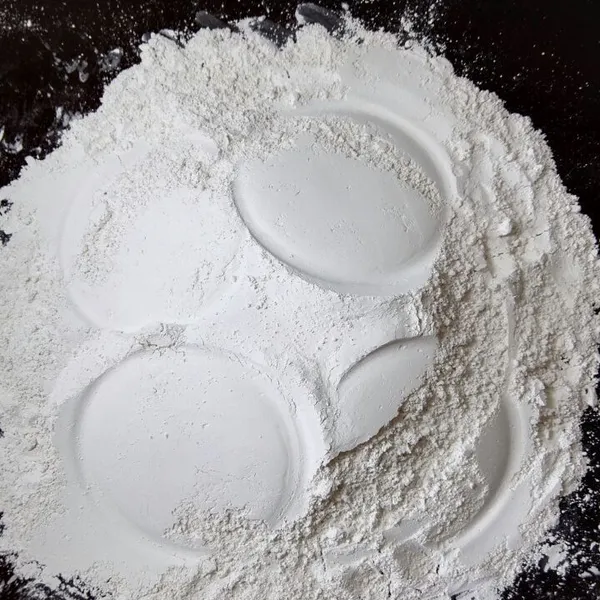
Color: White
We export natural bone ash to ceramic, metallurgical, and industrial buyers in Germany, South Korea, the United States, and other markets. Every shipment includes a full Certificate of Analysis with chemical composition, particle size distribution, and physical property data.
Conclusion
This specialized industrial mineral has a unique profile shaped by biological origin and high-temperature calcination. It is not interchangeable with synthetic calcium phosphate for all applications, particularly bone china manufacturing, where its specific optical and physical properties are essential.
Key takeaways for procurement managers and technical buyers:
Natural bone ash retains trace minerals from biological bone that influence fired properties in ceramics
The defatting and calcination process determines final quality; control these steps means control the material
Synthetic calcium phosphate matches the chemical numbers but not the performance in bone china or certain metallurgical applications
Always evaluate new suppliers with production trials, not just paper specifications
Source from manufacturers who control their own production for batch-to-batch consistency
At Feilong, we manufacture this product from defatted bovine bone calcined at 1300°C in our own factory. Our 20 years of production experience, documented COAs, and established export operations deliver the consistency that industrial buyers depend on.
Need natural bone ash for your production? Request a quote or speak with our team to discuss your specifications, order samples, or arrange a bulk supply agreement.
Recently Posted
-
Luohe Feilong Bone Carbon: Industrial Bone Ash Manufacturer Since 2011
August 17, 2026When a copper foundry in Turkey needs bone ash that releases cleanly from a sand mold at 1,100 degrees Celsius, or a bone china fa Read More
 -
Bone Ash in Copper Casting Mold Release: Application and Practical Guidance
August 14, 2026A copper sand casting foundry in India was producing electrical switch components that required a clean, smooth surface finish for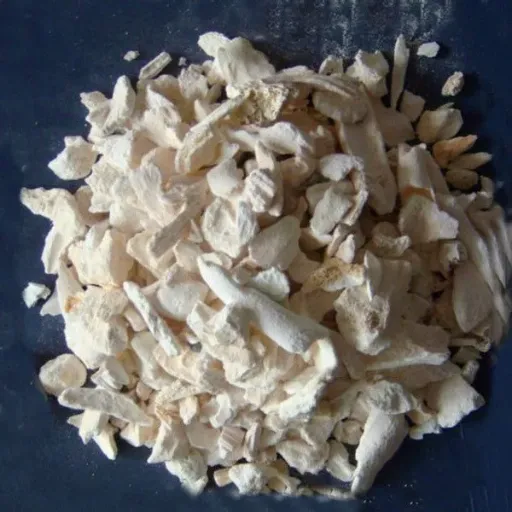 Read More
 -
How to Source Bone Ash for Foundry Applications: A Buyer's Checklist
August 13, 2026A purchasing manager at a brass foundry in Egypt ordered 20 metric tons of bone ash from a new supplier at a price roughly 25% bel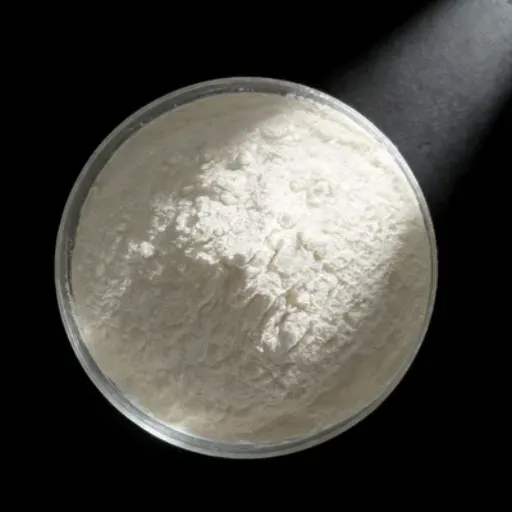 Read More
 -
Bone Ash vs Graphite Powder for Non-Ferrous Metal Mold Release
August 12, 2026A brass foundry in Southeast Asia switched from bone ash to a lower-cost graphite powder for its sand casting release agent, expec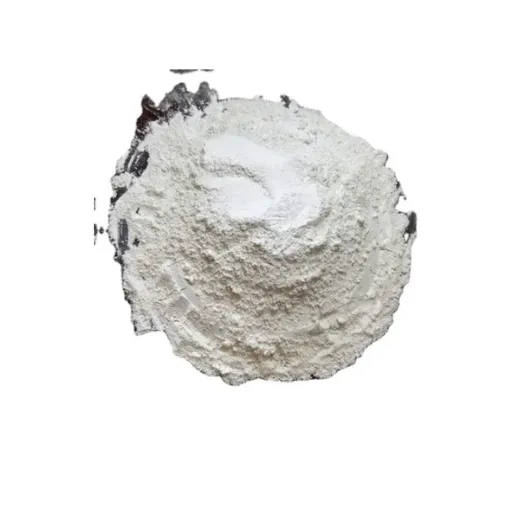 Read More

Contact Us
Recommended Products
-
 Manufacturer Sell Low Price Calcined Bone Ash or PowderUS$ 850MOQ: 5 Tons
 -
Manufacturer Sell Low Price Calcined Bone Ash or PowderUS$ 850MOQ: 5 Tons
-
Manufacturer Sell Low Price Calcined Bone Ash or PowderUS$ 850MOQ: 5 Tons
-
Sell Well Bone Ash for Mold Releasing UseUS$ 880 - 920MOQ: 5 Tons
-
Feilong Direct Sales Die-casting Water-soluble Mold Metal Release AgentUS$ 920MOQ: 5 Tons
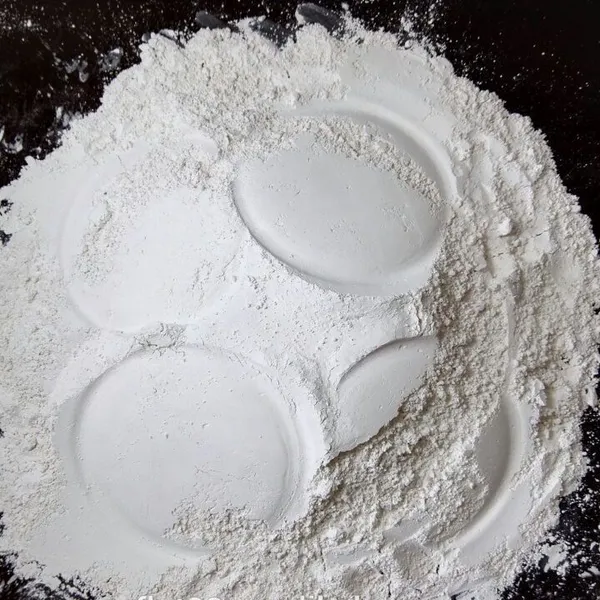
-
Natural Animal Bone AshUS$ 880 - 920MOQ: 5 Tons
-
China Manufacturer Supply Eco-Friendly Bone Ash PowderUS$ 890MOQ: 1 Ton
-
Calcined Bone Ash for Bone China With GoodPriceUS$ 880 - 920MOQ: 5 Tons
-
Synthetic Bone Ash for Ceramic With Good PriceUS$ 850MOQ: 5 Tons
-
Calcium and Phosphorus Powder - 325 MeshPowderUS$ 850MOQ: 5 Tons
-
Calcium and Phosphorus Powder - 325 MeshPowderUS$ 850MOQ: 5 Tons
-
Calcium Stearate PVC PE Lubricant Mould-releasing Powder ManufacturerUS$ 850MOQ: 5 Tons
-
Reputed Supplier Selling Bone Ash Powder Which Meet With Environmental Standard As Animal FeedstuffUS$ 850MOQ: 5 Tons
-
Industrial Grade Bone Ash for Bone Ceramics and MetallurgyUS$ 900MOQ: 10 Tons
-
Animal Ashes Used for Bone ChinaUS$ 900MOQ: 5 Tons
-
Calcium and Phosphorus Powder - 325 MeshPowderUS$ 850MOQ: 5 Tons
-
High Quality Bone Ash for Mold Releasing Use/bone Ash PowderUS$ 850 - 880MOQ: 5 Tons
-
Manufacturer Sell Low Price Calcined Bone Ash or PowderUS$ 850MOQ: 5 Tons
-
Calcined Bone Ash for Bone China With GoodPriceUS$ 880MOQ: 5 Tons
-
High Quality Bone Ash for Mold Releasing Use/bone Ash PowderUS$ 880 - 920MOQ: 5 Tons