
 Business License

Bone Char Regeneration: What Water Treatment Professionals Should Know
In 2019, a community water project manager in Kenya faced a problem. The bone char defluoridation system had been running for eight months. Fluoride levels at the outlet were creeping up toward the WHO limit of 1.5 mg/L. The project budget had no line item for fresh media.
The manager tried rinsing the spent bone char with dilute acid, a method he had read about for activated alumina. The fluoride levels dropped briefly, then rose again within two weeks. The bone char regeneration attempt had failed. The project needed fresh media.
This scenario raises a question that water treatment engineers and procurement managers often ask: can bone char be regenerated? The short answer is no. Bone char cannot be regenerated in the same way as activated alumina. Understanding why requires examining the chemistry of bone char fluoride removal and the fundamental differences between ion exchange and surface adsorption.
This guide explains bone char regeneration. We cover how bone char works, why regeneration is not economically viable, how bone char compares to activated alumina on regenerability, and what operators can do to extend media life without regeneration.
Evaluating bone char for your defluoridation system? Explore Feilong bone carbon solutions.
What Is Bone Char and How Does It Work?
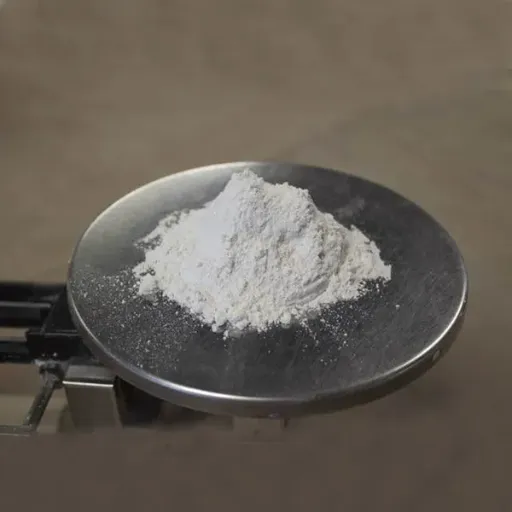
Bone char, also called bone carbon, is a natural adsorption media produced by carbonizing defatted animal bones in a controlled, low-oxygen environment. Unlike synthetic media, bone char derives from bovine bone material and retains calcium phosphate minerals from the original bone structure.
The carbonization process creates a porous carbon matrix. Bone char also contains hydroxyapatite, a calcium phosphate compound that enables ion exchange with fluoride ions in water. This dual mechanism -- adsorption plus ion exchange -- gives bone char unique properties for defluoridation.
Key physical properties of bone char include:
Appearance: Black to dark gray granules or powder
Surface area: 50-150 m²/g
Composition: Carbon matrix with calcium phosphate and calcium carbonate
pH: Generally alkaline (8.5-10.5)
Bulk density: 0.5-0.8 g/cm³
Bone char removes fluoride through two simultaneous processes. The hydroxyapatite structure exchanges hydroxyl ions for fluoride ions. Fluoride becomes chemically bound within the solid matrix. This ion exchange is the primary defluoridation mechanism.
The porous carbon structure provides additional surface area where fluoride ions attach through weaker physical forces. This adsorption contributes to overall capacity but is secondary to the ion exchange process.
Learn more about bone char fluoride removal applications in our dedicated guide.
Can Bone Char Be Regenerated?
No. Bone char cannot be regenerated using acid washing, thermal treatment, or any other practical method. Unlike activated alumina, which removes fluoride through reversible surface adsorption, bone char relies on bulk ion exchange within its hydroxyapatite structure. Once fluoride replaces hydroxyl ions in the crystal lattice, the change is permanent.
Bone char cannot be regenerated economically using the methods that work for activated alumina. Once the hydroxyapatite in bone char becomes saturated with fluoride, the ion exchange capacity is permanently depleted. Acid washing, thermal treatment, and other regeneration techniques cannot restore the original calcium phosphate structure.
This limitation surprises some water treatment professionals. Activated alumina, the most common synthetic defluoridation media, can be regenerated with acid or alkali washing. The assumption that bone char can be treated the same way leads to failed experiments and disappointed operators.
The difference lies in the chemistry. Activated alumina removes fluoride through surface ligand exchange. Fluoride ions replace hydroxyl groups on the aluminum oxide surface. Acid washing strips the adsorbed fluoride from these surface sites, restoring capacity.
Bone char removes fluoride primarily through bulk ion exchange within the hydroxyapatite crystal structure. Fluoride replaces hydroxyl ions throughout the material, not just on the surface. Once exchanged, the fluoride is locked into the crystal lattice.
No practical washing process can reverse this reaction at scale.
Bone Char vs Activated Alumina: Regeneration Comparison
The table below summarizes the bone char vs activated alumina regeneration differences for water treatment professionals evaluating media options.
| Property | Bone Char | Activated Alumina |
|---|---|---|
| Primary mechanism | Ion exchange (bulk) | Surface ligand exchange |
| Regeneration possible | No | Yes (acid/alkali wash) |
| Regeneration method | Not applicable | Acid wash (HCl or H2SO4) |
| Capacity restored by regeneration | 0% | 60-90% |
| Media life | 3-12 months | 6-24 months |
| Cost per kg | Low to moderate | Moderate to high |
| Replacement frequency | Higher | Lower |
| Total cost with regeneration | Media replacement only | Media + regeneration chemicals |
A municipal engineer in India learned this comparison through direct experience. The city had used bone char in a pilot defluoridation plant for six months. When fluoride breakthrough occurred, the engineering team explored regeneration options.
Laboratory testing showed that acid washing removed only 12% of the adsorbed fluoride. The washed bone char achieved less than 15% of its original capacity in a second treatment cycle.
The team switched to activated alumina for the full-scale plant. The higher upfront cost was offset by the ability to regenerate the media three to four times before replacement. For that municipal system, with pH control infrastructure already in place, activated alumina delivered lower total cost of ownership. For a deeper comparison of operating characteristics beyond regeneration, see our guide on bone char vs activated alumina.
Why Bone Char Regeneration Is Not Economically Viable
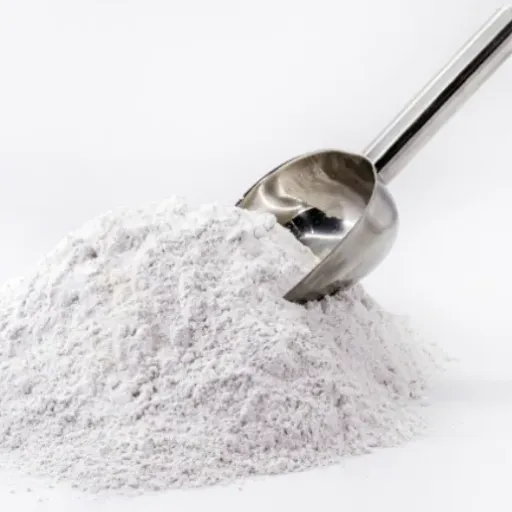
Several technical barriers prevent bone char regeneration from being practical at commercial scale. Understanding these barriers helps explain why no established bone char regeneration process exists in the water treatment industry.
The Hydroxyapatite Structure Is Altered
Bone char's fluoride removal capacity depends on hydroxyapatite, a crystalline calcium phosphate with the chemical formula Ca10(PO4)6(OH)2. During defluoridation, fluoride ions substitute for hydroxyl ions in the crystal lattice, forming fluorapatite (Ca10(PO4)6F2). This substitution is thermodynamically favorable and chemically stable.
Once hydroxyapatite converts to fluorapatite, the reaction does not readily reverse under mild conditions. Strong acid could dissolve the calcium phosphate structure, but this destroys the media rather than regenerating it. Thermal treatment at high temperatures might reorganize the crystal structure, but the energy costs and equipment requirements make this impractical for water treatment applications.
Surface Adsorption Is a Minor Contributor
While bone char does have some adsorption capacity through its porous carbon matrix, this contribution is minor compared to ion exchange. Even if operators could regenerate the carbon surface -- for example, by thermal reactivation -- the restored capacity would be insufficient for practical defluoridation. The ion exchange component, which provides the majority of fluoride removal, would remain depleted.
Acid Washing Damages the Media
Laboratory studies have tested acid washing on spent bone char. Dilute hydrochloric acid or sulfuric acid can remove some adsorbed fluoride and surface deposits. However, acid also dissolves the calcium phosphate minerals that give bone char its ion exchange capability. The result is a media with slightly cleaner surfaces but significantly reduced defluoridation capacity.
In one published study, bone char treated with 0.1 M HCl recovered less than 20% of its original fluoride removal capacity. The acid-exposed material also showed structural degradation, with increased fines and reduced particle integrity. These changes would create operational problems in packed bed columns, including increased pressure drop and channeling.
No Commercial Regeneration Process Exists
Despite decades of bone char use for defluoridation, no supplier or research institution has developed a commercially viable regeneration process. This absence is itself evidence of the technical barrier. If bone char regeneration were economically feasible, manufacturers would offer regenerated media at a discount, just as activated alumina suppliers do.
The lack of commercial regeneration options means water treatment operators should plan for media replacement rather than regeneration. This planning should factor into total cost calculations when comparing bone char to activated alumina.
Extending Bone Char Media Life Without Regeneration
While bone char regeneration is not viable, operators sometimes explore regenerating bone char media before accepting that replacement is the only option. Once they understand the limitations, they can take steps to maximize the useful life of each batch. These practices reduce replacement frequency and improve cost efficiency.
Optimize Bed Depth and Contact Time
Fluoride removal efficiency depends on contact time between water and bone char. Insufficient bed depth causes early breakthrough and wastes capacity. Most community-scale systems use bed depths of 0.5 to 1.5 meters. Pilot testing with your specific source water is the only reliable way to determine the optimal bed depth.
For systems treating water with fluoride levels of 2-4 mg/L, a bed depth at the higher end of this range typically achieves 6-12 months of service life. For higher fluoride levels (6-10 mg/L), expect 3-6 months regardless of bed depth, because the ion exchange capacity simply depletes faster.
Control Inlet Water Quality
Bone char capacity is consumed faster when inlet water contains competing ions or contaminants. High levels of phosphate, sulfate, or organic compounds can interfere with fluoride ion exchange. Pre-treatment to remove these competitors extends bone char life.
pH also matters. Bone char performs best in the pH range of 6.0-8.0. Water with pH below 5.5 or above 9.0 reduces fluoride removal efficiency and may accelerate media degradation.
Use Multiple Columns in Series
A two-column series configuration improves capacity utilization. The first column acts as a roughing stage, removing the majority of fluoride. The second column provides polishing to meet effluent standards.
When the first column breaks through, it is replaced. The second column moves to the first position, and a fresh column is added as the new polisher.
This approach ensures that no column is discarded while it still has usable capacity. It also provides a safety margin against unexpected inlet concentration changes.
Monitor Effluent Fluoride Closely
Regular monitoring allows operators to replace media at the optimal time. Replacing too early wastes remaining capacity. Replacing too late risks exceeding effluent standards. Weekly or biweekly fluoride testing is recommended for community systems.
Need help designing your bone char system for maximum media life? Speak with our technical team about bed sizing and performance expectations.
When to Replace Bone Char Media
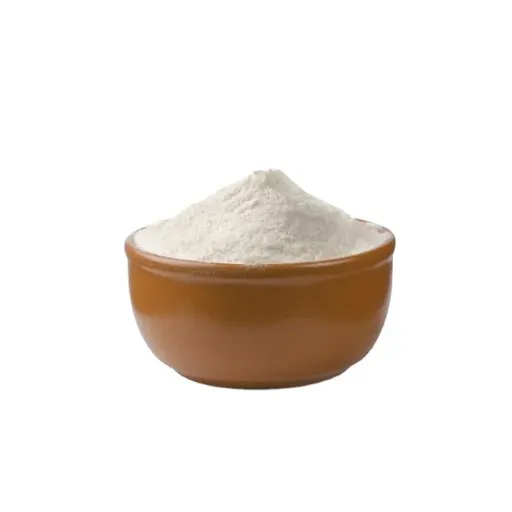
Knowing when to replace bone char is as important as knowing that regeneration is not an option. Bone char replacement frequency typically ranges from every 3 to 12 months depending on fluoride levels, flow rates, and inlet water quality. Several indicators signal that media has reached the end of its useful life.
Fluoride Breakthrough
The primary replacement indicator is effluent fluoride concentration approaching or exceeding the target limit. Most systems aim for effluent fluoride below 1.5 mg/L, the WHO guideline value. When effluent levels reach 1.0-1.2 mg/L, operators should plan replacement. Do not wait until the limit is exceeded.
Changes in pH
As bone char becomes exhausted, its buffering capacity declines. The effluent pH may shift from the typical alkaline range (8.5-10.5) toward the inlet water pH. A sustained drop in effluent pH indicates that the calcium carbonate and hydroxyapatite buffers are depleted.
Increased Pressure Drop
Over time, bone char may generate fines or accumulate particulate matter. This increases pressure drop across the bed and reduces flow capacity. If backwashing no longer restores acceptable pressure drop, replacement is needed regardless of fluoride performance.
Visual Changes
Fresh bone char is black to dark gray. As it becomes loaded with fluoride and other contaminants, the surface may lighten or develop deposits. While visual inspection is not a quantitative measure, significant color change suggests media aging.
Time-Based Replacement
For systems with predictable inlet water quality, time-based replacement schedules work well. If historical data shows that bone char lasts nine months under specific conditions, replacement at eight months provides a safety margin. This approach is simpler than continuous monitoring and reduces the risk of breakthrough.
Luohe Feilong Bone Carbon for Defluoridation
Luohe Feilong Bone Carbon Co., Ltd. produces bone char from defatted bovine bone under controlled carbonization conditions. As an experienced bone char manufacturer with over 30 years of company history and 20 years of specialized bone product manufacturing, Feilong controls production from raw material intake through final sizing and testing.
Our bone carbon is available for water treatment, defluoridation, and decolorization applications. We provide Certificates of Analysis with every batch and maintain a documented quality control and testing process from raw material intake through final sizing and testing.
For water treatment professionals evaluating bone char regeneration options, Feilong provides realistic guidance on media life, replacement schedules, and total cost of ownership. We do not claim that bone char can be regenerated -- because it cannot. We do provide consistent-quality media that performs predictably within its design life.
Planning a bone char defluoridation system? Request a sample batch with full COA or speak with our technical team about your fluoride removal requirements.
Conclusion
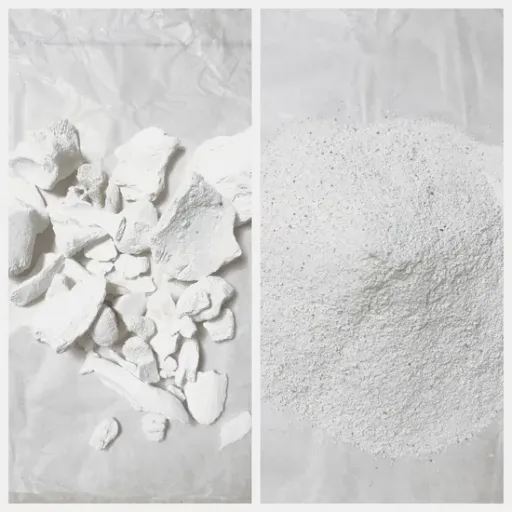
Bone char regeneration, or bone carbon regeneration, is not a viable option for water treatment operators. The ion exchange mechanism that makes bone char effective for defluoridation -- hydroxyapatite exchanging hydroxyl ions for fluoride -- creates a chemical change that cannot be reversed by acid washing, thermal treatment, or any other practical method.
Activated alumina remains the better choice for applications requiring regenerable media. Its surface ligand exchange mechanism responds well to acid and alkali washing, restoring 60-90% of original capacity. For systems with pH control infrastructure and regeneration capability, activated alumina delivers lower long-term cost.
Bone char excels in applications where regeneration is not required. Its lower media cost, broader pH tolerance, and natural origin make it the practical choice for community systems, rural installations, and projects where simplicity matters more than media longevity.
The key to successful bone char operation is honest planning. Assume replacement every 3-12 months depending on fluoride levels and flow rates. Monitor effluent quality.
Size beds generously. And source media from manufacturers with documented process control and consistent batch quality.
Ready to source fresh bone char for your defluoridation system? Request a free sample with COA or contact our technical team to discuss your specifications.
Recently Posted
-
Luohe Feilong Bone Carbon: Industrial Bone Ash Manufacturer Since 2011
August 17, 2026When a copper foundry in Turkey needs bone ash that releases cleanly from a sand mold at 1,100 degrees Celsius, or a bone china fa Read More
 -
Bone Ash in Copper Casting Mold Release: Application and Practical Guidance
August 14, 2026A copper sand casting foundry in India was producing electrical switch components that required a clean, smooth surface finish for Read More
 -
How to Source Bone Ash for Foundry Applications: A Buyer's Checklist
August 13, 2026A purchasing manager at a brass foundry in Egypt ordered 20 metric tons of bone ash from a new supplier at a price roughly 25% bel Read More
 -
Bone Ash vs Graphite Powder for Non-Ferrous Metal Mold Release
August 12, 2026A brass foundry in Southeast Asia switched from bone ash to a lower-cost graphite powder for its sand casting release agent, expec Read More

Contact Us
Recommended Products
-
 Manufacturer Sell Low Price Calcined Bone Ash or PowderUS$ 850MOQ: 5 Tons
 -
Manufacturer Sell Low Price Calcined Bone Ash or PowderUS$ 850MOQ: 5 Tons
-
Manufacturer Sell Low Price Calcined Bone Ash or PowderUS$ 850MOQ: 5 Tons
-
Sell Well Bone Ash for Mold Releasing UseUS$ 880 - 920MOQ: 5 Tons
-
Feilong Direct Sales Die-casting Water-soluble Mold Metal Release AgentUS$ 920MOQ: 5 Tons
-
Natural Animal Bone AshUS$ 880 - 920MOQ: 5 Tons
-
China Manufacturer Supply Eco-Friendly Bone Ash PowderUS$ 890MOQ: 1 Ton
-
Calcined Bone Ash for Bone China With GoodPriceUS$ 880 - 920MOQ: 5 Tons
-
Synthetic Bone Ash for Ceramic With Good PriceUS$ 850MOQ: 5 Tons
-
Calcium and Phosphorus Powder - 325 MeshPowderUS$ 850MOQ: 5 Tons
-
Calcium and Phosphorus Powder - 325 MeshPowderUS$ 850MOQ: 5 Tons
-
Calcium Stearate PVC PE Lubricant Mould-releasing Powder ManufacturerUS$ 850MOQ: 5 Tons
-
Reputed Supplier Selling Bone Ash Powder Which Meet With Environmental Standard As Animal FeedstuffUS$ 850MOQ: 5 Tons
-
Industrial Grade Bone Ash for Bone Ceramics and MetallurgyUS$ 900MOQ: 10 Tons
-
Animal Ashes Used for Bone ChinaUS$ 900MOQ: 5 Tons
-
Calcium and Phosphorus Powder - 325 MeshPowderUS$ 850MOQ: 5 Tons
-
High Quality Bone Ash for Mold Releasing Use/bone Ash PowderUS$ 850 - 880MOQ: 5 Tons
-
Manufacturer Sell Low Price Calcined Bone Ash or PowderUS$ 850MOQ: 5 Tons
-
Calcined Bone Ash for Bone China With GoodPriceUS$ 880MOQ: 5 Tons
-
High Quality Bone Ash for Mold Releasing Use/bone Ash PowderUS$ 880 - 920MOQ: 5 Tons