
 Business License

Granular Bone Char for Filtration: Properties, Applications, and Sourcing
In 2019, a municipal water treatment facility in the western United States switched from activated alumina to a granular bone char media for fluoride reduction. Within six months, the plant reduced fluoride levels by over 40% while cutting chemical handling complexity. The operations manager noted something unexpected: the bone char also removed color and organic compounds that had persisted through earlier treatment stages.
If you source filtration media for water treatment, sugar refining, or specialty purification, you have likely encountered conflicting advice about which adsorbent to choose. Granular bone char is not new. It has been used in water treatment and decolorization for more than a century. Yet many procurement managers still misunderstand where it fits among activated carbon, activated alumina, and synthetic ion exchange resins.
In this guide, we explain what granular bone char is, how it removes contaminants, where it performs best, and what specifications matter when you evaluate suppliers. You will also learn how Feilong produces granular bone char from defatted bovine bone under controlled carbonization conditions.
What Is Granular Bone Char?
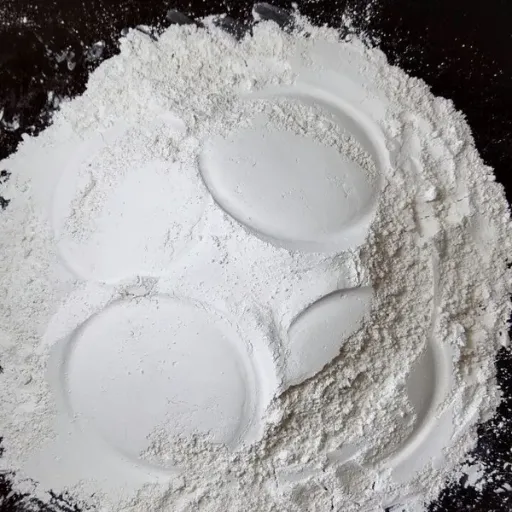
Granular bone char is a carbonized form of animal bone, typically produced from defatted bovine bone that has been heated in a controlled, low-oxygen environment. Unlike bone ash, which is fully calcined to a white mineral powder, bone char retains a porous carbon structure along with calcium phosphate and calcium carbonate minerals. This combination gives it both adsorption and ion exchange properties.
The granular form is important. Bone char can be produced as a powder or as granules, but granular bone char is preferred for packed-bed filtration systems. The particle size allows water to flow through a fixed bed while maximizing contact time between contaminants and the media surface.
Typical physical characteristics of granular bone char include:
Appearance: Black to dark gray granules
Particle size: Commonly 0.5-3 mm, depending on application
Porosity: Highly porous structure with substantial internal surface area
Composition: Carbon matrix with calcium phosphate and calcium carbonate
pH: Generally alkaline, typically 8.0-9.5
The carbonization process is critical. Heating defatted bone at controlled temperatures creates the porous structure while preserving the calcium phosphate content. Too little heat leaves organic residues and reduces adsorption capacity. Too much heat destroys the carbon matrix and converts the material toward bone ash.
How Granular Bone Char Works in Filtration
Granular bone char removes contaminants through two primary mechanisms. Understanding both helps you predict performance in your specific application.
Adsorption
The porous carbon structure in granular bone char adsorbs organic compounds, colorants, and certain dissolved substances. This makes it effective for:
Removing natural organic matter that causes yellow or brown coloration
Reducing organic contaminants in process water
Decolorizing sugar syrups and other industrial liquids
Removing certain taste and odor compounds
Adsorption occurs when contaminant molecules attach to the internal surfaces of the bone char granules. The large surface area per unit volume gives bone char meaningful capacity even though its total surface area is generally lower than activated carbon.
Ion Exchange and Mineral Interaction
The calcium phosphate and calcium carbonate content in granular bone char interacts with certain dissolved ions. This is particularly relevant for:
Fluoride reduction in areas with elevated natural fluoride levels
Heavy metal reduction in some niche applications
pH buffering due to alkaline mineral content
Fluoride removal is one of the most studied applications. The hydroxyapatite and calcium phosphate structures in bone char can exchange fluoride ions for hydroxyl ions, effectively reducing fluoride concentrations in treated water. Performance depends on pH, contact time, initial fluoride concentration, and media exhaustion level.
Technical Note: For fluoride reduction, granular bone char generally performs best at pH below 8.5. Higher pH reduces exchange capacity. Most systems operate at contact times of 5-15 minutes depending on influent fluoride levels.
Key Applications of Granular Bone Char
Granular bone char serves distinct roles across water treatment, food processing, and industrial purification. Each application has specific operating requirements.
Municipal and Industrial Water Treatment
Water treatment facilities use granular bone char for fluoride reduction, color removal, and organic contaminant control. It is often deployed as a standalone media or as a polishing step after coagulation and sedimentation.
When engineer Sarah Okonkwo reviewed treatment options for a community water system in East Africa, she needed a media that did not require specialized operator training or hazardous chemical handling. Granular bone char fit the requirement. Her pilot system reduced fluoride from 4.2 mg/L to below 1.0 mg/L over three months of operation using a simple upflow filtration column.
Sugar Refining and Decolorization
Bone char has a long history in sugar refining. Granular bone char removes color from sugar syrup through a combination of adsorption and mineral-mediated clarification. While activated carbon has replaced bone char in some refineries, it remains in use where operators value its specific decolorization profile and ability to remove certain ash components.
Specialty Filtration and Niche Uses
Granular bone char appears in several specialized applications:
Aquarium and aquaculture water conditioning
Beverage production where natural adsorption is preferred
Laboratory water purification in specific protocols
Small-scale community filtration systems in fluoride-affected regions
These applications often require consistent particle size and documented media quality. Variability in granule size can cause channeling, pressure drop problems, or inconsistent contact time.
Granular Bone Char vs. Other Filtration Media
Procurement managers often compare granular bone char to activated carbon and activated alumina. Each media has distinct strengths and limitations.
| Property | Granular Bone Char | Activated Carbon | Activated Alumina |
|---|---|---|---|
| Primary mechanism | Adsorption + ion exchange | Adsorption | Adsorption + ion exchange |
| Best for | Fluoride, color, organics | Organics, chlorine, taste/odor | Fluoride, arsenic |
| pH impact | Alkaline | Neutral to slightly alkaline | Slightly alkaline |
| Surface area | Moderate | Very high | Moderate |
| Metal removal | Fluoride, some metals | General organics, some metals | Fluoride, arsenic |
| Cost | Competitive | Varies by source | Moderate |
| Source material | Animal bone | Coal, wood, coconut shell | Aluminum oxide |
Granular bone char is not a universal replacement for activated carbon. If your primary goal is organic contaminant removal or chlorine reduction, activated carbon will usually offer higher capacity per unit volume. However, if you need simultaneous fluoride reduction and decolorization, granular bone char can reduce system complexity by addressing both concerns in one media bed.
Activated alumina is another common fluoride removal media. It has higher fluoride capacity per unit weight in many conditions, but it requires careful pH control and regeneration. Granular bone char tends to be more forgiving in operation and can handle variable water chemistry with less intensive operator intervention.
Specifications Buyers Should Evaluate
When sourcing granular bone char, several specifications determine whether the media will perform in your system. Request these details from any supplier before purchase.
Particle Size and Distribution
Granular bone char is typically classified by mesh size or millimeter range. Common ranges include:
0.5-1.0 mm: Higher surface area, shorter contact time required, higher pressure drop
1.0-2.0 mm: Balanced flow and contact time for most filtration beds
2.0-3.0 mm: Lower pressure drop, longer contact time needed, easier backwashing
Your system design dictates the right size. Fixed-bed systems with gravity flow often use coarser granules. Pressurized systems with controlled flow rates can use finer granules for higher capacity.
Surface Area and Porosity
Surface area, usually measured by BET analysis, indicates how much adsorption capacity the media offers. Typical granular bone char surface area ranges from 50 to 150 m²/g depending on carbonization conditions. Higher surface area generally means better organic adsorption but does not always correlate with better fluoride removal.
Moisture and Ash Content
Moisture content affects storage, handling, and shipping weight. Ash content indicates the degree of mineral residue. Lower ash content generally means more carbon structure remains, which can improve adsorption performance. However, the mineral content is what provides fluoride removal capability, so extremely low ash content may reduce ion exchange performance.
Chemical Composition
Key chemical parameters include:
Calcium content: Typically 25-35% as calcium phosphate
Phosphorus content: Typically 10-16%
Carbon content: Indicates degree of carbonization
pH: Usually alkaline, around 8.0-9.5
Request a Certificate of Analysis (COA) with every shipment. Reputable suppliers provide consistent documentation showing these values batch to batch.
Mechanical Strength
Granular bone char must resist breakdown during handling, transport, and backwashing. Friable media creates fines that clog distributors, increase pressure drop, and reduce bed performance. Ask suppliers about hardness or attrition testing results.
Sourcing Granular Bone Char from Manufacturers
Not all bone char suppliers offer the same level of quality control. Because granular bone char is a manufactured product, the production process directly affects performance.
Production Control Matters
A vertically integrated manufacturer controls carbonization temperature, atmosphere, cooling rate, and sizing. This matters more than price per kilogram. Inconsistent carbonization produces variable surface area and mineral content. Variable sizing causes hydraulic problems in your filter.
When the procurement team at a European water treatment distributor evaluated bone char suppliers in 2022, they initially selected the lowest quoted price. The first shipment arrived with excessive fines and inconsistent granule size. Filter runs lasted half as long as expected. They switched to a manufacturer with documented process control and saw run times stabilize within two shipments.
Documentation to Request
Before placing a bulk order, ask for:
Certificate of Analysis for the specific batch
Material Safety Data Sheet (MSDS) or Safety Data Sheet (SDS)
Particle size distribution report
Surface area measurement (BET)
Regulatory compliance documentation for your jurisdiction
Packaging and handling recommendations
Supply Reliability and Export Capability
Water treatment operations cannot tolerate unexpected media shortages. Evaluate suppliers on production capacity, lead times, inventory availability, and export experience. If you are sourcing from overseas, confirm that the supplier understands customs documentation, shipping requirements, and packaging standards for animal-derived industrial materials.
Feilong supplies granular bone char to water treatment, filtration, and industrial decolorization applications from our factory in Luohe, Henan Province. Our controlled carbonization process and batch testing deliver the consistency that filtration system operators need. We provide COA documentation and can arrange export logistics to Europe, Asia, North America, and other destinations.
Need granular bone char for your filtration system? Request a sample batch with full COA or contact our technical team to discuss particle size and specifications.
Operating Considerations for Granular Bone Char Systems
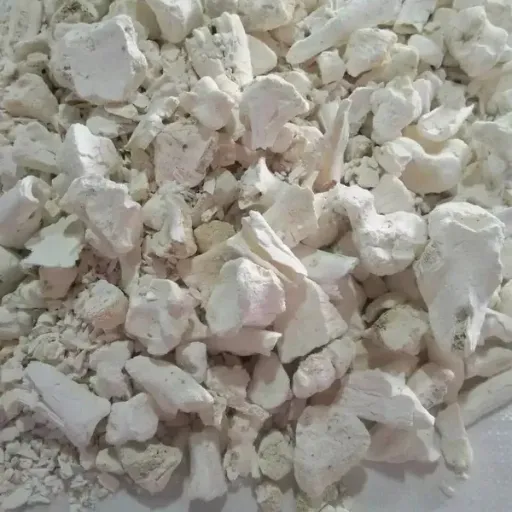
Successful implementation depends on system design and operating discipline. Even high-quality media performs poorly if installed incorrectly.
Bed Depth and Contact Time
Most granular bone char systems operate with bed depths of 0.8 to 1.5 meters. Empty bed contact time (EBCT) typically ranges from 5 to 15 minutes for fluoride removal and from 10 to 30 minutes for decolorization. Shorter contact times reduce effectiveness. Longer contact times increase capital cost but improve contaminant removal.
Flow Direction
Downflow systems are common for simplicity. Upflow systems can handle higher suspended solids loads and allow periodic bed expansion for cleaning. The right configuration depends on your raw water quality and maintenance capabilities.
Backwashing and Maintenance
Granular bone char beds require periodic backwashing to remove trapped solids and prevent channeling. Backwash rates must be controlled to avoid media loss. Over time, the media becomes exhausted and must be replaced or regenerated depending on the application and economics.
Monitoring and Replacement
Track influent and effluent contaminant concentrations to determine when media replacement is needed. For fluoride removal, replacement is typically triggered when effluent fluoride exceeds your target level. For decolorization, breakthrough curves help predict replacement timing.
Conclusion
Granular bone char remains a practical filtration media for water treatment, decolorization, and specialty purification. Its combination of carbon adsorption and mineral ion exchange gives it a defined role alongside activated carbon and activated alumina. For buyers managing fluoride reduction, color removal, or multi-contaminant process water, it can simplify treatment trains and reduce operational complexity.
Key takeaways:
Granular bone char is produced by carbonizing defatted bovine bone under controlled conditions.
It removes contaminants through both adsorption and ion exchange mechanisms.
Common applications include fluoride reduction, sugar refining decolorization, and specialty water treatment.
Particle size, surface area, chemical composition, and mechanical strength are critical specifications.
Sourcing from a manufacturer with process control and batch documentation reduces operational risk.
When evaluating granular bone char suppliers, prioritize consistent quality documentation and reliable supply capacity over price alone. A media bed that fails prematurely creates far higher costs than a slightly higher unit price for quality material.
At Luohe Feilong Bone Carbon Co., Ltd., we manufacture granular bone char and related bone products with over 20 years of production experience. Our factory-direct supply, batch testing, and export capabilities support water treatment professionals worldwide.
Ready to evaluate granular bone char for your application? Request a free sample with COA or speak with our team about your filtration requirements.
Recently Posted
-
Luohe Feilong Bone Carbon: Industrial Bone Ash Manufacturer Since 2011
August 17, 2026When a copper foundry in Turkey needs bone ash that releases cleanly from a sand mold at 1,100 degrees Celsius, or a bone china fa Read More
 -
Bone Ash in Copper Casting Mold Release: Application and Practical Guidance
August 14, 2026A copper sand casting foundry in India was producing electrical switch components that required a clean, smooth surface finish for Read More
 -
How to Source Bone Ash for Foundry Applications: A Buyer's Checklist
August 13, 2026A purchasing manager at a brass foundry in Egypt ordered 20 metric tons of bone ash from a new supplier at a price roughly 25% bel Read More
 -
Bone Ash vs Graphite Powder for Non-Ferrous Metal Mold Release
August 12, 2026A brass foundry in Southeast Asia switched from bone ash to a lower-cost graphite powder for its sand casting release agent, expec Read More

Contact Us
Recommended Products
-
 Manufacturer Sell Low Price Calcined Bone Ash or PowderUS$ 850MOQ: 5 Tons
 -
Manufacturer Sell Low Price Calcined Bone Ash or PowderUS$ 850MOQ: 5 Tons
-
Manufacturer Sell Low Price Calcined Bone Ash or PowderUS$ 850MOQ: 5 Tons
-
Sell Well Bone Ash for Mold Releasing UseUS$ 880 - 920MOQ: 5 Tons
-
Feilong Direct Sales Die-casting Water-soluble Mold Metal Release AgentUS$ 920MOQ: 5 Tons
-
Natural Animal Bone AshUS$ 880 - 920MOQ: 5 Tons
-
China Manufacturer Supply Eco-Friendly Bone Ash PowderUS$ 890MOQ: 1 Ton
-
Calcined Bone Ash for Bone China With GoodPriceUS$ 880 - 920MOQ: 5 Tons
-
Synthetic Bone Ash for Ceramic With Good PriceUS$ 850MOQ: 5 Tons
-
Calcium and Phosphorus Powder - 325 MeshPowderUS$ 850MOQ: 5 Tons
-
Calcium and Phosphorus Powder - 325 MeshPowderUS$ 850MOQ: 5 Tons
-
Calcium Stearate PVC PE Lubricant Mould-releasing Powder ManufacturerUS$ 850MOQ: 5 Tons
-
Reputed Supplier Selling Bone Ash Powder Which Meet With Environmental Standard As Animal FeedstuffUS$ 850MOQ: 5 Tons
-
Industrial Grade Bone Ash for Bone Ceramics and MetallurgyUS$ 900MOQ: 10 Tons
-
Animal Ashes Used for Bone ChinaUS$ 900MOQ: 5 Tons
-
Calcium and Phosphorus Powder - 325 MeshPowderUS$ 850MOQ: 5 Tons
-
High Quality Bone Ash for Mold Releasing Use/bone Ash PowderUS$ 850 - 880MOQ: 5 Tons
-
Manufacturer Sell Low Price Calcined Bone Ash or PowderUS$ 850MOQ: 5 Tons
-
Calcined Bone Ash for Bone China With GoodPriceUS$ 880MOQ: 5 Tons
-
High Quality Bone Ash for Mold Releasing Use/bone Ash PowderUS$ 880 - 920MOQ: 5 Tons