
 Business License

Industrial Mold Release Powder: Types, Applications, and Sourcing
In late 2022, a die casting plant in Ohio switched from a boron nitride spray to a bone ash-based industrial mold release powder for aluminum casting. Within three production cycles, mold sticking dropped by nearly half. The floor supervisor noticed cleaner part ejection and fewer surface defects on cast faces that had previously required rework.
If you manage foundry, die casting, or forging operations, you know that mold release selection directly affects part quality, cycle time, and tool life. The right industrial mold release powder creates a stable barrier between molten metal and the mold surface. The wrong choice leads to sticking, galling, premature mold wear, and scrapped parts.
In this guide, we explain what industrial mold release powder is, how it works across casting processes, the main types available, and what to look for when sourcing from a manufacturer. We also cover where mold-releasing bone ash fits among industrial options.
What Is Industrial Mold Release Powder?
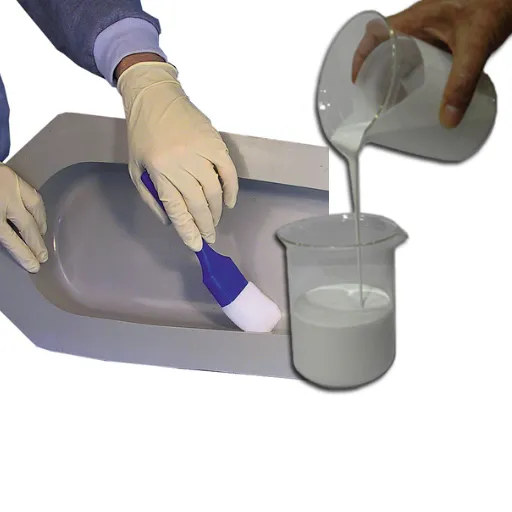
Industrial mold release powder is a dry, fine-particulate material applied to mold surfaces before metal casting or forming. It reduces adhesion between the molten or hot metal and the mold material, allowing clean separation and protecting the mold surface from thermal and mechanical damage.
Unlike liquid release agents, powders are applied dry and remain as a thin refractory layer during the casting cycle. They are commonly used in:
Die casting
Permanent mold casting
Investment casting
Forging and hot forming
Gravity and low-pressure casting
The composition of an industrial mold release powder depends on the metal being cast, the mold material, the operating temperature, and the surface finish required. Common base materials include bone ash, talc, graphite, boron nitride, alumina, and various refractory oxides.
Want to compare mold-releasing bone ash against other release materials? View our metallurgical solutions for casting and foundry applications.
How Industrial Mold Release Powder Works in Casting
Mold release powders work through a combination of non-wetting behavior, thermal insulation, and mechanical separation. Understanding these mechanisms helps you choose the right product for your process.
Non-Wetting Barrier
The powder particles form a thin layer that molten metal does not wet easily. This prevents the metal from bonding to the mold surface during solidification. Materials with low surface energy relative to the molten metal perform best as barrier layers.
Thermal Protection
The release layer acts as a mild thermal insulator. It reduces thermal shock to the mold surface and helps control heat extraction from the casting. In some processes, this insulation improves surface finish by slowing initial solidification at the mold interface.
Mechanical Separation
During ejection, the powder layer provides a low-friction interface between the solidified casting and the mold. This reduces the force required for part removal and lowers mechanical wear on mold details such as cores and inserts.
Technical Note: The ideal release powder for your process must withstand the peak metal temperature without sintering or reacting with the alloy. For aluminum die casting, this typically means stability up to 700-800°C. For copper alloys or certain ferrous applications, higher temperature resistance is required.
Common Types of Industrial Mold Release Powder
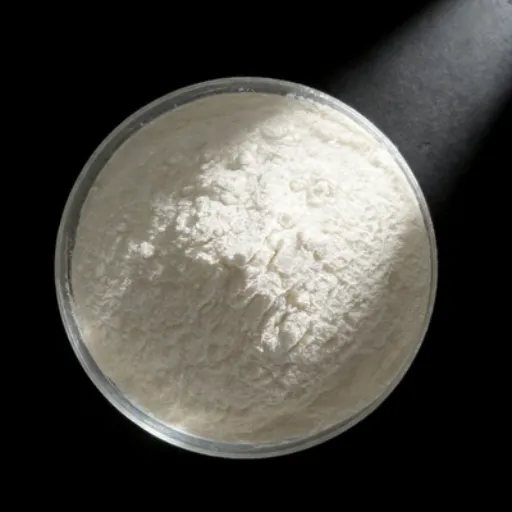
Different casting applications require different release powder chemistries. Here are the main categories found in industrial use.
Bone Ash-Based Mold Release Powder
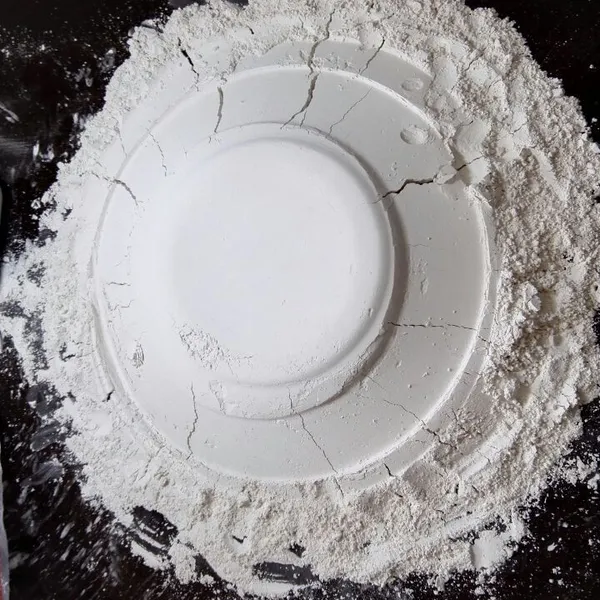
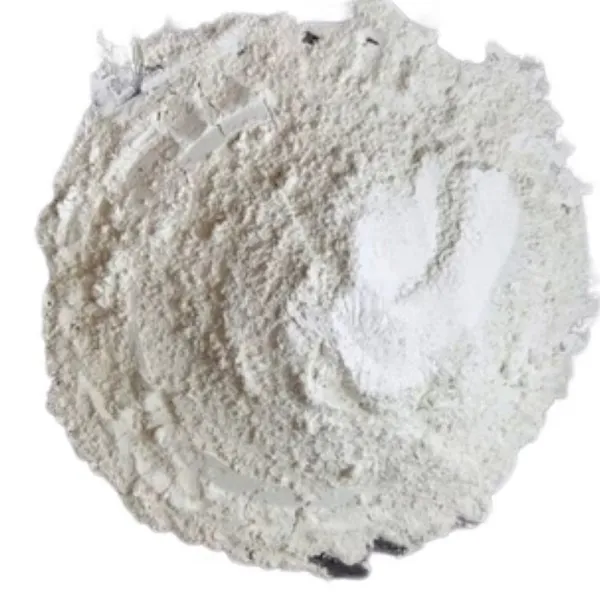
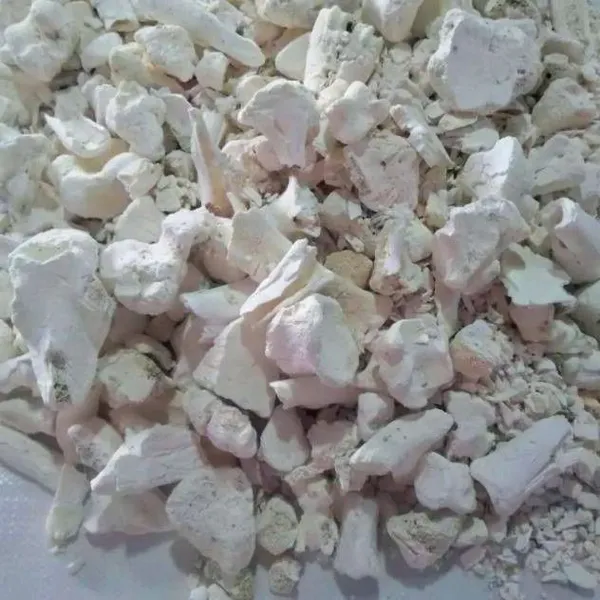
Bone ash, particularly calcined bone ash, has a long history as a mold release material. It provides good non-wetting properties against aluminum and some copper alloys, along with mild thermal insulation. Bone ash is valued in applications where a balance of performance, cost, and environmental handling is important.
When engineer David Chen evaluated release options for a gravity casting line producing bronze fittings, he found that a bone ash-based industrial mold release powder gave more consistent release than the talc product they had been using. Parting line defects decreased, and mold cleaning intervals extended from every 40 shots to every 70 shots.
Graphite-Based Powders
Graphite powders offer excellent lubricity and high-temperature stability. They are widely used in forging, permanent mold casting, and some high-temperature applications. Graphite's lamellar structure provides good slip between casting and mold surfaces. However, graphite can leave dark residues and may not suit applications requiring a clean surface finish.
Boron Nitride Powders
Boron nitride provides outstanding non-wetting behavior and thermal stability. It is often used in precision die casting and applications requiring excellent surface finish. The main drawbacks are higher cost and the need for careful application to avoid buildup.
Talc and Refractory Oxide Powders
Talc is an economical option for lower-temperature applications. Refractory oxide powders such as alumina or zirconia are used where extreme temperature resistance is needed. Each material has specific advantages in terms of cost, availability, and compatibility with different alloys.
Applications by Casting Process
The best industrial mold release powder depends on the casting method. Each process places different demands on the release material.
Die Casting
In high-pressure die casting, release powder must withstand rapid thermal cycling and high injection pressures. The material must form a thin, adherent layer without clogging vents or causing porosity. Boron nitride and specialized bone ash formulations are both used depending on alloy and part complexity.
Permanent Mold Casting
Permanent mold casting uses reusable metal molds, often for aluminum. Release powders are applied before each pour. The powder must prevent metal adhesion without building up on mold surfaces over repeated cycles. Bone ash and graphite blends are common choices.
Investment Casting
In investment casting, release powders may be used on ceramic shells or cores to prevent metal penetration and improve surface finish. Fine particle size and chemical inertness are critical.
Forging
Forging operations use release powders to prevent sticking between hot workpieces and dies. Graphite-based and soap-based powders dominate this segment due to the extreme pressures and temperatures involved.
Selecting the Right Industrial Mold Release Powder
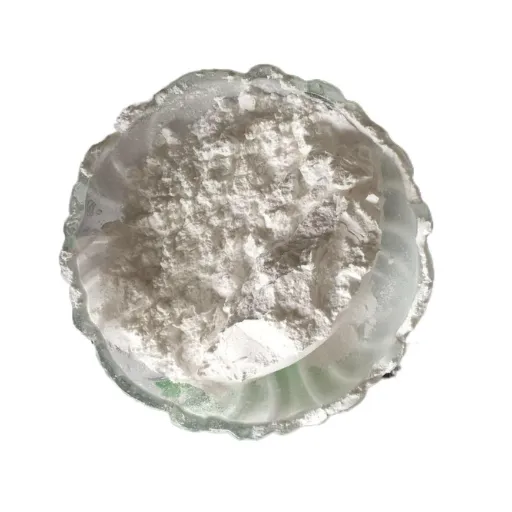
When evaluating industrial mold release powder for your operation, consider these factors.
Metal Alloy and Temperature
Match the powder to your peak metal temperature and alloy chemistry. A powder that works well for aluminum may fail or react at brass or bronze temperatures. Ask suppliers for temperature stability data and alloy compatibility information.
Mold Material
Cast iron, steel, and copper alloy molds each interact differently with release powders. Some powders can cause pitting or buildup on certain mold materials. Test compatibility on sample mold inserts before full-scale adoption.
Required Surface Finish
If your castings require a bright, clean surface, avoid powders that leave visible residue. Graphite may darken surfaces, while bone ash and boron nitride typically leave lighter finishes.
Application Method
Powders can be applied by brush, swab, electrostatic spray, or automated dispensing. Particle size affects application behavior. Finer powders coat complex details better but may create dust handling concerns.
Cost and Supply Stability
Evaluate cost per casting, not just cost per kilogram. A more expensive powder that extends mold life or reduces scrap may deliver lower total cost. Stable supply is equally important for continuous production.
Mold-Releasing Bone Ash: A Proven Industrial Option
Mold-releasing bone ash deserves special attention among industrial mold release powders. It is a proven, cost-effective option for several casting applications, particularly non-ferrous metals.
Why Bone Ash Works as a Release Agent
Calcined bone ash has a unique combination of properties:
Non-wetting surface: Low adhesion to molten aluminum and copper alloys
Thermal stability: Withstands typical non-ferrous casting temperatures
Fine particle size: Available in grades that coat intricate mold details
Low residue: Produces cleaner surfaces than graphite in many applications
Cost-effective: Competitive pricing compared to synthetic alternatives
Typical Specifications
Industrial mold release powder based on bone ash should meet consistent specifications:
Calcium (Ca): ≥35.0%
Phosphorus (P): ≥16.0%
Iron (Fe): ≤0.05%
Burning loss: ≤1.0%
pH: 9.0-11.5
Color: White
Feilong produces mold-releasing bone ash from defatted bovine bone calcined at 1300°C. Our controlled process delivers the batch-to-batch consistency that foundries and die casters need for stable production.
Looking for a reliable mold-releasing bone ash supplier? Request a sample with full COA or contact our technical team to discuss your casting process.
Sourcing Industrial Mold Release Powder from Manufacturers
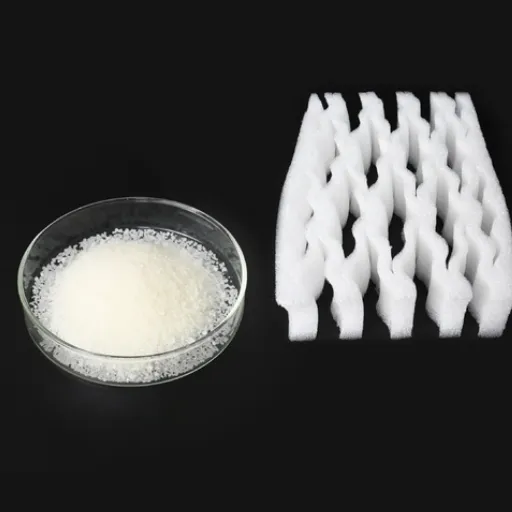
Consistent quality matters more than price alone when sourcing industrial mold release powder. Variability in particle size, chemistry, or contamination can cause defects that cost far more than any raw material savings.
What to Look For in a Supplier
A reliable supplier should provide:
Certificate of Analysis for every batch
Consistent particle size distribution
Stable chemical composition
Technical support for application issues
Reliable lead times and inventory
Export documentation if sourcing internationally
Production Control Matters
Suppliers who manufacture their own release powders control raw material quality, calcination conditions, grinding, and sizing. This vertical integration reduces batch-to-batch variation. Traders or repackagers who source from multiple workshops cannot offer the same consistency.
When the purchasing team at a Mexican foundry switched to a trader-sourced mold release powder in 2023, they saw color variations between bags and inconsistent coating thickness. After two months of increased scrap, they returned to a manufacturer with owned production facilities. Defect rates returned to baseline within the first shipment.
Documentation and Compliance
For international buyers, documentation is essential. Request:
Material Safety Data Sheet (MSDS/SDS)
Certificate of Analysis
Packaging and handling instructions
Customs documentation support for animal-derived materials
Application Best Practices
Even the best industrial mold release powder performs poorly if applied incorrectly. Follow these practices to get consistent results.
Clean Mold Surfaces
Apply release powder only to clean, dry mold surfaces. Residual metal, oxide, or old release layers reduce adhesion and create defects.
Control Coating Thickness
A thin, uniform layer is usually better than a thick one. Excess powder can cause porosity, poor fill, or inclusions in the casting. Experiment to find the minimum effective coating weight for your process.
Reapply Between Cycles
In most casting processes, release powder must be reapplied at regular intervals. Establish a reapplication schedule based on shot count or visual inspection rather than waiting for sticking to occur.
Monitor and Adjust
Track mold wear, part ejection force, surface defects, and scrap rates when changing release powders. Quantitative data helps you optimize application method and coating frequency.
Conclusion
Industrial mold release powder is a critical consumable in foundry, die casting, and forging operations. The right powder reduces sticking, protects molds, improves surface finish, and lowers total manufacturing cost. Whether you choose bone ash, graphite, boron nitride, or another material, selection should be based on metal temperature, mold material, surface finish requirements, and total cost per part.
Key takeaways:
Industrial mold release powder forms a non-wetting, thermally protective barrier between metal and mold.
Common types include bone ash, graphite, boron nitride, talc, and refractory oxides.
Each casting process has specific release powder requirements.
Mold-releasing bone ash offers a proven, cost-effective option for many non-ferrous applications.
Sourcing from a manufacturer with production control ensures consistent batch quality.
At Luohe Feilong Bone Carbon Co., Ltd., we supply mold-releasing bone ash to foundries, die casters, and metallurgical operations worldwide. Our 1300°C calcination process and batch testing deliver the consistency that continuous production demands.
Ready to evaluate mold-releasing bone ash for your operation? Request a free sample with COA or speak with our technical team about your mold release requirements.
Recently Posted
-
Luohe Feilong Bone Carbon: Industrial Bone Ash Manufacturer Since 2011
August 17, 2026When a copper foundry in Turkey needs bone ash that releases cleanly from a sand mold at 1,100 degrees Celsius, or a bone china fa Read More
 -
Bone Ash in Copper Casting Mold Release: Application and Practical Guidance
August 14, 2026A copper sand casting foundry in India was producing electrical switch components that required a clean, smooth surface finish for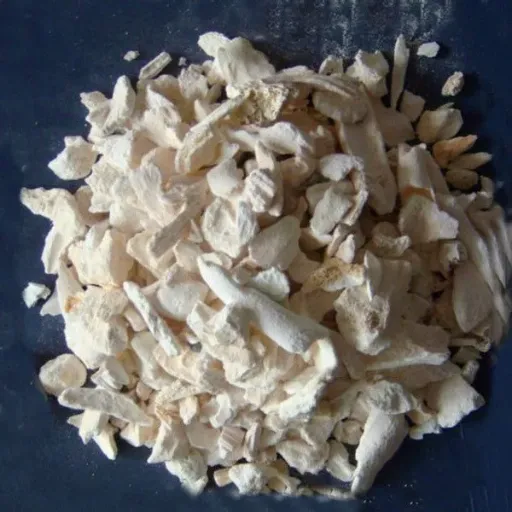 Read More
 -
How to Source Bone Ash for Foundry Applications: A Buyer's Checklist
August 13, 2026A purchasing manager at a brass foundry in Egypt ordered 20 metric tons of bone ash from a new supplier at a price roughly 25% bel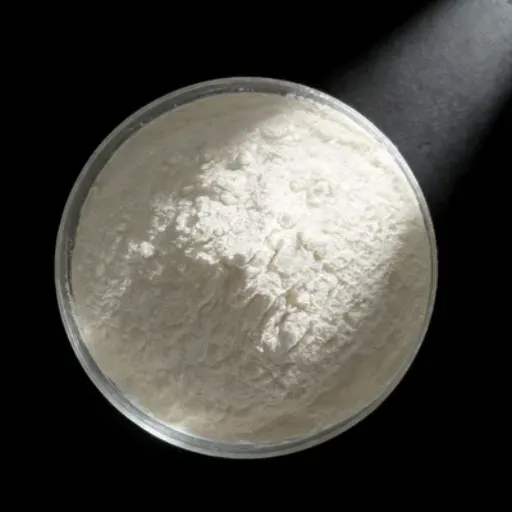 Read More
 -
Bone Ash vs Graphite Powder for Non-Ferrous Metal Mold Release
August 12, 2026A brass foundry in Southeast Asia switched from bone ash to a lower-cost graphite powder for its sand casting release agent, expec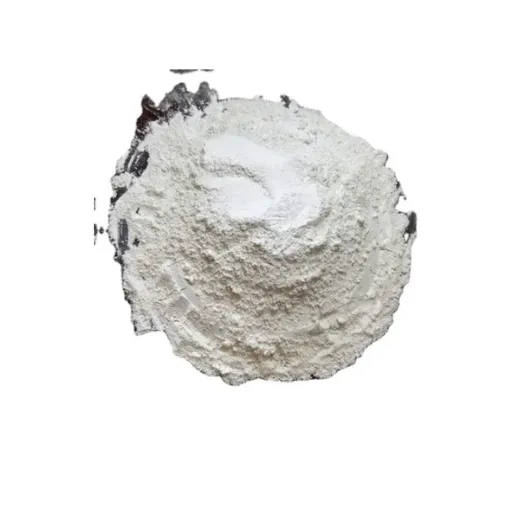 Read More

Contact Us
Recommended Products
-
 Manufacturer Sell Low Price Calcined Bone Ash or PowderUS$ 850MOQ: 5 Tons
 -
Manufacturer Sell Low Price Calcined Bone Ash or PowderUS$ 850MOQ: 5 Tons
-
Manufacturer Sell Low Price Calcined Bone Ash or PowderUS$ 850MOQ: 5 Tons
-
Sell Well Bone Ash for Mold Releasing UseUS$ 880 - 920MOQ: 5 Tons
-
Feilong Direct Sales Die-casting Water-soluble Mold Metal Release AgentUS$ 920MOQ: 5 Tons
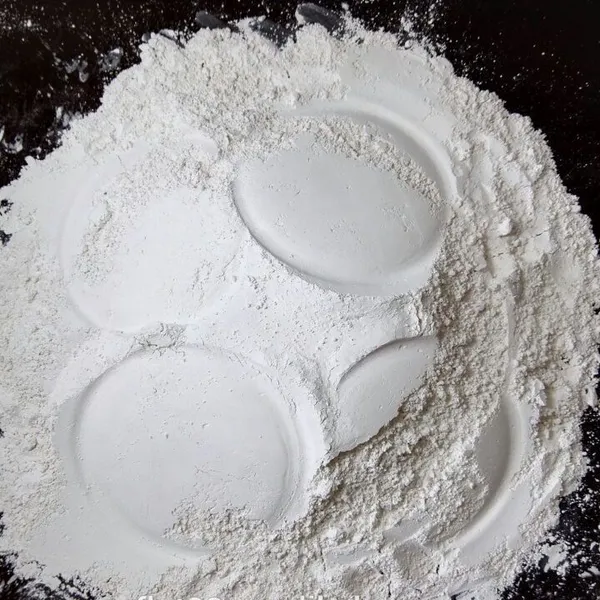
-
Natural Animal Bone AshUS$ 880 - 920MOQ: 5 Tons
-
China Manufacturer Supply Eco-Friendly Bone Ash PowderUS$ 890MOQ: 1 Ton
-
Calcined Bone Ash for Bone China With GoodPriceUS$ 880 - 920MOQ: 5 Tons
-
Synthetic Bone Ash for Ceramic With Good PriceUS$ 850MOQ: 5 Tons
-
Calcium and Phosphorus Powder - 325 MeshPowderUS$ 850MOQ: 5 Tons
-
Calcium and Phosphorus Powder - 325 MeshPowderUS$ 850MOQ: 5 Tons
-
Calcium Stearate PVC PE Lubricant Mould-releasing Powder ManufacturerUS$ 850MOQ: 5 Tons
-
Reputed Supplier Selling Bone Ash Powder Which Meet With Environmental Standard As Animal FeedstuffUS$ 850MOQ: 5 Tons
-
Industrial Grade Bone Ash for Bone Ceramics and MetallurgyUS$ 900MOQ: 10 Tons
-
Animal Ashes Used for Bone ChinaUS$ 900MOQ: 5 Tons
-
Calcium and Phosphorus Powder - 325 MeshPowderUS$ 850MOQ: 5 Tons
-
High Quality Bone Ash for Mold Releasing Use/bone Ash PowderUS$ 850 - 880MOQ: 5 Tons
-
Manufacturer Sell Low Price Calcined Bone Ash or PowderUS$ 850MOQ: 5 Tons
-
Calcined Bone Ash for Bone China With GoodPriceUS$ 880MOQ: 5 Tons
-
High Quality Bone Ash for Mold Releasing Use/bone Ash PowderUS$ 880 - 920MOQ: 5 Tons