
 Business License

Bone Char vs Activated Alumina: Choosing Fluoride Removal Media
In 2017, a municipal water engineer in Rajasthan faced a budget crisis. The town's activated alumina defluoridation system needed media replacement. The supplier's quoted price had doubled since the last order. The engineer needed a lower-cost alternative that could still bring fluoride levels from 4.5 mg/L down to WHO limits.
He tested bone char as a replacement. The system achieved the same fluoride reduction at 40% of the media cost.
This scenario illustrates why the bone char vs activated alumina decision matters. Engineers evaluating bone carbon vs activated alumina face the same fundamental trade-offs between natural and synthetic media.
Both media remove fluoride from drinking water. Both have proven track records. The difference lies in cost, capacity, and operational requirements.
This guide compares bone char vs activated alumina across performance, cost, and applications. For a broader overview of fluoride removal media, see our dedicated resource. We cover how each media works, where one outperforms the other, and what water treatment professionals should verify before selecting a defluoridation solution.
Evaluating defluoridation media for your water treatment project? Explore Feilong bone carbon solutions.
What Is Bone Char?
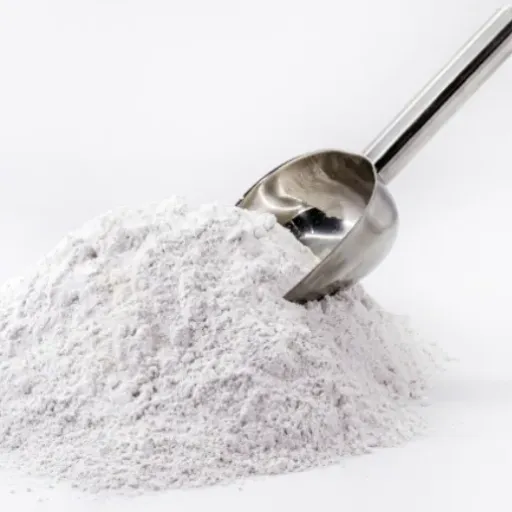
Bone char, also called bone carbon, is a natural adsorption media produced by carbonizing defatted animal bones in a controlled, low-oxygen environment. Unlike synthetic media, bone char derives from bovine bone material and retains calcium phosphate minerals from the original bone structure.
The carbonization process creates a porous carbon matrix. Bone char also contains hydroxyapatite, a calcium phosphate compound that enables ion exchange with fluoride ions in water. This dual mechanism -- adsorption plus ion exchange -- gives bone char unique properties for defluoridation. As a natural defluoridation media, bone char appeals to projects with sustainability or procurement specifications favoring minimally processed materials.
Key physical properties of bone char include:
Appearance: Black to dark gray granules or powder
Surface area: 50-150 m²/g
Composition: Carbon matrix with calcium phosphate and calcium carbonate
pH: Generally alkaline (8.5-10.5)
Bulk density: 0.5-0.8 g/cm³
Bone char has been used for defluoridation for decades. Field studies in East Africa, India, and South America demonstrate consistent fluoride reduction in community-scale systems. Learn more about bone carbon for water treatment in our comprehensive application guide.
The media is particularly valued in regions where locally produced bone char eliminates import costs. Learn more about bone char fluoride removal applications in our dedicated guide.
What Is Activated Alumina?
Activated alumina is a synthetic adsorption media manufactured from aluminum hydroxide. The material is processed to create a highly porous aluminum oxide structure with extensive surface area for adsorption.
The activation process creates surface sites that selectively adsorb fluoride ions through ligand exchange. Activated alumina is the most widely used synthetic defluoridation media globally. In activated alumina water treatment systems, the media performs reliably across municipal, industrial, and household scales. Municipal systems, household filters, and community projects worldwide rely on it for consistent fluoride removal performance.
Activated alumina is produced in several forms:
Granular activated alumina: Standard form for packed bed columns
Powdered activated alumina: Used in specific treatment configurations
Regenerated activated alumina: Reprocessed media for cost-sensitive applications
The media is produced under controlled industrial conditions. Batch-to-batch consistency is generally high, and suppliers typically provide detailed specifications including particle size, surface area, and adsorption capacity.
Understanding the mechanisms behind bone char vs activated alumina helps explain their different performance profiles.
How Bone Char and Activated Alumina Work
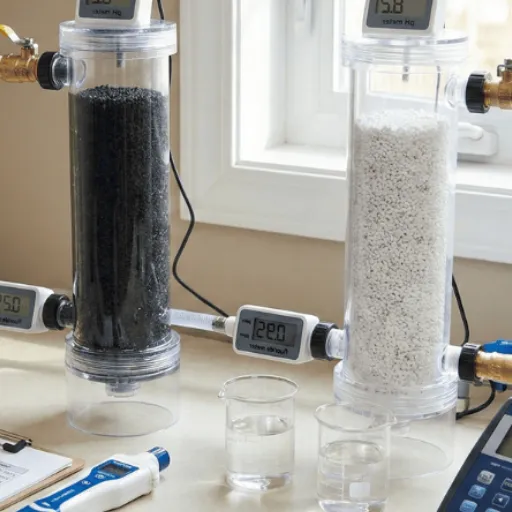
Both media remove fluoride from water, but the mechanisms differ. Understanding these differences helps explain why each media performs differently under specific water chemistry conditions.
Bone Char Fluoride Removal Mechanism
Bone char removes fluoride through two simultaneous processes:
Ion exchange: The hydroxyapatite structure in bone char exchanges hydroxyl ions for fluoride ions. Fluoride becomes chemically bound within the solid matrix. This is the primary defluoridation mechanism.
Physical adsorption: The porous carbon structure provides additional surface area where fluoride ions attach through weaker physical forces. This contributes to overall capacity but is secondary to the ion exchange process.
Bone char's ion exchange capacity depends on the calcium phosphate content. Higher hydroxyapatite content means greater fluoride removal potential. However, the total capacity per kilogram is lower than activated alumina because bone char has less surface area.
Activated Alumina Fluoride Removal Mechanism
Activated alumina removes fluoride primarily through ligand exchange. The aluminum oxide surface contains hydroxyl groups. Fluoride ions replace these hydroxyl groups on the surface, becoming chemically adsorbed.
The process is highly effective for:
Fluoride reduction from 2-10 mg/L to below 1.5 mg/L
Systems with pH between 5.5 and 6.5 (optimal range for activated alumina)
Continuous flow treatment in packed bed columns
Activated alumina does not remove fluoride through ion exchange in the bulk material. All adsorption occurs at the surface. This means capacity is directly related to surface area and the number of available adsorption sites.
Bone Char vs Activated Alumina: Performance Comparison
The table below summarizes the bone char vs activated alumina key differences for fluoride removal applications.
| Property | Bone Char | Activated Alumina |
|---|---|---|
| Source material | Animal bone (bovine) | Synthetic aluminum oxide |
| Surface area | 50-150 m²/g | 200-300 m²/g |
| Primary mechanism | Ion exchange + adsorption | Surface ligand exchange |
| Fluoride removal capacity | Moderate | High |
| Optimal pH range | 6.0-8.0 | 5.5-6.5 |
| Effect of pH | Less sensitive | Very sensitive |
| Media life | 3-12 months | 6-24 months |
| Regeneration possible | Limited | Yes (acid/alkali wash) |
| Cost per kg | Low to moderate | Moderate to high |
| Disposal | Simple landfill | May require special handling |
| Organic removal | Moderate | Low |
| Color removal | Good | Limited |
A community water project in Tanzania learned this comparison firsthand. The project had used activated alumina for two years. Import costs from overseas suppliers consumed 60% of the annual operating budget.
The project manager tested locally produced bone char. The media achieved equivalent fluoride reduction from 6 mg/L to below 1 mg/L. Annual media costs dropped by half. The project now uses bone char as primary media and maintains a small activated alumina reserve for periods when raw water chemistry shifts.
Bone Char vs Activated Alumina: Cost Analysis
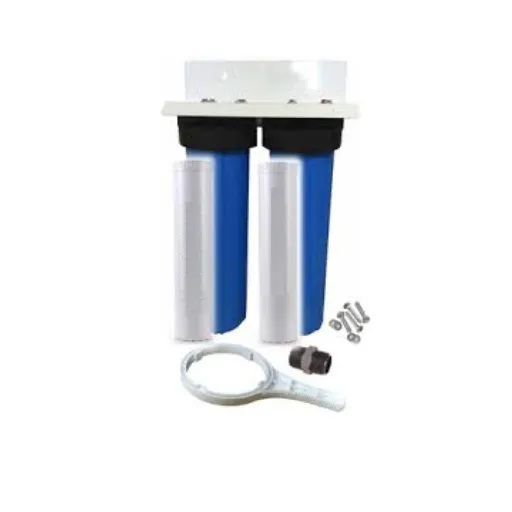
For procurement managers, cost is often the deciding factor in the bone char vs activated alumina selection. The comparison extends beyond price per kilogram.
Capital Costs
Bone char systems typically use simple fixed-bed columns. No specialized equipment is required beyond standard filtration vessels and basic pH monitoring. This keeps initial capital investment low.
Activated alumina systems often require pH adjustment equipment because activated alumina performs best at pH 5.5-6.5. Pre-treatment acidification and post-treatment neutralization add capital cost. For municipal systems, these additions can be significant.
Operating Costs
Bone char is generally cheaper per kilogram than activated alumina. However, bone char requires more frequent replacement due to lower capacity. The total operating cost depends on:
Media unit price: Bone char typically 40-70% less per kg
Replacement frequency: Bone char may need replacement 2-3x more often
Regeneration cost: Activated alumina can be regenerated, extending effective life
pH adjustment chemicals: Activated alumina systems require acid and base chemicals
Labor for replacement: More frequent replacement means higher labor costs
Total Cost of Ownership
For systems treating water with moderate fluoride levels (2-4 mg/L), activated alumina often wins on total cost. Its higher capacity means longer runs between replacement or regeneration.
For systems with high fluoride (6-10 mg/L), bone char can deliver lower total cost. The lower media price compensates for shorter bed life. In developing regions where activated alumina must be imported, locally produced bone char eliminates shipping costs and currency exchange risks.
Bone Char vs Activated Alumina: When to Choose Bone Char
Bone char is the better choice in specific scenarios where its unique properties provide advantages.
Low-Cost Community and Rural Systems
In developing regions where imported activated alumina is expensive or unavailable, locally produced bone char offers a practical alternative. Simple fixed-bed columns require minimal technical expertise to operate. The lower media cost makes bone char accessible for communities with limited budgets.
Systems Where pH Adjustment Is Not Feasible
Bone char works effectively across a broader pH range than activated alumina. In systems where pH adjustment equipment is not available or maintainable, bone char provides more forgiving performance. This is particularly relevant for remote community systems.
Combined Defluoridation and Decolorization
Bone char removes organic colorants and certain dissolved substances in addition to fluoride. For source water with both high fluoride and natural organic color, bone char can address both problems simultaneously. Activated alumina has minimal capacity for color or organic removal.
Applications Requiring Natural Media
Some procurement specifications require natural or minimally processed media. Bone char qualifies as a natural product derived from animal bone. Activated alumina is a synthetic industrial product.
Considering bone char for your defluoridation system? Review Feilong bone carbon specifications.
Bone Char vs Activated Alumina: When to Choose Activated Alumina
Activated alumina dominates municipal defluoridation for good reason. Its high capacity and regenerability make it the most cost-effective choice for many large-scale applications.
High-Capacity Municipal Systems
For municipal plants treating millions of liters daily, activated alumina's higher capacity translates directly into longer bed life. Less frequent replacement means lower labor costs and less system downtime. The predictable performance supports consistent compliance with drinking water standards.
Systems With pH Control Infrastructure
Where pH adjustment equipment is already in place, activated alumina performs optimally. The combination of controlled pH and high-capacity media delivers efficient fluoride removal with minimal media consumption.
Regenerable Applications
In facilities with regeneration capability, activated alumina's regenerability provides long-term cost advantages. Acid washing restores a significant portion of the adsorption capacity. Bone char cannot be regenerated economically.
Strict Performance Guarantees
For procurement contracts requiring precise performance guarantees, activated alumina offers more predictable capacity. Industrial manufacturing controls produce consistent batch-to-batch adsorption capacity. Bone char quality varies more depending on raw material source and carbonization conditions.
Once you have decided on bone char vs activated alumina, media quality becomes the next critical factor.
Sourcing Quality Defluoridation Media
Whether choosing bone char or activated alumina, media quality varies significantly between suppliers. Water treatment professionals should verify several factors before committing to bulk orders.
For Bone Char
Request documentation on carbonization conditions, calcium phosphate content, and surface area. The carbonization temperature and atmosphere directly affect adsorption capacity. Bone char produced at inconsistent temperatures will perform unpredictably.
Test sample batches in pilot columns with your actual source water. Bone char quality depends heavily on raw material source and process control. A Certificate of Analysis should document chemical composition for every production lot.
Ask about raw material traceability. Reputable manufacturers use regulated bovine bone sources and maintain documentation for export compliance.
For Activated Alumina
Verify the manufacturer's specifications for surface area, particle size distribution, and fluoride adsorption capacity. Surface area below 200 m²/g suggests lower-quality product.
Request test data showing fluoride adsorption capacity at your operating pH. Capacity varies significantly with pH, and supplier data may not match your conditions.
Check for dust content and attrition resistance. Excessive fines increase pressure drop in columns and create handling problems. Low attrition resistance leads to media breakdown during backwash or regeneration.
Need help evaluating defluoridation media quality? Review Feilong's quality control and testing protocols.
Luohe Feilong Bone Carbon for Defluoridation
Luohe Feilong Bone Carbon Co., Ltd. produces bone char from defatted bovine bone under controlled carbonization conditions. As an experienced bone char manufacturer with over 30 years of company history and 20 years of specialized bone product manufacturing, Feilong controls production from raw material intake through final sizing and testing.
Our bone carbon is available for water treatment, defluoridation, and decolorization applications. We provide Certificates of Analysis with every batch and offer sample quantities for pilot testing before bulk commitment.
For water treatment engineers comparing bone char vs activated alumina, Feilong provides technical consultation on media selection, bed sizing, and performance expectations based on your source water characteristics.
Evaluating bone char for your defluoridation system? Request a sample batch with full COA or speak with our technical team about your fluoride removal requirements.
Conclusion
The bone char vs activated alumina decision is not about finding a universal winner. It is about matching media properties to your operational reality.
Activated alumina delivers higher fluoride removal capacity and regenerability. It is the right choice for municipal systems with pH control infrastructure, high throughput requirements, and contracts demanding predictable performance.
Bone char offers natural ion exchange capability at lower cost per kilogram. It excels in community-scale systems, rural applications where pH adjustment is impractical, and situations where combined defluoridation and decolorization add value.
For many applications, the two media complement each other. A primary bone char bed for initial fluoride reduction followed by activated alumina polishing can deliver comprehensive treatment at optimized cost.
Success depends on three fundamentals: accurate characterization of your source water fluoride levels and pH, honest assessment of your operational capabilities, and reliable media sourcing from manufacturers with documented process control.
Ready to test bone char in your defluoridation system? Request a free sample with COA or contact our technical team to discuss your specifications.
Recently Posted
-
Luohe Feilong Bone Carbon: Industrial Bone Ash Manufacturer Since 2011
August 17, 2026When a copper foundry in Turkey needs bone ash that releases cleanly from a sand mold at 1,100 degrees Celsius, or a bone china fa Read More
 -
Bone Ash in Copper Casting Mold Release: Application and Practical Guidance
August 14, 2026A copper sand casting foundry in India was producing electrical switch components that required a clean, smooth surface finish for Read More
 -
How to Source Bone Ash for Foundry Applications: A Buyer's Checklist
August 13, 2026A purchasing manager at a brass foundry in Egypt ordered 20 metric tons of bone ash from a new supplier at a price roughly 25% bel Read More
 -
Bone Ash vs Graphite Powder for Non-Ferrous Metal Mold Release
August 12, 2026A brass foundry in Southeast Asia switched from bone ash to a lower-cost graphite powder for its sand casting release agent, expec Read More

Contact Us
Recommended Products
-
 Manufacturer Sell Low Price Calcined Bone Ash or PowderUS$ 850MOQ: 5 Tons
 -
Manufacturer Sell Low Price Calcined Bone Ash or PowderUS$ 850MOQ: 5 Tons
-
Manufacturer Sell Low Price Calcined Bone Ash or PowderUS$ 850MOQ: 5 Tons
-
Sell Well Bone Ash for Mold Releasing UseUS$ 880 - 920MOQ: 5 Tons
-
Feilong Direct Sales Die-casting Water-soluble Mold Metal Release AgentUS$ 920MOQ: 5 Tons
-
Natural Animal Bone AshUS$ 880 - 920MOQ: 5 Tons
-
China Manufacturer Supply Eco-Friendly Bone Ash PowderUS$ 890MOQ: 1 Ton
-
Calcined Bone Ash for Bone China With GoodPriceUS$ 880 - 920MOQ: 5 Tons
-
Synthetic Bone Ash for Ceramic With Good PriceUS$ 850MOQ: 5 Tons
-
Calcium and Phosphorus Powder - 325 MeshPowderUS$ 850MOQ: 5 Tons
-
Calcium and Phosphorus Powder - 325 MeshPowderUS$ 850MOQ: 5 Tons
-
Calcium Stearate PVC PE Lubricant Mould-releasing Powder ManufacturerUS$ 850MOQ: 5 Tons
-
Reputed Supplier Selling Bone Ash Powder Which Meet With Environmental Standard As Animal FeedstuffUS$ 850MOQ: 5 Tons
-
Industrial Grade Bone Ash for Bone Ceramics and MetallurgyUS$ 900MOQ: 10 Tons
-
Animal Ashes Used for Bone ChinaUS$ 900MOQ: 5 Tons
-
Calcium and Phosphorus Powder - 325 MeshPowderUS$ 850MOQ: 5 Tons
-
High Quality Bone Ash for Mold Releasing Use/bone Ash PowderUS$ 850 - 880MOQ: 5 Tons
-
Manufacturer Sell Low Price Calcined Bone Ash or PowderUS$ 850MOQ: 5 Tons
-
Calcined Bone Ash for Bone China With GoodPriceUS$ 880MOQ: 5 Tons
-
High Quality Bone Ash for Mold Releasing Use/bone Ash PowderUS$ 880 - 920MOQ: 5 Tons