
 Business License

How Is Bone China Made? A Step-by-Step Manufacturing Guide
Maria Santos still remembers the Tuesday morning her production line ground to a halt. As quality manager at a mid-sized ceramics factory in Portugal, she had approved a new shipment of bone ash the week before. Now, her biscuit-fired samples were coming out cloudy, brittle, and nothing like the translucent porcelain her customers expected. The problem was not her kilns, her glaze, or her operators. It was the raw material. The bone ash calcium content had dropped from 35% to 28% between batches, and her bone china body was failing before it even reached the decorating room.
If you manufacture ceramics, you already know that bone china is one of the most demanding products in the industry. You also know that understanding how bone china is made gives you more than historical curiosity. It gives you control over your raw material decisions, your firing schedules, and your final product quality.
In this guide, we walk through the complete bone china production process from raw materials to finished ware. You will learn what makes bone china different from other porcelains, why bone ash remains the non-negotiable ingredient, and how raw material quality directly determines whether your production line delivers premium ware or costly defects. We also cover what to look for when sourcing bone ash so you never face Maria's problem in your own factory.
What Is Bone China and Why Does It Matter?
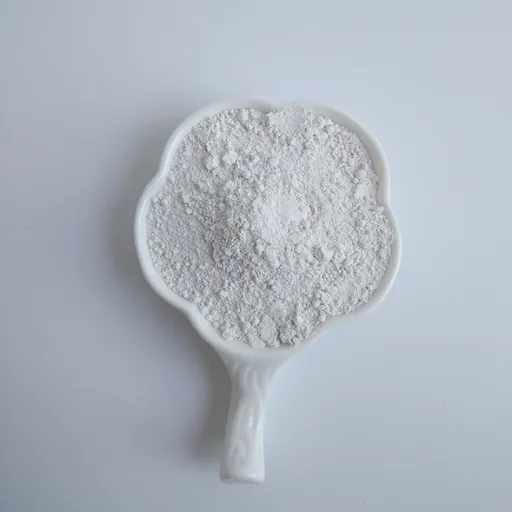
Bone china is a type of soft-paste porcelain distinguished by its high bone ash content, exceptional translucency, and remarkable strength. Unlike hard-paste porcelain, which relies primarily on kaolin, quartz, and feldspar, bone china incorporates calcined animal bone, specifically bone ash, as a major body component.
The material was developed in England during the late 18th century. According to ceramic historians, Josiah Spode perfected the bone china formula around 1794 by adding calcined bone to traditional porcelain recipes. The result was a ceramic body that was whiter, stronger, and more translucent than anything European manufacturers had produced before. Today, bone china remains the standard for high-end tableware, hotel porcelain, and decorative ceramics worldwide.
For manufacturers, bone china matters because it commands premium prices and loyal customers. However, it also demands tighter process control than standard porcelain. The bone ash content, particle size, and chemical purity all influence firing behavior, final appearance, and mechanical strength. Understanding these relationships is the first step toward consistent production.
The Raw Materials Behind Bone China Production
Every bone china body starts with four essential components. Each one plays a specific role in the final ceramic properties, and each one must meet strict quality standards before it enters the production process.
Kaolin, Feldspar, and Silica
Kaolin provides plasticity and alumina content, which helps the ceramic body hold its shape during forming. Feldspar acts as a flux, lowering the melting point and creating the glassy phase that binds the body together during firing. Silica contributes structural stability and controls thermal expansion. These three materials are standard across most porcelain types, and experienced ceramic technicians already understand their behavior.
The challenge in bone china is not these three ingredients. It is the fourth one.
Bone Ash: The Defining Ingredient
Bone ash is what transforms a standard porcelain body into bone china. Manufacturers typically add 40-50% bone ash to the body formulation, though some high-end recipes push this figure even higher. The bone ash provides:
Translucency: The calcium phosphate in bone ash creates a glassy matrix that allows light to pass through thin sections.
Whiteness: High-purity bone ash produces the brilliant white color that defines premium bone china.
Strength: Despite its delicate appearance, bone china is stronger than most other ceramics because of the unique microstructure formed during firing.
Lower firing temperature: Bone ash reduces the maturation temperature compared to hard-paste porcelain, saving fuel and reducing kiln wear.
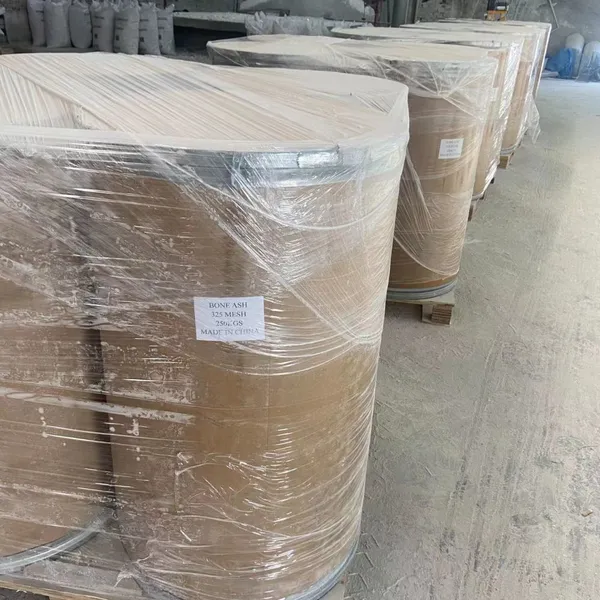
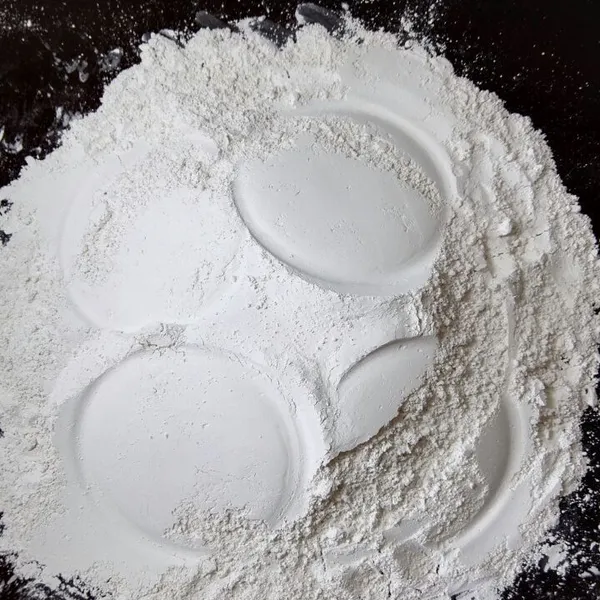
Not all bone ash performs equally. Ceramic-grade bone ash must contain Calcium (Ca) ≥35.0%, Phosphorus (P) ≥16.0%, and minimal iron to prevent discoloration. The particle size, typically 325 mesh or 400 mesh, also affects how the bone ash integrates with other body components. Learn more about bone ash composition and production to understand what separates ceramic-grade material from lower grades.
How Is Bone China Made? The Complete Production Process
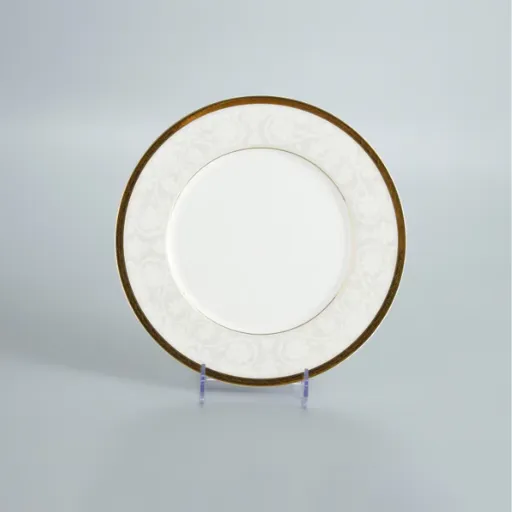
Bone china production follows a six-stage process that transforms raw powders into finished tableware. Each stage requires precise control, and errors at any point compound in later stages.
Step 1, Preparing the Bone China Body
The process begins in the slip house, where raw materials are weighed, mixed, and suspended in water to create a fluid slurry called slip. The standard bone china recipe contains approximately:
40-50% bone ash
20-30% kaolin
20-30% feldspar
5-10% silica
Proportions vary by manufacturer and product type, but bone ash always dominates the formulation. The materials are ball-milled together until the particle size distribution is uniform. This milling stage is critical. Poorly milled slip produces body inhomogeneities that translate into strength variations and surface defects after firing.
After milling, the slip is sieved and magnetically filtered to remove iron particles and other contaminants. Even trace iron can cause gray spots or discoloration in the finished ware, so filtration standards are typically stricter than for standard porcelain.
The slip is then de-aerated and adjusted to the correct specific gravity and viscosity for the forming method. At this stage, technicians test the slip using standard ceramic quality control methods to confirm it is ready for the next step.
Step 2, Forming and Shaping the Ware
Bone china is formed using one of three primary methods: slip casting, pressure casting, or plastic forming.
Slip casting is the traditional method for bone china tableware. The liquid slip is poured into plaster molds, which absorb water through capillary action and create a solid layer of clay body against the mold surface. After a set time, excess slip is drained, and the mold is opened to reveal the formed piece. This method is ideal for complex hollow shapes like cups, teapots, and vases.
Pressure casting uses porous polymer molds and applied pressure to speed up the casting process. It produces more consistent wall thickness and higher output rates than traditional slip casting, making it common in larger factories.
Plastic forming methods, including jiggering and roller shaping, are used for flatter items like plates and saucers. These methods require the bone china body to have sufficient plasticity, which depends on the kaolin content and particle size distribution.
Regardless of method, formed pieces are dried carefully. Bone china bodies are more sensitive to rapid drying than standard porcelain because the high bone ash content affects shrinkage behavior. Uneven drying causes warping, cracking, or differential shrinkage that ruins the piece before it ever enters the kiln.
Step 3, Biscuit Firing
Once dried, the formed ware undergoes its first firing, known as biscuit firing. This takes place at approximately 1,200-1,280°C, depending on the specific body composition.
During biscuit firing, several important changes occur:
Organic materials burn out completely
Kaolin transforms into metakaolin and begins forming mullite
Feldspar melts and begins creating the glassy phase
Bone ash reacts with other components to form the calcium phosphate glass matrix
The result is a porous, white, rigid body called biscuit ware. At this stage, the piece has no glaze and is relatively fragile, but it has achieved its basic ceramic structure. Quality control technicians inspect biscuit ware for cracks, warping, and color consistency before approving it for glazing.
Step 4, Glazing
Biscuit ware is too porous for practical use, so it must be glazed. The glaze serves multiple purposes: it seals the surface, provides a smooth, hygienic finish, and creates the glossy appearance customers associate with fine tableware.
For bone china, glaze selection is critical. The glaze must have a thermal expansion coefficient compatible with the body. If the glaze contracts more than the body during cooling, it will craze, develop a network of fine cracks. If it contracts less, it will shiver, flake off in pieces. Neither outcome is acceptable for premium tableware.
Glaze is applied by spraying, dipping, or pouring, depending on the piece geometry. After glazing, the ware must be dried again before entering the final firing stage.
Step 5, Glost Firing
Glost firing is the high-temperature firing that matures both the body and the glaze simultaneously. For bone china, this typically occurs at 1,050-1,150°C, noticeably lower than the temperatures required for hard-paste porcelain.
During glost firing, the bone ash content plays its most important role. The calcium phosphate in the bone ash forms a unique glassy matrix that gives bone china its characteristic properties. This matrix:
Fills voids between other particles, increasing density and strength
Creates the high translucency that defines bone china
Contributes to the warm, milky white color
Produces the distinctive resonant ring when bone china is tapped
The lower firing temperature is a significant operational advantage. It reduces fuel consumption, extends kiln refractory life, and allows faster firing cycles compared to hard-paste porcelain production.
After glost firing, the ware is fully vitrified, non-porous, and ready for decoration, or for sale as plain white tableware.
Step 6, Decoration and Final Firing
Many bone china products receive decorative treatments after glost firing. Common techniques include:
On-glaze decoration: Applying colors and metallic lusters over the fired glaze, followed by a lower-temperature firing at 700-800°C to fix the decoration.
In-glaze decoration: Applying pigments between glaze layers so they sink into the glaze surface during firing.
Gilding: Applying gold or platinum bands and accents, which requires precise firing to bond the precious metal without damaging the underlying glaze.
Each decorative firing carries risk. Over-firing can distort the piece or dull the glaze. Under-firing leaves decoration poorly bonded and prone to wear. Experienced bone china manufacturers maintain strict firing curves for each decoration type.
The Science Behind Bone China's Unique Properties
Bone china is not simply porcelain with bone ash added. The bone ash fundamentally changes the ceramic microstructure, creating properties that cannot be replicated with synthetic substitutes.
When bone ash is fired with kaolin and feldspar, the calcium phosphate reacts to form a continuous glassy phase. This phase has a refractive index close to that of the remaining crystalline materials, which minimizes light scattering and creates the high translucency bone china is famous for. According to materials science research, this microstructural feature is unique to bone ash-based ceramics.
The bone ash also contributes to what engineers call "fracture toughness." Despite its delicate appearance, bone china resists crack propagation better than many other ceramics because the glassy bone ash phase blunts crack tips. This is why thin-walled bone china cups can survive impacts that would chip thicker stoneware.
In 2019, a research team at a leading European ceramics institute analyzed commercial bone china samples and found that variations in bone ash particle size directly correlated with translucency measurements. Finer bone ash powders produced more uniform glassy phases and higher light transmission. For manufacturers, this confirms what many already suspected: bone ash quality is not negotiable.
Quality Challenges in Bone China Manufacturing
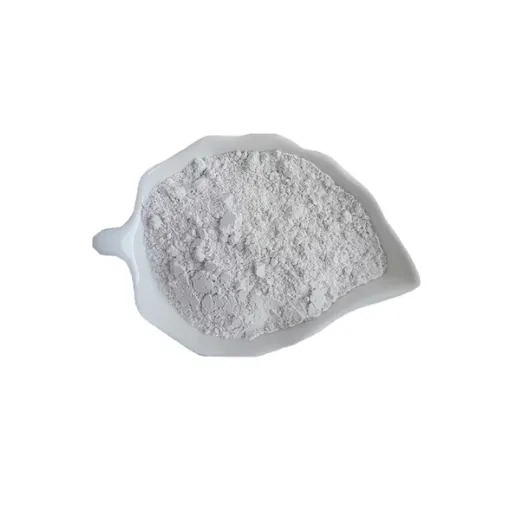
Even with perfect process control, bone china manufacturers face challenges that trace back to raw material variability. When Thomas Weber took over as production director at a German tableware company in 2022, he inherited a bone china line with a 12% reject rate. His predecessor had blamed the kilns, the glaze, and the operators in succession. Within three weeks, Weber traced the problem to a single source: inconsistent bone ash particle size distribution from a new supplier. The ash met basic chemical specifications on paper, but the grinding process had produced a bimodal particle distribution that reacted unpredictably during glost firing. After switching to a supplier with controlled 325-mesh grinding and documented batch consistency, his reject rate dropped to 3%.
Common bone china manufacturing challenges include:
Clouding or graying: Usually caused by iron contamination in bone ash or insufficient calcination temperature.
Translucency variation: Often linked to bone ash particle size changes or calcium content fluctuations between batches.
Glaze crazing: Typically a thermal expansion mismatch, but can be triggered by body composition shifts when bone ash quality varies.
Warping: Related to uneven drying or particle size distribution changes that alter shrinkage behavior.
The common thread in most defects is raw material consistency. Bone china bodies are less forgiving than standard porcelain because the high bone ash content amplifies any variation.
Sourcing Bone Ash for Consistent Bone China Production
For procurement managers and technical buyers, selecting a bone ash supplier is a quality decision first and a cost decision second. The wrong bone ash does not just raise material costs. It raises reject rates, disrupts firing schedules, and damages customer relationships.
When evaluating bone ash for bone china applications, prioritize these factors:
Chemical composition consistency: Look for suppliers who provide Certificates of Analysis (COA) with every batch, documenting Ca ≥35.0%, P ≥16.0%, Fe content, and pH.
Calcination temperature control: Bone ash calcined at 1,300°C achieves the purity and crystalline structure required for premium ceramics. Ask suppliers about their calcination process.
Particle size specification: 325 mesh is standard for most bone china. 400 mesh is available for ultra-fine applications. Confirm that the supplier can maintain consistent particle size distribution.
Production control: Manufacturers who own their calcination and grinding facilities offer better batch-to-batch consistency than trading companies sourcing from multiple workshops.
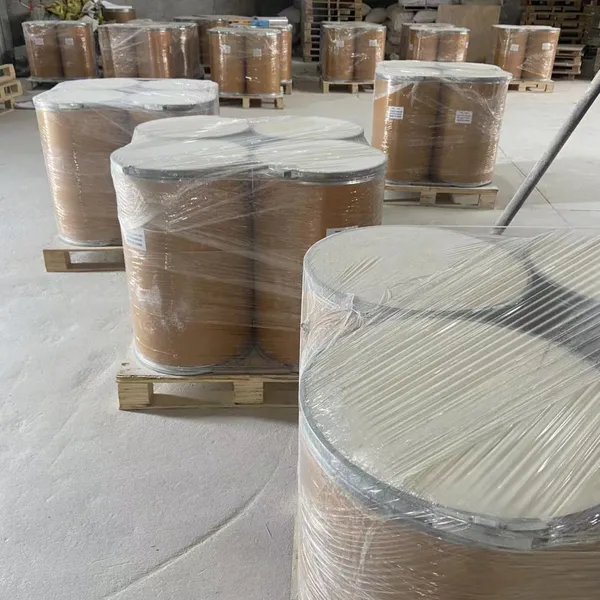
Export capability: If you are sourcing internationally, confirm that the supplier understands customs documentation, packaging requirements, and shipping logistics for animal-derived industrial materials.
Luohe Feilong Bone Carbon Co., Ltd. produces ceramic-grade bone ash from defatted bovine bone blocks calcined at 1,300°C. Our standard specifications include Ca ≥35.0%, P ≥16.0%, and controlled particle sizes at 325 mesh and 400 mesh. We supply bone ash to domestic and overseas ceramic manufacturers with full COA documentation and sample quantities available from 1 kg for qualification testing. See our ceramic manufacturing solutions for application-specific guidance.
Conclusion
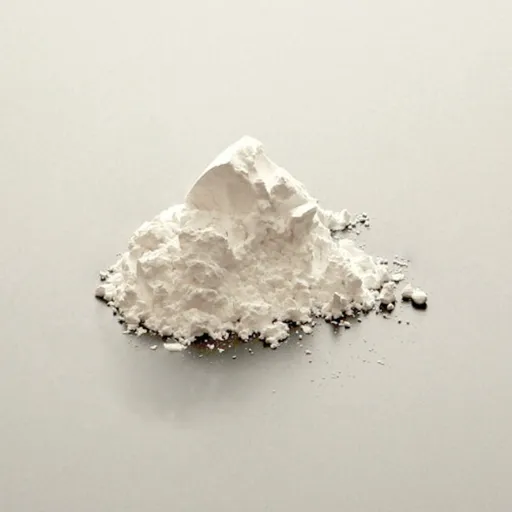
Bone china production is a six-stage process that demands precision at every step, from slip preparation through final decorative firing. The defining ingredient, bone ash, gives bone china its translucency, whiteness, and strength, but it also makes the process sensitive to raw material quality.
Understanding how bone china is made helps you make better sourcing decisions. You now know that:
Bone ash content of 40-50% is standard in bone china bodies, and the quality of that ash directly affects every fired property.
Biscuit firing and glost firing each serve distinct purposes, and the lower maturation temperature of bone china offers real operational advantages.
Particle size, chemical composition, and batch consistency are the three pillars of bone ash quality that determine production outcomes.
Raw material variability is the hidden cause behind many defects that manufacturers mistakenly blame on equipment or operators.
For ceramic manufacturers, the takeaway is straightforward. Your bone china is only as good as your bone ash. Partnering with a supplier who controls calcination temperature, documents every batch, and understands ceramic applications eliminates the uncertainty that causes rejects and production delays.
At Feilong, we have manufactured bone ash and related bone products for over 20 years. Our vertically integrated facility, 1,300°C calcination process, and strict quality control deliver the consistency that bone china manufacturers need. Learn about our production process and see how factory-direct sourcing supports your quality goals.
Recently Posted
-
What Is Bone Char? Production, Properties, and Industrial Uses
June 16, 2026Most procurement managers in water treatment and filtration know activated carbon inside and out. They know the mesh sizes, the io Read More
 -
Bone Char Water Filtration: A Complete Guide for Industrial Applications
June 16, 2026In 2019, a municipal water treatment facility in central India faced a crisis. Natural fluoride levels in their groundwater source Read More
 -
Bone Char Uses: Applications in Water Treatment, Filtration, and Industry
June 16, 2026A municipal water treatment plant in Brazil spent six months and $40,000 testing synthetic adsorption media to remove organic colo Read More
 -
How Is Bone Char Made? The Complete Production Process
June 16, 2026Chen Wei spent three days traveling to inspect a bone char supplier his trading partner had recommended. The website promised &quo
Read More

Contact Us
Recommended Products
-
 Manufacturer Sell Low Price Calcined Bone Ash or PowderUS$ 850MOQ: 5 Tons
 -
Manufacturer Sell Low Price Calcined Bone Ash or PowderUS$ 850MOQ: 5 Tons
-
Manufacturer Sell Low Price Calcined Bone Ash or PowderUS$ 850MOQ: 5 Tons
-
Sell Well Bone Ash for Mold Releasing UseUS$ 820MOQ: 5 Tons
-
Feilong Direct Sales Die-casting Water-soluble Mold Metal Release AgentUS$ 820MOQ: 5 Tons
-
Natural Animal Bone AshUS$ 820MOQ: 5 Tons
-
China Manufacturer Supply Eco-Friendly Bone Ash PowderUS$ 890MOQ: 1 Ton
-
Calcined Bone Ash for Bone China With GoodPriceUS$ 820MOQ: 5 Tons
-
Synthetic Bone Ash for Ceramic With Good PriceUS$ 850MOQ: 5 Tons
-
Calcium and Phosphorus Powder - 325 MeshPowderUS$ 850MOQ: 5 Tons
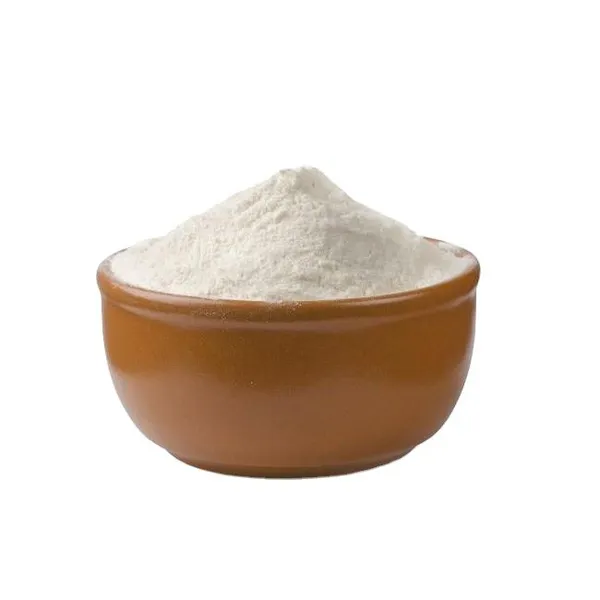
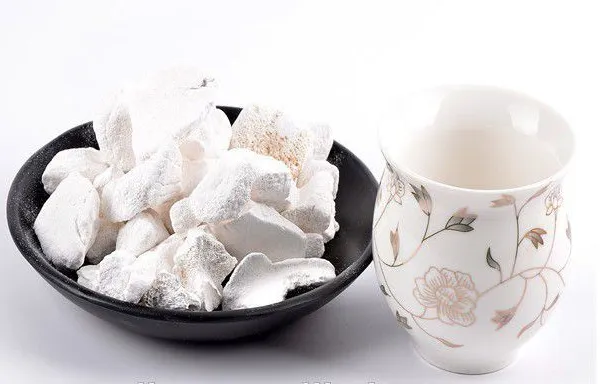
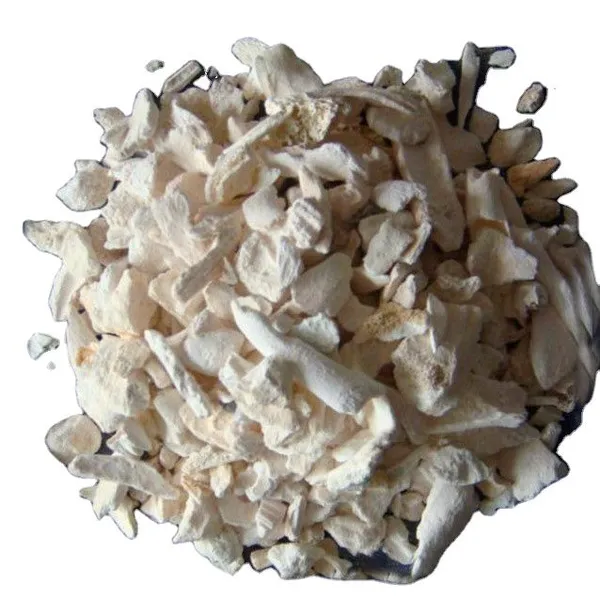
-
Calcium and Phosphorus Powder - 325 MeshPowderUS$ 850MOQ: 5 Tons
-
Calcium Stearate PVC PE Lubricant Mould-releasing Powder ManufacturerUS$ 850MOQ: 5 Tons
-
Reputed Supplier Selling Bone Ash Powder Which Meet With Environmental Standard As Animal FeedstuffUS$ 850MOQ: 5 Tons
-
Industrial Grade Bone Ash for Bone Ceramics and MetallurgyUS$ 900MOQ: 5 Tons
-
Animal Ashes Used for Bone ChinaUS$ 900MOQ: 5 Tons
-
Calcium and Phosphorus Powder - 325 MeshPowderUS$ 850MOQ: 5 Tons
-
High Quality Bone Ash for Mold Releasing Use/bone Ash PowderUS$ 820MOQ: 5 Tons
-
Manufacturer Sell Low Price Calcined Bone Ash or PowderUS$ 850MOQ: 5 Tons
-
Calcined Bone Ash for Bone China With GoodPriceUS$ 820MOQ: 5 Tons
-
High Quality Bone Ash for Mold Releasing Use/bone Ash PowderUS$ 820MOQ: 5 Tons