
 Business License

Bone Char Uses: Applications in Water Treatment, Filtration, and Industry
A municipal water treatment plant in Brazil spent six months and $40,000 testing synthetic adsorption media to remove organic color from its source water. Nothing worked consistently. Then a process engineer suggested bone char.
The trial batch dropped color levels by 78% in 48 hours. Operating costs fell by one-third. The plant has used bone char as its primary decolorization media ever since.
This is not an isolated case. Bone char uses span water treatment, sugar refining, filtration, and specialized industrial decolorization. For procurement managers and process engineers evaluating natural adsorption media, understanding where bone char fits and where it outperforms alternatives is essential.
In this guide, we explain the key bone char uses across industries, how bone char works in each application, and what to look for when sourcing it for commercial operations. Whether you manage a water treatment facility, run a sugar refinery, or source filtration media, this article gives you the technical foundation to evaluate bone char for your process.
What Is Bone Char?
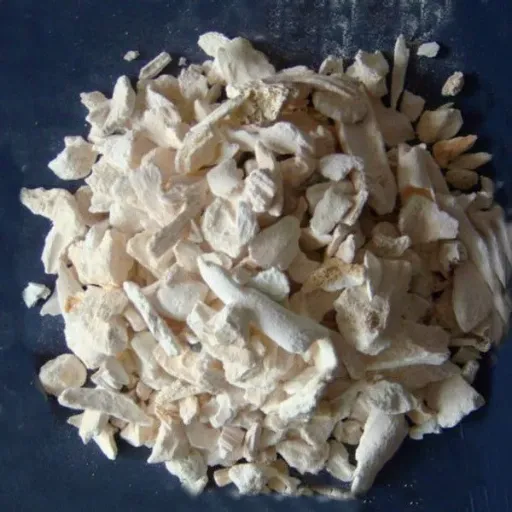
Bone char is a natural adsorption media produced by carbonizing defatted animal bones in a controlled, low-oxygen environment. Unlike bone ash, which is fully calcined to a white mineral powder, bone char retains a porous carbon structure that provides significant surface area for adsorption.
Key physical properties of bone char:
Appearance: Black to dark gray granules or powder
Porosity: Highly porous structure with extensive surface area
Composition: Carbon matrix with calcium phosphate and calcium carbonate
pH: Generally alkaline
Bone char is also known as bone carbon or bone charcoal. At Feilong, we produce bone carbon from defatted bovine bone under controlled carbonization conditions. The terms are often used interchangeably in industrial procurement, though "bone carbon" is our preferred product name. Understanding these properties helps buyers determine which bone char uses fit their process requirements.
Evaluating bone char for your filtration system? Learn more about Feilong bone carbon specifications or contact our team to discuss your application requirements.
Bone Char Uses in Water Treatment and Decolorization
The most common bone char uses are in water treatment. Its combination of carbon adsorption and mineral ion exchange makes it effective for specific contamination challenges that synthetic media struggle to address.
Municipal and Industrial Decolorization
Bone char removes color from water in municipal treatment plants and industrial process water systems. It is particularly effective for natural organic matter that causes yellow or brown coloration.
The carbon matrix adsorbs organic compounds and colorants. The calcium phosphate content can interact with certain dissolved substances through ion exchange. Bone char water treatment systems rely on this dual mechanism.
When Maria Santos took over as operations manager at a mid-sized water treatment facility in Sao Paulo, she inherited a color problem. The reservoir fed by agricultural runoff consistently produced water with a yellow tint. Conventional coagulation reduced turbidity but left the color.
Activated carbon helped marginally. Then she tested bone char at a supplier's recommendation. The results were immediate. Bone char reduced true color units from 45 to 8 in a single pass.
More importantly, the bone char maintained consistent performance across seasonal variations in raw water quality. Her facility now runs two bone char contact columns in parallel. Annual media costs dropped 22% compared to the activated carbon alternative she had been using.
Fluoride Removal
In areas with high natural fluoride levels, bone char's calcium phosphate content can help reduce fluoride concentrations. This application requires careful engineering and monitoring. The calcium in bone char exchanges with fluoride ions. This reduces fluoride to acceptable levels in drinking water.
Bone char for fluoride removal is not a universal solution. It works best in specific pH ranges and requires regular media replacement. However, in regions where reverse osmosis is too costly and activated alumina is unavailable, bone char provides a viable natural alternative. The World Health Organization publishes guidelines on acceptable fluoride levels in drinking water.
Heavy Metal Reduction
Bone char can adsorb certain heavy metals from water. The carbon surface traps organic-metal complexes. The calcium phosphate matrix can immobilize some metal ions.
This makes bone char useful in niche mining and industrial wastewater applications. It works best where combined organic and metal contamination exists.
Bone Char Uses in Sugar Refining and Food Processing
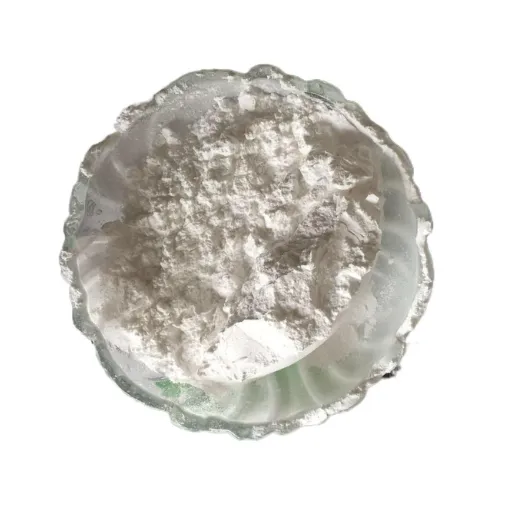
The sugar industry has relied on bone char decolorization for over a century. While activated carbon has replaced it in some regions, bone char remains in use where its specific adsorption properties are preferred.
Sugar Syrup Decolorization
Raw sugar syrup contains colorants from plant material and processing. Bone char removes these colorants through adsorption. The alkaline pH of bone char also helps neutralize acidic compounds in the syrup.
This dual action makes bone char sugar refining efficient and cost-effective. Manufacturers value the combined decolorization and pH adjustment in a single media.
Bone char performs particularly well on polyphenolic colorants. These are common in cane sugar processing. The pore structure of bone char matches the molecular size of these compounds. This creates high removal efficiency.
When Raj Patel evaluated decolorization media for his family's sugar refinery in Gujarat, he faced a choice. Activated carbon offered higher surface area. Bone char offered better selectivity for the specific colorants in his cane syrup. He ran parallel trials for three months.
The bone char trial produced syrup with lower color values at equivalent dosages. More importantly, the bone char required less frequent regeneration. The refinery switched 60% of its decolorization capacity to bone char. They kept activated carbon for final polishing.
The hybrid approach reduced total media costs by 18%.
Other Food Processing Applications
Bone char sees limited use in other food processing applications. These include gelatin purification and certain beverage filtration processes. In each case, the key advantage is the natural origin of the media. Some food producers prefer bone-derived filtration over synthetic alternatives for label and consumer perception reasons.
Bone Char Uses in Filtration and Adsorption
Beyond water and sugar, bone char uses extend to specialized filtration applications. Its unique combination of adsorption and mineral content provides advantages over pure carbon media in select cases.
Niche Filtration Applications
Bone char filtration extends to several niche applications beyond water and sugar processing. These include:
Air filtration for odor control in agricultural operations
Process gas purification in chemical manufacturing
Soil amendment for contaminant immobilization in remediation projects
Laboratory filtration where alkaline conditions are required
In each case, the buyer selects bone char not for maximum surface area, but for the specific chemical interactions it provides. The calcium phosphate content is often the deciding factor.
Glycerin and Chemical Purification
Bone char can purify glycerin and certain organic chemicals. It removes colored impurities and odors. The alkaline nature of bone char helps neutralize acidic contaminants.
This application is smaller than water treatment or sugar refining. However, it represents a steady demand segment for high-quality bone char. Buyers in this segment typically require fine particle sizes and consistent ash content.
Bone Char Uses: Regeneration and Operational Considerations
One factor that affects total cost of bone char uses in continuous systems is whether the media can be regenerated. Unlike some activated carbons that tolerate thermal regeneration well, bone char generally performs best as a single-use media. The calcium phosphate structure can break down under high-temperature regeneration. This reduces its ion exchange capacity.
However, spent bone char still has value. Some agricultural operations use spent bone char as a soil amendment. The remaining calcium and phosphorus content benefits plant growth. This end-of-life use can offset disposal costs.
From an operational standpoint, bone char requires similar handling to other granular media. Store it in a dry environment to prevent moisture uptake. Handle it with standard dust control measures. Load contact columns using the same procedures as activated carbon systems.
When Thomas Weber's filtration company in Germany tested bone char for a client, he noticed one unexpected benefit. The bone char generated less fine dust during column loading than the coconut shell activated carbon they had been using. This reduced operator exposure and cleanup time. His team now specifies bone char for applications where dust control is a priority.
Bone Char Uses vs. Activated Carbon: How They Compare
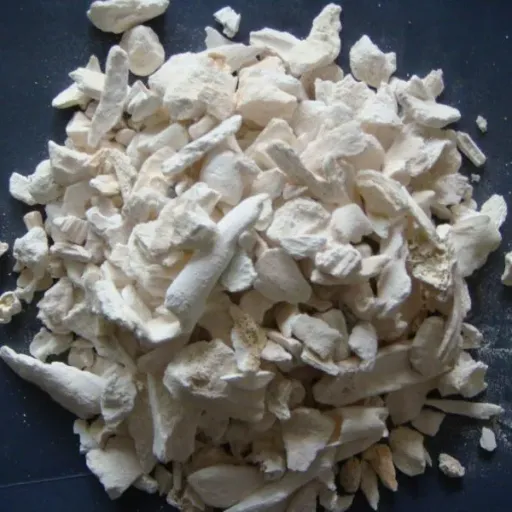
Water treatment professionals and process engineers often compare bone char to activated carbon. Understanding the differences helps buyers select the right media for their application.
| Property | Bone Char | Activated Carbon |
|---|---|---|
| Source | Animal bone | Wood, coal, coconut shell |
| Surface area | Moderate | Very high |
| Metal removal | Good for fluoride, some metals | General metal adsorption |
| pH | Alkaline | Neutral to slightly alkaline |
| Cost | Competitive | Varies by source |
| Decolorization selectivity | High for polyphenolics | Broad but less selective |
| Sustainability | Uses animal by-product | Depends on source material |
Evaluating bone char uses alongside activated carbon helps buyers match media to their specific treatment goals. Bone char is not a universal replacement for activated carbon. Activated carbon offers higher surface area and broader contaminant removal. However, bone char offers specific advantages in decolorization and certain ion exchange applications.
The practical question is not which media is "better." It is which media solves your specific contamination problem at the lowest total cost.
For organic color removal in alkaline conditions, bone char often wins. For broad-spectrum contaminant removal, activated carbon usually wins. Some facilities use both in sequence.
Selecting and Sourcing Bone Char for Industrial Use
Not all bone char performs the same. Quality depends on raw material, carbonization conditions, and particle size. Buyers should evaluate suppliers carefully before committing to any bone char uses in their process.
Production Control
Because bone char quality depends on controlled carbonization, suppliers who own their production facilities offer greater consistency than traders. Ask about:
Carbonization temperature and atmosphere control
Raw material sourcing (defatted bovine bone vs. mixed sources)
Batch testing protocols
Quality documentation provided with shipments
Physical Specifications to Request
Particle size: Match to your filtration system (granular vs. powder)
Surface area: Request BET surface area measurements
Moisture content: Affects storage, handling, and dosing calculations
Ash content: Indicates degree of carbonization and mineral content
pH: Verify alkaline nature for your application
Documentation and Compliance
Request a Certificate of Analysis for each batch. Verify the material meets regulatory requirements for your jurisdiction. In water treatment and food processing, compliance documentation is essential. The American Water Works Association maintains standards for filtration media used in municipal systems. Ask about:
Certificate of Analysis (COA) for each batch
Material Safety Data Sheet (MSDS)
Regulatory compliance for your industry
Packaging and handling recommendations
Supply Reliability
Industrial operations need consistent media supply. Evaluate suppliers on:
Production capacity and monthly output
Export experience and logistics capabilities
Lead times and inventory availability
Minimum order quantities
At Luohe Feilong Bone Carbon Co., Ltd., we produce bone carbon (bone char) from defatted bovine bone under controlled carbonization conditions. Our production facility allows us to monitor quality from raw material through finished product.
We supply water treatment, filtration, sugar refining, and industrial decolorization applications. Sample quantities and bulk orders are available with full documentation.
Need bone char for your water treatment or filtration process? Request a sample batch with full analysis or speak with our technical team about your specifications.
Conclusion
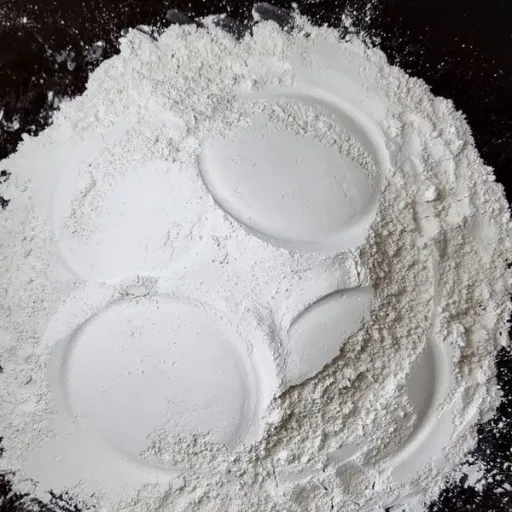
Bone char uses are well-established across water treatment, sugar refining, and specialized filtration. Its unique combination of carbon adsorption and calcium phosphate ion exchange gives it a defined place in the industrial media toolkit.
For water treatment, bone char excels at removing organic color and certain dissolved metals. For sugar refining, it offers selective decolorization of polyphenolic compounds. For niche filtration, its alkaline, mineral-rich structure provides advantages that pure carbon cannot match.
The key to successful bone char sourcing is matching the media properties to your application requirements. Then partner with a manufacturer who controls production, provides consistent quality documentation, and can reliably supply your operation.
At Feilong, we have manufactured bone carbon for over 20 years. Our controlled carbonization process and defatted bovine bone raw material produce consistent quality. Comprehensive batch testing ensures every shipment meets specification.
We supply domestic and international markets with full COA documentation and export logistics support.
Ready to evaluate bone char for your application? Request a free sample with full COA or contact our technical team to discuss your process requirements.
Recently Posted
-
Luohe Feilong Bone Carbon: Industrial Bone Ash Manufacturer Since 2011
August 17, 2026When a copper foundry in Turkey needs bone ash that releases cleanly from a sand mold at 1,100 degrees Celsius, or a bone china fa Read More
 -
Bone Ash in Copper Casting Mold Release: Application and Practical Guidance
August 14, 2026A copper sand casting foundry in India was producing electrical switch components that required a clean, smooth surface finish for Read More
 -
How to Source Bone Ash for Foundry Applications: A Buyer's Checklist
August 13, 2026A purchasing manager at a brass foundry in Egypt ordered 20 metric tons of bone ash from a new supplier at a price roughly 25% bel Read More
 -
Bone Ash vs Graphite Powder for Non-Ferrous Metal Mold Release
August 12, 2026A brass foundry in Southeast Asia switched from bone ash to a lower-cost graphite powder for its sand casting release agent, expec Read More

Contact Us
Recommended Products
-
 Manufacturer Sell Low Price Calcined Bone Ash or PowderUS$ 850MOQ: 5 Tons
 -
Manufacturer Sell Low Price Calcined Bone Ash or PowderUS$ 850MOQ: 5 Tons
-
Manufacturer Sell Low Price Calcined Bone Ash or PowderUS$ 850MOQ: 5 Tons
-
Sell Well Bone Ash for Mold Releasing UseUS$ 880 - 920MOQ: 5 Tons
-
Feilong Direct Sales Die-casting Water-soluble Mold Metal Release AgentUS$ 920MOQ: 5 Tons
-
Natural Animal Bone AshUS$ 880 - 920MOQ: 5 Tons
-
China Manufacturer Supply Eco-Friendly Bone Ash PowderUS$ 890MOQ: 1 Ton
-
Calcined Bone Ash for Bone China With GoodPriceUS$ 880 - 920MOQ: 5 Tons
-
Synthetic Bone Ash for Ceramic With Good PriceUS$ 850MOQ: 5 Tons
-
Calcium and Phosphorus Powder - 325 MeshPowderUS$ 850MOQ: 5 Tons
-
Calcium and Phosphorus Powder - 325 MeshPowderUS$ 850MOQ: 5 Tons
-
Calcium Stearate PVC PE Lubricant Mould-releasing Powder ManufacturerUS$ 850MOQ: 5 Tons
-
Reputed Supplier Selling Bone Ash Powder Which Meet With Environmental Standard As Animal FeedstuffUS$ 850MOQ: 5 Tons
-
Industrial Grade Bone Ash for Bone Ceramics and MetallurgyUS$ 900MOQ: 10 Tons
-
Animal Ashes Used for Bone ChinaUS$ 900MOQ: 5 Tons
-
Calcium and Phosphorus Powder - 325 MeshPowderUS$ 850MOQ: 5 Tons
-
High Quality Bone Ash for Mold Releasing Use/bone Ash PowderUS$ 850 - 880MOQ: 5 Tons
-
Manufacturer Sell Low Price Calcined Bone Ash or PowderUS$ 850MOQ: 5 Tons
-
Calcined Bone Ash for Bone China With GoodPriceUS$ 880MOQ: 5 Tons
-
High Quality Bone Ash for Mold Releasing Use/bone Ash PowderUS$ 880 - 920MOQ: 5 Tons