
 Business License

How Is Bone Char Made? The Complete Production Process
Chen Wei spent three days traveling to inspect a bone char supplier his trading partner had recommended. The website promised "factory-direct production" and "controlled carbonization." When he arrived at the facility in central China, he found a small warehouse. Workers were repackaging bulk material from unmarked sacks.
There was no carbonization furnace. No temperature monitoring equipment. No quality control lab. Chen Wei returned to Shenzhen and restarted his supplier search, this time asking a different question: not "What does it cost?" but "How is bone char made in your facility?"
This story is more common than buyers expect. Bone char quality depends entirely on how it is produced. Raw material selection, carbonization temperature, atmosphere control, and post-processing all determine whether the finished media performs consistently in water treatment, sugar refining, or filtration applications.
In this guide, we explain how bone char is made step by step. Whether you are evaluating suppliers, auditing a potential manufacturing partner, or simply need to understand the production process behind your filtration media, this article gives you the technical foundation to ask the right questions and recognize quality at each stage.
Evaluating bone char suppliers for your process? Learn more about Feilong bone carbon specifications or speak with our technical team to discuss your application requirements.
What Is Bone Char and Why Production Method Matters
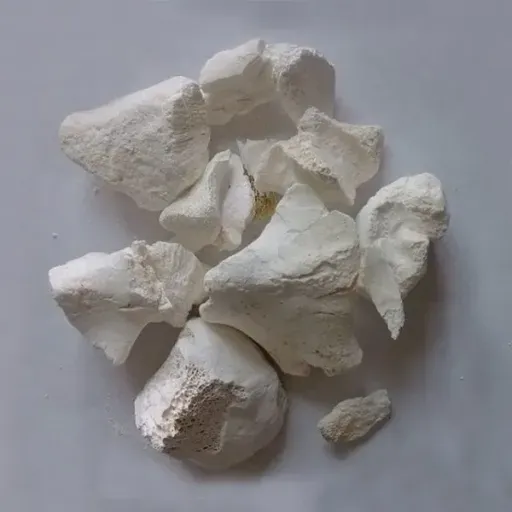
Bone char, also known as bone carbon or bone charcoal, is a porous adsorption media produced by carbonizing defatted animal bones in a controlled, low-oxygen environment. Unlike bone ash, which is fully calcined to a white mineral powder, bone char retains a carbon matrix that provides adsorption capacity alongside its mineral content.
The production method determines everything that matters to an industrial buyer:
Adsorption capacity: Controlled carbonization preserves porous carbon structures
Mineral content: Calcium phosphate and calcium carbonate levels depend on processing conditions
Batch consistency: Temperature and atmosphere control prevent variation between production runs
Physical properties: Particle size, hardness, and dust generation relate to post-carbonization handling
A bone char manufacturer who controls these variables can deliver predictable performance. One who does not cannot. Understanding how bone char is made gives buyers the ability to distinguish between the two and source reliable bone carbon for water treatment and filtration applications.
Raw Material: The Starting Point Is Defatted Bovine Bone
Quality bone char begins with quality raw material. Understanding how bone char is made starts here. Reputable manufacturers start with defatted bovine bone blocks, not mixed animal sources or unprocessed bone scraps.
Why Defatting Matters
Residual fats interfere with carbonization. During heating, fats decompose at lower temperatures than the bone matrix. This creates uneven carbonization, unwanted byproducts, and inconsistent porosity in the final product. Defatted bone ensures cleaner, more uniform carbonization.
Why Bovine Bone Specifically
Bovine bone provides the calcium phosphate structure that gives bone char its characteristic mineral content and ion exchange properties. The bone density and composition of cattle bone produce consistent results at industrial scale. Mixed animal sources introduce variability in mineral content and physical structure.
Raw Material Sourcing Standards
Buyers should ask suppliers about:
Origin and traceability of bone material
Defatting method (mechanical, thermal, or chemical)
Fat content remaining after defatting
Screening for contaminants or foreign material
Batch segregation and identification protocols
At Feilong, we source defatted bovine bone blocks from regulated suppliers. Incoming material inspection checks fat content, foreign matter, and bone density before any material enters the carbonization process.
Step-by-Step: How Bone Char Is Made
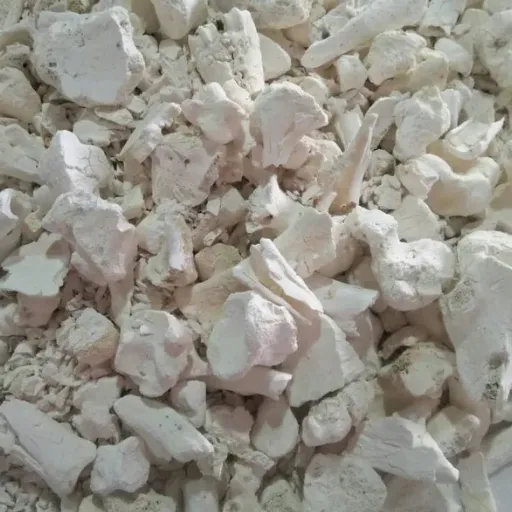
The bone char manufacturing process involves five controlled stages. Each stage of bone carbon production offers opportunities for quality control — and risks for inconsistency if poorly managed.
Step 1 — Raw Material Inspection and Preparation
Before carbonization begins, the defatted bovine bone blocks undergo inspection and preparation. Technicians check bone density, moisture content, and visual quality. Any material that does not meet incoming specifications is rejected.
Preparation may include sizing the bone blocks to uniform dimensions. Consistent feedstock size helps ensure even heat distribution during carbonization. Oversized blocks may carbonize incompletely at the center. Undersized pieces may over-carbonize and lose structural integrity.
Some manufacturers skip detailed incoming inspection to save time. This is a red flag. Without consistent raw material, the rest of the process cannot produce reliable output.
Step 2 — Loading and Controlled Heating
The prepared bone blocks are loaded into carbonization furnaces or retorts. Loading patterns affect heat circulation. Experienced operators arrange material to allow uniform gas flow and prevent hot spots or cold zones.
Heating begins in a controlled, low-oxygen atmosphere. The specific atmosphere matters.
Some manufacturers use inert gas flushing. Others rely on sealed retorts that limit oxygen ingress naturally. The goal is the same: prevent combustion while enabling thermal decomposition of organic material.
Initial heating drives off residual moisture and any remaining volatile compounds. This pre-heating phase typically occurs at moderate temperatures before the main carbonization stage begins.
Step 3 — Carbonization at High Temperature
This is the critical stage in the bone char carbonization process. The bone material is heated to temperatures typically between 700°C and 900°C in the controlled, low-oxygen environment. At these temperatures, organic compounds in the bone decompose. The carbon structure partially remains, creating the porous adsorption matrix.
Temperature control during carbonization determines the final product properties:
Lower temperatures (700-750°C): Produce higher carbon content and greater adsorption capacity but softer physical structure
Moderate temperatures (750-850°C): Balance carbon retention with structural integrity
Higher temperatures (850-900°C+): Increase hardness and mineral content but reduce adsorption surface area as carbon structures degrade
Klaus Mueller, a filtration engineer at a water treatment equipment company in Hamburg, learned this lesson through direct testing. In 2023, he evaluated bone char samples from two Chinese suppliers. Both advertised identical specifications. Both claimed "controlled carbonization."
Mueller ran BET surface area tests on both samples. The difference was striking. One sample showed 110 m²/g surface area. The other showed only 65 m²/g.
When he asked about carbonization temperature, the higher-performing supplier confirmed 750°C processing. The lower-performing supplier admitted to variable temperatures between 800°C and 950°C depending on furnace load.
His client switched to the temperature-controlled supplier. Color removal efficiency in their water treatment with bone carbon decolorization columns improved by 34%.
Step 4 — Cooling and Stabilization
After carbonization, the material must cool in a controlled environment. Rapid cooling can cause thermal shock, cracking the carbonized structure and creating excess fines. Gradual cooling preserves structural integrity.
Some manufacturers cool the bone char in the same controlled atmosphere used during carbonization. Others transfer it to cooling chambers. The key consideration is preventing re-oxidation. If hot bone char contacts air, surface oxidation can reduce adsorption capacity and alter pH characteristics.
Stabilization time varies by batch size and furnace design. Rushing this stage to increase throughput is another common shortcut that degrades quality.
Step 5 — Sizing and Grading
Once cooled, the bone char undergoes sizing and grading. Manufacturers crush and screen the material to produce granular or powder products matching customer specifications.
Common particle size grades include:
Granular: 0.5-2 mm for fixed-bed column applications
Fine granular: 0.2-0.5 mm for specialized filtration systems
Powder: Fine grind for batch adsorption processes
Sizing equipment must be clean and properly calibrated. Cross-contamination between batches or products creates quality problems for buyers who depend on consistent particle size distribution for flow dynamics and pressure drop calculations.
Graded material is then packaged in moisture-resistant containers. Bone char is hygroscopic. Exposure to moisture during storage reduces adsorption capacity and can cause clumping in granular grades.
Quality Control: What Separates Consistent Bone Char from Variable Supply
Production control means nothing without verification. How bone char is made matters at every checkpoint. Quality control should exist at each stage of bone char manufacturing.
Incoming Material Testing
Visual inspection for foreign matter and contamination
Moisture content measurement
Fat content verification
Bone density sampling
In-Process Monitoring
Furnace temperature logging (continuous or frequent interval)
Atmosphere composition checks
Visual inspection during unloading
Cooling rate monitoring
Finished Product Testing
Particle size distribution analysis
Surface area measurement (BET method)
Moisture content
Ash content (indicates degree of carbonization)
pH measurement
Adsorption capacity testing on representative contaminants
A Certificate of Analysis (COA) should document these results for each batch. Buyers should request COAs before placing orders and verify that test values match their application requirements.
Need bone char with full COA documentation? Request a sample batch with analysis from our production facility.
Bone Char vs Bone Ash: Understanding the Production Difference
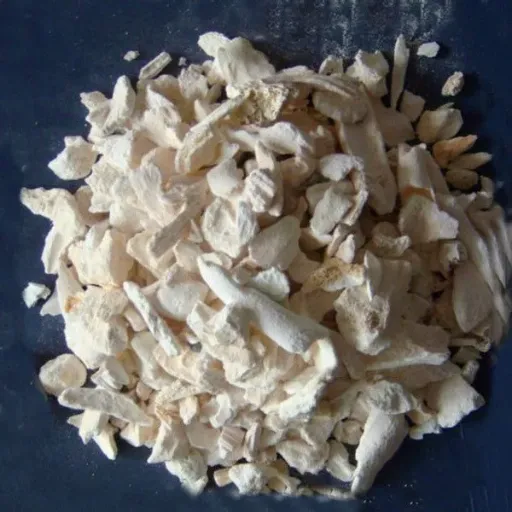
Buyers researching bone char vs bone ash often overlook a key point. The difference is entirely in the production process.
| Property | Bone Char | Bone Ash |
|---|---|---|
| Temperature | 700-900°C | 1200-1300°C |
| Atmosphere | Low-oxygen, controlled | Oxidizing, open or vented |
| Carbon content | Retained (black/gray color) | Eliminated (white color) |
| Primary use | Adsorption, filtration, decolorization | Ceramics, mold releasing |
| Structure | Porous carbon matrix with minerals | Crystalline mineral powder |
| pH | Alkaline | Strongly alkaline |
Bone char production stops before complete calcination. The goal is to carbonize, not to incinerate. This preserves the adsorptive carbon structure that makes bone char useful for water treatment and filtration.
Bone ash production continues to full calcination at approximately 1300°C. At this temperature, all organic material including carbon is oxidized. What remains is a white mineral powder rich in calcium and phosphorus, ideal for ceramic body formulation and metallurgical mold release.
Both products start with defatted bovine bone. The divergence in production process creates two entirely different materials for entirely different applications.
How Is Bone Char Made? Questions Buyers Should Ask
When evaluating bone char suppliers, the right questions reveal whether a manufacturer truly controls production or simply trades material sourced from third parties.
Questions About Production Control
Do you own your carbonization furnaces, or do you outsource production?
What temperature range do you use for carbonization?
How do you control the furnace atmosphere during processing?
What is your batch size, and how do you prevent cross-contamination?
Can you provide furnace temperature logs for a specific batch?
Questions About Raw Material
What is your raw material source (species, defatting method, origin)?
Do you inspect incoming material before carbonization?
How do you ensure consistent fat content and bone density?
Questions About Quality Documentation
What tests do you perform on finished bone char?
Can you provide a COA with each shipment?
Do you measure BET surface area, or only basic physical properties?
How do you handle out-of-specification batches?
Anita Patel manages procurement for a sugar refinery in Maharashtra that uses 40 metric tons of bone char annually. In 2022, her previous supplier began delivering batches with inconsistent color removal performance. The COA numbers looked identical, but the process results did not.
She visited the supplier and discovered they had recently switched from owned production to subcontracting from multiple small workshops. Each workshop used different temperatures and raw material sources. The COA was an average, not a true batch analysis.
Patel switched to a manufacturer with owned furnaces and documented temperature control. Her decolorization process stabilized within two production cycles. She now requires furnace temperature logs with every COA.
Selecting a Bone Char Manufacturer You Can Rely On
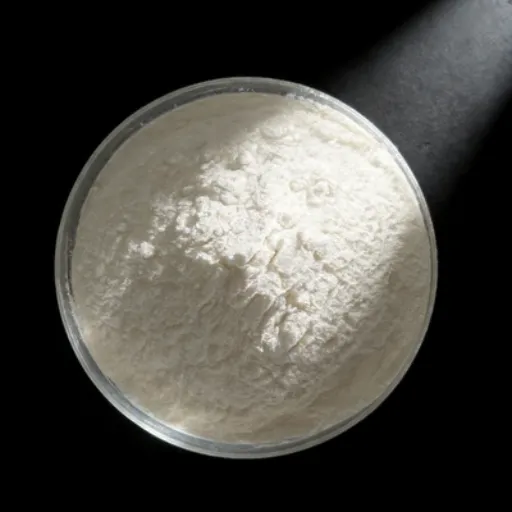
Understanding how bone char is made gives buyers the knowledge to evaluate suppliers effectively. The manufacturers who deliver consistent quality share common characteristics:
Owned production facilities: They control the carbonization process directly
Documented process parameters: Temperature, atmosphere, and timing are recorded and repeatable
Incoming material control: Raw material quality is verified before processing
Comprehensive testing: Surface area, adsorption capacity, and physical properties are measured batch by batch
Transparent documentation: COAs reflect actual test results, not generic templates
Price matters in procurement. But when bone char performance directly affects water treatment efficiency, sugar syrup quality, or filtration system uptime, production consistency matters more.
At Luohe Feilong Bone Carbon Co., Ltd., we produce bone carbon (bone char) from defatted bovine bone under controlled carbonization conditions. Our production facility allows us to monitor quality from raw material through finished product.
We supply water treatment, filtration, sugar refining, and industrial decolorization applications. Sample quantities and bulk orders are available with full COA documentation.
Ready to evaluate bone char from a manufacturer who controls every step? Request a free sample with full COA or contact our technical team to discuss your specifications and arrange a facility review.
Conclusion
How bone char is made determines how it performs. The journey from defatted bovine bone to finished filtration media involves raw material selection, controlled carbonization at 700-900°C, careful cooling, sizing, and comprehensive quality testing. Each stage offers opportunities for quality control — and risks for inconsistency.
For buyers, the key takeaway is simple: ask how it is made. A supplier who owns production, controls temperature, documents batches, and provides verified COAs delivers value that trading companies cannot match.
At Feilong, we have manufactured bone carbon for over 20 years. Our controlled carbonization process and defatted bovine bone raw material produce consistent quality. Comprehensive batch testing ensures every shipment meets specification.
We supply domestic and international markets with full COA documentation and export logistics support.
Need bone char you can trust in your process? Request a free sample with full COA or contact our technical team to discuss your process requirements.
Recently Posted
-
How Bone Ash Works as a Mold Release Agent in Metal Casting
September 2, 2026A small brass foundry in South Asia ran the same mold for fourteen years without changing its parting material, then switched to a Read More
 -
Luohe Feilong Bone Carbon: Industrial Bone Ash Manufacturer Since 2011
August 17, 2026When a copper foundry in Turkey needs bone ash that releases cleanly from a sand mold at 1,100 degrees Celsius, or a bone china fa Read More
 -
Bone Ash in Copper Casting Mold Release: Application and Practical Guidance
August 14, 2026A copper sand casting foundry in India was producing electrical switch components that required a clean, smooth surface finish for Read More
 -
How to Source Bone Ash for Foundry Applications: A Buyer's Checklist
August 13, 2026A purchasing manager at a brass foundry in Egypt ordered 20 metric tons of bone ash from a new supplier at a price roughly 25% bel Read More

Contact Us
Recommended Products
-
 Manufacturer Sell Low Price Calcined Bone Ash or PowderUS$ 850MOQ: 5 Tons
 -
Manufacturer Sell Low Price Calcined Bone Ash or PowderUS$ 850MOQ: 5 Tons
-
Manufacturer Sell Low Price Calcined Bone Ash or PowderUS$ 850MOQ: 5 Tons
-
Sell Well Bone Ash for Mold Releasing UseUS$ 880 - 920MOQ: 5 Tons
-
Feilong Direct Sales Die-casting Water-soluble Mold Metal Release AgentUS$ 920MOQ: 5 Tons
-
Natural Animal Bone AshUS$ 880 - 920MOQ: 5 Tons
-
China Manufacturer Supply Eco-Friendly Bone Ash PowderUS$ 890MOQ: 1 Ton
-
Calcined Bone Ash for Bone China With GoodPriceUS$ 880 - 920MOQ: 5 Tons
-
Synthetic Bone Ash for Ceramic With Good PriceUS$ 850MOQ: 5 Tons
-
Calcium and Phosphorus Powder - 325 MeshPowderUS$ 850MOQ: 5 Tons
-
Calcium and Phosphorus Powder - 325 MeshPowderUS$ 850MOQ: 5 Tons
-
Calcium Stearate PVC PE Lubricant Mould-releasing Powder ManufacturerUS$ 850MOQ: 5 Tons
-
Reputed Supplier Selling Bone Ash Powder Which Meet With Environmental Standard As Animal FeedstuffUS$ 850MOQ: 5 Tons
-
Industrial Grade Bone Ash for Bone Ceramics and MetallurgyUS$ 900MOQ: 10 Tons
-
Animal Ashes Used for Bone ChinaUS$ 900MOQ: 5 Tons
-
Calcium and Phosphorus Powder - 325 MeshPowderUS$ 850MOQ: 5 Tons
-
High Quality Bone Ash for Mold Releasing Use/bone Ash PowderUS$ 850 - 880MOQ: 5 Tons
-
Manufacturer Sell Low Price Calcined Bone Ash or PowderUS$ 850MOQ: 5 Tons
-
Calcined Bone Ash for Bone China With GoodPriceUS$ 880MOQ: 5 Tons
-
High Quality Bone Ash for Mold Releasing Use/bone Ash PowderUS$ 880 - 920MOQ: 5 Tons