
 Business License

Bone Char Filter Media: Applications and Sourcing Guide
Last spring, a municipal water treatment plant in Southeast Asia faced an unexpected challenge. Their synthetic activated carbon supply chain stalled for six weeks. The brown tint in their process water was climbing past acceptable limits.
The operations manager, Darius Koh, tested a shipment of bone char filter media on a pilot line. The results surprised his team.
Color removal exceeded their baseline target. The media's natural alkalinity also helped stabilize pH downstream. Six months later, bone char had become a permanent part of their filtration protocol.
Koh's experience is not unique. Water treatment engineers and procurement managers are rediscovering bone char filter media as a reliable, natural option for decolorization, contaminant reduction, and specialty filtration. This guide explains what this natural filtration media is, how it performs in real systems, and what to verify before placing a bulk order.
What Is Bone Char Filter Media?
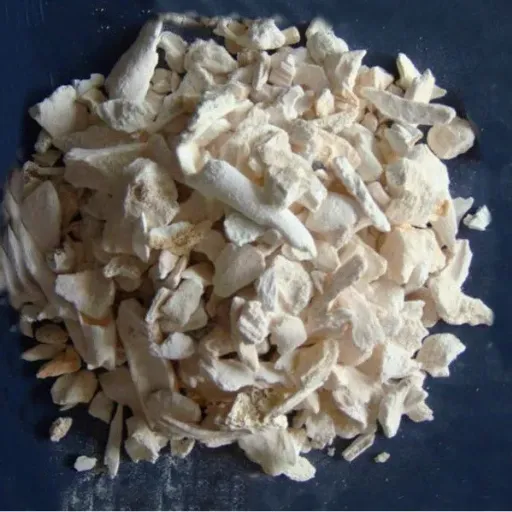
Bone char filter media is a carbonized, porous material. Producers make it by heating defatted bovine bone in a controlled, low-oxygen environment. Unlike bone ash, which is fully calcined to a white mineral powder, bone char retains a carbon-rich structure. This gives it significant surface area and adsorption capacity, as detailed in resources on bone char chemistry
The material typically appears as black to dark gray granules or powder. Color depends on carbonization temperature and duration. Key characteristics include:
High porosity: Extensive internal surface area for adsorption
Alkaline pH: Generally ranges from 8.5 to 10.5
Mineral content: Contains calcium phosphate and calcium carbonate
Particle sizes: Available in granular form for packed beds or fine powder for suspended applications
Bone char filter media should not be confused with activated carbon. While both materials adsorb contaminants, bone char combines carbon adsorption with ion exchange properties derived from its calcium phosphate content. This dual mechanism makes bone carbon filter media effective for specific applications where pure carbon media fall short.
How Bone Char Filter Media Works
Bone char removes contaminants through two complementary mechanisms. Understanding both helps engineers select the right media and optimize operating conditions.
Adsorption
The porous carbon matrix in bone char traps organic molecules, colorants, and certain dissolved compounds on its internal surfaces. This makes the media particularly effective for:
Removing natural organic matter that causes yellow or brown discoloration
Reducing certain organic contaminants in process water
Decolorizing sugar syrups and industrial liquids
Adsorption capacity depends on several factors. Surface area, pore size, and contaminant chemistry all play a role.
Bone char offers moderate surface area compared to activated carbon. Its pore structure favors specific molecular sizes. These align well with common color bodies.
Ion Exchange
The calcium phosphate and calcium carbonate in bone char can interact with certain dissolved ions through surface exchange reactions. This property gives the material a unique advantage in:
Fluoride reduction in regions with high natural fluoride levels
Limited heavy metal interaction under specific pH conditions
pH buffering in acidic water streams
Ion exchange capacity is finite. It depends on the mineral content of each bone char batch. Unlike synthetic resins, bone char does not regenerate with salt washing. Replacement or thermal reactivation is required once capacity is exhausted.
Key Applications of Bone Char Filter Media
Municipal and Industrial Decolorization
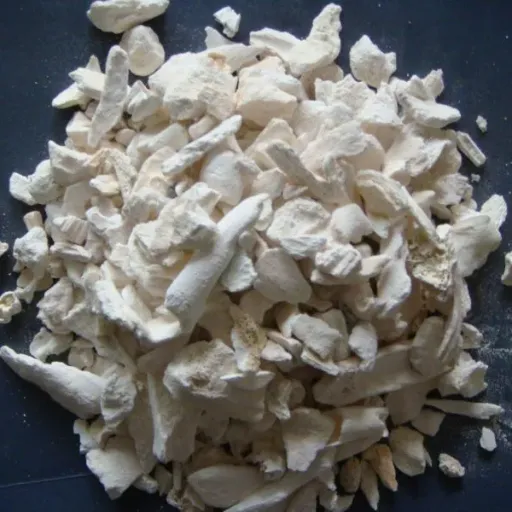
Bone char decolorization has a long history in municipal and industrial water treatment. Municipal plants use the media to remove natural organic color from surface water sources. Industrial facilities employ it for process water where color bodies interfere with product quality.
The media performs well at removing humic and fulvic acids that give water a yellow or tea-like appearance. Its alkaline nature can also help correct pH in acidic source waters, reducing the need for separate chemical adjustment.
Want to explore how bone carbon supports water treatment systems? Learn more about Feilong bone carbon for water treatment or read our complete guide to bone char water filtration.
Sugar Refining and Food Processing
The sugar industry was one of the earliest large-scale users of bone char filter media. In syrup decolorization, bone char removes color precursors and certain ash components that affect final product appearance. While activated carbon has replaced bone char in some refineries, others continue to prefer bone char for its specific adsorption profile and mineral contribution.
Food-grade bone char must meet strict purity and processing standards. Buyers should verify that the manufacturer provides documentation confirming the material is produced from food-safe raw materials under controlled conditions.
Fluoride Removal
In regions where groundwater contains elevated fluoride levels, bone char filter media offers a natural reduction pathway. The calcium phosphate content reacts with fluoride ions, reducing concentrations to safer levels. The World Health Organization provides guidelines on acceptable fluoride limits in drinking water.
Fluoride removal with bone char requires careful system design. Contact time, pH, and media bed depth all affect performance. Engineers typically design for slower flow rates than standard filtration to allow sufficient ion exchange contact.
Specialty and Niche Filtration
Beyond mainstream water treatment, bone char filter media appears in:
Aquarium filtration for pH buffering and color removal
Small-scale community water systems in developing regions
Botanical and herbal extraction processes
Certain pharmaceutical and cosmetic preparations
These niche applications value bone char's natural origin, chemical stability, and predictable performance under controlled conditions.
Bone Char vs Activated Carbon: A Technical Comparison for Filter Media
Procurement managers often ask whether bone char can replace activated carbon outright. The honest answer is that the two materials serve overlapping but distinct roles. This bone char vs activated carbon comparison shows where each medium excels.
| Property | Bone Char Filter Media | Activated Carbon |
|---|---|---|
| Source | Defatted bovine bone | Wood, coal, coconut shell, peat |
| Surface area | Moderate (typically 50-150 m²/g) | Very high (500-1,500 m²/g) |
| Primary mechanism | Adsorption + ion exchange | Adsorption |
| Fluoride removal | Good | Limited |
| pH effect | Alkaline (raises pH) | Neutral to slightly acidic |
| Decolorization | Excellent for specific color bodies | Broad-spectrum |
| Metal adsorption | Moderate for specific ions | General capability |
| Cost | Competitive, varies by grade | Varies widely by source |
| Regeneration | Thermal reactivation possible | Thermal or steam reactivation |
Bone char filter media excels where its dual mechanism provides an advantage. In systems that require both decolorization and mild pH correction, bone char can reduce chemical dosing requirements. For broad-spectrum organic removal in high-flow systems, activated carbon typically delivers higher capacity per unit volume.
Many treatment plants use the two media in combination. Bone char serves as a pre-treatment or polishing layer, with activated carbon handling the bulk organic load. This hybrid approach leverages the strengths of both materials.
Selecting the Right Bone Char Filter Media for Your System
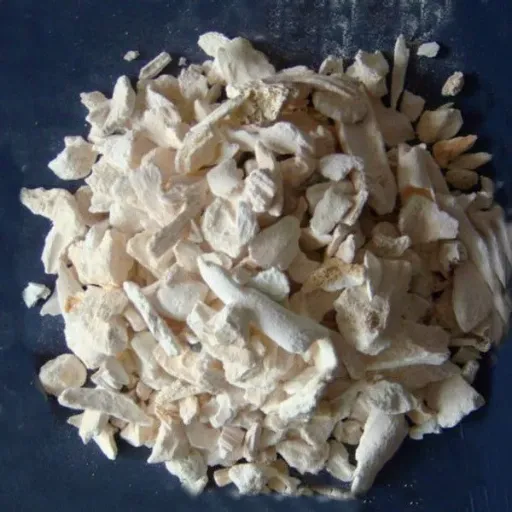
Choosing the right media requires matching material specifications to system requirements. The wrong grade can cause channeling, excessive pressure drop, or premature breakthrough.
Particle Size and Form
Granular bone char filter media is the most common form for packed-bed applications. Typical sizes range from 0.5 mm to 4 mm, with larger granules offering lower pressure drop and smaller granules providing more surface area per volume.
Powdered bone char is used in suspended or batch-contact applications where the material is mixed with the liquid and then separated by settling or filtration. Powder offers faster kinetics due to smaller particle size but requires more complex separation equipment.
Surface Area and Activity
Request surface area measurements from your supplier. These are expressed in square meters per gram (m²/g). Higher surface area generally indicates greater adsorption capacity. Pore size distribution matters as much as total area.
Activity testing against a standard color body or contaminant provides a more practical performance indicator than surface area alone. Ask suppliers if they can provide test data for your specific application.
Chemical Composition
Calcium and phosphorus content affects ion exchange capacity. It also influences pH behavior. Typical ranges include:
Calcium (Ca): 25-35%
Phosphorus (P): 10-16%
Carbon content: 7-12%
Moisture: 5-10%
Buyers should request a Certificate of Analysis documenting these values for each batch.
Operational Considerations for Bone Char Filter Media Systems
Running a bone char bed requires attention to several operational parameters. Ignoring these factors leads to suboptimal performance and higher operating costs than necessary.
Contact Time and Flow Rate
Adsorption and ion exchange are both time-dependent processes. Bone char filter media typically requires longer empty-bed contact times than activated carbon for equivalent contaminant removal. Design engineers should calculate contact time based on target contaminant concentration and desired effluent quality.
Flow rates that are too high reduce contact time and cause early breakthrough. Flow rates that are too low waste media capacity and increase capital costs by requiring larger vessels. Pilot testing with actual source water remains the best way to determine optimal design parameters.
Bed Depth and Vessel Design
Adequate bed depth prevents channeling and ensures uniform flow distribution. Most granular installations use beds between 0.8 and 2.0 meters deep, depending on application and flow requirements.
Vessels should include proper underdrain systems to prevent media loss and support backwashing if required. Some bone char installations use upflow rather than downflow configurations to extend run length and reduce head loss.
Media Life and Replacement
Bone char filter media life depends on influent contaminant loading, flow rate, and target effluent quality. Unlike activated carbon, which is often reactivated off-site, spent bone char is typically replaced with fresh material. The spent material may have value as a calcium and phosphorus source in certain agricultural applications, subject to local regulations.
Thomas Weber, a filtration consultant in Hamburg, recalls a project where a beverage manufacturer pushed bone char media past its useful life.
Color breakthrough started slowly. Then it spiked during a weekend shift with no operators on duty.
Three production batches went off-spec. Weber now advises clients to set conservative replacement schedules using pilot data.
Quality Indicators Every Buyer Should Verify
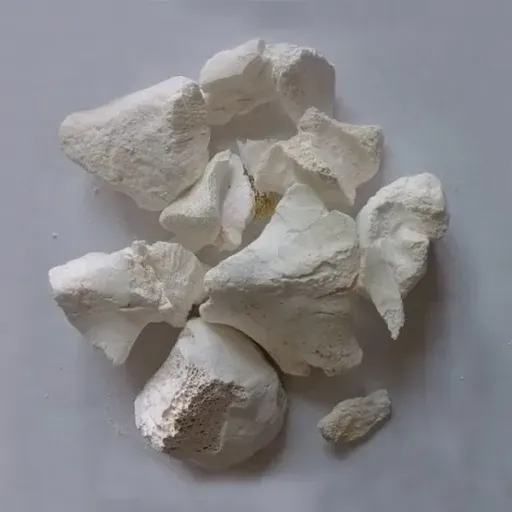
Not all bone char filter media is manufactured to the same standard. Inconsistent raw materials, uncontrolled carbonization temperatures, and inadequate post-processing can produce variable product that underperforms in critical systems.
When evaluating suppliers, verify these five quality indicators. A manufacturer with a transparent production process is easier to audit and trust:
Controlled carbonization process. The manufacturer should specify carbonization temperature and atmosphere control. Uncontrolled burning produces inconsistent porosity and ash content.
Batch testing and documentation. Every production batch should have a COA showing chemical composition, moisture content, and particle size distribution.
Raw material traceability. Defatted bovine bone from regulated sources ensures consistent starting material and compliance with import regulations for animal-derived products.
Production ownership. Manufacturers who control their own carbonization facilities offer greater consistency than traders who source from multiple workshops.
Application support. A knowledgeable supplier should guide you on contact times, flow rates, and expected media life for your specific application.
Anita Patel, a procurement director for a European beverage company, learned the value of these checks the hard way. Her first bone char purchase came from a trading company with no manufacturing transparency. The first two batches performed adequately. The third showed 40% lower color removal efficiency.
Root cause analysis revealed the trader had switched suppliers mid-contract. Patel now sources directly from a manufacturer with documented process control. Her media performance has stayed within specification for eighteen consecutive months.
Need help evaluating bone char filter media quality? Review Feilong's quality control and testing protocols.
Sourcing Bone Char Filter Media from a Reliable Manufacturer
For treatment plants and industrial buyers who depend on consistent filtration performance, supplier selection is as important as material selection. A reliable bone char filter media manufacturer should offer transparent specifications, batch documentation, and stable supply capacity.
Luohe Feilong Bone Carbon Co., Ltd. produces bone char filter media from defatted bovine bone under controlled carbonization conditions. With over 30 years of company history and 20 years of specialized bone product manufacturing, Feilong controls production from raw material intake through final sizing and testing.
Our bone char filter media is available for water treatment, decolorization, and specialty filtration applications. We provide Certificates of Analysis with every batch and offer sample quantities for qualification testing before bulk commitment.
Evaluating bone char filter media for your system? Request a sample batch with full COA or speak with our technical team about your filtration requirements.
Conclusion
Bone char filter media remains a relevant and effective option for water treatment decolorization, fluoride reduction, and specialty filtration. Its combination of carbon adsorption and mineral ion exchange gives it a defined role that pure activated carbon cannot fully replicate.
For procurement managers and engineers, success with bone char filter media depends on three factors: selecting the right grade for your application, verifying supplier quality control, and designing your system around the media's specific properties.
Do not view bone char as a universal replacement for synthetic media. Instead, treat it as a strategic tool with clear advantages in the right applications. When sourced from a manufacturer with controlled production and documented quality, bone char filter media delivers consistent, predictable performance that treatment professionals can rely on.
Ready to test bone char filter media in your system? Request a free sample with COA or contact our technical team to discuss your specifications.
Recently Posted
-
Luohe Feilong Bone Carbon: Industrial Bone Ash Manufacturer Since 2011
August 17, 2026When a copper foundry in Turkey needs bone ash that releases cleanly from a sand mold at 1,100 degrees Celsius, or a bone china fa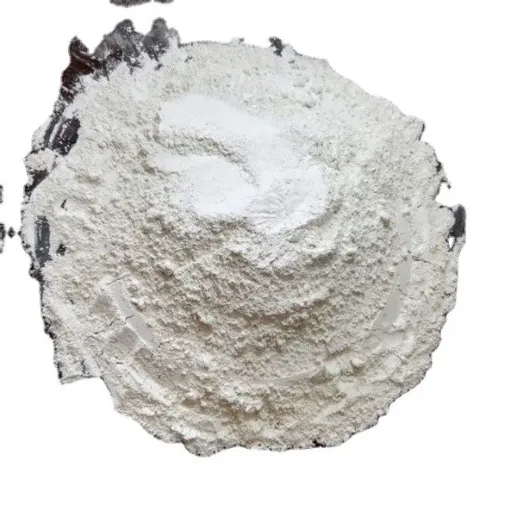 Read More
 -
Bone Ash in Copper Casting Mold Release: Application and Practical Guidance
August 14, 2026A copper sand casting foundry in India was producing electrical switch components that required a clean, smooth surface finish for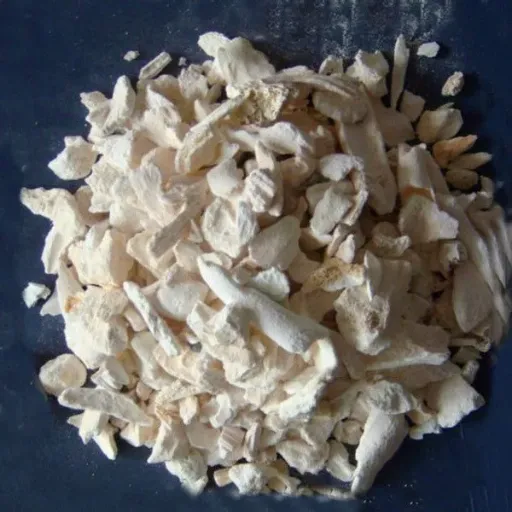 Read More
 -
How to Source Bone Ash for Foundry Applications: A Buyer's Checklist
August 13, 2026A purchasing manager at a brass foundry in Egypt ordered 20 metric tons of bone ash from a new supplier at a price roughly 25% bel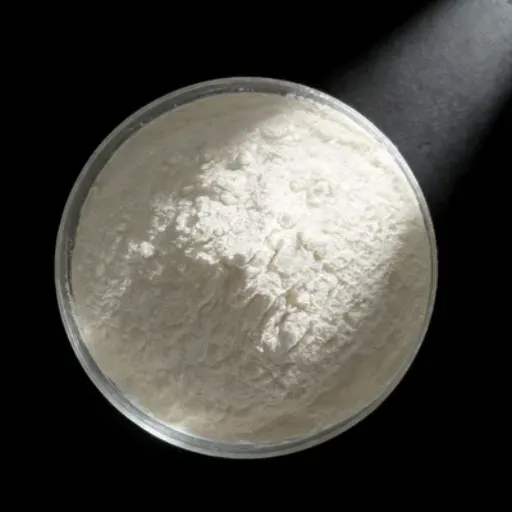 Read More
 -
Bone Ash vs Graphite Powder for Non-Ferrous Metal Mold Release
August 12, 2026A brass foundry in Southeast Asia switched from bone ash to a lower-cost graphite powder for its sand casting release agent, expec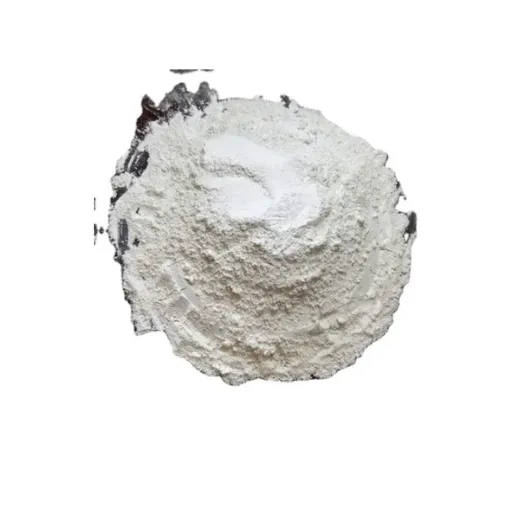 Read More

Contact Us
Recommended Products
-
 Manufacturer Sell Low Price Calcined Bone Ash or PowderUS$ 850MOQ: 5 Tons
 -
Manufacturer Sell Low Price Calcined Bone Ash or PowderUS$ 850MOQ: 5 Tons
-
Manufacturer Sell Low Price Calcined Bone Ash or PowderUS$ 850MOQ: 5 Tons
-
Sell Well Bone Ash for Mold Releasing UseUS$ 880 - 920MOQ: 5 Tons
-
Feilong Direct Sales Die-casting Water-soluble Mold Metal Release AgentUS$ 920MOQ: 5 Tons
-
Natural Animal Bone AshUS$ 880 - 920MOQ: 5 Tons
-
China Manufacturer Supply Eco-Friendly Bone Ash PowderUS$ 890MOQ: 1 Ton
-
Calcined Bone Ash for Bone China With GoodPriceUS$ 880 - 920MOQ: 5 Tons
-
Synthetic Bone Ash for Ceramic With Good PriceUS$ 850MOQ: 5 Tons
-
Calcium and Phosphorus Powder - 325 MeshPowderUS$ 850MOQ: 5 Tons
-
Calcium and Phosphorus Powder - 325 MeshPowderUS$ 850MOQ: 5 Tons
-
Calcium Stearate PVC PE Lubricant Mould-releasing Powder ManufacturerUS$ 850MOQ: 5 Tons
-
Reputed Supplier Selling Bone Ash Powder Which Meet With Environmental Standard As Animal FeedstuffUS$ 850MOQ: 5 Tons
-
Industrial Grade Bone Ash for Bone Ceramics and MetallurgyUS$ 900MOQ: 10 Tons
-
Animal Ashes Used for Bone ChinaUS$ 900MOQ: 5 Tons
-
Calcium and Phosphorus Powder - 325 MeshPowderUS$ 850MOQ: 5 Tons
-
High Quality Bone Ash for Mold Releasing Use/bone Ash PowderUS$ 850 - 880MOQ: 5 Tons
-
Manufacturer Sell Low Price Calcined Bone Ash or PowderUS$ 850MOQ: 5 Tons
-
Calcined Bone Ash for Bone China With GoodPriceUS$ 880MOQ: 5 Tons
-
High Quality Bone Ash for Mold Releasing Use/bone Ash PowderUS$ 880 - 920MOQ: 5 Tons