
 Business License

Bone Char Fluoride Removal: System Design and Sourcing Guide
In 2019, a community water system in rural Kenya recorded fluoride levels of 4.2 milligrams per liter in its primary well. The local health authority had set a maximum limit of 1.5 mg/L. For three years, the community relied on bottled water for drinking while searching for an affordable, sustainable treatment method.
Then they tested a simple column packed with bone char. Within 48 hours of operation, effluent fluoride dropped to 0.8 mg/L. The system has been running continuously since, with only periodic media replacement.
This is the practical reality of bone char fluoride removal. For water treatment engineers, municipal planners, and procurement managers working in regions with high natural fluoride, bone char offers a proven, natural pathway to safer drinking water. This guide explains the chemistry behind bone char fluoride removal, how to design effective systems, and what to verify when sourcing the media.
Why Fluoride Removal Matters for Water Treatment
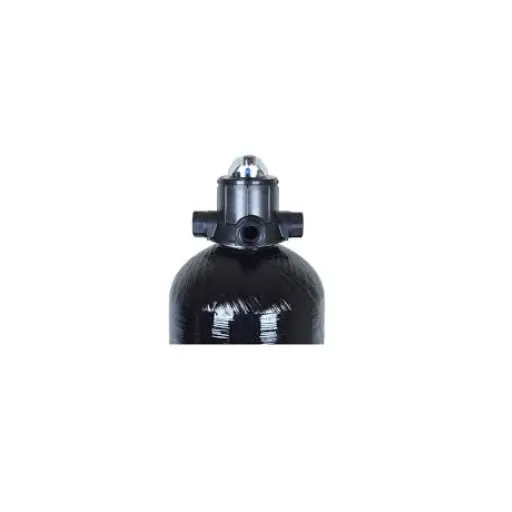
Fluoride occurs naturally in groundwater in many parts of the world. While low concentrations can support dental health, excessive fluoride causes serious health problems. The World Health Organization recommends a maximum concentration of 1.5 mg/L in drinking water. Many groundwater sources in Africa, Asia, and the Middle East exceed this limit significantly.
High fluoride exposure leads to dental fluorosis, skeletal fluorosis, and other chronic conditions. For municipal water systems, industrial facilities, and community projects, reducing fluoride is not optional. It is a public health requirement. Treatment options range from reverse osmosis and activated alumina to bone char water filter systems that use natural ion exchange chemistry.
Need a reliable fluoride filter media for your water system? Explore Feilong bone carbon for water treatment.
How Bone Char Fluoride Removal Works
Bone char fluoride removal relies on a surface ion exchange reaction between fluoride ions in water and the hydroxyapatite structure in bone char. Understanding this mechanism helps engineers design systems that perform predictably.
The Ion Exchange Reaction
Bone char contains calcium phosphate minerals, primarily hydroxyapatite, with the chemical formula Ca₁₀(PO₄)₆(OH)₂. When fluoride-rich water passes through a bed of bone char, fluoride ions replace hydroxyl ions on the mineral surface. The reaction produces fluorapatite, a stable compound that locks fluoride into the solid matrix.
The simplified reaction is:
Ca₁₀(PO₄)₆(OH)₂ + 2F⁻ → Ca₁₀(PO₄)₆F₂ + 2OH⁻
This reaction is pH-dependent. It proceeds most efficiently in slightly acidic to neutral conditions, typically between pH 6.5 and 7.5. In highly alkaline water, competition from hydroxyl ions reduces fluoride uptake. In strongly acidic conditions, calcium dissolution can weaken the bone char structure.
Factors Affecting Removal Efficiency
Several variables influence how effectively bone char removes fluoride from water:
Initial fluoride concentration: Higher influent concentrations require longer contact times or larger media beds
pH: Optimal performance occurs near neutral pH
Contact time: Sufficient residence time in the media bed is essential for complete reaction
Water hardness: High calcium or magnesium levels can compete for exchange sites
Temperature: Slightly higher temperatures generally improve reaction kinetics
Bone char quality: Mineral content, porosity, and particle size all affect capacity
Bone Char Fluoride Removal Performance and Efficiency
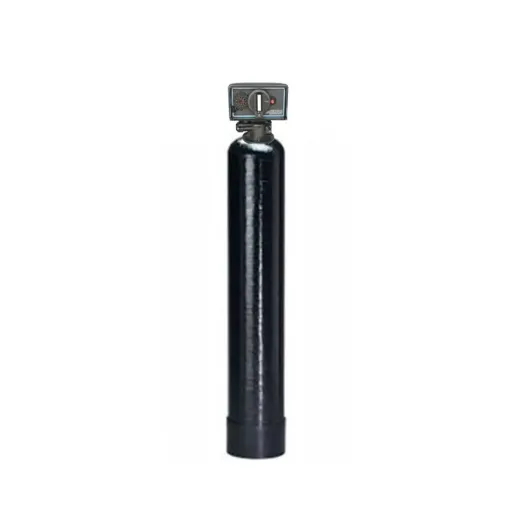
Laboratory and field studies provide concrete data on what bone char fluoride removal can achieve under real conditions. This information helps engineers set realistic design targets.
Typical Performance Data
Under controlled conditions with proper system design, bone char can reduce fluoride concentrations from 5-10 mg/L to below 1.5 mg/L. Removal efficiency typically ranges from 70% to 95% during the initial phase of operation. Performance gradually declines as the media approaches exhaustion.
Field studies in East Africa report consistent results. One study using locally sourced bone char in column filters achieved 85% fluoride removal at a flow rate of 1 liter per minute through a 20-liter media bed. Another project in India reported effluent fluoride below 1.0 mg/L for six months of continuous operation before breakthrough occurred.
Capacity and Breakthrough
Bone char fluoride removal capacity is measured in milligrams of fluoride removed per gram of media. Typical values range from 2 to 8 mg/g, depending on bone char quality and operating conditions. Higher-capacity media contains more reactive calcium phosphate and has greater surface area for ion exchange.
Breakthrough occurs when the effluent fluoride concentration rises above the target limit. Engineers should design for conservative operating periods. Replace media well before calculated breakthrough to maintain consistent water quality.
Maria Santos, a water quality engineer based in São Paulo, managed a pilot project testing bone char fluoride removal for a small municipal system. Her team initially designed for a six-month media life based on theoretical calculations.
After three months, effluent levels began creeping upward faster than expected. Root cause analysis revealed the source water pH was 8.2, higher than the 7.0 used in design assumptions. After adjusting for actual pH and installing a simple pre-acidification step, the next media batch lasted eight months.
Santos now requires source water characterization before every bone char system design.
System Design for Bone Char Fluoride Removal
Effective bone char fluoride removal depends on proper system design. A poorly designed column wastes media, produces inconsistent effluent, and drives up operating costs.
Column Design Basics
Most bone char fluoride removal systems use fixed-bed columns filled with granular bone char. Water flows downward through the media, and treated water exits through an underdrain system. Key design parameters include:
Bed depth: Typically 0.8 to 1.5 meters for adequate contact time
Column diameter: Sized for the required flow rate and hydraulic loading
Hydraulic loading rate: Usually 0.5 to 2.0 cubic meters per square meter per hour
Empty bed contact time: 15 to 45 minutes for sufficient ion exchange reaction
Flow Configuration Options
Downflow is the most common configuration for bone char fluoride removal. It is simple to operate and allows straightforward media replacement. Upflow configurations are also possible and can reduce head loss, though they require more complex underdrain design.
Some systems use two columns in series. The first column handles the bulk of fluoride removal. The second acts as a polishing step, catching any fluoride that breaks through the first bed. This approach extends overall system life and provides a safety margin for water quality.
Pretreatment Requirements
Raw water often requires pretreatment before entering a bone char column. Common pretreatment steps include:
Sediment filtration: Removes suspended solids that could clog the media bed
pH adjustment: Brings pH into the optimal range if source water is too alkaline
Disinfection: Prevents biological growth in the column if water contains organic matter
Post-treatment may also be necessary. The ion exchange reaction releases hydroxyl ions, which can raise effluent pH. A simple aeration or neutralization step may be needed to bring pH back into the acceptable range for distribution.
Bone Char vs Other Fluoride Removal Methods
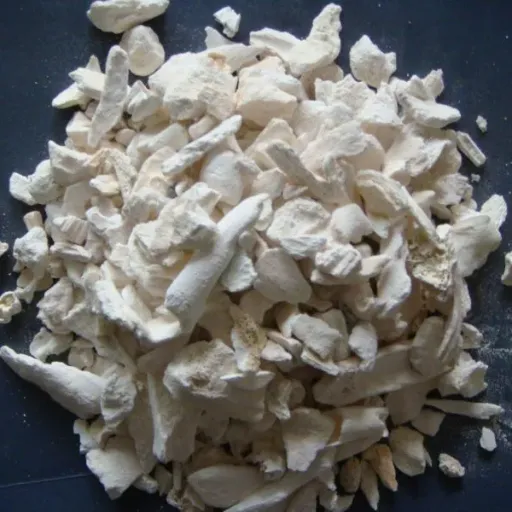
Water treatment professionals have several options for fluoride removal. Bone char fluoride removal competes with reverse osmosis, activated alumina, and electrodialysis. Each method has distinct advantages and limitations.
| Method | Mechanism | Fluoride Removal | Capital Cost | Operating Cost | pH Impact |
|---|---|---|---|---|---|
| Bone char | Ion exchange | 70-95% | Low | Low-Medium | Raises pH |
| Activated alumina | Adsorption | 80-95% | Medium | Medium | Low |
| Reverse osmosis | Membrane filtration | 85-99% | High | High | Neutral |
| Electrodialysis | Membrane separation | 80-95% | High | High | Low |
Bone char fluoride removal excels in specific scenarios. It is ideal for small to medium community systems where capital budgets are limited and operational simplicity matters. The low cost of bone char media makes it accessible for developing regions. However, for very high fluoride concentrations above 15 mg/L, or where space is severely constrained, reverse osmosis or activated alumina may be more appropriate.
The chemistry of fluoride and its interaction with various treatment media has been studied extensively. Bone char offers a unique combination of natural origin, local production potential, and effective ion exchange capacity that synthetic alternatives cannot always match.
Operational Considerations and Maintenance
Running a bone char fluoride removal system requires regular monitoring and predictable maintenance. Neglecting these tasks leads to premature breakthrough and inconsistent water quality.
Monitoring Requirements
Operators should track these parameters on a routine basis:
Influent and effluent fluoride: Tested daily or weekly depending on system size
pH: Both influent and effluent pH affect performance and distribution compliance
Flow rate: Ensures design contact times are maintained
Head loss: Indicates when backwashing or media replacement is needed
Simple field test kits for fluoride are widely available and cost-effective. Laboratory analysis provides more precise data for regulatory reporting.
Media Replacement and Disposal
Spent bone char from fluoride removal contains fluorapatite, a stable mineral form of fluoride. The material is generally considered non-hazardous for disposal, though local regulations should always be verified. In some agricultural applications, spent bone char has value as a slow-release phosphorus fertilizer, provided fluoride content is within acceptable limits for soil application.
Thomas Weber, a filtration consultant in Hamburg, recalls a project where a beverage manufacturer tried to extend media life beyond its practical limit. Color breakthrough occurred gradually at first.
Then it spiked during a weekend shift with no operators on duty. Three production batches went off-spec. Weber now advises clients to set conservative replacement schedules using pilot data.
Backwashing and Bed Maintenance
Granular bone char beds may require periodic backwashing to remove accumulated sediment and prevent channeling. Backwash flow rates should be high enough to fluidize the bed without losing media. Some operators report improved performance after light backwashing, while others prefer to avoid disturbing the ion exchange zone. Site-specific testing determines the best approach.
Sourcing Quality Bone Char for Fluoride Removal
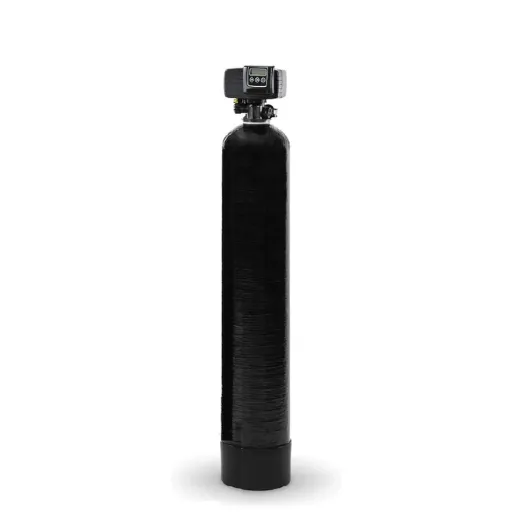
Not all bone char performs equally for defluoridation. The calcium phosphate content, carbonization conditions, and particle size distribution directly affect fluoride removal capacity. Buyers who source without verifying specifications risk purchasing ineffective media.
Key Quality Indicators
When evaluating bone char for fluoride removal, request documentation on:
Calcium content: Higher calcium phosphate content correlates with greater fluoride exchange capacity
Particle size: Granular media between 0.5 mm and 4 mm works best for packed beds
Surface area: Measured in square meters per gram; higher values generally indicate more reactive sites
Carbonization temperature: Controlled carbonization at 700-900°C produces optimal mineral structure
Batch testing: A Certificate of Analysis should document chemical composition for every production lot
Production Control Matters
Manufacturers who control their own carbonization process offer more consistent product than traders who source from multiple suppliers. Ask potential suppliers about their raw material traceability, temperature control systems, and quality testing protocols. A reputable manufacturer should welcome these questions and provide detailed answers.
Anita Patel, a procurement director for a European beverage company, learned this lesson through experience. Her first bone char purchase came from a trading company with no manufacturing transparency.
The first two batches performed adequately. The third showed 40% lower removal efficiency. Root cause analysis revealed the trader had switched suppliers mid-contract.
Patel now sources directly from a manufacturer with documented process control.
Need help evaluating bone char quality for fluoride removal? Review Feilong's quality control and testing protocols.
Selecting a Bone Char Manufacturer You Can Rely On
For water treatment projects that depend on consistent fluoride removal, supplier selection is as critical as system design. A reliable manufacturer provides transparent specifications, stable supply, and technical support.
Luohe Feilong Bone Carbon Co., Ltd. produces bone char from defatted bovine bone under controlled carbonization conditions. With over 30 years of company history and 20 years of specialized bone product manufacturing, Feilong controls production from raw material intake through final sizing and testing.
Our bone carbon fluoride media is available for municipal water treatment, community defluoridation projects, and industrial fluoride reduction applications. We provide Certificates of Analysis with every batch and offer sample quantities for pilot testing before bulk commitment.
Evaluating bone char fluoride removal for your system? Request a sample batch with full COA or speak with our technical team about your water treatment requirements.
Conclusion
Bone char fluoride removal offers a practical, cost-effective approach to treating high-fluoride groundwater. Its ion exchange mechanism is well understood, its performance is documented in field studies worldwide, and its operational requirements are straightforward for trained water system operators.
Success depends on three fundamentals: accurate source water characterization, proper system design with adequate contact time, and reliable media sourcing from manufacturers with process control. When these elements align, bone char fluoride removal delivers consistent, predictable performance that protects public health without requiring complex technology or high operating costs.
For procurement managers and engineers evaluating treatment options, bone char deserves serious consideration. It is not a universal solution for every fluoride challenge, but in the right application, it outperforms more expensive alternatives.
Ready to test bone char fluoride removal in your system? Request a free sample with COA or contact our technical team to discuss your specifications.
Recently Posted
-
Luohe Feilong Bone Carbon: Industrial Bone Ash Manufacturer Since 2011
August 17, 2026When a copper foundry in Turkey needs bone ash that releases cleanly from a sand mold at 1,100 degrees Celsius, or a bone china fa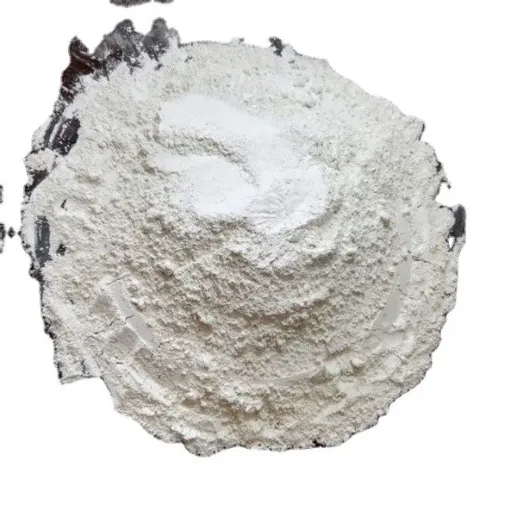 Read More
 -
Bone Ash in Copper Casting Mold Release: Application and Practical Guidance
August 14, 2026A copper sand casting foundry in India was producing electrical switch components that required a clean, smooth surface finish for Read More
 -
How to Source Bone Ash for Foundry Applications: A Buyer's Checklist
August 13, 2026A purchasing manager at a brass foundry in Egypt ordered 20 metric tons of bone ash from a new supplier at a price roughly 25% bel Read More
 -
Bone Ash vs Graphite Powder for Non-Ferrous Metal Mold Release
August 12, 2026A brass foundry in Southeast Asia switched from bone ash to a lower-cost graphite powder for its sand casting release agent, expec Read More

Contact Us
Recommended Products
-
 Manufacturer Sell Low Price Calcined Bone Ash or PowderUS$ 850MOQ: 5 Tons
 -
Manufacturer Sell Low Price Calcined Bone Ash or PowderUS$ 850MOQ: 5 Tons
-
Manufacturer Sell Low Price Calcined Bone Ash or PowderUS$ 850MOQ: 5 Tons
-
Sell Well Bone Ash for Mold Releasing UseUS$ 880 - 920MOQ: 5 Tons
-
Feilong Direct Sales Die-casting Water-soluble Mold Metal Release AgentUS$ 920MOQ: 5 Tons
-
Natural Animal Bone AshUS$ 880 - 920MOQ: 5 Tons
-
China Manufacturer Supply Eco-Friendly Bone Ash PowderUS$ 890MOQ: 1 Ton
-
Calcined Bone Ash for Bone China With GoodPriceUS$ 880 - 920MOQ: 5 Tons
-
Synthetic Bone Ash for Ceramic With Good PriceUS$ 850MOQ: 5 Tons
-
Calcium and Phosphorus Powder - 325 MeshPowderUS$ 850MOQ: 5 Tons
-
Calcium and Phosphorus Powder - 325 MeshPowderUS$ 850MOQ: 5 Tons
-
Calcium Stearate PVC PE Lubricant Mould-releasing Powder ManufacturerUS$ 850MOQ: 5 Tons
-
Reputed Supplier Selling Bone Ash Powder Which Meet With Environmental Standard As Animal FeedstuffUS$ 850MOQ: 5 Tons
-
Industrial Grade Bone Ash for Bone Ceramics and MetallurgyUS$ 900MOQ: 10 Tons
-
Animal Ashes Used for Bone ChinaUS$ 900MOQ: 5 Tons
-
Calcium and Phosphorus Powder - 325 MeshPowderUS$ 850MOQ: 5 Tons
-
High Quality Bone Ash for Mold Releasing Use/bone Ash PowderUS$ 850 - 880MOQ: 5 Tons
-
Manufacturer Sell Low Price Calcined Bone Ash or PowderUS$ 850MOQ: 5 Tons
-
Calcined Bone Ash for Bone China With GoodPriceUS$ 880MOQ: 5 Tons
-
High Quality Bone Ash for Mold Releasing Use/bone Ash PowderUS$ 880 - 920MOQ: 5 Tons