
 Business License

Fluoride Removal Media: A Complete Guide for Water Treatment Engineers
In 2017, a municipal water utility in Rajasthan, India, discovered that 40% of its distribution network exceeded the World Health Organization's fluoride limit of 1.5 mg/L. The utility had spent two years testing different treatment approaches. Engineers tested activated alumina, reverse osmosis, and finally bone char.
Each media performed differently. Each had distinct capital and operating costs.
The choice they made would affect 120,000 residents for the next decade.
This is the reality water treatment engineers face when selecting fluoride removal media. The right choice depends on source water chemistry, flow rates, budget constraints, and operational capacity. The wrong choice leads to expensive retrofits, compliance failures, or unsustainable operating costs.
This guide explains the major fluoride removal media options available today. We cover how each technology works, where it performs best, and what procurement managers should verify before committing to a system.
Need help evaluating fluoride removal media for your project? Explore Feilong bone carbon for water treatment.
Why Fluoride Removal Media Selection Matters
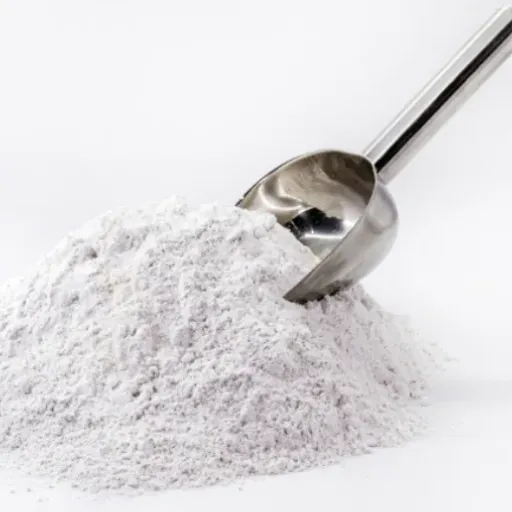
Fluoride occurs naturally in groundwater across large regions of Africa, Asia, the Middle East, and the Americas. While low concentrations support dental health, concentrations above 1.5 mg/L cause dental fluorosis, skeletal fluorosis, and other chronic health conditions. The World Health Organization sets 1.5 mg/L as the maximum safe concentration in drinking water.
Many groundwater sources exceed this limit. In parts of India, China, and East Africa, natural fluoride levels reach 5-20 mg/L. For municipal systems, industrial facilities, and community water projects, reducing fluoride is a public health mandate. Treatment is not optional.
High fluoride exposure is irreversible. Children who consume water with 4 mg/L fluoride during tooth development may develop permanent dental staining. Adults exposed to 10 mg/L over years risk bone deformities.
The cost of treatment is always lower than the cost of untreated health impacts. Selecting appropriate fluoride removal media early prevents these long-term public health consequences.
Learn more about bone char fluoride removal as a proven defluoridation approach.
What Is Fluoride Removal Media?
Fluoride removal media is any material used to reduce dissolved fluoride concentrations in water to acceptable levels. Fluoride removal media, also called defluoridation media, can be natural minerals, synthetic resins, or membrane materials. Each works through a different mechanism: adsorption, ion exchange, membrane filtration, or electrochemical separation.
The choice of fluoride removal media determines:
Removal efficiency: How much fluoride the system removes
Capacity: How much water the media treats before replacement
Selectivity: Whether the media removes fluoride specifically or affects other water chemistry
Cost: Both initial capital investment and ongoing operating expenses
Complexity: The level of technical expertise required for operation and maintenance
No single fluoride removal media is ideal for every application. The best choice depends on source water characteristics, treatment goals, and operational constraints.
Activated Alumina for Fluoride Removal
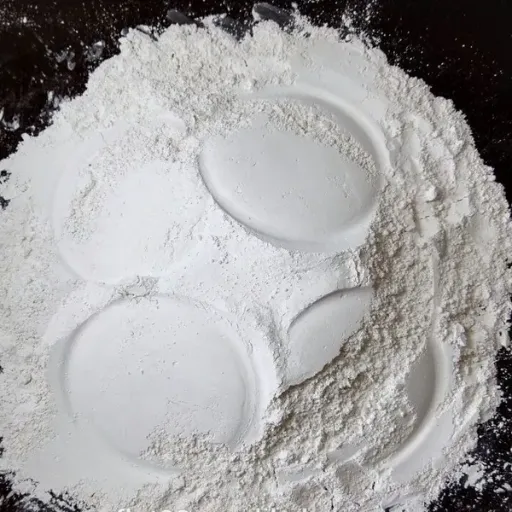
Activated alumina is the most widely used activated alumina fluoride removal media in large-scale municipal systems. It is a granular, porous form of aluminum oxide (Al₂O₃) manufactured specifically for adsorption applications.
How Activated Alumina Works
Activated alumina removes fluoride through adsorption. Fluoride ions in water attach to the surface of alumina granules as water passes through a packed bed.
The process is pH-sensitive. Optimal performance occurs between pH 5.5 and 6.5.
At higher pH, competing hydroxyl ions reduce fluoride uptake. At lower pH, aluminum dissolution can occur.
Performance and Limitations
Under ideal conditions, activated alumina achieves 80-95% fluoride removal. Typical capacities range from 0.5 to 5 mg fluoride removed per gram of media, depending on pH, contact time, and influent concentration.
Regeneration is possible. Spent alumina can be restored with a dilute caustic solution followed by acid neutralization. However, regeneration requires specialized equipment and chemical handling. Many smaller systems find it more practical to replace media than regenerate it.
Limitations include:
pH sensitivity: Requires pH adjustment for optimal performance
Aluminum leaching: Can introduce aluminum into treated water if pH is too low
Regeneration complexity: Chemical regeneration is not feasible for all operators
Cost: Higher capital cost than natural media options
Best Applications
Activated alumina excels in medium to large municipal systems where consistent performance is critical and operational staff can manage pH control and regeneration. It is less suitable for small community systems with limited technical capacity.
Bone Char as Fluoride Removal Media
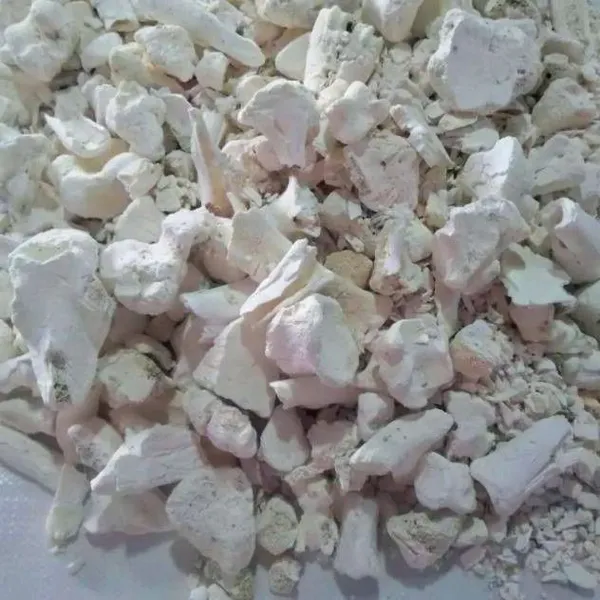
Bone char, also called bone carbon, is a natural fluoride removal media produced by carbonizing defatted animal bones. It has been used as a defluoridation media for bone char fluoride removal for decades, particularly in developing regions where low-cost, locally available media are essential.
How Bone Char Removes Fluoride
Bone char contains hydroxyapatite, a calcium phosphate mineral with the chemical formula Ca₁₀(PO₄)₆(OH)₂. When fluoride-rich water passes through a bone char bed, fluoride ions replace hydroxyl ions on the mineral surface through ion exchange. The reaction produces fluorapatite (Ca₁₀(PO₄)₆F₂), locking fluoride into the solid matrix.
The simplified reaction is:
Ca₁₀(PO₄)₆(OH)₂ + 2F⁻ → Ca₁₀(PO₄)₆F₂ + 2OH⁻
This reaction proceeds most efficiently at pH 6.5 to 7.5. In alkaline water, hydroxyl ion competition reduces fluoride uptake. In acidic conditions, calcium dissolution can weaken the media structure.
Performance Characteristics
Bone char can reduce fluoride from 5-10 mg/L to below 1.5 mg/L. Removal efficiency typically ranges from 70% to 95% during initial operation. Capacity ranges from 2 to 8 mg fluoride removed per gram of media, depending on quality and operating conditions.
Field studies in East Africa and India report consistent results. One project using locally sourced bone char achieved 85% fluoride removal at a flow rate of 1 liter per minute through a 20-liter media bed. Another project in India maintained effluent fluoride below 1.0 mg/L for six months before breakthrough.
Advantages of Bone Char
Low cost: Significantly cheaper than synthetic media per kilogram
Natural origin: Appeals to projects seeking sustainable or locally sourced materials
Simple operation: Fixed-bed columns require minimal technical expertise
No chemical regeneration: Spent media is replaced, not chemically restored
Local production potential: Can be manufactured in regions where raw bones are available
Limitations
Variable quality: Media quality depends on carbonization temperature and raw material source
Shorter media life: Typically requires replacement every 3-8 months
pH sensitivity: Performance drops in highly alkaline water
Lower capacity: May require larger beds than activated alumina for equivalent treatment
Considering bone char for your defluoridation project? Review Feilong's bone carbon specifications.
Reverse Osmosis for Fluoride Removal
Reverse osmosis (RO) is a membrane-based reverse osmosis fluoride removal technology that removes fluoride along with most other dissolved contaminants. It is the most thorough fluoride removal method available.
How Reverse Osmosis Works
RO uses semi-permeable membranes that block dissolved ions, including fluoride. Water is forced through the membrane under high pressure. Fluoride ions, along with salts, metals, and organic compounds, are rejected and concentrated in a waste stream.
RO systems typically achieve 85-99% fluoride removal. They also remove bacteria, viruses, heavy metals, and total dissolved solids. This makes RO attractive for applications requiring comprehensive water purification.
Performance and Limitations
RO produces the highest quality treated water of any fluoride removal media. However, it comes with significant trade-offs:
High capital cost: Membrane systems, pressure vessels, and pumps are expensive
High operating cost: Energy consumption is substantial; membranes require periodic replacement
Water waste: RO systems reject 20-50% of influent water as concentrate
pH and mineral removal: RO strips beneficial minerals and may require post-treatment remineralization
Complexity: Requires skilled operators and regular maintenance
Best Applications
RO is ideal for small systems where space is limited and water quality requirements are stringent. It is commonly used for household units, bottled water production, and specialized industrial applications. For large municipal systems, the cost and water waste often make RO impractical as the primary treatment method.
Other Fluoride Removal Media and Technologies
Beyond the three primary fluoride removal media types, several other technologies are used for fluoride removal in specific applications.
Electrodialysis
Electrodialysis uses ion-selective membranes and an electric field to separate ions from water. It achieves 80-95% fluoride removal with moderate energy consumption. It is more complex than adsorption media but produces less waste than RO. Electrodialysis is used in some industrial and specialized municipal applications.
Nalgonda Process
The Nalgonda process combines alum coagulation, flocculation, and sedimentation to remove fluoride. It is used in some community-scale systems in India due to low capital costs. However, it produces aluminum-rich sludge that requires disposal, and operator skill requirements are significant.
Contact Precipitation
Contact precipitation uses calcium and phosphate compounds to precipitate fluoride as insoluble minerals. This approach is still largely experimental for large-scale applications but shows promise for specific groundwater chemistries.
Comparing Fluoride Removal Media
The table below summarizes key differences across the major fluoride removal media options.
| Media | Mechanism | Removal Efficiency | Capital Cost | Operating Cost | pH Sensitivity | Water Waste |
|---|---|---|---|---|---|---|
| Activated alumina | Adsorption | 80-95% | Medium | Medium | High | None |
| Bone char | Ion exchange | 70-95% | Low | Low-Medium | Medium | None |
| Reverse osmosis | Membrane filtration | 85-99% | High | High | Low | 20-50% |
| Electrodialysis | Membrane separation | 80-95% | High | Medium-High | Low | Low |
Municipal engineers in Sri Lanka faced this exact decision in 2020. Their source water had 6 mg/L fluoride. The project team evaluated activated alumina, bone char, and RO.
RO was rejected due to water waste and energy costs. Activated alumina was rejected because the local operators lacked chemical regeneration capacity.
They selected bone char in fixed-bed columns. The system has operated for four years with quarterly media replacement. Operating costs are one-third of what activated alumina would have required.
How to Select the Right Fluoride Removal Media
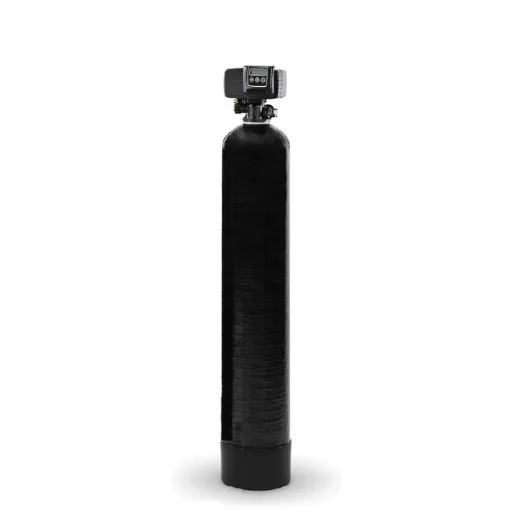
Selecting fluoride removal media requires systematic evaluation of project constraints and water chemistry.
Step 1: Characterize Source Water
Accurate source water data is essential. Test for:
Fluoride concentration: Determines media capacity and bed sizing
pH: Affects performance of adsorption and ion exchange media
Total dissolved solids: High TDS can compete for adsorption sites
Hardness: Calcium and magnesium affect ion exchange capacity
Other contaminants: May require additional pretreatment
Step 2: Define Treatment Objectives
Clarify the required effluent fluoride concentration, daily flow rate, and operational capacity. A community system serving 500 people has different requirements than a municipal plant serving 50,000.
Step 3: Evaluate Total Cost of Ownership
Consider both capital and operating costs over a 5-10 year period:
Capital: Equipment, installation, civil works
Media replacement: Frequency and cost per replacement cycle
Energy: For membrane and electrochemical systems
Labor: Operator time for monitoring and maintenance
Disposal: Cost of spent media or concentrate waste
Step 4: Assess Operational Capacity
Be honest about what your team can manage. A system requiring pH adjustment and chemical regeneration will fail if operators lack training. In such cases, simple replacement media like bone char may be the more reliable choice.
Sourcing Quality Fluoride Removal Media
Not all fluoride removal media performs as specified. Procurement managers should verify supplier claims before committing to bulk orders.
For Activated Alumina
Request documentation on surface area, pore volume, and fluoride adsorption capacity under standard test conditions. Verify that the alumina is specifically activated for water treatment fluoride applications, not repurposed from other industries. Batch testing with your actual source water is essential before full-scale deployment.
For Bone Char
The calcium phosphate content, carbonization conditions, and particle size distribution directly affect fluoride removal capacity. Request a Certificate of Analysis documenting chemical composition for every production lot. Test sample batches in pilot columns with your source water before bulk commitment.
Manufacturers who control their own carbonization process offer more consistent product than traders. Ask about raw material traceability, temperature control systems, and quality testing protocols. A reputable manufacturer should welcome these questions.
Need help sourcing reliable fluoride removal media? Review Feilong's quality control and testing protocols.
Luohe Feilong Bone Carbon for Fluoride Removal
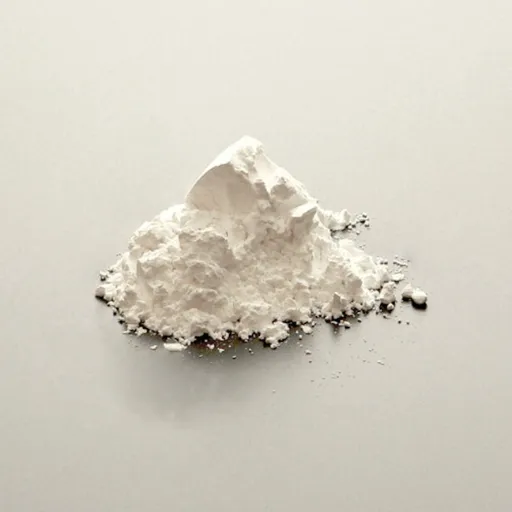
Luohe Feilong Bone Carbon Co., Ltd. produces bone char, a natural fluoride removal media, from defatted bovine bone under controlled carbonization conditions. With over 30 years of company history and 20 years of specialized bone product manufacturing, Feilong controls production from raw material intake through final sizing and testing.
Our bone carbon fluoride media is available for municipal water treatment, community defluoridation projects, and industrial fluoride reduction applications. We provide Certificates of Analysis with every batch and offer sample quantities for pilot testing before bulk commitment.
Evaluating fluoride removal media for your system? Request a sample batch with full COA or speak with our technical team about your water treatment requirements.
Conclusion
Fluoride removal media selection is a critical engineering decision that affects public health, operating budgets, and system reliability for years. Each technology, activated alumina, bone char, and reverse osmosis, offers distinct advantages and trade-offs.
Activated alumina provides high removal efficiency for systems with operational capacity for pH control and regeneration. Bone char offers a natural, low-cost alternative ideal for community systems and developing regions. Reverse osmosis delivers the highest purity but at significant capital and operating cost.
Success depends on three fundamentals: accurate source water characterization, honest assessment of operational capacity, and reliable media sourcing from manufacturers with documented process control. When these elements align, fluoride removal systems deliver consistent, predictable performance that protects community health.
For procurement managers and engineers evaluating fluoride removal media options, the question is not which media is "best" in absolute terms. The question is which fluoride removal media best fits your water chemistry, budget, and operational reality. In many applications, bone char provides the optimal balance of performance, simplicity, and cost.
Ready to test fluoride removal media in your system? Request a free sample with COA or contact our technical team to discuss your specifications.
Recently Posted
-
Luohe Feilong Bone Carbon: Industrial Bone Ash Manufacturer Since 2011
August 17, 2026When a copper foundry in Turkey needs bone ash that releases cleanly from a sand mold at 1,100 degrees Celsius, or a bone china fa Read More
 -
Bone Ash in Copper Casting Mold Release: Application and Practical Guidance
August 14, 2026A copper sand casting foundry in India was producing electrical switch components that required a clean, smooth surface finish for Read More
 -
How to Source Bone Ash for Foundry Applications: A Buyer's Checklist
August 13, 2026A purchasing manager at a brass foundry in Egypt ordered 20 metric tons of bone ash from a new supplier at a price roughly 25% bel Read More
 -
Bone Ash vs Graphite Powder for Non-Ferrous Metal Mold Release
August 12, 2026A brass foundry in Southeast Asia switched from bone ash to a lower-cost graphite powder for its sand casting release agent, expec Read More

Contact Us
Recommended Products
-
 Manufacturer Sell Low Price Calcined Bone Ash or PowderUS$ 850MOQ: 5 Tons
 -
Manufacturer Sell Low Price Calcined Bone Ash or PowderUS$ 850MOQ: 5 Tons
-
Manufacturer Sell Low Price Calcined Bone Ash or PowderUS$ 850MOQ: 5 Tons
-
Sell Well Bone Ash for Mold Releasing UseUS$ 880 - 920MOQ: 5 Tons
-
Feilong Direct Sales Die-casting Water-soluble Mold Metal Release AgentUS$ 920MOQ: 5 Tons
-
Natural Animal Bone AshUS$ 880 - 920MOQ: 5 Tons
-
China Manufacturer Supply Eco-Friendly Bone Ash PowderUS$ 890MOQ: 1 Ton
-
Calcined Bone Ash for Bone China With GoodPriceUS$ 880 - 920MOQ: 5 Tons
-
Synthetic Bone Ash for Ceramic With Good PriceUS$ 850MOQ: 5 Tons
-
Calcium and Phosphorus Powder - 325 MeshPowderUS$ 850MOQ: 5 Tons
-
Calcium and Phosphorus Powder - 325 MeshPowderUS$ 850MOQ: 5 Tons
-
Calcium Stearate PVC PE Lubricant Mould-releasing Powder ManufacturerUS$ 850MOQ: 5 Tons
-
Reputed Supplier Selling Bone Ash Powder Which Meet With Environmental Standard As Animal FeedstuffUS$ 850MOQ: 5 Tons
-
Industrial Grade Bone Ash for Bone Ceramics and MetallurgyUS$ 900MOQ: 10 Tons
-
Animal Ashes Used for Bone ChinaUS$ 900MOQ: 5 Tons
-
Calcium and Phosphorus Powder - 325 MeshPowderUS$ 850MOQ: 5 Tons
-
High Quality Bone Ash for Mold Releasing Use/bone Ash PowderUS$ 850 - 880MOQ: 5 Tons
-
Manufacturer Sell Low Price Calcined Bone Ash or PowderUS$ 850MOQ: 5 Tons
-
Calcined Bone Ash for Bone China With GoodPriceUS$ 880MOQ: 5 Tons
-
High Quality Bone Ash for Mold Releasing Use/bone Ash PowderUS$ 880 - 920MOQ: 5 Tons