
 Business License

Lead Oxide Absorption Cupel: Manufacturing, Performance, and Sourcing Guide
A single faulty cupel can destroy an entire fire assay batch worth thousands of dollars. In 2023, a commercial assay laboratory in North America traced inconsistent gold recovery rates not to their furnace or reagents, but to variable porosity in their cupels.
The problem was the bone ash. When the calcium content dropped below 34%, lead oxide absorption became unpredictable. Nuggets of molten metal broke through. Results skewed by 3-5%. Contracts were lost.
This is why metallurgical professionals take cupel selection seriously. A lead oxide absorption cupel is not just a consumable. It is a precision tool. Its ability to absorb molten lead oxide while retaining the precious metal bead determines assay accuracy, batch yield, and laboratory credibility.
In this guide, we explain how lead oxide absorption cupels work, why bone ash quality defines their performance, what specifications matter for cupel manufacturing, and how to source the raw materials that make them reliable. Whether you manufacture cupels or run fire assays daily, this article gives you the technical foundation to evaluate and improve your process.
What Is a Lead Oxide Absorption Cupel?
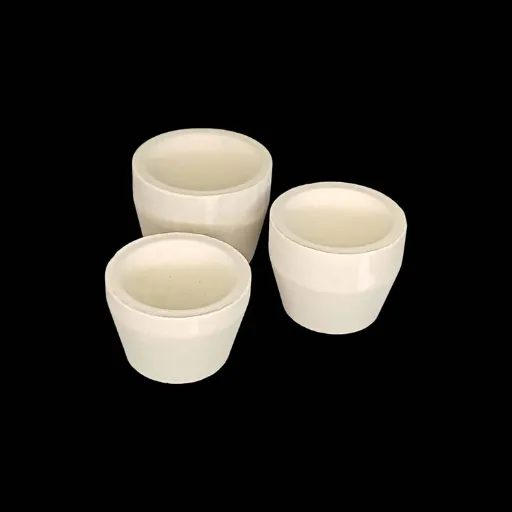
A lead oxide absorption cupel is a small, cup-shaped vessel used in fire assay. Fire assayers place a lead button containing precious metals into the cupel. They heat it in a furnace at approximately 900-1000°C.
The lead oxidizes to litharge (PbO). The porous cupel material absorbs this lead oxide. Gold, silver, platinum, and other precious metals remain as a metallic bead on the cupel surface. The process looks simple. The engineering behind the cupel is not.
Cupels must achieve four competing objectives simultaneously:
Absorb molten lead oxide rapidly and completely
Resist thermal shock during rapid furnace heating
Maintain structural integrity under load
Avoid chemical contamination of the precious metal bead
These requirements make cupel composition and porosity critical. Too porous, and the cupel cracks or the bead sinks. Too dense, and lead oxide fails to absorb, causing the molten mass to overflow. The balance depends almost entirely on the quality of the bone ash used in the cupel body.
When Dr. Elena Vasquez set up a new assay laboratory for a mining operation in Peru, she tested cupels from three suppliers. Two produced clean, bright gold beads. The third left a dull, contaminated surface.
The difference was not the firing temperature or furnace atmosphere. It was the bone ash calcium-to-phosphorus ratio. Cupels with Ca below 34% and inconsistent particle size created tiny cracks that trapped impurities. She switched suppliers immediately.
Need bone ash with guaranteed Ca >=35% for your cupel manufacturing? Request a specification sheet and COA from Feilong to see how our calcined bone ash meets fire assay grade requirements.
The Role of Bone Ash in Cupel Manufacturing
Bone ash has been the foundation of quality cupels for over a century. Its unique combination of properties makes it superior to synthetic alternatives for most fire assay applications.
Why Bone Ash Outperforms Synthetic Materials
Bone ash contains mainly calcium phosphate and calcium carbonate. These minerals form a fine crystal structure during high-temperature calcination. This structure provides:
Controlled porosity: The natural bone structure creates linked pores of uniform size. These pores absorb lead oxide through capillary action.
Thermal stability: Calcined bone ash withstands repeated heating to 1000°C without warping or breakdown.
Chemical inertness: Bone ash does not react with gold, silver, or platinum under cupellation conditions.
Low iron content: High-purity bone ash with Fe >=0.05% minimizes discoloration and contamination of metal beads.
Synthetic calcium phosphate can copy some of these properties. But matching the same pore size and linked porosity requires complex, costly processing. For most cupel makers, properly calcined bone ash remains the most cost-effective and reliable base material.
Bone Ash Specifications for Cupel Grade
Not all bone ash is suitable for cupel manufacturing. Fire assay applications demand higher purity and tighter composition control than many other industrial uses.
Key specifications for cupel-grade bone ash:
Calcium (Ca): >=35.0% -- High calcium content ensures proper sintering behavior and structural strength after firing.
Phosphorus (P): >=16.0% -- Phosphorus controls porosity development during cupel firing. It is present mainly as calcium phosphate.
Iron (Fe): >=0.05% -- Low iron prevents bead contamination and discoloration.
Burning loss: <=1.0% -- Minimal residual organic content prevents off-gassing and structural defects.
pH: 9.0-11.5 -- Alkaline pH supports lead oxide absorption chemistry.
Color: White -- Indicates complete calcination and absence of contaminants.
Particle size: Typically 200-325 mesh -- Fine particle size allows uniform mixing with magnesite or cement binders.
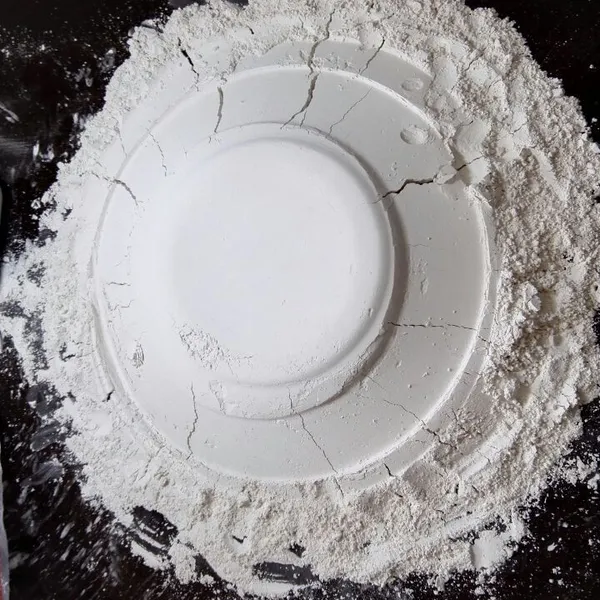
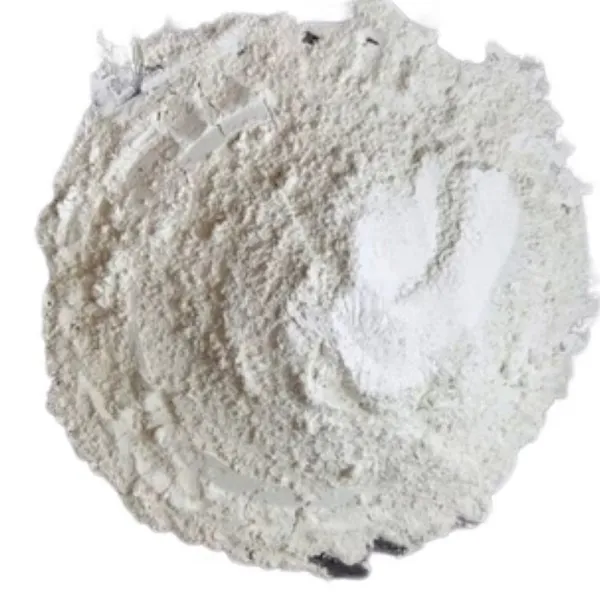
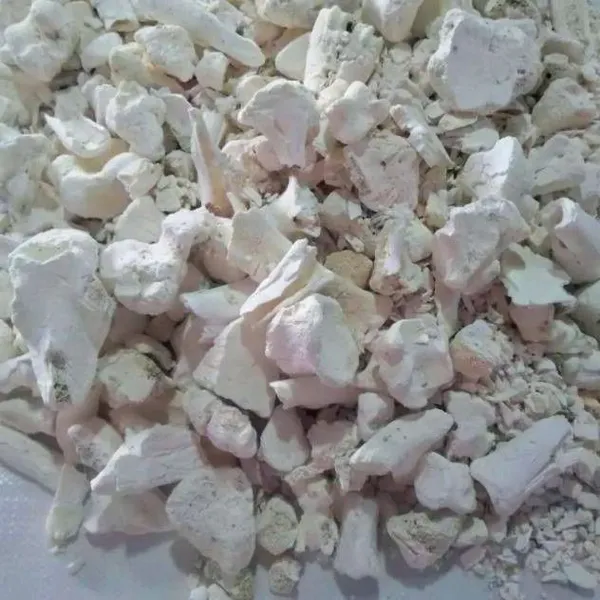
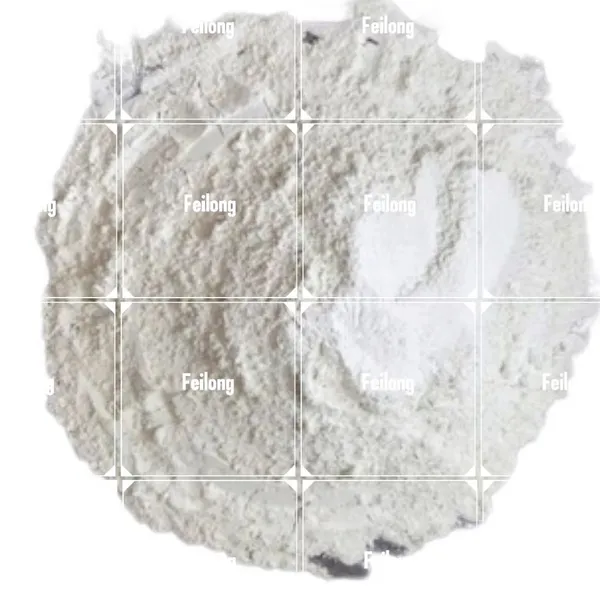
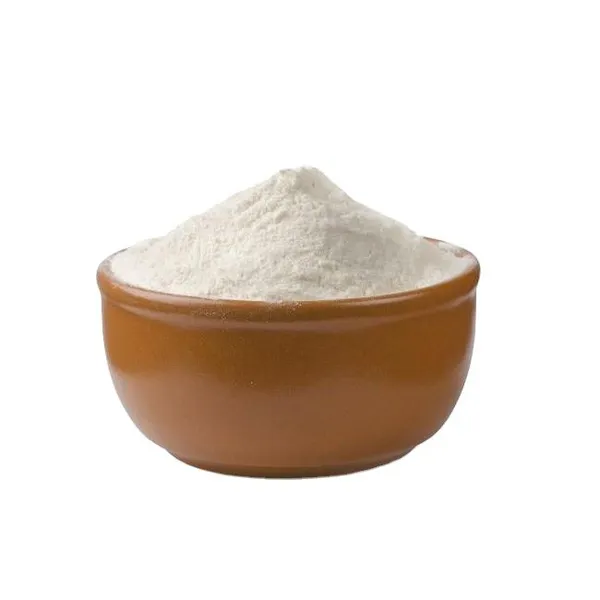
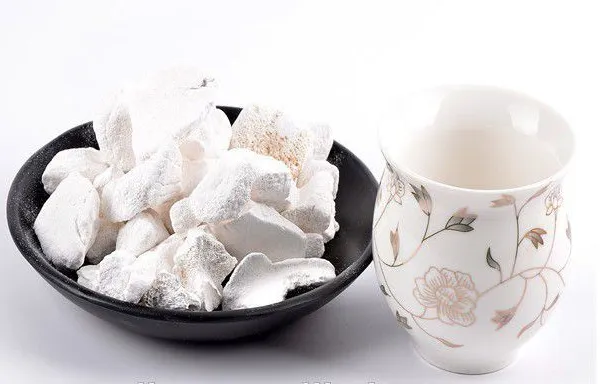
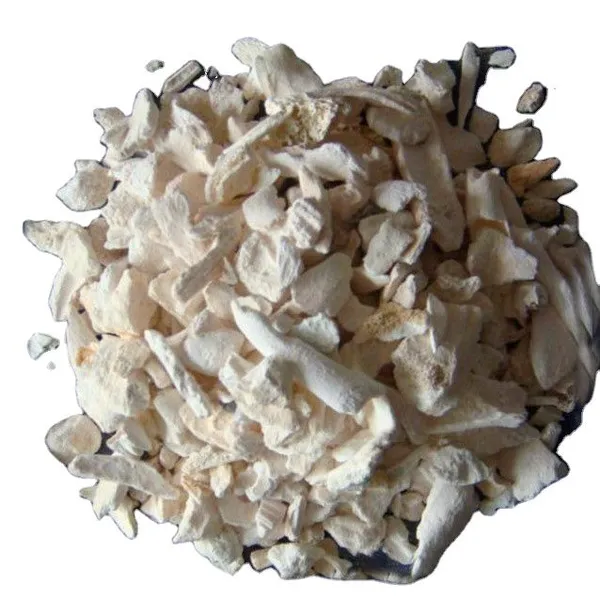
At Luohe Feilong Bone Carbon Co., Ltd., we calcine defatted bovine bone blocks at 1300°C to produce bone ash that meets these exacting standards. Our batch-to-batch consistency gives cupel manufacturers confidence that every production run will yield the same porosity, absorption rate, and structural integrity.
How Cupels Absorb Lead Oxide: The Science
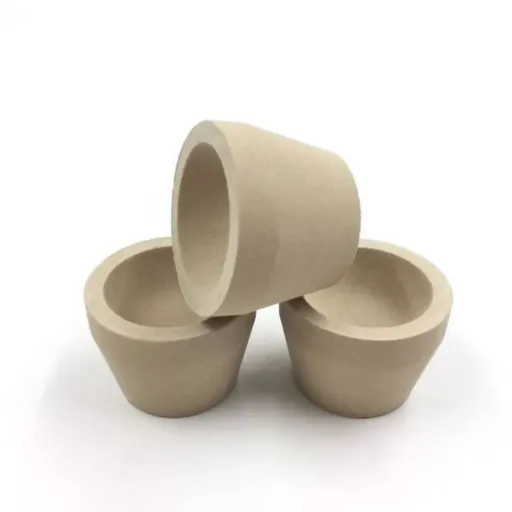
Understanding lead oxide absorption helps cupel manufacturers optimize their formulations and helps assay laboratories diagnose problems.
The Cupellation Process
The fire assay process produces a lead button containing the precious metals extracted from an ore sample. The cupellation step works as follows:
The lead button is placed in a preheated cupel.
Air flows over the molten lead surface, oxidizing it to PbO (litharge).
The litharge wets the cupel surface and is drawn into the porous structure by capillary action.
Lead oxide continues to form and absorb until nearly all lead is removed.
The remaining precious metals coalesce into a bead on the cupel surface.
Porosity and Absorption Rate
The absorption rate depends on the cupel's porosity. It measures how much open pore space exists and how well those pores connect. Bone ash cupels typically achieve 50-70% porosity after firing. The pores must be fine enough to stop molten metal from breaking through. They must also be open enough to pull in lead oxide quickly.
Research published in the Journal of the Southern African Institute of Mining and Metallurgy shows that pore diameters between 5 and 50 micrometers provide optimal absorption for standard fire assay cupels. Bone ash from defatted bovine bone, calcined at 1200-1300°C, naturally produces this pore size pattern.
The Magnesite-Bone Ash Formulation
Most commercial cupels use a mixture of bone ash and magnesite (magnesium oxide), typically in ratios ranging from 50:50 to 80:20 bone ash to magnesite. The magnesite adds structural strength and thermal shock resistance. The bone ash provides the porous absorption matrix.
When the Marcus King Assay Laboratory in Johannesburg reformulated their cupel mix from 60:40 to 70:30 bone ash to magnesite, they noticed immediate improvements. Absorption speed increased by roughly 15%. Bead contamination incidents dropped from one in twenty assays to one in two hundred.
The key was not just the ratio change. It was sourcing bone ash with consistent particle size and verified Ca >=35%. Before the switch, their bone ash supplier delivered batches with calcium content varying from 32% to 36%. That inconsistency made formulation tuning impossible.
Manufacturing Quality Cupels: Key Considerations
Cupel manufacturers must control every variable from raw material selection through final firing. Here are the critical factors.
Raw Material Selection
Bone Ash: Source bone ash from a manufacturer with controlled calcination. Request a Certificate of Analysis for every batch. Verify calcium, phosphorus, iron, and burning loss values. Test particle size distribution. Fine powder content affects how the mix compacts.
Magnesite: Use dead-burned magnesite with low calcium and silica content. Impurities in magnesite can react with bone ash during firing, altering porosity.
Binders: Some manufacturers add small quantities of hydraulic cement or organic binders to improve green strength before firing. These must burn out completely during the initial firing stage.
Mixing and Forming
Uniform mixing is essential. Segregation of bone ash and magnesite creates regions of different porosity. Some areas absorb too quickly. Others not at all. Use controlled mixing times. Screen the blended powder to break up clumps.
Cupels are typically formed by pressing the powder blend into molds. Pressing pressure affects green density. Green density influences fired porosity. Most manufacturers target a pressing pressure that yields about 60-65% of theoretical density in the green state.
Firing Process
The firing schedule is as important as the composition. A typical firing cycle includes:
Binder burnout: Slow heating to 400-500°C to remove organic binders and residual moisture
Sintering: Heating to 1000-1200°C to develop strength while preserving porosity
Controlled cooling: Gradual cooling to prevent thermal shock cracking
Over-firing reduces porosity. Under-firing reduces strength. The optimum firing temperature depends on the exact bone ash-to-magnesite ratio and the bone ash calcination history.
Quality Control Testing
Every cupel production batch should undergo:
Dimensional inspection: Diameter, depth, and wall thickness consistency
Visual inspection: Surface cracks, chips, or color variation
Porosity testing: Water absorption or mercury intrusion porosimetry on representative samples
Pilot cupellation: Test cupels with standard lead buttons to verify absorption performance
Manufacturing cupels and need reliable bone ash supply? Contact Feilong to discuss bulk quantities with guaranteed composition and full COA documentation.
Applications and Selection by Assay Type
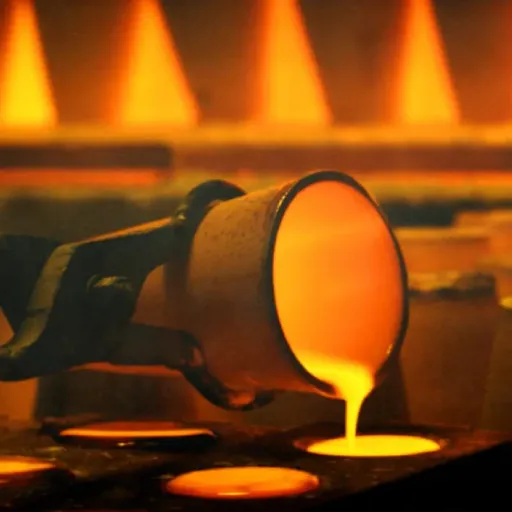
Different assay applications place different demands on cupels. Understanding these differences helps laboratories select the right product.
Gold and Silver Assay
Standard gold and silver fire assays use small cupels holding lead buttons of 20-30 grams. These require moderate porosity and good thermal shock resistance. Bone ash content typically ranges from 50-60%.
Platinum Group Metals (PGM) Assay
PGM assays often use larger lead buttons and higher temperatures. Cupels for PGM work may contain higher bone ash proportions (65-75%) to increase absorption capacity. The longer cupellation times require greater total lead oxide absorption.
High-Throughput Commercial Laboratories
Commercial labs run hundreds of assays daily. They need cupels that perform the same way every time. Batch-to-batch variation causes furnace loading problems and quality failures. These labs should buy cupels from manufacturers who control their bone ash supply chain and test every production batch.
Custom and Research Applications
Research laboratories and specialty metal refiners sometimes need cupels in non-standard sizes or with modified porosity. Working directly with a cupel manufacturer who controls raw material quality allows custom formulation development.
Common Cupel Problems and Their Causes
Even experienced assay laboratories encounter cupel failures. Here is how to diagnose them.
| Problem | Likely Cause | Solution |
|---|---|---|
| Lead overflow (molten metal runs out) | Insufficient porosity; cupel too dense | Increase bone ash content; verify bone ash quality |
| Bead sinks into cupel | Excessive porosity; structural weakness | Reduce bone ash or increase magnesite; check firing temperature |
| Cupel cracks during heating | Poor thermal shock resistance; green strength too low | Adjust magnesite content; check binder quality |
| Bead contamination or discoloration | High iron or impurities in bone ash | Switch to lower-iron bone ash; verify COA |
| Slow absorption; extended cupellation time | Inadequate pore interconnectivity | Test bone ash particle size; verify calcination temperature |
| Inconsistent performance batch to batch | Variable bone ash composition | Source bone ash from a manufacturer with batch testing and COA |
When the analytical team at a Canadian gold refinery encountered intermittent bead contamination, they spent weeks adjusting furnace temperatures and air flows. The real problem was simpler.
Their bone ash supplier had switched raw material sources without notification. Iron content jumped from 0.03% to 0.12%. The extra iron reacted with silver beads, causing surface tarnish. Once they requalified their bone ash with stricter COA requirements, the problem disappeared.
Sourcing Bone Ash for Cupel Manufacturing
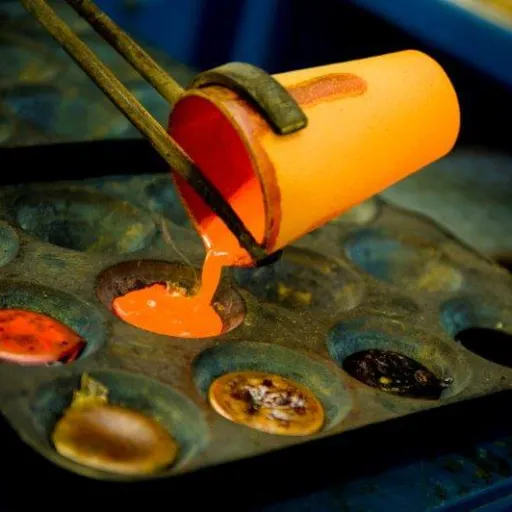
Cupel manufacturers depend on bone ash suppliers for consistency. When evaluating suppliers, consider these factors.
Production Control
Does the supplier own their calcination facility, or do they trade materials from multiple sources? Vertically integrated manufacturers control temperature profiles, raw material selection, and batch testing. Trading companies cannot guarantee consistency.
Specification Documentation
Request a Certificate of Analysis for every batch. Verify:
Calcium content >=35%
Phosphorus content >=16%
Iron content as low as possible (<=0.05% preferred for premium cupels)
Burning loss <=1.0%
Particle size distribution (typically 200-325 mesh)
Application Understanding
Does your supplier understand cupel manufacturing? A bone ash producer who knows fire assay applications can advise on particle size selection, blending ratios, and quality control. Generic suppliers treat bone ash as a commodity. Specialized suppliers treat it as a performance material.
Export and Supply Reliability
Cupel manufacturers need steady supply. Evaluate:
Monthly production capacity
Lead times for bulk orders
Export documentation and logistics experience
Minimum order quantities and sample availability
At Feilong, we have manufactured calcined bone ash for over 20 years. Our 1300°C calcination process, defatted bovine bone raw material, and comprehensive batch testing produce bone ash with the consistency that cupel manufacturers need. We supply domestic and international markets, including ceramic, metallurgical, and industrial applications.
Evaluating bone ash suppliers for cupel production? Request a free sample with full COA to test our bone ash in your formulation.
Conclusion
A lead oxide absorption cupel is a precision component. Its performance depends on porosity, thermal stability, and chemical purity. All of these properties trace back to bone ash quality.
High-calcium bone ash, calcined at controlled temperatures from defatted bovine bone, provides the pore structure that makes cupellation reliable. Variations in calcium content, particle size, or impurity levels create the cracks, overflows, and contamination problems that cost assay laboratories time and money.
For cupel manufacturers, the sourcing decision is straightforward. Partner with a bone ash supplier who controls production, documents every batch, and understands your application. The difference between 34% calcium and 36% calcium may seem small. In a cupel, it is the difference between predictable performance and batch failure.
At Luohe Feilong Bone Carbon Co., Ltd., we supply bone ash with Ca >=35%, P >=16%, and iron controlled to >=0.05%. Our 20 years of calcination experience, factory-direct production, and export logistics support help cupel manufacturers and assay laboratories worldwide maintain the consistency their processes demand.
Ready to evaluate Feilong bone ash for your cupel manufacturing? Request a sample with full COA or contact our technical team to discuss your specification requirements.
Recently Posted
-
How Bone Ash Works as a Mold Release Agent in Metal Casting
September 2, 2026A small brass foundry in South Asia ran the same mold for fourteen years without changing its parting material, then switched to a Read More
 -
Luohe Feilong Bone Carbon: Industrial Bone Ash Manufacturer Since 2011
August 17, 2026When a copper foundry in Turkey needs bone ash that releases cleanly from a sand mold at 1,100 degrees Celsius, or a bone china fa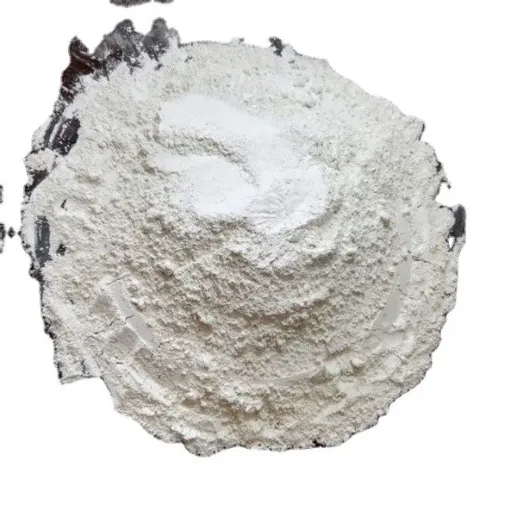 Read More
 -
Bone Ash in Copper Casting Mold Release: Application and Practical Guidance
August 14, 2026A copper sand casting foundry in India was producing electrical switch components that required a clean, smooth surface finish for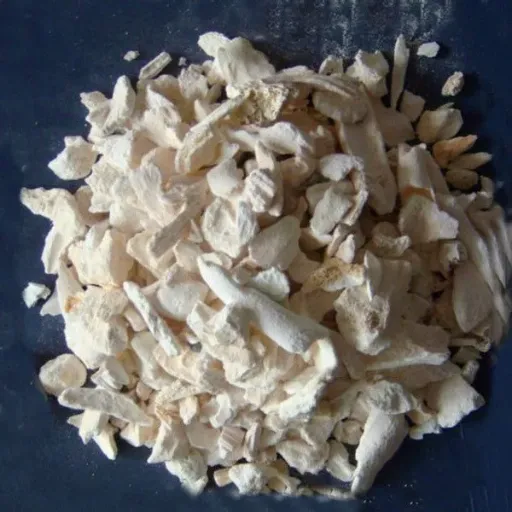 Read More
 -
How to Source Bone Ash for Foundry Applications: A Buyer's Checklist
August 13, 2026A purchasing manager at a brass foundry in Egypt ordered 20 metric tons of bone ash from a new supplier at a price roughly 25% bel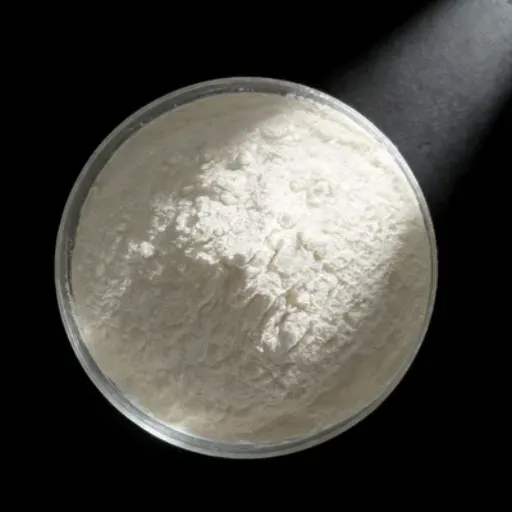 Read More

Contact Us
Recommended Products
-
 Manufacturer Sell Low Price Calcined Bone Ash or PowderUS$ 850MOQ: 5 Tons
 -
Manufacturer Sell Low Price Calcined Bone Ash or PowderUS$ 850MOQ: 5 Tons
-
Manufacturer Sell Low Price Calcined Bone Ash or PowderUS$ 850MOQ: 5 Tons
-
Sell Well Bone Ash for Mold Releasing UseUS$ 880 - 920MOQ: 5 Tons
-
Feilong Direct Sales Die-casting Water-soluble Mold Metal Release AgentUS$ 920MOQ: 5 Tons
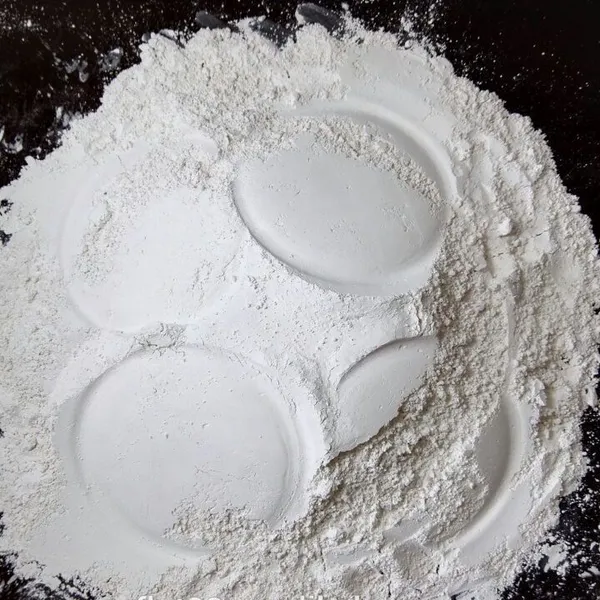
-
Natural Animal Bone AshUS$ 880 - 920MOQ: 5 Tons
-
China Manufacturer Supply Eco-Friendly Bone Ash PowderUS$ 890MOQ: 1 Ton
-
Calcined Bone Ash for Bone China With GoodPriceUS$ 880 - 920MOQ: 5 Tons
-
Synthetic Bone Ash for Ceramic With Good PriceUS$ 850MOQ: 5 Tons
-
Calcium and Phosphorus Powder - 325 MeshPowderUS$ 850MOQ: 5 Tons
-
Calcium and Phosphorus Powder - 325 MeshPowderUS$ 850MOQ: 5 Tons
-
Calcium Stearate PVC PE Lubricant Mould-releasing Powder ManufacturerUS$ 850MOQ: 5 Tons
-
Reputed Supplier Selling Bone Ash Powder Which Meet With Environmental Standard As Animal FeedstuffUS$ 850MOQ: 5 Tons
-
Industrial Grade Bone Ash for Bone Ceramics and MetallurgyUS$ 900MOQ: 10 Tons
-
Animal Ashes Used for Bone ChinaUS$ 900MOQ: 5 Tons
-
Calcium and Phosphorus Powder - 325 MeshPowderUS$ 850MOQ: 5 Tons
-
High Quality Bone Ash for Mold Releasing Use/bone Ash PowderUS$ 850 - 880MOQ: 5 Tons
-
Manufacturer Sell Low Price Calcined Bone Ash or PowderUS$ 850MOQ: 5 Tons
-
Calcined Bone Ash for Bone China With GoodPriceUS$ 880MOQ: 5 Tons
-
High Quality Bone Ash for Mold Releasing Use/bone Ash PowderUS$ 880 - 920MOQ: 5 Tons