
 Business License

Bone Char Water Filtration: A Complete Guide for Industrial Applications
In 2019, a municipal water treatment facility in central India faced a crisis. Natural fluoride levels in their groundwater source had climbed to 4.2 mg/L, nearly three times the World Health Organization's recommended limit. Activated carbon wasn't solving the problem. The engineering team needed a filtration media that could address both organic contaminants and mineral ions without a complete system overhaul. Their eventual switch to bone char filtration brought fluoride levels down to 0.8 mg/L within the first operating quarter.
If you manage water treatment operations, source filtration media, or engineer purification systems, you understand the pressure of finding the right adsorption material. Bone char water filtration remains one of the most underutilized yet effective approaches for specific contaminant challenges. In this guide, you will learn exactly how bone char works as a filtration medium, where it outperforms synthetic alternatives, and what specifications matter when sourcing it for industrial-scale systems.
What Is Bone Char and How Does It Filter Water?
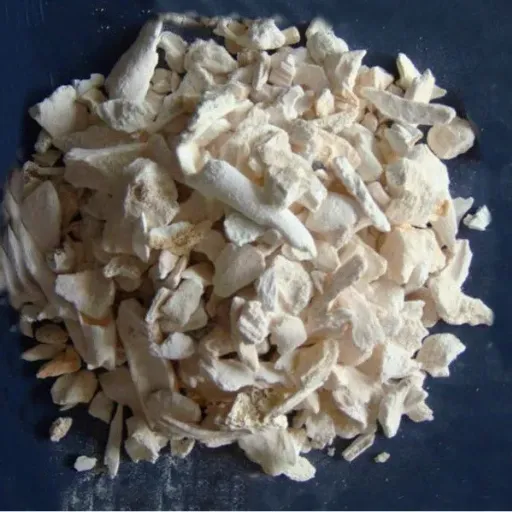
Bone char, also referred to as bone carbon, is a porous, carbonized material produced by heating defatted animal bones in a controlled, low-oxygen environment. Unlike bone ash, which is fully calcined to a white mineral powder for ceramic applications, bone char retains a carbon-rich structure with substantial surface area for adsorption.
The production process begins with defatted bovine bone blocks. These are heated at controlled temperatures that carbonize the organic matrix without fully oxidizing it. The result is a black to dark gray granular material composed of a carbon matrix interspersed with calcium phosphate and calcium carbonate.
Key physical properties of bone char filtration media include:
Appearance: Black to dark gray granules or coarse powder
Porosity: Highly porous with significant internal surface area
Composition: Carbon matrix with calcium phosphate (hydroxyapatite) and calcium carbonate
pH: Generally alkaline, typically 9.0–11.5
Bulk density: Approximately 0.7–1.0 g/cm³ depending on particle size
Bone char water filtration operates through two primary mechanisms. The porous carbon structure adsorbs organic compounds, colorants, and certain dissolved substances through physical adsorption. Simultaneously, the calcium phosphate content engages in ion exchange with specific minerals, most notably fluoride and certain heavy metals. This dual-action mechanism distinguishes bone char from single-function filtration media.
Technical Note: Bone char is sometimes confused with activated carbon due to its dark color and adsorption capability. However, bone char's calcium phosphate content gives it ion exchange properties that activated carbon does not possess.
Want to understand how bone carbon fits your specific water treatment application? Explore our bone carbon specifications and sourcing options.
How Bone Char Water Filtration Works in Practice
Understanding the science behind bone char water filtration helps engineers optimize system design and predict performance. The effectiveness of bone char depends on the contaminant type, contact time, pH conditions, and media particle size.
Adsorption of Organic Compounds and Color
The carbonized structure of bone char provides a network of micropores and mesopores that trap organic molecules. This makes bone char water filtration particularly effective for:
Decolorization of process water and wastewater
Removal of natural organic matter that causes yellow or brown coloration
Reduction of certain organic contaminants and odor-causing compounds
Pre-treatment before reverse osmosis or other membrane systems
Adsorption capacity correlates with surface area. While bone char typically has lower surface area per gram than activated carbon, its specific pore structure can be advantageous for certain molecular sizes.
Ion Exchange for Fluoride and Metals
The hydroxyapatite structure in bone char (calcium phosphate in a specific crystalline form) can exchange calcium or phosphate ions with fluoride ions in solution. This property makes bone char filtration media uniquely suited for:
Fluoride reduction in groundwater with elevated natural levels
Removal of certain heavy metal ions through surface complexation
pH buffering in acidic water conditions due to its alkaline nature
System Configuration and Contact Time
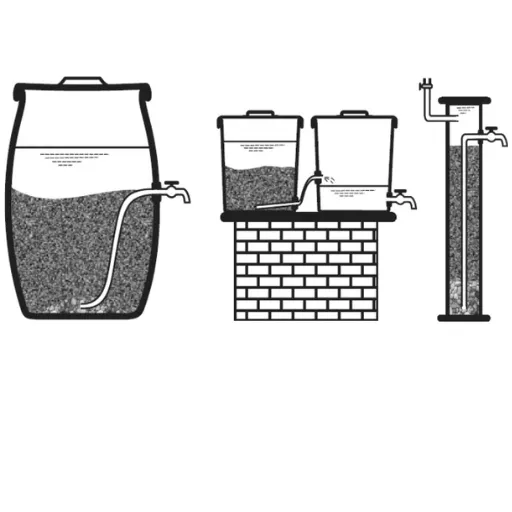
Bone char water filtration systems typically operate as fixed-bed filters, similar to activated carbon installations. Key design parameters include:
Empty bed contact time (EBCT): Typically 5–15 minutes depending on target contaminants
Filtration rate: Usually 3–10 m/hour for gravity systems, higher for pressure systems
Bed depth: 1.0–2.5 meters depending on throughput and treatment goals
Particle size: Granular bone char (0.5–2.0 mm) balances flow rate with surface area
Regeneration of spent bone char is possible through chemical washing or thermal reactivation, though many industrial users replace media when breakthrough occurs.
When Marcus Chen, a process engineer at a textile dyeing facility in Bangladesh, switched his decolorization stage from activated carbon to bone char in 2023, he wasn't expecting dramatic results. The facility struggled with persistent color from synthetic dyes that carbon only partially removed. After six months of operation, the bone char filtration stage reduced effluent color by an additional 34% compared to the previous setup. More importantly, the alkaline nature of the bone char helped stabilize the pH of the treated water, reducing the need for chemical pH adjustment downstream.
Key Applications of Bone Char Water Filtration
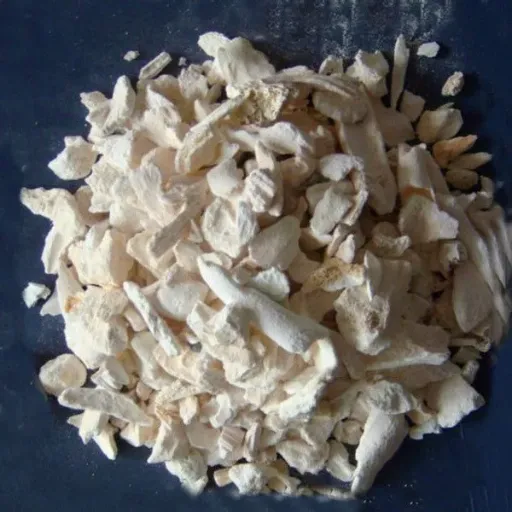
Bone char water filtration serves distinct niches where its dual adsorption and ion exchange properties provide measurable advantages. Understanding these applications helps procurement teams and engineers identify where bone char fits into their treatment train.
Municipal and Industrial Decolorization
Bone char has a long industrial history in removing color from water. Municipal treatment plants in regions with high natural organic matter use bone char filtration media to reduce yellowing and brown discoloration. Industrial applications include:
Sugar refinery syrup decolorization (a traditional and ongoing application)
Textile and dyeing wastewater treatment
Food and beverage process water clarification
Paper mill effluent polishing
In sugar refining, bone char has been used for over a century. While activated carbon has replaced it in some modern facilities, bone char remains preferred in certain regions where its specific adsorption profile and local availability make it economically competitive.
Fluoride Reduction in Groundwater Treatment
This is arguably the most technically significant application for bone char water filtration today. In regions with geological fluoride concentrations above 1.5 mg/L, bone char offers a natural, low-cost alternative to synthetic fluoride adsorbents.
Performance factors for fluoride removal include:
Initial fluoride concentration: Higher concentrations require longer contact time or larger bed volume
pH: Optimal fluoride removal typically occurs at pH 6.0–7.0
Competing ions: Carbonate and phosphate in the water can compete with fluoride for exchange sites
Media quality: Bone char with higher calcium phosphate content generally performs better
The World Health Organization identifies bone char as one of several acceptable defluoridation technologies for community water supplies, particularly in low-resource settings.
Specialty and Niche Filtration
Beyond the major applications, bone char filtration media appears in:
Aquarium water treatment for phosphate control and color removal
Small-scale community water systems in fluoride-affected regions
Pre-treatment for desalination plants to protect membranes
Research and laboratory-scale purification systems
Bone Char vs. Activated Carbon: Choosing the Right Media
Water treatment professionals evaluating bone char water filtration often ask how it compares to activated carbon, the dominant adsorption media in the industry. The answer depends entirely on your treatment objectives, existing infrastructure, and water chemistry.
Performance Comparison
| Property | Bone Char | Activated Carbon |
|---|---|---|
| Primary mechanism | Adsorption + ion exchange | Physical adsorption |
| Surface area | Moderate (30–100 m²/g) | Very high (500–1,500 m²/g) |
| Fluoride removal | Effective | Minimal |
| Metal ion removal | Good for specific ions | General, variable |
| Organic removal | Moderate to good | Excellent |
| Decolorization | Good for certain color types | Broad-spectrum |
| pH effect | Alkaline (raises pH) | Neutral to slightly alkaline |
| Bulk density | Higher | Lower |
| Cost | Competitive, often lower | Varies by source |
When to Choose Bone Char Water Filtration
Select bone char filtration media when:
Your water source has elevated fluoride that activated carbon cannot address
You need combined decolorization and mineral reduction in a single media
Your process benefits from pH buffering toward alkaline conditions
You are sourcing a natural, bone-derived material with specific regulatory acceptance
Cost per treatment cycle favors bone char in your regional market
When Activated Carbon Is the Better Choice
Activated carbon remains superior for:
Broad-spectrum organic contaminant removal (VOCs, pesticides, chlorinated compounds)
High-capacity adsorption where maximum surface area is critical
Applications requiring NSF/EN-certified drinking water grade media
Systems where pH neutrality must be maintained
Hybrid Approaches
Some treatment plants use both media in sequence. Bone char water filtration can serve as a pre-treatment stage for fluoride and color reduction, followed by activated carbon polishing for organic contaminants. This approach leverages the strengths of both materials.
The team at AquaClear Systems, a water treatment contractor serving East African municipalities, learned this lesson in 2022. They initially specified activated carbon alone for a rural groundwater project. After pilot testing revealed fluoride at 3.1 mg/L, carbon couldn't deliver safe drinking water. Adding a bone char filtration stage upstream solved the fluoride problem while the carbon stage handled organic and taste concerns. The hybrid system now serves 12,000 residents, and AquaClear has standardized bone char pre-treatment in all fluoride-affected bids.
Sourcing Bone Char for Water Filtration: What Buyers Need to Know
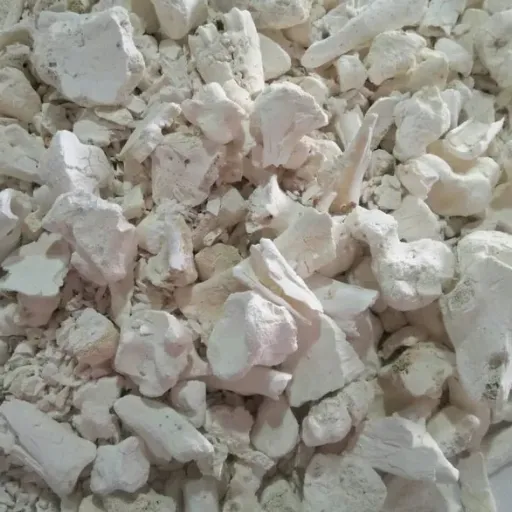
Procuring bone char water filtration media for industrial systems requires the same diligence as sourcing any critical treatment chemical or material. Quality variation between suppliers can significantly affect performance, longevity, and operating cost.
Production Control and Quality Consistency
Because bone char quality depends on controlled carbonization, suppliers who own their production facilities offer advantages over traders. Key questions to ask:
Do you control the carbonization process? Factory-direct manufacturers can adjust temperature, atmosphere, and duration to achieve consistent product quality.
What is your raw material source? Defatted bovine bone blocks from regulated sources ensure predictable composition and regulatory compliance.
What calcination or carbonization temperature do you use? This affects the carbon content, surface area, and calcium phosphate structure.
Do you provide batch testing documentation? A Certificate of Analysis (COA) should verify physical and chemical properties.
Critical Specifications to Request
When evaluating bone char filtration media suppliers, request specifications for:
Particle size distribution: Match to your filtration system (common ranges: 0.5–1.0 mm, 1.0–2.0 mm, 2.0–4.0 mm)
Surface area: BET measurement in m²/g
Calcium content: Higher calcium phosphate correlates with better ion exchange capacity
Carbon content: Indicates degree of carbonization
Moisture content: Affects shipping weight, storage stability, and initial rinse requirements
Ash content: Indicates mineral versus organic fraction
Bulk density: Needed for vessel sizing and shipping calculations
Documentation and Compliance
Request from any potential supplier:
Certificate of Analysis (COA) for the specific batch
Material Safety Data Sheet (MSDS) or Safety Data Sheet (SDS)
Regulatory compliance documentation for your jurisdiction
Packaging and handling recommendations
Recommended backwash rates and operating parameters
Supply Reliability for Continuous Operations
Water treatment plants cannot afford media supply interruptions. Evaluate bone char suppliers on:
Production capacity: Can they reliably deliver your annual volume?
Inventory and lead times: Do they stock product, or is every order made-to-order?
Export experience: For international buyers, established logistics and documentation matter
Packaging options: Bulk bags, drums, or custom packaging to suit your handling equipment
Luohe Feilong Bone Carbon Co., Ltd. produces bone carbon (bone char) from defatted bovine bone under controlled carbonization conditions. Our vertically integrated production facility monitors quality from raw material through finished product. We supply bone char water filtration media to water treatment, filtration, and industrial decolorization applications with batch documentation and flexible order quantities.
Ready to evaluate bone char for your filtration system? Request a sample batch with full COA and specifications for pilot testing in your application.
Optimizing Bone Char Water Filtration System Performance
Once you have sourced quality bone char filtration media, proper system operation determines whether you achieve the expected treatment results. These operational guidelines apply across most fixed-bed bone char installations.
Initial Startup and Conditioning
New bone char typically contains fine particles and dust from handling. Before placing a new bed into service:
Backwash the bed for 15–30 minutes at 10–15 m/hour to remove fines
Allow the bed to settle and classify by particle size
Rinse with treated or clean water until effluent is clear
Monitor initial effluent pH; the alkaline nature of bone char may temporarily elevate pH
Operating Parameters to Monitor
Track these metrics to ensure your bone char water filtration system performs optimally:
Pressure drop across the bed: Increasing pressure drop indicates particulate accumulation or media compaction
Effluent contaminant concentration: Measure target contaminants (fluoride, color, organics) regularly
pH: Bone char can elevate pH in low-alkalinity waters; adjust if post-treatment pH is critical
Flow rate: Maintain design flow to ensure adequate contact time
Run volume or time: Track volume treated to predict breakthrough and schedule media replacement
Media Replacement and Disposal
Bone char eventually exhausts its adsorption and ion exchange capacity. Replacement indicators include:
Breakthrough of target contaminants in effluent
Significant increase in pressure drop that backwashing cannot restore
Recommended service life reached (typically 6–24 months depending on application)
Spent bone char is generally non-hazardous and can often be disposed of in standard industrial waste streams. However, if the media has adsorbed heavy metals or concentrated fluoride, local regulations may require specific disposal methods. Always verify disposal requirements with your environmental compliance team.
Conclusion: Making Bone Char Water Filtration Work for Your Operation
Bone char water filtration offers a unique combination of adsorption and ion exchange that makes it the right choice for specific treatment challenges. The key takeaways from this guide:
Dual mechanism: Bone char removes organics through adsorption while its calcium phosphate content exchanges fluoride and certain metals
Best applications: Fluoride reduction, decolorization, and situations where combined organic and mineral treatment is needed
Not a universal substitute: Activated carbon remains superior for broad organic contaminant removal; bone char excels in specific niches
Quality matters: Source from manufacturers with production control, batch testing, and consistent specifications
System design counts: Proper contact time, particle size selection, and operational monitoring determine success
For water treatment engineers and procurement managers, bone char deserves consideration alongside activated carbon and synthetic adsorbents. In the right application, it delivers effective treatment at competitive cost.
At Luohe Feilong Bone Carbon Co., Ltd., we have manufactured bone-derived materials for over 20 years. Our bone carbon is produced from defatted bovine bone under controlled conditions, with batch-to-batch consistency that water treatment operators depend on. We supply samples and bulk quantities to domestic and international markets.
Request Your Bone Char Sample and Specification Sheet
Get a sample batch with full COA for qualification testing, or speak with our team about your water treatment media requirements. We export directly to markets in Europe, Asia, and North America with established documentation and logistics support.
Recently Posted
-
Luohe Feilong Bone Carbon: Industrial Bone Ash Manufacturer Since 2011
August 17, 2026When a copper foundry in Turkey needs bone ash that releases cleanly from a sand mold at 1,100 degrees Celsius, or a bone china fa Read More
 -
Bone Ash in Copper Casting Mold Release: Application and Practical Guidance
August 14, 2026A copper sand casting foundry in India was producing electrical switch components that required a clean, smooth surface finish for Read More
 -
How to Source Bone Ash for Foundry Applications: A Buyer's Checklist
August 13, 2026A purchasing manager at a brass foundry in Egypt ordered 20 metric tons of bone ash from a new supplier at a price roughly 25% bel Read More
 -
Bone Ash vs Graphite Powder for Non-Ferrous Metal Mold Release
August 12, 2026A brass foundry in Southeast Asia switched from bone ash to a lower-cost graphite powder for its sand casting release agent, expec Read More

Contact Us
Recommended Products
-
 Manufacturer Sell Low Price Calcined Bone Ash or PowderUS$ 850MOQ: 5 Tons
 -
Manufacturer Sell Low Price Calcined Bone Ash or PowderUS$ 850MOQ: 5 Tons
-
Manufacturer Sell Low Price Calcined Bone Ash or PowderUS$ 850MOQ: 5 Tons
-
Sell Well Bone Ash for Mold Releasing UseUS$ 880 - 920MOQ: 5 Tons
-
Feilong Direct Sales Die-casting Water-soluble Mold Metal Release AgentUS$ 920MOQ: 5 Tons
-
Natural Animal Bone AshUS$ 880 - 920MOQ: 5 Tons
-
China Manufacturer Supply Eco-Friendly Bone Ash PowderUS$ 890MOQ: 1 Ton
-
Calcined Bone Ash for Bone China With GoodPriceUS$ 880 - 920MOQ: 5 Tons
-
Synthetic Bone Ash for Ceramic With Good PriceUS$ 850MOQ: 5 Tons
-
Calcium and Phosphorus Powder - 325 MeshPowderUS$ 850MOQ: 5 Tons
-
Calcium and Phosphorus Powder - 325 MeshPowderUS$ 850MOQ: 5 Tons
-
Calcium Stearate PVC PE Lubricant Mould-releasing Powder ManufacturerUS$ 850MOQ: 5 Tons
-
Reputed Supplier Selling Bone Ash Powder Which Meet With Environmental Standard As Animal FeedstuffUS$ 850MOQ: 5 Tons
-
Industrial Grade Bone Ash for Bone Ceramics and MetallurgyUS$ 900MOQ: 10 Tons
-
Animal Ashes Used for Bone ChinaUS$ 900MOQ: 5 Tons
-
Calcium and Phosphorus Powder - 325 MeshPowderUS$ 850MOQ: 5 Tons
-
High Quality Bone Ash for Mold Releasing Use/bone Ash PowderUS$ 850 - 880MOQ: 5 Tons
-
Manufacturer Sell Low Price Calcined Bone Ash or PowderUS$ 850MOQ: 5 Tons
-
Calcined Bone Ash for Bone China With GoodPriceUS$ 880MOQ: 5 Tons
-
High Quality Bone Ash for Mold Releasing Use/bone Ash PowderUS$ 880 - 920MOQ: 5 Tons