
 Business License

What Is Bone China Made Of? Composition, Raw Materials, and Production Process
In 2023, a ceramics buyer in Hamburg received a shipment of bone ash that looked right on paper but caused catastrophic defects in production. Translucency was patchy. Strength varied batch to batch.
The problem wasn't the recipe. It was the raw material.
For manufacturers producing bone china, understanding exactly what bone china is made of, and why each ingredient matters, is not academic. It is the difference between consistent output and costly waste.
If you source ceramic raw materials or manage a bone china production line, you already know that quality starts at the ingredient level. In this guide, we break down the composition of bone china, explain the role of bone ash and other critical materials, walk through the production process, and show how raw material quality directly affects your finished product. You will also learn what to look for when sourcing bone ash to protect your production standards.
What Is Bone China Made Of?
Bone china is a type of soft-paste porcelain distinguished by its exceptional strength, translucency, and whiteness. The defining difference between bone china and standard porcelain or earthenware is the inclusion of bone ash in the ceramic body.
The standard composition of bone china includes:
Bone ash: 40-50% of the body formulation
Kaolin (china clay): 25-30%
Feldspar: 20-25%
Quartz (silica): 5-10%
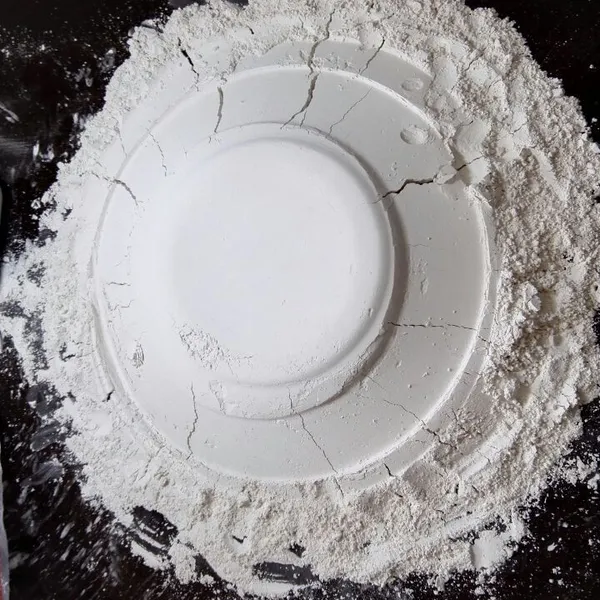
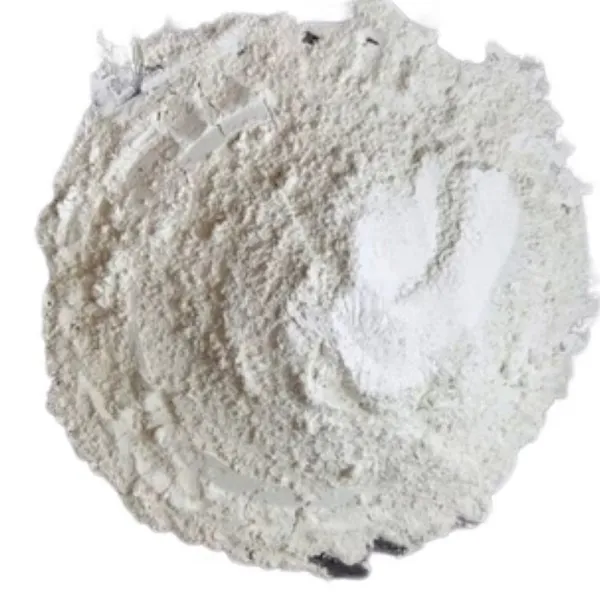
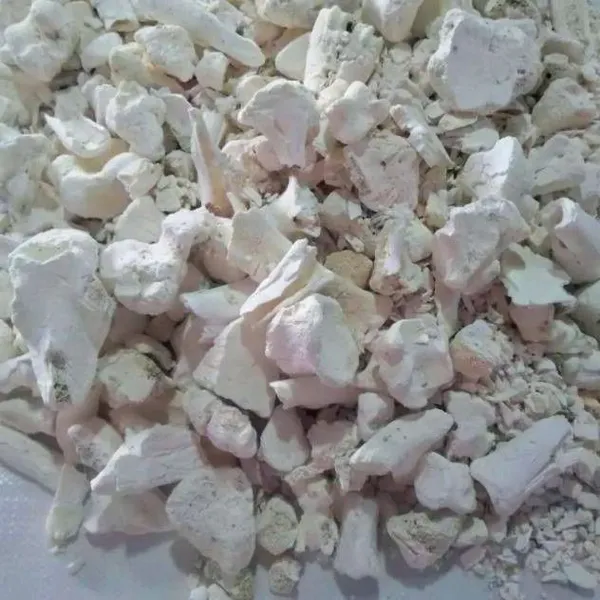
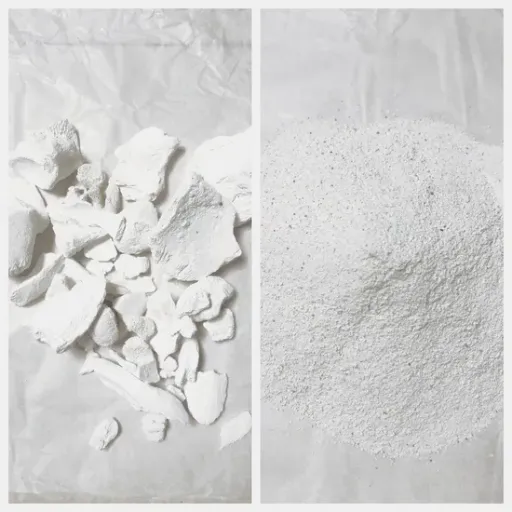
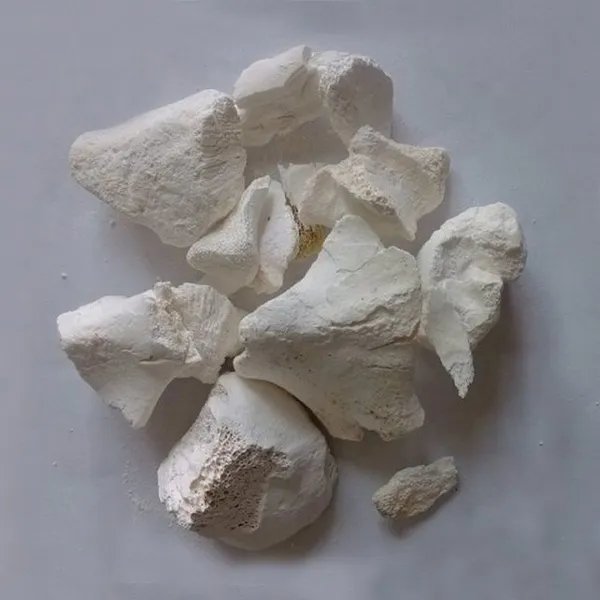
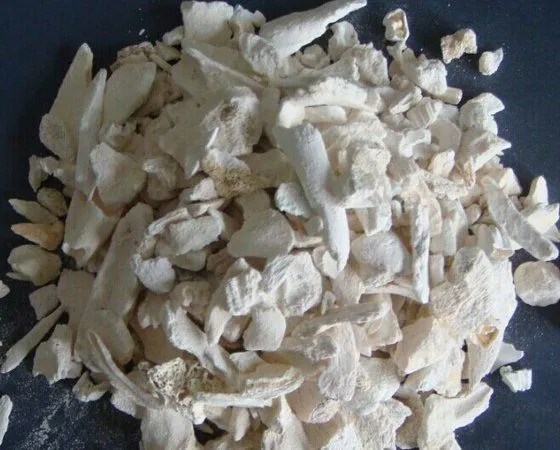
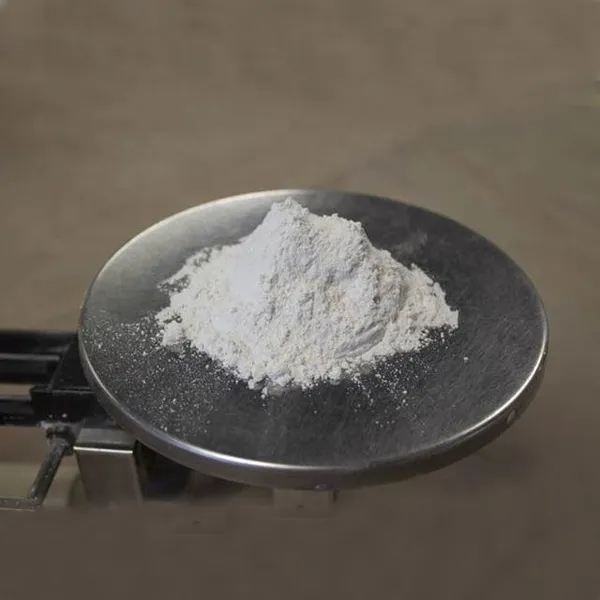
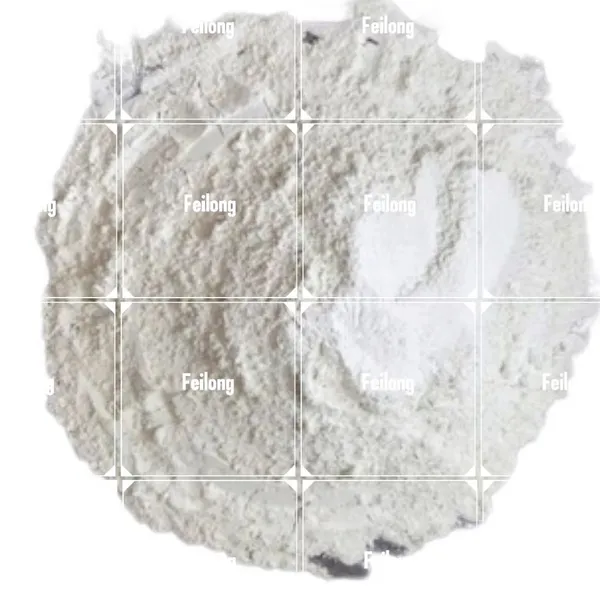
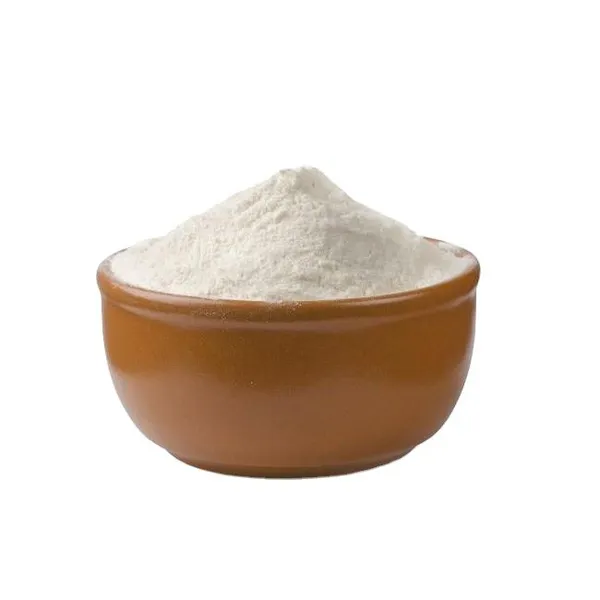
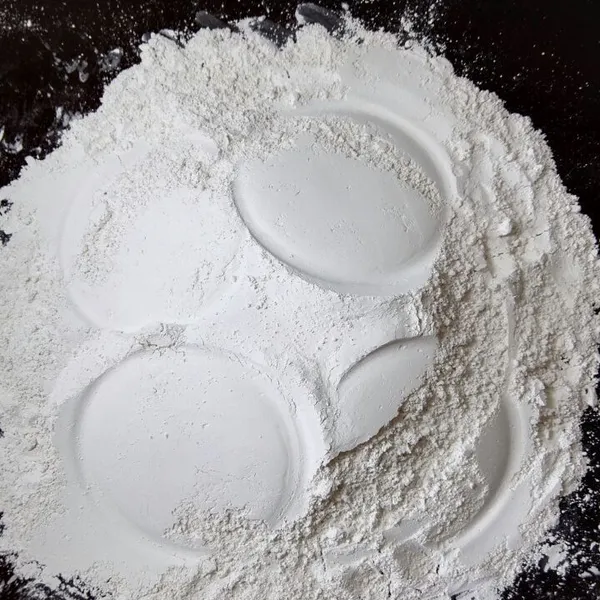
Bone ash is the critical ingredient. It is produced by calcining defatted bovine bones at high temperatures, typically around 1300°C. The resulting white crystalline powder is composed primarily of calcium phosphate and calcium carbonate.
This mineral structure is what gives bone china its characteristic translucency when held to light, along with its mechanical strength and pure white color after glazing.
Kaolin provides plasticity and workability to the unfired body. Feldspar acts as a flux, lowering the melting point during firing and promoting vitrification. Quartz adds structural stability and helps control thermal expansion.
Each component plays a specific role, but bone ash is the differentiator that separates bone china from all other ceramic types.
Want to see how bone ash quality affects your formulation? Explore our ceramic-grade bone ash specifications to compare grades.
The Role of Bone Ash in Bone China Composition
Bone ash is not a generic filler. Its chemical and physical properties directly determine the performance of the final ceramic body.
Chemical Composition
High-quality bone ash used in bone china production typically contains:
Calcium (Ca): ≥35.0%
Phosphorus (P): ≥16.0%
Iron (Fe): ≤0.05% (low iron is essential for whiteness)
pH: 9.0-11.5
Burning loss: ≤1.0%
The calcium phosphate content, primarily in the form of hydroxyapatite, interacts with feldspar and kaolin during firing to create a glassy matrix. This matrix is what makes bone china translucent.
Lower calcium content or higher iron impurities can dull translucency and introduce gray or yellow tones.
Physical Properties
Particle size matters. Bone ash for bone china is typically ground to 325 mesh or 400 mesh fineness. Finer particles integrate more completely into the ceramic body, improving surface finish and uniformity.
Coarser particles can create inclusions, surface defects, or inconsistent translucency.
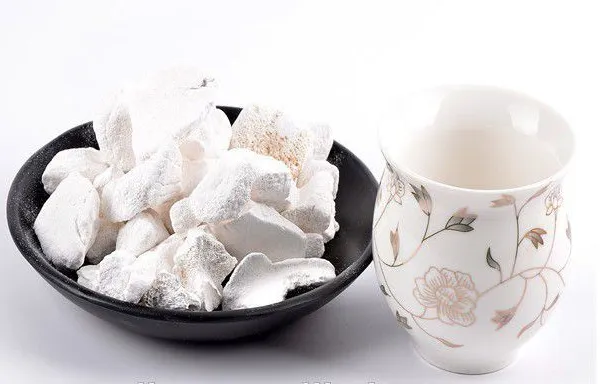
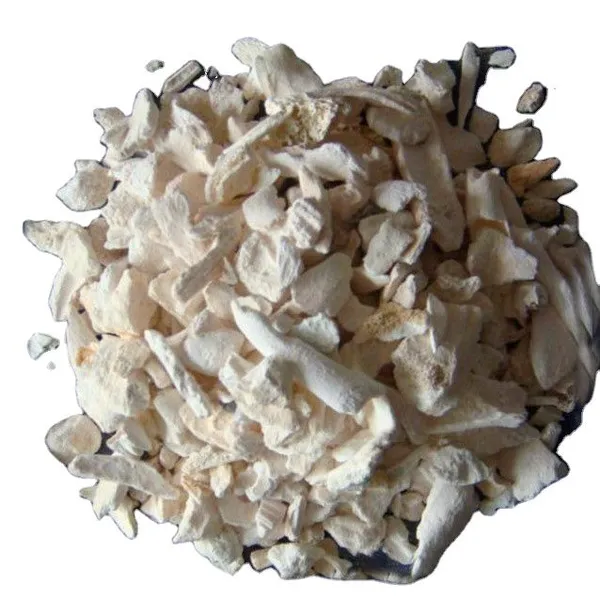
At Feilong, bone ash is calcined at 1300°C from defatted bovine bone blocks, then precision-ground to 325 mesh and 400 mesh specifications. This controlled process ensures the chemical composition and particle size distribution that bone china manufacturers require.
Why Source Matters
Not all bone ash performs equally in bone china. Bone ash produced at inconsistent temperatures, from non-defatted raw material, or without controlled grinding can vary in calcium content, particle size, and organic residue.
These variations translate directly into production problems: warping, color inconsistency, strength defects, and unpredictable firing behavior.
When Chen, a production manager at a mid-sized ceramics factory in Guangdong, switched from a trading-company supplier to a vertically integrated manufacturer, the difference was immediate. Batch-to-batch calcium content stabilized within ±0.5%. Firing rejects dropped by 18% in the first quarter.
The raw material composition hadn't changed. The consistency had.
Other Raw Materials in Bone China Production
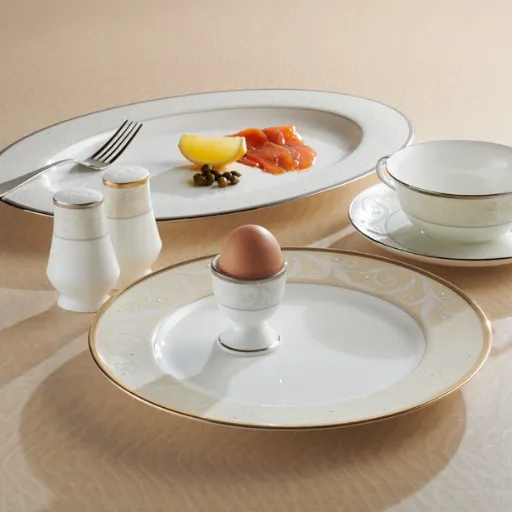
While bone ash gets the attention, the other raw materials in bone china are equally important for achieving the right balance of workability, firing behavior, and final properties.
Kaolin (China Clay)
Kaolin is the primary plastic component in bone china. It provides the green strength needed for forming and handling unfired ware. High-quality kaolin for bone china should be low in iron and titanium to avoid discoloration.
The kaolin-to-bone ash ratio affects both plasticity and fired translucency. Too much kaolin reduces translucency. Too little makes the body difficult to form.
Feldspar
Feldspar serves as the flux in bone china. During firing, it melts and reacts with bone ash and kaolin to form the glassy phase responsible for vitrification and translucency.
The choice of feldspar, its sodium-to-potassium ratio, and its particle size all influence the firing temperature and the final body character.
Quartz (Silica)
Quartz acts as a refractory component and thermal expansion modifier. It prevents excessive deformation during firing and helps match the thermal expansion of the body to the glaze.
In bone china, quartz content is typically lower than in hard-paste porcelain because bone ash itself contributes to the glassy matrix.
Water and Processing Aids
During slip preparation, water content and deflocculant selection affect viscosity, casting rate, and body uniformity. These processing variables interact with raw material quality.
Even the best bone ash cannot compensate for poorly prepared slip or incompatible auxiliary materials.
How Bone China Is Manufactured
The production of bone china follows a precise sequence. Understanding this process helps buyers appreciate why raw material consistency matters at every stage.
Step 1: Raw Material Preparation
Bone ash, kaolin, feldspar, and quartz are weighed and blended according to the specific recipe. Each material must meet strict chemical and physical specifications before entering the batch.
Any variation in incoming raw materials propagates through the entire process.
Step 2: Slip Preparation
The blended materials are mixed with water to form a slip. Deflocculants are added to control viscosity and keep particles suspended. The slip is screened and magnetically cleaned to remove impurities.
At this stage, bone ash particle size directly affects slip rheology. Finer bone ash (400 mesh) may require slightly different water content compared to 325 mesh.
Step 3: Forming
Bone china is typically formed by slip casting in plaster molds, though jiggering and pressing are also used for specific shapes. The casting properties of the slip depend on the interaction between bone ash, kaolin, and water.
Inconsistent bone ash can cause variable casting rates, leading to uneven wall thickness.
Step 4: Drying and Biscuit Firing
Formed ware is dried slowly to prevent cracking, then fired at approximately 1200-1280°C in a biscuit firing. This first firing establishes the ceramic body structure.
Bone ash content and quality influence shrinkage, strength, and porosity at this stage.
Step 5: Glazing and Glost Firing
After biscuit firing, the ware is glazed and fired again at 1050-1100°C. The glost firing matures the glaze and finalizes the body properties.
Well-formulated bone china with consistent raw materials will exhibit uniform translucency, a smooth glassy surface, and high mechanical strength.
Step 6: Quality Inspection
Finished bone china is inspected for translucency, color consistency, surface defects, and dimensional accuracy. Rejects at this final stage are the most expensive because they represent fully processed material, labor, and kiln time.
Ready to test bone ash in your production process? Request a sample with full COA and evaluate Feilong bone ash in your own formulation.
Why Bone Ash Quality Determines Bone China Grade
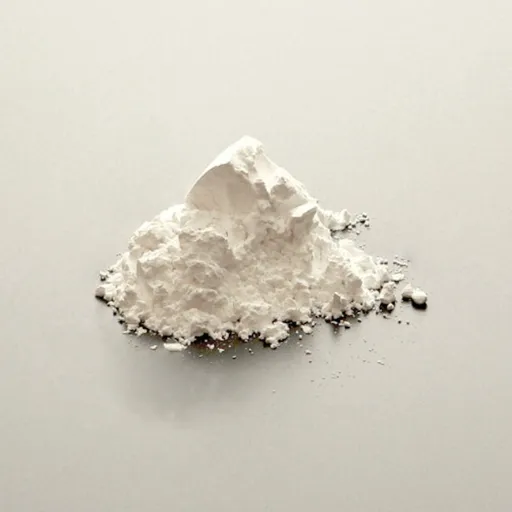
The grade of bone china, fine china, or superwhite porcelain is determined largely by the quality of bone ash used in the body.
Translucency
High-grade bone china is evaluated by its translucency when held to light. This property depends on the glassy matrix formed during firing, which in turn depends on bone ash calcium phosphate content and its reaction with feldspar.
Inconsistent bone ash produces variable translucency, making it impossible to maintain a uniform product grade.
Whiteness
Whiteness is measured against standard white tiles using reflectance meters. Iron content in bone ash is the enemy of whiteness.
Even trace iron above 0.05% can produce gray or cream tones that disqualify ware from premium grades. This is why ceramic-grade bone ash must be produced from carefully controlled raw materials and calcination conditions.
Strength
Bone china is stronger than most other ceramic types because of the unique interaction between bone ash and the glassy phase. However, this strength depends on uniform distribution of bone ash particles and consistent chemical composition.
Poor-quality or variable bone ash can create weak points, increasing breakage rates in finished ware.
Thermal Shock Resistance
The thermal expansion characteristics of bone china are influenced by bone ash content and quality. Premium bone china must withstand rapid temperature changes, such as when hot liquid is poured into a cup.
Thermal shock resistance requires predictable, consistent raw material behavior.
In 2024, a buyer for a European tableware brand visited three bone ash suppliers in China before choosing Feilong. The decision came down to documentation. Two suppliers provided vague composition ranges. Feilong provided COAs showing batch-to-batch consistency for Ca, P, Fe, and burning loss across 12 consecutive months.
That documentation gave the buyer confidence to commit to a 24-month supply contract.
Sourcing Consistent Bone Ash for Bone China Manufacturing
For procurement managers and technical buyers, selecting a bone ash supplier involves more than comparing prices per metric ton. The real cost of bone ash is measured in production consistency, reject rates, and finished product grade.
What to Specify
When sourcing bone ash for bone china, specify:
Chemical composition: Ca ≥35.0%, P ≥16.0%, Fe ≤0.05%, burning loss ≤1.0%
Particle size: 325 mesh or 400 mesh, with defined particle size distribution
Color: White crystalline powder, no visible discoloration
pH: 9.0-11.5
Documentation: Certificate of Analysis (COA) with every batch
Evaluate the Supplier, Not Just the Product
Ask these questions before placing a bulk order:
Does the supplier own the factory, or do they trade materials from multiple sources?
What calcination temperature and process controls are in place?
Can the supplier provide 6-12 months of COA data showing consistency?
What mesh sizes are available, and can they accommodate custom specifications?
What is the minimum order quantity, and are samples available for qualification?
Does the supplier have export experience to your region?
Feilong Bone Ash for Ceramic Applications
Luohe Feilong Bone Carbon Co., Ltd. has manufactured bone ash for ceramic applications for over 20 years. Our vertically integrated factory in Luohe, Henan Province, controls every step from defatted bovine bone intake through 1300°C calcination, precision grinding, and batch testing.
Our ceramic-grade bone ash is available in 325 mesh and 400 mesh fineness, with standard specifications of Ca ≥35.0%, P ≥16.0%, Fe ≥0.05%, and burning loss ≤1.0%. Every batch is tested before release, and a full COA is provided with every shipment.
We export directly to ceramic manufacturers in Germany, South Korea, the United States, and other markets. Minimum order quantity is 1 metric ton. Sample quantities start from 1 kg for testing and qualification.
Get a bulk FOB quote for your monthly bone ash requirements. Contact our technical team or request your specification sheet today.
Conclusion
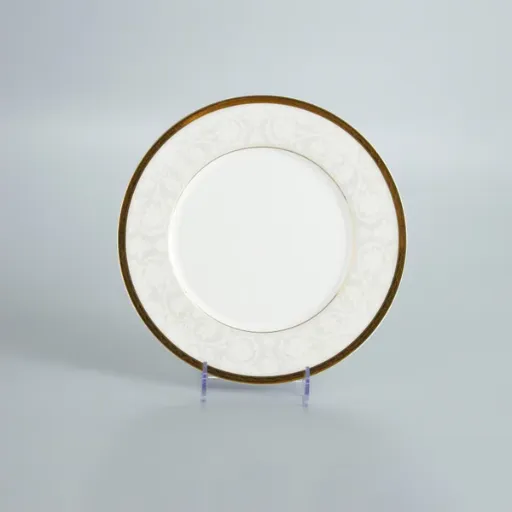
Bone china is made from a precise combination of bone ash, kaolin, feldspar, and quartz. Bone ash accounts for 40-50% of the body and is the ingredient responsible for the translucency, strength, and whiteness that define bone china.
The quality of that bone ash, measured by calcium content, iron levels, particle size, and batch-to-batch consistency, directly determines the grade and reliability of your finished ceramic product.
For manufacturers, the lesson is simple: you cannot make premium bone china from inconsistent raw materials. Understanding what bone china is made of is the first step. Partnering with a bone ash supplier who controls production, documents quality, and understands ceramic applications is the second.
At Feilong, we supply bone ash that meets the standards bone china manufacturers depend on. With 20 years of specialized production, 1300°C controlled calcination, and proven export logistics, we deliver the raw material consistency your production line requires.
Start your evaluation today. Request a free sample with full COA or speak with our team about your bone china raw material needs.
Recently Posted
-
Luohe Feilong Bone Carbon: Industrial Bone Ash Manufacturer Since 2011
August 17, 2026When a copper foundry in Turkey needs bone ash that releases cleanly from a sand mold at 1,100 degrees Celsius, or a bone china fa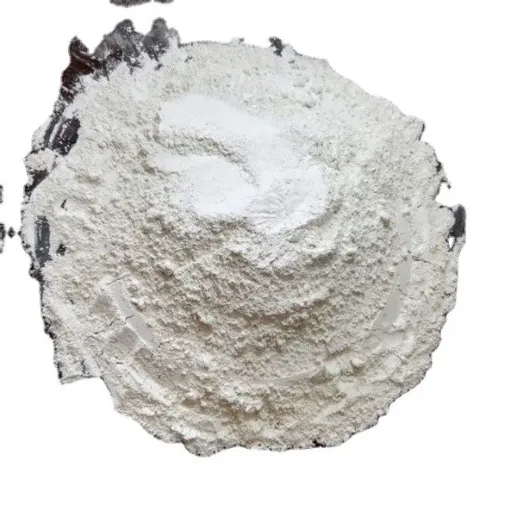 Read More
 -
Bone Ash in Copper Casting Mold Release: Application and Practical Guidance
August 14, 2026A copper sand casting foundry in India was producing electrical switch components that required a clean, smooth surface finish for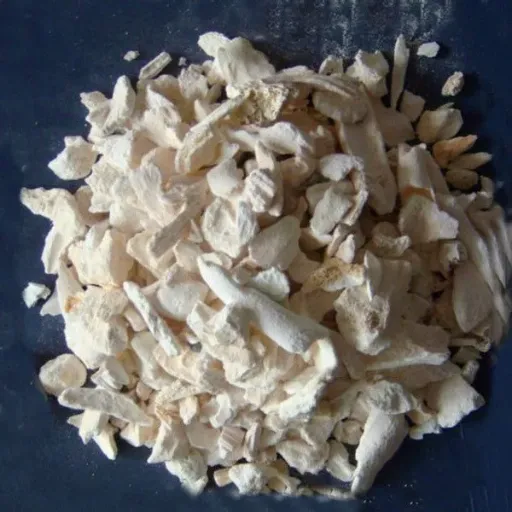 Read More
 -
How to Source Bone Ash for Foundry Applications: A Buyer's Checklist
August 13, 2026A purchasing manager at a brass foundry in Egypt ordered 20 metric tons of bone ash from a new supplier at a price roughly 25% bel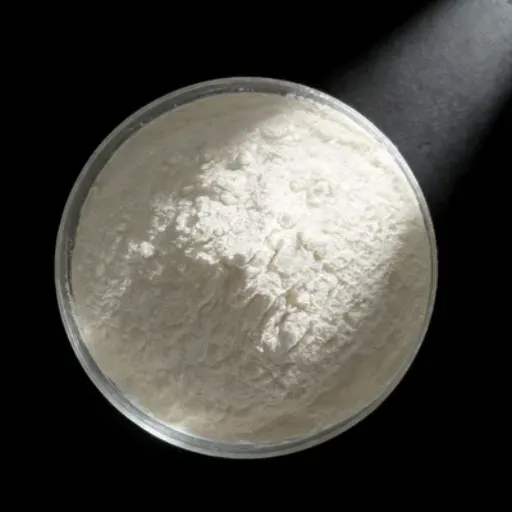 Read More
 -
Bone Ash vs Graphite Powder for Non-Ferrous Metal Mold Release
August 12, 2026A brass foundry in Southeast Asia switched from bone ash to a lower-cost graphite powder for its sand casting release agent, expec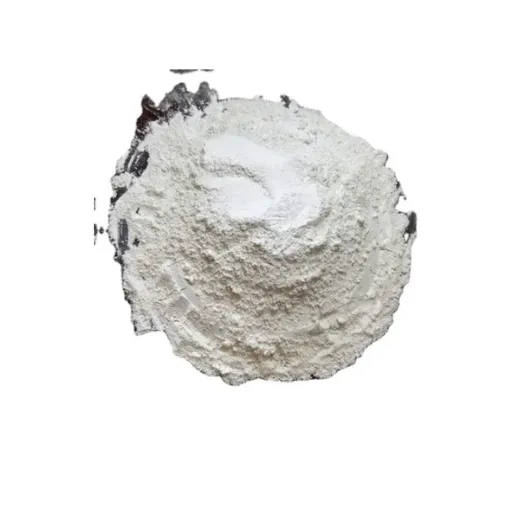 Read More

Contact Us
Recommended Products
-
 Manufacturer Sell Low Price Calcined Bone Ash or PowderUS$ 850MOQ: 5 Tons
 -
Manufacturer Sell Low Price Calcined Bone Ash or PowderUS$ 850MOQ: 5 Tons
-
Manufacturer Sell Low Price Calcined Bone Ash or PowderUS$ 850MOQ: 5 Tons
-
Sell Well Bone Ash for Mold Releasing UseUS$ 880 - 920MOQ: 5 Tons
-
Feilong Direct Sales Die-casting Water-soluble Mold Metal Release AgentUS$ 920MOQ: 5 Tons
-
Natural Animal Bone AshUS$ 880 - 920MOQ: 5 Tons
-
China Manufacturer Supply Eco-Friendly Bone Ash PowderUS$ 890MOQ: 1 Ton
-
Calcined Bone Ash for Bone China With GoodPriceUS$ 880 - 920MOQ: 5 Tons
-
Synthetic Bone Ash for Ceramic With Good PriceUS$ 850MOQ: 5 Tons
-
Calcium and Phosphorus Powder - 325 MeshPowderUS$ 850MOQ: 5 Tons
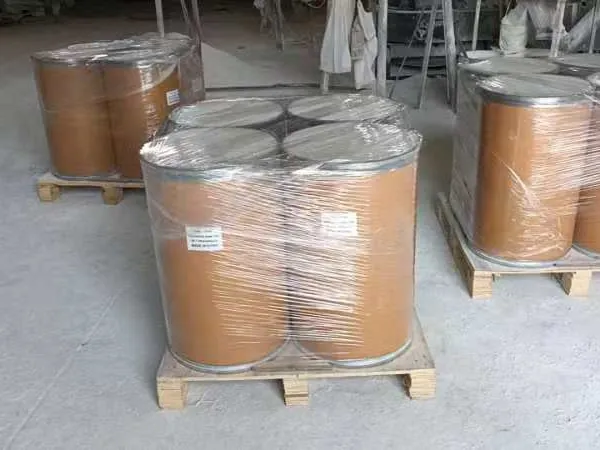
-
Calcium and Phosphorus Powder - 325 MeshPowderUS$ 850MOQ: 5 Tons
-
Calcium Stearate PVC PE Lubricant Mould-releasing Powder ManufacturerUS$ 850MOQ: 5 Tons
-
Reputed Supplier Selling Bone Ash Powder Which Meet With Environmental Standard As Animal FeedstuffUS$ 850MOQ: 5 Tons
-
Industrial Grade Bone Ash for Bone Ceramics and MetallurgyUS$ 900MOQ: 10 Tons
-
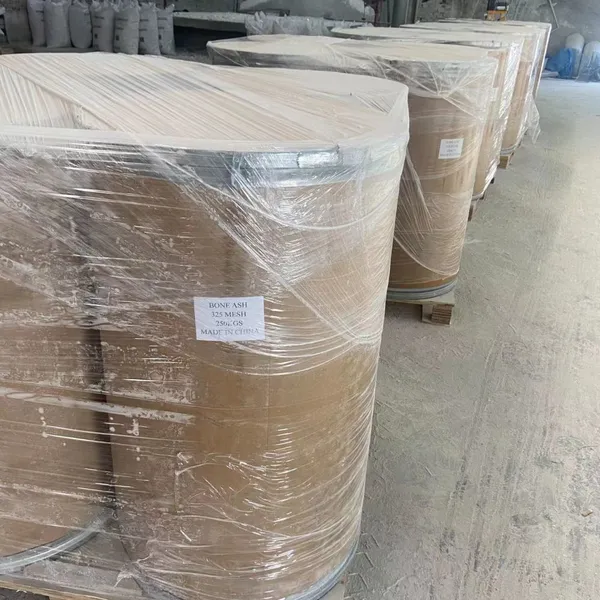
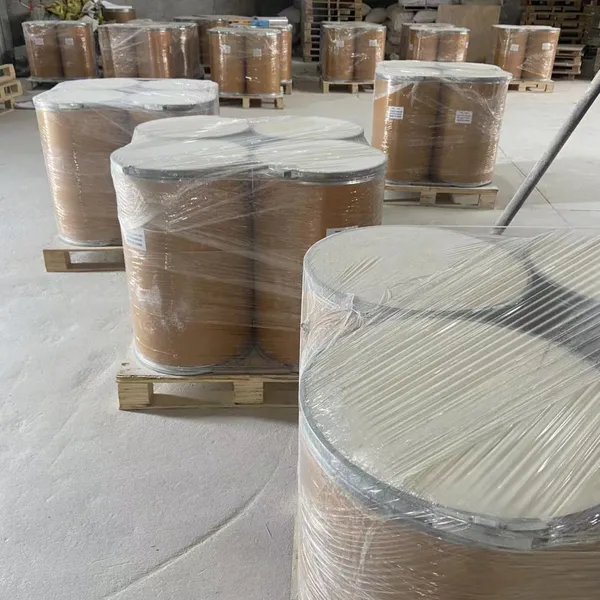
Animal Ashes Used for Bone ChinaUS$ 900MOQ: 5 Tons
-
Calcium and Phosphorus Powder - 325 MeshPowderUS$ 850MOQ: 5 Tons
-
High Quality Bone Ash for Mold Releasing Use/bone Ash PowderUS$ 850 - 880MOQ: 5 Tons
-
Manufacturer Sell Low Price Calcined Bone Ash or PowderUS$ 850MOQ: 5 Tons
-
Calcined Bone Ash for Bone China With GoodPriceUS$ 880MOQ: 5 Tons
-
High Quality Bone Ash for Mold Releasing Use/bone Ash PowderUS$ 880 - 920MOQ: 5 Tons