
 Business License

What Is Bone Char? Production, Properties, and Industrial Uses
Most procurement managers in water treatment and filtration know activated carbon inside and out. They know the mesh sizes, the iodine numbers, and the suppliers. But when a process engineer first suggested bone char as a decolorization media to Carlos at a municipal plant in Guadalajara, his response was blunt: "You want me to filter water with bones?" Six months later, Carlos had cut his activated carbon consumption by 30% and stabilized his supply chain. The difference was not magic. It was chemistry.
If you are evaluating filtration media for water treatment, sugar refining, or industrial decolorization, you have probably asked what is bone char and whether it belongs in your process. You are not alone. Many B2B buyers overlook bone char because the name sounds primitive compared to engineered synthetics. In this guide, you will learn exactly how manufacturers produce it, what properties define its performance, and where it outperforms alternatives. You will also get a practical framework for sourcing consistent, specification-compliant bone char from manufacturers who control their own production.
Want to compare bone char specifications against your current media? Request a free sample with full COA from Feilong to test in your system.
What Is Bone Char?
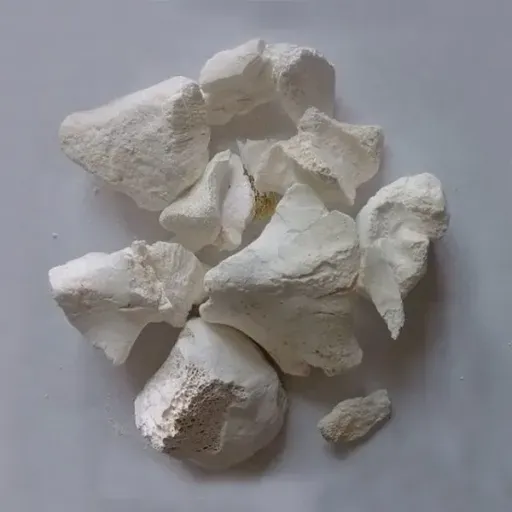
Bone char, also known as bone carbon or animal bone charcoal, is a porous, carbon-rich material produced by carbonizing defatted animal bones in a controlled, low-oxygen environment. Unlike bone ash, which is fully calcined to a white mineral powder at temperatures around 1300°C, bone char retains a carbon matrix that provides significant surface area for adsorption and ion exchange.
The material typically appears as black to dark gray granules or powder. Its structure combines a porous carbon skeleton with mineral content primarily in the form of calcium phosphate and calcium carbonate. This dual composition gives bone char unique properties that pure carbon media cannot replicate.
Bone char should not be confused with ordinary charcoal or standard activated carbon. While all three materials contain carbon, bone char's calcium phosphate content enables specific ion exchange reactions, particularly for fluoride and certain metal ions, that make it valuable in specialized water treatment applications.
How Bone Char Is Produced
Understanding bone char production helps buyers evaluate supplier quality and batch consistency. The process involves five controlled steps.
Raw Material Selection
Quality bone char starts with defatted bovine bone blocks. The defatting step is essential because residual organic fats can interfere with controlled carbonization and produce inconsistent porosity. Reputable manufacturers source from regulated suppliers and inspect incoming material for fat content, moisture, and contamination.
Defatting and Preparation
Bones undergo mechanical and thermal defatting to reduce fat content to specification. This preparation ensures that subsequent carbonization produces a clean, porous carbon structure rather than a tar-contaminated product. Temperature and duration during this phase directly affect the final adsorption capacity.
Controlled Carbonization
The prepared bones are heated in a low-oxygen furnace at temperatures typically between 600°C and 900°C. This is the critical differentiation from bone ash production. Bone ash is calcined at roughly 1300°C in an oxidizing environment, which burns off all carbon and leaves white mineral powder. Bone char carbonization, by contrast, preserves a carbon matrix while driving off volatile compounds.
Carbonization temperature and atmosphere control determine three key outcomes. Surface area depends on heat exposure; higher temperatures can increase surface area but may reduce mechanical strength. Porosity is shaped by oxygen levels, which affect pore size distribution. Mineral retention varies with heat intensity; excessive heat can alter calcium phosphate crystallinity.
Grinding and Sizing
After carbonization, the material is cooled and ground to the required particle size. Granular bone char is common in column filtration systems, while powdered forms suit batch decolorization processes. Buyers should specify particle size based on their equipment requirements.
Quality Control and Packaging
Every batch requires testing for adsorption capacity, mineral composition, moisture content, and physical integrity. A Certificate of Analysis (COA) documents these results. Material is then packaged in moisture-resistant containers for domestic or export shipment.
At Luohe Feilong Bone Carbon Co., Ltd., our production process controls each of these steps in our owned facility. We carbonize defatted bovine bone under conditions that balance adsorption performance with structural durability for industrial filtration systems.
Key Properties and Chemical Composition
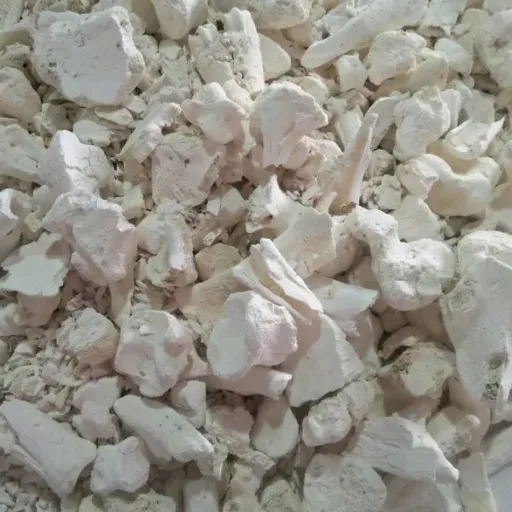
Bone char's performance in industrial applications depends on several measurable properties.
Physical Properties
Bone char typically appears as black to dark gray granules or powder. Its bulk density runs between 0.7 and 1.0 g/cm³ depending on particle size. The material offers sufficient hardness for column applications without excessive fracturing. Moisture content at shipment is usually below 5%.
Chemical Composition
The mineral fraction in bone char remains substantial even after carbonization. Typical composition includes calcium phosphate at 70–80% of mineral content, calcium carbonate at 7–10%, carbon content at 9–11%, and trace minerals that vary depending on raw material source.
The calcium phosphate content is what distinguishes bone char from wood-based or coconut-based activated carbons. This mineral phase provides ion exchange capability, particularly for fluoride removal, that purely carbonaceous media cannot match.
Adsorption Characteristics
Bone char exhibits moderate surface area, typically lower than activated carbon but sufficient for many decolorization and organic removal applications. Its adsorption profile favors larger organic molecules and certain colorants, making it particularly effective in sugar refining and specific industrial wastewater treatments.
Industrial Applications of Bone Char
Bone char has served industrial processes for over a century. Today it remains relevant in several niches where its specific properties outperform alternatives.
Water Treatment and Decolorization
The largest modern application for bone char is in water treatment. Municipal and industrial facilities use bone char to remove natural organic matter that causes yellow or brown coloration, reduce certain dissolved organic contaminants, remove fluoride in regions with high natural fluoride levels, and polish effluent streams after primary treatment.
When Carlos tested bone char at his Guadalajara plant, he targeted color removal from surface water with high dissolved organic content. The bone char column handled the load effectively, and because the material cost less per kilogram than his premium activated carbon, the blended system reduced overall media expenditure without compromising effluent quality. According to the EPA Water Research program, adsorption remains one of the most effective methods for removing organic contaminants from drinking water.
Sugar Refining
Bone char has a long history in the sugar industry for decolorizing sugar syrup. While activated carbon has displaced it in some markets, bone char remains in use where its specific adsorption properties and mineral content provide processing advantages. Some refiners prefer bone char for its ability to remove ash and certain colorant classes that activated carbon handles less efficiently.
Elena, a procurement manager at a sugar refinery in Poland, spent the first half of 2024 chasing delayed activated carbon shipments that threatened to halt production during peak beet processing season. She contacted a bone char manufacturer with vertical integration and secured a 12-month supply contract with guaranteed monthly volumes. Her decolorization line has operated without interruption since July 2024. "The consistency of supply matters more than the brand name on the bag," Elena noted in a recent supplier review.
Evaluating bone char for your decolorization process? Contact our technical team to discuss your application and request batch-specific specifications.
Specialty Filtration and Adsorption
Beyond mainstream water and sugar applications, bone char appears in pharmaceutical intermediate purification, glycerin refining, drinking water fluoride reduction, and limited air purification uses.
In 2024, a specialty chemical manufacturer in India needed to remove persistent colorants from a pharmaceutical intermediate. Their activated carbon filters were clogging every three weeks. The R&D team tested bone char in a pilot column and found that its mineral content combined with carbon adsorption handled the specific colorant profile more effectively. The facility now runs bone char as its primary decolorization media with filter runs extended to eight weeks.
Metallurgical and Industrial Uses
While mold-releasing bone ash handles high-temperature metal forming, bone char itself sees limited use in certain metallurgical fluxes and as a reducing agent in specific refining processes. These applications are niche but economically significant for the facilities that use them.
Bone Char vs. Activated Carbon
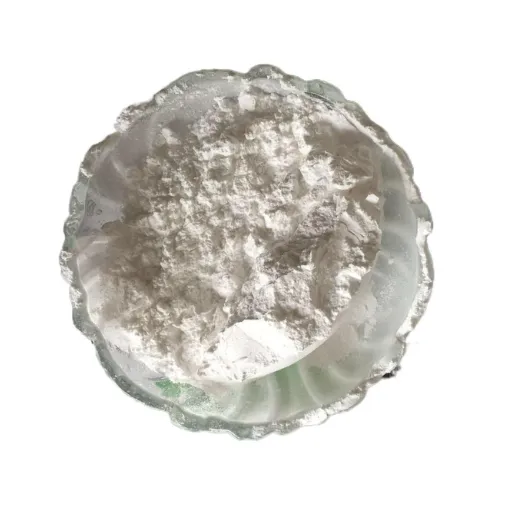
Water treatment professionals often ask whether bone char can replace activated carbon. The answer depends on the application.
| Property | Bone Char | Activated Carbon |
|---|---|---|
| Primary source | Animal bone | Wood, coal, coconut shell |
| Surface area | Moderate | Very high |
| Fluoride removal | Excellent | Limited |
| Metal ion exchange | Good for specific ions | General adsorption |
| pH | Alkaline | Neutral to slightly alkaline |
| Cost | Competitive, stable supply | Variable by source |
| Mechanical strength | Good for column use | Varies by grade |
Bone char is not a universal substitute for activated carbon. In applications requiring very high surface area for trace contaminant removal, activated carbon maintains its advantage. However, in decolorization, fluoride removal, and certain ion exchange applications, bone char offers specific technical benefits at competitive cost.
Some facilities run hybrid systems. Bone char handles primary decolorization and fluoride reduction, while activated carbon polishes the effluent. This approach can extend carbon life and reduce total media costs.
When evaluating total cost of ownership, buyers should factor in media lifespan, regeneration potential, and disposal requirements. Bone char disposal is generally straightforward because it contains no synthetic chemicals. Spent activated carbon may require specialized handling depending on the contaminants it has adsorbed.
The World Health Organization recognizes bone char as one of several viable technologies for fluoride removal in areas where natural fluoride exceeds safe drinking water limits.
Sourcing Bone Char for Industrial Use
Selecting a bone char supplier requires the same rigor as sourcing any critical raw material. Inconsistent media quality can disrupt filtration performance, increase downtime, and raise operating costs.
Production Control
Suppliers who own their manufacturing facilities offer greater consistency than trading companies. Ask about raw material sourcing and defatting protocols, carbonization temperature and atmosphere control, batch testing procedures and COA availability, and particle size distribution methods.
Specification Documentation
Request a COA before placing any order. Key parameters to verify include adsorption capacity, often measured by methylene blue or iodine number, moisture content, ash content, particle size distribution, and bulk density.
Supply Reliability
Water treatment and sugar refining operations cannot tolerate supply interruptions. Evaluate monthly production capacity, export experience and documentation capability, lead times and inventory policies, and packaging suitability for your climate and storage conditions.
Luohe Feilong Bone Carbon Co., Ltd. supplies bone carbon to water treatment, filtration, and industrial decolorization applications from our owned production facility in Henan Province, China. With over 20 years of specialized bone product manufacturing, we export directly to buyers in Germany, South Korea, the United States, and other markets. Sample quantities and bulk orders are available with full COA documentation.
Conclusion
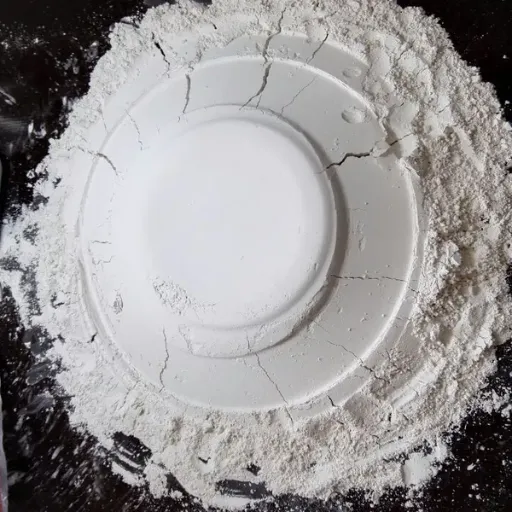
Bone char is a specialized filtration and adsorption media with a defined place in water treatment, sugar refining, and industrial decolorization. Its unique combination of carbon adsorption and calcium phosphate ion exchange gives it capabilities that pure carbon media cannot replicate.
For procurement managers and process engineers, the key takeaways are:
Bone char is produced by carbonizing defatted bovine bone at 600–900°C, preserving a porous carbon matrix with mineral content.
Its calcium phosphate fraction enables fluoride removal and specific ion exchange applications.
It complements or replaces activated carbon in decolorization processes where supply stability and specific adsorption profiles matter.
Sourcing from manufacturers with production control ensures consistent batch quality and reliable supply.
If you have ever asked what is bone char, you now have the complete picture. Whether you are running a municipal water plant, a sugar refinery, or a specialty chemical operation, understanding this material and how it performs puts another tool in your filtration toolkit.
Ready to evaluate bone char for your application? Request a sample with full COA or speak with our team about your specific filtration requirements.
Recently Posted
-
Luohe Feilong Bone Carbon: Industrial Bone Ash Manufacturer Since 2011
August 17, 2026When a copper foundry in Turkey needs bone ash that releases cleanly from a sand mold at 1,100 degrees Celsius, or a bone china fa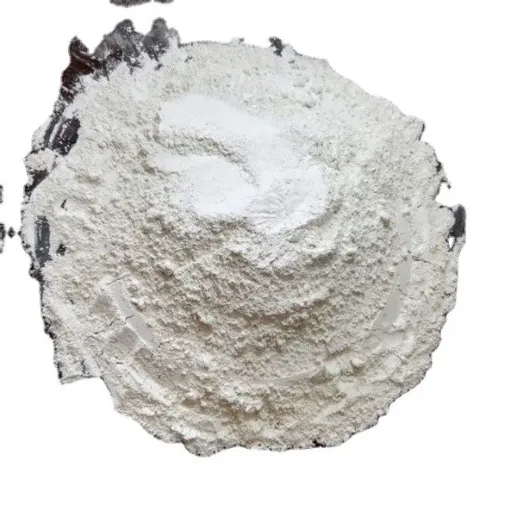 Read More
 -
Bone Ash in Copper Casting Mold Release: Application and Practical Guidance
August 14, 2026A copper sand casting foundry in India was producing electrical switch components that required a clean, smooth surface finish for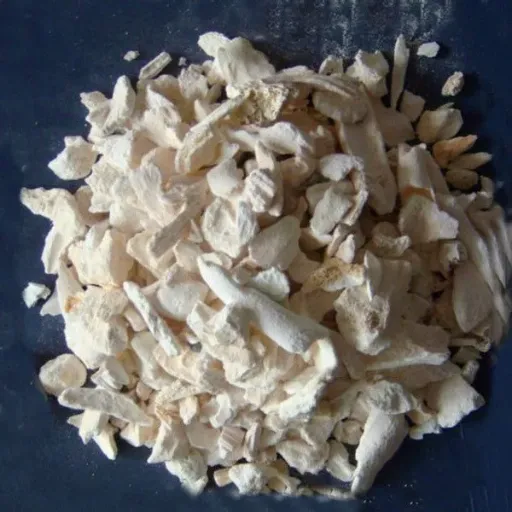 Read More
 -
How to Source Bone Ash for Foundry Applications: A Buyer's Checklist
August 13, 2026A purchasing manager at a brass foundry in Egypt ordered 20 metric tons of bone ash from a new supplier at a price roughly 25% bel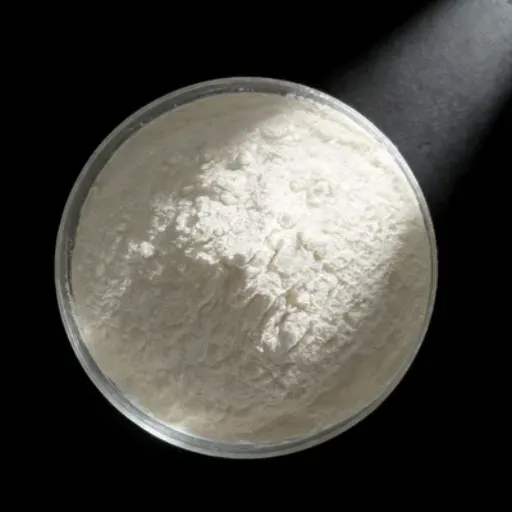 Read More
 -
Bone Ash vs Graphite Powder for Non-Ferrous Metal Mold Release
August 12, 2026A brass foundry in Southeast Asia switched from bone ash to a lower-cost graphite powder for its sand casting release agent, expec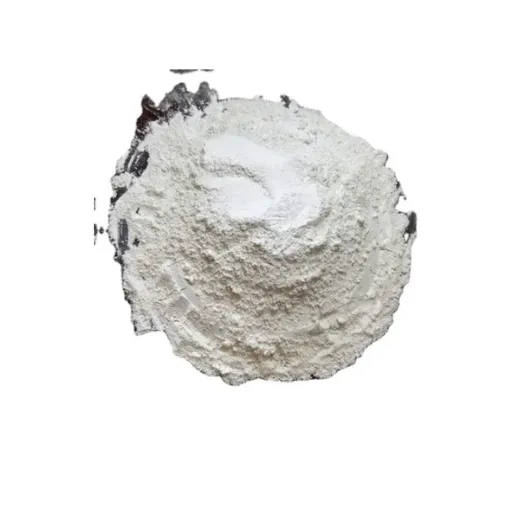 Read More

Contact Us
Recommended Products
-
 Manufacturer Sell Low Price Calcined Bone Ash or PowderUS$ 850MOQ: 5 Tons
 -
Manufacturer Sell Low Price Calcined Bone Ash or PowderUS$ 850MOQ: 5 Tons
-
Manufacturer Sell Low Price Calcined Bone Ash or PowderUS$ 850MOQ: 5 Tons
-
Sell Well Bone Ash for Mold Releasing UseUS$ 880 - 920MOQ: 5 Tons
-
Feilong Direct Sales Die-casting Water-soluble Mold Metal Release AgentUS$ 920MOQ: 5 Tons
-
Natural Animal Bone AshUS$ 880 - 920MOQ: 5 Tons
-
China Manufacturer Supply Eco-Friendly Bone Ash PowderUS$ 890MOQ: 1 Ton
-
Calcined Bone Ash for Bone China With GoodPriceUS$ 880 - 920MOQ: 5 Tons
-
Synthetic Bone Ash for Ceramic With Good PriceUS$ 850MOQ: 5 Tons
-
Calcium and Phosphorus Powder - 325 MeshPowderUS$ 850MOQ: 5 Tons
-
Calcium and Phosphorus Powder - 325 MeshPowderUS$ 850MOQ: 5 Tons
-
Calcium Stearate PVC PE Lubricant Mould-releasing Powder ManufacturerUS$ 850MOQ: 5 Tons
-
Reputed Supplier Selling Bone Ash Powder Which Meet With Environmental Standard As Animal FeedstuffUS$ 850MOQ: 5 Tons
-
Industrial Grade Bone Ash for Bone Ceramics and MetallurgyUS$ 900MOQ: 10 Tons
-
Animal Ashes Used for Bone ChinaUS$ 900MOQ: 5 Tons
-
Calcium and Phosphorus Powder - 325 MeshPowderUS$ 850MOQ: 5 Tons
-
High Quality Bone Ash for Mold Releasing Use/bone Ash PowderUS$ 850 - 880MOQ: 5 Tons
-
Manufacturer Sell Low Price Calcined Bone Ash or PowderUS$ 850MOQ: 5 Tons
-
Calcined Bone Ash for Bone China With GoodPriceUS$ 880MOQ: 5 Tons
-
High Quality Bone Ash for Mold Releasing Use/bone Ash PowderUS$ 880 - 920MOQ: 5 Tons