
 Business License

What Is Bone China? Definition, Characteristics, and Industrial Uses
A buyer at a German tableware company once rejected an entire container of ceramic mugs because they did not meet bone china standards. The supplier had labeled them bone china, but under light, the walls remained opaque. The difference came down to one factor: the raw material that defines what bone china is.
If you source ceramic raw materials or manufacture tableware, you already know that bone china commands a premium price for a reason. It is not merely a marketing label. It is a specific class of ceramic with defined properties, a regulated manufacturing process, and one irreplaceable ingredient: bone ash. In this guide, we explain what bone china is, how it differs from porcelain and fine china, and what procurement managers need to know when sourcing materials for bone china production.
What Is Bone China? A Technical Definition
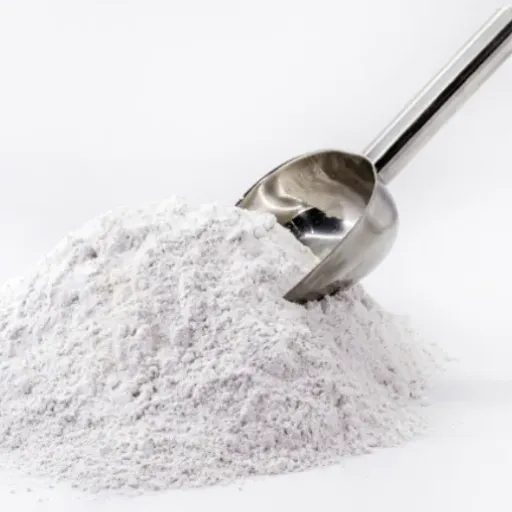
Bone china is a type of soft-paste porcelain that contains a significant percentage of bone ash in its body formulation. It was developed in England during the early 19th century and remains one of the most prized ceramics for high-end tableware, decorative objects, and specialty industrial applications.
The Defining Characteristics
True bone china exhibits three properties that separate it from standard porcelain and other ceramics:
Translucency: When held to light, thin-walled bone china allows light to pass through. This effect comes from the glassy matrix formed by bone ash during firing.
Strength: Despite its delicate appearance, bone china is stronger than earthenware and most stoneware. The bone ash content increases fracture resistance.
Whiteness: Bone china has a distinctive creamy white color. The high calcium content from bone ash produces a warmer, softer white than the bluish white of hard-paste porcelain.
Manufacturers and buyers should understand that these characteristics are not accidental. They result from precise formulation, controlled firing, and consistent raw material quality. Without bone ash calcined to the correct specification, a ceramic body cannot achieve true bone china properties.
Chemical and Physical Basis
The translucency and strength of bone china originate in the chemistry of bone ash. When calcined at approximately 1300°C, defatted bovine bone decomposes into calcium phosphate and calcium carbonate. During the biscuit firing of bone china, typically at 1200-1280°C, this bone ash reacts with feldspar to form a glassy phase. That phase fills microscopic gaps in the ceramic body and creates the optical conditions for light transmission.
Standard bone china formulations contain:
40-50% bone ash
25% kaolin
25% feldspar
Some manufacturers add a small percentage of silica. The exact ratios vary by product type and firing schedule, but the bone ash content is non-negotiable. Below approximately 30%, the ceramic body loses the translucency and strength that define bone china.
Want to understand exactly what goes into the body formulation? Read our complete guide to what bone china is made of →
Bone China vs. Porcelain: What Buyers Need to Know
The terms bone china and porcelain are often used interchangeably by consumers, but for manufacturers and procurement managers, the distinction matters significantly. The raw materials, firing behavior, and end-product specifications differ in ways that affect sourcing decisions and production costs.
Hard-Paste Porcelain
Hard-paste porcelain, originally developed in China, contains kaolin, feldspar, and quartz. It is fired at very high temperatures, typically 1300-1400°C, and becomes fully vitrified. Hard-paste porcelain is durable and white, but it is not translucent in thin sections unless specifically formulated. It also tends to have a harder, more brittle feel than bone china.
Soft-Paste Porcelain
Soft-paste porcelain was developed in Europe as an attempt to replicate Chinese porcelain before large kaolin deposits were discovered. It uses a mixture of clay and ground glass or frit and is fired at lower temperatures. Soft-paste porcelain is generally less durable than hard-paste and lacks the translucency of bone china.
Bone China
Bone china occupies a unique position. It is technically a type of soft-paste porcelain because of its lower firing temperature relative to hard-paste, but its bone ash content gives it properties that neither hard-paste nor soft-paste porcelain can match. The bone ash lowers the vitrification temperature while simultaneously increasing strength and creating translucency.
For procurement managers, this means bone china production requires a different raw material strategy than standard porcelain. You cannot substitute standard porcelain clay for bone china formulation. You need ceramic-grade bone ash with verified calcium and phosphorus content, consistent particle size, and low iron contamination.
When the quality control team at a ceramics factory in Jingdezhen tested a shipment labeled ceramic-grade bone ash, they found calcium content of only 31% and iron at 0.12%. The resulting trial batch fired gray and cracked under thermal stress. The material was not bone ash suitable for bone china. It was a lower-grade product from a trader who sourced from multiple unverified workshops. The factory lost three weeks of production schedule and had to reformulate from scratch.
How to Identify Genuine Bone China
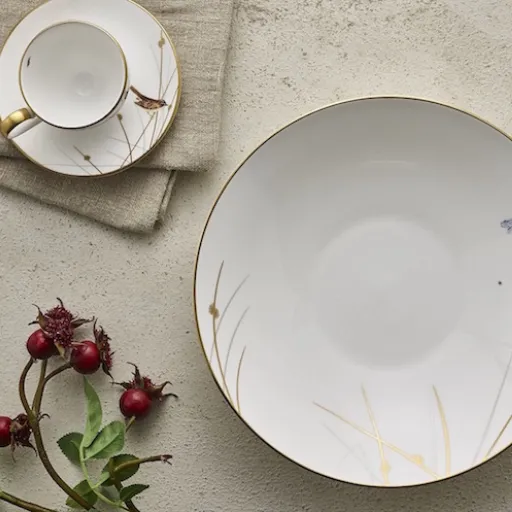
For manufacturers, distributors, and quality control managers, verifying bone china authenticity is a practical concern. Whether you are incoming-inspecting finished ware or qualifying a new supplier, these methods help confirm that a product meets bone china standards.
The Light Test
The simplest identification method is translucency. Hold a thin section of the ware, such as a plate rim or cup wall, against a strong light source. Genuine bone china transmits light with a warm, even glow. Standard porcelain may be slightly translucent in very thin sections, but the effect is weaker and cooler in tone. Earthenware and stoneware are entirely opaque.
The Weight and Sound Test
Bone china has a distinctive feel. It is lightweight relative to its size because of the porous structure created during firing. When tapped gently, bone china produces a clear, resonant ring. Earthenware sounds dull. Hard-paste porcelain rings as well, but the tone is sharper and less musical.
Chemical Composition Verification
For industrial buyers and manufacturers, chemical analysis provides definitive identification. Bone china bodies contain detectable phosphorus from the bone ash. Standard porcelain contains no phosphorus. X-ray fluorescence (XRF) or similar analytical methods can distinguish bone china from other ceramics by detecting the phosphorus signature.
Scratch and Thermal Shock Resistance
Bone china is harder than earthenware and resists scratching better than softer ceramics. It also withstands moderate thermal shock better than low-fired earthenware, though not as well as fully vitrified stoneware or hard-paste porcelain. These properties make it suitable for tableware that must endure daily use and occasional temperature changes.
Bone China in Manufacturing: Raw Material Considerations
For companies producing bone china or sourcing it for resale, understanding what bone china is extends to understanding what makes it reproducible at scale. The variability of bone ash as a raw material creates both opportunity and risk.
The Critical Role of Bone Ash Quality
Bone ash is not a commodity. Two samples of white powder labeled bone ash can perform completely differently in a bone china body. The factors that determine performance include:
Calcium content: Must be ≥35.0% for consistent translucency and body strength.
Phosphorus content: Must be ≥16.0% to ensure proper glassy matrix formation.
Iron content: Must be ≤0.05% to prevent gray or yellow discoloration in the fired ware.
Calcination temperature: Bone ash calcined at 1300°C achieves complete organic decomposition. Lower temperatures leave residues that cause defects.
Particle size: 325 mesh is standard for most bone china. 400 mesh serves ultra-fine, high-translucency applications.
Manufacturers who treat bone ash as a standardized input often discover the consequences during firing. Inconsistent calcium content changes how the body matures. Variable iron content shifts the final color. Incomplete calcination can cause bubbling or pitting in the glaze surface.
Sourcing Strategy for Bone China Production
Procurement managers responsible for bone china raw materials should evaluate bone ash suppliers on criteria specific to ceramic applications:
Vertical integration: Does the supplier control calcination, or do they blend materials from multiple sources?
Batch documentation: Is a Certificate of Analysis provided with every shipment, showing Ca, P, Fe, pH, and burning loss?
Mesh availability: Can the supplier deliver both 325 mesh and 400 mesh grades for different product lines?
Export capability: For international manufacturers, can the supplier handle documentation, packaging, and logistics reliably?
Sample policy: Will the supplier provide test quantities with COA for kiln trials before bulk commitment?
Need ceramic-grade bone ash with guaranteed specifications? Explore Feilong bone ash for bone china production →
Industrial and Commercial Applications of Bone China
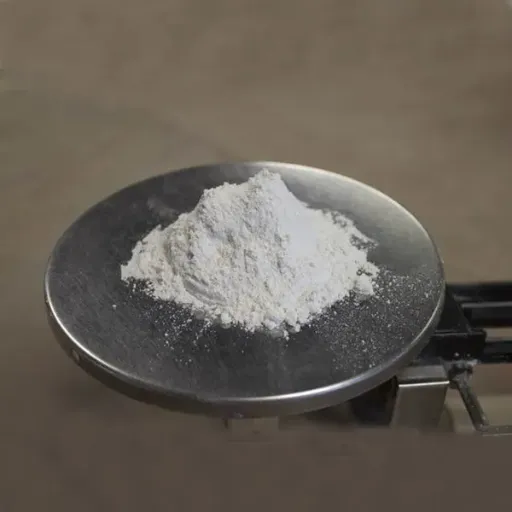
While most consumers associate bone china with dinnerware, its applications extend into industrial and specialized commercial markets.
High-End Tableware and Hospitality
The largest commercial market for bone china remains tableware. Hotels, restaurants, and premium retail brands specify bone china for its combination of beauty and durability. Thin-walled cups and plates reduce shipping weight and storage volume while maintaining strength for commercial dishwashing cycles.
Decorative and Art Ceramics
Sculptors and studio potters use bone china for pieces requiring fine detail and translucency. The material's workability in slip-cast form allows complex shapes that would be difficult in harder porcelain bodies.
Technical and Specialty Ceramics
In certain technical applications, the specific thermal and electrical properties of bone china bodies are useful. Research laboratories and specialty manufacturers sometimes specify bone china components where a combination of insulation, light transmission, and chemical stability is required.
Mold-Releasing and Industrial Uses
Beyond finished bone china products, the same bone ash used in bone china formulation serves industrial mold-releasing applications. Foundries and metal casting operations use bone ash powder for its non-wetting and thermally insulating properties. This dual application creates sourcing synergies for manufacturers who produce both ceramic ware and metallurgical supplies.
Quality Standards and Regulatory Context
Bone china production operates within established quality frameworks, particularly in export markets. Understanding these standards helps manufacturers ensure compliance and helps buyers verify supplier claims.
Industry Standards
In the United Kingdom, where bone china originated, manufacturers have historically adhered to standards requiring minimum bone ash content for products labeled as bone china. While international standards vary, reputable manufacturers typically maintain 45-50% bone ash content in the body.
Labeling and Marketing Claims
In some markets, the term bone china is regulated. In others, it is used loosely. Procurement managers sourcing finished ware should verify that suppliers can document bone ash content and manufacturing process. For raw material buyers, the reverse applies: your customers will hold you accountable for the consistency of the bone ash you supply to their bone china operations.
Sustainability and Sourcing Ethics
Modern buyers increasingly ask about the origin of bone ash. Because it is derived from animal bones, typically bovine, questions about sourcing ethics and disease-control measures arise. Reputable bone ash manufacturers source from regulated abattoirs and apply defatting and high-temperature calcination processes that eliminate organic contaminants. The 1300°C calcination temperature ensures complete sterilization and decomposition.
Feilong Bone Ash for Bone China Manufacturers
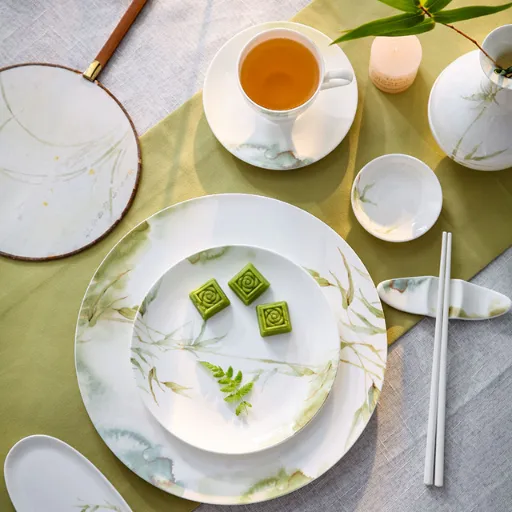
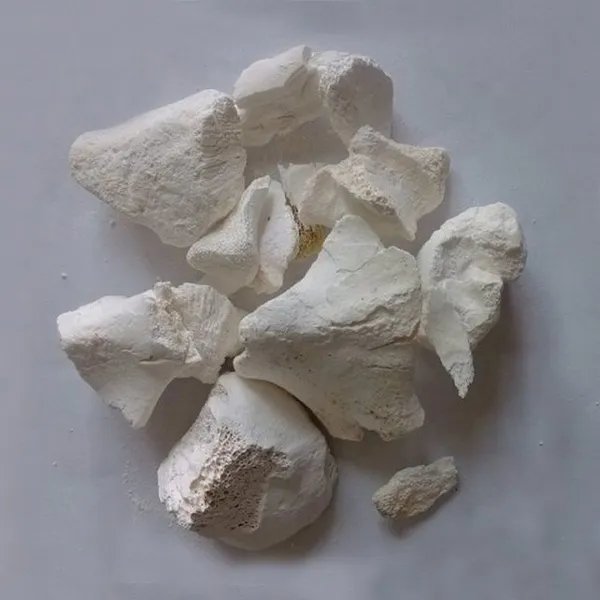
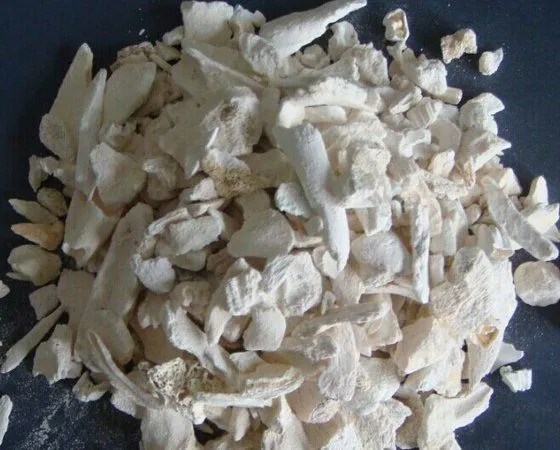
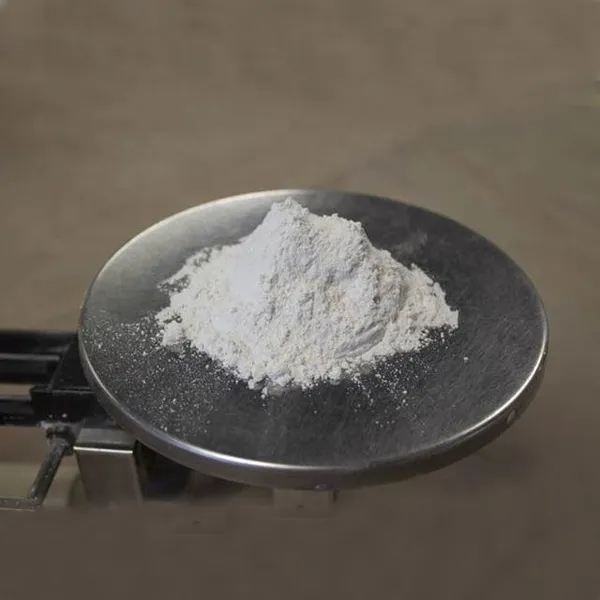
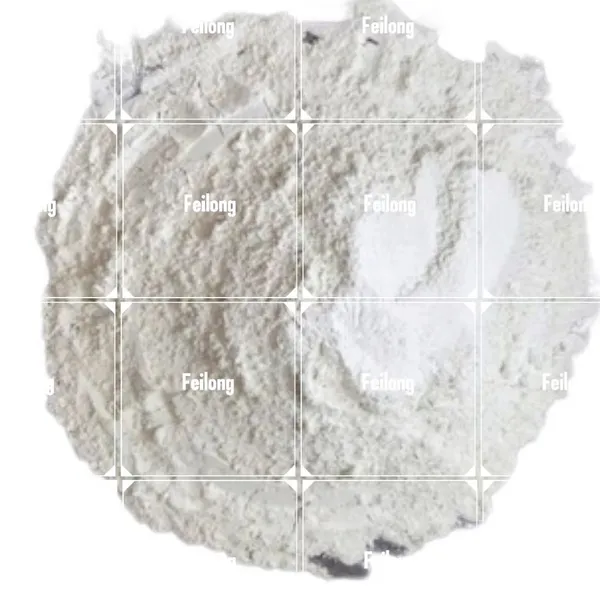
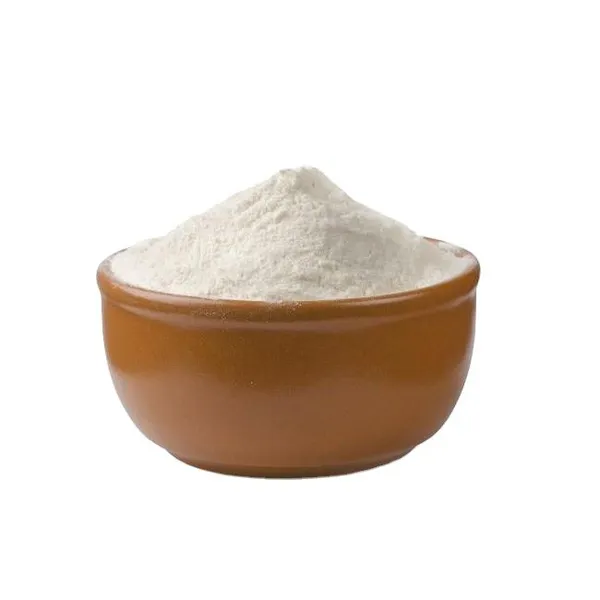
Luohe Feilong Bone Carbon Co., Ltd. has supplied calcined bone ash to ceramic manufacturers for over 20 years. We understand that bone china production depends on raw material precision. Our bone ash is calcined from defatted bovine bone blocks at 1300°C, producing a white crystalline powder with calcium content exceeding 35% and phosphorus above 16%.
We produce both 325 mesh and 400 mesh bone ash powder with full COA documentation for every batch. Our vertically integrated factory controls production from raw material intake through calcination, grinding, and quality testing. We export directly to ceramic manufacturers in Europe, Asia, and North America.
For manufacturers asking what bone china is and how to produce it consistently, the answer starts with the raw material. Bone ash quality determines whether your finished ware meets the translucency, strength, and whiteness standards that define this premium ceramic.
Ready to source bone ash for bone china production? Request a free sample with full COA → or contact our technical team → to discuss your formulation requirements.
Conclusion
Bone china is a distinct ceramic category defined by its bone ash content, translucency, strength, and creamy white color. It is not simply a premium version of porcelain. It is a material with its own formulation requirements, manufacturing process, and quality standards.
For manufacturers and procurement managers, understanding what bone china is means understanding the role of bone ash in creating its signature properties. The calcium phosphate structure formed during calcination at 1300°C is what makes bone china possible. Without it, you are producing something else entirely.
Key takeaways:
Bone china contains 40-50% bone ash and is defined by translucency, strength, and whiteness.
It differs from hard-paste porcelain in composition, firing temperature, and physical properties.
Genuine bone china can be identified by light transmission, weight, sound, and chemical phosphorus content.
Bone ash quality directly determines bone china quality. Specifications matter.
Sourcing from a vertically integrated manufacturer with batch documentation reduces production risk.
At Feilong, we manufacture the bone ash that makes bone china production possible. Our controlled calcination process, consistent chemical composition, and export-ready supply capacity support ceramic manufacturers who demand reliability at scale.
Recently Posted
-
Luohe Feilong Bone Carbon: Industrial Bone Ash Manufacturer Since 2011
August 17, 2026When a copper foundry in Turkey needs bone ash that releases cleanly from a sand mold at 1,100 degrees Celsius, or a bone china fa Read More
 -
Bone Ash in Copper Casting Mold Release: Application and Practical Guidance
August 14, 2026A copper sand casting foundry in India was producing electrical switch components that required a clean, smooth surface finish for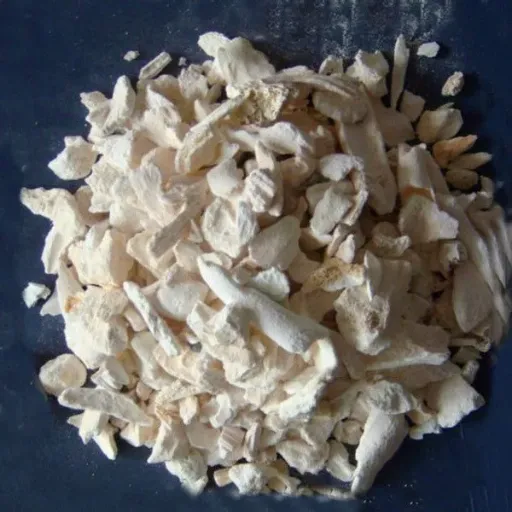 Read More
 -
How to Source Bone Ash for Foundry Applications: A Buyer's Checklist
August 13, 2026A purchasing manager at a brass foundry in Egypt ordered 20 metric tons of bone ash from a new supplier at a price roughly 25% bel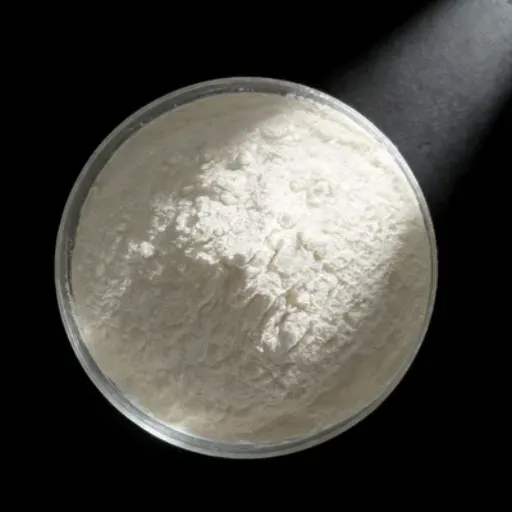 Read More
 -
Bone Ash vs Graphite Powder for Non-Ferrous Metal Mold Release
August 12, 2026A brass foundry in Southeast Asia switched from bone ash to a lower-cost graphite powder for its sand casting release agent, expec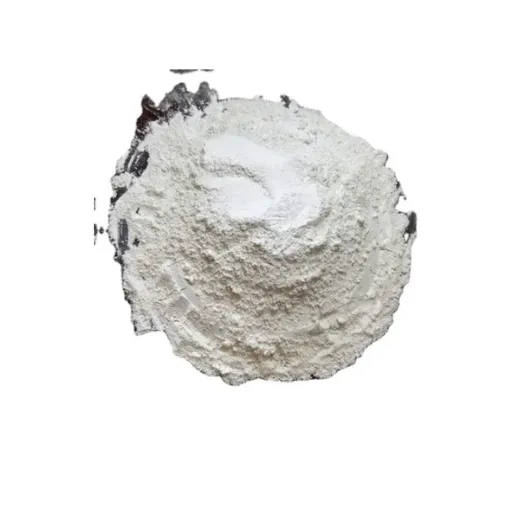 Read More

Contact Us
Recommended Products
-
 Manufacturer Sell Low Price Calcined Bone Ash or PowderUS$ 850MOQ: 5 Tons
 -
Manufacturer Sell Low Price Calcined Bone Ash or PowderUS$ 850MOQ: 5 Tons
-
Manufacturer Sell Low Price Calcined Bone Ash or PowderUS$ 850MOQ: 5 Tons
-
Sell Well Bone Ash for Mold Releasing UseUS$ 880 - 920MOQ: 5 Tons
-
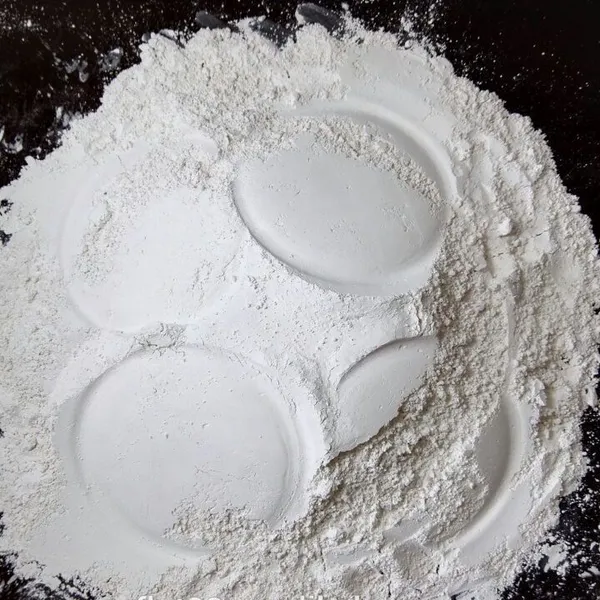
Feilong Direct Sales Die-casting Water-soluble Mold Metal Release AgentUS$ 920MOQ: 5 Tons
-
Natural Animal Bone AshUS$ 880 - 920MOQ: 5 Tons
-
China Manufacturer Supply Eco-Friendly Bone Ash PowderUS$ 890MOQ: 1 Ton
-
Calcined Bone Ash for Bone China With GoodPriceUS$ 880 - 920MOQ: 5 Tons
-
Synthetic Bone Ash for Ceramic With Good PriceUS$ 850MOQ: 5 Tons
-
Calcium and Phosphorus Powder - 325 MeshPowderUS$ 850MOQ: 5 Tons
-
Calcium and Phosphorus Powder - 325 MeshPowderUS$ 850MOQ: 5 Tons
-
Calcium Stearate PVC PE Lubricant Mould-releasing Powder ManufacturerUS$ 850MOQ: 5 Tons
-
Reputed Supplier Selling Bone Ash Powder Which Meet With Environmental Standard As Animal FeedstuffUS$ 850MOQ: 5 Tons
-
Industrial Grade Bone Ash for Bone Ceramics and MetallurgyUS$ 900MOQ: 10 Tons
-
Animal Ashes Used for Bone ChinaUS$ 900MOQ: 5 Tons
-
Calcium and Phosphorus Powder - 325 MeshPowderUS$ 850MOQ: 5 Tons
-
High Quality Bone Ash for Mold Releasing Use/bone Ash PowderUS$ 850 - 880MOQ: 5 Tons
-
Manufacturer Sell Low Price Calcined Bone Ash or PowderUS$ 850MOQ: 5 Tons
-
Calcined Bone Ash for Bone China With GoodPriceUS$ 880MOQ: 5 Tons
-
High Quality Bone Ash for Mold Releasing Use/bone Ash PowderUS$ 880 - 920MOQ: 5 Tons