
 Business License

Bone China vs Porcelain: Technical Differences for Manufacturers
A procurement manager at a European tableware distributor once faced a decision that would define her product line for the next three years. Her company wanted to launch a premium collection, and the board assumed porcelain was the obvious choice. She asked one question the room had not considered: when comparing bone china vs porcelain, what exactly changes in the raw materials, the production process, and the final product? The answer shifted the entire sourcing strategy.
If you manufacture ceramics, source raw materials, or manage a product line that includes tableware, the distinction between bone china and porcelain isn't academic. It affects your ingredient list, your kiln schedule, your cost structure, and your market positioning. This guide provides a direct, technical comparison of bone china vs porcelain. We cover composition, firing behavior, physical properties, and what the choice means for your supply chain.
What Defines Bone China?
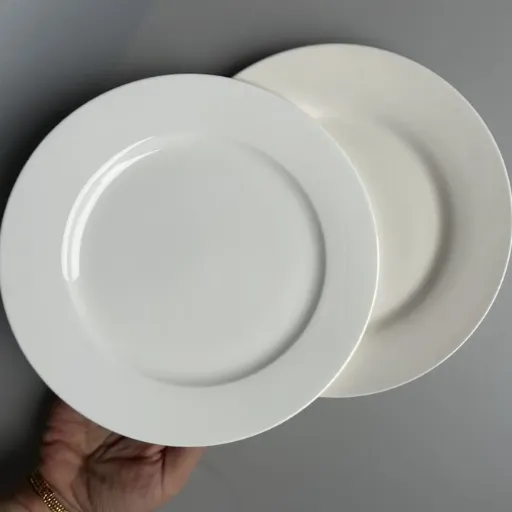
Bone china is a type of soft-paste porcelain distinguished by its bone ash content. Developed in England during the early 1800s, it remains the standard for high-end tableware and select technical ceramics. Its reputation comes from three physical properties that are difficult to replicate with other ceramic raw materials.
The Three Defining Properties
Translucency: Thin sections of genuine bone china transmit light with a warm, even glow. This effect comes from the glassy matrix formed by bone ash during firing.
Strength: Bone china resists chipping and cracking better than earthenware and most soft-paste porcelain, despite its delicate appearance.
Creamy whiteness: The high calcium content from bone ash produces a softer, warmer white than the cooler, bluish tone typical of hard-paste porcelain.
These properties are not accidental. They result from a precise formulation built around bone ash. To learn more about the material itself, read our detailed guide on what bone china is and how it is classified.
Standard Composition
A typical bone china body contains:
40-50% bone ash
25% kaolin
25% feldspar
Some manufacturers add small percentages of silica. The bone ash content is the critical variable. Below approximately 30%, the ceramic body loses the translucency and strength that define bone china. That's why procurement managers treat bone ash as a strategic input, not a commodity.
What Defines Porcelain?
Porcelain is a broad category that includes several distinct ceramic types. For manufacturers, the most relevant distinctions are between hard-paste and soft-paste porcelain.
Hard-Paste Porcelain
Hard-paste porcelain, originally developed in China, contains kaolin, feldspar, and quartz. It is fired at temperatures between 1300°C and 1400°C and becomes fully vitrified. Hard-paste porcelain is durable, white, and non-porous. However, it is not naturally translucent in thin sections unless specially formulated, and it tends to feel harder and more brittle than bone china.
Soft-Paste Porcelain
Soft-paste porcelain was developed in Europe before large kaolin deposits were discovered. It uses a mixture of clay and ground glass or frit and is fired at lower temperatures than hard-paste. Soft-paste porcelain is generally less durable and lacks the translucency of bone china. In many ways, bone china evolved as a superior form of soft-paste porcelain, using bone ash instead of glass to achieve its distinctive properties.
Standard Composition
Hard-paste: 50% kaolin, 25% feldspar, 25% quartz
Soft-paste: Clay plus glass frit or ground glass
Neither formulation includes bone ash. That single absence is what separates all porcelain types from bone china.
Bone China vs Porcelain: Side-by-Side Comparison
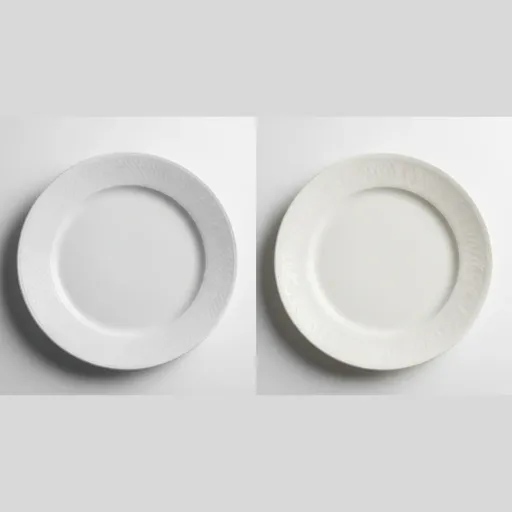
When evaluating bone china vs porcelain for a product line or sourcing decision, these differences matter at every stage from raw material procurement to final sale.
| Property | Bone China | Hard-Paste Porcelain | Soft-Paste Porcelain |
|---|---|---|---|
| Bone ash content | 40-50% | 0% | 0% |
| Primary composition | Bone ash, kaolin, feldspar | Kaolin, feldspar, quartz | Clay, glass frit |
| Firing temperature | 1200-1280°C | 1300-1400°C | 1100-1200°C |
| Translucency | High in thin sections | Low to moderate | Very low |
| Strength | High, chip-resistant | Very hard, slightly brittle | Moderate |
| Color | Warm creamy white | Cool bluish white | Variable white |
| Weight | Lightweight | Heavier | Moderate |
| Water absorption | Near zero | Near zero | Low to moderate |
| Raw material complexity | Higher (bone ash sourcing) | Lower | Lower |
| Typical applications | Premium tableware, art ceramics | Durable tableware, tiles | Decorative ware |
Translucency: The Visible Difference
Translucency is the easiest way to distinguish bone china from porcelain. Hold a thin-walled piece to a light source. Bone china glows.
Hard-paste porcelain may show faint light transmission in very thin areas, but the effect is weaker and cooler in tone. Soft-paste porcelain is effectively opaque.
For manufacturers, this translucency isn't a cosmetic bonus. It's a market differentiator. Retailers and hospitality buyers specify bone china precisely because of this effect. If your product line targets the premium segment, the absence of translucency places you in a different pricing tier entirely.
Strength and Durability
Bone china is stronger than it looks. The bone ash content increases fracture resistance and reduces chipping compared to softer ceramics. Hard-paste porcelain is extremely hard and scratch-resistant, but its rigidity makes it more prone to shattering on impact. Bone china absorbs impact more gracefully.
For commercial buyers in hospitality, this matters. Bone china survives commercial dishwashing cycles and daily handling with fewer replacements. The higher upfront material cost often pays for itself in reduced breakage over time.
Thermal Behavior
Hard-paste porcelain, fired at 1300-1400°C, is fully vitrified and handles thermal shock well. Bone china, fired at slightly lower temperatures, also performs adequately in normal use but is not designed for extreme thermal cycling like oven-to-table stoneware. Soft-paste porcelain is the least thermally stable of the three.
Color and Aesthetics
The warm, creamy white of bone china comes from the calcium phosphate in bone ash. Hard-paste porcelain tends toward a cooler, sometimes bluish white because of its different mineral composition. This aesthetic difference influences brand positioning.
Bone china signals tradition, luxury, and delicacy. Hard-paste porcelain signals modernity, durability, and practicality.
Why Bone Ash Is the Deciding Factor
The entire bone china vs porcelain debate comes down to one ingredient. Bone ash changes the chemistry, the physics, and the economics of ceramic production.
How Bone Ash Creates Translucency
When calcined at approximately 1300°C, defatted bovine bone decomposes into calcium phosphate and calcium carbonate. During the biscuit firing of bone china, this bone ash reacts with feldspar to form a glassy phase. That phase fills microscopic voids in the ceramic body and creates the optical conditions that allow light to pass through thin sections.
No other common ceramic raw material produces this exact effect. Synthetic calcium phosphates have been tested as substitutes, but none replicate the specific particle structure and reactivity of properly calcined natural bone ash.
Quality Standards for Ceramic-Grade Bone Ash
Not all bone ash performs equally in bone china formulation. Procurement managers should verify these specifications:
Calcium (Ca): ≥35.0%
Phosphorus (P): ≥16.0%
Iron (Fe): ≤0.05%
Burning loss: ≤1.0%
Calcination temperature: 1300°C
Particle size: 325 mesh (standard) or 400 mesh (ultra-fine)
Calcium below 35% reduces translucency. Iron above 0.05% introduces gray or yellow tones. Incomplete calcination leaves organic residues that cause bubbling, odor, or inconsistent firing behavior.
When a ceramics factory in Thailand switched from a trader-supplied bone ash to a factory-direct source with documented 1300°C calcination and consistent Ca ≥35%, their translucency rejection rate fell from 6% to under 1.5%. The cost per ton of bone ash increased by 8%. Their total production cost per finished piece dropped by 12% because they threw away far less ware.
Particle Size and Production Behavior
Bone ash particle size affects slip viscosity, casting time, and final body density. Most bone china manufacturers use 325 mesh bone ash. Ultra-fine 400 mesh improves packing density and translucency in specialized applications but requires adjustments to water content and deflocculant levels.
To understand how bone ash integrates into the full body recipe, see our guide on what bone china is made of.
Production and Sourcing Implications
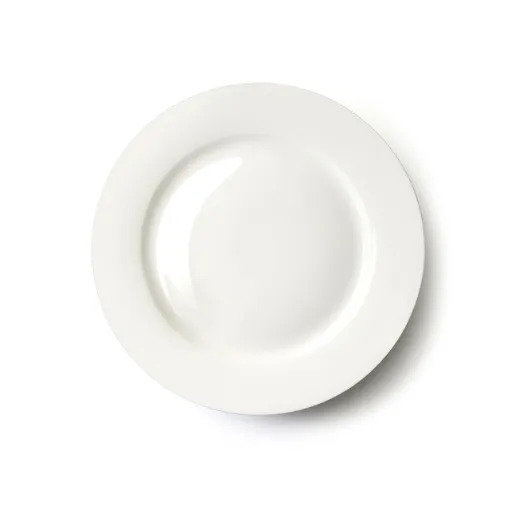
Choosing between bone china and porcelain affects more than the label on the box. It changes your raw material strategy, your equipment setup, and your target market.
Raw Material Sourcing
Bone china production requires a reliable supply of ceramic-grade bone ash. This is a specialized material, not a generic commodity. Porcelain production, whether hard-paste or soft-paste, relies on more widely available minerals: kaolin, feldspar, quartz, and clay.
For procurement managers, bone ash sourcing introduces additional evaluation criteria:
Supplier vertical integration: Does the manufacturer control calcination, or source from multiple workshops?
Batch documentation: Is a Certificate of Analysis provided with every shipment?
Mesh availability: Can the supplier deliver both 325 mesh and 400 mesh?
Export capability: For international manufacturers, can the supplier handle documentation and logistics?
Equipment and Process Differences
Bone china and porcelain can often be formed on similar equipment, but firing schedules differ. Bone china biscuit firing typically occurs at 1200-1280°C, lower than hard-paste porcelain. However, the body is more sensitive to temperature variation because the glassy phase formation must be precisely controlled.
Manufacturers producing both materials on the same line must account for longer changeover times and tighter kiln control when running bone china batches.
Market Positioning and Pricing
Bone china commands a premium price in retail and hospitality markets because of its aesthetic properties and production complexity. Porcelain, particularly hard-paste, serves the mid-to-high market with a value proposition centered on durability and practicality.
For manufacturers deciding which material to produce, the question is not which is better. It's which market you want to serve and whether you can secure the raw material quality that bone china demands.
Sourcing Bone Ash for Bone China Production
If your product strategy points toward bone china, your most important procurement decision is bone ash supply. The wrong supplier creates quality risk, production delays, and reformulation costs. The right supplier becomes a manufacturing partner.
What to Look for in a Bone Ash Supplier
Owned production facility: Trading companies blend materials from multiple sources with variable quality. A manufacturer with its own factory controls every batch.
Documented specifications: Every shipment should include a COA showing calcium, phosphorus, iron, burning loss, and pH values.
Controlled calcination: 1300°C calcination is the industry standard for ceramic-grade bone ash. Ask for process verification.
Mesh size options: Your supplier should offer both 325 mesh and 400 mesh grades.
Sample policy: Request test samples with COA for qualification firing before committing to bulk orders.
Common Sourcing Mistakes
Treating bone ash as a commodity: Price per ton matters less than consistency. A 5% variation in calcium content forces constant reformulation.
Skipping kiln trials: Always fire test samples in your own production environment before signing a supply contract.
Ignoring particle size: One mesh size doesn't fit all formulations. Verify your supplier can match your technical requirements.
Need ceramic-grade bone ash with guaranteed specifications? Explore Feilong bone ash for bone china production
Feilong Bone Ash for Bone China and Ceramic Manufacturers
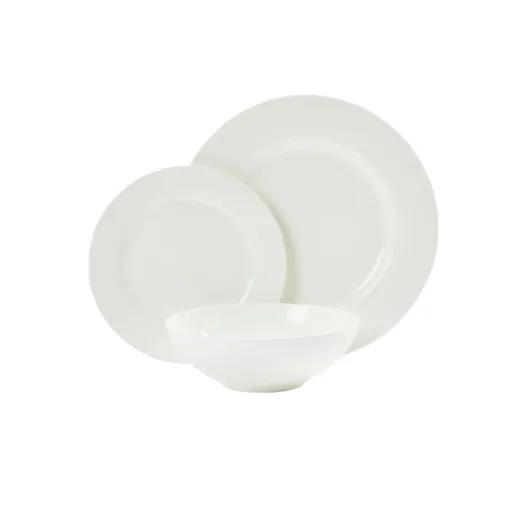
Luohe Feilong Bone Carbon Co., Ltd. has manufactured bone ash for ceramic, metallurgical, and industrial applications for over 20 years. Our bone ash is calcined from defatted bovine bone blocks at 1300°C, producing a white crystalline powder with calcium content exceeding 35% and phosphorus above 16%.
We supply both 325 mesh and 400 mesh bone ash powder with full COA documentation for every batch. Our vertically integrated factory in Luohe, Henan Province controls production from raw material intake through calcination, grinding, and quality testing. We export directly to ceramic manufacturers in Germany, South Korea, the United States, and other international markets.
For manufacturers weighing bone china vs porcelain, the decision is ultimately a business and technical choice. If bone china fits your market, the quality of your bone ash determines whether you can deliver the translucency, strength, and color that define the material.
Ready to evaluate Feilong bone ash for your ceramic production? Request a free sample with full COA or contact our technical team to discuss your formulation requirements.
Conclusion
The comparison of bone china vs porcelain comes down to composition, performance, and market positioning. Bone china contains 40-50% bone ash, fires at 1200-1280°C, and delivers translucency, strength, and creamy whiteness that no porcelain type can fully replicate. Hard-paste porcelain offers durability and a lower raw material complexity but lacks the signature light transmission and warm color of bone china. Soft-paste porcelain sits below both in terms of strength and translucency.
For manufacturers and procurement managers, the choice is not about superiority. It is about alignment. Align your material selection with your market, your production capabilities, and your supply chain reliability.
Key takeaways:
Bone china requires 40-50% bone ash. Porcelain contains none. That single difference drives every other distinction.
Bone china offers superior translucency and a warmer white tone. Hard-paste porcelain offers maximum hardness and simpler sourcing.
Bone ash quality determines bone china quality. Specifications matter: Ca ≥35%, P ≥16%, Fe ≤0.05%, 1300°C calcination.
Sourcing bone ash from a vertically integrated manufacturer with batch documentation reduces production risk and reformulation costs.
Particle size affects production behavior. 325 mesh suits most applications; 400 mesh serves ultra-fine, high-translucency ware.
At Feilong, we manufacture the calcined bone ash that makes bone china production possible. Our controlled process, consistent composition, and export-ready logistics support ceramic manufacturers who need reliable raw materials at scale.
Source bone ash with guaranteed specifications for your bone china or porcelain operation. Request a specification sheet today and see how factory-direct quality supports your manufacturing goals.
Recently Posted
-
What Is Bone Char? Production, Properties, and Industrial Uses
June 16, 2026Most procurement managers in water treatment and filtration know activated carbon inside and out. They know the mesh sizes, the io Read More
 -
Bone Char Water Filtration: A Complete Guide for Industrial Applications
June 16, 2026In 2019, a municipal water treatment facility in central India faced a crisis. Natural fluoride levels in their groundwater source Read More
 -
Bone Char Uses: Applications in Water Treatment, Filtration, and Industry
June 16, 2026A municipal water treatment plant in Brazil spent six months and $40,000 testing synthetic adsorption media to remove organic colo Read More
 -
How Is Bone Char Made? The Complete Production Process
June 16, 2026Chen Wei spent three days traveling to inspect a bone char supplier his trading partner had recommended. The website promised &quo
Read More

Contact Us
Recommended Products
-
 Manufacturer Sell Low Price Calcined Bone Ash or PowderUS$ 850MOQ: 5 Tons
 -
Manufacturer Sell Low Price Calcined Bone Ash or PowderUS$ 850MOQ: 5 Tons
-
Manufacturer Sell Low Price Calcined Bone Ash or PowderUS$ 850MOQ: 5 Tons
-
Sell Well Bone Ash for Mold Releasing UseUS$ 820MOQ: 5 Tons
-
Feilong Direct Sales Die-casting Water-soluble Mold Metal Release AgentUS$ 820MOQ: 5 Tons
-
Natural Animal Bone AshUS$ 820MOQ: 5 Tons
-
China Manufacturer Supply Eco-Friendly Bone Ash PowderUS$ 890MOQ: 1 Ton
-
Calcined Bone Ash for Bone China With GoodPriceUS$ 820MOQ: 5 Tons
-
Synthetic Bone Ash for Ceramic With Good PriceUS$ 850MOQ: 5 Tons
-
Calcium and Phosphorus Powder - 325 MeshPowderUS$ 850MOQ: 5 Tons
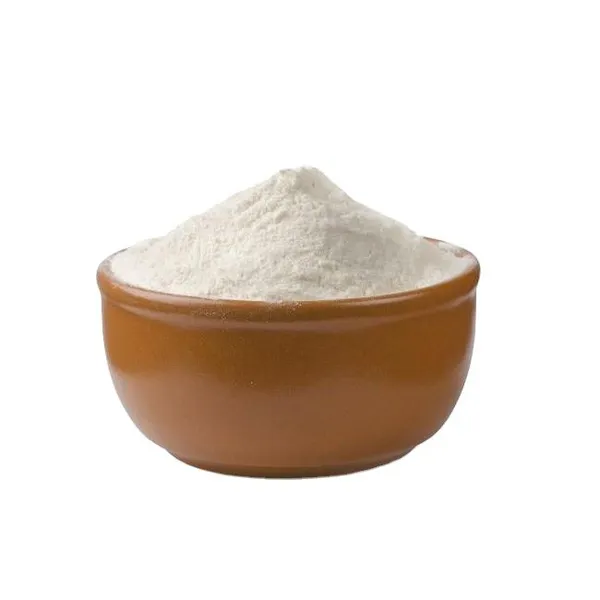
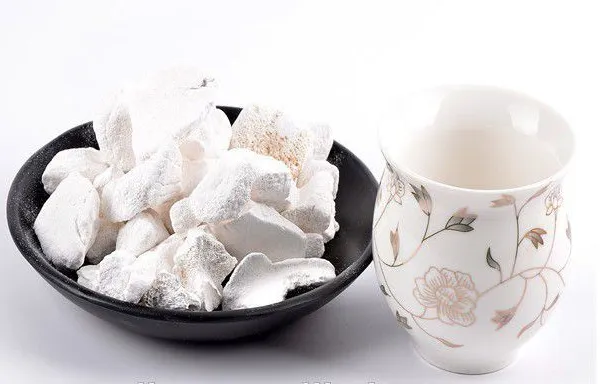
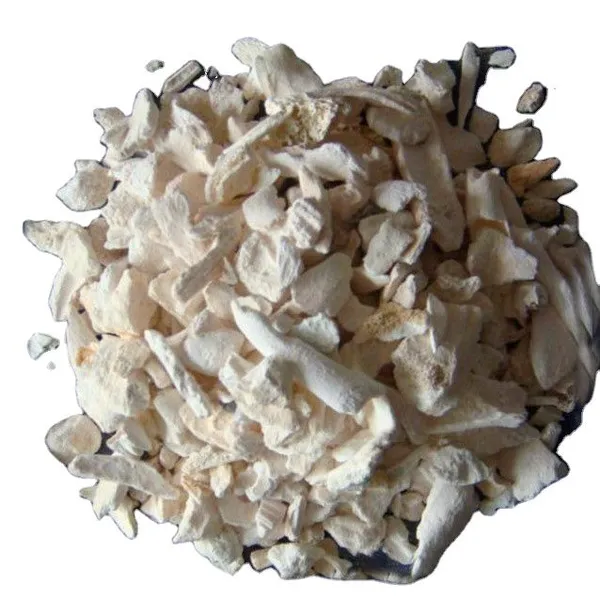
-
Calcium and Phosphorus Powder - 325 MeshPowderUS$ 850MOQ: 5 Tons
-
Calcium Stearate PVC PE Lubricant Mould-releasing Powder ManufacturerUS$ 850MOQ: 5 Tons
-
Reputed Supplier Selling Bone Ash Powder Which Meet With Environmental Standard As Animal FeedstuffUS$ 850MOQ: 5 Tons
-
Industrial Grade Bone Ash for Bone Ceramics and MetallurgyUS$ 900MOQ: 5 Tons
-
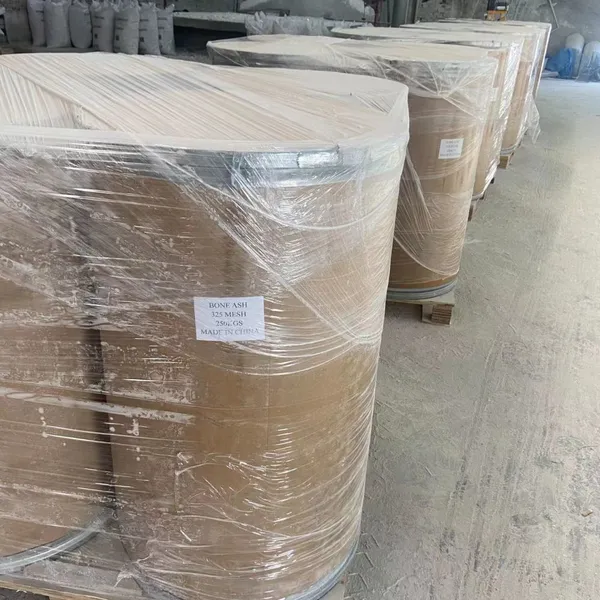
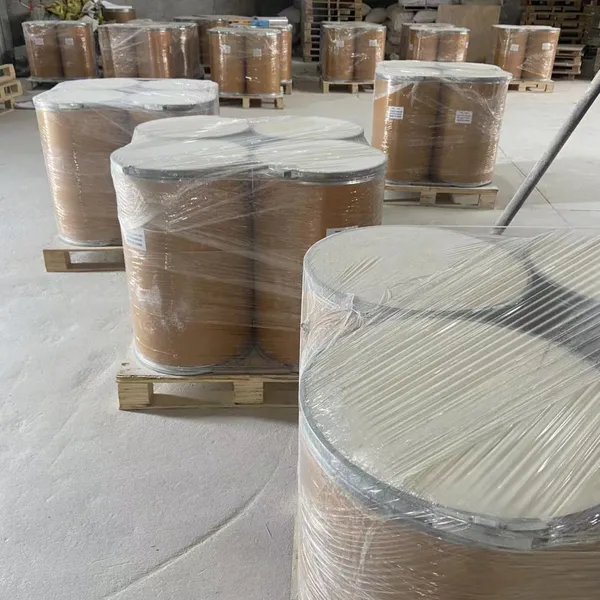
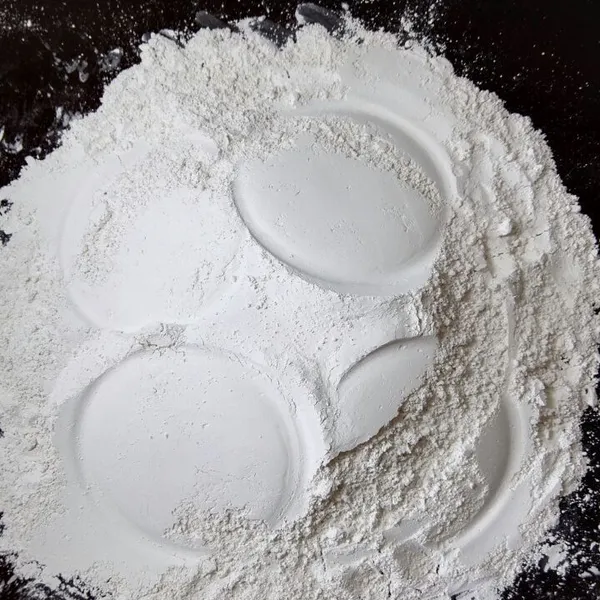
Animal Ashes Used for Bone ChinaUS$ 900MOQ: 5 Tons
-
Calcium and Phosphorus Powder - 325 MeshPowderUS$ 850MOQ: 5 Tons
-
High Quality Bone Ash for Mold Releasing Use/bone Ash PowderUS$ 820MOQ: 5 Tons
-
Manufacturer Sell Low Price Calcined Bone Ash or PowderUS$ 850MOQ: 5 Tons
-
Calcined Bone Ash for Bone China With GoodPriceUS$ 820MOQ: 5 Tons
-
High Quality Bone Ash for Mold Releasing Use/bone Ash PowderUS$ 820MOQ: 5 Tons