
 Business License

Bone Ash Powder: Specifications, Applications, and Sourcing for Industrial Buyers
In early 2024, a ceramics manufacturer in Vietnam received a shipment of bone ash that looked right on the invoice but caused their slip system to clog within hours. The supplier had delivered crystalline bone ash chunks instead of the 325 mesh bone ash powder their formulation required. Production stopped for two days while they sourced emergency replacement material.
If you formulate ceramic bodies, prepare mold release coatings, or blend industrial powders, you know that particle size is not a minor detail. It is a core specification. Bone ash powder behaves differently from granular or crystalline bone ash in every application that matters. This guide explains what separates industrial-grade bone ash powder from inconsistent alternatives, how mesh size affects performance, and what to verify before you place your next order.
You will learn the chemical and physical specifications of calcined bone ash powder, the difference between 325 mesh and 400 mesh grades, how powder production affects quality, application-specific requirements, and the sourcing standards that protect your production line.
Looking for consistent bone ash powder with verified mesh size and composition? Review our 325 mesh and 400 mesh bone ash powder specifications with full COA support.
What Is Bone Ash Powder?
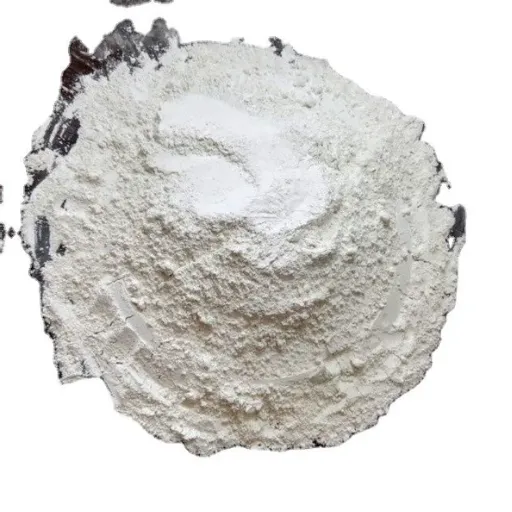
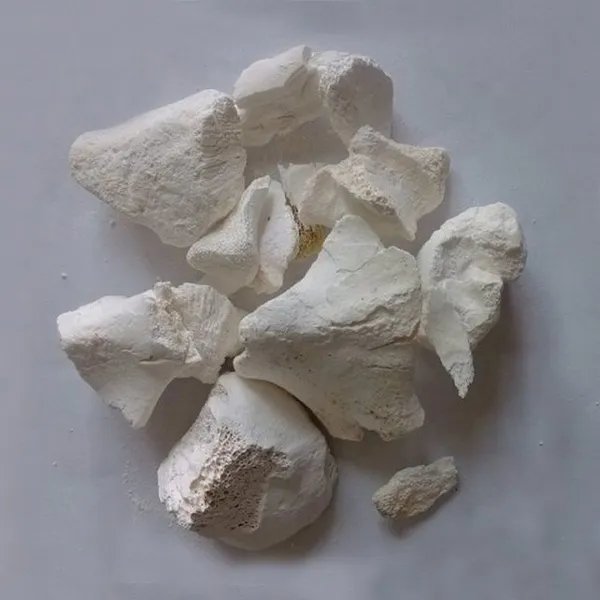
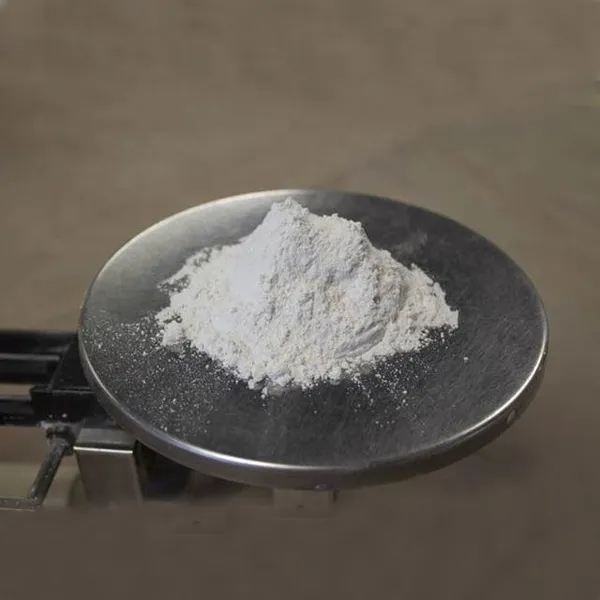
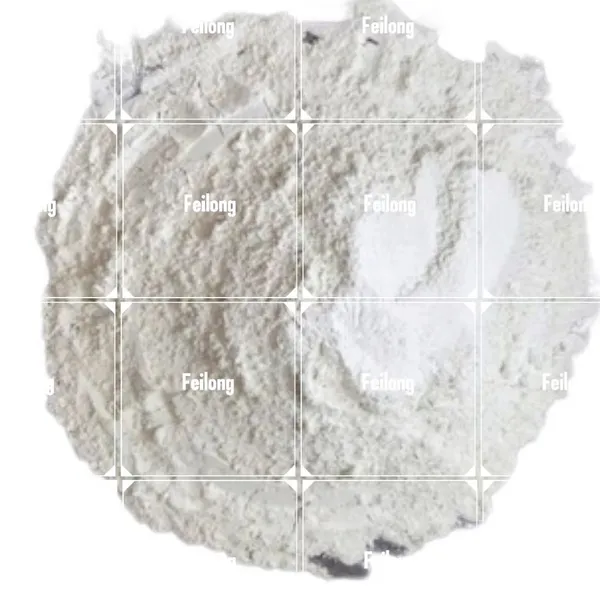
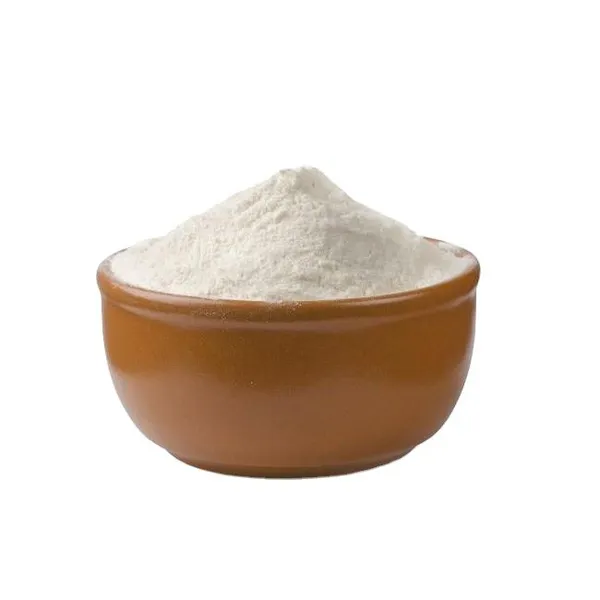
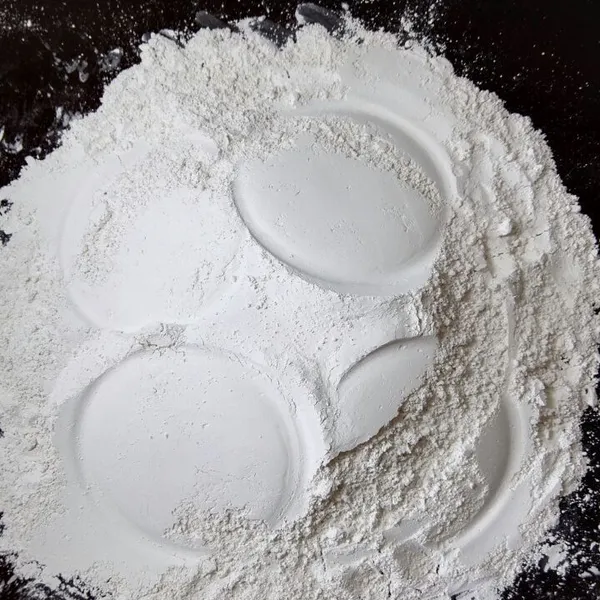
Bone ash powder is the fine, ground form of calcined bone ash, produced by grinding calcined defatted bovine bone to a controlled particle size. While all bone ash originates from the same raw material and calcination process, the powder designation specifically indicates that the material has been milled and classified to pass through standard sieves at defined mesh sizes.
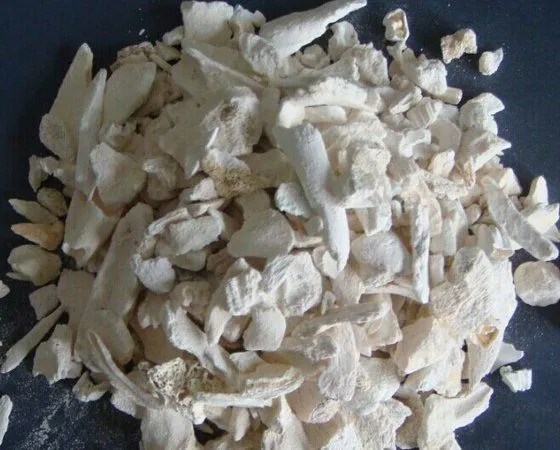
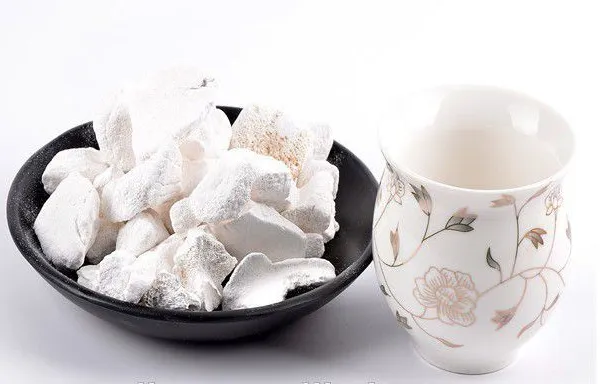
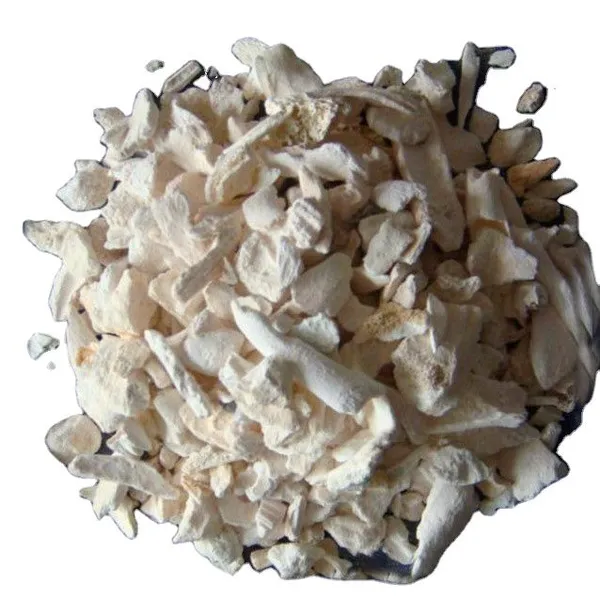
The distinction matters for industrial buyers. Unmilled or coarsely crystalline bone ash cannot integrate into ceramic slips, mold release suspensions, or fine industrial blends without additional processing. Powdered bone ash arrives ready for formulation, saving milling time and reducing the risk of contamination from on-site grinding equipment.
Bone ash powder retains the same core chemical composition as other calcined bone ash forms. It is predominantly calcium phosphate with calcium carbonate, producing the white color and alkaline pH that characterize quality material. However, the physical properties change significantly with particle size. Surface area increases, bulk density decreases, and flow characteristics shift as particles become finer. These changes directly affect how the powder performs in your specific application.
For a broader overview of bone ash composition and general properties, see our guide on what is bone ash.
Bone Ash Powder Specifications and Mesh Sizes
Industrial buyers should understand that "bone ash powder" is not a single product. It is a category defined by particle size, chemical composition, and physical handling properties. The two most common specifications in B2B trade are 325 mesh and 400 mesh bone ash powder.
Chemical Composition Standards
Quality bone ash powder, regardless of mesh size, should meet these baseline chemical parameters:
Calcium (Ca): ≥35.0%
Phosphorus (P): ≥16.0%
Iron (Fe): ≥0.05%
Burning loss: ≤1.0%
pH: 9.0-11.5
These figures apply to the calcined material itself. Grinding and sizing do not alter chemical composition, but they can introduce contamination if equipment or classifiers are not properly maintained. Reputable manufacturers test chemical composition both before and after grinding to ensure that milling does not affect purity.
325 Mesh Bone Ash Powder
325 mesh bone ash powder is the standard industrial grade for most ceramic and metallurgical applications. The particles pass through a sieve with 325 openings per linear inch, corresponding to approximately 44 micrometers maximum particle size.
This grade offers several practical advantages:
Disperses readily in water-based ceramic slips without extended milling
Provides sufficient surface area for reaction in ceramic bodies during firing
Flows well through standard industrial handling and dosing equipment
Typically more economical than finer grades due to shorter grinding time
For manufacturers producing standard bone china, fine porcelain, or general ceramic ware, 325 mesh bone ash powder usually meets formulation requirements without modification.
400 Mesh Bone Ash Powder
400 mesh bone ash powder represents a finer grade, with particles passing through 400 openings per linear inch, approximately 37 micrometers maximum. The finer particle size creates measurable differences in application performance.
Key characteristics of 400 mesh bone ash powder include:
Higher surface area per unit weight, promoting more complete reaction in ceramic bodies
Improved packing density in fine ceramic formulations
Smoother surface finish on fired ware, particularly in thin-walled pieces
Potential increase in slip viscosity due to greater water demand
The trade-off is cost. Finer grinding requires more energy, longer mill time, and more precise classification. Buyers should specify 400 mesh only when their application genuinely requires the finer particle size.
Physical Handling Properties
Powder handling characteristics matter for bulk buyers. Bone ash powder is typically free-flowing when dry, but humidity can cause caking. Standard packaging in moisture-resistant containers or lined bulk bags protects material during storage and shipping. Bulk density varies with mesh size; 400 mesh powder is generally less dense than 325 mesh due to increased particle surface area and air retention.
Technical Note: Always verify particle size distribution, not just nominal mesh size. A COA should include sieve analysis showing the percentage retained on key screens, not just a single pass/fail figure.
How Bone Ash Powder Is Produced
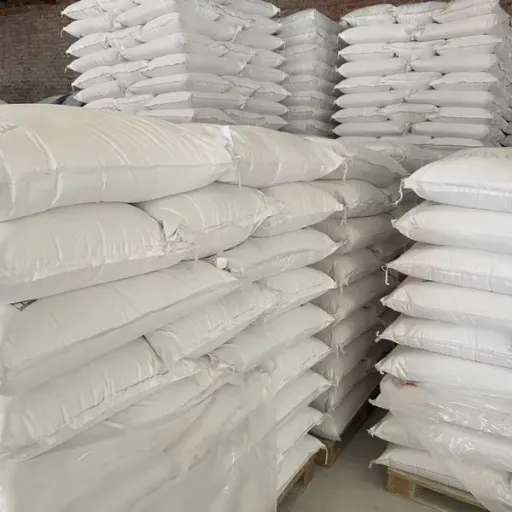
The production of bone ash powder follows the same initial steps as all calcined bone ash, with additional controlled grinding and classification stages that determine final particle size.
Step 1: Raw Material Preparation
Production begins with defatted bovine bone blocks. Defatting is essential because residual organic fats burn unevenly during calcination, producing discoloration and odor that grinding cannot remove. Thorough defatting ensures that the calcined output is white and clean before it ever reaches the mill.
Step 2: High-Temperature Calcination
The prepared bone material undergoes calcination at controlled temperatures reaching 1300°C. This process drives off all organic components, leaving the inorganic mineral matrix of calcium phosphate and calcium carbonate. At our calcination process, Feilong maintains precise temperature control to produce consistent batch quality before grinding begins.
Calcination temperature directly affects the hardness and grindability of the resulting material. Properly calcined bone ash fractures cleanly during grinding, producing predictable particle shapes. Insufficient calcination leaves organic residues that gum up grinding equipment and produce off-color powder.
Step 3: Cooling and Stabilization
After calcination, the material cools in a controlled environment. Rapid cooling can create thermal stress that affects how the material breaks during grinding. Controlled cooling preserves structural properties needed for efficient milling to fine powder.
Step 4: Grinding to Powder
The calcined material enters grinding equipment, typically ball mills or Raymond mills, where it is reduced to powder. Grinding parameters, including mill speed, media size, and residence time, determine the final particle size distribution. This is where 325 mesh and 400 mesh grades diverge. Finer grades require longer grinding and often multiple classification passes.
Step 5: Classification and Sizing
After grinding, the powder passes through sieve classification or air separation to ensure it meets the specified mesh size. Oversized particles return to the mill for further reduction. This classification step is what separates true bone ash powder from merely crushed or screened calcined bone.
Step 6: Quality Testing and Release
Before release, each batch undergoes testing for chemical composition, particle size distribution, color, and moisture content. A Certificate of Analysis documents these results. Buyers should always request a COA that includes both chemical data and particle size verification.
Bone Ash Powder Applications in Ceramic Manufacturing
The largest B2B demand for bone ash powder comes from ceramic manufacturers, particularly those producing bone china and fine porcelain. The powder form integrates directly into ceramic slips and bodies without additional milling at the customer's facility.
Bone China and Fine Porcelain
Bone china typically contains 30% to 50% bone ash by weight in the ceramic body. The calcium phosphate content acts as a flux, lowering the maturation temperature while contributing translucency and strength. Bone ash powder disperses uniformly through the slip, ensuring consistent body composition throughout the production batch.
When Elena, a production manager at a Turkish ceramics company, switched from sourcing generic bone ash to specifying 325 mesh bone ash powder in 2024, she noticed an immediate improvement. Her slip preparation time dropped by 15% because the material required no pre-milling. More importantly, her defect rate from particle agglomeration fell from 4% to under 1%. The consistent particle size meant her ball mill could focus on blending rather than size reduction.
For high-grade bone china, 400 mesh bone ash powder provides the finer particle distribution needed for exceptional translucency and surface quality. The smaller particles pack more densely in the ceramic body, reducing microscopic voids that scatter light and weaken the fired structure.
Other Ceramic Applications
Beyond bone china, bone ash powder appears in specialized porcelain formulations, artware, and technical ceramics where whiteness and thermal stability matter. It serves as a flux in certain refractory compositions and as a component in specialty glazes where calcium content affects surface chemistry.
According to Britannica, bone china remains the strongest and most translucent ceramic commercially produced, and the quality of bone ash directly influences these properties.
Industrial Applications of Bone Ash Powder Beyond Ceramics
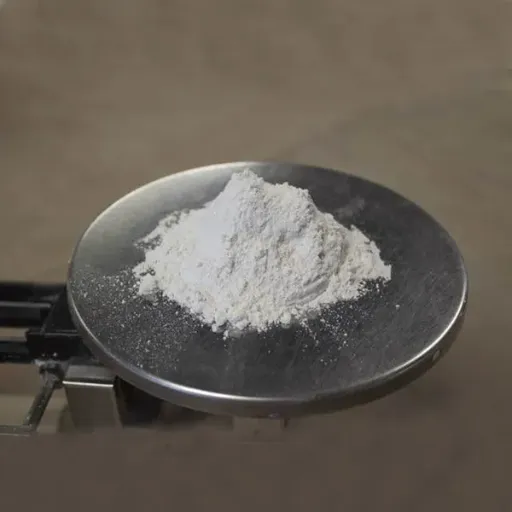
While ceramics dominates demand, bone ash powder serves additional industrial sectors where fine particle size and specific chemical properties add value.
Mold Releasing and Metallurgy
In foundry and metallurgical operations, bone ash powder for mold releasing provides a fine, non-wetting barrier between molten metal and mold surfaces. The powder form applies evenly as a dust or spray suspension, coating mold surfaces with minimal waste. The calcium phosphate structure provides excellent non-wetting properties at high temperatures, preventing metal adhesion and reducing surface defects.
Ahmed, a casting engineer at an aluminum foundry in Egypt, had been using a synthetic release agent that left a residue requiring costly post-cast cleaning. After testing 325 mesh bone ash powder as a mold release coating in early 2025, his cleaning time per casting dropped by 35%. The natural mineral powder burned away cleanly during casting, leaving smooth surfaces without chemical residue.
Specialized Industrial Uses
Bone ash powder appears in select applications including precision investment casting, where fine powder provides detailed mold surface reproduction, and certain refractory formulations where thermal stability and chemical inertness matter. Researchers have also explored bone ash powder in biomaterial applications, though industrial-grade material serves manufacturing almost exclusively.
For insights into broader industrial applications of bone-derived materials, Ceramic Industry Magazine regularly publishes technical content on raw material selection and ceramic formulation.
Sourcing Bone Ash Powder: What Buyers Need to Know
Selecting a supplier for bone ash powder involves more than comparing price per ton. The wrong material creates hidden costs in production delays, reformulation work, and quality rejects.
Verify Particle Size Distribution
Request sieve analysis data, not just a mesh size claim. A reliable COA should show the percentage passing through the nominal mesh size and the distribution across standard sieve sizes. This tells you whether the powder is genuinely uniform or contains a wide range of particle sizes that could affect your process.
Confirm Chemical Composition Post-Grinding
Some suppliers test chemical composition before grinding but not after. Grinding can introduce iron contamination from mill media or equipment wear. Verify that your supplier tests composition after the final grinding and classification steps.
Evaluate Supplier Production Control
Vertically integrated manufacturers with owned factories control every step from raw material through calcination, grinding, and packaging. Trading companies that source from multiple workshops cannot guarantee the same consistency in particle size or composition. Ask whether your supplier operates its own grinding and classification equipment.
Packaging and Handling
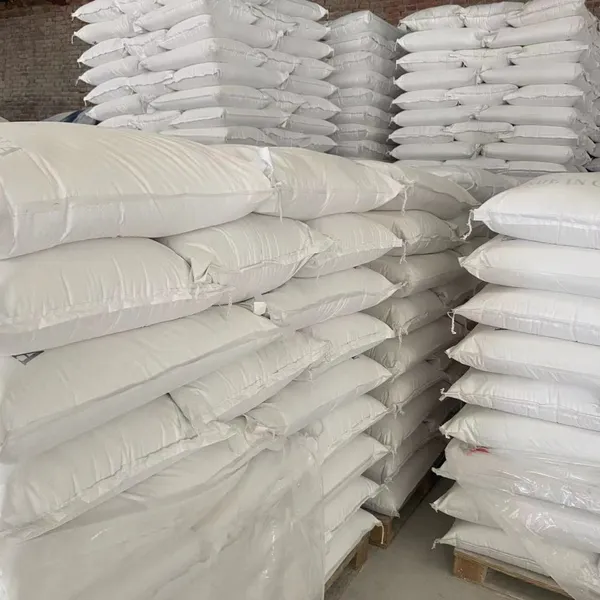
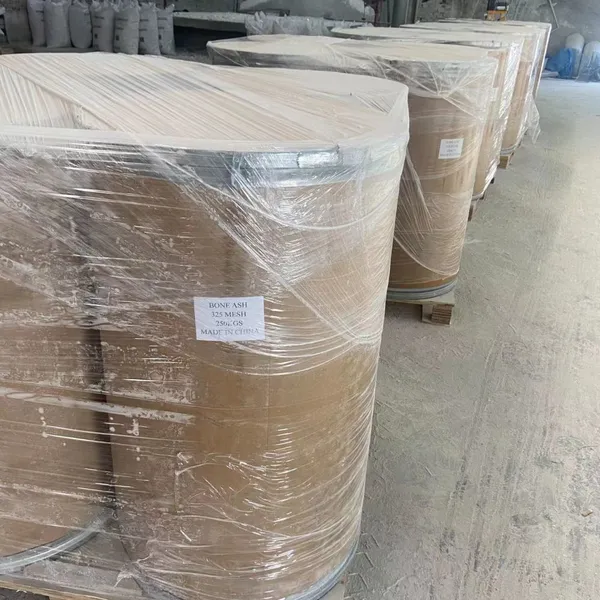
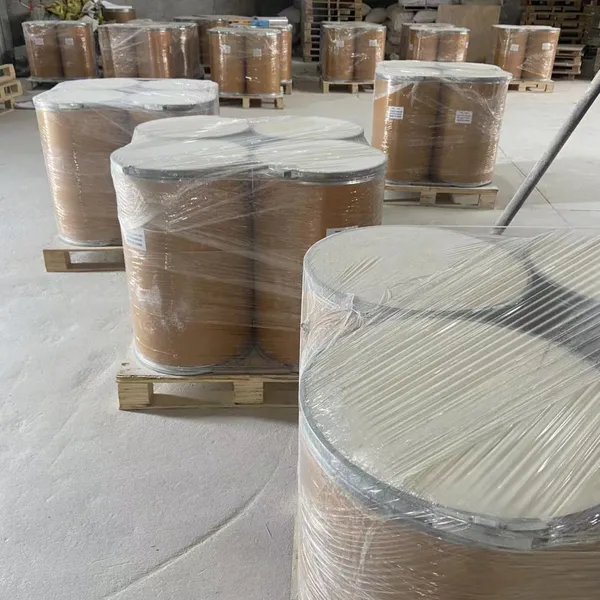
Bone ash powder should arrive in moisture-resistant packaging. Bulk bags with polyethylene liners, sealed drums, or moisture-barrier sacks protect the material from humidity during transit and storage. Improper packaging can cause caking, contamination, or moisture absorption that affects flow and dispersibility.
Sample Testing Protocol
Never commit to a bulk order without testing samples. Request a full COA with your sample, and test the powder in your actual production environment. Test slip viscosity if you are a ceramics manufacturer. Test coating uniformity if you are a foundry. Laboratory specs only tell part of the story; your process completes the picture.
Pricing and Volume Expectations
Standard FOB pricing for bone ash powder typically ranges from US720to720to890 per metric ton depending on mesh size, volume, and specifications. Minimum order quantities usually start at 1 metric ton. Sample quantities are often available from 1 kg for qualification purposes. Finer grades such as 400 mesh generally command a modest price premium over 325 mesh due to longer processing time.
Ready to evaluate bone ash powder for your application? Request a quote for a sample shipment with full COA and technical consultation.
Conclusion
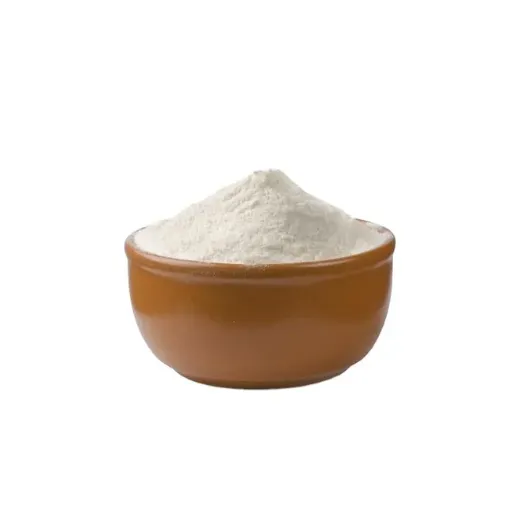
Bone ash powder is not merely a ground version of calcined bone ash. It is a precision industrial material whose particle size, distribution, and handling properties directly affect production outcomes in ceramics, metallurgy, and specialized applications.
Key takeaways for industrial buyers:
Bone ash powder is classified by mesh size, with 325 mesh and 400 mesh serving different application requirements.
Chemical composition standards apply regardless of particle size: Ca ≥35%, P ≥16%, burning loss ≤1.0%.
Grinding and classification are specialized process steps that require controlled equipment and verification.
Ceramic manufacturers typically use 325 mesh for standard production and 400 mesh for high-grade formulations.
Foundry and metallurgical buyers benefit from the even application and clean burn-off of bone ash powder mold release coatings.
Always verify particle size distribution and post-grinding chemical composition through a detailed COA.
Whether you formulate ceramic bodies, prepare mold release coatings, or blend industrial powders, sourcing reliable bone ash powder protects your production quality and operational efficiency. The material you choose affects every batch that follows.
Request your free sample and COA today. Speak with our technical team about your specific mesh size, composition, and volume requirements for bone ash powder.
Recently Posted
-
Luohe Feilong Bone Carbon: Industrial Bone Ash Manufacturer Since 2011
August 17, 2026When a copper foundry in Turkey needs bone ash that releases cleanly from a sand mold at 1,100 degrees Celsius, or a bone china fa Read More
 -
Bone Ash in Copper Casting Mold Release: Application and Practical Guidance
August 14, 2026A copper sand casting foundry in India was producing electrical switch components that required a clean, smooth surface finish for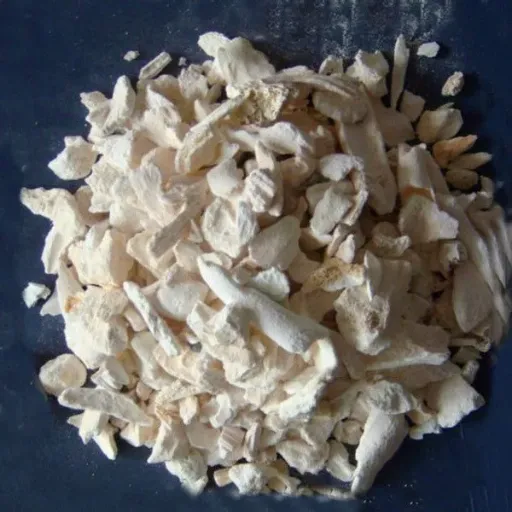 Read More
 -
How to Source Bone Ash for Foundry Applications: A Buyer's Checklist
August 13, 2026A purchasing manager at a brass foundry in Egypt ordered 20 metric tons of bone ash from a new supplier at a price roughly 25% bel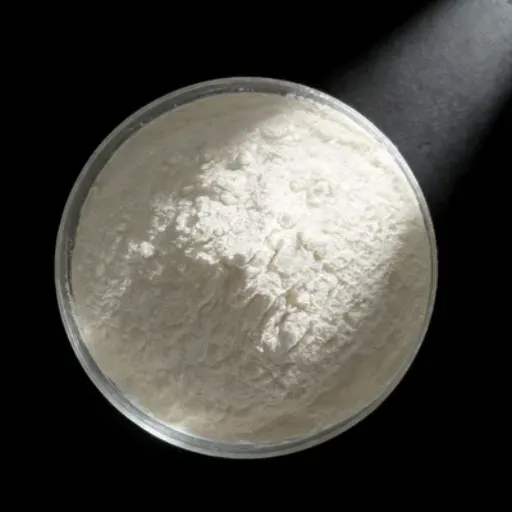 Read More
 -
Bone Ash vs Graphite Powder for Non-Ferrous Metal Mold Release
August 12, 2026A brass foundry in Southeast Asia switched from bone ash to a lower-cost graphite powder for its sand casting release agent, expec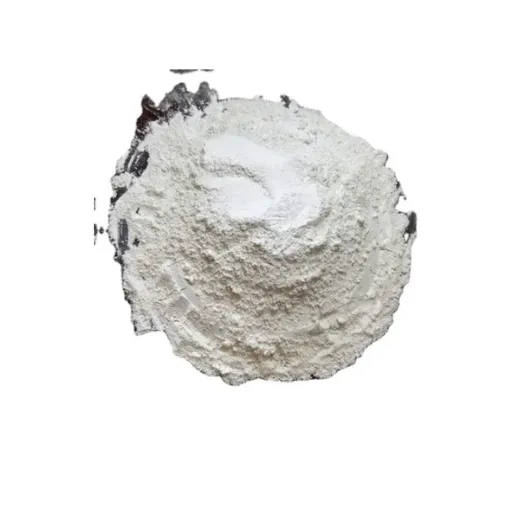 Read More

Contact Us
Recommended Products
-
 Manufacturer Sell Low Price Calcined Bone Ash or PowderUS$ 850MOQ: 5 Tons
 -
Manufacturer Sell Low Price Calcined Bone Ash or PowderUS$ 850MOQ: 5 Tons
-
Manufacturer Sell Low Price Calcined Bone Ash or PowderUS$ 850MOQ: 5 Tons
-
Sell Well Bone Ash for Mold Releasing UseUS$ 880 - 920MOQ: 5 Tons
-
Feilong Direct Sales Die-casting Water-soluble Mold Metal Release AgentUS$ 920MOQ: 5 Tons
-
Natural Animal Bone AshUS$ 880 - 920MOQ: 5 Tons
-
China Manufacturer Supply Eco-Friendly Bone Ash PowderUS$ 890MOQ: 1 Ton
-
Calcined Bone Ash for Bone China With GoodPriceUS$ 880 - 920MOQ: 5 Tons
-
Synthetic Bone Ash for Ceramic With Good PriceUS$ 850MOQ: 5 Tons
-
Calcium and Phosphorus Powder - 325 MeshPowderUS$ 850MOQ: 5 Tons
-
Calcium and Phosphorus Powder - 325 MeshPowderUS$ 850MOQ: 5 Tons
-
Calcium Stearate PVC PE Lubricant Mould-releasing Powder ManufacturerUS$ 850MOQ: 5 Tons
-
Reputed Supplier Selling Bone Ash Powder Which Meet With Environmental Standard As Animal FeedstuffUS$ 850MOQ: 5 Tons
-
Industrial Grade Bone Ash for Bone Ceramics and MetallurgyUS$ 900MOQ: 10 Tons
-
Animal Ashes Used for Bone ChinaUS$ 900MOQ: 5 Tons
-
Calcium and Phosphorus Powder - 325 MeshPowderUS$ 850MOQ: 5 Tons
-
High Quality Bone Ash for Mold Releasing Use/bone Ash PowderUS$ 850 - 880MOQ: 5 Tons
-
Manufacturer Sell Low Price Calcined Bone Ash or PowderUS$ 850MOQ: 5 Tons
-
Calcined Bone Ash for Bone China With GoodPriceUS$ 880MOQ: 5 Tons
-
High Quality Bone Ash for Mold Releasing Use/bone Ash PowderUS$ 880 - 920MOQ: 5 Tons