
 Business License

Bone Ash Composition: A Technical Guide to Chemical Specifications and Quality Standards
A single batch of off-spec bone ash can ruin an entire kiln of bone china. Last year, a ceramic manufacturer in Eastern Europe discovered that their "standard" bone ash supplier had shipped material with calcium content fluctuating between 31% and 38%, a variation wide enough to cause warping, discoloration, and a 12% increase in rejected ware. The hidden cost was not just the lost product. It was the three weeks spent tracing the problem back to raw material inconsistency.
If you source bone ash for ceramics, metallurgy, or industrial applications, you already know that specifications matter. You also know that not every supplier delivers what their datasheet promises. This guide breaks down the exact chemical composition of high-quality calcined bone ash, explains what each component means for your process, and shows you how to verify that every batch meets your production requirements.
You will learn the difference between acceptable and exceptional bone ash composition, why calcination temperature is the hidden variable most buyers overlook, and how to read a Certificate of Analysis (COA) like a quality engineer.
What Is Bone Ash Composition?
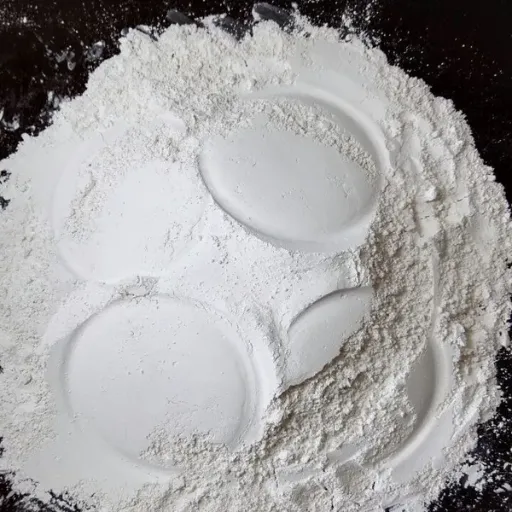
Bone ash composition refers to the precise chemical makeup of calcined animal bone material after high-temperature processing. The term encompasses the percentages of calcium, phosphorus, iron, and other trace elements, along with physical properties such as pH and burning loss.
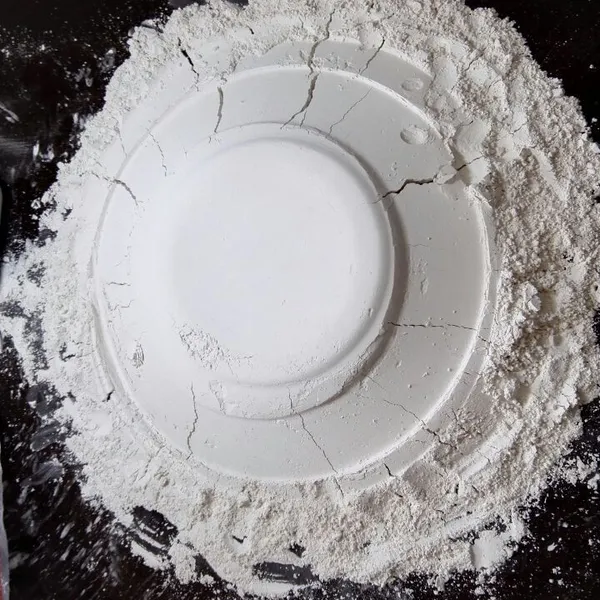
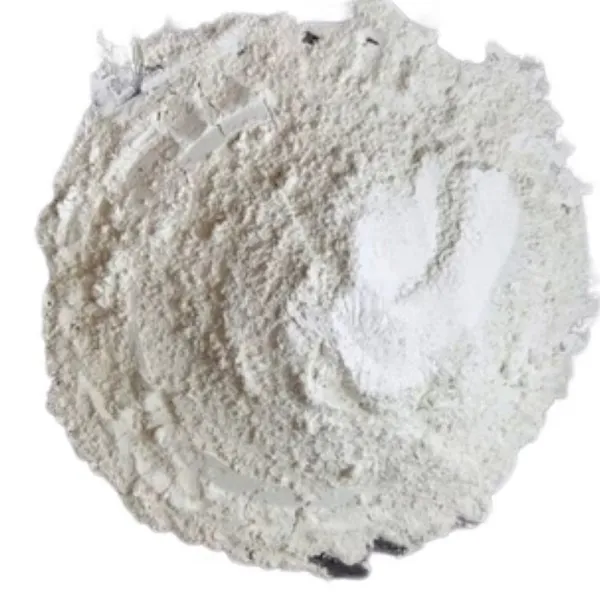
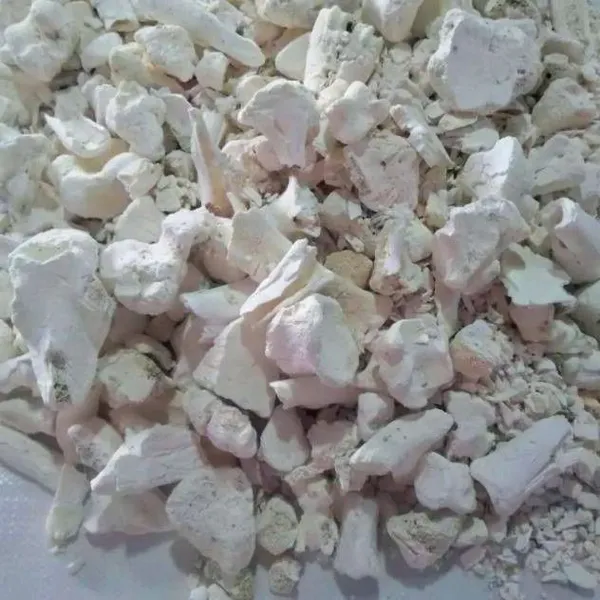
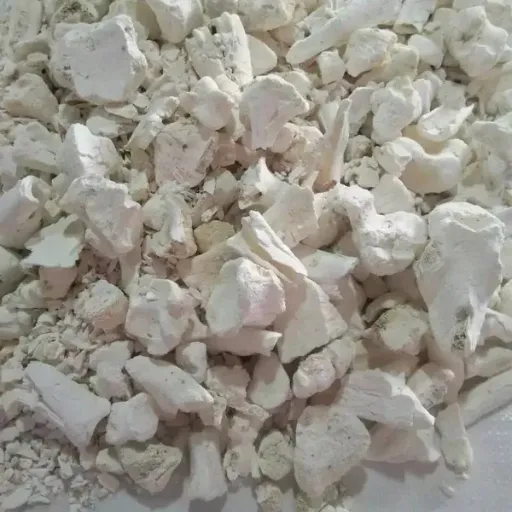
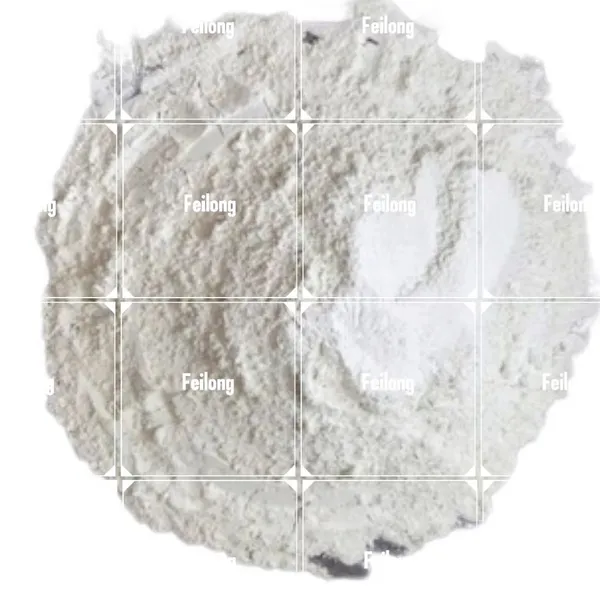
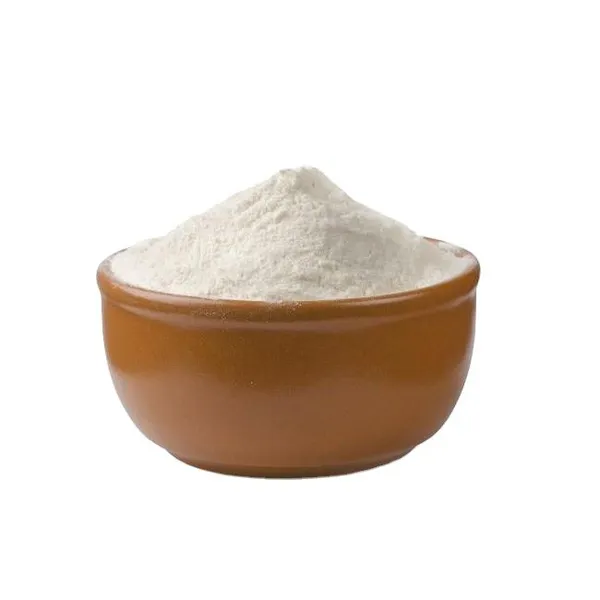
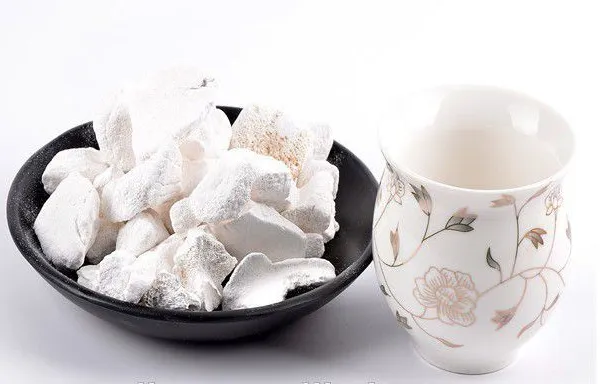
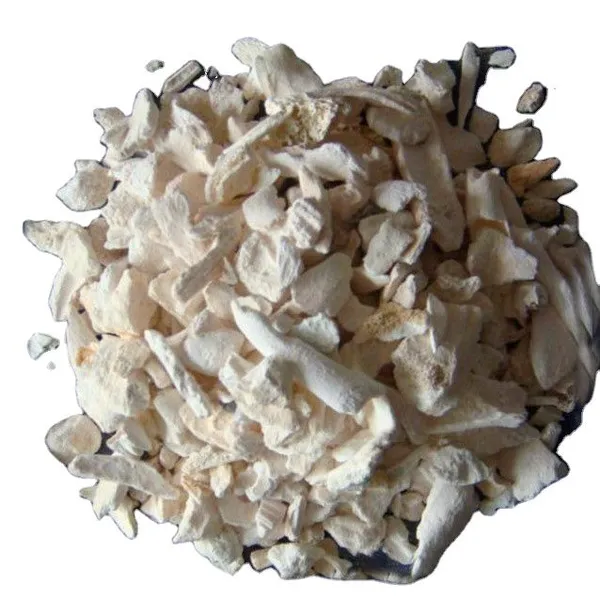
High-quality bone ash is produced by calcining defatted bovine bone blocks at approximately 1300°C. At this temperature, organic matter is fully decomposed, and the inorganic mineral matrix remains. The result is a white crystalline powder composed primarily of calcium phosphate and calcium carbonate in specific ratios.
For industrial buyers, bone ash composition is not an abstract concept. It directly affects ceramic body translucency, mold-release performance, and batch-to-batch production stability. Understanding these numbers is the first step in qualifying a supplier and protecting your production line from variation.
Technical Note: Bone ash composition is typically expressed as percentages by weight of key elements, Ca (calcium), P (phosphorus), and Fe (iron), along with physical tests such as pH and burning loss. Always request a COA that shows actual test results, not just target ranges.
Key Chemical Components of Bone Ash
Calcium (Ca) Content
Calcium is the dominant element in bone ash, and its concentration is the primary indicator of material quality for ceramic applications. Premium calcined bone ash contains Ca ≥35.0%.
Calcium in bone ash exists primarily as calcium phosphate (Ca3(PO4)2) and calcium carbonate (CaCO3), with the phosphate form being more prevalent. In bone china production, calcium content directly influences:
Translucency: Higher, consistent calcium levels contribute to the characteristic light-transmitting quality of fine bone china.
Body strength: Calcium compounds form a glassy phase during firing that binds the ceramic matrix.
Firing behavior: Calcium affects the maturation temperature and thermal expansion of the ceramic body.
When calcium content drops below 33%, ceramic manufacturers often notice reduced translucency and a rougher surface texture. Variability above 2% between batches can cause dimensional instability during firing.
Phosphorus (P) Content
Phosphorus is the second critical component, with quality bone ash specifying P ≥16.0%. Phosphorus in bone ash is bound within the hydroxyapatite and tricalcium phosphate structures that give calcined bone its unique properties.
The calcium-to-phosphorus ratio (Ca/P) is particularly important. In well-calcined bone ash, this ratio typically falls between 2.0 and 2.3. Deviations from this range can signal incomplete calcination or raw material contamination.
For ceramic buyers, consistent phosphorus content ensures predictable interaction with feldspar, kaolin, and other body components. For metallurgical applications, phosphorus affects the thermal stability and non-wetting characteristics of mold-releasing bone ash.
Iron (Fe) and Trace Elements
Iron content is a quality differentiator, especially for ceramic-grade bone ash. Premium specifications list Fe ≥0.05%, though in practice, lower iron is preferable for whiteness-sensitive applications.
Iron acts as a colorant in ceramics. Even small increases above 0.1% can cause yellowing or graying in bone china, particularly in thin-walled or highly translucent pieces. This is why ceramic manufacturers should verify iron levels on every COA, not just calcium and phosphorus.
Other trace elements to monitor include:
Silica (Si): Should be minimal; excess silica indicates contamination or poor raw material selection.
Magnesium (Mg): Present in small amounts naturally; high levels may affect ceramic glaze compatibility.
Heavy metals: Reputable manufacturers test for lead, arsenic, and cadmium to ensure compliance with international regulations.
pH and Burning Loss
Two physical-chemical properties complete the standard bone ash specification:
pH: 9.0–11.5
Bone ash is naturally alkaline due to its calcium phosphate and carbonate content. pH values within this range indicate proper calcination. pH below 9.0 may suggest incomplete decomposition of organic acids. pH above 11.5 can indicate excessive alkaline contamination.
Burning loss: ≤1.0%
Burning loss measures the weight lost when bone ash is reheated to a specified temperature. It indicates residual organic matter, moisture, or volatile compounds. A burning loss above 1.5% signals insufficient calcination and can cause defects in ceramics or inconsistent performance in mold release applications.
How Calcination Temperature Shapes Bone Ash Composition
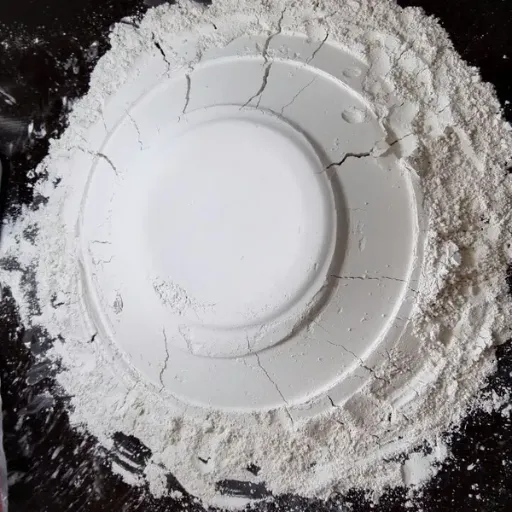
The chemical composition of bone ash is not determined by raw material alone. Calcination temperature is the process variable that most directly affects the final product's chemistry, crystallinity, and performance.
At Luohe Feilong Bone Carbon Co., Ltd., bone ash is calcined at 1300°C in controlled furnaces. Here is why that temperature matters:
Below 1000°C: Organic material is not fully decomposed. Burning loss remains high, and the product retains a grayish color. This material is unsuitable for ceramic applications.
1000–1200°C: Partial calcination produces bone ash with acceptable but variable composition. Some organic residues may remain, and crystalline structure is less uniform.
1200–1300°C: Full calcination occurs. Organic matter is eliminated, hydroxyapatite converts to tricalcium phosphate and calcium oxide, and the product achieves the characteristic white color and consistent composition that ceramic manufacturers require.
Above 1350°C: Excessive temperature can cause sintering, making grinding difficult and potentially altering reactivity in ceramic bodies.
Chen Wei, a production manager at a ceramic factory in Shandong Province, learned this lesson the hard way. In 2023, his team switched to a new bone ash supplier offering prices 8% below market rate. The COA showed acceptable calcium and phosphorus levels, but the supplier did not disclose calcination temperature.
Within two months, Chen noticed increased pinholing in fired ware and a gradual shift in body color from pure white to ivory. Laboratory analysis revealed burning loss at 2.8%, nearly three times the acceptable limit. The material had been calcined at approximately 950°C, leaving residual organic compounds that outgassed during glaze firing. Returning to a 1300°C calcined source solved the problem within one production cycle.
Bone Ash Composition Standards by Application
Ceramics and Bone China
Ceramic-grade bone ash demands the strictest composition control. Manufacturers typically require:
Ca ≥35.0%, P ≥16.0%
Fe as low as possible (preferably <0.05% for high-grade ware)
Burning loss ≤1.0%
Fine particle size: 325 mesh or 400 mesh
Color: Bright white, no discoloration
Bone china formulations use 40–50% bone ash in the ceramic body. At these concentrations, even minor compositional variations multiply through the entire batch. Consistent Ca/P ratios ensure that translucency, strength, and thermal expansion remain stable from batch to batch.
If you produce bone china or fine porcelain, ceramic-grade bone ash with verified composition is not optional. It is the foundation of your product quality.
Metallurgical Mold Releasing
Mold-releasing bone ash is valued for its non-wetting properties, thermal stability, and fine particle structure. Composition requirements are slightly more relaxed than for ceramics, but consistency remains critical:
Ca ≥35.0%, P ≥15.0%
Burning loss ≤1.5% (slightly higher acceptable than ceramic grade)
Particle size: Typically 200–325 mesh
Thermal stability: Must withstand contact with molten metal without decomposition
In foundry applications, bone ash composition affects how the material adheres to mold surfaces and how effectively it prevents metal sticking. Inconsistent calcium content can cause uneven coating thickness, while excessive burning loss leads to smoke and gas evolution during pouring.
Want to see how controlled composition improves mold release performance? Explore our mold-releasing bone ash specifications or speak with our technical team about your casting process requirements.
How to Read and Verify a Bone Ash COA
A Certificate of Analysis (COA) is your primary tool for verifying bone ash composition before accepting a shipment. However, not all COAs are equally reliable. Here is what to look for:
1. Test Method Transparency
A credible COA specifies the analytical methods used:
Calcium and phosphorus: EDTA titration or ICP-OES (Inductively Coupled Plasma Optical Emission Spectrometry)
Iron: Colorimetric methods or ICP-OES
pH: pH meter in aqueous suspension
Burning loss: Gravimetric analysis at specified temperature (usually 800–1000°C)
Particle size: Laser diffraction or sieve analysis
If the COA lists only results without methods, request clarification. Reputable manufacturers document their testing protocols.
2. Batch-Specific Data
Generic COAs that show "typical values" rather than actual batch test results are a red flag. Every production batch should be tested individually, and the COA should reference a specific batch or lot number.
At Feilong, every batch of bone ash powder undergoes chemical composition testing before release. The COA you receive corresponds to the exact material in your shipment.
3. Date and Laboratory Information
Check that the COA includes:
Test date (should be recent, ideally within 30 days of shipment)
Testing laboratory name (in-house or third-party)
Signature or authorization from quality control personnel
4. Cross-Check Specifications
Compare the COA against your internal material specification. Even if results fall within the supplier's stated range, they may fall outside your process requirements. Maintain a specification sheet for every raw material, and review each COA against it before release to production.
Why Composition Consistency Matters More Than Composition Alone
A single batch of bone ash with perfect composition is easy to find. Ten consecutive batches with identical composition is what separates reliable manufacturers from inconsistent traders.
Batch-to-batch variation is the silent killer of production efficiency. When bone ash composition shifts between deliveries, ceramic manufacturers must constantly adjust body formulations, glaze recipes, and firing schedules. This creates a cascade of problems:
Increased quality control sampling and testing
Higher rejection rates during inspection
Delayed deliveries while production waits for acceptable material
Customer complaints about product variation
Maria Gonzalez, a quality manager at a foundry in Valencia, Spain, experienced this with a trading company that sourced bone ash from multiple small workshops. One month, the material performed flawlessly in their brass casting molds. The next month, the same product designation produced excessive smoke and poor release.
The cause was a 4% swing in calcium content and a doubling of burning loss between two supposedly identical shipments. After switching to a vertically integrated manufacturer with owned-factory production control, Maria's team reduced mold-release related defects by 60%. They also eliminated the quarterly supplier qualification crises that had disrupted their schedule.
The lesson is clear. Consistent composition requires controlled calcination, standardized raw material intake, and rigorous batch testing. These capabilities are only possible when the supplier owns and operates their production facility.
Sourcing Bone Ash with Guaranteed Composition
When evaluating bone ash suppliers for composition reliability, focus on these four factors:
1. Vertical Integration
Does the supplier own their calcination facility, or do they trade material from multiple sources? Vertically integrated manufacturers control every step from defatted bovine bone intake through grinding and testing. This is the strongest predictor of batch-to-batch consistency.
2. Process Documentation
Can the supplier document their calcination temperature, defatting process, and quality control checkpoints? Our production process includes 1300°C controlled calcination, chemical composition testing on every batch, and full COA documentation with every shipment.
3. Sample-to-Bulk Correlation
Request a sample with COA before placing a bulk order. When your bulk shipment arrives, retest a sample and compare it to the original COA. Reputable suppliers welcome this verification.
4. Export Experience and Documentation
International buyers need suppliers who understand export documentation, customs requirements for animal-derived materials, and international shipping logistics. Feilong has exported to Germany, South Korea, and the USA with established documentation protocols.
Ready to test the difference that verified composition makes? Start with a free sample and full COA, no minimum commitment required. Our technical team will walk you through the specification sheet and answer any questions about how Feilong bone ash fits your formulation.
Conclusion
Bone ash composition is the foundation of product quality in ceramics, metallurgy, and industrial applications. The key metrics, Ca ≥35.0%, P ≥16.0%, burning loss ≤1.0%, and controlled pH, are not arbitrary numbers. They represent the difference between reliable production and costly variation.
Here are the key takeaways from this guide:
Calcium and phosphorus are the primary indicators of bone ash quality; always verify both on your COA.
Calcination temperature (ideally 1300°C) determines whether organic residues remain and whether crystalline structure is uniform.
Iron content matters for ceramic whiteness; even small increases cause discoloration.
A reliable COA shows actual batch data with test methods, not just typical values.
Batch-to-batch consistency is more valuable than any single perfect batch; vertical integration is the key to achieving it.
Sourcing bone ash is not just about finding the lowest price per metric ton. It is about securing raw material confidence, knowing that every bag in every container will perform the same way in your process.
At Luohe Feilong Bone Carbon Co., Ltd., we have manufactured calcined bone ash for over 20 years from our owned facility in Luohe, Henan Province. Our 1300°C calcination process, combined with batch-level chemical testing, delivers the composition consistency that ceramic manufacturers and metallurgical buyers depend on for uninterrupted production.
Recently Posted
-
Luohe Feilong Bone Carbon: Industrial Bone Ash Manufacturer Since 2011
August 17, 2026When a copper foundry in Turkey needs bone ash that releases cleanly from a sand mold at 1,100 degrees Celsius, or a bone china fa Read More
 -
Bone Ash in Copper Casting Mold Release: Application and Practical Guidance
August 14, 2026A copper sand casting foundry in India was producing electrical switch components that required a clean, smooth surface finish for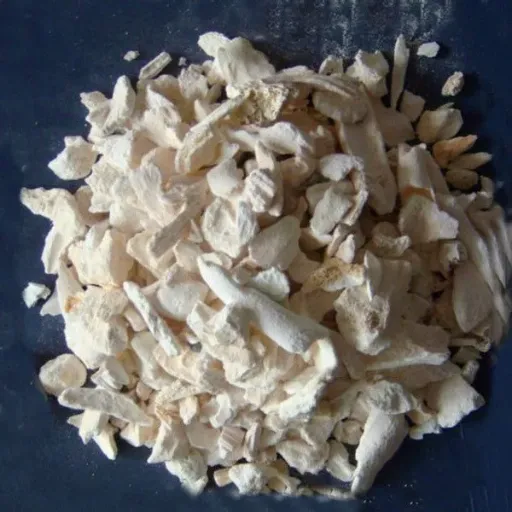 Read More
 -
How to Source Bone Ash for Foundry Applications: A Buyer's Checklist
August 13, 2026A purchasing manager at a brass foundry in Egypt ordered 20 metric tons of bone ash from a new supplier at a price roughly 25% bel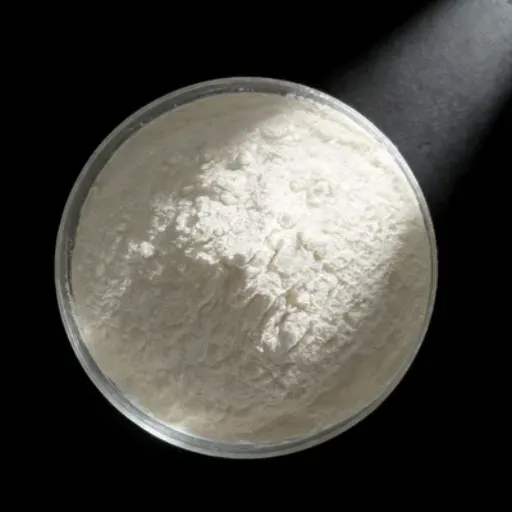 Read More
 -
Bone Ash vs Graphite Powder for Non-Ferrous Metal Mold Release
August 12, 2026A brass foundry in Southeast Asia switched from bone ash to a lower-cost graphite powder for its sand casting release agent, expec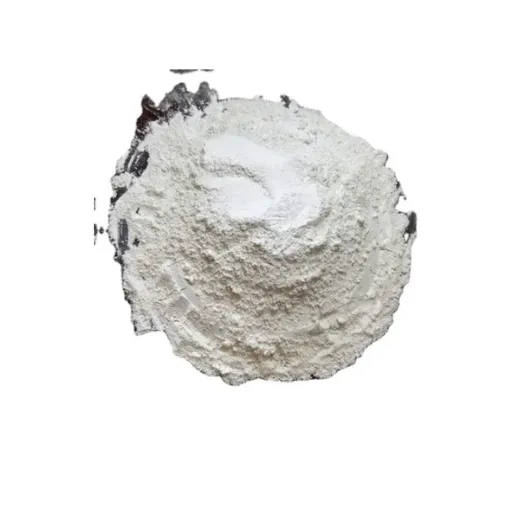 Read More

Contact Us
Recommended Products
-
 Manufacturer Sell Low Price Calcined Bone Ash or PowderUS$ 850MOQ: 5 Tons
 -
Manufacturer Sell Low Price Calcined Bone Ash or PowderUS$ 850MOQ: 5 Tons
-
Manufacturer Sell Low Price Calcined Bone Ash or PowderUS$ 850MOQ: 5 Tons
-
Sell Well Bone Ash for Mold Releasing UseUS$ 880 - 920MOQ: 5 Tons
-
Feilong Direct Sales Die-casting Water-soluble Mold Metal Release AgentUS$ 920MOQ: 5 Tons
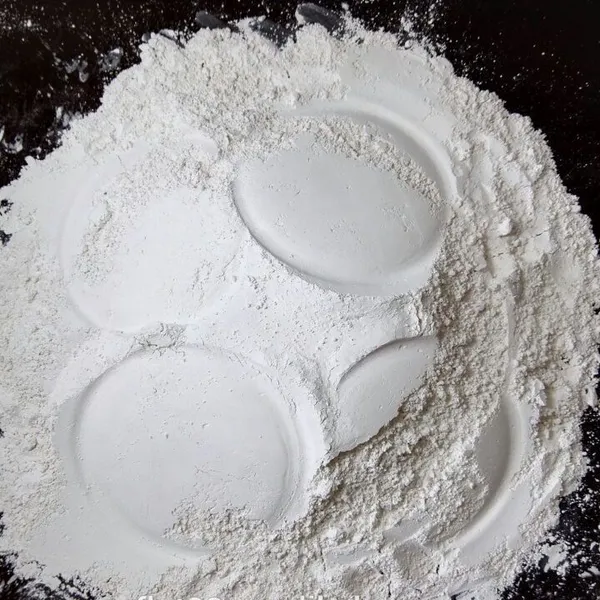
-
Natural Animal Bone AshUS$ 880 - 920MOQ: 5 Tons
-
China Manufacturer Supply Eco-Friendly Bone Ash PowderUS$ 890MOQ: 1 Ton
-
Calcined Bone Ash for Bone China With GoodPriceUS$ 880 - 920MOQ: 5 Tons
-
Synthetic Bone Ash for Ceramic With Good PriceUS$ 850MOQ: 5 Tons
-
Calcium and Phosphorus Powder - 325 MeshPowderUS$ 850MOQ: 5 Tons
-
Calcium and Phosphorus Powder - 325 MeshPowderUS$ 850MOQ: 5 Tons
-
Calcium Stearate PVC PE Lubricant Mould-releasing Powder ManufacturerUS$ 850MOQ: 5 Tons
-
Reputed Supplier Selling Bone Ash Powder Which Meet With Environmental Standard As Animal FeedstuffUS$ 850MOQ: 5 Tons
-
Industrial Grade Bone Ash for Bone Ceramics and MetallurgyUS$ 900MOQ: 10 Tons
-
Animal Ashes Used for Bone ChinaUS$ 900MOQ: 5 Tons
-
Calcium and Phosphorus Powder - 325 MeshPowderUS$ 850MOQ: 5 Tons
-
High Quality Bone Ash for Mold Releasing Use/bone Ash PowderUS$ 850 - 880MOQ: 5 Tons
-
Manufacturer Sell Low Price Calcined Bone Ash or PowderUS$ 850MOQ: 5 Tons
-
Calcined Bone Ash for Bone China With GoodPriceUS$ 880MOQ: 5 Tons
-
High Quality Bone Ash for Mold Releasing Use/bone Ash PowderUS$ 880 - 920MOQ: 5 Tons