
 Business License

Bone Char Filtration: A Practical Guide for Water Treatment and Industrial Applications
Last spring, Priya Sharma's water treatment facility in Gujarat faced a 35% spike in filtration media costs — and their activated carbon was still failing to remove fluoride. A pilot test with bone char filtration cut fluoride levels by nearly 70% while reducing overall media expenditure.
If you operate a water treatment, food processing, or industrial filtration system, you understand the pressure to maintain contaminant removal performance while controlling media costs. This guide explains exactly how bone char filtration works, where it outperforms synthetic alternatives, and how to source consistent-quality bone char from reliable manufacturers. We cover the adsorption and ion exchange mechanisms behind bone char, practical applications from municipal water to sugar refining, direct comparisons with activated carbon, system design factors, and what to look for when evaluating suppliers.
Looking for bone char filtration media for your facility? Explore our bone carbon product specifications or request a sample with full analysis for pilot testing.
What Is Bone Char Filtration?
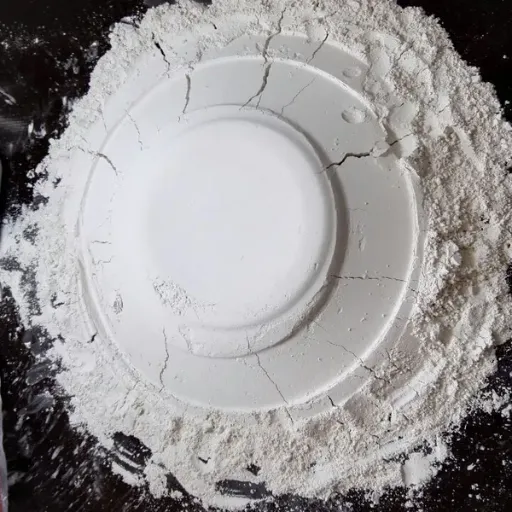
Bone char filtration is the process of using carbonized animal bone — typically defatted bovine bone processed in a low-oxygen environment — as a granular media to remove contaminants from water and other fluids. Unlike fully calcined bone ash, which is a white mineral powder used in ceramics, bone char retains a porous carbon structure that provides significant surface area for adsorption while maintaining mineral content capable of ion exchange.
The material is produced by heating defatted bone to high temperatures in controlled conditions. This carbonization process creates a matrix of calcium phosphate, calcium carbonate, and carbon. The resulting granules range in size depending on the intended application, with common specifications tailored to standard filtration bed configurations.
Bone char filtration has been used commercially for more than a century. The sugar refining industry adopted it in the 19th century for decolorizing syrup. Municipal water treatment facilities have employed it for fluoride reduction in regions with high natural groundwater fluoride. Industrial processors use it for removing organic colorants and certain dissolved metals from process water.
For procurement professionals evaluating filtration media, bone char represents a natural, bio-derived alternative to petroleum-based activated carbons. It is particularly relevant when the target contaminants include fluoride, specific organic colorants, or certain metal ions where the calcium phosphate content provides ion exchange capability alongside carbon adsorption.
How Bone Char Filtration Works: Adsorption and Ion Exchange
Understanding how bone char filtration works requires examining two distinct but complementary mechanisms. These mechanisms determine where bone char outperforms other media and where it serves best as a supplementary rather than replacement technology.
Adsorption of Organic Compounds
The porous carbon structure in bone char provides physical adsorption capacity. Contaminants such as organic colorants, natural organic matter, and certain dissolved organic compounds adhere to the extensive internal surface area of the carbonized bone matrix. This mechanism is similar to activated carbon adsorption, though bone char typically has a lower overall surface area per gram than high-grade activated carbons derived from coconut shell or coal.
In decolorization applications, this adsorption property removes the yellow and brown coloration caused by natural organic compounds in surface water and process streams. Sugar refineries have long exploited this property to clarify syrup before crystallization. Municipal treatment plants in some regions use bone char filtration to reduce color and organic load as a pre-treatment or polishing step.
Ion Exchange for Fluoride and Metals
The calcium phosphate and calcium carbonate content in bone char provides a second removal mechanism: ion exchange. Fluoride ions in water can exchange with phosphate or carbonate groups on the bone char surface. This property makes bone char filtration uniquely effective for fluoride removal compared to standard activated carbon, which has minimal affinity for fluoride.
According to the World Health Organization, fluoride concentrations above 1.5 mg/L in drinking water can cause dental and skeletal fluorosis in populations consuming the water long-term. Regions in parts of India, East Africa, China, and the southwestern United States face naturally elevated groundwater fluoride. Bone char filtration offers a locally producible, low-technology option for community-scale defluoridation where advanced reverse osmosis systems are cost-prohibitive.
The ion exchange capacity also extends to certain heavy metals. Lead, cadmium, and copper can interact with the mineral surface under specific pH conditions. However, bone char is not a universal solution for heavy metal removal, and application-specific testing is essential before deploying it for this purpose.
Key Applications of Bone Char Filtration
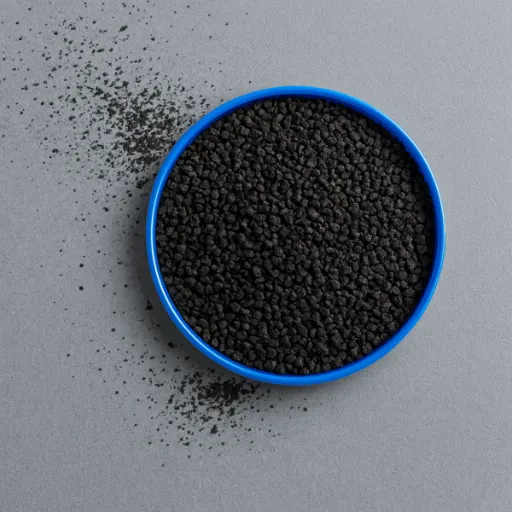
Bone char filtration serves distinct niches across water treatment and industrial processing. Understanding these applications helps buyers match the media to their specific contaminant profile.
Municipal and Community Water Treatment
Municipal water treatment facilities use bone char filtration primarily for fluoride reduction and color removal. In communities with groundwater fluoride exceeding safe limits, bone char filter beds provide a chemical-free alternative to alum coagulation or membrane filtration. Systems can be designed as centralized plant filters or as decentralized community-scale units.
The simplicity of bone char filtration is a significant advantage in developing regions. Operators require minimal training to monitor bed performance and replace exhausted media. Unlike membrane systems, bone char filters have no moving parts and require no electrical power for the filtration process itself.
Industrial Decolorization
Industrial process water in textile, food, and chemical plants often carries organic colorants that must be removed before discharge or reuse. Bone char filtration removes these colorants through adsorption, producing clarified effluent. The alkaline pH of bone char — typically in the range of 9.0 to 11.5 — can also help neutralize acidic process streams in certain applications.
For facilities already using activated carbon, bone char can serve as a pre-treatment media to extend carbon bed life. By removing larger organic molecules and colorants upstream, bone char reduces the load on downstream activated carbon systems, stretching replacement intervals and cutting total media costs. Learn more about bone carbon for water treatment applications in our dedicated application guide.
Sugar Refining and Food Processing
The sugar industry represents one of the longest-running commercial applications of bone char filtration. Raw sugar syrup contains natural colorants and impurities that affect the final product's appearance. Passing syrup through bone char filter beds removes these impurities, producing the clear, light-colored syrup required for white sugar crystallization.
While some refineries have shifted to activated carbon or ion exchange resins, bone char remains in use where its specific adsorption properties and mineral content provide processing advantages. Food-grade bone char for this application must meet strict purity and handling standards, with documentation confirming its suitability for contact with food products.
Fluoride Removal in High-Groundwater Regions
In areas with geological fluoride contamination, bone char filtration provides one of the most cost-effective defluoridation methods available. Community-scale bone char filters in Tanzania, India, and Kenya have demonstrated sustained fluoride reduction for rural populations without access to centralized treatment infrastructure.
Research published by the EPA water research division and academic institutions has validated bone char's fluoride removal efficiency under controlled conditions. Typical community systems use gravity-fed columns filled with bone char granules, requiring only periodic media replacement and simple maintenance.
Bone Char vs. Activated Carbon for Filtration
Water treatment professionals frequently compare bone char filtration to activated carbon filtration. Both are granular media used in packed-bed configurations. Both remove organic contaminants through adsorption. However, significant differences in composition, capacity, and optimal use cases make direct substitution inappropriate in many situations.
| Property | Bone Char | Activated Carbon |
|---|---|---|
| Source material | Defatted bovine bone | Wood, coal, coconut shell, peat |
| Primary removal mechanism | Adsorption + ion exchange | Physical adsorption primarily |
| Fluoride removal | Effective | Minimal to none |
| Surface area | Moderate (typically 50–150 m²/g) | Very high (500–1,500 m²/g) |
| pH | Alkaline (9.0–11.5) | Neutral to slightly alkaline |
| Cost per unit volume | Generally competitive | Varies widely by source |
| Best applications | Fluoride, colorants, specific metals | Broad organic contaminant removal |
| Sustainability | Uses animal by-product | Depends on source material |
Activated carbon excels at removing a broad spectrum of organic contaminants, chlorine, and volatile organic compounds. Its very high surface area makes it the default choice for general-purpose water treatment. However, activated carbon does not remove fluoride. Facilities facing fluoride challenges must add separate treatment steps — reverse osmosis, alum precipitation, or bone char filtration.
Bone char filtration fills the gap where fluoride removal, specific colorant adsorption, or mineral ion exchange is required alongside modest organic removal. Many facilities achieve optimal results by combining both media: bone char as a targeted pre-treatment or post-treatment, and activated carbon as the primary organic removal stage.
Klaus Weber, procurement manager for a German beverage ingredient supplier, learned this distinction through costly experience. His facility initially installed activated carbon filtration to address both organic taste compounds and fluoride in their source water. The carbon performed well on taste and odor, but quarterly water tests showed no meaningful fluoride reduction. After adding a bone char filtration stage upstream, fluoride levels dropped below the 1.5 mg/L target, and the carbon beds lasted 30% longer because the bone char removed interfering organic colorants that had been prematurely exhausting the carbon.
System Design Considerations for Bone Char Filtration
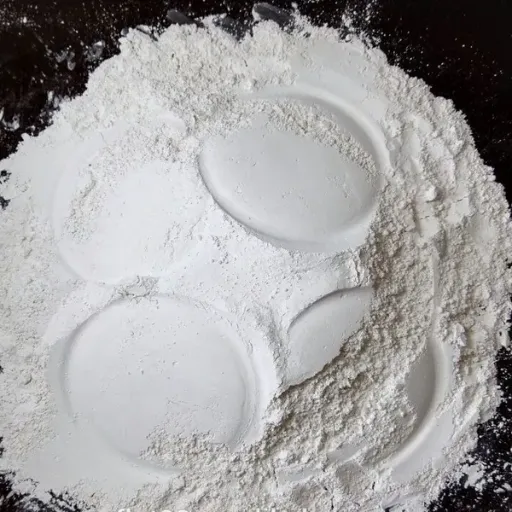
Designing an effective bone char filtration system requires attention to bed configuration, flow dynamics, and operational parameters. While the fundamental design resembles other granular media filters, bone char's specific density, particle size distribution, and mechanical properties influence system engineering.
Bed Depth and Contact Time
Effective bone char filtration requires sufficient contact time between water and media. Typical designs use bed depths of 0.8 to 1.5 meters, with empty bed contact times of 10 to 20 minutes for fluoride removal applications. Shorter contact times may suffice for color removal in industrial process water. Engineers should pilot-test at multiple contact times to identify the optimal balance between removal efficiency and flow capacity.
Particle Size and Flow Rate
Bone char is available in various particle sizes, from fine powders to coarse granules. Filtration systems typically use granular bone char in the 0.5 to 2.0 mm range. Smaller particles provide more surface area and faster kinetics but create higher head loss and require more frequent backwashing. Larger particles reduce head loss but may require longer contact times to achieve equivalent removal.
Flow rates generally range from 5 to 15 meters per hour for gravity systems and up to 20 meters per hour for pressure vessels. Excessive flow rates reduce contact time and can cause channeling, where water bypasses the media through preferred paths. Uniform flow distribution across the bed cross-section is critical for consistent performance.
Backwashing and Maintenance
Granular bone char beds require periodic backwashing to remove accumulated solids and prevent clogging. Backwash rates must be sufficient to fluidize the bed without washing media out of the vessel. Because bone char has a lower density than sand but higher than some activated carbons, backwash rates fall between those typical for sand and anthracite filters.
Over time, the ion exchange and adsorption capacity of bone char becomes exhausted. Replacement intervals depend on influent contaminant concentrations, flow volumes, and target effluent quality. For fluoride removal in moderate-concentration groundwater, replacement may be required every 6 to 18 months. Facilities should monitor effluent quality and establish replacement schedules based on breakthrough curves rather than arbitrary time intervals.
Vessel and Infrastructure Requirements
Bone char filtration vessels can be constructed from concrete, steel, or fiberglass-reinforced plastic. The alkaline nature of bone char means pH adjustment may be needed downstream if the treated water must meet neutral pH standards. Corrosion-resistant materials are recommended for piping and valves in contact with the alkaline filtrate.
Need help selecting the right bone char specifications for your system design? Contact our technical team to discuss particle size, bed design, and application requirements.
Evaluating Bone Char Quality and Specifications
Not all bone char performs identically. Manufacturing variables — raw material quality, carbonization temperature, atmosphere control, and post-processing — significantly affect adsorption capacity, mechanical strength, and consistency.
Physical Properties to Specify
When procuring bone char for filtration, request documentation on these key parameters:
Particle size distribution: Match to your filter design and underdrain configuration
Bulk density: Affects bed weight calculations and shipping costs
Moisture content: High moisture reduces effective adsorption capacity
Surface area: Higher surface area generally indicates greater adsorption potential
Mechanical hardness: Friable media generates fines during handling and backwashing, increasing head loss
Chemical Composition
The calcium phosphate and calcium carbonate content determines ion exchange capacity. While bone char does not achieve the precise chemical composition standards of fully calcined bone ash, reputable manufacturers control the carbonization process to preserve these mineral phases. Request Certificates of Analysis documenting calcium, phosphorus, and carbon content.
Regulatory and Safety Documentation
Depending on your jurisdiction and application, you may need:
Material Safety Data Sheet (MSDS)
Compliance documentation for food-contact applications
Import permits for animal-derived products
Certificate of Analysis for each production batch
Water treatment facilities in the United States should verify that media meet NSF/ANSI Standard 61 requirements for drinking water system components if used in municipal applications.
Sourcing Bone Char for Filtration Applications
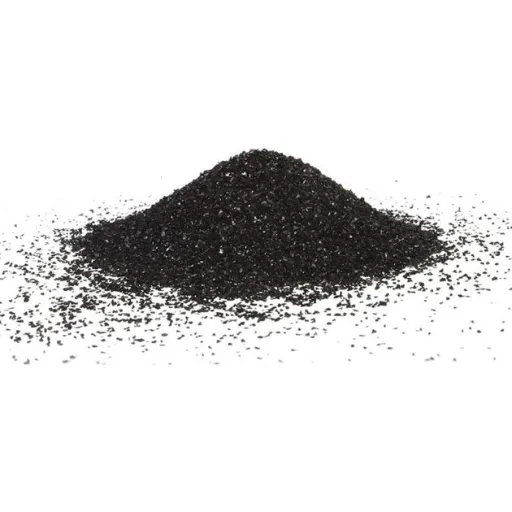
Consistent filtration performance depends on consistent media quality. Evaluating bone char suppliers requires the same rigor applied to any critical raw material procurement.
Production Control and Consistency
Suppliers who operate their own carbonization facilities offer greater batch-to-batch consistency than traders who source from multiple producers. Ask potential suppliers about their carbonization temperature controls, raw material sourcing standards, and quality testing protocols. A supplier with vertically integrated manufacturing can trace quality issues to specific process parameters and implement corrections.
Luohe Feilong Bone Carbon Co., Ltd. produces bone carbon from defatted bovine bone under controlled carbonization conditions at our owned manufacturing facility. With over 30 years of company history and 20 years of specialized bone product manufacturing, we supply bone carbon to water treatment, filtration, and industrial decolorization applications. You can learn more about Feilong and our factory heritage on our company page.
Our controlled carbonization production process ensures consistent quality from raw material intake through finished product packaging. Every batch undergoes testing before release, and we provide full documentation including Certificates of Analysis.
Supply Reliability and Capacity
Water treatment operations cannot afford media supply interruptions. Evaluate suppliers on monthly production capacity, inventory management, and export logistics experience. Suppliers with established international shipping protocols can provide more reliable lead times than those new to export markets.
Feilong exports bone carbon and related products to Germany, South Korea, the USA, and other international markets. We provide full documentation including Certificates of Analysis, and we offer sample quantities starting from 1 kg for qualification testing, with standard bulk orders from 1 metric ton.
When Jennifer Chen, a technical buyer for a Singapore-based water treatment contractor, evaluated bone char suppliers for a municipal project in Southeast Asia, she prioritized manufacturers with owned production facilities and proven export capability. Her team tested samples from three suppliers. Only the vertically integrated manufacturer could provide consistent particle size and surface area across three separate sample batches — a critical requirement for a system designed to run for 12 months between media replacements.
Conclusion
Bone char filtration occupies a defined and valuable position in the water treatment and industrial filtration landscape. Its dual mechanism of carbon adsorption and mineral ion exchange makes it uniquely effective for fluoride removal, decolorization, and specific contaminant applications where activated carbon alone falls short.
For filtration system operators and procurement professionals, the key takeaways are clear:
Match the media to the contaminant: Bone char excels at fluoride and specific organic colorants; activated carbon covers broader organic removal
Design for contact time: Adequate bed depth and residence time determine removal efficiency
Demand documentation: Certificates of Analysis, surface area data, and particle size distributions are essential for consistent performance
Source from manufacturers with production control: Vertically integrated suppliers deliver the batch consistency that filtration systems require
Bone char filtration is not a universal replacement for activated carbon, but it is a proven, cost-effective solution for targeted applications. When sourced from reliable manufacturers and designed with proper engineering parameters, it delivers consistent results that protect public health and process quality.
Ready to evaluate bone char filtration for your application? Request a bone carbon sample with full COA to test in your system, or contact our technical team to discuss your filtration requirements and specifications.
Recently Posted
-
Luohe Feilong Bone Carbon: Industrial Bone Ash Manufacturer Since 2011
August 17, 2026When a copper foundry in Turkey needs bone ash that releases cleanly from a sand mold at 1,100 degrees Celsius, or a bone china fa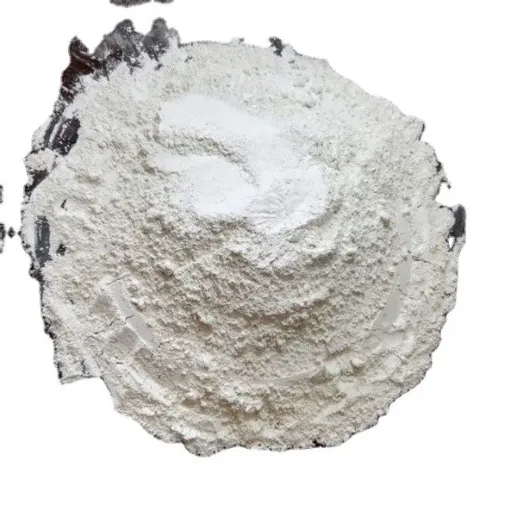 Read More
 -
Bone Ash in Copper Casting Mold Release: Application and Practical Guidance
August 14, 2026A copper sand casting foundry in India was producing electrical switch components that required a clean, smooth surface finish for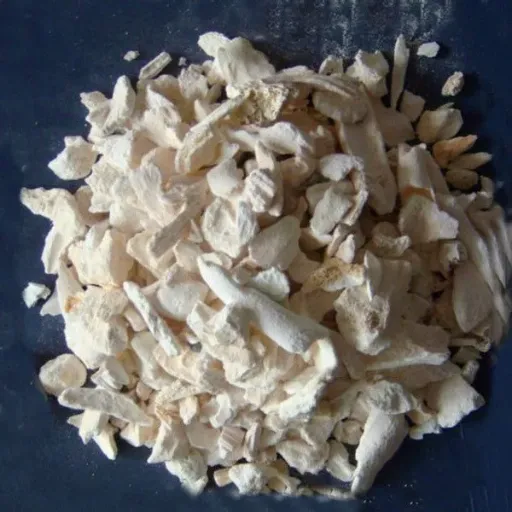 Read More
 -
How to Source Bone Ash for Foundry Applications: A Buyer's Checklist
August 13, 2026A purchasing manager at a brass foundry in Egypt ordered 20 metric tons of bone ash from a new supplier at a price roughly 25% bel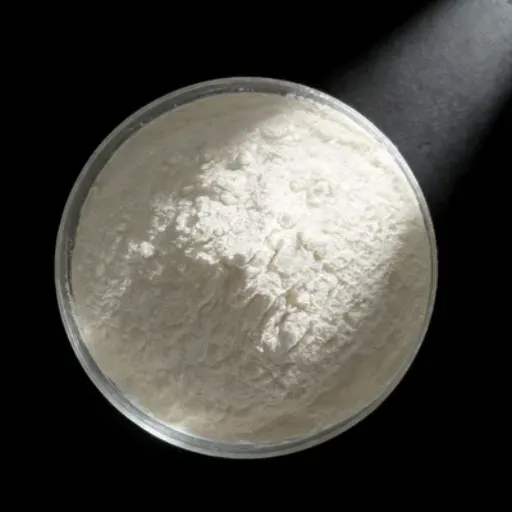 Read More
 -
Bone Ash vs Graphite Powder for Non-Ferrous Metal Mold Release
August 12, 2026A brass foundry in Southeast Asia switched from bone ash to a lower-cost graphite powder for its sand casting release agent, expec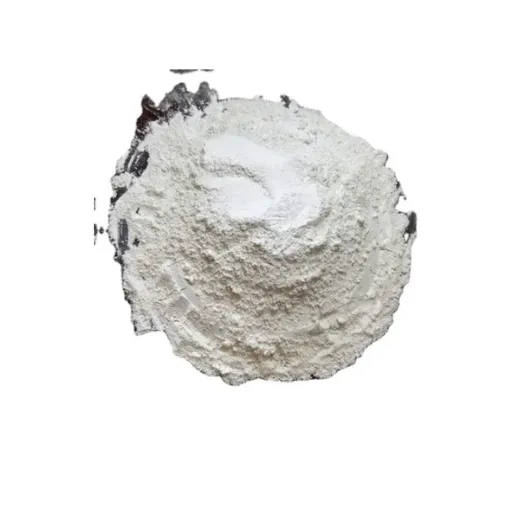 Read More

Contact Us
Recommended Products
-
 Manufacturer Sell Low Price Calcined Bone Ash or PowderUS$ 850MOQ: 5 Tons
 -
Manufacturer Sell Low Price Calcined Bone Ash or PowderUS$ 850MOQ: 5 Tons
-
Manufacturer Sell Low Price Calcined Bone Ash or PowderUS$ 850MOQ: 5 Tons
-
Sell Well Bone Ash for Mold Releasing UseUS$ 880 - 920MOQ: 5 Tons
-
Feilong Direct Sales Die-casting Water-soluble Mold Metal Release AgentUS$ 920MOQ: 5 Tons
-
Natural Animal Bone AshUS$ 880 - 920MOQ: 5 Tons
-
China Manufacturer Supply Eco-Friendly Bone Ash PowderUS$ 890MOQ: 1 Ton
-
Calcined Bone Ash for Bone China With GoodPriceUS$ 880 - 920MOQ: 5 Tons
-
Synthetic Bone Ash for Ceramic With Good PriceUS$ 850MOQ: 5 Tons
-
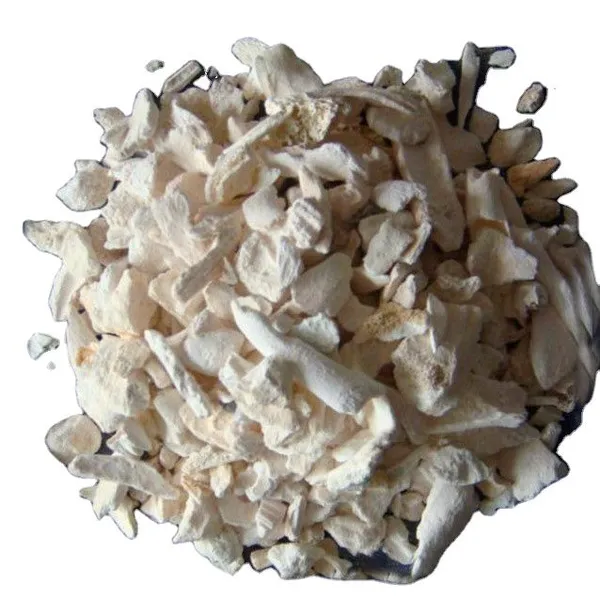
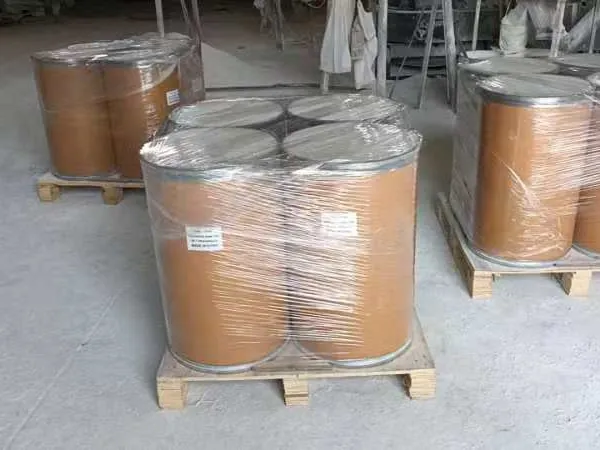
Calcium and Phosphorus Powder - 325 MeshPowderUS$ 850MOQ: 5 Tons
-
Calcium and Phosphorus Powder - 325 MeshPowderUS$ 850MOQ: 5 Tons
-
Calcium Stearate PVC PE Lubricant Mould-releasing Powder ManufacturerUS$ 850MOQ: 5 Tons
-
Reputed Supplier Selling Bone Ash Powder Which Meet With Environmental Standard As Animal FeedstuffUS$ 850MOQ: 5 Tons
-
Industrial Grade Bone Ash for Bone Ceramics and MetallurgyUS$ 900MOQ: 10 Tons
-
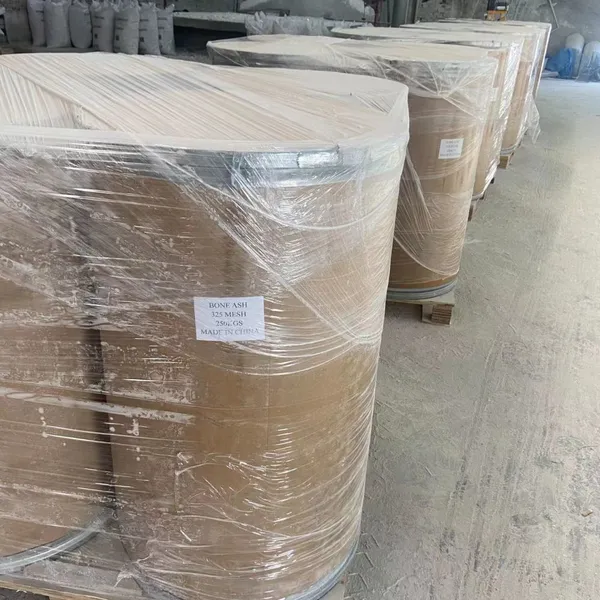
Animal Ashes Used for Bone ChinaUS$ 900MOQ: 5 Tons
-
Calcium and Phosphorus Powder - 325 MeshPowderUS$ 850MOQ: 5 Tons
-
High Quality Bone Ash for Mold Releasing Use/bone Ash PowderUS$ 850 - 880MOQ: 5 Tons
-
Manufacturer Sell Low Price Calcined Bone Ash or PowderUS$ 850MOQ: 5 Tons
-
Calcined Bone Ash for Bone China With GoodPriceUS$ 880MOQ: 5 Tons
-
High Quality Bone Ash for Mold Releasing Use/bone Ash PowderUS$ 880 - 920MOQ: 5 Tons