
 Business License

Bone Ash Cupel: Essential Tool for Precious Metal Assaying and Refining
Every kilogram of refined gold that reaches the market has passed through a bone ash cupel at least once. This small, porous vessel, no larger than a thimble in most cases, determines whether a precious metal sample reads at 99.9% purity or falls short. Yet many metallurgical professionals know little about what makes a cupel reliable, or why the bone ash inside it matters so much.
You already understand that fire assay is the industry standard for precious metal analysis. What you may not know is how the quality of the bone ash cupel itself can shift your results by measurable margins. In this guide, we explain what a bone ash cupel is, how it works during fire assay and precious metal refining, and why the bone ash composition directly affects your assay accuracy. Whether you run a refinery, operate an assay laboratory, or manufacture cupels for resale, the information here will help you evaluate and source better materials.
What Is a Bone Ash Cupel?
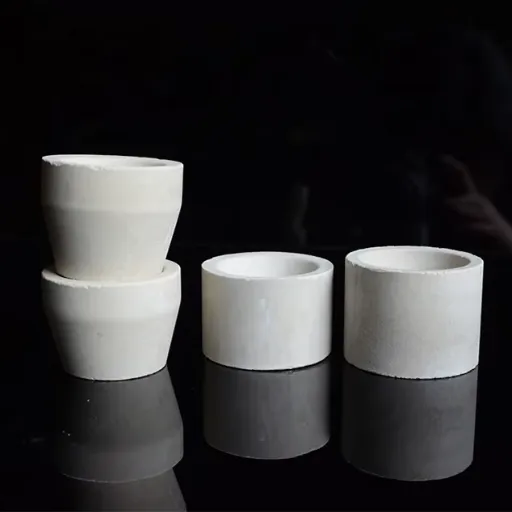
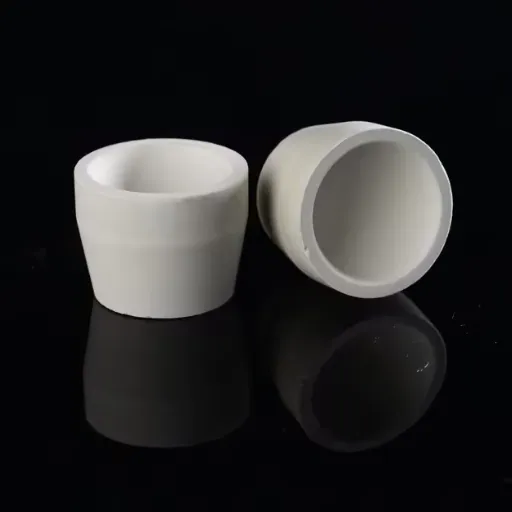
A bone ash cupel is a small, cup-shaped container made from compressed and sintered bone ash. It serves as the reaction vessel in fire assay, a process used to determine the concentration of precious metals, primarily gold, silver, platinum, and palladium, in ore, alloy, or recycled material samples.
The cupel is placed in a high-temperature furnace, typically at 900°C to 1100°C, along with a lead button containing the sample. As the temperature rises, the lead oxidizes into litharge (PbO). The porous structure of the bone ash cupel absorbs this molten lead oxide, along with other base metal oxides, while the precious metals remain on the surface as a small metallic bead.
This selective absorption is the entire purpose of the cupel. If the cupel material is too dense, it won't absorb the litharge efficiently. If it's too porous, it may crack under thermal stress or allow the sample to leak. The balance depends entirely on the properties of the bone ash from which the cupel is formed.
Bone ash cupels have been used in metallurgy for centuries. Before modern chemical analysis methods, fire assay with bone ash cupels was the only reliable way to quantify gold and silver content. Even today, with X-ray fluorescence and atomic absorption spectroscopy available, fire assay remains the reference method for precious metal determination because of its unmatched accuracy when performed correctly.
How Bone Ash Cupels Work in Fire Assay
The fire assay process follows a clear sequence, and the cupel performs its role at the final, most critical stage. Understanding this sequence helps explain why bone ash quality matters so much.
The Assay Process
First, the sample is crushed, ground, and mixed with flux reagents including litharge, soda ash, borax, and flour. This mixture is placed in a crucible and heated to approximately 1100°C in a fusion furnace. The result is a lead button containing the precious metals from the sample.
Next, the lead button is placed into a preheated bone ash cupel and transferred to a cupellation furnace. As the temperature climbs past 900°C, the lead begins to oxidize. The molten litharge is drawn into the porous bone ash structure by capillary action. The bone ash acts like a sponge, selectively absorbing base metal oxides while repelling the precious metals.
Finally, after 20 to 40 minutes, the lead has been fully absorbed. What remains on the cupel surface is a small bead of gold, silver, or platinum group metals. This bead is weighed, parted with nitric acid if needed, and analyzed to determine the original sample's precious metal content.
Why the Cupel Material Matters
When Dr. Elena Marchetti took over quality control at a mid-sized Italian refinery in late 2023, she noticed something troubling. Assay results for the same incoming gold lots varied by 0.3% to 0.5% between shifts. After ruling out operator error and furnace calibration, she tested the cupels themselves. The supplier had switched bone ash sources without notice. The new ash had a different particle size distribution and lower porosity. Once she sourced cupels made from consistent calcined bone ash with documented specifications, the variation dropped to under 0.1%. Her story illustrates a point many refineries overlook: the cupel is not a passive container. It is an active participant in the chemical separation.
The bone ash must have enough open porosity to absorb litharge at a controlled rate. If absorption is too slow, the assay takes longer and the bead may oxidize. If absorption is too fast, the cupel can become saturated and fail before the lead is fully removed. Uniform bone ash composition ensures consistent cupellation behavior from batch to batch.
Want to see how bone ash quality affects metallurgical performance across applications? Explore Feilong mold-releasing bone ash specifications to compare calcination standards.
Why Bone Ash Is the Ideal Cupel Material
Not every porous material can serve as a cupel. Bone ash has specific properties that make it uniquely suited for this demanding application.
Controlled Porosity
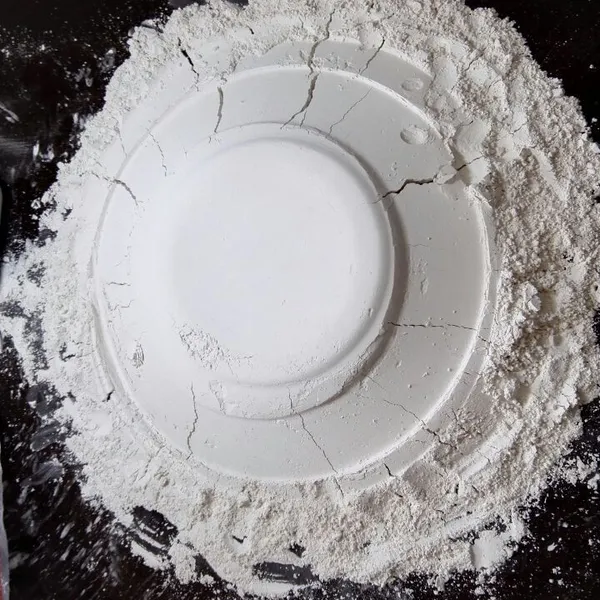
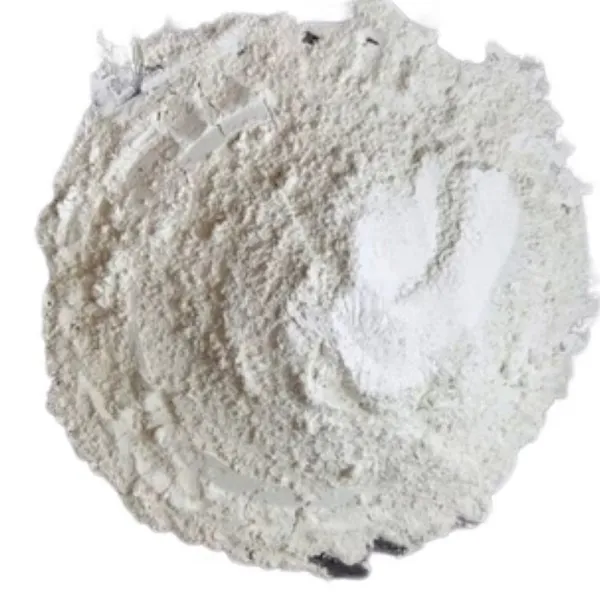
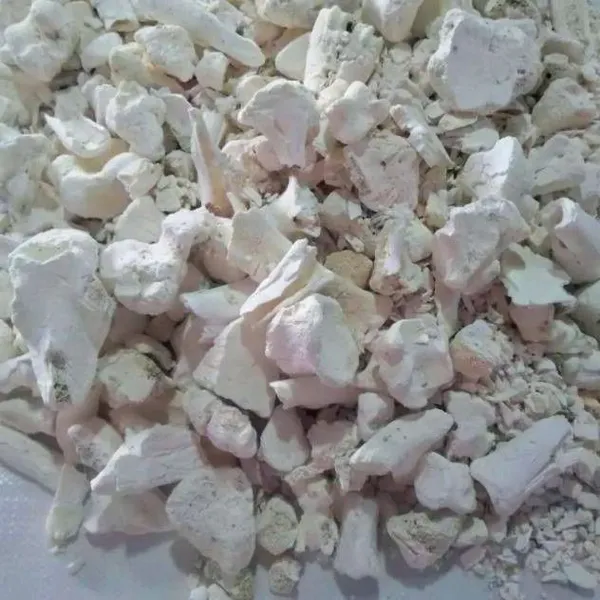
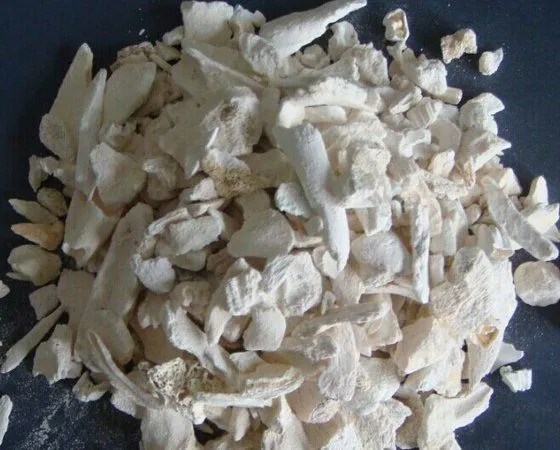
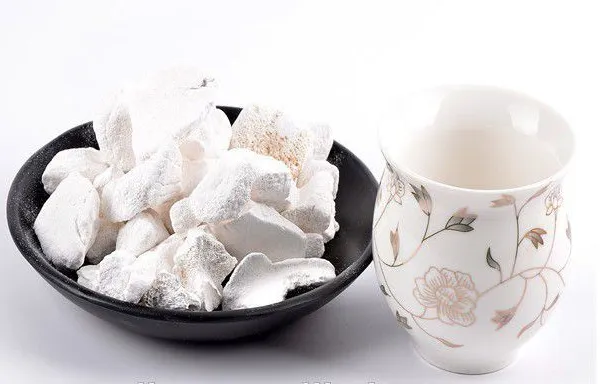
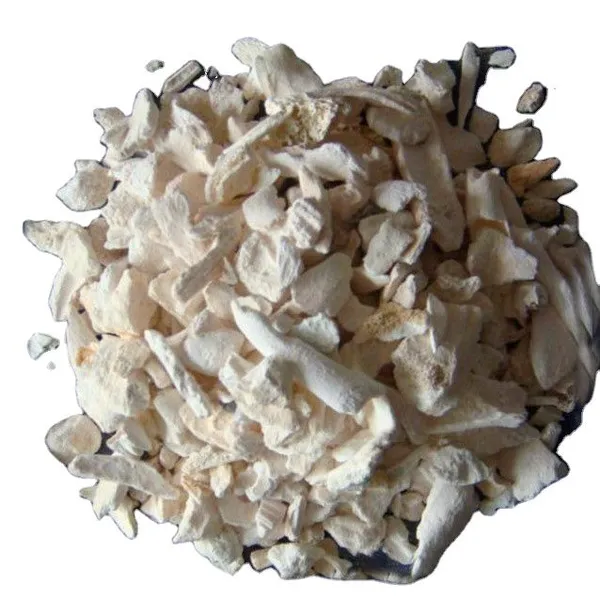
Bone ash is produced by calcining defatted animal bones at high temperatures, typically between 1200°C and 1300°C. This process removes all organic material and leaves behind a mineral matrix rich in calcium phosphate and calcium carbonate. The natural microstructure of calcined bone ash contains interconnected pores that are ideal for absorbing molten lead oxide without collapsing.
Manufacturers control final cupel porosity by adjusting the particle size of the bone ash, the compression pressure during forming, and the sintering temperature. Finer bone ash particles produce denser cupels. Coarser particles create more open porosity. The right balance depends on the specific assay application.
Thermal Stability
Cupellation occurs at temperatures where many ceramic materials would soften or react with the molten contents. Bone ash remains mechanically stable at 1000°C and above. It does not melt, warp, or release gases that could contaminate the precious metal bead. This thermal stability comes from the high calcium phosphate content formed during calcination.
Chemical Neutrality
Bone ash does not react with precious metals under cupellation conditions. Gold, silver, and platinum group metals remain metallic and coalesce into a bead on the cupel surface. At the same time, bone ash has a mild affinity for base metal oxides, encouraging their absorption into the porous matrix. This chemical selectivity is what makes fire assay possible.
Availability and Cost
Compared to synthetic porous ceramics developed for laboratory use, bone ash is cost-effective and widely available. For assay operations that consume hundreds or thousands of cupels monthly, this cost difference matters. The challenge is not finding bone ash, it is finding bone ash with the consistency required for precise analytical work.
Key Specifications for Cupel-Grade Bone Ash
Not all bone ash is suitable for cupel manufacturing. Assay-grade cupels require bone ash that meets tighter specifications than bone ash used for ceramics or agriculture.
Chemical Composition
The primary chemical indicators for cupel-grade bone ash include:
Calcium (Ca): 35.0% or higher
Phosphorus (P): 15.0% or higher
Iron (Fe): Below 0.1%, ideally below 0.05%
Burning loss: 1.0% or lower
pH: 9.0 to 11.5
High calcium and phosphorus content ensure the bone ash forms a stable calcium phosphate matrix during sintering. Low iron is critical because iron oxides can react with the assay sample or discolor the cupel surface, making bead recovery more difficult.
Particle Size
Most cupel manufacturers prefer bone ash with a controlled particle size distribution. Material that is too fine produces cupels with insufficient porosity. Material that is too coarse creates weak cupels that crack during handling or heating. Many manufacturers blend multiple particle sizes to achieve the right balance of strength and absorbency.
Purity and Consistency
Organic residues, residual fats, or variable calcination temperatures can all affect cupel performance. Bone ash for cupels should come from a controlled calcination process with documented batch-to-batch consistency. Variation in raw material or process parameters causes variation in cupel behavior, which leads to the assay drift that frustrated Dr. Marchetti's team.
Technical Note: Bone ash with burning loss above 2.0% indicates incomplete calcination. Organic residues left in the ash can outgas during cupellation, creating bubbles that disrupt the bead or cause the cupel to fracture in the furnace.
Applications Beyond Precious Metal Assaying
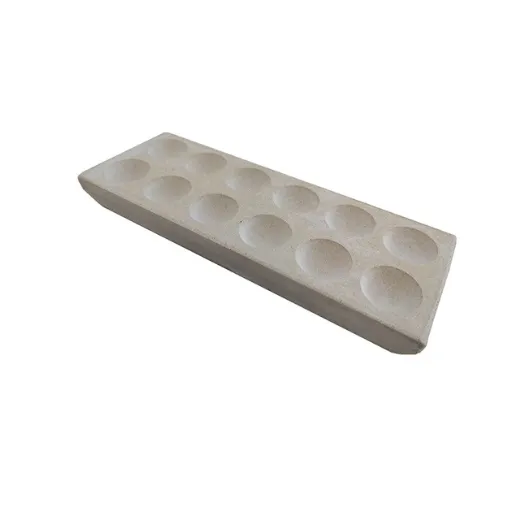
While precious metal fire assay is the most well-known use for bone ash cupels, similar principles apply in other metallurgical and analytical contexts.
Secondary Metal Analysis
Cupellation with bone ash cupels is also used to analyze secondary metals and complex alloys where precious metal content must be isolated from base metal matrices. Recycling operations that process electronic waste, catalytic converters, or industrial residues often rely on fire assay for accurate precious metal accounting.
Laboratory Quality Control
Accredited assay laboratories participate in round-robin testing programs where identical samples are analyzed by multiple labs. In these programs, consistent cupel performance is essential. A lab cannot maintain ISO 17025 accreditation for fire assay if its results drift due to variable consumables.
Cupel Manufacturing
Some metallurgical supply companies manufacture their own cupels rather than purchasing them from third parties. These manufacturers need reliable bulk bone ash with consistent specifications. For them, the bone ash supplier is as important as the cupel-forming equipment. A stable bone ash source allows tighter process control and fewer rejected cupels.
Marcus Okafor runs a small assay supply business in Lagos that serves West African mining operations. For two years, he sourced bone ash from a general chemical trader. The quality fluctuated, and his cupel rejection rate hovered around 12%. After switching to a manufacturer who controlled calcination temperature and provided Certificates of Analysis, his rejection rate fell to 3%. His customers noticed too, complaint calls about cracked cupels stopped entirely. The switch cost more per kilogram, but the total cost savings from reduced waste and returns made it an easy decision.
Looking for consistent bone ash for metallurgical applications? View Feilong's metallurgical solutions to learn about factory-direct supply for foundry and assay operations.
Selecting Bone Ash for Cupel Manufacturing
Whether you operate an assay lab or manufacture cupels for resale, selecting the right bone ash supplier affects your output quality and operational costs.
Evaluate Production Control
Ask whether the supplier owns their calcination facility or sources bone ash from multiple producers. Factory-direct manufacturers can control calcination temperature, raw material selection, and grinding parameters. Trading companies often blend material from different sources, which introduces variability.
Request Documentation
Every batch of bone ash for cupel use should come with a Certificate of Analysis (COA). The COA should document:
Calcium and phosphorus percentages
Iron content
Burning loss
pH value
Particle size distribution
Batch number and date
Without this documentation, you have no basis for troubleshooting when cupel performance changes.
Test Before Committing
Before placing a bulk order, request a sample batch and produce a trial run of cupels. Test these cupels under your actual assay conditions. Measure absorption rate, thermal shock resistance, and bead recovery. Compare the results to your current material. A supplier confident in their consistency will welcome this testing process.
Consider Supply Reliability
Assay operations cannot afford to run out of cupels. Evaluate your supplier's production capacity, inventory levels, and lead times. If you consume bone ash by the metric ton, confirm that your supplier can deliver on a predictable schedule without quality fluctuations between shipments.
Pricing Context
FOB pricing for calcined bone ash suitable for cupel manufacturing typically ranges from 720to720to890 per metric ton, depending on purity, particle size, and order volume. Prices significantly below this range may indicate incomplete calcination, blended material from uncertain sources, or inconsistent processing. For assay applications where accuracy is paramount, the cost of inconsistent material exceeds any savings from cheaper supply.
Feilong Bone Ash for Metallurgical Applications
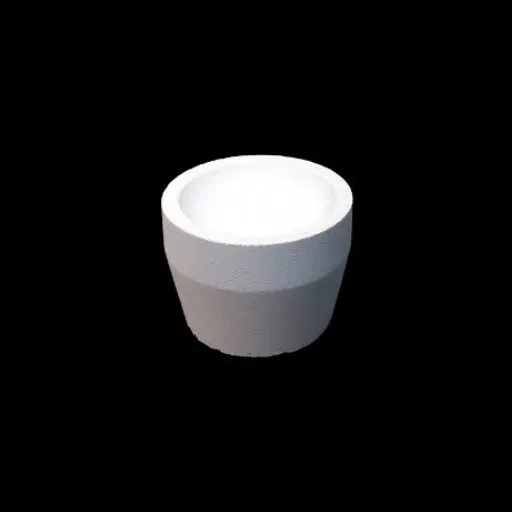
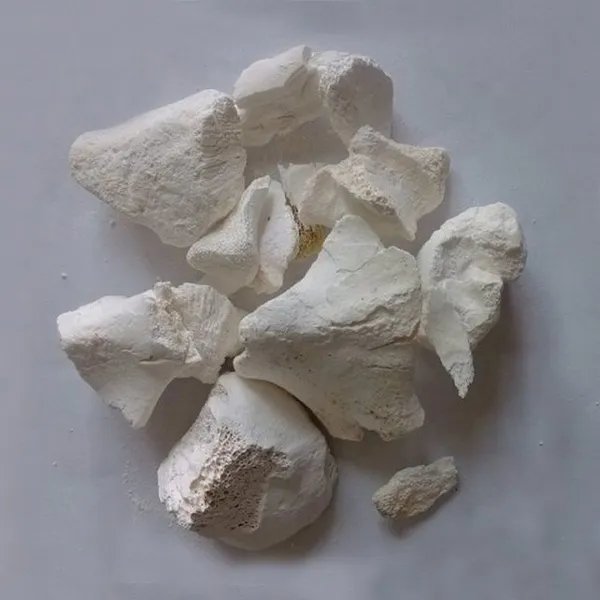
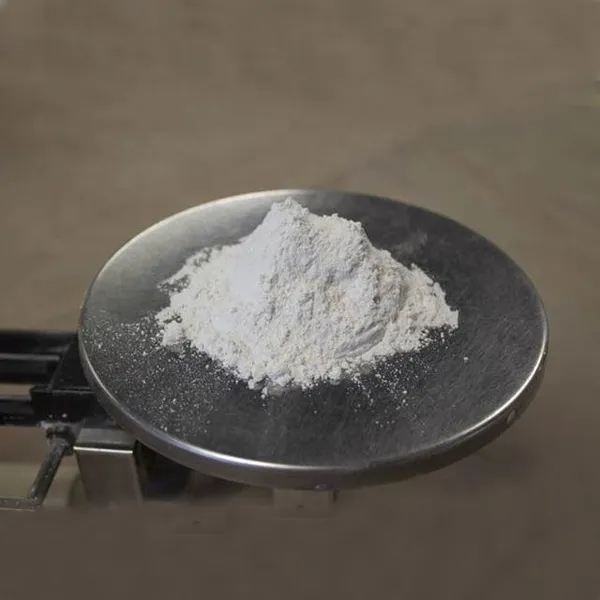
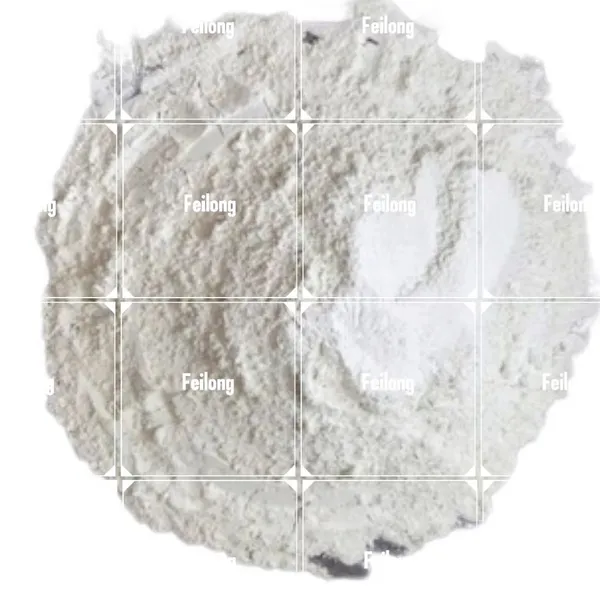
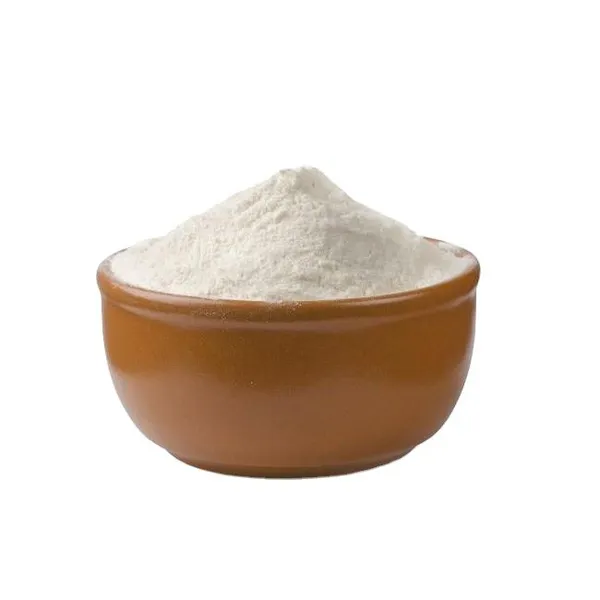
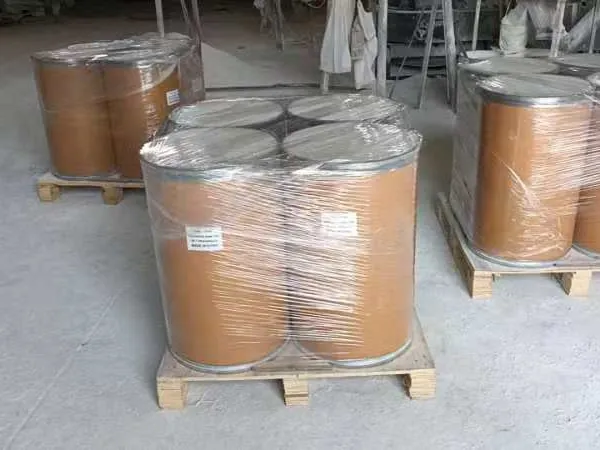
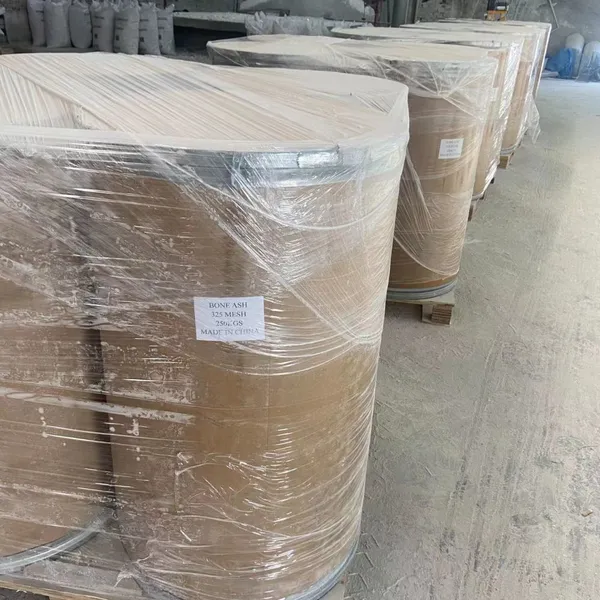
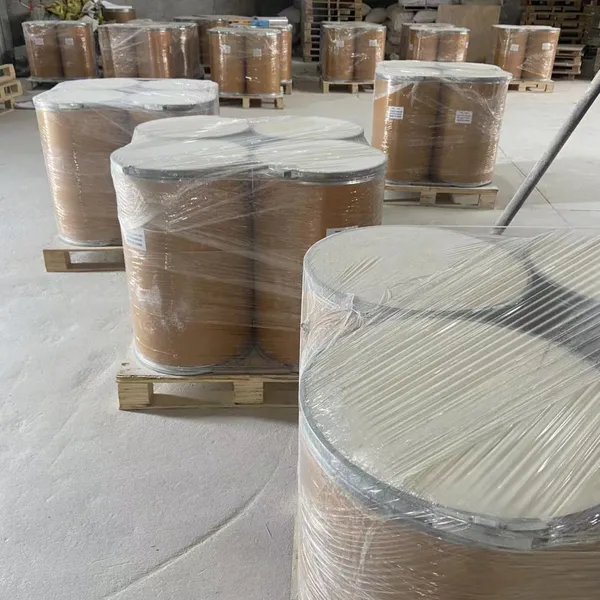
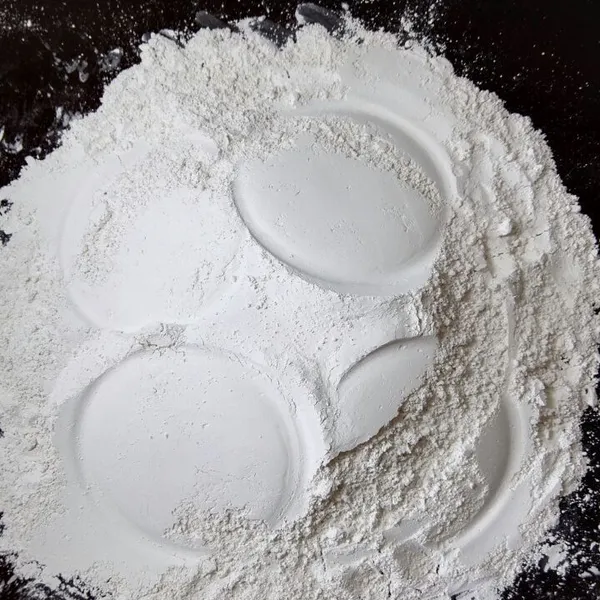
Luohe Feilong Bone Carbon Co., Ltd. has manufactured calcined bone ash for over 20 years. Our bone ash is produced from defatted bovine bone blocks calcined at 1300°C, yielding a white crystalline material with calcium content of 35% or higher and phosphorus above 16%.
While we do not manufacture finished cupels, our bone ash serves as the raw material for cupel producers and metallurgical supply companies in domestic and export markets. The same calcination process that produces our ceramic-grade and mold-releasing bone ash delivers the chemical stability and batch consistency that cupel manufacturers require.
Our standard bone ash specifications align with the requirements for cupel-grade material:
Calcium (Ca): 35.0% or higher
Phosphorus (P): 16.0% or higher
Iron (Fe): 0.05% or lower (low iron content suitable for analytical applications)
Burning loss: 1.0% or lower
pH: 9.0 to 11.5
We supply bone ash in bulk quantities with full COA documentation. Sample quantities starting from 1 kg are available for cupel manufacturers who want to evaluate absorption behavior, sintering characteristics, and finished cupel performance before committing to bulk orders.
For cupel manufacturers seeking a stable, factory-direct source of calcined bone ash, Feilong offers vertically integrated production, documented quality control, and export logistics experience to Germany, South Korea, the USA, and other markets.
Need cupel-grade bone ash for evaluation? Request a sample with full COA or contact our technical team to discuss your particle size and purity requirements.
Conclusion
The bone ash cupel is one of the oldest precision tools in metallurgy, and it remains indispensable for precious metal assaying today. Its performance depends entirely on the bone ash from which it is made. Porosity, thermal stability, chemical neutrality, and consistency all trace back to calcination quality and raw material control.
Key takeaways for assay professionals and cupel manufacturers:
Bone ash composition directly affects cupel absorption rate and assay accuracy
Consistent batch quality matters more than minor price differences between suppliers
Cupel-grade bone ash requires low iron, controlled particle size, and documented COAs
Testing sample batches under real assay conditions is the only way to validate a new supplier
Factory-direct bone ash manufacturers offer greater control over these variables than traders
Whether you are troubleshooting assay variation or sourcing bone ash for cupel production, start by examining the material that forms the cupel itself. The small, porous vessel at the center of fire assay deserves the same quality scrutiny as the furnace, the flux, and the analytical balance.
At Feilong, we understand that metallurgical applications demand materials that perform identically from batch to batch. Our 1300°C calcination process and factory-direct quality control deliver the consistency that assay labs and cupel manufacturers depend on.
Ready to evaluate Feilong bone ash for your cupel manufacturing or metallurgical application? Request a free sample with full COA or speak with our technical team about your specifications and volume requirements.
Recently Posted
-
Luohe Feilong Bone Carbon: Industrial Bone Ash Manufacturer Since 2011
August 17, 2026When a copper foundry in Turkey needs bone ash that releases cleanly from a sand mold at 1,100 degrees Celsius, or a bone china fa Read More
 -
Bone Ash in Copper Casting Mold Release: Application and Practical Guidance
August 14, 2026A copper sand casting foundry in India was producing electrical switch components that required a clean, smooth surface finish for Read More
 -
How to Source Bone Ash for Foundry Applications: A Buyer's Checklist
August 13, 2026A purchasing manager at a brass foundry in Egypt ordered 20 metric tons of bone ash from a new supplier at a price roughly 25% bel Read More
 -
Bone Ash vs Graphite Powder for Non-Ferrous Metal Mold Release
August 12, 2026A brass foundry in Southeast Asia switched from bone ash to a lower-cost graphite powder for its sand casting release agent, expec Read More

Contact Us
Recommended Products
-
 Manufacturer Sell Low Price Calcined Bone Ash or PowderUS$ 850MOQ: 5 Tons
 -
Manufacturer Sell Low Price Calcined Bone Ash or PowderUS$ 850MOQ: 5 Tons
-
Manufacturer Sell Low Price Calcined Bone Ash or PowderUS$ 850MOQ: 5 Tons
-
Sell Well Bone Ash for Mold Releasing UseUS$ 880 - 920MOQ: 5 Tons
-
Feilong Direct Sales Die-casting Water-soluble Mold Metal Release AgentUS$ 920MOQ: 5 Tons
-
Natural Animal Bone AshUS$ 880 - 920MOQ: 5 Tons
-
China Manufacturer Supply Eco-Friendly Bone Ash PowderUS$ 890MOQ: 1 Ton
-
Calcined Bone Ash for Bone China With GoodPriceUS$ 880 - 920MOQ: 5 Tons
-
Synthetic Bone Ash for Ceramic With Good PriceUS$ 850MOQ: 5 Tons
-
Calcium and Phosphorus Powder - 325 MeshPowderUS$ 850MOQ: 5 Tons
-
Calcium and Phosphorus Powder - 325 MeshPowderUS$ 850MOQ: 5 Tons
-
Calcium Stearate PVC PE Lubricant Mould-releasing Powder ManufacturerUS$ 850MOQ: 5 Tons
-
Reputed Supplier Selling Bone Ash Powder Which Meet With Environmental Standard As Animal FeedstuffUS$ 850MOQ: 5 Tons
-
Industrial Grade Bone Ash for Bone Ceramics and MetallurgyUS$ 900MOQ: 10 Tons
-
Animal Ashes Used for Bone ChinaUS$ 900MOQ: 5 Tons
-
Calcium and Phosphorus Powder - 325 MeshPowderUS$ 850MOQ: 5 Tons
-
High Quality Bone Ash for Mold Releasing Use/bone Ash PowderUS$ 850 - 880MOQ: 5 Tons
-
Manufacturer Sell Low Price Calcined Bone Ash or PowderUS$ 850MOQ: 5 Tons
-
Calcined Bone Ash for Bone China With GoodPriceUS$ 880MOQ: 5 Tons
-
High Quality Bone Ash for Mold Releasing Use/bone Ash PowderUS$ 880 - 920MOQ: 5 Tons