
 Business License

Cupellation Process: Complete Guide to Precious Metal Separation
A single degree of temperature variation during cupellation can shift your gold assay result by more than 0.1%. For a refinery processing 500 kilograms of ore daily, that tiny drift translates into thousands of dollars in misclassified metal value. Yet many assay technicians treat cupellation as a passive step, simply loading the cupel and waiting for the furnace timer to ring.
You already know that fire assay is the reference method for precious metal analysis. What separates accurate labs from inconsistent ones is how precisely they control the cupellation process itself. In this guide, we explain how cupellation works step by step, why temperature and timing matter, and how your choice of cupel material affects the outcome. Whether you operate a small assay laboratory or manage quality control at a large refinery, these details will help you tighten your process and trust your results.
What Is the Cupellation Process?
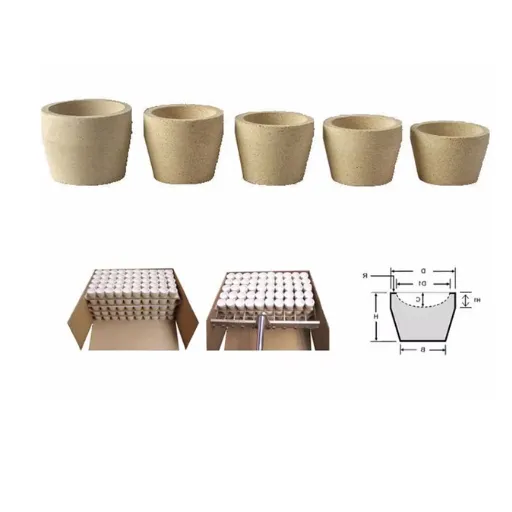
Cupellation is the final stage of fire assay, the centuries-old method for separating precious metals from base metals. During cupellation, a lead button containing the sample is heated in a porous bone ash cupel at approximately 900°C to 1100°C. The lead oxidizes into litharge (PbO), which the cupel absorbs, leaving behind a bead of gold, silver, or other precious metals.
The process relies on a simple chemical principle: lead has a strong affinity for oxygen at high temperatures, while precious metals do not. When the molten lead reacts with air, it forms litharge. Because the bone ash cupel is porous, this molten oxide wicks into the cupel walls through capillary action. The precious metals, unaffected by the oxidation, coalesce into a small bead on the cupel surface.
Cupellation has been used for over 2,000 years. Ancient metallurgists in the Mediterranean and Near East used primitive cupels made from bone ash or marl to separate silver from lead ores. The basic chemistry has not changed. What has changed is the precision with which modern laboratories control temperature, atmosphere, and timing to achieve reproducible results.
Want to understand the cupel material that makes this process possible? Read our guide to how bone ash cupels work in fire assay before continuing.
How Cupellation Works: Step by Step
The cupellation process follows a clear sequence. Each step builds on the previous one, and errors at any stage propagate into the final result.
Step 1: Prepare the Lead Button
After fusion, the assay sample exists as a lead button containing the precious metals from the original ore, alloy, or recycled material. The button must be clean, free of slag, and of appropriate size. A button that is too large for the cupel will overflow. A button that is too small may not provide enough lead to carry all precious metals through the separation cleanly.
Standard practice calls for a lead button weighing 25 to 30 grams for a standard 30-gram sample. The exact ratio depends on the expected precious metal content and the composition of the sample matrix.
Step 2: Preheat the Cupel
The bone ash cupel is placed in the cupellation furnace and preheated to the target temperature before the lead button is introduced. Preheating prevents thermal shock, which can crack the cupel and cause sample loss. It also ensures that oxidation begins immediately when the lead button contacts the hot cupel surface.
Most laboratories preheat cupels to approximately 800°C before loading. The cupel should sit level in the furnace muffle, with adequate spacing between neighboring cupels to allow free air circulation.
Step 3: Load and Begin Oxidation
The lead button is placed into the preheated cupel using tongs. As the button melts, it spreads across the cupel surface. Air reaching the molten lead surface initiates oxidation. The lead turns gray, then yellow, as litharge forms.
This initial stage is called the "opening." The lead button opens and spreads, exposing maximum surface area to oxygen. A well-formed opening indicates that temperature and airflow are within the correct range. If the lead remains balled up, the temperature is too low. If it boils or spatters, the temperature is too high.
Step 4: Controlled Absorption
Once the lead is fully molten and oxidizing, the cupellation process enters its main phase. The litharge forms faster than the cupel can absorb it, creating a visible pool of molten oxide around the shrinking lead mass. The cupel walls gradually darken as they absorb the litharge.
During this phase, temperature control is critical. The standard cupellation temperature ranges from 950°C to 1050°C. Below this range, oxidation is too slow and the process may not complete. Above this range, the litharge can become too fluid, potentially carrying precious metals into the cupel along with the base metal oxides. This loss, called "cupel loss," is one of the most common sources of assay error.
Step 5: Finish and Recovery
After 20 to 40 minutes, depending on button size and temperature, the lead is fully oxidized and absorbed. What remains is a small, bright bead of precious metal on the dull gray cupel surface. The bead is removed with forceps, allowed to cool, and weighed.
If the sample contains both gold and silver, the bead may require parting with nitric acid to separate the two metals before final weighing. The mass of the bead, combined with the original sample weight, yields the precious metal grade.
The Role of the Lead Button in Cupellation
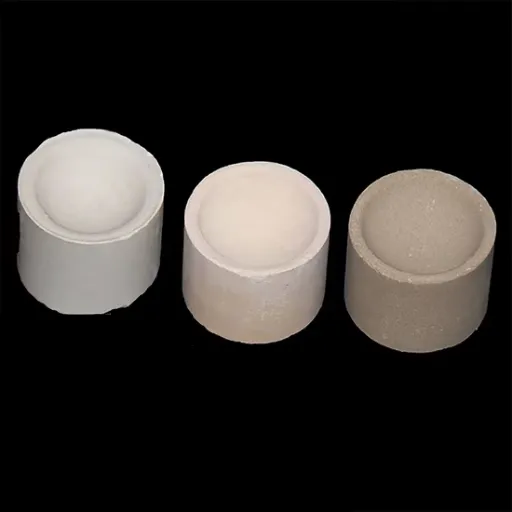
The lead button is more than a carrier. It is an active participant in the separation chemistry. Understanding its role helps explain why cupellation parameters must be matched to button characteristics.
Lead as a Collector
During the preceding fusion step, lead acts as a collector metal. It alloys with gold, silver, and platinum group metals, drawing them out of the sample matrix and into a single metallic phase. This collection is why fire assay can recover precious metals from complex ores that resist chemical dissolution.
The purity and consistency of the lead used in fusion matter. Lead containing excessive impurities can introduce contaminants that interfere with cupellation or alter the bead appearance. Most labs use high-purity lead or lead oxide specifically manufactured for assay work.
Lead-to-Sample Ratio
The ratio of lead to sample affects cupellation behavior. Too little lead results in incomplete collection of precious metals during fusion. Too much lead extends cupellation time and increases the risk of cupel loss or incomplete absorption.
For most gold and silver ores, a lead-to-sample ratio of 1:1 by weight is standard. For high-sulfide ores or materials with high base metal content, additional lead may be needed to ensure complete collection. The assay technician adjusts the flux formulation in fusion to achieve the correct button size for the expected cupellation conditions.
Temperature and Timing in the Cupellation Process
Temperature is the most important controllable variable in cupellation. Small deviations produce measurable changes in assay results.
Optimal Temperature Range
The ideal cupellation temperature depends on the precious metals being separated and the base metals present. For standard gold and silver assaying, most laboratories operate between 950°C and 1050°C.
At the lower end of this range, oxidation proceeds more slowly but with reduced risk of cupel loss. At the higher end, cupellation completes faster but requires tighter control to prevent precious metal absorption into the cupel. Labs working primarily with silver often prefer slightly lower temperatures because silver is more prone to volatilization at high heat.
Temperature Uniformity
Furnace uniformity matters as much as setpoint accuracy. A muffle with hot spots or cold zones will produce variable results across multiple cupels loaded in the same batch. Modern assay furnaces use programmable controllers and multi-zone heating to maintain uniformity within ±5°C.
When Raj Patel upgraded his Mumbai assay laboratory in early 2024, he replaced an old single-zone furnace with a programmable three-zone muffle. His inter-cupel variation, previously running at 0.08% for identical samples, dropped to 0.02%. The upgrade cost approximately $8,000. For a lab processing 200 samples weekly, the payback period in reduced re-assays and customer disputes was under six months. Temperature uniformity, he discovered, was not a luxury. It was a direct measure of laboratory credibility.
Timing Considerations
A standard 25-gram lead button typically requires 25 to 35 minutes for complete cupellation. Larger buttons need more time. Rushing the process by increasing temperature invites cupel loss. Extending time unnecessarily increases cycle length without benefit.
Experienced technicians learn to read visual cues. When the bright metallic surface of the molten lead disappears and the bead takes on a dull, rounded appearance, cupellation is nearly complete. Removing the cupel too early leaves residual lead in the bead, causing a high bias in the result. Leaving it too long risks oxidation of the precious metal bead itself.
Common Cupellation Process Challenges and Solutions

Even well-run laboratories encounter cupellation problems. Recognizing the symptoms and causes allows quick correction.
Cupel Loss
Cupel loss occurs when precious metals are absorbed into the cupel along with the litharge. It produces low assay results. The most common causes are excessive temperature, overly porous cupels, or prolonged cupellation time.
To minimize cupel loss, verify furnace calibration quarterly. Use cupels from a consistent manufacturer with documented porosity specifications. Do not exceed 1050°C unless your specific method requires it.
Cracked Cupels
A cracked cupel can leak molten material into the furnace muffle, ruining the sample and potentially damaging the furnace. Cracking usually results from thermal shock, poor-quality bone ash, or cupels that are too dry or too moist.
Always preheat cupels before loading. Store cupels in a controlled environment away from moisture. If cupels arrive in packaging that allows humidity exposure, consider conditioning them in a dry cabinet before use.
Incomplete Lead Removal
If dark spots remain on the bead after cupellation, lead removal was incomplete. This produces a high bias because the bead weight includes residual lead. Causes include insufficient temperature, short cupellation time, or a cupel that has reached absorption capacity.
Check furnace temperature with an independent thermocouple. Extend cupellation time for large buttons. Replace cupels that show signs of saturation, such as surface glazing or reduced absorption rate.
Bead Contamination
Certain base metals, particularly copper, antimony, and bismuth, can interfere with cupellation if present in high concentrations. They may alloy with the precious metal bead or alter its appearance, making accurate weighing difficult.
For samples with high base metal content, assay methods often include a scorification step before cupellation. This preliminary oxidation removes much of the base metal before the lead button is formed, simplifying the subsequent cupellation.
Cupellation in Modern Assay Laboratories
While the chemistry of cupellation is ancient, modern laboratories apply sophisticated controls to achieve the precision that commercial transactions require.
Programmable Furnaces
Computer-controlled furnaces allow laboratories to store and recall cupellation profiles for different sample types. A profile specifies preheat temperature, ramp rate, holding temperature, and hold time. Technicians select the appropriate profile for each batch, reducing operator-dependent variation.
Atmospheric Control
Some high-precision laboratories control the atmosphere inside the cupellation muffle. By adjusting airflow or introducing controlled amounts of oxygen, they optimize oxidation rate for specific sample compositions. This level of control is particularly valuable for platinum group metals, which require more precise conditions than gold or silver.
Automation and Robotics
Large commercial assay laboratories have begun automating cupellation. Robotic systems load cupels, place lead buttons, monitor the process visually or thermally, and remove finished cupels. Automation reduces operator exposure to high temperatures and repetitive motion injuries. More importantly, it eliminates the human judgment variability that contributes to inter-operator differences.
However, automation requires consistent consumables. A robotic system cannot compensate for a batch of cupels with variable porosity or a furnace with developing hot spots. For automated labs, material quality control and preventive maintenance become even more critical than in manual operations.
Selecting Materials for Consistent Cupellation
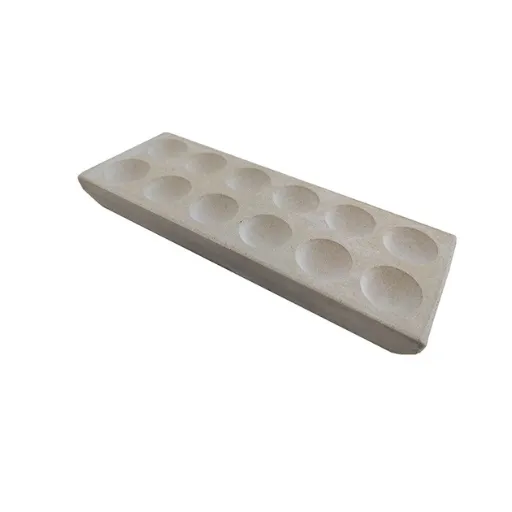
The precision of your cupellation process depends partly on the quality of your consumables. Cupels, lead, and flux reagents all contribute to result consistency.
Cupel Quality Standards
Not all cupels perform identically. Variations in bone ash particle size, compression pressure, and sintering temperature create differences in porosity, thermal shock resistance, and absorption rate. When laboratories switch cupel suppliers without qualification testing, they often see a shift in assay baselines.
Key cupel characteristics to evaluate:
Porosity: Must absorb litharge at a controlled rate without saturating prematurely
Thermal shock resistance: Must survive rapid heating without cracking
Chemical purity: Low iron and low residual organics to prevent bead contamination
Dimensional consistency: Uniform size and shape for stable positioning in the furnace
For assay labs running ISO 17025 accredited methods, cupel qualification should be part of the method validation process. Document the supplier, batch number, and qualification test results for every batch of cupels placed into service.
Sourcing Reliable Bone Ash
Since cupel performance traces back to the bone ash from which they are made, laboratories and cupel manufacturers benefit from understanding their bone ash supply chain. The calcination temperature, raw material sourcing, and grinding process all affect final cupel behavior.
Bone ash for cupels should meet analytical-grade specifications:
Calcium (Ca): 35.0% or higher
Phosphorus (P): 16.0% or higher
Iron (Fe): 0.05% or lower
Burning loss: 1.0% or lower
pH: 9.0 to 11.5
Suppliers who control their own calcination process can provide more consistent material than traders who blend sources. Documentation, including a Certificate of Analysis for every batch, supports traceability and troubleshooting when results drift.
Need consistent bone ash for cupel manufacturing or metallurgical applications? Request a sample with full COA from Feilong to evaluate how factory-direct calcined bone ash performs in your process.
Conclusion
The cupellation process is where fire assay succeeds or fails. Every step, from lead button preparation to final bead recovery, contributes to the accuracy of your precious metal determination. Temperature control, timing, and material quality are not secondary concerns. They are the variables that separate reliable laboratories from inconsistent ones.
Key takeaways for assay professionals:
Maintain furnace temperature between 950°C and 1050°C with verified uniformity
Match cupellation time to lead button size, typically 25 to 35 minutes for standard buttons
Preheat cupels to prevent thermal shock and cracking
Monitor for signs of cupel loss, incomplete lead removal, and bead contamination
Qualify every batch of cupels before placing them into routine service
Document your consumable sources and specifications for traceability
Whether you run a manual assay bench or an automated production line, the fundamentals remain the same. Controlled oxidation, selective absorption, and careful recovery produce the accurate results that refineries, mines, and recyclers depend on for commercial decisions.
At Luohe Feilong Bone Carbon Co., Ltd., we supply calcined bone ash to cupel manufacturers and metallurgical operations with batch-to-batch consistency backed by 20 years of production control. Our 1300°C calcination process and documented quality standards deliver the material reliability that precise assay work demands.
Evaluating bone ash for your cupellation process? Request a sample with full COA or contact our technical team to discuss your cupel manufacturing and assay material requirements.
Recently Posted
-
Luohe Feilong Bone Carbon: Industrial Bone Ash Manufacturer Since 2011
August 17, 2026When a copper foundry in Turkey needs bone ash that releases cleanly from a sand mold at 1,100 degrees Celsius, or a bone china fa Read More
 -
Bone Ash in Copper Casting Mold Release: Application and Practical Guidance
August 14, 2026A copper sand casting foundry in India was producing electrical switch components that required a clean, smooth surface finish for Read More
 -
How to Source Bone Ash for Foundry Applications: A Buyer's Checklist
August 13, 2026A purchasing manager at a brass foundry in Egypt ordered 20 metric tons of bone ash from a new supplier at a price roughly 25% bel Read More
 -
Bone Ash vs Graphite Powder for Non-Ferrous Metal Mold Release
August 12, 2026A brass foundry in Southeast Asia switched from bone ash to a lower-cost graphite powder for its sand casting release agent, expec Read More

Contact Us
Recommended Products
-
 Manufacturer Sell Low Price Calcined Bone Ash or PowderUS$ 850MOQ: 5 Tons
 -
Manufacturer Sell Low Price Calcined Bone Ash or PowderUS$ 850MOQ: 5 Tons
-
Manufacturer Sell Low Price Calcined Bone Ash or PowderUS$ 850MOQ: 5 Tons
-
Sell Well Bone Ash for Mold Releasing UseUS$ 880 - 920MOQ: 5 Tons
-
Feilong Direct Sales Die-casting Water-soluble Mold Metal Release AgentUS$ 920MOQ: 5 Tons
-
Natural Animal Bone AshUS$ 880 - 920MOQ: 5 Tons
-
China Manufacturer Supply Eco-Friendly Bone Ash PowderUS$ 890MOQ: 1 Ton
-
Calcined Bone Ash for Bone China With GoodPriceUS$ 880 - 920MOQ: 5 Tons
-
Synthetic Bone Ash for Ceramic With Good PriceUS$ 850MOQ: 5 Tons
-
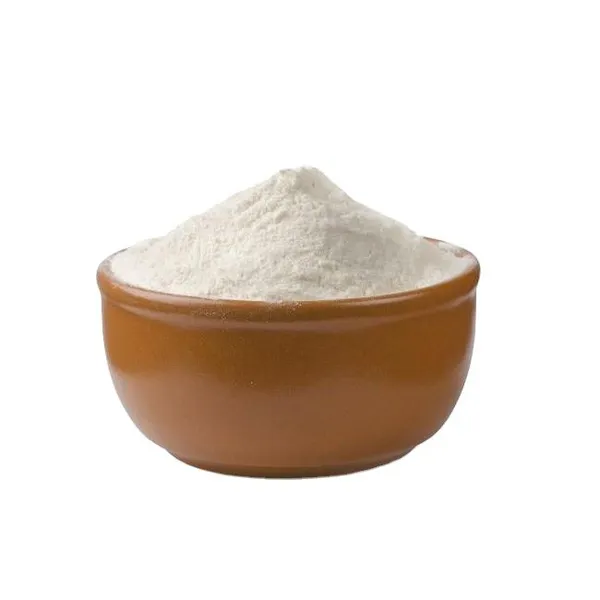
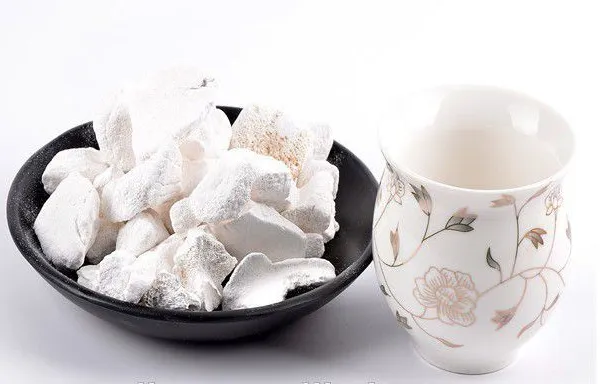
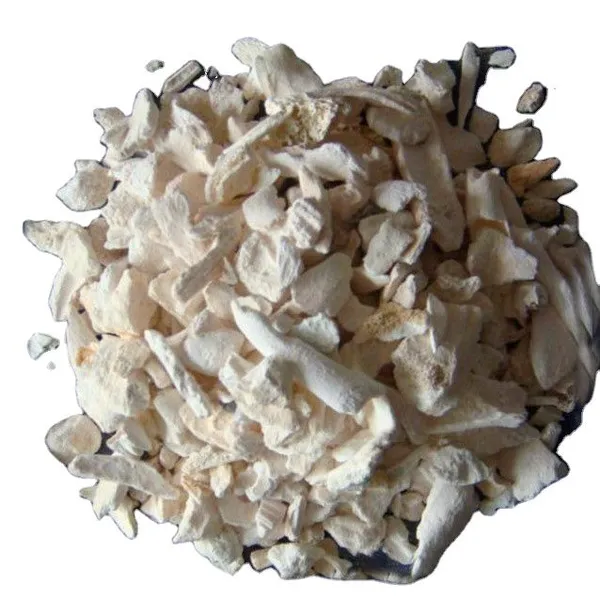
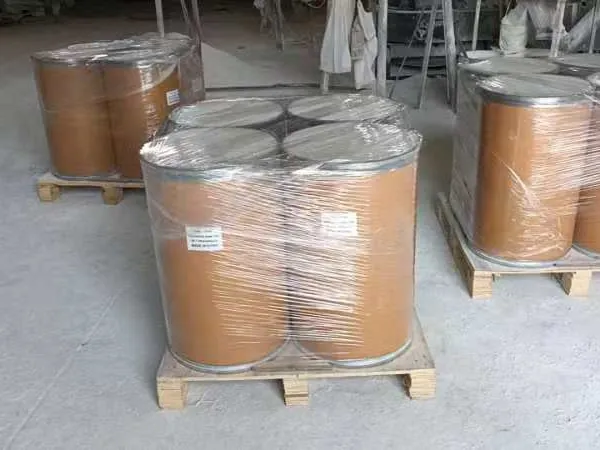
Calcium and Phosphorus Powder - 325 MeshPowderUS$ 850MOQ: 5 Tons
-
Calcium and Phosphorus Powder - 325 MeshPowderUS$ 850MOQ: 5 Tons
-
Calcium Stearate PVC PE Lubricant Mould-releasing Powder ManufacturerUS$ 850MOQ: 5 Tons
-
Reputed Supplier Selling Bone Ash Powder Which Meet With Environmental Standard As Animal FeedstuffUS$ 850MOQ: 5 Tons
-
Industrial Grade Bone Ash for Bone Ceramics and MetallurgyUS$ 900MOQ: 10 Tons
-
Animal Ashes Used for Bone ChinaUS$ 900MOQ: 5 Tons
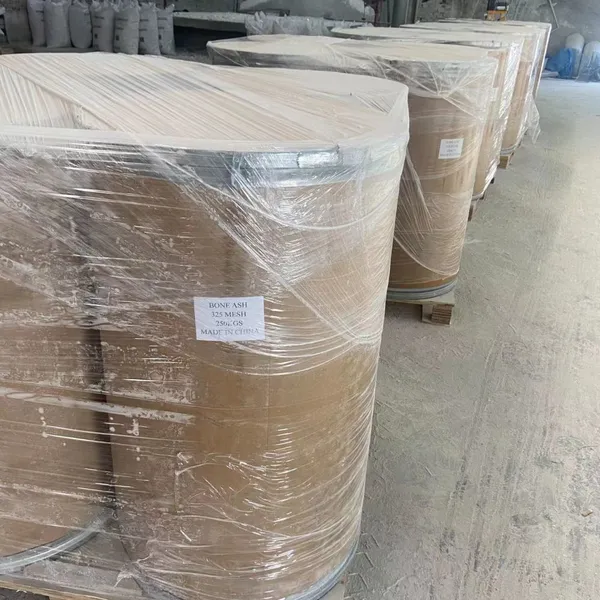
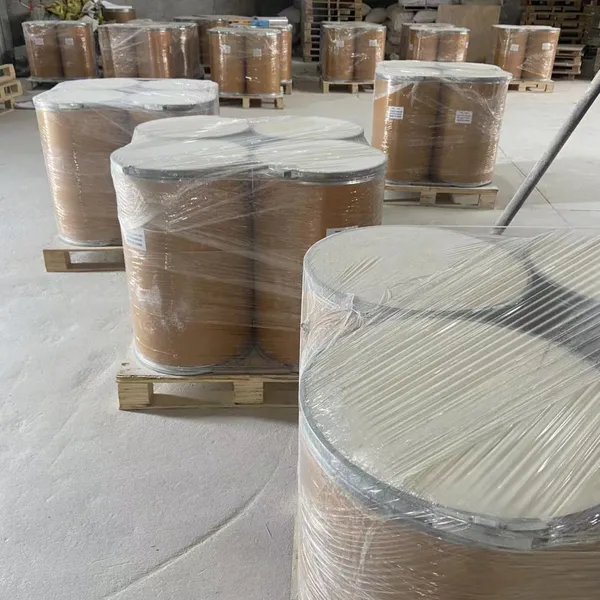
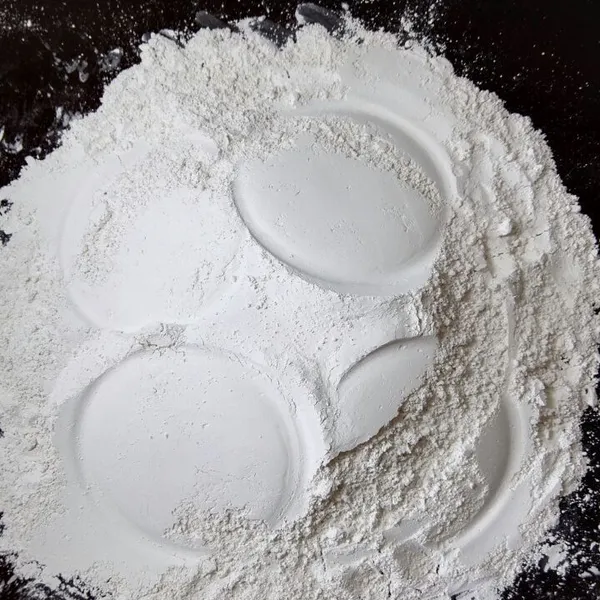
-
Calcium and Phosphorus Powder - 325 MeshPowderUS$ 850MOQ: 5 Tons
-
High Quality Bone Ash for Mold Releasing Use/bone Ash PowderUS$ 850 - 880MOQ: 5 Tons
-
Manufacturer Sell Low Price Calcined Bone Ash or PowderUS$ 850MOQ: 5 Tons
-
Calcined Bone Ash for Bone China With GoodPriceUS$ 880MOQ: 5 Tons
-
High Quality Bone Ash for Mold Releasing Use/bone Ash PowderUS$ 880 - 920MOQ: 5 Tons