
 Business License

Bone Ash Uses: Complete Guide to Industrial Applications
Most procurement managers know bone ash belongs in bone china. What surprises them is how many other production lines depend on the same white calcined powder.
From the slip tanks of ceramic factories in Stoke-on-Trent to the crucible furnaces of precious metal refiners in Istanbul, bone ash uses extend far beyond dinnerware. If you're responsible for sourcing raw materials, understanding the full range of bone ash applications helps you evaluate suppliers, compare grades, and spot opportunities to consolidate your vendor list.
In this guide, we break down every major industrial use of bone ash, the specifications that matter for each, and how manufacturers like Luohe Feilong Bone Carbon Co., Ltd. produce material that meets these varied demands from a single controlled process.
Want to see how bone ash fits your specific application? Explore our bone ash specifications or read our complete guide to what bone ash is and how it is produced.
What Is Bone Ash and Why It Matters
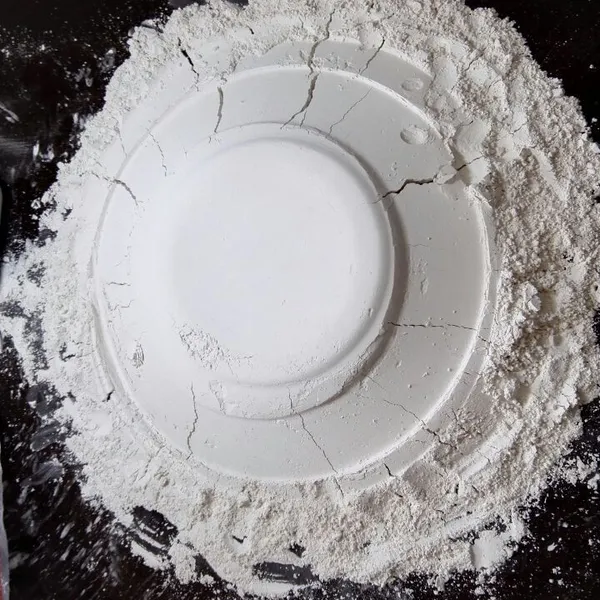
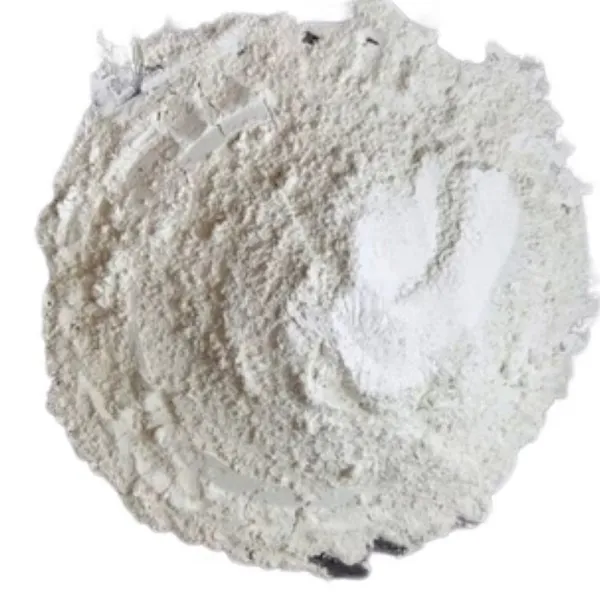
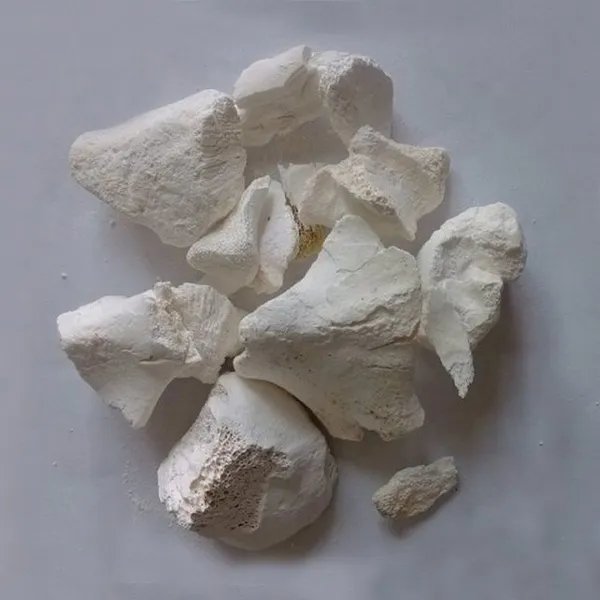
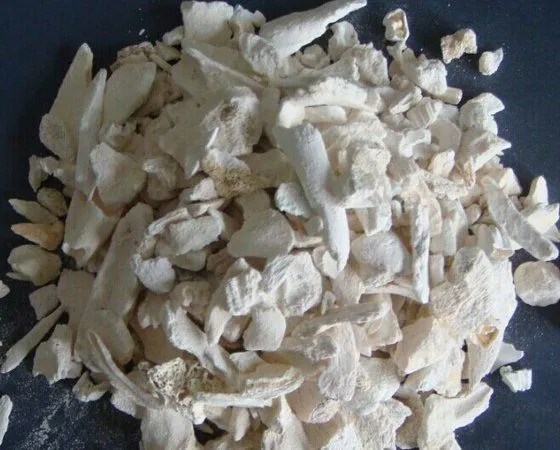
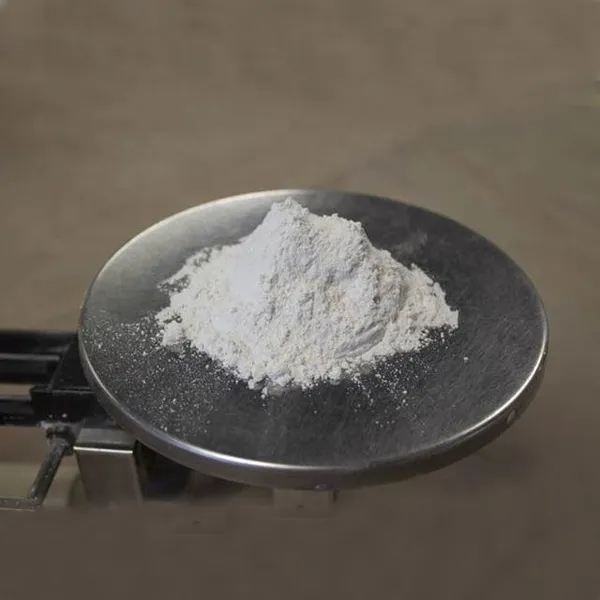
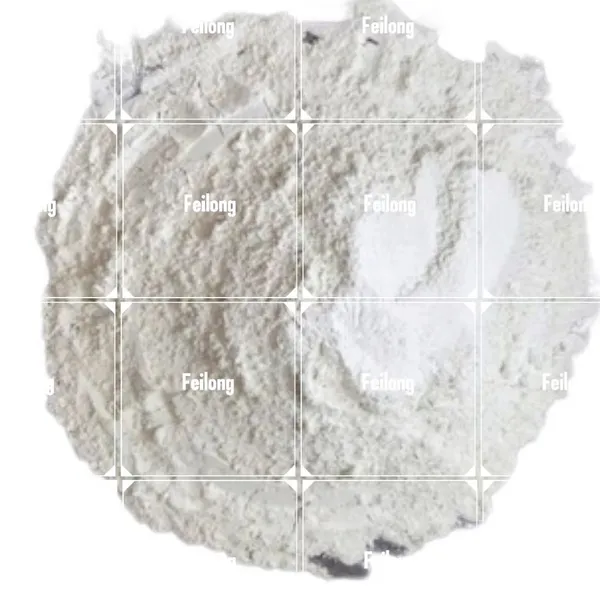
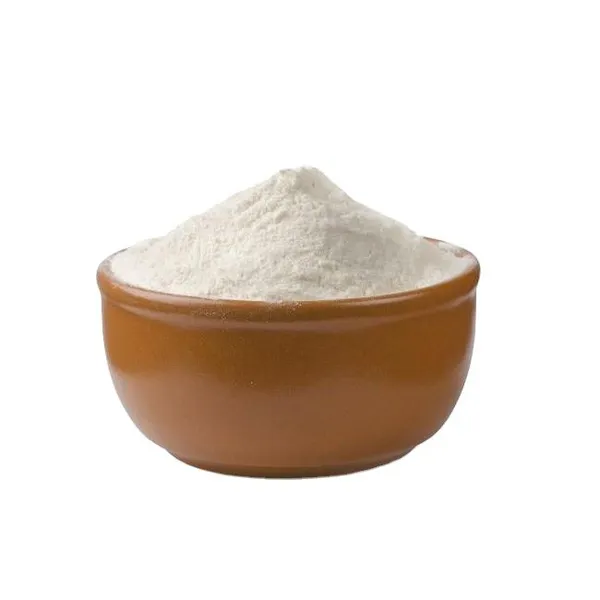
Bone ash is a white, crystalline powder produced by calcining defatted bovine bones at temperatures between 1200°C and 1300°C. The process removes organic material and leaves a mineral composition dominated by calcium phosphate and calcium carbonate.
Standard chemical composition for industrial-grade bone ash:
Calcium (Ca): ≥35.0%
Phosphorus (P): ≥16.0%
Iron (Fe): ≤0.05%
pH: 9.0–11.5
Burning loss: ≤1.0%
These numbers aren't just laboratory curiosities. They determine whether the material will perform in a ceramic body, release a molten metal casting, or withstand the thermal shock of a cupellation furnace. Different bone ash uses demand slight variations in these specs. That's why application-aware sourcing matters.
Bone Ash Uses in Ceramic and Bone China Manufacturing
The most famous application of bone ash is also the most demanding. Bone china manufacturers typically incorporate 40-50% bone ash into the ceramic body to achieve the translucency, whiteness, and strength that distinguish genuine bone china from standard porcelain.
How Bone Ash Creates Translucency in Bone China
When bone ash is fired in a ceramic body, the calcium phosphate content forms a glassy phase that allows light to pass through thin sections. This translucency is the hallmark of high-quality bone china and cannot be replicated with synthetic calcium phosphate alone.
The relationship is direct: higher bone ash content, within the workable range, produces greater translucency. However, too much bone ash weakens the body and increases warping during firing. Manufacturers balance these factors based on the specific ware they produce.
Chemical Specifications for Ceramic-Grade Bone Ash
Ceramic applications impose the strictest purity requirements on bone ash. Any color-contributing impurities, particularly iron, will discolor the final product. Fine particle size is also essential for even distribution in the slip.
Key requirements for ceramic bone ash uses:
Low iron content: Fe ≤0.05% to prevent gray or yellow discoloration
High calcium: Ca ≥35.0% for proper glass-phase formation
Fine particle size: 325 mesh or 400 mesh depending on grade
Consistent whiteness: Uniform color batch to batch
Low burning loss: ≤1.0% to prevent bubbles and defects in fired ware
Ceramic buyers who overlook any of these specs risk entire production runs with uneven translucency or visible specks. For a deeper look at mesh size selection, see our guide to choosing between 325 mesh and 400 mesh bone ash.
When Elena Marchetti, a ceramic raw materials buyer in Italy, switched suppliers in 2022, she assumed all "ceramic-grade" bone ash would perform identically in her company's bone china slip. The first shipment looked fine on paper, Ca 35.2%, P 16.1%, but the particle size distribution was wider than her previous supplier's material. During firing, the new bone ash caused pinholing in thin-walled cups.
Six weeks of troubleshooting and a rejected export order later, she learned that median particle size and distribution width matter as much as the headline chemical numbers. Now she requests full particle size analysis with every Certificate of Analysis.
Metallurgical Applications of Bone Ash
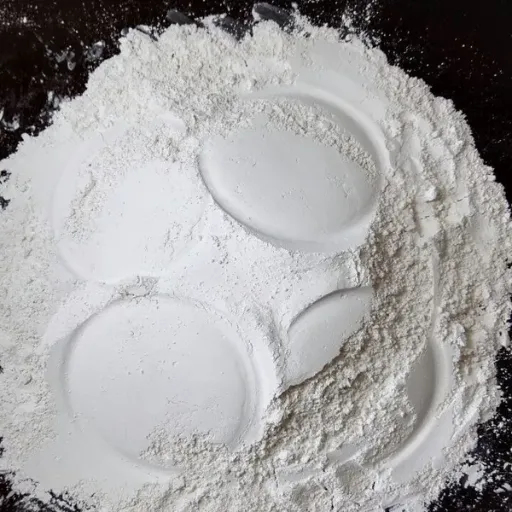
Beyond ceramics, bone ash uses in metallurgy are substantial and technically specific. The same calcium phosphate composition that makes bone ash valuable in ceramics gives it useful properties in high-temperature metal processing.
Mold-Releasing in Foundry and Casting
Bone ash serves as a mold release agent in die casting, investment casting, and permanent mold operations. Its non-wetting properties prevent molten metal from adhering to mold surfaces, while its thermal stability protects molds during repeated thermal cycling.
In foundry applications, bone ash is typically applied as a fine coating to mold cavities. The material's natural refractoriness and low thermal expansion make it effective for metals including aluminum, copper, and certain ferrous alloys.
Metallurgical bone ash uses differ from ceramic uses in several ways:
Iron content tolerance: Slightly higher iron may be acceptable for mold release where color is irrelevant
Particle size: Coarser grades may be preferred for coating applications
Thermal stability: Must withstand rapid temperature changes without cracking or flaking
For operations requiring consistent mold release performance, sourcing from a manufacturer with batch-to-batch composition control is essential. Learn more about mold-releasing bone ash for metallurgical applications.
Bone Ash Cupels for Precious Metal Assaying
In fire assay and precious metal refining, bone ash is formed into cupels, small containers that absorb lead oxide and base metal oxides while leaving precious metals behind. This process, called cupellation, is one of the oldest analytical techniques in metallurgy and remains the standard for gold and silver purity determination.
Cupel-grade bone ash must meet specific physical and chemical requirements:
High calcium phosphate content: For effective absorption of litharge and base metal oxides
Low iron and sulfur: To prevent contamination of precious metal beads
Controlled porosity: Must absorb molten oxides without cracking
Thermal shock resistance: Must survive rapid heating to 900-1000°C
The demand for cupel-grade bone ash is smaller by volume than ceramic-grade, but the technical requirements are equally strict. Assay laboratories and precious metal refiners depend on consistent cupel performance for accurate analysis. Read our detailed guide on bone ash cupels and their role in precious metal refining.
Marcus Chen, a foundry supervisor in Dongguan, had been using a synthetic mold release paste for aluminum die casting. The paste worked but left residues that required extra cleaning between cycles. A colleague recommended a bone ash-based release coating. Marcus tested it. The switch eliminated the residue problem and extended mold life by roughly 15%. The bone ash coating provided mild thermal insulation. His only regret? Not running the test six months earlier, before he'd committed to a bulk synthetic paste order that now sits in storage.
Other Bone Ash Applications Across Industries
While ceramics and metallurgy dominate bone ash uses, the material finds application in several other industrial contexts. Understanding these secondary applications helps buyers appreciate the breadth of the market and the versatility of well-manufactured bone ash.
Water Treatment and Filtration
It's important to distinguish bone ash from bone carbon here. Bone ash itself, the fully calcined white mineral powder, isn't typically used in water treatment. Bone carbon, also called bone char, comes from the same raw material through a different carbonization process.
Bone carbon retains a porous carbon structure that provides adsorption capacity for organic contaminants, colorants, and certain dissolved ions. Applications include:
Decolorization of process water and sugar syrup
Removal of organic contaminants from industrial effluent
Fluoride reduction in specific municipal treatment contexts
If your application involves adsorption or filtration, you likely need bone carbon rather than bone ash. See our guide to bone carbon for water treatment and filtration for the correct specifications.
Agriculture and Animal Feed
Fully calcined bone ash is generally too refined and alkaline for direct agricultural or feed use. However, less-processed bone-derived materials from earlier stages of production serve important roles in animal nutrition.
Bone granules and bone powder: Used as calcium and phosphorus supplements in feed formulations
Calcium hydrogen phosphate: A purified feed additive produced from bone material
Defatted non-degelatinized bone granules: Used in specialized feed applications
These materials retain more of the original bone structure and organic content, making them nutritionally active in ways that fully calcined bone ash is not. Feed buyers should specify the exact product grade they need rather than requesting "bone ash" generically.
Specialty and Emerging Industrial Uses
Researchers and industrial formulators continue to explore new bone ash uses in specialized applications:
Bioceramics and medical materials: Hydroxyapatite derived from bone ash is studied for bone graft and dental applications
Specialty coatings: Bone ash is investigated as a component in certain refractory and protective coatings
Chemical synthesis: The calcium phosphate content serves as a precursor in some chemical processes
These applications represent smaller volumes than ceramics or metallurgy, but they demonstrate the material's versatility and the importance of consistent quality for research and development work.
How to Select the Right Bone Ash for Your Application
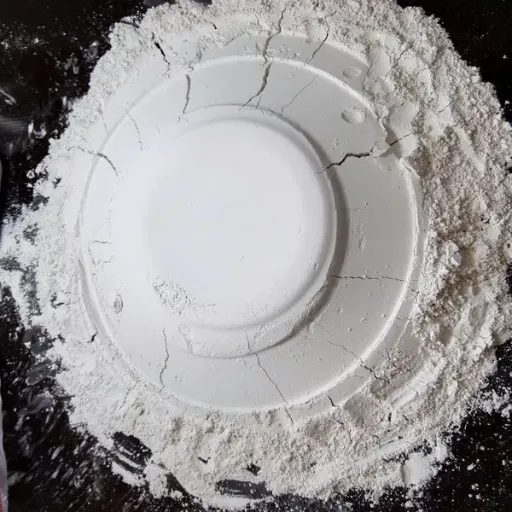
With multiple bone ash uses across industries, selecting the correct grade requires matching specifications to application requirements. Here is a practical framework for procurement decisions.
Define Your Application Priorities
Start by identifying which properties matter most for your process:
For bone china and fine ceramics: Prioritize low iron, high whiteness, fine mesh size (325 or 400), and consistent particle size distribution
For mold release in foundry work: Prioritize thermal stability, appropriate particle size for coating method, and cost-effectiveness
For cupel production: Prioritize high calcium phosphate, low contaminants, and controlled porosity
For research or specialty applications: Prioritize batch documentation, custom specifications, and supplier technical support
Evaluate Supplier Capabilities
Not every bone ash manufacturer produces material suitable for every application. Ask potential suppliers:
Do you control your own calcination process, or do you source from multiple workshops?
What is your standard calcination temperature and atmosphere control?
Can you provide a Certificate of Analysis for each batch showing Ca, P, Fe, and particle size?
What mesh sizes do you stock, and can you produce custom sizing?
What is your monthly production capacity and typical lead time?
Suppliers who own their production facilities and apply consistent quality control serve multiple applications more reliably. Trading companies may offer competitive prices. They can't guarantee batch consistency when sourcing from multiple producers.
Request Samples and Conduct Trials
Don't commit to a bulk order without testing material in your actual process. Request sample quantities with full COA documentation. Run them through your standard production or quality control procedures.
Document results carefully:
Fired color and translucency (for ceramics)
Release performance and mold condition (for foundry)
Cupellation absorption rate and bead purity (for assaying)
Any deviations from your current supplier's material
A supplier who can't or won't provide samples with documentation won't meet the consistency requirements of industrial production.
Ready to evaluate bone ash for your application? Request a sample with full COA from Feilong and test it in your process before committing to bulk supply.
Quality Standards That Define Effective Bone Ash
Regardless of the specific bone ash uses, certain quality benchmarks separate industrial-grade material from inferior product. Understanding these standards helps buyers evaluate what they are purchasing.
Raw Material Control
Quality bone ash begins with controlled raw material selection. Defatted bovine bone blocks from regulated sources provide the starting point. The defatting process is critical. Residual fats can discolor the final product and introduce unwanted organic residues.
Calcination Temperature and Atmosphere
Calcination at approximately 1300°C produces the white crystalline bone ash with the calcium phosphate structure that ceramic and metallurgical applications need. Lower temperatures leave organic residues. Uncontrolled atmosphere can introduce contaminants or produce inconsistent color.
Grinding and Classification
After calcination, the material must be ground and classified to the specified mesh size. Proper classification ensures that the particle size distribution meets application requirements. Oversize particles can cause defects in ceramics. Undersize material may affect handling and coating properties in metallurgical uses.
Batch Testing and Documentation
Every production batch should be tested for chemical composition, physical properties, and particle size distribution. The Certificate of Analysis provides the documentation that quality-conscious buyers need for their own records and for compliance with customer requirements.
At Luohe Feilong Bone Carbon Co., Ltd., we apply these controls across all grades of bone ash, from ceramic-grade 400 mesh powder to metallurgical mold-release material. Our vertically integrated production facility in Luohe, Henan Province has operated continuously for over 30 years, with 20 years of specialized bone product manufacturing under the Feilong name.
Conclusion
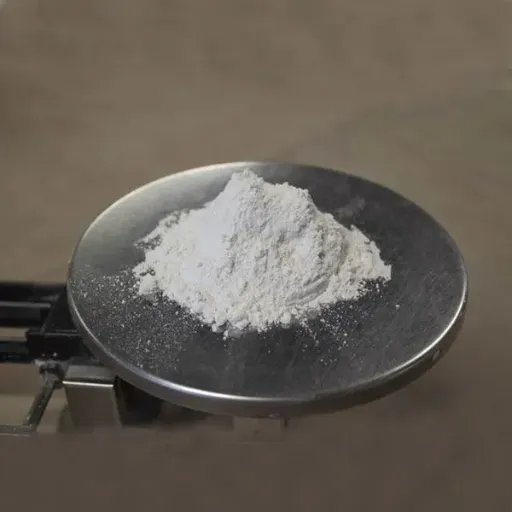
Bone ash uses span ceramics, metallurgy, and specialty industrial applications, each with its own specification requirements and quality standards. Whether you are formulating bone china slip, coating foundry molds, or manufacturing assay cupels, the calcium phosphate content, purity level, and particle size of your bone ash directly affect your production outcomes.
Key takeaways:
Ceramic-grade bone ash demands the highest purity, lowest iron, and finest particle size
Metallurgical applications prioritize thermal stability and non-wetting properties
Cupel-grade material requires controlled porosity and low contaminant levels
Always request samples with full COA before switching suppliers
Source from manufacturers who control their own calcination process for batch consistency
Understanding these distinctions turns bone ash from a commodity purchase into a strategic sourcing decision. The right grade, from the right supplier, supports product quality and production stability across every application.
At Feilong, we manufacture bone ash for all these applications from defatted bovine bone calcined at 1300°C. Our batch testing, documented COAs, and 20 years of production experience deliver the consistency that industrial buyers need across every bone ash use case.
Need bone ash for your production line? Request a quote or contact our technical team to discuss your application requirements and receive a sample with full Certificate of Analysis.
Recently Posted
-
Luohe Feilong Bone Carbon: Industrial Bone Ash Manufacturer Since 2011
August 17, 2026When a copper foundry in Turkey needs bone ash that releases cleanly from a sand mold at 1,100 degrees Celsius, or a bone china fa Read More
 -
Bone Ash in Copper Casting Mold Release: Application and Practical Guidance
August 14, 2026A copper sand casting foundry in India was producing electrical switch components that required a clean, smooth surface finish for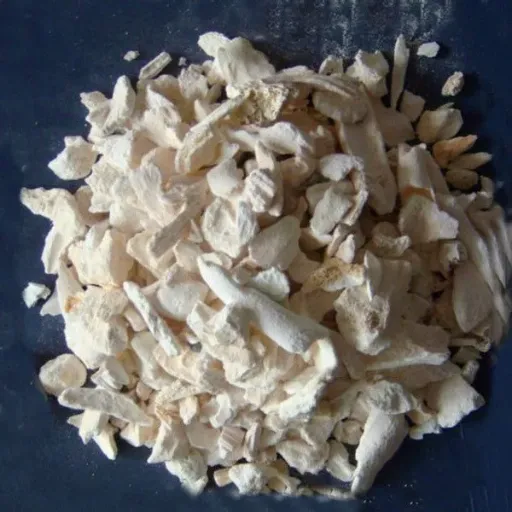 Read More
 -
How to Source Bone Ash for Foundry Applications: A Buyer's Checklist
August 13, 2026A purchasing manager at a brass foundry in Egypt ordered 20 metric tons of bone ash from a new supplier at a price roughly 25% bel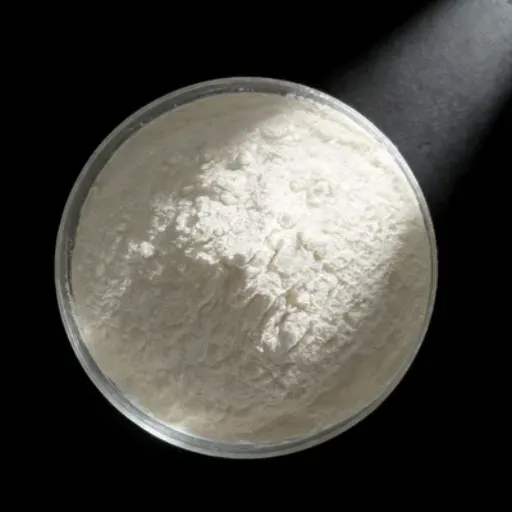 Read More
 -
Bone Ash vs Graphite Powder for Non-Ferrous Metal Mold Release
August 12, 2026A brass foundry in Southeast Asia switched from bone ash to a lower-cost graphite powder for its sand casting release agent, expec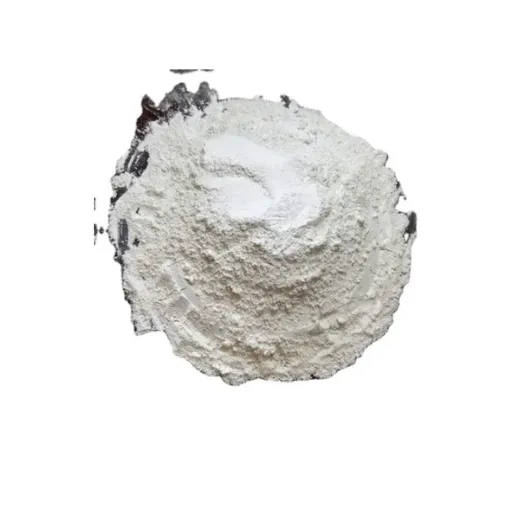 Read More

Contact Us
Recommended Products
-
 Manufacturer Sell Low Price Calcined Bone Ash or PowderUS$ 850MOQ: 5 Tons
 -
Manufacturer Sell Low Price Calcined Bone Ash or PowderUS$ 850MOQ: 5 Tons
-
Manufacturer Sell Low Price Calcined Bone Ash or PowderUS$ 850MOQ: 5 Tons
-
Sell Well Bone Ash for Mold Releasing UseUS$ 880 - 920MOQ: 5 Tons
-
Feilong Direct Sales Die-casting Water-soluble Mold Metal Release AgentUS$ 920MOQ: 5 Tons
-
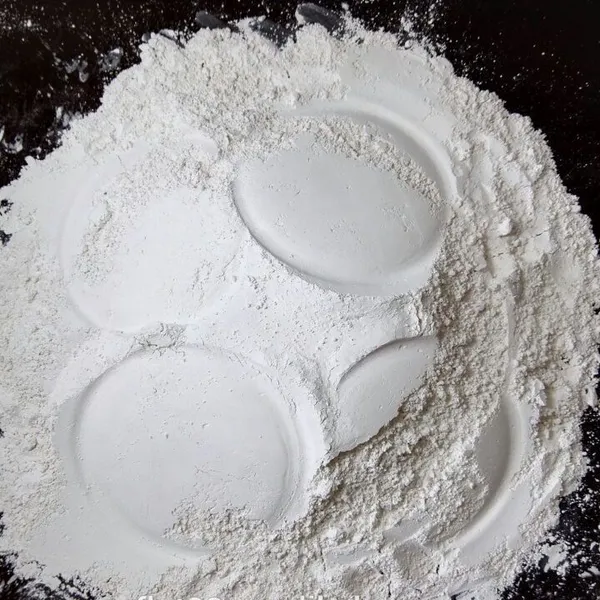
Natural Animal Bone AshUS$ 880 - 920MOQ: 5 Tons
-
China Manufacturer Supply Eco-Friendly Bone Ash PowderUS$ 890MOQ: 1 Ton
-
Calcined Bone Ash for Bone China With GoodPriceUS$ 880 - 920MOQ: 5 Tons
-
Synthetic Bone Ash for Ceramic With Good PriceUS$ 850MOQ: 5 Tons
-
Calcium and Phosphorus Powder - 325 MeshPowderUS$ 850MOQ: 5 Tons
-
Calcium and Phosphorus Powder - 325 MeshPowderUS$ 850MOQ: 5 Tons
-
Calcium Stearate PVC PE Lubricant Mould-releasing Powder ManufacturerUS$ 850MOQ: 5 Tons
-
Reputed Supplier Selling Bone Ash Powder Which Meet With Environmental Standard As Animal FeedstuffUS$ 850MOQ: 5 Tons
-
Industrial Grade Bone Ash for Bone Ceramics and MetallurgyUS$ 900MOQ: 10 Tons
-
Animal Ashes Used for Bone ChinaUS$ 900MOQ: 5 Tons
-
Calcium and Phosphorus Powder - 325 MeshPowderUS$ 850MOQ: 5 Tons
-
High Quality Bone Ash for Mold Releasing Use/bone Ash PowderUS$ 850 - 880MOQ: 5 Tons
-
Manufacturer Sell Low Price Calcined Bone Ash or PowderUS$ 850MOQ: 5 Tons
-
Calcined Bone Ash for Bone China With GoodPriceUS$ 880MOQ: 5 Tons
-
High Quality Bone Ash for Mold Releasing Use/bone Ash PowderUS$ 880 - 920MOQ: 5 Tons