
 Business License

Fire Assay for Gold: Process, Accuracy, and Best Practices in Precious Metal Analysis
The difference between a 3-gram gold bead and a 2.7-gram bead is roughly $180 at current prices. For a mining operation shipping 50 kilograms of dore per month, that 10% variance translates into $300,000 in lost revenue -- or unjustified payments to suppliers. When financial stakes run this high, analytical accuracy is not a technical preference. It is a business imperative.
If you manage an assay laboratory, run a precious metals refinery, or oversee metallurgical testing, you already know that fire assay for gold is the reference method against which every other technique is judged. Despite decades of advances in instrumental analysis, no alternative method has displaced fire assay as the definitive standard for gold determination.
This article explains how fire assay for gold works, why it delivers unmatched accuracy, what factors influence results, and how to maintain consistent performance in your laboratory. Whether you are training new technicians, evaluating assay protocols, or troubleshooting inconsistent results, this guide gives you the technical foundation you need to run a reliable program.
What Is Fire Assay for Gold?
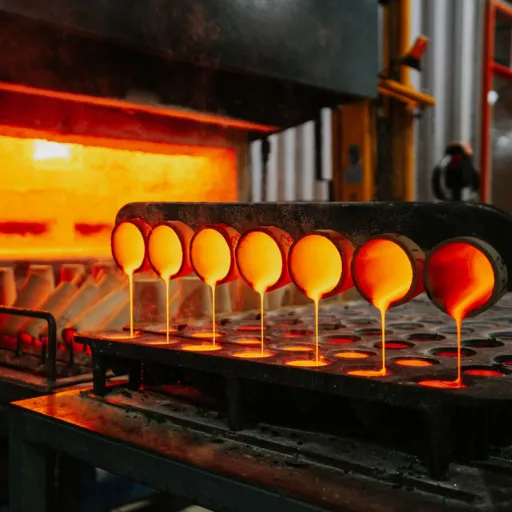
Fire assay for gold is a classical analytical method that determines gold content in ores, alloys, concentrates, and other materials through a sequence of high-temperature chemical separations. The method relies on lead's unique ability to collect precious metals from a molten mixture while leaving base metals and gangue behind.
The process follows a precise sequence. The analyst mixes the sample with lead-based fluxes and heats the mixture in a crucible until it melts. Lead collects gold and silver from the sample as the molten mass separates into layers.
The resulting lead button is then placed in a porous cupel and heated in a cupellation furnace. As the lead oxidizes, the resulting lead oxide is absorbed into the cupel material. Gold and silver resist oxidation at cupellation temperatures, so they remain as a small metallic bead.
The fire assay for gold method is specified as the reference procedure in ISO 11426 and is recognized by mining regulators, refineries, and bullion exchanges worldwide. When a dispute arises over gold content, fire assay is the method that settles it.
How Does Fire Assay for Gold Work?
Understanding the mechanics of fire assay for gold helps laboratory professionals troubleshoot problems and maintain accuracy. The process follows five distinct stages.
Step 1: Sample Preparation and Weighing
The analyst begins by crushing and pulverizing the sample to a uniform particle size, typically passing a 150-micron sieve. A representative portion is then weighed accurately -- usually 10 to 50 grams depending on expected gold grade. Accurate weighing is critical because all subsequent calculations depend on this initial mass.
Sample size selection matters. Low-grade ores require larger samples to ensure representative gold content, particularly when coarse gold particles are present. The nugget effect -- where a single coarse gold particle disproportionately influences results -- is one of the most common sources of erratic fire assay data. Pulverizing to a fine, uniform particle size minimizes this risk.
Step 2: Fusion with Flux and Lead
The weighed sample is mixed with fluxes and lead compounds in a fire clay crucible. Standard fluxes include litharge (lead oxide), soda ash, borax, silica, and flour. The proportions vary based on sample composition. The flour acts as a reducing agent, converting lead oxide to metallic lead during fusion.
Step 3: Lead Button Formation
The crucible is heated in a fusion furnace at approximately 1,000°C to 1,100°C. As the mixture melts, metallic lead settles to the bottom of the crucible, collecting gold and silver from the sample. Meanwhile, base metals and gangue minerals combine with the flux to form a liquid slag that floats above the lead. After cooling, the lead button is separated from the slag.
Step 4: Cupellation
The lead button is placed in a porous cupel -- typically made from bone ash or magnesia -- and heated in a cupellation furnace at 950°C to 1,100°C. As the lead melts and spreads across the cupel surface, oxygen from the air oxidizes the lead. The porous cupel material absorbs the molten lead oxide through capillary action, continuously exposing fresh lead to the air until virtually all lead is removed.
Gold and silver do not oxidize under these conditions. They remain as a small metallic bead on the cupel surface. After cooling, the bead is removed, weighed, and analyzed further if silver separation or parting is required.
Step 5: Weighing and Calculation
The final bead weight is used to calculate gold content. If the sample contains significant silver, the bead may be parted in nitric acid to separate silver from gold before final weighing. The result is expressed as grams of gold per tonne of sample (g/t) or as a percentage, depending on the application.
For high-silver samples, parting is essential. The bead is flattened, rolled into a thin cornet, and heated with concentrated nitric acid. Silver dissolves while gold remains as a spongy residue.
After washing and annealing, the gold is weighed separately. This additional step adds time but provides accurate gold values even when silver-to-gold ratios exceed 100 to 1. Laboratories processing silver-rich epithermal ores perform parting as a standard procedure.
When Andreas Mueller took over as quality manager at a German precious metals refinery in 2022, he noticed that XRF readings on complex electronic scrap consistently ran 8% below fire assay results. The scrap contained copper, nickel, and palladium in concentrations that interfered with XRF calibration. After validating against fire assay for gold across 200 samples, Andreas established a protocol: all high-complexity materials received fire assay confirmation before settlement. The refinery eliminated $45,000 in annual pricing disputes within the first year and improved supplier relationships through transparent, defensible results.
Why Fire Assay for Gold Outperforms Alternative Methods
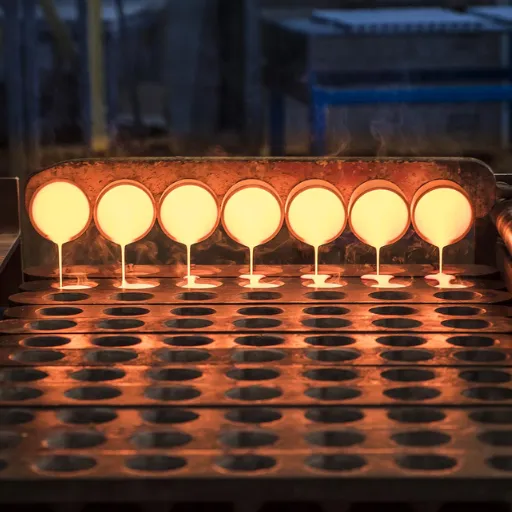
Instrumental methods such as X-ray fluorescence (XRF), inductively coupled plasma (ICP), and atomic absorption spectroscopy (AAS) offer speed and convenience. Yet fire assay for gold remains the reference method for good reason.
Complete Collection: Lead collection captures gold particles regardless of their mineralogical form. Whether gold occurs as free metal, sulfide, telluride, or finely disseminated within a matrix, lead extracts it efficiently during fusion.
Matrix Independence: Fire assay separates gold from the sample matrix physically and chemically. Instrumental methods often suffer from matrix effects, where other elements in the sample interfere with the measurement.
Preconcentration: The fire assay process concentrates gold from a large sample mass into a small bead. This preconcentration step improves detection limits and reduces the impact of sample heterogeneity.
Physical Verification: The analyst can see and weigh the resulting gold bead. This tangible confirmation adds a layer of confidence that instrumental readouts cannot match.
For these reasons, the London Bullion Market Association (LBMA) and major mining jurisdictions specify fire assay as the definitive method for gold content determination. When a mining company reports reserves or a refinery settles an account, the numbers trace back to fire assay.
Regulatory acceptance reinforces this position. Mining codes in Canada, Australia, and South Africa require fire assay for resource estimation and reserve reporting. Refineries seeking LBMA Good Delivery accreditation must demonstrate fire assay capability. For laboratories serving these markets, proficiency in fire assay for gold is not optional.
Factors That Affect Fire Assay Accuracy
Even the most reliable method produces poor results when execution is flawed. Fire assay for gold accuracy depends on controlling multiple variables throughout the process.
Flux Composition and Proportions
The flux recipe must match the sample matrix. Acidic samples require basic fluxes. Basic samples require acidic fluxes. Incorrect proportions lead to incomplete fusion, poor slag fluidity, or lead button contamination.
Laboratories typically maintain several standard flux recipes for common sample types. Siliceous ores require additional soda ash. Highly calcareous samples need extra silica and borax. Running a new sample type without adjusting the flux recipe is a common source of systematic error.
Temperature Control During Fusion and Cupellation
Fusion temperatures that are too low prevent complete melting and metal collection. Temperatures that are too high cause excessive lead volatilization or crucible damage. During cupellation, temperature must remain within the narrow range that oxidizes lead efficiently without oxidizing silver or causing cupel failure.
Cupel Quality and Material
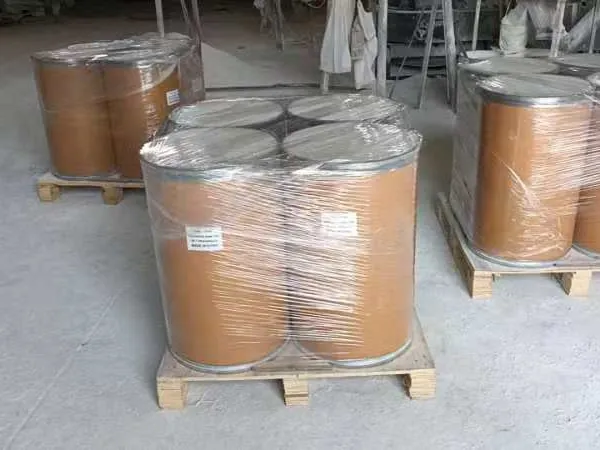
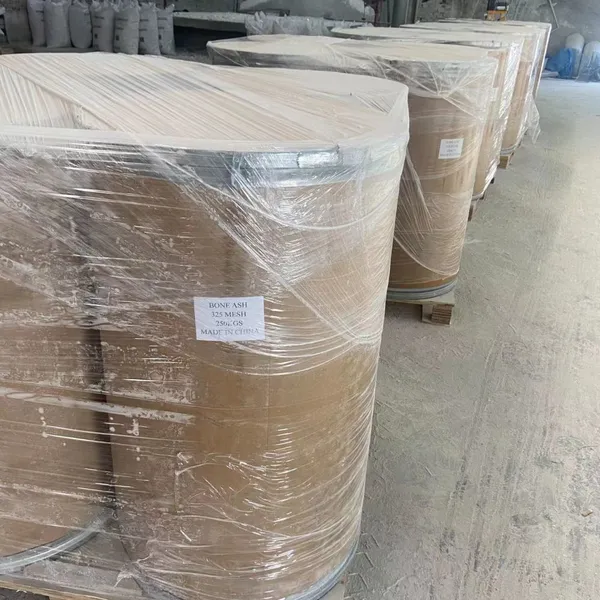
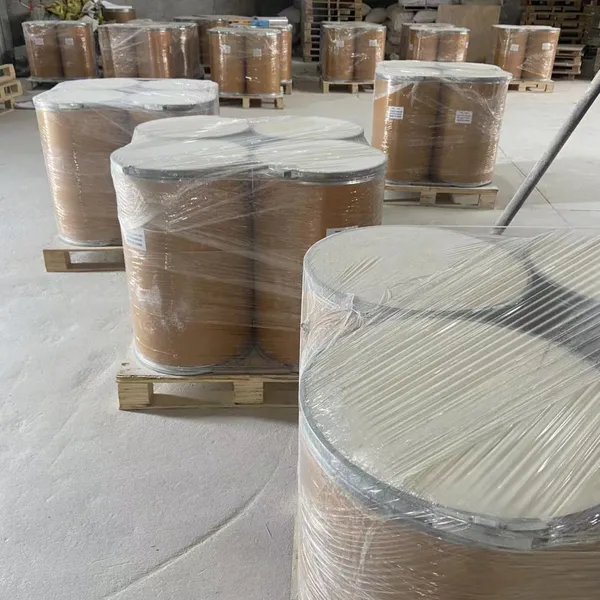
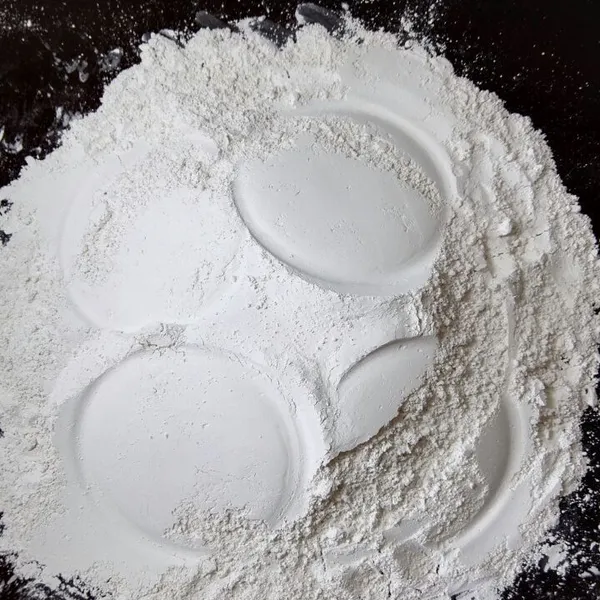
The cupel is not merely a disposable container. Its porosity, purity, and thermal stability directly affect lead oxide absorption and bead recovery. Bone ash cupels with uniform porosity and low iron content provide the most reliable performance. A cupel that cracks, spalls, or vitrifies during heating produces inaccurate results.
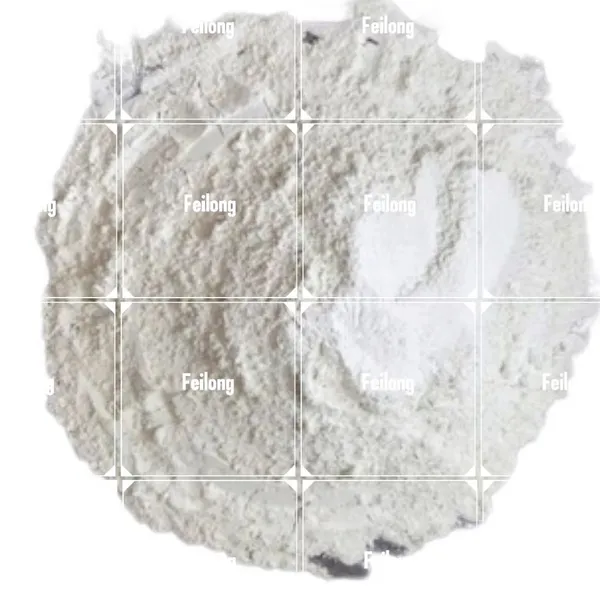
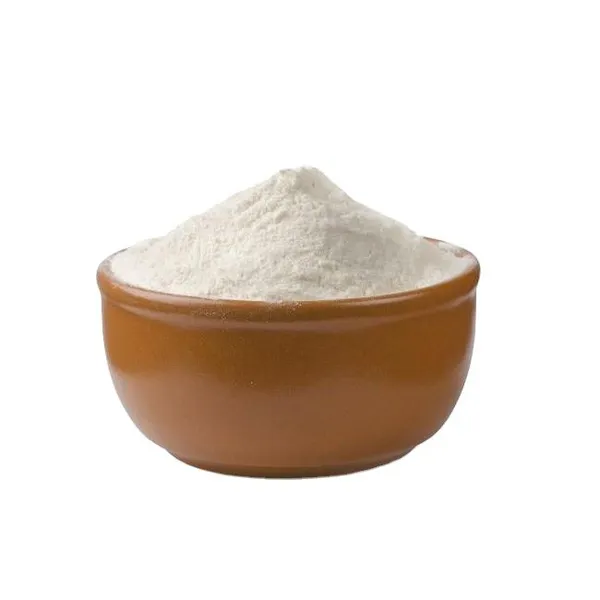
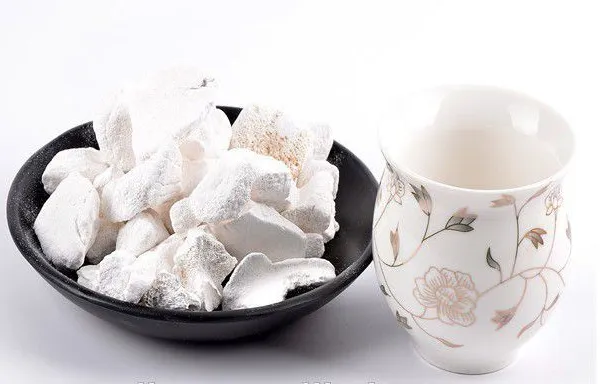
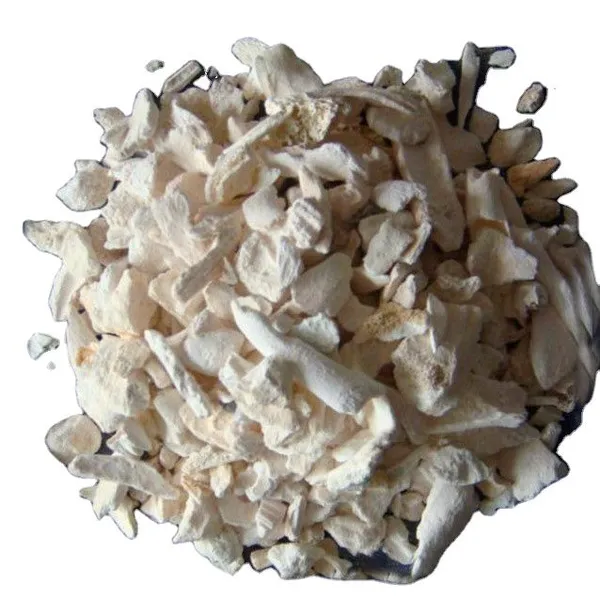
Need bone ash with guaranteed purity for your assay laboratory? Explore how Feilong controls calcium, phosphorus, and iron content through 1300°C calcination for consistent cupel performance.
Common Sources of Loss
Even when fusion and cupellation appear successful, small losses can accumulate. Gold and silver may be retained in the slag if fusion conditions are inadequate. Some precious metals can absorb into the cupel material, particularly if cupellation runs too long or temperatures are excessive.
Lead droplets can splash during cupellation, carrying minute gold particles away from the cupel. These losses are typically small -- often less than 1% -- but in high-value assays, even fractional losses matter. Running duplicate analyses and monitoring recovery trends helps laboratories detect and correct systematic loss.
Operator Technique and Experience
Fire assay for gold is a hands-on technique. Skilled operators recognize when fusion is complete, when cupellation should be stopped, and how to handle samples that behave unexpectedly. Training and experience remain essential even in modern laboratories.
Patricia Rios supervised an assay laboratory at a Peruvian silver-gold mine processing 1,500 samples monthly. In early 2024, she noticed gold recovery rates fluctuating by up to 2.5% between shifts with no obvious equipment faults.
After reviewing procedures, she traced the problem to inconsistent flux mixing. One technician was adding flour by volume rather than by weight, causing variable reducing conditions. Standardizing the mixing protocol and switching to pre-weighed flux portions eliminated the variation within two weeks.
Fire Assay for Gold vs. Instrumental Methods
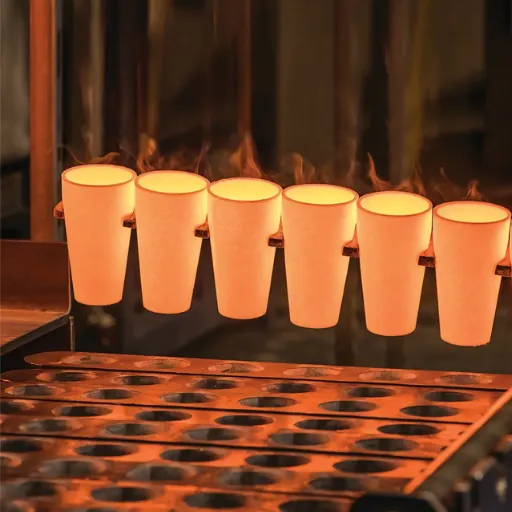
Laboratory managers often debate whether instrumental methods can replace fire assay. The answer depends on the application.
X-Ray Fluorescence (XRF): XRF is fast, non-destructive, and requires minimal sample preparation. It works well for homogeneous alloys and finished products with known matrices. However, XRF struggles with heterogeneous ores, complex scrap materials, and samples with interfering elements. For settlement and referee analysis, fire assay for gold remains superior.
ICP-MS and ICP-OES: These methods offer excellent sensitivity and multi-element capability. They are useful for trace gold analysis and geochemical exploration. However, they require complete sample dissolution, which can be difficult for refractory gold ores. Fire assay provides better recovery for coarse gold and resistant mineral forms.
AAS: Atomic absorption spectroscopy is economical and widely available. Like ICP, it requires sample dissolution and is vulnerable to matrix interferences. Fire assay's physical separation step avoids these limitations.
Gravimetric Finish: Some laboratories combine fire assay collection with instrumental finish, dissolving the bead and analyzing by ICP-MS. This hybrid approach offers the best of both methods: fire assay's reliable collection and instrumental sensitivity for very low concentrations.
Best Practices for Consistent Fire Assay Results
Maintaining accuracy in fire assay for gold requires systematic attention to procedures, materials, and quality control.
Use Certified Reference Materials: Analyze certified reference materials with each batch. If the reference material returns a value outside its certified tolerance, investigate before reporting production samples.
Control Sample Particle Size: Pulverize samples to consistent fineness. Coarse gold particles that escape liberation during grinding cause the nugget effect, where a single particle can disproportionately influence results.
Standardize Flux Recipes: Document flux compositions for each sample type. Pre-weigh flux components when possible rather than relying on volume measurements.
Monitor Cupel Performance: Track bead recovery rates and cupellation times by batch. A sudden change in either metric may indicate a cupel quality problem.
Calibrate Furnaces Regularly: Verify furnace temperature profiles using thermocouples. Hot spots and cold zones affect fusion completeness and cupellation efficiency.
Maintain Detailed Records: Document fusion times, cupellation temperatures, operator names, and any deviations from standard procedures. These records are invaluable when troubleshooting outliers.
Control Laboratory Contamination: Gold is valuable enough that even trace contamination can distort results. Separate grinding equipment for high-grade and low-grade samples. Clean crucibles and cupels thoroughly between uses.
Store reagents in contamination-free environments. A single speck of metallic gold from a previous high-grade sample can falsely elevate a low-grade result by orders of magnitude. Many laboratories dedicate separate grinding stations to different grade ranges for this reason.
Kwame Asante manages a commercial assay laboratory in Ghana that processes over 3,000 samples monthly for local gold mining operations. In 2023, his laboratory was experiencing bead recovery rates 0.8% below expected values. After eliminating furnace calibration and operator technique, he tested several cupel suppliers.
The issue was cupel porosity: one supplier's cupels had begun vitrifying at lower temperatures due to higher iron content. Switching to cupels made from bone ash with documented low-iron specifications restored recovery rates to target within one batch cycle.
Conclusion
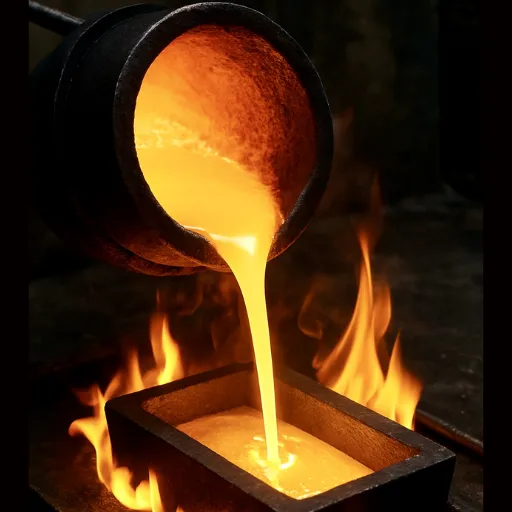
Fire assay for gold has remained the reference method for precious metal analysis for centuries because it works. The lead collection process reliably extracts gold from complex matrices. The cupellation step physically separates gold from base metals.
The final bead provides tangible, weighable proof of content. No instrumental method has matched this combination of accuracy, reliability, and universal acceptance.
Key points to remember:
Fire assay for gold uses lead collection and cupellation to separate and concentrate gold from sample matrices
The method outperforms instrumental alternatives for complex, heterogeneous, and high-value samples
Accuracy depends on flux composition, temperature control, cupel quality, and operator technique
Certified reference materials and systematic quality control are essential for consistent results
Cupel material quality directly affects bead recovery and assay precision
For assay laboratories and refineries, fire assay for gold is not an outdated tradition. It is a precision analytical method that protects the integrity of your most critical measurements. Understanding the process, controlling the variables, and selecting quality materials empowers you to produce results that stand up to scrutiny.
Evaluating bone ash or cupel materials for your fire assay laboratory? Request a sample with full Certificate of Analysis to test our material in your process, or contact our technical team to discuss your specifications.
Recently Posted
-
Luohe Feilong Bone Carbon: Industrial Bone Ash Manufacturer Since 2011
August 17, 2026When a copper foundry in Turkey needs bone ash that releases cleanly from a sand mold at 1,100 degrees Celsius, or a bone china fa Read More
 -
Bone Ash in Copper Casting Mold Release: Application and Practical Guidance
August 14, 2026A copper sand casting foundry in India was producing electrical switch components that required a clean, smooth surface finish for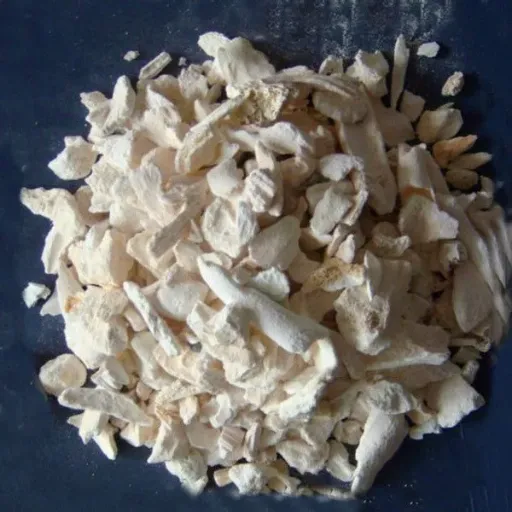 Read More
 -
How to Source Bone Ash for Foundry Applications: A Buyer's Checklist
August 13, 2026A purchasing manager at a brass foundry in Egypt ordered 20 metric tons of bone ash from a new supplier at a price roughly 25% bel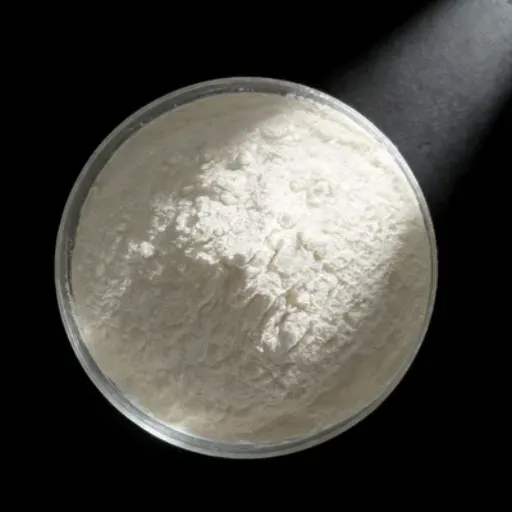 Read More
 -
Bone Ash vs Graphite Powder for Non-Ferrous Metal Mold Release
August 12, 2026A brass foundry in Southeast Asia switched from bone ash to a lower-cost graphite powder for its sand casting release agent, expec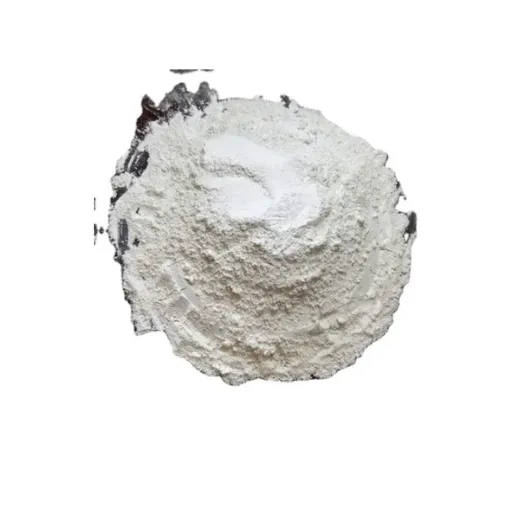 Read More

Contact Us
Recommended Products
-
 Manufacturer Sell Low Price Calcined Bone Ash or PowderUS$ 850MOQ: 5 Tons
 -
Manufacturer Sell Low Price Calcined Bone Ash or PowderUS$ 850MOQ: 5 Tons
-
Manufacturer Sell Low Price Calcined Bone Ash or PowderUS$ 850MOQ: 5 Tons
-
Sell Well Bone Ash for Mold Releasing UseUS$ 880 - 920MOQ: 5 Tons
-
Feilong Direct Sales Die-casting Water-soluble Mold Metal Release AgentUS$ 920MOQ: 5 Tons
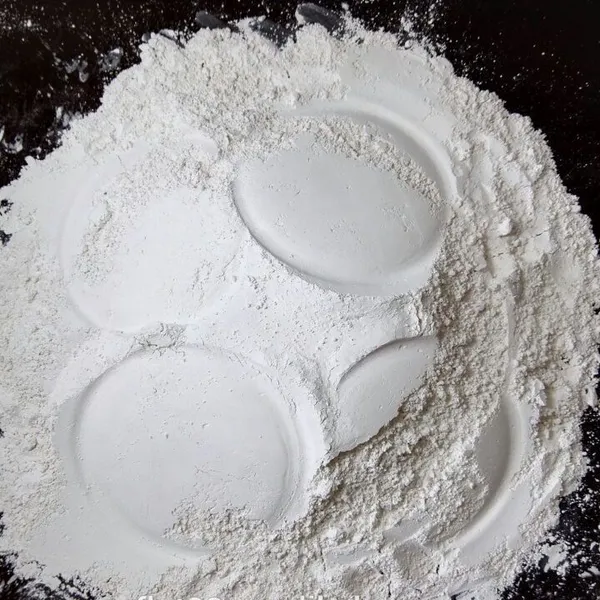
-
Natural Animal Bone AshUS$ 880 - 920MOQ: 5 Tons
-
China Manufacturer Supply Eco-Friendly Bone Ash PowderUS$ 890MOQ: 1 Ton
-
Calcined Bone Ash for Bone China With GoodPriceUS$ 880 - 920MOQ: 5 Tons
-
Synthetic Bone Ash for Ceramic With Good PriceUS$ 850MOQ: 5 Tons
-
Calcium and Phosphorus Powder - 325 MeshPowderUS$ 850MOQ: 5 Tons
-
Calcium and Phosphorus Powder - 325 MeshPowderUS$ 850MOQ: 5 Tons
-
Calcium Stearate PVC PE Lubricant Mould-releasing Powder ManufacturerUS$ 850MOQ: 5 Tons
-
Reputed Supplier Selling Bone Ash Powder Which Meet With Environmental Standard As Animal FeedstuffUS$ 850MOQ: 5 Tons
-
Industrial Grade Bone Ash for Bone Ceramics and MetallurgyUS$ 900MOQ: 10 Tons
-
Animal Ashes Used for Bone ChinaUS$ 900MOQ: 5 Tons
-
Calcium and Phosphorus Powder - 325 MeshPowderUS$ 850MOQ: 5 Tons
-
High Quality Bone Ash for Mold Releasing Use/bone Ash PowderUS$ 850 - 880MOQ: 5 Tons
-
Manufacturer Sell Low Price Calcined Bone Ash or PowderUS$ 850MOQ: 5 Tons
-
Calcined Bone Ash for Bone China With GoodPriceUS$ 880MOQ: 5 Tons
-
High Quality Bone Ash for Mold Releasing Use/bone Ash PowderUS$ 880 - 920MOQ: 5 Tons