
 Business License

Silver Fire Assay: How Bone Ash Powers Precious Metal Analysis
A single batch of low-quality cupels can distort silver fire assay results by 5 to 15 percent. For a mining operation shipping concentrate worth $2 million per lot, that variance is not a rounding error. It is a $100,000 to $300,000 mistake buried in a three-gram ceramic cup.
If you manage an assay laboratory, refinery, or precious metals testing facility, you already know that fire assay remains the definitive method for determining gold and silver content in ores and concentrates. What fewer operators examine closely is the material inside the cupel itself. The bone ash that forms the cupel body directly influences absorption rate, thermal stability, and final assay accuracy.
In this guide, we break down the silver fire assay process step by step, explain why bone ash quality is the hidden variable in cupellation, and show what to look for when sourcing bone ash for assay-grade cupel manufacturing.
What Is Silver Fire Assay and Why Accuracy Matters
Silver fire assay is a pyrometallurgical analytical technique used to determine the concentration of precious metals in geological samples, concentrates, and recyclable materials. The method has remained largely unchanged for centuries because, when executed correctly, it delivers accuracy that modern instrumental methods still struggle to match at low concentrations.
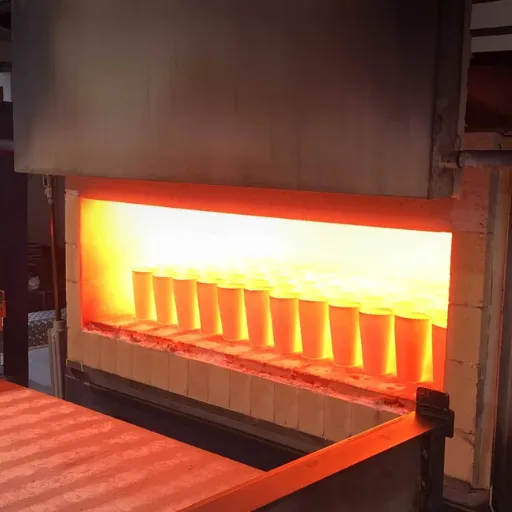
The process works by fusing a sample with fluxes, typically litharge, soda ash, borax, and silica, in a crucible at approximately 1,100°C. During fusion, lead collects the precious metals into a metallic button. That button is then placed in a porous cupel and heated in a cupellation furnace at roughly 900°C to 1,000°C. The lead oxidizes to litharge and is absorbed into the cupel material, leaving behind a bead of gold and silver that is weighed and analyzed.
Accuracy matters because assay results directly determine payment. Mining companies sell concentrate to smelters based on assay certificates. Refineries buy scrap based on fire assay results. Even a 1 percent systematic error compounds into massive financial exposure across hundreds or thousands of transactions per year.
Bone Ash in Cupellation: The Hidden Variable in Silver Fire Assay
Cupels are the small, porous vessels that hold the lead button during cupellation in a silver fire assay. They are manufactured primarily from bone ash, with small additions of magnesia or cement in some formulations. The bone ash provides the exact porosity, thermal stability, and absorption characteristics the process demands.
When the lead button is heated in the cupellation furnace, molten lead oxide forms and must be absorbed into the cupel walls quickly enough to keep the bead clean, but not so aggressively that the bead itself is absorbed. Bone ash achieves this balance because of its specific chemical composition and microstructure.
The calcium phosphate and calcium carbonate structures in calcined bone ash create a network of interconnected pores with controlled permeability. This porosity determines how rapidly litharge is wicked away from the molten bead. If the bone ash is too dense, litharge pools and the bead oxidizes. If the bone ash is too porous or poorly calcined, the bead can be partially absorbed, biasing results low.
Technical Note: Cupellation bone ash should be calcined at temperatures above 1,200°C to ensure complete decomposition of organic residues and stable crystalline structure. Bone ash calcined at lower temperatures may contain residual carbon or organic compounds that interfere with lead oxide absorption.
How Bone Ash Chemical Composition Affects Cupel Performance
The chemical composition of bone ash directly influences cupel behavior in the furnace. Here are the specifications that matter for assay-grade bone ash:
Calcium (Ca) ≥35.0%: The primary structural component. Higher calcium content correlates with better thermal stability and consistent porosity.
Phosphorus (P) ≥16.0%: Present as calcium phosphate, this forms the porous microstructure that controls litharge absorption.
Iron (Fe) ≤0.05%: Low iron is critical. Iron contamination can react with silver at high temperatures, leading to alloy formation and low assay results.
Burning Loss ≤1.0%: Indicates complete calcination. Higher burning loss suggests residual organic material that can generate gases during cupellation, causing bead splatter or erratic absorption.
pH 9.0–11.5: Slightly alkaline bone ash ensures compatibility with lead oxide chemistry and prevents unwanted acid-base reactions at temperature.
When Elena Morales took over as chief assayer at a commercial lab in Guadalajara in 2023, her team was seeing silver recoveries run 3 percent below certified reference material values. She traced the issue to a new batch of cupels made from bone ash with iron content near 0.12 percent and burning loss at 2.8 percent. After switching to cupels manufactured from bone ash meeting the stricter specifications above, her silver recoveries aligned with CRM targets within two weeks. The material inside the cupel had been silently stealing her accuracy.
How Cupels Are Manufactured From Bone Ash
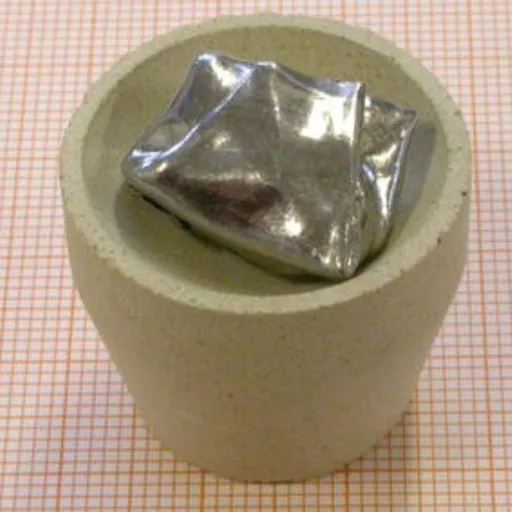
Manufacturing bone ash cupels for silver fire assay is straightforward in principle but demanding in practice. The bone ash is mixed with water to form a moldable paste, pressed into the characteristic cupel shape, and then dried and fired to achieve the required mechanical strength and porosity.
Raw Material Preparation
The process begins with bone ash that has been ground to a fine, consistent powder. Mesh size matters. Most cupel manufacturers use bone ash in the 200 mesh to 325 mesh range. Finer powders produce smoother cupel surfaces with more uniform pore distribution, which translates to more consistent litharge absorption across the entire cupel surface.
Mixing and Forming
The bone ash is mixed with water to achieve a workable plasticity. Some formulations add small percentages of magnesia or hydraulic cement to increase mechanical strength, particularly for cupels used in high-temperature or extended-duration assays. The mixture is pressed into molds under controlled pressure to achieve uniform density.
Drying and Firing
Formed cupels are dried slowly to prevent cracking from moisture gradients, then fired at temperatures between 800°C and 1,000°C. The firing temperature is lower than the bone ash calcination temperature because the goal is to sinter the particles together without collapsing the porous structure. Over-firing closes pores. Under-firing produces weak cupels that crumble during handling.
Want to see how Feilong controls bone ash purity for metallurgical applications? Explore our production process and quality specifications to understand how 1,300°C calcination and batch testing deliver the consistency assay labs depend on.
Step-by-Step: The Silver Fire Assay Process
Understanding where the cupel fits helps explain why bone ash quality ripples through the entire assay.
Step 1: Sample Preparation and Weighing
The ore or concentrate sample is crushed, pulverized, and homogenized to pass a 75-micron sieve. A precise aliquot, typically 30 grams for ore grade material or 0.5 to 5 grams for high-grade concentrates, is weighed into a fire clay crucible.
Step 2: Flux Addition
Fluxes are added to the sample to achieve the correct slag chemistry. The standard lead collection fire assay uses:
Litharge (PbO): acts as collector and slag former
Soda ash (Na2CO3): basic flux
Borax (Na2B4O7): acidic flux and slag fluidizer
Silica (SiO2): slag former
Flour or carbon: reducing agent to produce metallic lead
The proportions vary based on sample composition and are calculated to produce a liquid slag at fusion temperature that is neither too acidic nor too basic.
Step 3: Fusion
The crucible is placed in a fusion furnace at 1,050°C to 1,100°C for 45 to 60 minutes. During fusion, lead oxide is reduced to metallic lead, which alloys with any gold and silver present. The lead button sinks through the molten slag and collects at the bottom of the crucible.
Step 4: Separation and Cleaning
After cooling, the crucible is broken open. The lead button is separated from the slag, hammered into a cube or dore shape, and cleaned to remove adhering slag particles. The button weight is recorded.
Step 5: Cupellation
This is where bone ash quality is tested in the silver fire assay process. The cleaned lead button is placed in a preheated cupel and heated in a cupellation furnace at 900°C to 1,000°C in an oxidizing atmosphere. The lead oxidizes:
2Pb + O2 → 2PbO
Molten lead oxide is absorbed into the porous bone ash cupel. As the lead is removed, the surface tension of the remaining molten metal decreases, and the bead spreads slightly. A well-made cupel absorbs litharge steadily, leaving a bright, clean precious metal bead.
The cupellation step typically takes 25 to 45 minutes depending on button size and furnace conditions. A cupel made from inconsistent bone ash may absorb unevenly, causing the bead to migrate, oxidize at the edges, or even be partially lost into the cupel wall.
Step 6: Weighing and Parting
After cooling, the gold and silver bead is removed from the cupel, brushed clean, and weighed. If both gold and silver are present, the bead may be parted in nitric acid to dissolve silver, leaving gold for separate weighing. Alternatively, instrumental methods such as atomic absorption or inductively coupled plasma analysis may be used to determine individual metal concentrations.
Selecting Bone Ash for Silver Fire Assay and Cupel Manufacturing
Not all bone ash performs equally in cupel applications for silver fire assay. If your operation manufactures cupels or purchases them from a third party, evaluating the underlying bone ash quality is a procurement priority.
What to Look for in Cupel-Grade Bone Ash
Controlled calcination temperature: Bone ash should be calcined at or above 1,200°C, preferably 1,300°C, to ensure complete organic decomposition and stable mineral structure.
Consistent particle size: A 325 mesh powder provides the fine, uniform particle distribution needed for smooth cupel surfaces and predictable porosity.
Low iron content: Iron above 0.05 percent can react with silver during cupellation, forming silver-iron alloys that alter bead weight and appearance.
Low burning loss: Residual organic material generates gas during cupellation. Burning loss should not exceed 1.0 percent.
Batch-to-batch consistency: The most critical factor. Variation in porosity or composition between bone ash batches produces cupels with different absorption rates, introducing systematic error into assay results.
For fire assay bone ash, batch-to-batch consistency is not optional. A supplier who cannot document consistent calcination temperature, particle size, and chemical composition across every delivery is introducing uncontrolled variance into your silver fire assay process.
Questions to Ask Your Bone Ash Supplier
When qualifying a bone ash supplier for cupel manufacturing, request the following:
Certificate of Analysis for each batch showing Ca, P, Fe, burning loss, and pH
Documentation of calcination temperature and process control
Particle size distribution data
Sample quantity for cupel manufacturing trials
Export capability and documentation if sourcing internationally
Chen Wei, production manager at a mid-size refinery in Guangdong Province, learned this lesson during a supplier audit in 2024. His cupel vendor had recently switched bone ash sources without notification. Chen noticed silver assay results drifting 2 to 4 percent high on low-grade samples. He requested COAs from both the old and new bone ash batches. The new material had calcium content of 31 percent versus 36 percent in the previous supply, and iron had increased from 0.04 percent to 0.09 percent. The lower calcium content had softened the cupel microstructure, causing faster-than-expected absorption that pulled silver into the cupel wall. Chen returned to his original supplier and instituted mandatory COA review for every bone ash delivery. His assay precision recovered within one month.
Feilong Bone Ash for Metallurgical and Assay Applications
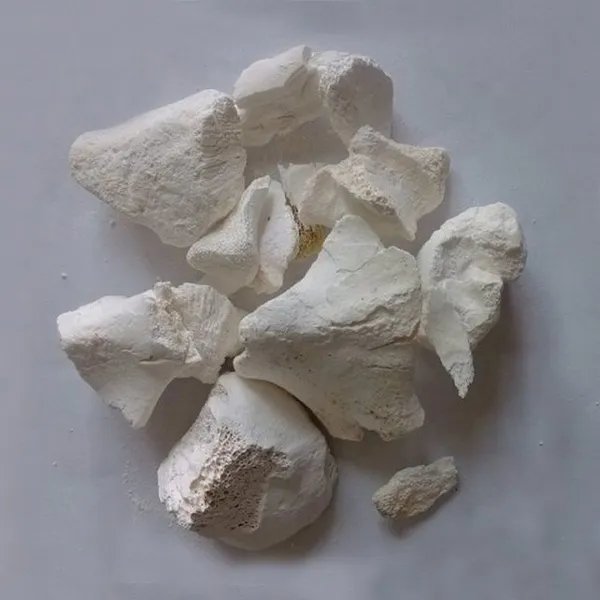
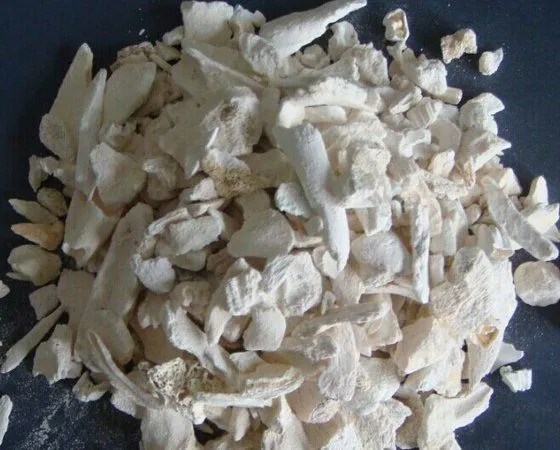
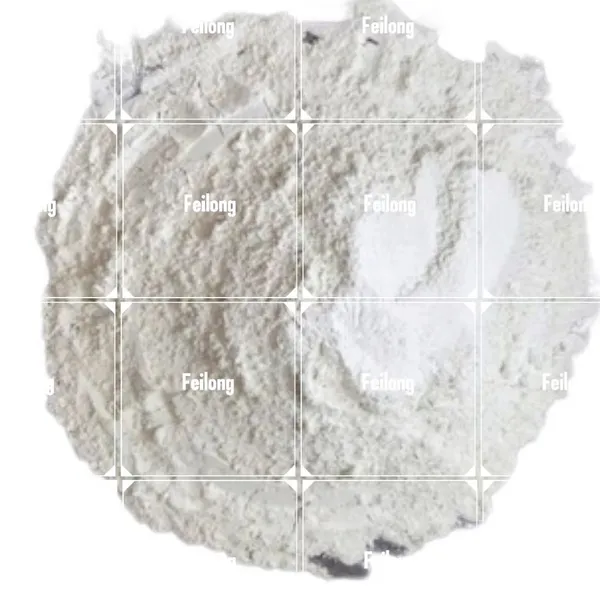
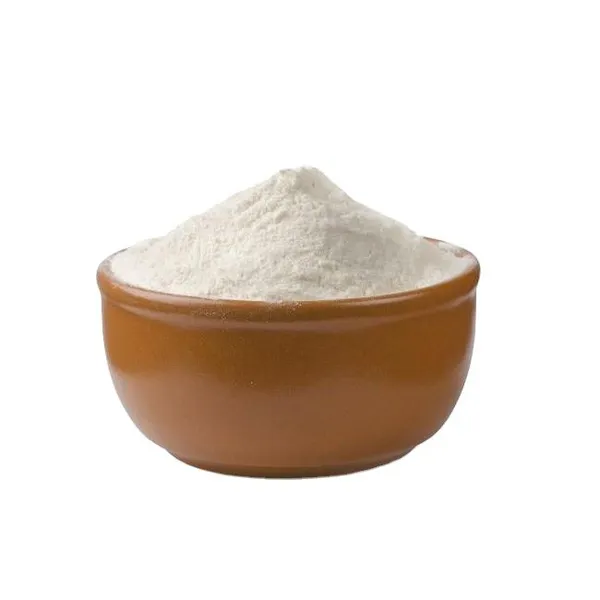
Luohe Feilong Bone Carbon Co., Ltd. has manufactured bone ash for industrial applications for over 20 years. Our bone ash is calcined from defatted bovine bone blocks at 1,300°C, producing a white crystalline powder with calcium content exceeding 35 percent and phosphorus above 16 percent.
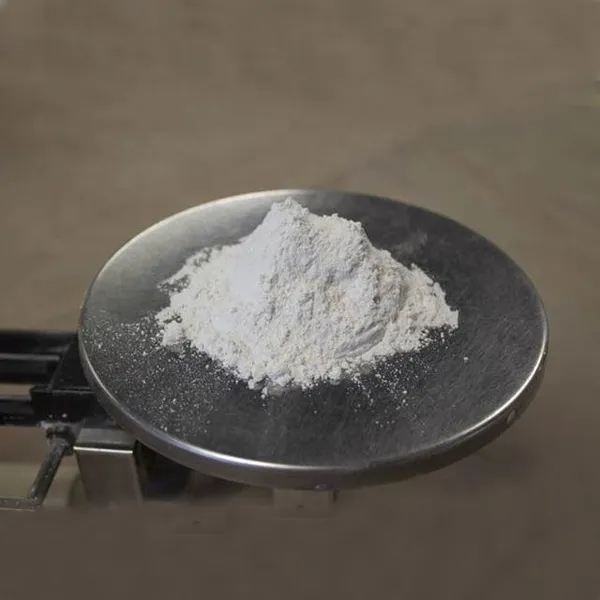
For cupel manufacturers and silver fire assay laboratories, our 325 mesh bone ash powder offers the particle size consistency needed for uniform cupel density and porosity. The material is batch-tested for chemical composition, burning loss, and particle size before release. Every shipment includes a Certificate of Analysis documenting the specifications your quality system requires.
We supply bone ash and mold-releasing bone ash to metallurgical operations domestically and internationally, including export to Germany, South Korea, and the United States. Our vertically integrated production facility controls the process from raw material selection through calcination, grinding, and packaging. That control is what enables the batch-to-batch consistency assay laboratories cannot compromise on.
Evaluating bone ash for cupel manufacturing or metallurgical use? Request a sample with full COA to test Feilong bone ash in your production process.
Conclusion
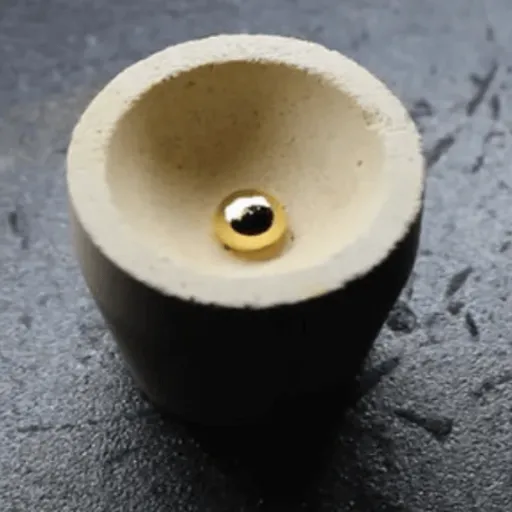
Silver fire assay accuracy depends on variables at every step: sample preparation, flux chemistry, fusion temperature, and cupellation conditions. But the material inside the cupel, the bone ash that absorbs litharge and holds the precious metal bead, is too often treated as a commodity rather than a critical process input.
The key facts are straightforward. Bone ash chemical composition, calcination temperature, particle size, and batch consistency directly influence cupel performance. Inconsistent bone ash introduces systematic error that can distort assay results by several percent. In precious metals, several percent is never acceptable.
When David Kowalski sourced bone ash for his Polish refinery's in-house cupel line in early 2025, he tested three suppliers over six months. Only one delivered calcium content consistently above 35 percent with iron below 0.05 percent across every batch. That consistency translated directly to tighter assay control limits and fewer repeat analyses. The bone ash he chose was not the cheapest option. It was the most predictable one.
For assay laboratories and cupel manufacturers sourcing bone ash, the priority should be specification compliance and batch consistency, not price alone. Partner with a supplier who controls calcination, documents every batch, and understands why those specifications matter in your furnace.
At Feilong, we produce bone ash under controlled 1,300°C calcination with comprehensive batch testing and full COA documentation. Our 20 years of manufacturing experience includes supply to metallurgical and industrial applications where consistency is not negotiable.
Ready to evaluate Feilong bone ash for your cupel manufacturing or silver fire assay operation? Request a free sample with full COA or contact our technical team to discuss your specifications and supply requirements.
Recently Posted
-
Cupellation Method: A Complete Guide to Fire Assay and Precious Metal Analysis
June 15, 2026A single cupel made from the wrong bone ash can destroy an entire fire assay and cost a refinery thousands of dollars in rework an Read More
 -
Industrial Mold Release Powder: Types, Applications, and Sourcing
June 15, 2026In late 2022, a die casting plant in Ohio switched from a boron nitride spray to a bone ash-based industrial mold release powder f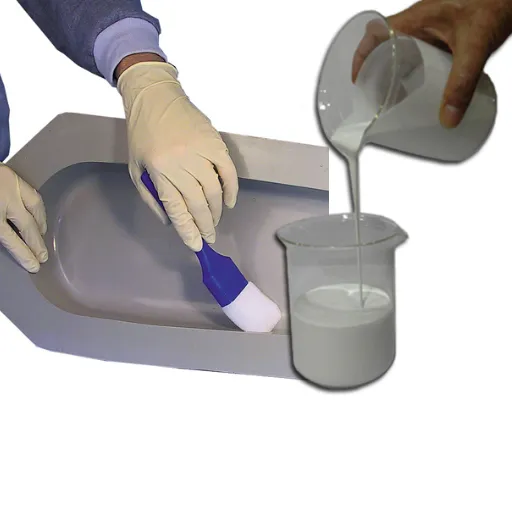 Read More
 -
Granular Bone Char for Filtration: Properties, Applications, and Sourcing
June 15, 2026In 2019, a municipal water treatment facility in the western United States switched from activated alumina to a granular bone char Read More
 -
Bone Char Regeneration: What Water Treatment Professionals Should Know
June 15, 2026In 2019, a community water project manager in Kenya faced a problem. The bone char defluoridation system had been running for eigh Read More

Contact Us
Recommended Products
-
 Manufacturer Sell Low Price Calcined Bone Ash or PowderUS$ 850MOQ: 5 Tons
 -
Manufacturer Sell Low Price Calcined Bone Ash or PowderUS$ 850MOQ: 5 Tons
-
Manufacturer Sell Low Price Calcined Bone Ash or PowderUS$ 850MOQ: 5 Tons
-
Sell Well Bone Ash for Mold Releasing UseUS$ 820MOQ: 5 Tons
-
Feilong Direct Sales Die-casting Water-soluble Mold Metal Release AgentUS$ 820MOQ: 5 Tons
-
Natural Animal Bone AshUS$ 820MOQ: 5 Tons
-
China Manufacturer Supply Eco-Friendly Bone Ash PowderUS$ 890MOQ: 1 Ton
-
Calcined Bone Ash for Bone China With GoodPriceUS$ 820MOQ: 5 Tons
-
Synthetic Bone Ash for Ceramic With Good PriceUS$ 850MOQ: 5 Tons
-
Calcium and Phosphorus Powder - 325 MeshPowderUS$ 850MOQ: 5 Tons
-
Calcium and Phosphorus Powder - 325 MeshPowderUS$ 850MOQ: 5 Tons
-
Calcium Stearate PVC PE Lubricant Mould-releasing Powder ManufacturerUS$ 850MOQ: 5 Tons
-
Reputed Supplier Selling Bone Ash Powder Which Meet With Environmental Standard As Animal FeedstuffUS$ 850MOQ: 5 Tons
-
Industrial Grade Bone Ash for Bone Ceramics and MetallurgyUS$ 900MOQ: 5 Tons
-
Animal Ashes Used for Bone ChinaUS$ 900MOQ: 5 Tons
-
Calcium and Phosphorus Powder - 325 MeshPowderUS$ 850MOQ: 5 Tons
-
High Quality Bone Ash for Mold Releasing Use/bone Ash PowderUS$ 820MOQ: 5 Tons
-
Manufacturer Sell Low Price Calcined Bone Ash or PowderUS$ 850MOQ: 5 Tons
-
Calcined Bone Ash for Bone China With GoodPriceUS$ 820MOQ: 5 Tons
-
High Quality Bone Ash for Mold Releasing Use/bone Ash PowderUS$ 820MOQ: 5 Tons