
 Business License

Calcium Phosphate Applications: Feed, Agriculture, and Industry
A feed mill in Vietnam thought it had balanced its broiler ration until growth rates stalled in week three. The nutritionist rechecked protein, energy, and amino acid levels, but the real problem was the calcium phosphate source. The premix used a low-solubility phosphate that the birds could not absorb efficiently, and the deficiency showed up as poor bone development and reduced feed conversion.
If you formulate animal feed, select fertilizer raw materials, or source minerals for industrial production, you know that calcium phosphate applications vary widely. The same compound family supports animal nutrition, crop growth, ceramic manufacturing, and water treatment, but each application demands a specific grade, particle size, and purity level.
In this guide, we break down the major calcium phosphate applications, explain the differences between common grades, and show what to look for when sourcing calcium phosphate for your operation. You will also see how bone-derived calcium phosphate fits into the feed and industrial supply chain.
Need a reliable calcium phosphate source for feed formulations? Request a sample of Feilong calcium hydrogen phosphate with full COA and test it in your ration.
What Is Calcium Phosphate?
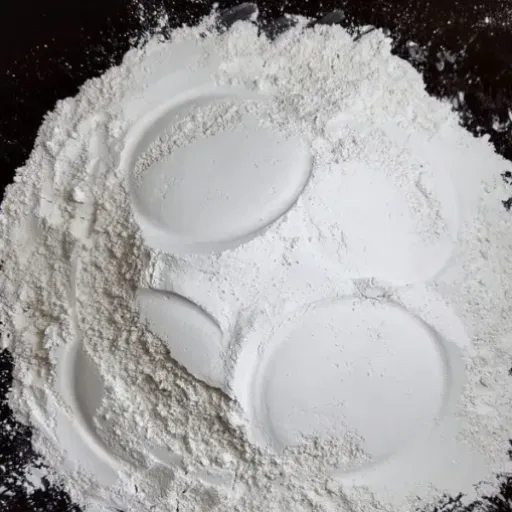
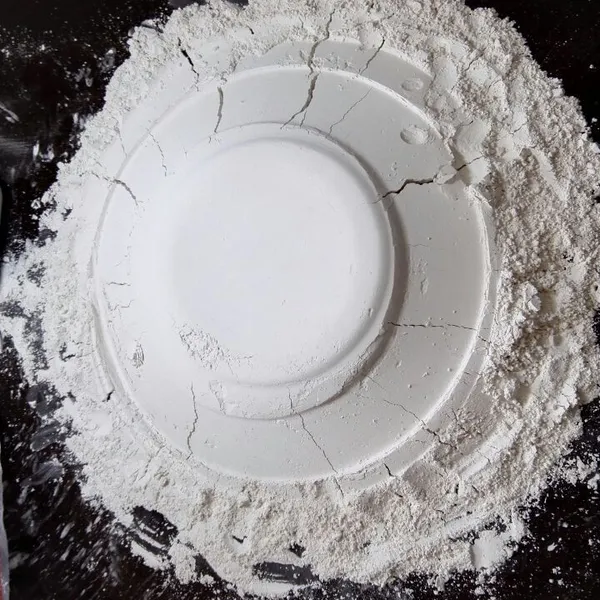
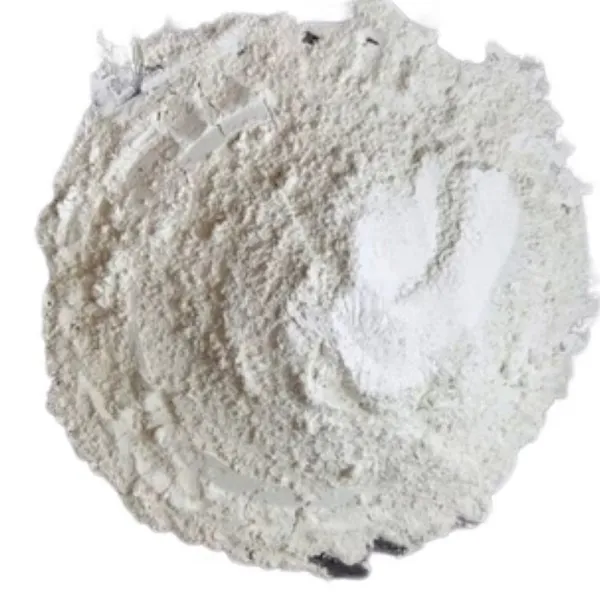
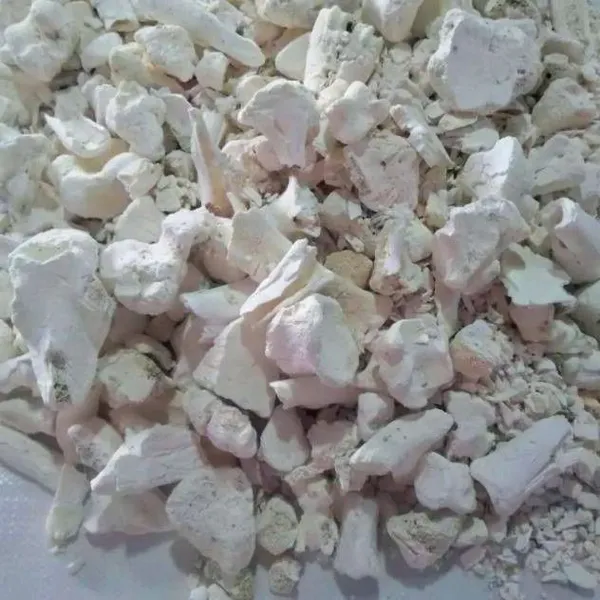
Calcium phosphate is a family of minerals composed of calcium cations and phosphate anions. The most common forms include calcium hydrogen phosphate (CaHPO₄), tricalcium phosphate (Ca₃(PO₄)₂), and monocalcium phosphate (Ca(H₂PO₄)₂). Each form differs in calcium content, solubility, and recommended use.
In nature, calcium phosphate is the main mineral component of bone and teeth. In industry, it is produced either from bone-derived sources or synthesized from phosphate rock. Bone-derived calcium phosphate retains the natural calcium-to-phosphorus ratio found in bone, while synthetic grades are engineered for specific solubility and purity targets.
The form you choose depends on the application. Animal feed producers typically want a bioavailable source of calcium and phosphorus. Fertilizer manufacturers prioritize total nutrient content and cost per unit of P₂O₅. Ceramic and metallurgical buyers may value the thermal and chemical properties of bone ash, which is primarily calcium phosphate.
Calcium Phosphate Applications in Animal Feed
Animal feed is one of the largest and most important calcium phosphate applications. Phosphorus is an essential macromineral for growth, bone formation, energy metabolism, and reproduction. Because plant-based feed ingredients are often low in available phosphorus, feed mills add inorganic phosphates to balance rations.
Poultry Feed
Broilers, layers, and breeders require precise calcium and phosphorus levels for skeletal development and egg shell quality. Calcium hydrogen phosphate and dicalcium phosphate are commonly used in poultry premixes because they provide both minerals in a form birds can absorb. The calcium-to-available-phosphorus ratio must be carefully controlled, especially in high-production laying hens.
Swine Feed
Growing pigs need phosphorus for bone mineralization and lean tissue growth. Phytase enzymes can release some phosphorus from plant ingredients, but most swine diets still require supplemental calcium phosphate to meet requirements. Feed-grade dicalcium phosphate and monocalcium phosphate are both used, depending on formulation cost and matrix values.
Ruminant Feed
Cattle, sheep, and goats require less supplemental phosphorus than monogastrics because rumen microbes can utilize some forms of plant phosphorus. However, lactating dairy cows and rapidly growing beef cattle often need additional phosphorus to support milk production and frame development. Calcium phosphate supplements help prevent deficiency symptoms such as poor appetite, reduced fertility, and weak bones.
Aquaculture Feed
Fish and shrimp diets require highly digestible mineral sources. Calcium phosphate is used in aquaculture feeds to support bone and exoskeleton formation. Solubility and particle size matter in aquatic feeds because uneaten or poorly absorbed minerals can contribute to water pollution.
Companion Animal Feed
Pet food manufacturers use calcium phosphate to balance the mineral profile of dog and cat foods. The source must meet feed safety standards and provide consistent particle size for uniform mixing in extruded and wet pet foods.
Calcium Phosphate in Agriculture and Fertilizers
Beyond animal nutrition, calcium phosphate is a foundational raw material for fertilizer production. Phosphorus is one of the three primary plant nutrients, and calcium phosphate compounds are the starting point for most phosphate fertilizers.
Phosphate Fertilizers
Rock phosphate is the primary source of phosphate fertilizer, but calcium phosphate compounds are intermediate products in many fertilizer manufacturing processes. Superphosphate, triple superphosphate, and ammoniated phosphates all begin with phosphate rock processing. The goal is to convert insoluble phosphate into forms plants can absorb.
Soil Amendment
Calcium phosphate can also serve as a slow-release phosphorus source in soils with appropriate pH. In acidic soils, certain forms of phosphate become more available. In alkaline soils, phosphorus can bind with calcium and become less mobile, so fertilizer form and application method must be matched to soil conditions.
Organic and Bone-Based Fertilizers
Bone meal and bone-derived calcium phosphate have long been used as organic fertilizer inputs. These materials release phosphorus gradually as they decompose, making them suitable for organic crop production and soil building programs.
Industrial Applications of Calcium Phosphate
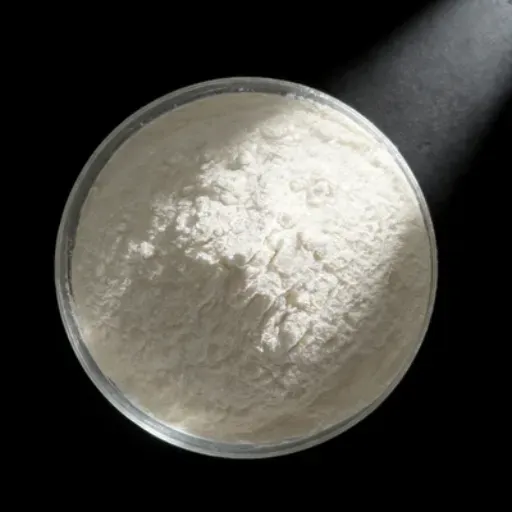
Calcium phosphate is not limited to agriculture and feed. Several industrial sectors rely on calcium phosphate compounds for their chemical and physical properties.
Ceramics and Bone China
Bone ash, which is approximately 70-80% calcium phosphate in the form of hydroxyapatite, is a critical raw material for bone china. It gives bone china its characteristic translucency, strength, and whiteness. Ceramic manufacturers typically add 40-50% bone ash to the ceramic body. You can read more about the raw material in our overview of what is bone ash.
Metallurgical Mold Release
Bone ash is used in metallurgical applications as a mold release agent. Its non-wetting properties and thermal stability help prevent metal from sticking to molds during casting. This application overlaps with Feilong's mold-releasing bone ash product line.
Water Treatment and Filtration
Bone-derived materials, including bone carbon and certain calcium phosphate products, are used in water treatment. The calcium phosphate content in bone char can interact with fluoride and some metal ions, supporting adsorption and ion exchange applications.
Food and Pharmaceutical Uses
Food-grade and pharmaceutical-grade calcium phosphates are used as anti-caking agents, nutritional supplements, and tablet excipients. These applications require high purity and strict regulatory compliance. Feilong focuses on feed-grade and industrial calcium phosphate products rather than food or pharmaceutical grades.
Types of Calcium Phosphate Used in Industry
Understanding the different calcium phosphate compounds helps buyers select the right grade for their application.
Calcium Hydrogen Phosphate (Dicalcium Phosphate, DCP)
Calcium hydrogen phosphate, commonly called dicalcium phosphate, contains approximately 23-24% phosphorus and 29-30% calcium on a dry basis. It is widely used in animal feed because it provides a balanced supply of both minerals with good digestibility. Feilong produces feed-grade calcium hydrogen phosphate from bone-derived sources.
Tricalcium Phosphate (TCP)
Tricalcium phosphate has a higher calcium content and lower phosphorus content than DCP. It is used in some feed formulations, fertilizers, and ceramic applications. TCP is less soluble than monocalcium phosphate and releases nutrients more slowly.
Monocalcium Phosphate (MCP)
Monocalcium phosphate is highly soluble and provides a concentrated source of phosphorus. It is often used in poultry and swine feeds where rapid availability is important. MCP is also used as a leavening acid in some food applications.
Bone-Derived vs. Synthetic Calcium Phosphate
Bone-derived calcium phosphate is produced by processing defatted animal bones. It naturally contains the hydroxyapatite structure found in bone and provides calcium and phosphorus in forms familiar to animal metabolism. Synthetic calcium phosphate is manufactured from phosphate rock and chemical reagents. Both sources can meet feed-grade specifications, but bone-derived products may appeal to buyers seeking natural mineral sources.
Mini-Scenario: When the Right Calcium Phosphate Changed Feed Performance
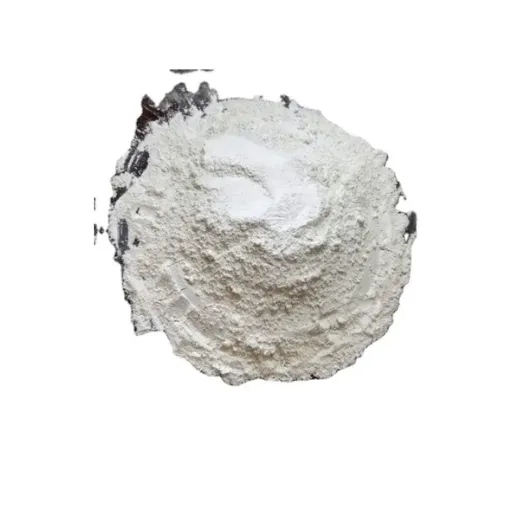
Last year, a pig farm in southern China noticed that finishing pigs were taking ten extra days to reach market weight. The nutritionist suspected a mineral issue and sent feed samples for analysis. The results showed that the dicalcium phosphate in the diet had variable particle size and lower-than-expected phosphorus content, leading to inconsistent intake.
The farm switched to a feed-grade calcium hydrogen phosphate with documented Ca and P values and a consistent particle size. Within one grow-out cycle, average daily gain improved, and the farm reduced phosphate supplementation rates by 8%. The change saved money and produced more uniform pigs, demonstrating why phosphate source quality matters as much as quantity.
Mini-Scenario: Bone Ash in a Ceramic Trial
A bone china manufacturer in India was testing alternative bone ash suppliers to reduce raw material costs. One sample produced white, translucent test pieces, while another sample caused discoloration and warping during firing. The difference was the calcium phosphate content and impurity levels in the bone ash.
The better-performing sample had calcium content above 35%, phosphorus above 16%, and iron below 0.05%. The inferior sample had higher iron and inconsistent burning loss. The manufacturer chose the higher-purity supplier, recognizing that calcium phosphate quality directly affects finished ceramic properties.
Choosing the Right Calcium Phosphate Source
Selecting a calcium phosphate source requires matching product specifications to application requirements.
For Animal Feed
Check phosphorus and calcium content on a dry-matter basis
Verify digestibility or relative biological value for the target species
Confirm particle size matches your mixing and pelleting equipment
Request a COA showing heavy metal limits, fluoride content, and physical properties
Ensure the supplier can deliver consistent quality across batches
For Fertilizer
Calculate cost per unit of P₂O₅
Consider solubility and release rate in your soil conditions
Check compatibility with other fertilizer materials
Verify regulatory compliance for your market
For Industrial Use
Confirm chemical composition, especially Ca, P, and Fe levels
Test particle size and thermal behavior in your process
Evaluate batch consistency for production stability
Request samples for trial runs before committing to bulk orders
Sourcing Calcium Phosphate from a Reliable Manufacturer
The quality of your calcium phosphate supply affects every downstream application. Inconsistent composition, contamination, or poor particle size control can cause production problems, animal health issues, or crop performance losses.
At Luohe Feilong Bone Carbon Co., Ltd., we produce feed-grade calcium hydrogen phosphate from defatted bovine bone. Our material is suitable for animal feed formulations requiring a reliable source of calcium and phosphorus. We also supply feed-grade bone granules and bone powder for complementary mineral supplementation.
Our production process includes:
Defatted bovine bone as raw material
Controlled processing to maintain calcium and phosphorus balance
Batch testing for chemical composition
COA provided with samples and shipments
Export experience to Germany, South Korea, the United States, and other markets
Want to evaluate Feilong calcium phosphate for your feed operation? Request a sample with full COA and compare it against your current mineral source.
Calcium Phosphate Applications: Key Considerations by Industry
| Application | Key Form | Primary Requirements |
|---|---|---|
| Poultry feed | DCP, MCP | High digestibility, consistent Ca/P ratio |
| Swine feed | DCP, MCP | Bioavailable phosphorus, particle size for mixing |
| Ruminant feed | DCP, bone meal | Controlled phosphorus release, safety |
| Fertilizer | Rock phosphate derivatives | Cost per unit P₂O₅, solubility |
| Bone china | Bone ash (hydroxyapatite) | High purity, low iron, fine particle size |
| Metallurgy | Bone ash | Thermal stability, non-wetting properties |
This table summarizes how calcium phosphate applications differ across industries. The right product for one application may be unsuitable for another, which is why sourcing from a manufacturer with application expertise matters.
Regulatory and Quality Standards
Calcium phosphate products used in animal feed must meet regulatory standards for safety and labeling. Key considerations include:
Maximum levels of heavy metals such as lead, arsenic, and cadmium
Fluorine limits, especially for feed-grade phosphates
Microbiological standards for bone-derived products
Labeling requirements for calcium, phosphorus, and moisture content
Documentation for import and export, including COA and origin certificates
Buyers should request complete documentation from suppliers and verify that products meet the standards of the destination market. Feilong provides COA and export documentation with shipments to support customer compliance needs.
Conclusion
Calcium phosphate applications span animal feed, agriculture, ceramics, metallurgy, and water treatment. In each case, the value of the material depends on matching the right calcium phosphate form to the right process.
For feed producers, calcium hydrogen phosphate offers a reliable way to balance calcium and phosphorus in rations for poultry, swine, ruminants, and aquaculture. For ceramic manufacturers, bone ash provides the calcium phosphate foundation that gives bone china its unique properties. For fertilizer producers, calcium phosphate compounds remain the backbone of phosphorus nutrition.
The common thread across all calcium phosphate applications is quality consistency. Whether you are formulating feed, producing fertilizer, or manufacturing ceramics, variations in calcium phosphate content and purity create real production risks.
At Feilong, we manufacture bone-derived calcium phosphate and related feed-grade materials with batch testing, full documentation, and export experience. If you are evaluating calcium phosphate suppliers, we can provide samples and specifications to support your qualification process.
Ready to source consistent calcium phosphate for your application? Request a sample with COA, explore our feed industry solutions, or contact our technical team to discuss your requirements.
Recently Posted
-
Luohe Feilong Bone Carbon: Industrial Bone Ash Manufacturer Since 2011
August 17, 2026When a copper foundry in Turkey needs bone ash that releases cleanly from a sand mold at 1,100 degrees Celsius, or a bone china fa Read More
 -
Bone Ash in Copper Casting Mold Release: Application and Practical Guidance
August 14, 2026A copper sand casting foundry in India was producing electrical switch components that required a clean, smooth surface finish for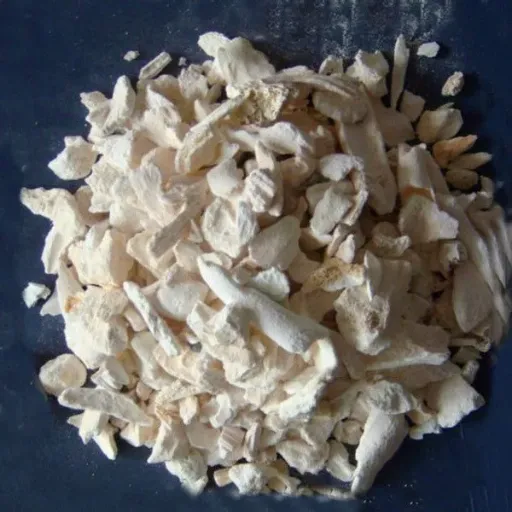 Read More
 -
How to Source Bone Ash for Foundry Applications: A Buyer's Checklist
August 13, 2026A purchasing manager at a brass foundry in Egypt ordered 20 metric tons of bone ash from a new supplier at a price roughly 25% bel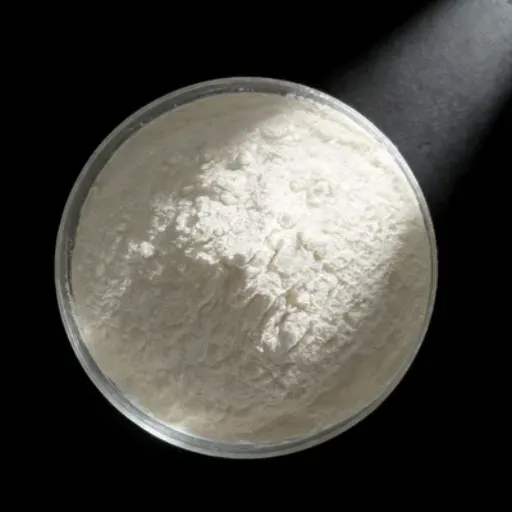 Read More
 -
Bone Ash vs Graphite Powder for Non-Ferrous Metal Mold Release
August 12, 2026A brass foundry in Southeast Asia switched from bone ash to a lower-cost graphite powder for its sand casting release agent, expec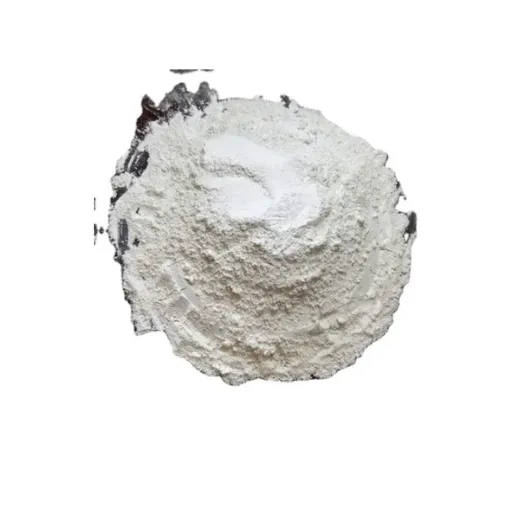 Read More

Contact Us
Recommended Products
-
 Manufacturer Sell Low Price Calcined Bone Ash or PowderUS$ 850MOQ: 5 Tons
 -
Manufacturer Sell Low Price Calcined Bone Ash or PowderUS$ 850MOQ: 5 Tons
-
Manufacturer Sell Low Price Calcined Bone Ash or PowderUS$ 850MOQ: 5 Tons
-
Sell Well Bone Ash for Mold Releasing UseUS$ 880 - 920MOQ: 5 Tons
-
Feilong Direct Sales Die-casting Water-soluble Mold Metal Release AgentUS$ 920MOQ: 5 Tons
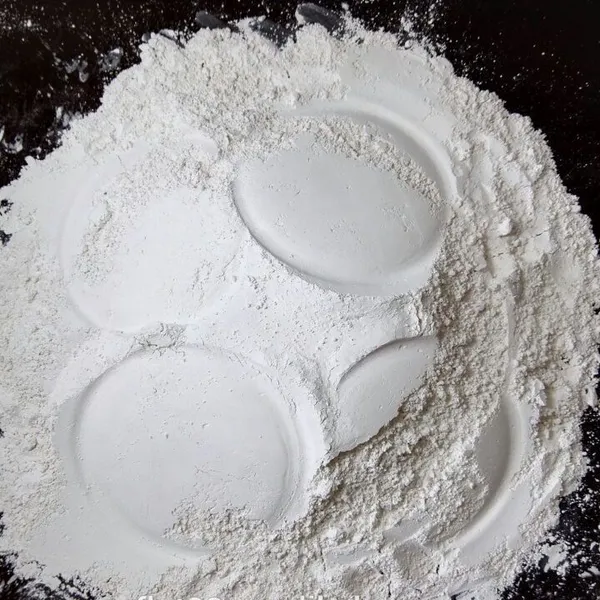
-
Natural Animal Bone AshUS$ 880 - 920MOQ: 5 Tons
-
China Manufacturer Supply Eco-Friendly Bone Ash PowderUS$ 890MOQ: 1 Ton
-
Calcined Bone Ash for Bone China With GoodPriceUS$ 880 - 920MOQ: 5 Tons
-
Synthetic Bone Ash for Ceramic With Good PriceUS$ 850MOQ: 5 Tons
-
Calcium and Phosphorus Powder - 325 MeshPowderUS$ 850MOQ: 5 Tons
-
Calcium and Phosphorus Powder - 325 MeshPowderUS$ 850MOQ: 5 Tons
-
Calcium Stearate PVC PE Lubricant Mould-releasing Powder ManufacturerUS$ 850MOQ: 5 Tons
-
Reputed Supplier Selling Bone Ash Powder Which Meet With Environmental Standard As Animal FeedstuffUS$ 850MOQ: 5 Tons
-
Industrial Grade Bone Ash for Bone Ceramics and MetallurgyUS$ 900MOQ: 10 Tons
-
Animal Ashes Used for Bone ChinaUS$ 900MOQ: 5 Tons
-
Calcium and Phosphorus Powder - 325 MeshPowderUS$ 850MOQ: 5 Tons
-
High Quality Bone Ash for Mold Releasing Use/bone Ash PowderUS$ 850 - 880MOQ: 5 Tons
-
Manufacturer Sell Low Price Calcined Bone Ash or PowderUS$ 850MOQ: 5 Tons
-
Calcined Bone Ash for Bone China With GoodPriceUS$ 880MOQ: 5 Tons
-
High Quality Bone Ash for Mold Releasing Use/bone Ash PowderUS$ 880 - 920MOQ: 5 Tons